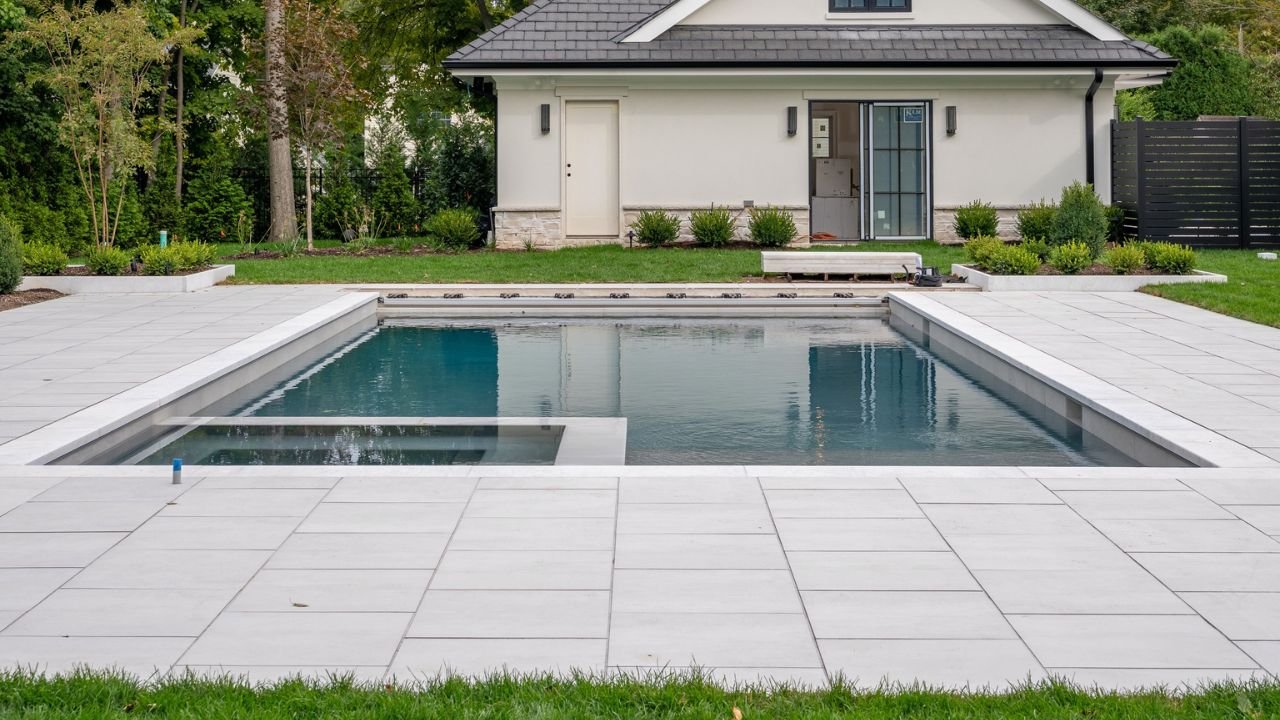

Pool coping is not just an afterthought for your swimming pool but an important part of the area. It is installed along the top of the pool. It secures the pool shell and brings the pool level with the deck. Coping costs are priced by the linear foot, so measure your pool perimeter before you compare materials.
Installed pool coping costs vary by material, profile, and local labor rates. As a US budgeting reference, HomeGuide estimates installed costs of approximately $40–$55 per linear foot for concrete, $45–$65 for brick, $50–$70 for paver coping, $55–$80 for travertine, and $45–$70 for composite. These are indicative estimates rather than guaranteed prices for your project.
Affordable Pool Coping Options Compared
While cast concrete is the most affordable pool coping, there are other pool coping options as well, but travertine and composite cost more.
| Coping material | Indicative installed cost | Best for | Maintenance | What to consider |
| Concrete | $40–$55 per linear ft | Budget-conscious projects and simple profiles | May require sealing and repairs | Cracking and surface wear |
| Brick | $45–$65 per linear ft | Traditional pool designs | Periodic cleaning and sealing as appropriate | Water absorption and joint maintenance |
| Concrete paver coping | $50–$70 per linear ft | Pools with matching paver decks | Joint and surface maintenance as needed | Correct edge profile and installation |
| Travertine | $55–$80 per linear ft | A natural-stone appearance | Sealing and suitable poolside maintenance | Product-specific slip resistance and chemical exposure |
| Composite | $45–$70 per linear ft | Owners prioritizing low maintenance | Generally low | Product availability and design options |

Cast Concrete Pool Coping
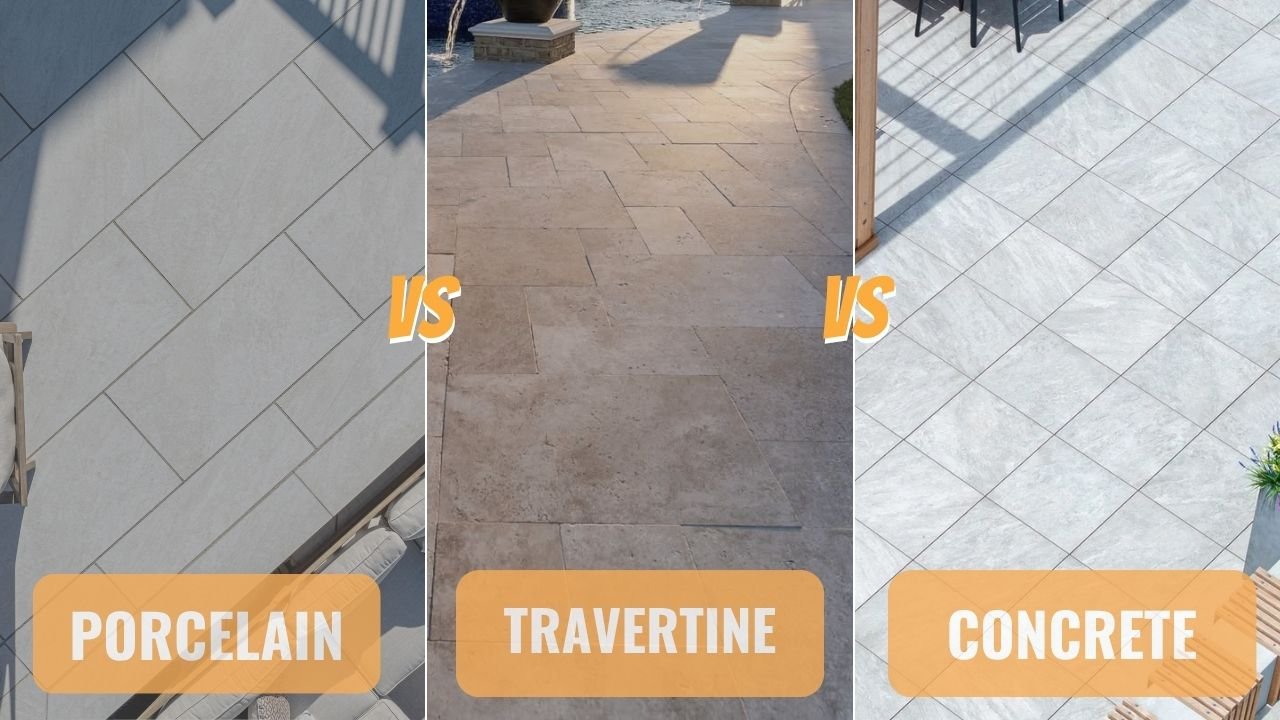
Cast concrete pool coping is the most cost-friendly option for most pool projects. Manufacturers pour it in bullnose pool coping, flat, and cantilevered profiles, and you can pick colors and textures. It is strong, durable, and affordable, though it can crack over time and may need resealing. Choose a textured finish for grip. Installed costs are often higher than material-only estimates because labor, preparation, and finishing contribute to the total. Ask contractors to itemize these costs and confirm the installation method is suitable for your pool structure.
Brick Pool Coping
Brick pool coping offers a traditional look at a low-to-moderate price. One source notes that you may get it for $20 to $30 per linear foot. However, it has lower water resistance and requires more maintenance. Another source notes that bricks resist chlorinated saltwater and are simple to replace if damaged. Seal brick and plan to reseal it on schedule. Ask whether the selected brick is suitable for poolside exposure and whether sealing or other maintenance is recommended by the manufacturer.
Concrete Paver Pool Coping
Using concrete pavers as coping can be another budget-friendly option. Installers set them on a full mortar bed with a bullnose or rounded edge. Concrete pavers with light color absorb less heat in summer. Pavers also match a paver deck, which provides a clean and continuous look to the pool area. Individual units can be lifted and replaced if one chips. Compare the coping’s linear-foot cost separately from the deck’s square-foot cost.
Travertine Pool Coping
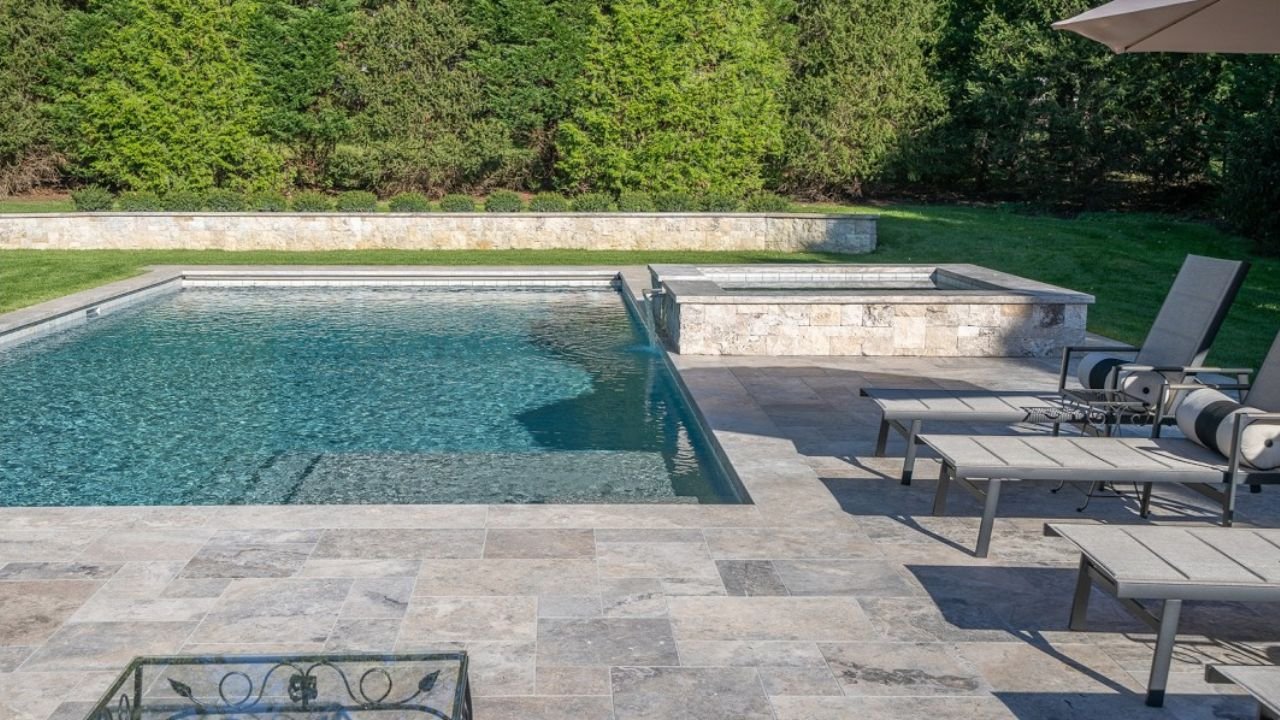
Travertine pool coping is the mid-range option and provides a high-end finish. Travertine, marble, and brick are all middle-of-the-road options that offer slip resistance and look sleek for an outdoor space. Also, materials like travertine and marble remain cool to the touch. Travertine requires sealing to protect it from pool chemicals. This is the best upgrade when you want a premium edge without a premium budget. Confirm the product’s suitability for pool use, its wet-slip performance, and the manufacturer’s recommendations for sealing and chemical exposure.

Composite Pool Coping
Composite swimming pool coping resists water and salt. One guide estimates it at $30 to $45 per linear foot, with slip resistance and low maintenance but fewer design options. It suits owners who value low upkeep over style variety. Pricing varies by product and availability, so request an installed quote rather than assuming all composite products fall within one universal price range.
Where to Spend on a Pool Project
Your pool project is an important upgrade for your house, but this doesn’t mean you have to spend equally on every aspect of it. Some parts of your pool project will require you to spend more.
The Base Under the Coping
Pool coping as a material doesn’t fail as much as the base underneath. A poor base will cause the edge to shift, crack, or loosen from the pool shell. Spend on the solid bond beam, a full mortar bed, and correct joint spacing. These details cost little compared with a re-do.
Drainage
Slope the deck away from the pool and the house. Plan where the running water will go before installers pour or set a single unit. Standing water often results in algae, staining, and freeze damage in cold regions.
Slip Resistance
Wet feet and smooth surfaces are a bad mix. Choose textured or honed finishes, and ask your supplier for the slip rating on any stone or tile. A grippy surface protects swimmers and costs little to specify.
Sealing
Concrete, brick, and natural stone all benefit from sealer. One supplier says stone pool coping needs resealing only every 5 to 10 years after the first sealing. That is a small maintenance cost against the price of replacing stained or spalled edges.
Where to Save on the Pool Deck
You can save on some aspects of your pool project such as:
Concrete Pavers for the Field
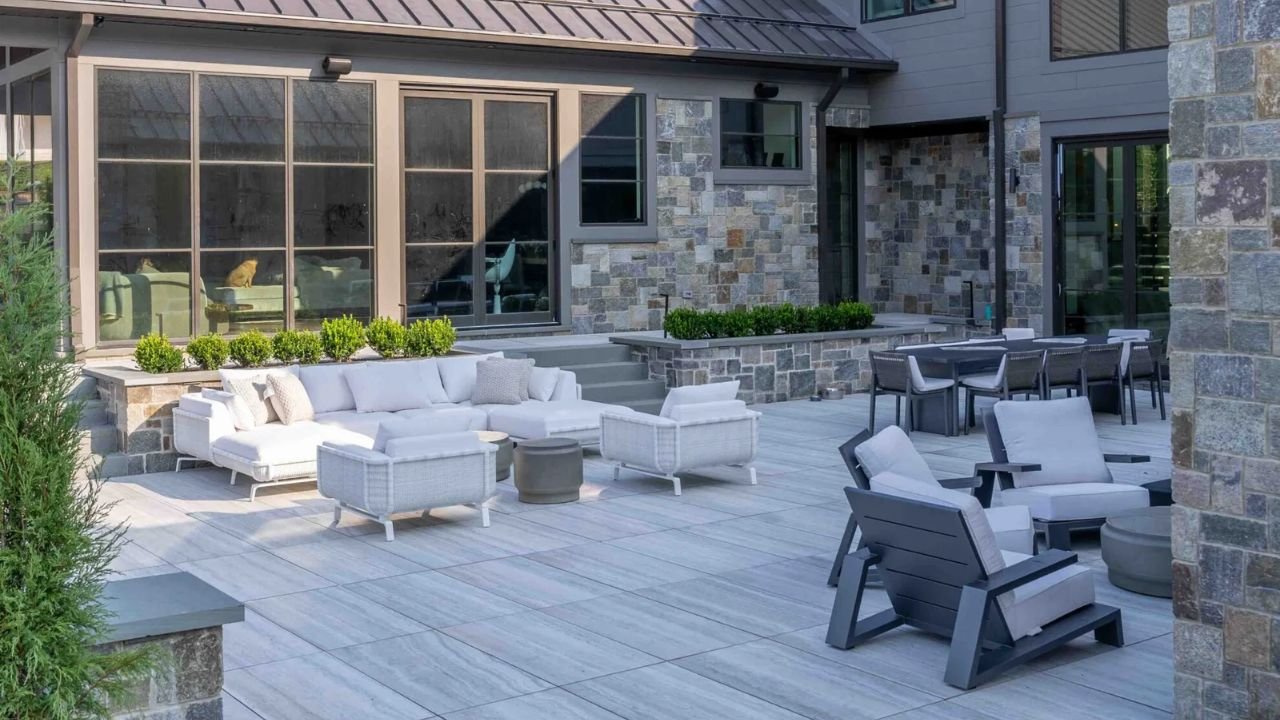
The deck field covers the most square feet, so economy matters here. Prefabricated pavers cost around $3 to $7 per square foot for material, and they are easy to install, so the labor cost is lower. Some installed concrete pavers can roughly cost $8 to $18 per square foot. However, local labor rates can impact the cost, so opt for local quotes.

Exposed Aggregate Concrete
Poured concrete is the most affordable and cost-effective decking material for an in-ground pool. Exposed aggregate adds texture and traction. The trade-off is repair, because cracked slabs are harder to patch than pavers.
A Smaller Footprint
Size the deck for the furniture you own and the paths you walk. A lounge zone and a clear walkway cost far less than wall-to-wall surface. You can extend the deck later if needs change.
Three Budget Packages
Request itemized quotes from at least two or three qualified local contractors. Each quote should identify the coping material, profile, quantity in linear feet, material and labor costs, substrate preparation, setting materials, jointing, sealing, drainage work, removal of existing materials, and applicable taxes. Request a separate price for the deck in square feet.
- Lean budget includes cast concrete coping with a broom-finish concrete deck. This gives the lowest total cost.
- A balanced budget pool project involves brick or paver pool coping with a concrete paver deck. The edge looks finished, and the field stays affordable.
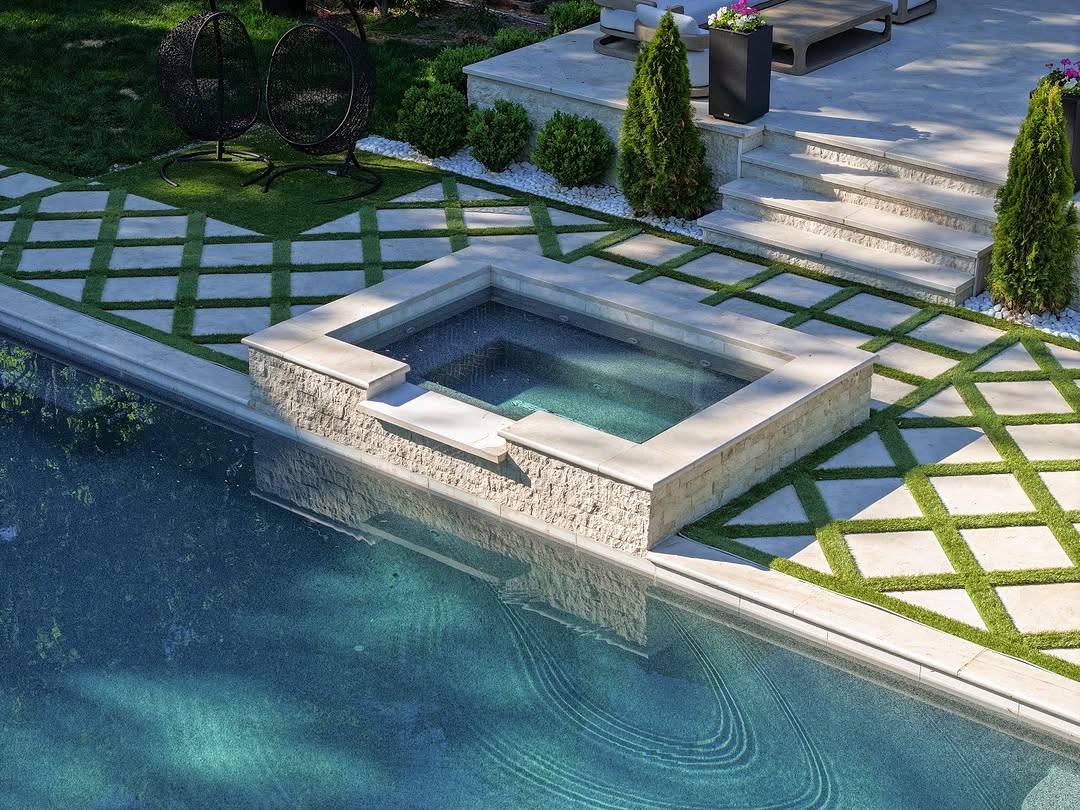
- Travertine pool coping with a light concrete paver deck and a paver border. Only the perimeter carries the premium, so the total stays in check.

Common Questions About Affordable Pool Coping
Frequently asked questions about affordable pool deck material.
What is the cheapest pool coping?
Cast concrete costs the least, with brick and concrete pavers close behind.
Is natural stone coping always expensive?
No. Depending on the material, such as travertine, it is a mid-range coping material. The sealed one holds up well for years.
Does coping color affect heat?
Yes. Light travertine, concrete, and pavers stay cooler than dark stone or dark composite.
Can I mix coping and deck materials?
Yes. A travertine or brick edge over a paver deck is a common, cost-controlled pairing.
Is porcelain coping worth the extra cost?
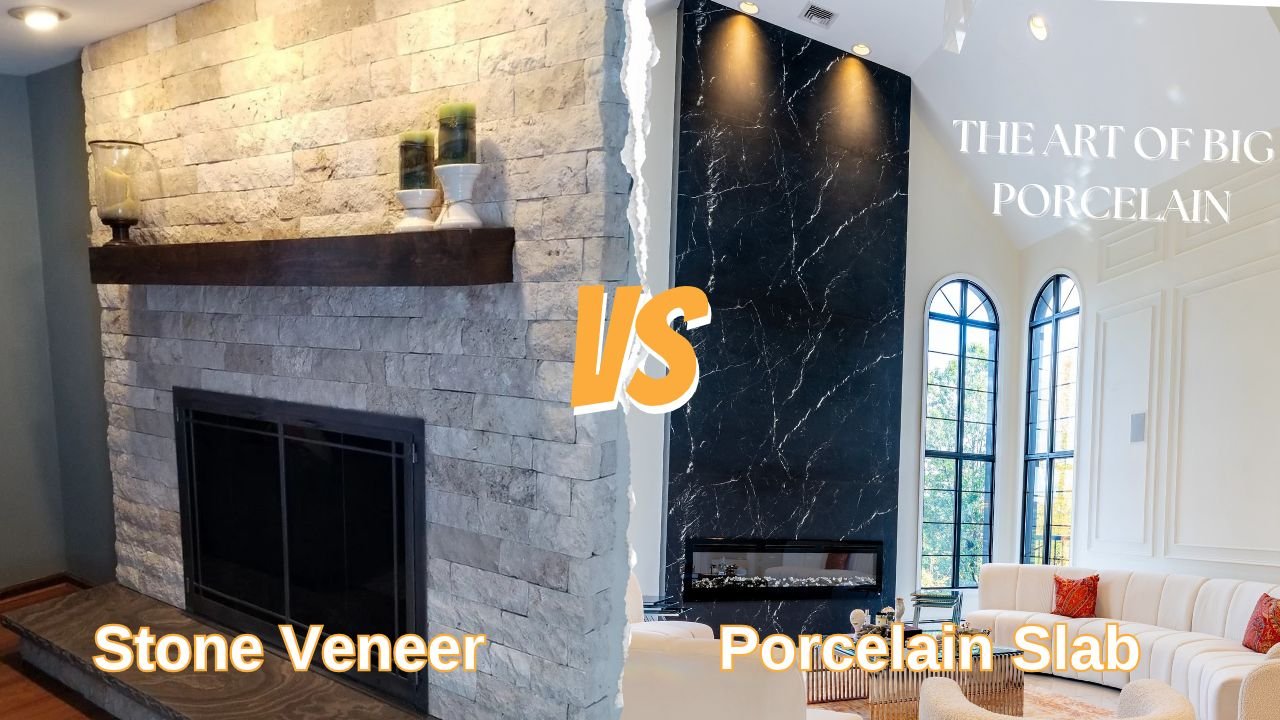
Yes. If you prefer low water absorption, a contemporary appearance, and low maintenance, then porcelain pavers are a great choice.
How can I reduce pool coping installation costs?
Choose standard profiles, minimize custom cuts, coordinate coping with the deck, and compare itemized contractor quotes. Preserve the budget for proper support, joints, drainage, and compatible installation materials.
Bottom Line
When deciding on affordable pool deck and pool coping options, consider that both options should be treated as two separate decisions. Spend enough on the base, drainage, slip resistance, and sealing. Put savings into the deck field, where square footage drives price. Homeowners should request a written quote for their perimeter and deck area. Also, compare materials by cost per linear foot and square foot. For help comparing materials, profiles, and colors, see how to choose the right pool coping.