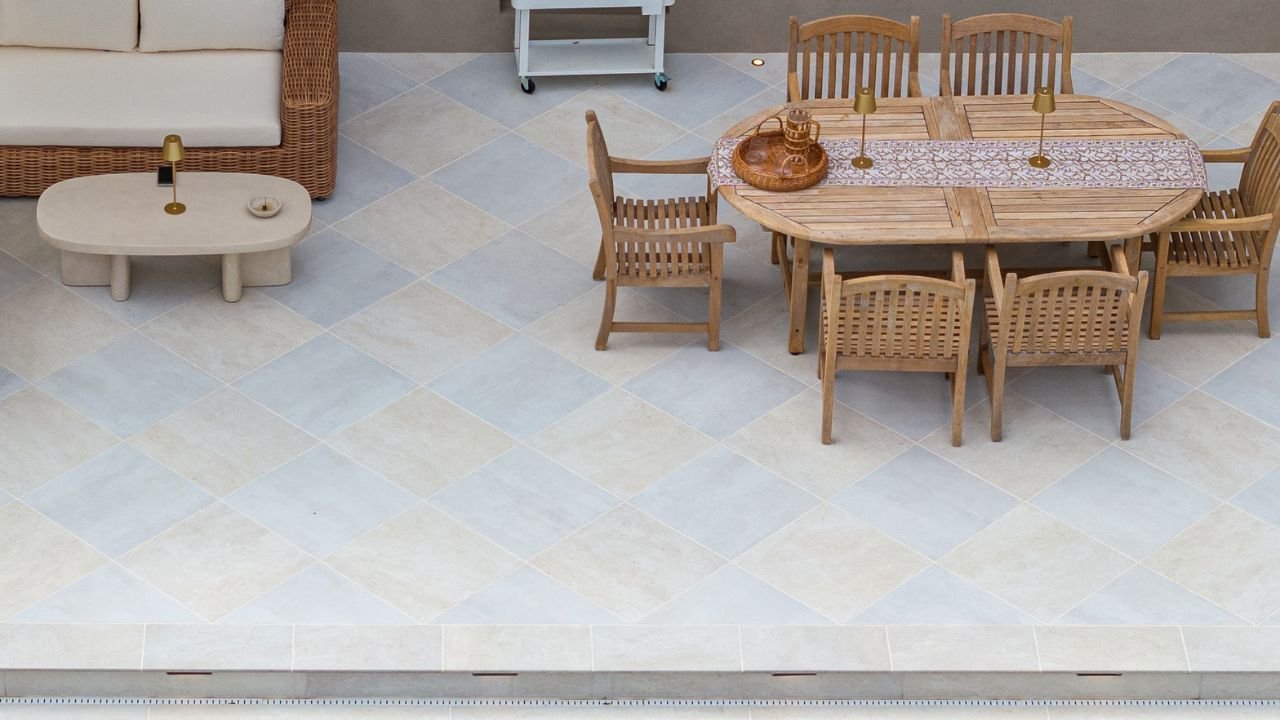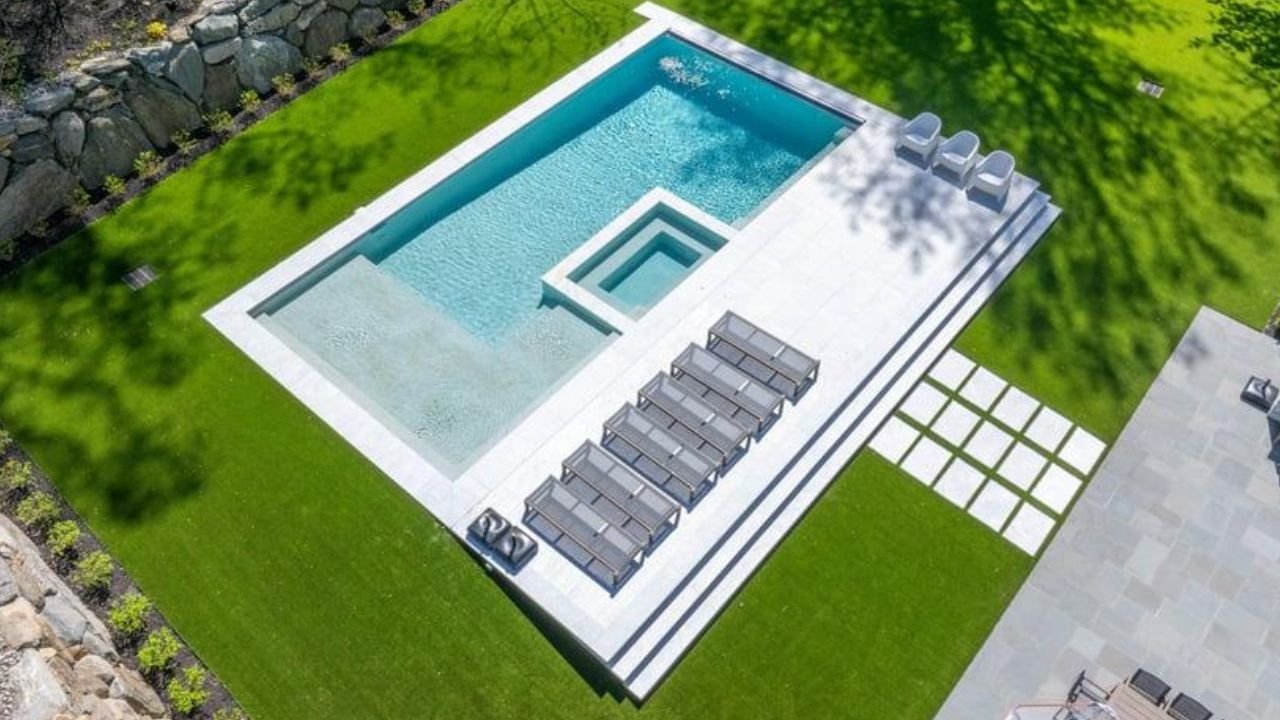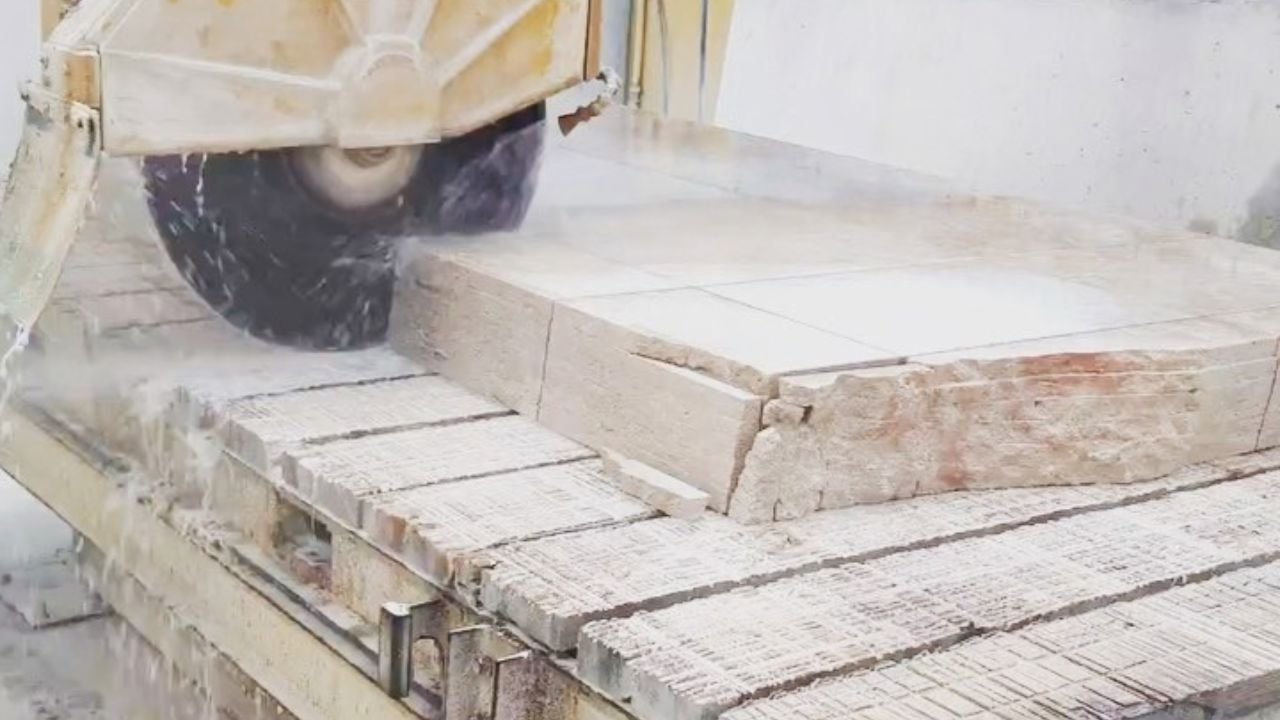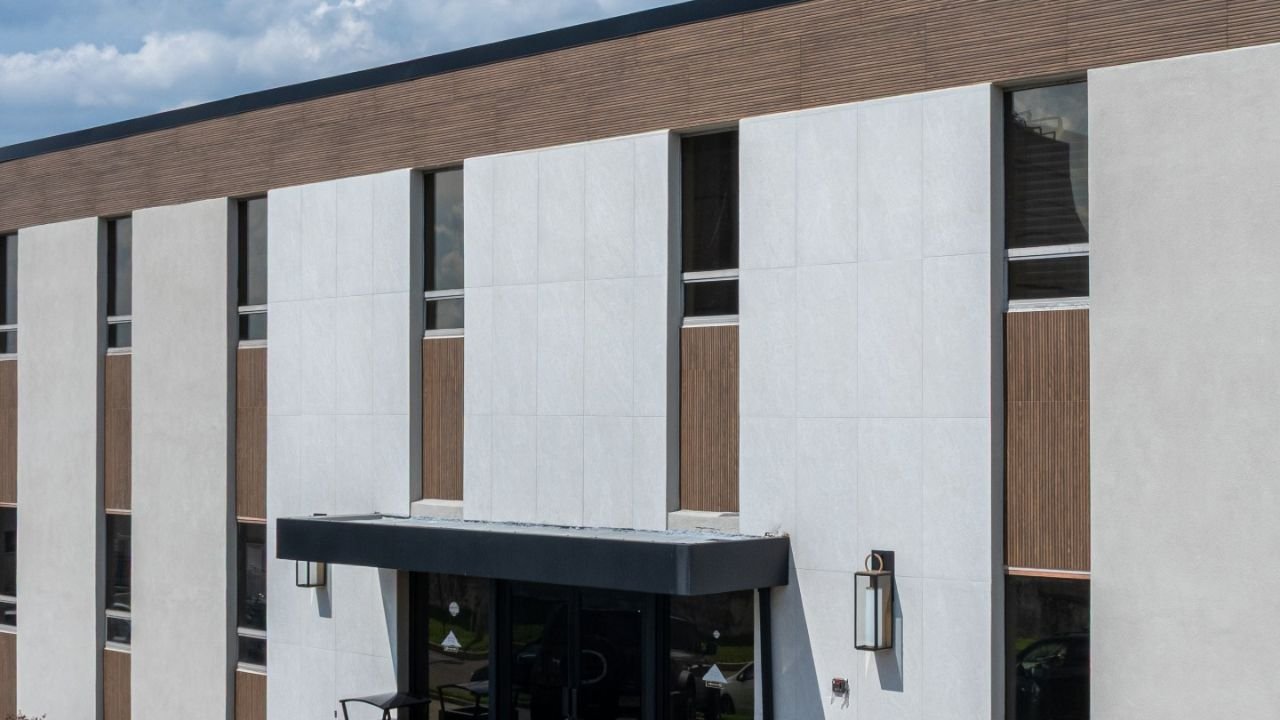


A paver patio is one of the most defining parts of modern residential projects. A paver patio should prevent pooling rainwater after every storm. Water pooling usually means there is a drainage or installation problem. However, the fix depends on where the water comes from and why it stays. A few low spots may only need individual pavers reset.
A patio with poor slope or a failing base may need more work because of frequent standing water. Understanding the cause helps homeowners avoid wasting money on surface-level fixes that do not solve the drainage problem. Here is what you need to know about preventing water pooling on a paver patio.
How To Fix Water Pooling on a Paver Patio?
When it comes to preventing water pooling on a paver patio, the right solution depends on the problem severity.
Reset Low or Sunken Pavers
One of the first solutions to stop water pooling on a paver patio is repairing any low or sunken pavers. If a small puddle is caused by one or several settled pavers, remove the affected pavers and inspect the base.
Add or correct the bedding material, compact the area, and reinstall the pavers at the proper elevation and slope. Replace the joint sand after installation. This is one of the simplest repairs when the surrounding patio remains stable. You may need to fix uneven pavers when several units have settled at different heights.
Correct the Patio Slope
If water collects across a larger section, resetting individual pavers may not work. The underlying base may need to be rebuilt. A contractor can remove the damaged paving, correct the base elevation, and compact the layers. He will then reinstall the pavers with a consistent drainage slope.
For homeowners, this difference matters because a puddle caused by a low paver is a repair. But a puddle caused by a poorly graded patio is a drainage project.
Clean and Restore Paver Joints
Debris and unwanted vegetation around the joints can also cause puddles in the paver patio. Removing them can make a huge difference. Depending on the paving system, fresh jointing material may help restore the intended performance.
Do not assume that adding more sand will fix the water accumulation. Joint maintenance can help surface drainage, but it cannot correct a patio that lacks proper slope.
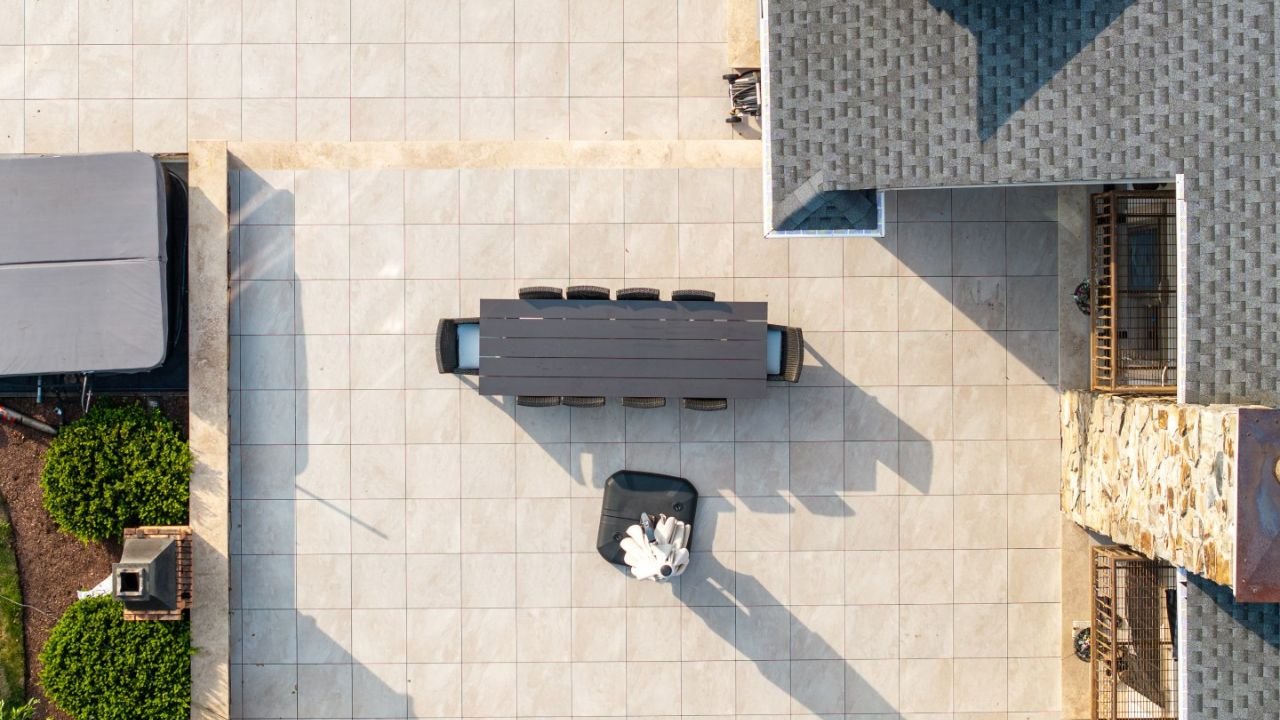
Why Does Water Pool on a Paver Patio?
While we can fix the water pooling issue on the paver patio, it is important to understand why this issue starts in the first place. Several problems can create the same puddle.
The Patio Has Too Little Slope
Patios need a slight slope so gravity can move the rainwater toward a suitable drainage area. If the installed surface is too flat, water may remain after rainfall. A common design target for many patios is a slope of about 2%, or roughly 1/4 inch per foot. The exact requirement can depend on the paving material, local conditions, and drainage design.
2. Pavers Have Settled
Individual pavers can sink when the base beneath them loses stability. This creates low spots where water collects. Pavers settle because of poor base prep, inadequate compaction, erosion, or water moving through the subgrade.
3. Paver Joints Are Clogged
Paver joints help water to move into the paving system. Dirt, organic debris, weeds, and compacted sediment can reduce infiltration through the joints. This does not mean every patio needs highly permeable pavers. Conventional pavers can drain well when installed over a properly prepared base and given a suitable drainage path.
4. Water Has Nowhere to Go
Sometimes the patio itself is not the main problem. There is no adequate space for water to move. Gutters, downspouts, landscaping, retaining walls, or nearby hardscapes may send water toward the patio. Check the entire drainage path rather than focusing only on the puddle.
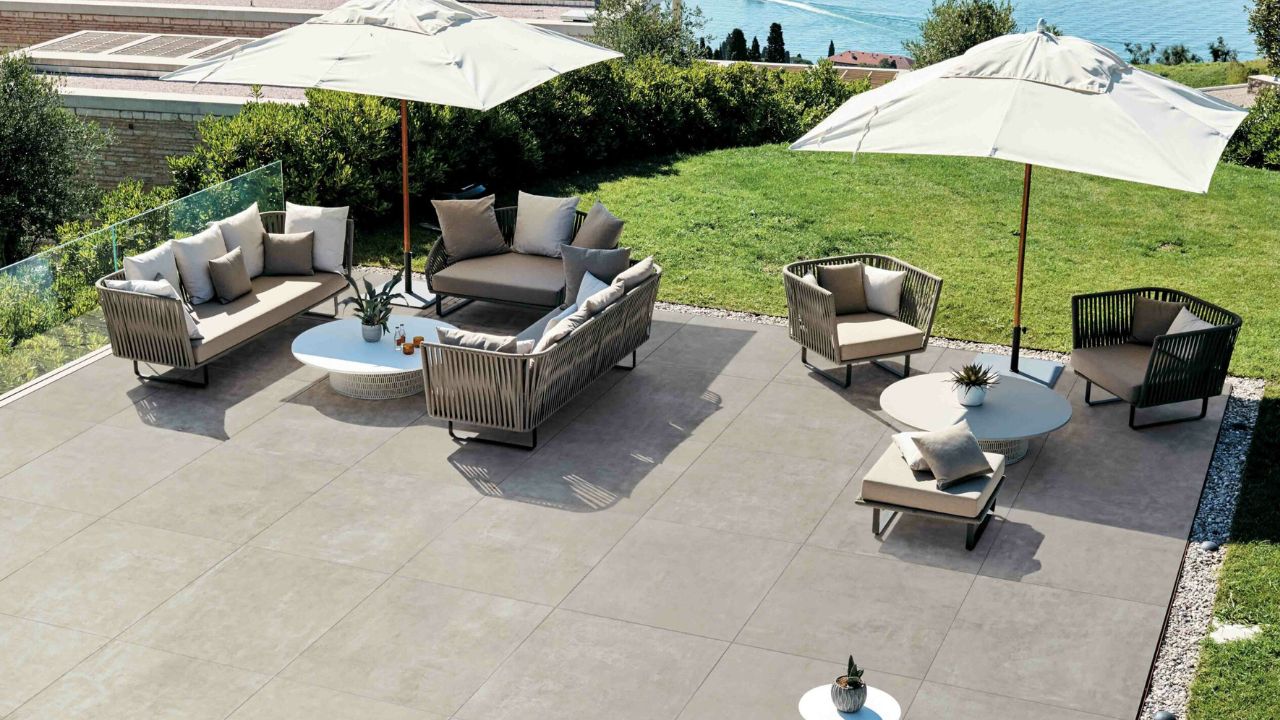
Different Types Of Drains To Add to a Patio
Adding a drain to the patio is the easiest way to prevent water pooling on the paver.
Channel Drains
A channel drain can collect water along an edge or from a transition. It can work well where water runoff moves towards the patio from a lawn, slope, driveway, or neighboring hardscape. The drain must discharge to an appropriate location. Installing a drain without planning its outlet only moves the problem a few feet.
Catch Basins
A catch basin can collect runoff at a low point and connect to a suitable drainage system. This drain type can help where water naturally concentrates in one location. The basin should remain accessible for cleaning. Leaves and sediment can reduce its capacity over time.
Downspout Management
Check where roof water exits to ensure it slopes away from the patio. A downspout that releases water beside the patio can saturate the base and contribute to erosion or settlement. Extending the downspout toward an approved drainage area can solve the source instead of treating the symptom.
French drain
A French drain can be a great option when groundwater or surface runoff moves toward the patio from higher ground. It collects water below the surface and redirects it through a perforated pipe. Consider one when pooling results from persistent runoff rather than a low paver.
Can You Prevent Water Pooling When Installing a New Paver Patio?
Yes. It is possible to keep water away from your home when installing a new paver patio. Often, homeowners who are concerned about water pooling on a paver patio want to know if their construction is problematic. Prevention starts right under the pavers.
A durable installation needs more than attractive paving material. The installer should consider the subgrade, compacted aggregate base, bedding layer, jointing material, slope, edge restraints, and drainage path. All of these should be treated as one system to eliminate any future drainage issues in outdoor space.
The site should be evaluated before construction. Soil type, existing grades, roof runoff, nearby structures, and local rainfall patterns can also affect drainage decisions. Even the best-looking paver patio ideas can develop drainage problems if slope and water management are overlooked.
Conventional vs Permeable Pavers
This also matters when selecting between conventional and permeable paving systems. Permeable pavers use specially designed joints and base materials to manage stormwater. However, they are not a suitable substitute for regular pavers without considering the complete installation system.
At NT Pavers, homeowners can also think about drainage during material selection rather than after paver installation. Porcelain pavers, natural stone, and concrete pavers each have different surface and installation characteristics, so the paving material should match the site’s drainage design.
Paver Patio Drainage FAQs
Let’s answer your questions about drainage in the paver patio.
How do I fix a low spot in my paver patio?
Remove the damaged pavers and correct the bedding and base underneath them. Compact the area and reinstall the pavers at the correct elevation.
Why does my paver patio hold water after rain?
Poor slope, settled pavers, clogged joints, base failure, or runoff entering the patio can cause water pooling.
Should a paver patio be completely level?
No. A patio requires enough slope to move water toward a suitable drainage area. A completely flat surface can also add to pooling.
Will polymeric sand stop water pooling on pavers?
No. Polymeric sand cannot fix the pooling. It can only stabilize joints, but it cannot correct poor grading, sunken pavers, or inadequate drainage.
Can you add a drain to an existing paver patio?
Yes. A channel drain or catch basin can often be installed, but the drainage outlet must be planned before excavation.
Are permeable pavers better for drainage?
Yes. They are a good choice for stormwater management because water passes through their joints into a designed base system. They require a proper site design and installation.
Bottom Line
Water pooling on the paver patio is a serious concern for homeowners, and for all the right reasons, it should be. It can cause serious slipperiness and look unwelcoming if it stays too long or too often. Considering the right drainage right from the start of patio installation can be helpful in this regard.
Learn about the different drain types that can be integrated into your patio surface design so you face water accumulation less. If water repeatedly collects across a large section, rebuilding the affected area may provide a better long-term solution than repeated surface repairs.