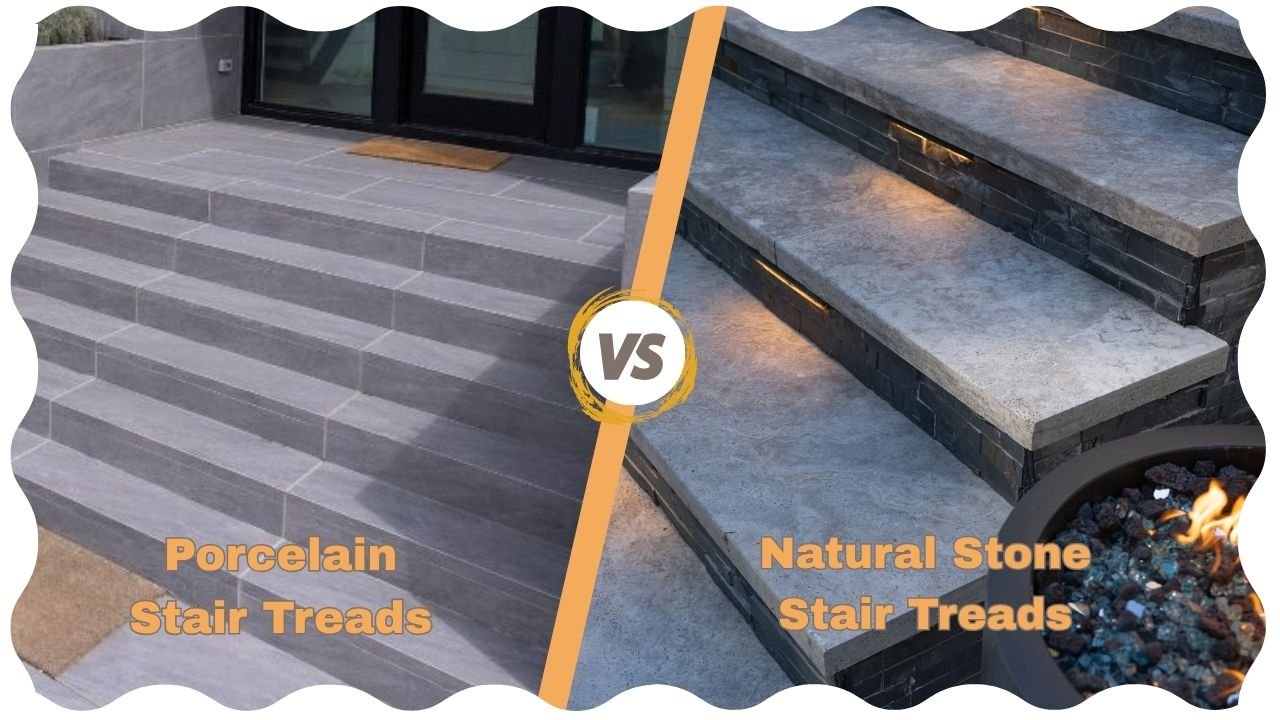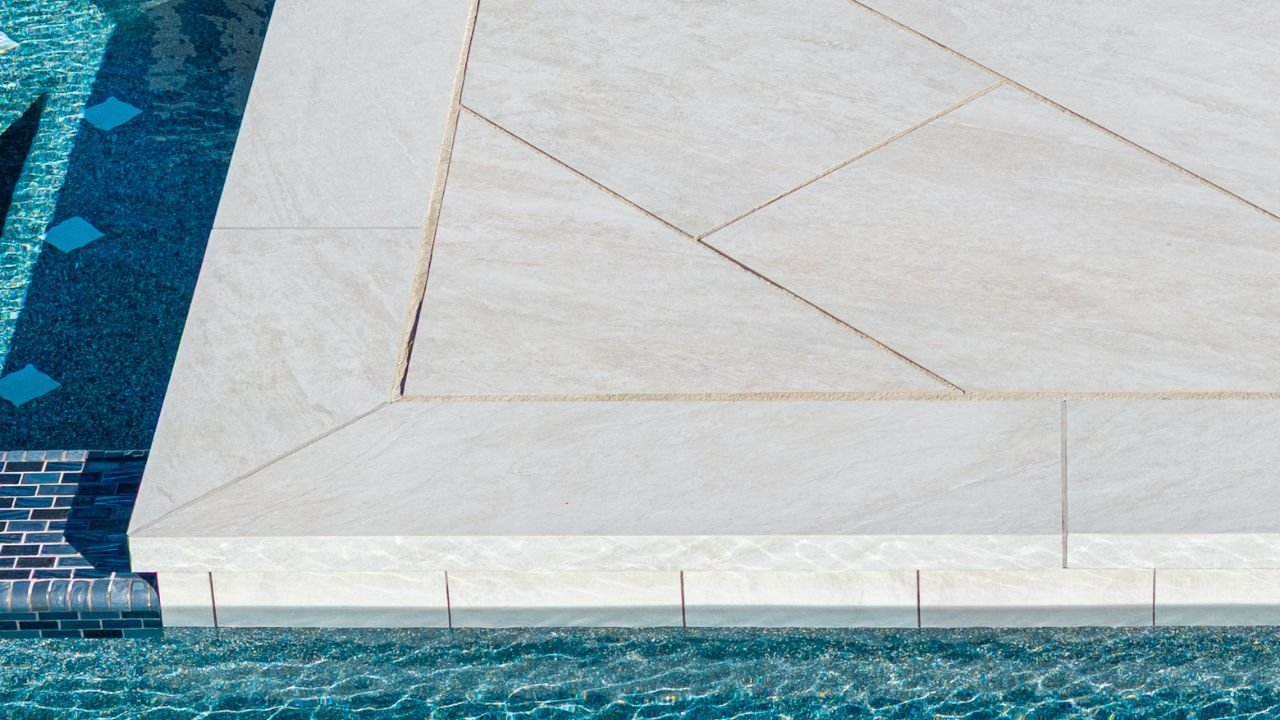

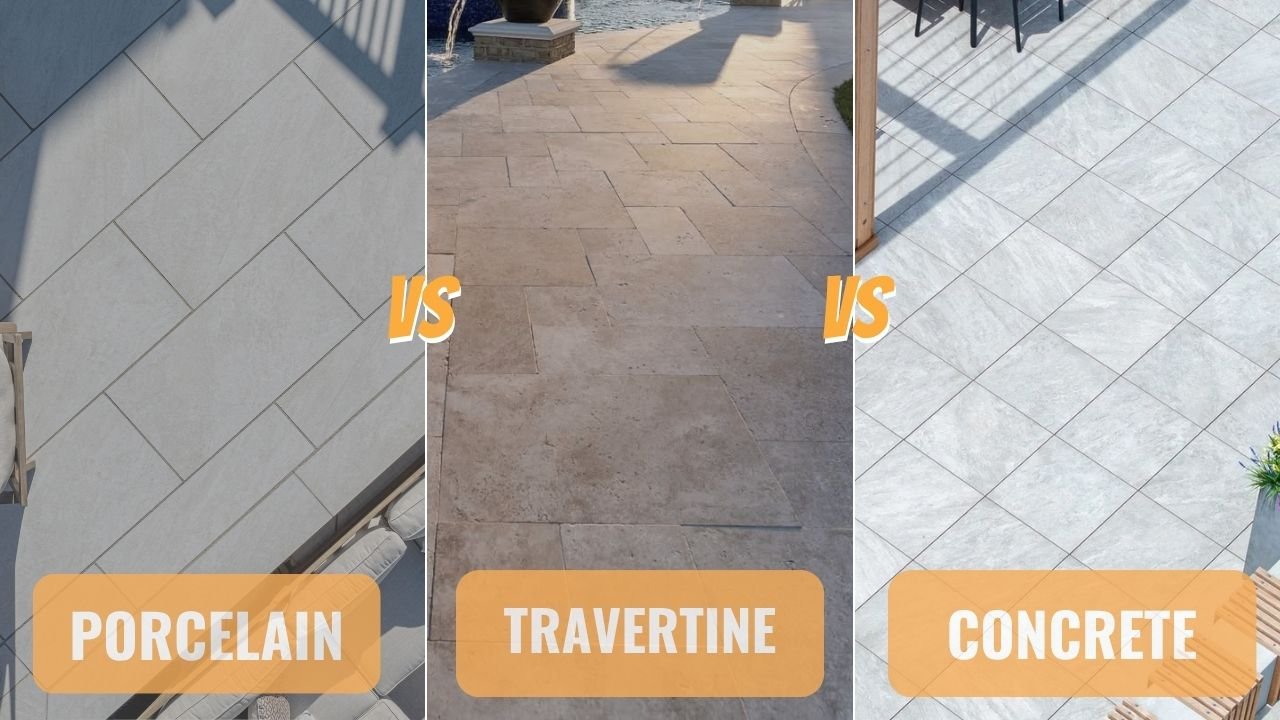
When it comes to choosing material for an outdoor project, many homeowners will prefer the upfront cost of selecting materials like porcelain pavers, travertine, and concrete. However, they often forget that the upfront cost is not the only factor that determines the lifetime cost. Installation methods, site prep, maintenance requirements, and repairability all affect what homeowners ultimately spend. Porcelain pavers may have a higher upfront cost, but the lifetime cost can be lower because of low maintenance and reduced surface treatments. Concrete pavers may be ideal for budgeted outdoor projects and offer convenient repairs, and travertine provides authentic natural stone personality. Understanding these differences helps you compare the full cost of ownership before buying.
Porcelain Pavers Vs Travertine Vs Concrete Pavers: Cost Comparison
The table compares general cost considerations for porcelain, travertine, and concrete pavers.
| Cost factor | Porcelain | Travertine | Concrete |
| Initial cost | Often moderate to high | Varies by stone grade and finish | Generally lower |
| Installation | Can require specialized handling and setting | Depends on format and installation system | Often straightforward for interlocking systems |
| Cleaning | Usually simple | Requires stone-compatible cleaners | Generally straightforward |
| Sealing | Usually unnecessary | Often beneficial, depending on the stone | Optional for many products |
| Joint maintenance | Depends on installation system | Depends on installation system | Joint sand may need replenishment |
| Repairs | Replacement matching can be difficult | Natural color variation complicates matching | Individual units can often be lifted and reset |
| Main cost consideration | Initial installation and specialized repairs | Stone care and replacement matching | Joint maintenance, staining, and settlement |
These comparisons describe general cost considerations, not guaranteed costs for every product. Installation quality, exposure, and manufacturer recommendations affect actual expenses.
How to Calculate Lifetime Paver Cost
Use the same ownership period, such as 20 years, for all three materials.
Lifetime cost = initial installation + maintenance + sealing and treatments + repairs and replacement.
For a fair comparison, use the same ownership period and include the expected costs for each material. Treat future maintenance and repair expenses as estimates rather than guaranteed costs.
Include:
- Initial material, delivery, preparation, and installation costs.
- Routine cleaning and joint maintenance.
- Periodic sealing or other manufacturer-recommended treatments.
- Replacement units and repair labor.
- Major corrective work if the base or drainage system fails.
For example, a 500-square-foot patio installed at $12 per square foot costs $6,000 initially. At $20 per square foot, the same area costs $10,000. These are illustrative calculations, not current market quotes.
The higher-priced option would need to save $4,000 in cumulative maintenance and repair costs to offset that initial difference over the comparison period. This simple calculation helps homeowners evaluate trade-offs without assuming that any material will last a specific number of years. For a more detailed comparison, account for inflation and the timing of future expenses. Service-life estimates should remain planning assumptions rather than guarantees.

How Much Do the Three Paver Materials Cost Initially?
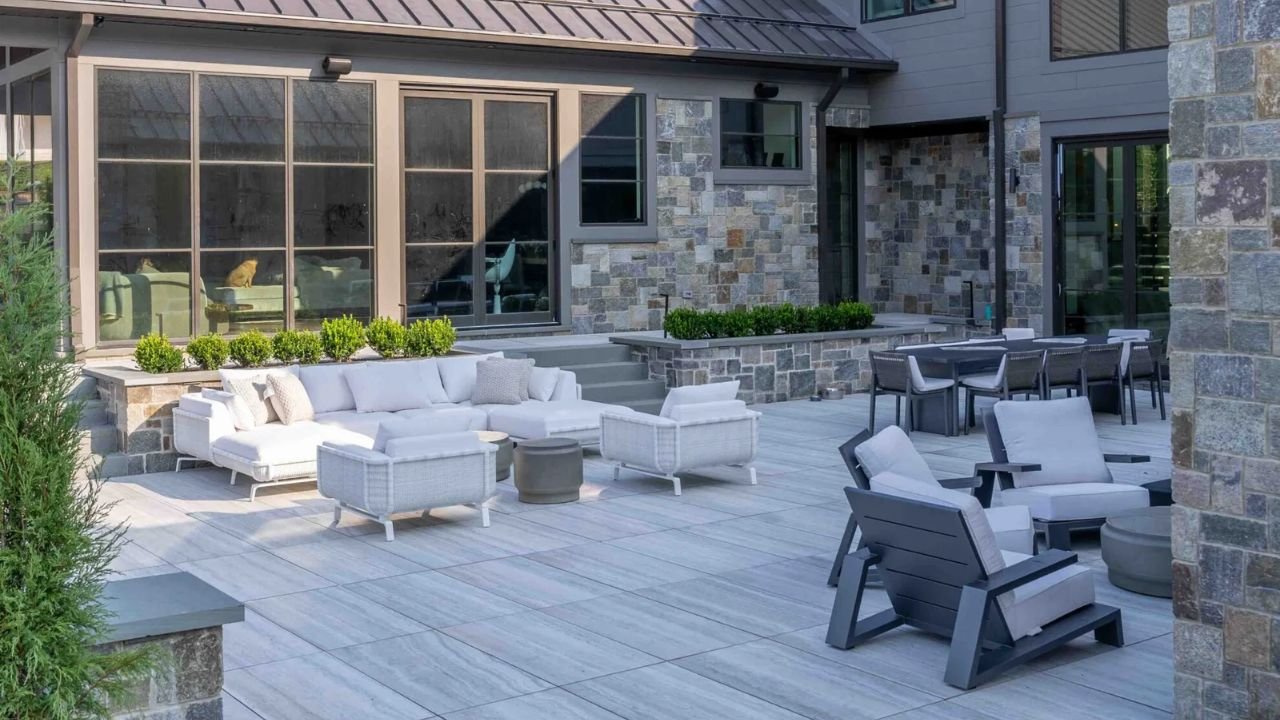
Outdoor porcelain pavers generally cost more upfront because the material requires precise cutting and professional installation. Large-format porcelain slabs, pedestal, or mortar-set systems produce different labor and preparation costs. Homeowners should verify that the selected product and installation method are ideal for the targeted application.
Travertine pavers have different pricing according to stone quality, thickness, size, finish, and availability. They feature natural variation, but more premium-grade travertine pavers or finishes can affect the purchase price and installation work.
Concrete pavers generally cost less upfront and are a good starting point for homeowners working within a limited budget. Standard interlocking formats can make the installation convenient. The complex patterns, excavation, drainage improvements, and difficult site conditions can increase labor costs.
To get the most accurate comparison, request installed quotes for outdoor space. This includes excavation, base preparation, bedding, restraints, joint materials, delivery, cutting, and cleanup. Material prices alone do not reveal the true cost of the project.

Sealing and Cleaning: Which Pavers Cost Less to Maintain?
Porcelain pavers generally require less routine surface maintenance than many other paver materials. The water absorption is lower, which resists moisture penetration and staining. Also, most outdoor-rated porcelain slabs don’t require any sealing. But this doesn’t make joint maintenance and cleaning unnecessary.
Travertine has a porous surface depending on the variant because some travertine types (such as Silver Travertine or treated/filled travertine) absorb less water. But in general, it may benefit from a compatible penetrating sealer that reduces liquid absorption and improves stain resistance. The appropriate treatment and reapplication schedule depend on the stone, finish, exposure, and sealer instructions. Because travertine is a calcium-carbonate-based stone, acidic cleaners such as vinegar can etch its surface. Sealing does not prevent acid etching.
Concrete pavers are easy to clean, but you will have to consider staining, surface changes, and joint maintenance in ownership costs. Sealing periodically for applications like a walkway or an outdoor kitchen can help secure the surface and enhance color depending on the product. However, it is not automatically required for every concrete paver installation. The Concrete Masonry & Hardscapes Association recommends using cleaners and sealers specifically suited to concrete pavers.
Here, porcelain paver is a clear winner because of its lowest routine surface maintenance. But the actual savings depend on how each material needs surface treatment. It also depends on whether you perform the work yourself or hire a professional.

How Repair and Replacement Costs Matter?
The lifetime cost of the paver also depends on how easily you can repair localized damage.
Concrete Pavers
Interlocking units can easily be removed to correct the underlying area or to replace original pavers. This is ideal for localized settlement or access to utilities.
Porcelain Pavers
Individual units can be replaced, but removal may be more complicated in bonded installations. Matching the original finish and finding discontinued products can also be challenging.
Travertine Pavers
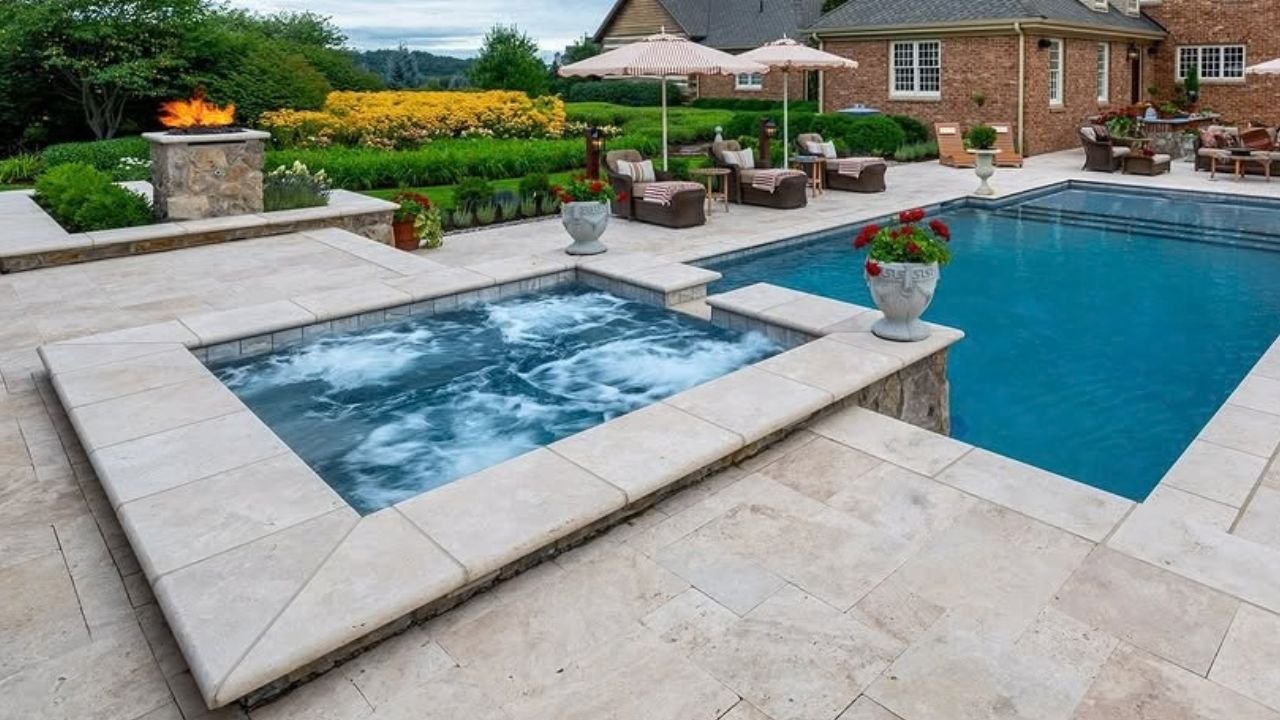
Damaged stones can often be replaced, but natural differences in color and texture may make a perfect match difficult.
Concrete pavers are generally practical when repairs require access to underground services. With a segmented approach, a single paver can be lifted and reinstalled without tearing the entire hard surface. While material repairs matter, surface repairs will not resolve a failing base or drainage problem. If pavers start to settle because of poor compaction or water erosion, the problem underneath should be corrected.
Which Pavers Offer the Best Long-Term Value?
Each material offers its distinct features and pros, yet some offer longevity by justifying their pricing.
- Outdoor-rated porcelain that meets the project requirements requires low maintenance, no sealing, and offers a resistant surface. It offers the best long-term value because of its low water absorption. This helps withstand freeze-thaw cycles, and durability results in less frequent repairs over the years. However, before choosing porcelain pavers for your project, verify the installation system and suitability for the targeted application.
- For the stone, travertine offers the best long-term value in terms of natural appearance. The best thing about outdoor travertine pavers is their aged appearance. Even after a decade, they will still offer a stunning surface that ages like a fine wine. However, they do require continuous care depending on their application. Consider the stone’s finish, cleaning requirements, and suitability for the climate and exposure.
- Concrete pavers offer long-term value for homeowners with a limited budget who want practical repair options. They are durable and can be repaired conveniently. However, joint maintenance, staining, and settlement should be included in the ownership-cost estimate. Ensure the selected system meets expected traffic and load requirements.
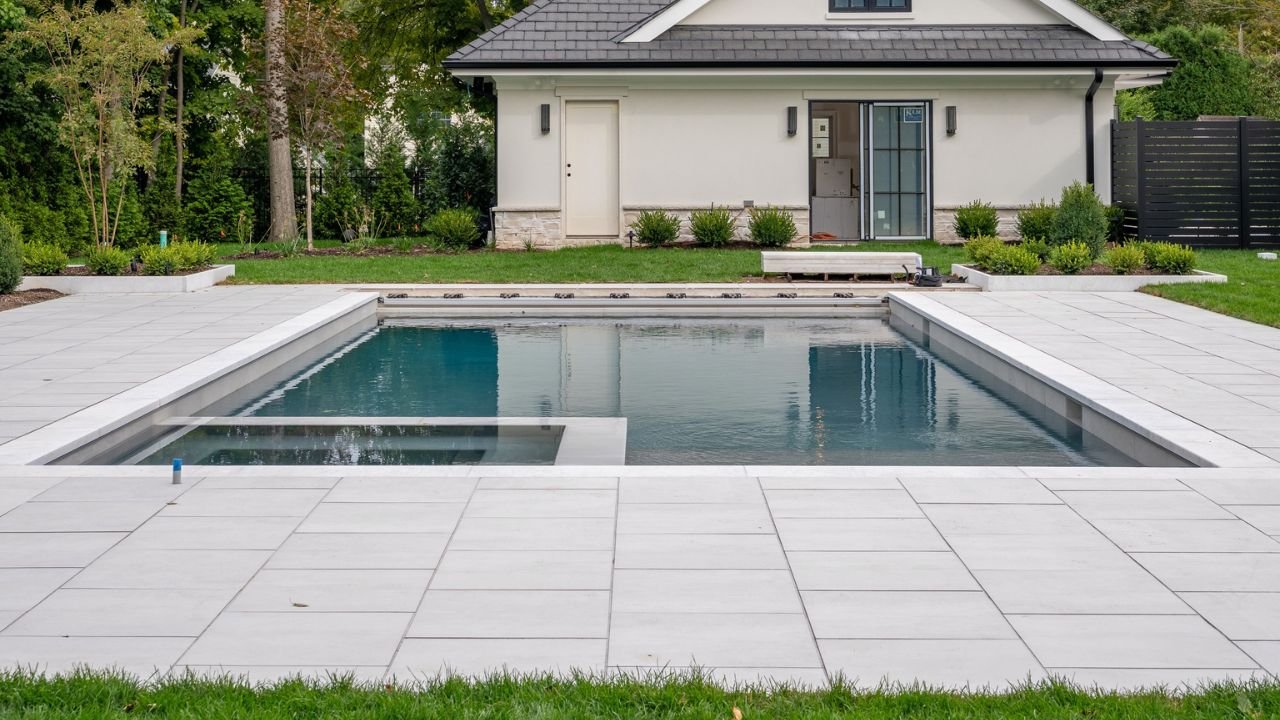
When choosing to install around pools, compare product-specific wet slip-resistance information, drainage, and barefoot comfort. Don’t assume that a material is safe for a pool deck because it is marketed as such. For driveways, verify that the specific paver and installation system are suitable for vehicle loads.
Paver Lifetime Cost FAQs
Commonly asked questions about pavers’ lifetime cost.
Which pavers are cheapest over their lifetime?
There is no universally cheapest paver material over its lifetime. Porcelain can reduce routine surface maintenance, travertine may require periodic sealing, and concrete pavers often have lower initial costs and practical repair options. Compare installation, maintenance, and repair expenses over the same period to determine the most cost-effective option for your project.
Are porcelain pavers worth the higher upfront cost?
Yes. They can be worth the price with lower maintenance and stain resistance. You should compare the complete installation quotes and realistic maintenance costs before choosing.
Does travertine need to be sealed every year?
Travertine does not necessarily need to be sealed every year. The sealing schedule depends on the stone, finish, installation, exposure, and the sealer manufacturer’s instructions. Sealing may help reduce liquid absorption and staining, but it will not prevent acid etching.
Do concrete pavers require sealing?
No. Sealing is not necessary for many concrete pavers. However, when sealed with a compatible sealer, it can improve stain and water resistance.
Which pavers are easiest to repair?
Interlocking concrete pavers are often practical to lift and reset after localized settlement. Porcelain and travertine can also be repaired, but depending on the installation method and paver type, the cost can vary.
How many years should I use for a lifetime-cost comparison?
A 20-year comparison is a useful starting point for budgeting. Apply the same period to all three materials and include maintenance, repairs, and any expected replacement work.
Bottom Line
A Porcelain vs Travertine vs Concrete Pavers comparison can help you select the right paver for your project, but there is a catch. You cannot determine whether it will prove to be cheaper in the long run. Don’t just consider the upfront cost for the pavers because the real cost will come when you calculate the installation system, maintenance requirements, and repairs. Porcelain may cost more from the start, but its low water absorption and reduced need for surface treatments can help lower maintenance costs over time. Whether it is cheaper in the long run depends on installation costs, product performance, repairs, and the conditions in which the pavers are used. But depending on the project and installation, travertine and concrete can also be a good investment.
Compare installed quotes and estimate maintenance and repair expenses over the same period. The best paver is not necessarily the cheapest to buy, but the one that meets your needs at a manageable long-term cost.