
Homeowners want the best when selecting pavers for their outdoor applications. They select the perfect color, material type, and style, but many overlook the importance of longevity, especially on a budget. When it comes to paver durability on a budget, it requires more than a low price per square foot. Homeowners should check the seven aspects before selecting any pavers for outdoor builds. The elements to check include: material and intended use, thickness, strength and load capacity, water absorption, and freeze-thaw resistance. They also include surface performance and installation requirements.
However, the right specification depends on the paver applications, like whether you’re going to pave a walkway, patio, pool deck, or driveway.
1. Compressive Strength: Check the Applicable Standard
For concrete interlocking pavers, the applicable product standard specifies the required compressive strength and testing criteria. The 8,000 psi average and 7,200 psi minimum figures should be used only if they are supported by the applicable standard and test method for the product being discussed. Do not apply these figures automatically to porcelain or natural stone pavers.
Ask for the lab number. Words like “heavy-duty” on a brochure prove nothing. When using for driveways, homeowners should ask the supplier to confirm the specific paver format, thickness, and installation system. The system should be suitable for the expected vehicles. For pedestrian areas, verify that the product is rated for its targeted outdoor use. It should support conditions following manufacturer guidance.
2. Water Absorption: Check the Material and Standard
Water absorption is an important factor when comparing pavers, particularly in climates where moisture and freezing conditions may affect performance. Lower absorption can reduce the amount of water entering a material, but it does not determine overall durability on its own.
For concrete pavers covered by ASTM C936, use the absorption limits specified by the applicable standard and test method. Porcelain and natural-stone pavers have different product characteristics and should be evaluated using the relevant standards and product-specific test data.
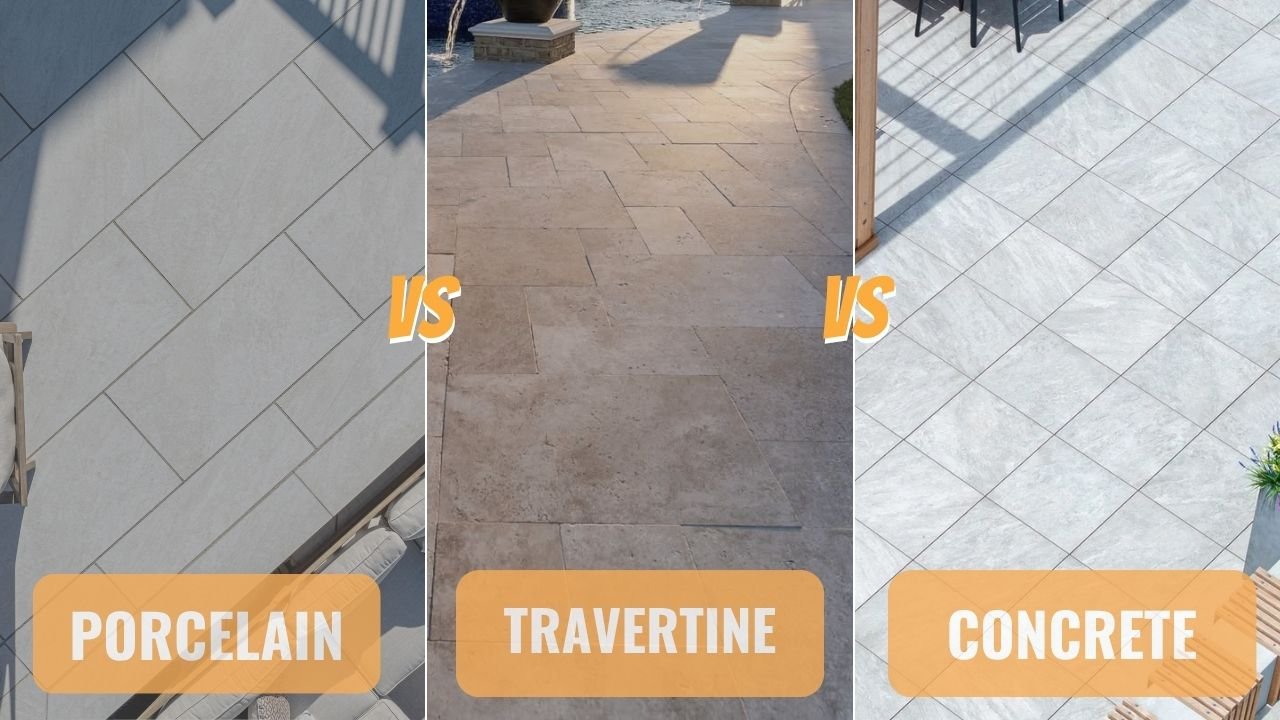
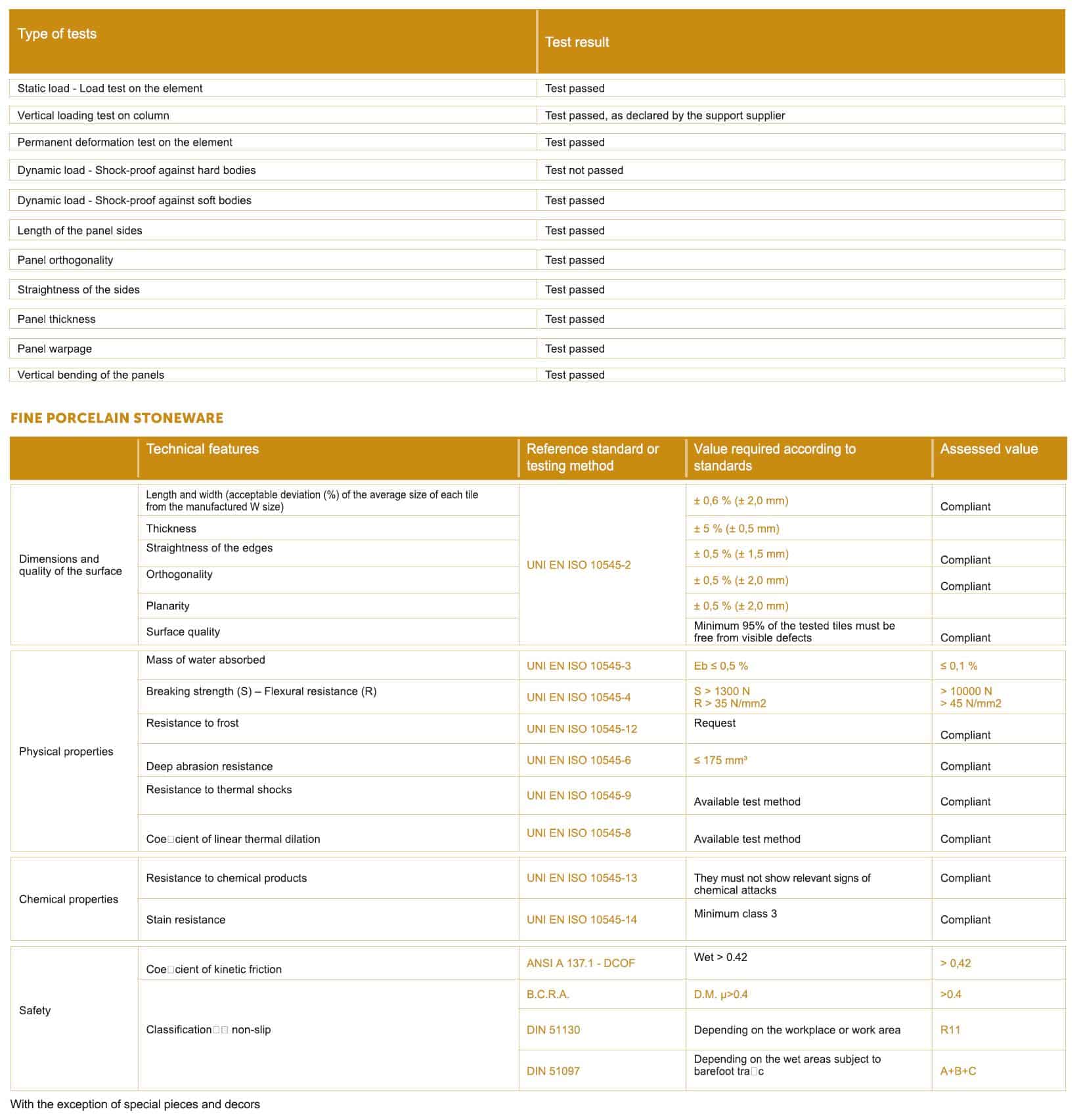
NT Pavers’ product-specific test data show water absorption of ≤0.1% for the tested porcelain paver. The natural-stone test results also report water absorption of 0.80% for Ivory Travertine, 1.09% for Silver Travertine, and 0.98% for Walnut Travertine. These figures help buyers compare moisture absorption across the tested products. However, water absorption alone does not determine overall durability or suitability for every outdoor application.
3. Freeze-Thaw and De-Icing Salt Durability
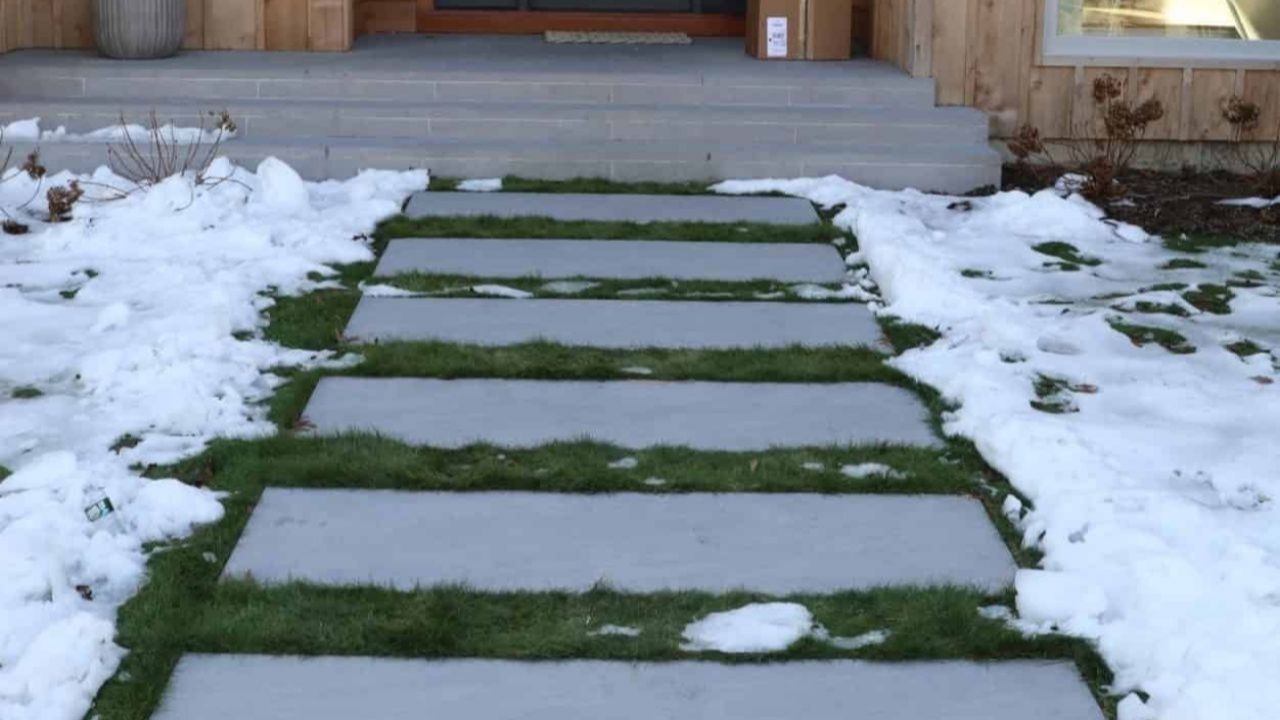
If your area experiences harsh winters, checking freeze-thaw resistance is essential. Different materials and test methods may use different evaluation criteria, so review the applicable standard and the product’s laboratory report. Where de-icing salts are used, confirm that the product’s documented performance is suitable for the expected exposure.
Freeze-thaw damage occurs when water enters the existing material pores. It freezes and ends up causing scaling, cracking, or surface damage. Repeated cycles may worsen the damage, and deicing salts may introduce additional durability demands.
NT Pavers’ test data records frost compliance for the tested porcelain product and passing freeze-thaw results for the listed travertine products. Buyers should review the applicable report and confirm that the tested product is suitable for their climate and intended installation.
4. Thickness: Match It to the Intended Load
Pedestrian areas and residential driveways achieve interlock with 2⅜ in. (60 mm) pavers, while vehicular pavements call for 3⅛ in. (80 mm). Paver thickness matters for outdoor applications where heavy vehicular loads and foot traffic would be the norm. Thicker pavers may be necessary for certain applications, but suitability depends on the product and installation system. Choose them according to the heaviest vehicle that will cross it.
Ask your installer which thickness fits a driveway that carries trucks or an RV.

5. Aspect Ratio: Check the Product’s Suitability for Traffic
Aspect ratio is one factor used to assess whether certain concrete interlocking pavers are suitable for vehicular traffic. Check the applicable ICPI guidance and the manufacturer’s recommendations for the specific paver format before using it in a driveway. Do not apply aspect-ratio thresholds intended for concrete interlocking pavers automatically to porcelain pavers or natural-stone products. A product designed for a patio may not be suitable for vehicle loads.
6. Dimensional Tolerance: Check the Applicable Limits
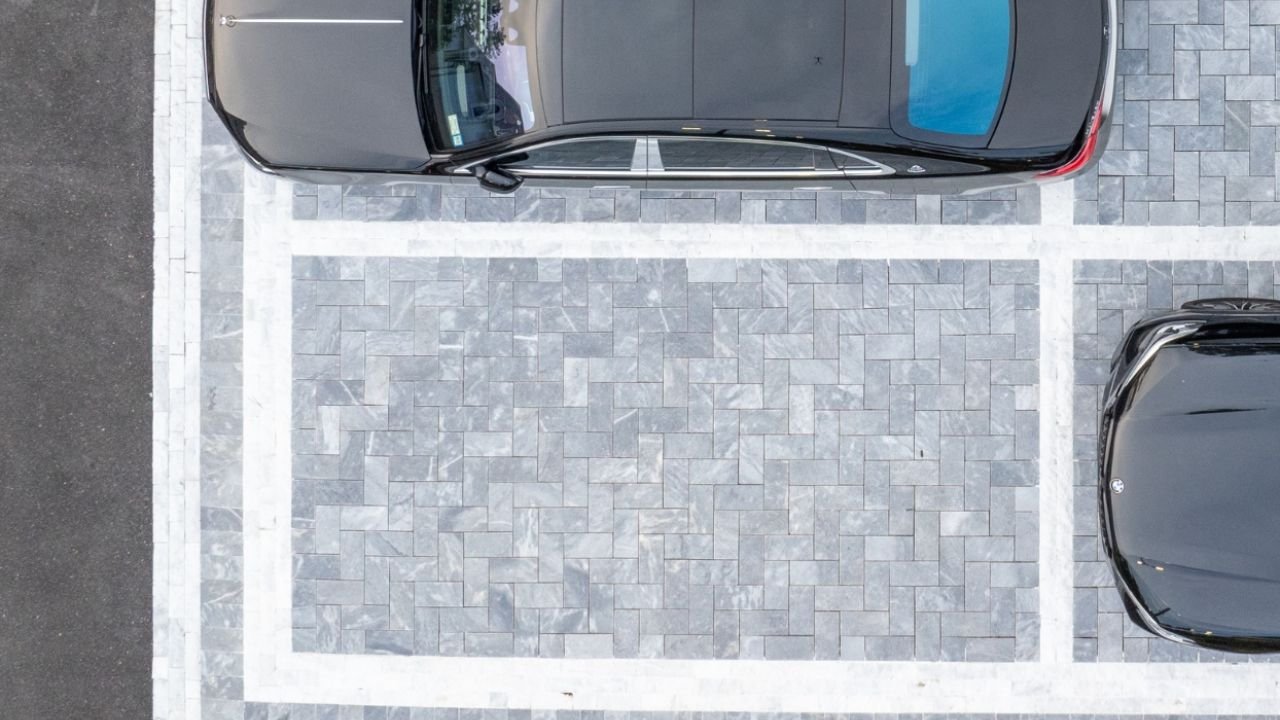
Dimensional tolerances vary by material, manufacturing method, product standard, and paver format. Check the manufacturer’s stated limits and the applicable standard rather than assuming that ±1/16 inch applies to every paver. Uneven units leave a bumpy surface and wide, inconsistent joints. Measure a few units from a delivered pallet with a tape before installation starts. Tight tolerances keep joints consistent, so pavers lock together and spread loads across the surface. Reject any pallet where units fall outside the limit, and record your measurements in writing. That record backs a warranty claim.

7. Independent Lab Report and Certification
ICPI’s inspection checklist asks for laboratory results for ASTM C936 and freeze-thaw durability per ASTM C1645. Its guide specification also asks for manufacturer certification by ICPI as having met the applicable ASTM standards. A supplier that stands behind its product hands over the paperwork. A supplier that dodges the request has told you what you need to know.
For example, NT Pavers’ porcelain paver test report lists water absorption of ≤0.1%, breaking strength above 10,000 N, and flexural strength above 45 N/mm². The report also records wet DCOF above 0.42, a DIN 51130 R11 classification, and a DIN 51097 A+B+C classification. These results help buyers compare documented product performance. Test results should be interpreted according to the applicable test method and the intended application of the specific product and finish.
Before choosing a paver, ask for the technical data and applicable test results for the exact product and finish. Contact NT Pavers to explore available porcelain and natural-stone options for your project.

Where to Save and Where Not To?
While choosing the durable pavers on a budget, you should save on the things that don’t affect strength.
| Factor | What to Check | Why It Matters? |
| Paver shape and size | Standard rectangular pavers are often more economical than multi-size patterns or custom shapes. | Choose the format based on budget, layout, cutting waste, and installation complexity. Different shapes can perform equally well when the products and installation systems meet the same application requirements. |
| Color and texture | Compare the available colors and surface finishes, including any price differences. | Color and texture are primarily aesthetic choices, but texture can also affect wet slip resistance, cleaning, and maintenance. Verify performance using product-specific data, especially for pool decks and other wet areas. |
| Sealer | Confirm whether sealing is recommended or required for the specific paver and intended use. | Sealing can change appearance and help reduce certain staining risks, but it may add application and maintenance costs. Follow the manufacturer’s guidance and avoid sealing solely on the assumption that it will improve durability. |
Don’t compromise on essential performance requirements to save money. Depending on the cause and extent of the damage, a failed paving surface may require repairs or replacement.

Why Is a Strong Paver Base Important?
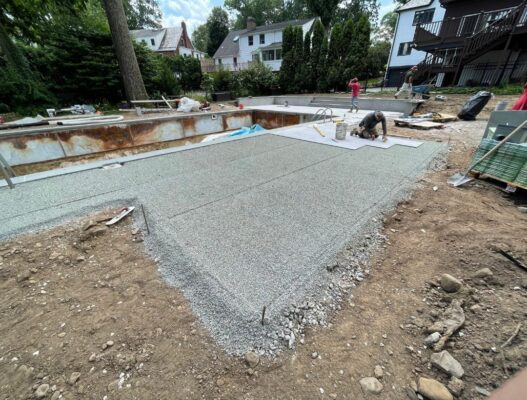
Homeowners can invest in quality pavers, but a poorly prepared paver base can still lead to sinking and uneven surfaces. A patio requires four to six inches of compacted crushed rock or gravel underneath about an inch of bedding sand. Look for an installer who follows ICPI methods. The ICPI-certified installers have laid at least 10,000 square feet of pavers, completed a two-day course, and passed a written exam. ICPI also recommends collecting written proposals from at least three contractors.
How to Avoid Paying Twice for Pavers
Once you’ve checked the specifications, use a simple buying process to avoid false savings.
| What to Check | What to Do Before Buying | Why It Helps You Avoid Paying Twice |
| Full installed cost | Compare the cost of pavers, delivery, excavation, base materials, bedding, edge restraints, jointing materials, labor, drainage, cutting, and waste. | Reveals the actual project cost instead of comparing material prices alone. |
| Product documentation | Request the manufacturer’s technical data sheet, installation instructions, and relevant test results. For natural stone, verify the specific product’s properties. | Helps confirm that the pavers meet your project’s performance requirements rather than relying on unsupported sales claims. |
| Contractor’s quote | Get written details for base preparation, compaction, bedding, slope, drainage, joint materials, edge restraints, and cleanup. Check exclusions before comparing bids. | Helps identify missing work that could lead to installation failures, unexpected expenses, or future repairs. |
| Samples and appearance | Inspect samples for color, texture, and finish, and compare them with your home’s exterior. Use technical data to assess durability. | Helps prevent costly aesthetic mismatches without confusing appearance with proven performance. |
| Availability and delivery | Confirm stock, shade or batch variation, delivery timing, and the supplier’s policy for damaged or short shipments. | Reduces the risk of project delays, inconsistent replacement pavers, and additional delivery costs. |
| Order quantity and waste | Calculate the paved area and allow for cuts and breakage based on the layout and paver format. Confirm quantities with your installer. | Helps prevent shortages, emergency reorders, and unnecessary surplus material. |
| Long-term value | Compare maintenance requirements, product suitability, installation quality, and expected repair needs, not just upfront price. | Helps you choose a cost-effective paving system without assuming that the cheapest or most expensive option will last longer. |

Durable Pavers on a Budget FAQ
Commonly asked questions about durable pavers on a budget.
What makes a paver durable?
Durability comes from high compressive strength, low absorption, freeze-thaw resistance, enough thickness for the load, and a compacted base.
Are cheap pavers worth buying?
Yes, if they pass the specs above. A low price without a test report is a gamble.
How thick should driveway pavers be?
The required thickness depends on the paver material, product design, expected vehicle loads, and installation system. Concrete interlocking pavers commonly use 60 mm for certain residential applications and 80 mm for heavier-duty applications. Confirm suitability with the manufacturer and installer.
Do outdoor pavers need freeze-thaw resistance?
Freeze-thaw resistance is particularly important in climates where paving can become saturated and experience repeated freezing and thawing. Verify the product’s documented suitability for the expected exposure, including deicing salts where applicable.
Can inexpensive pavers be a good long-term investment?
Yes, provided the product meets the project’s performance requirements, and the installation is appropriate. A low purchase price becomes a false saving if the pavers are unsuitable for the application or the installation is likely to fail.
Bottom Line
When comparing paver prices, homeowners should consider whether each product offers the performance and suitability their project requires. Choosing durable pavers on a budget means checking the product’s specifications and the installation plan before comparing prices. Verify the intended use, thickness, strength, absorption, weather resistance, surface performance, and support requirements. Then compare complete installation quotes rather than focusing on material cost alone. NT Pavers can share technical data for its porcelain pavers and natural stone pavers before you order.