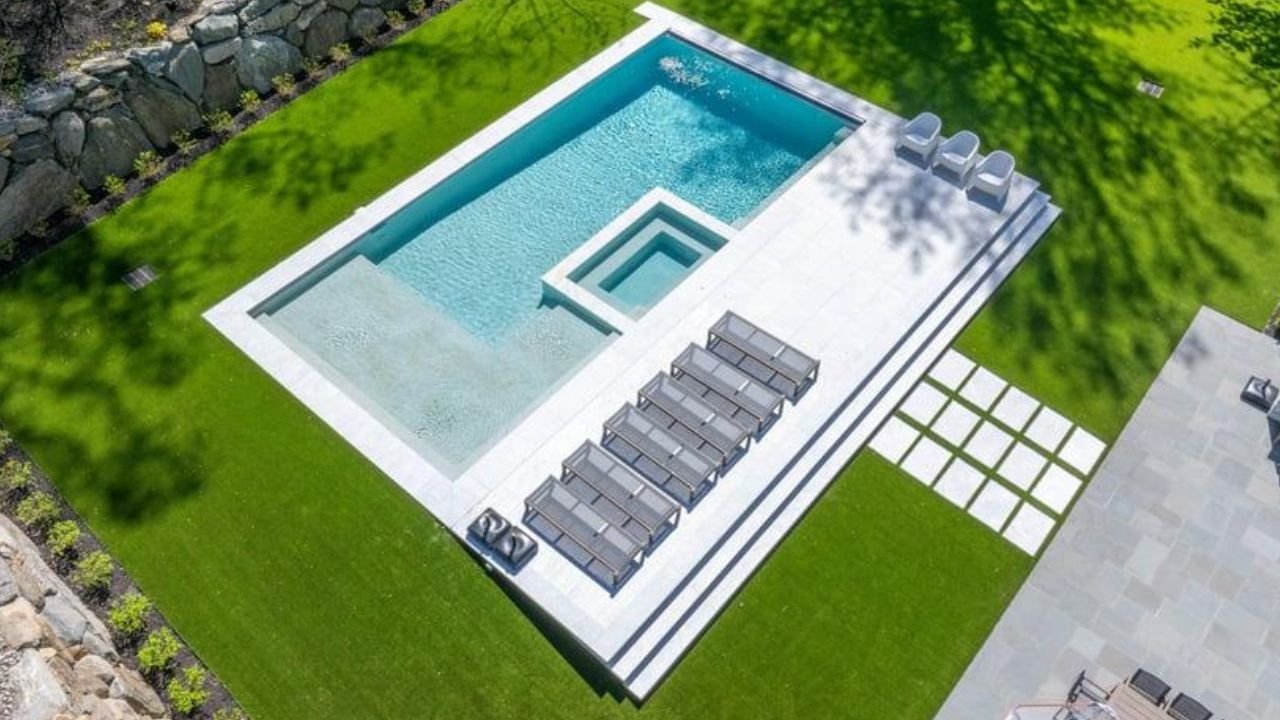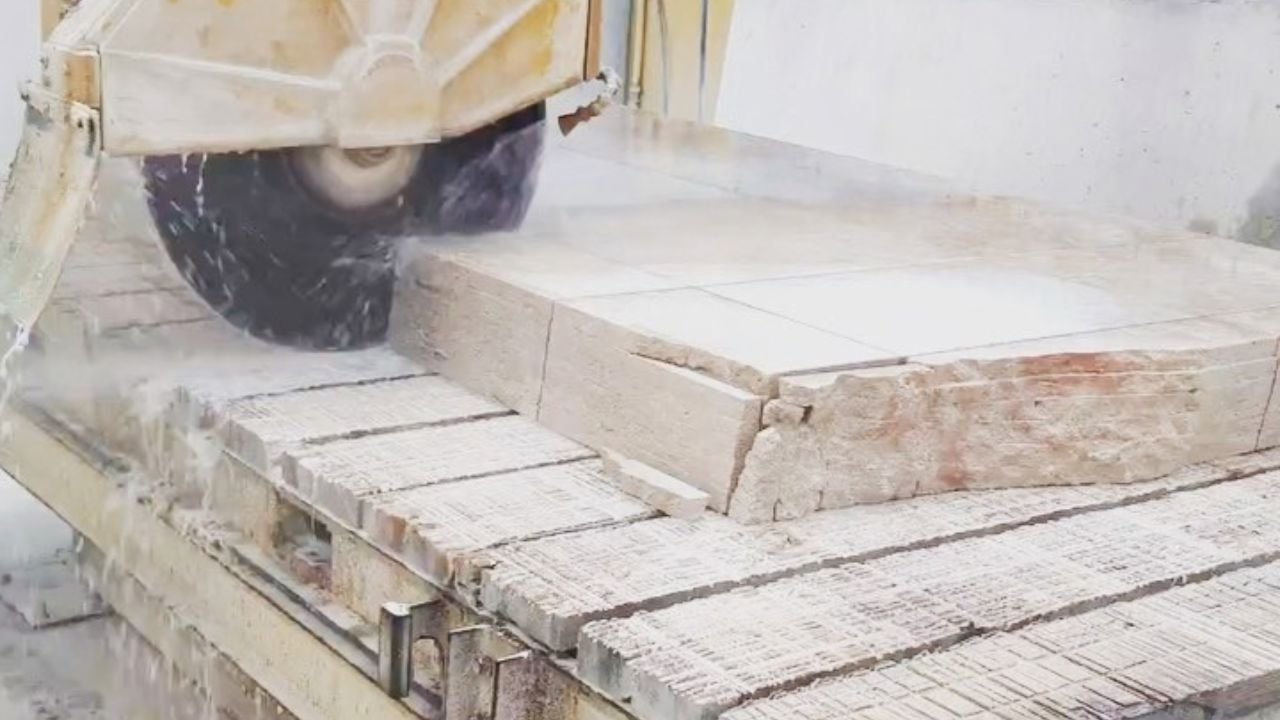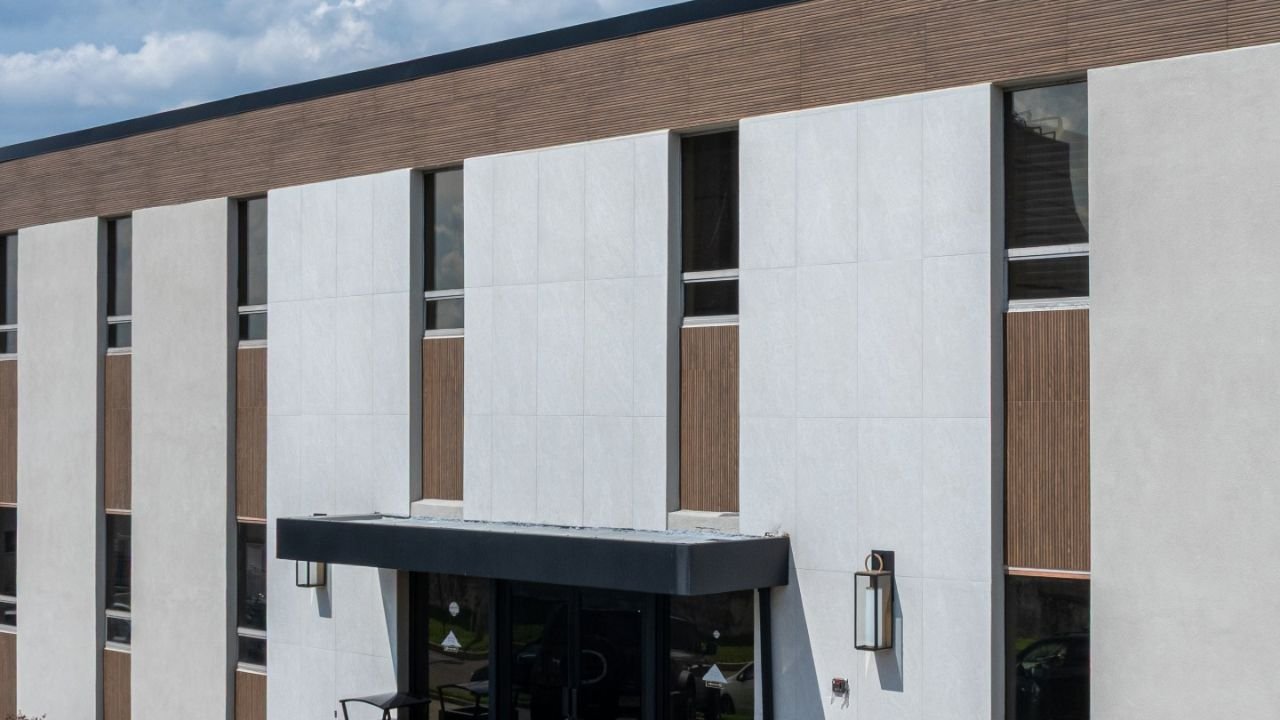

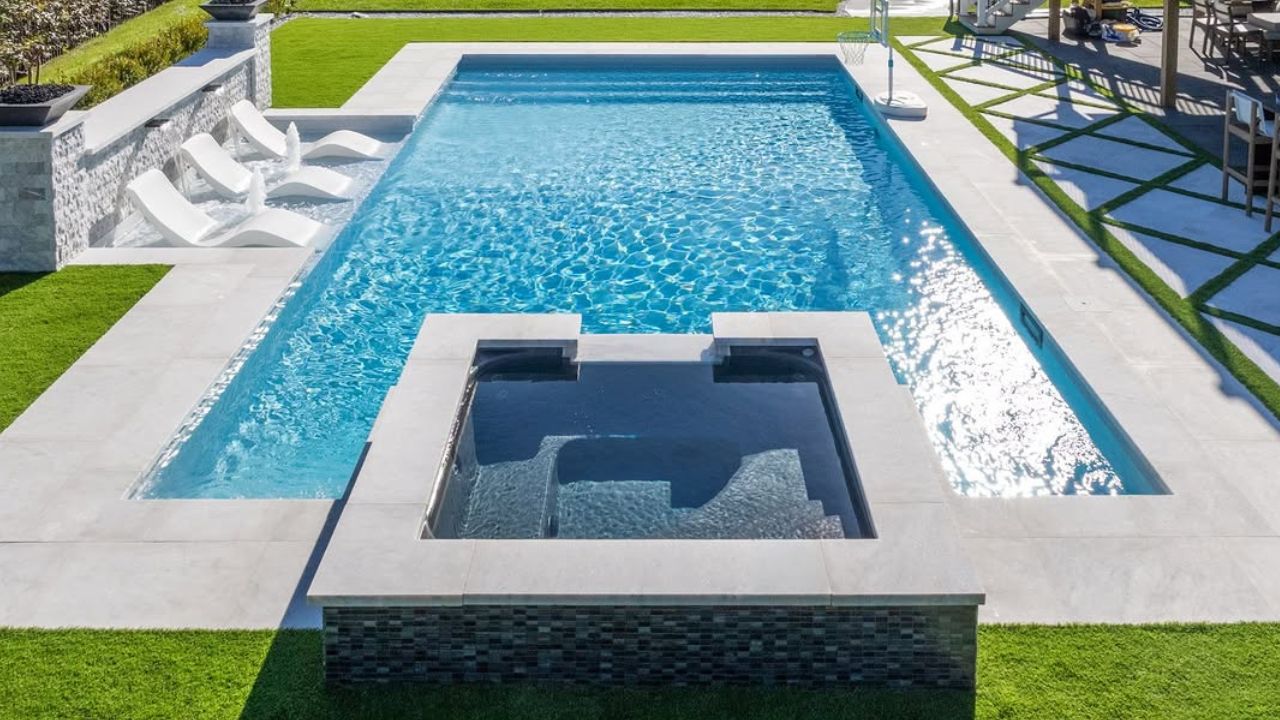
Pool coping is not just the decorative border around the swimming pool. It is one of the most functional parts of a pool, improving usability while adding durability to the structure. This narrow border that frames the pool is the protective cap that seals the pool shell and connects it to the surrounding deck. When a coping stone is installed properly, it secures the pool structure from moisture and protects deck materials. It also creates a comfortable edge for swimmers to hold.
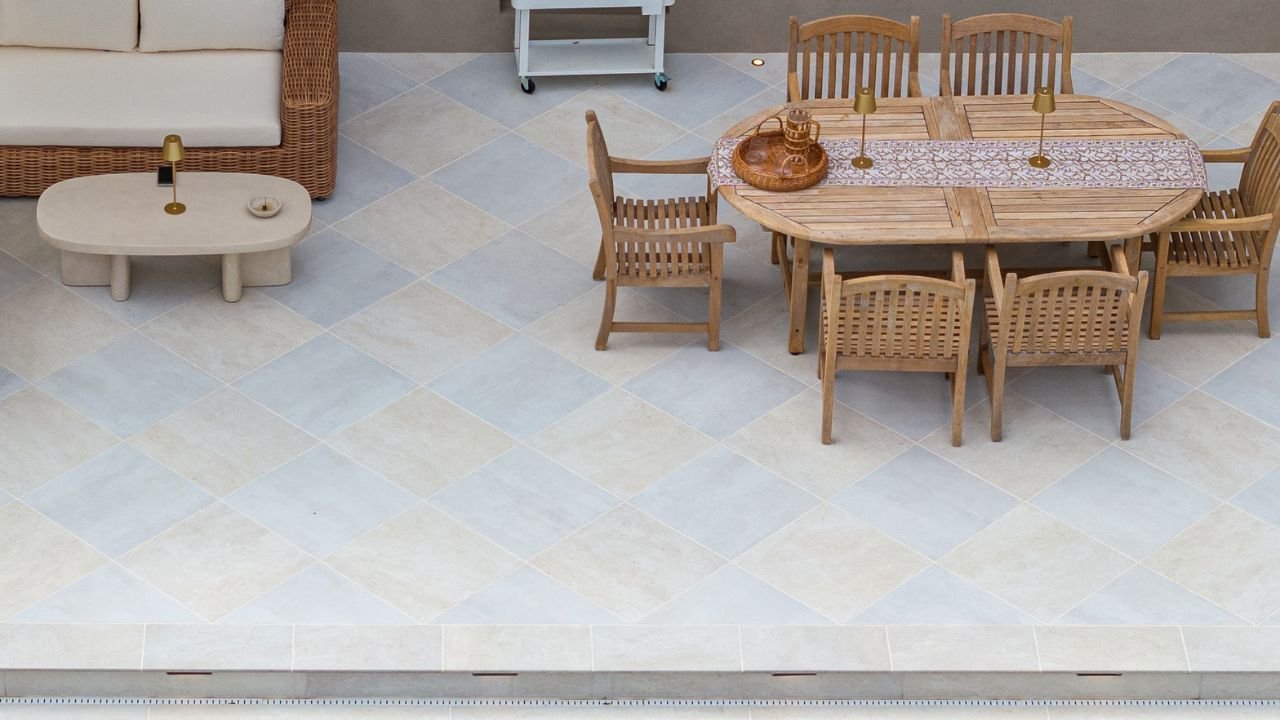
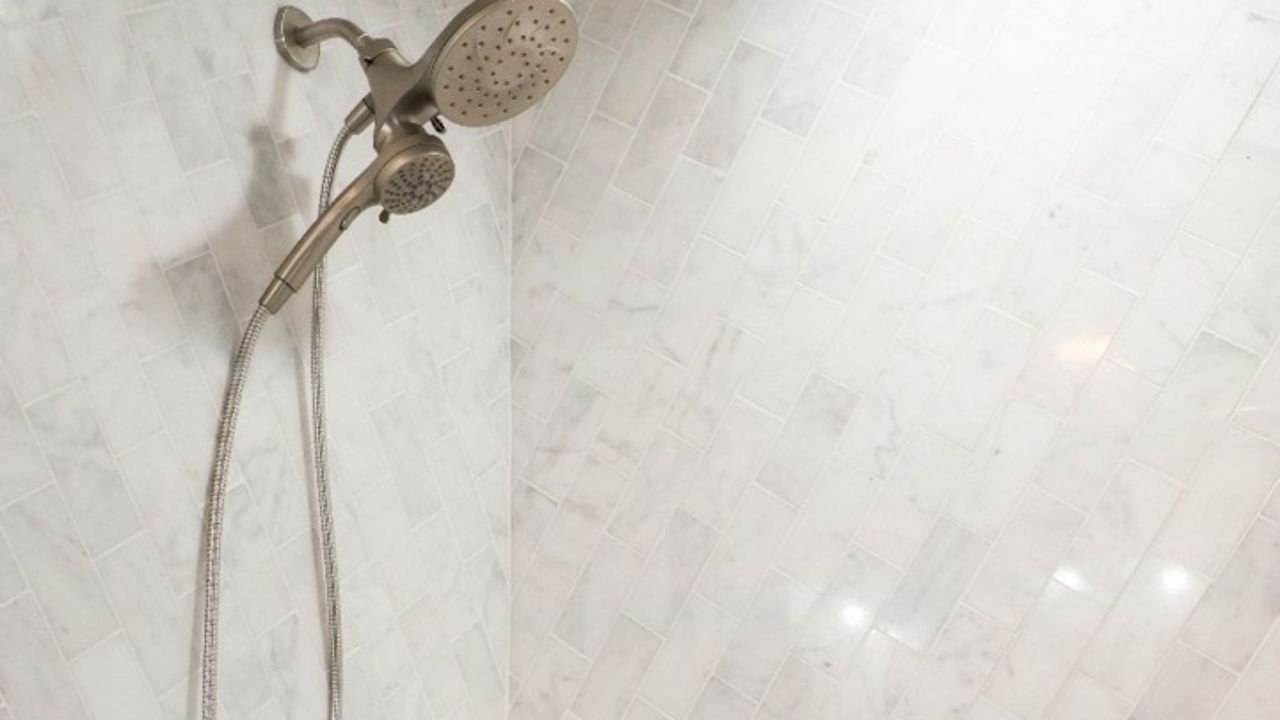
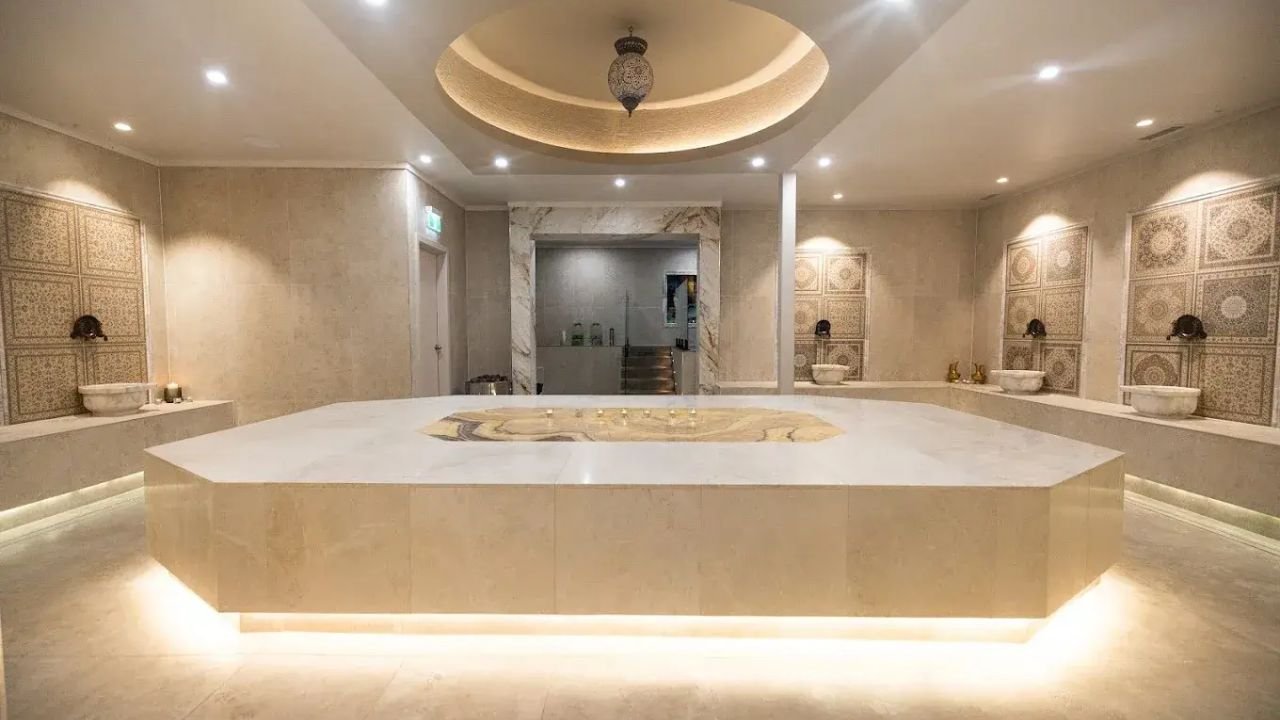
Materials that are widely used as pool coping, including Travertine, Marble, and Porcelain that perform well in handling moisture. Homeowners often wonder what would happen if the pool coping is missing.
Water Starts Seeping Behind the Pool Structure
A major purpose of the pool coping is to control the water. When swimmers move through the water, waves push water toward the pool edge. Rain and splash-out also add moisture around the perimeter. Coping slopes slightly away from the pool. This slope takes the water toward the deck drainage area instead of letting it into the pool structure.
Without coping, water often clips into the gap between the pool shell and the deck. This moisture can cause significant damage over time, such as weakening the bond between the deck and the pool shell. It creates a void under the deck and causes small cracks along the edge. This is where many homeowners start searching for pool coping repair solutions to fix early damage.
Modern outdoor designs often combine pool pavers with coping systems to improve drainage performance and reduce long-term water intrusion issues. Even well-built pools made with reinforced Concrete rely on coping to prevent long-term water intrusion. Without it, moisture slowly erodes the structure.
The Pool Shell Edge Becomes Structurally Vulnerable
The top edge of the pool wall is consistently exposed to stress. The pool shell supports water pressure, deck loads, and seasonal expansion. Coping protects this sensitive edge as it acts like a shield that secures the shell from physical impact, weather exposure, and erosion.
When coping is not installed, the exposed edge will suffer from surface chipping, hairline cracks, and gradual material damage. In the regions where temperature changes rapidly, repeated expansion and contraction place extra pressure on this edge. That pressure may damage both the pool bond beam and the surrounding materials. Many contractors recommend exploring different pool coping material selections to match structural conditions and design needs.
Natural stone coping made from Travertine or Marble helps absorb this stress while protecting the structure beneath. In premium projects, even a sandblasted marble pool deck is used alongside coping to improve durability and surface grip.
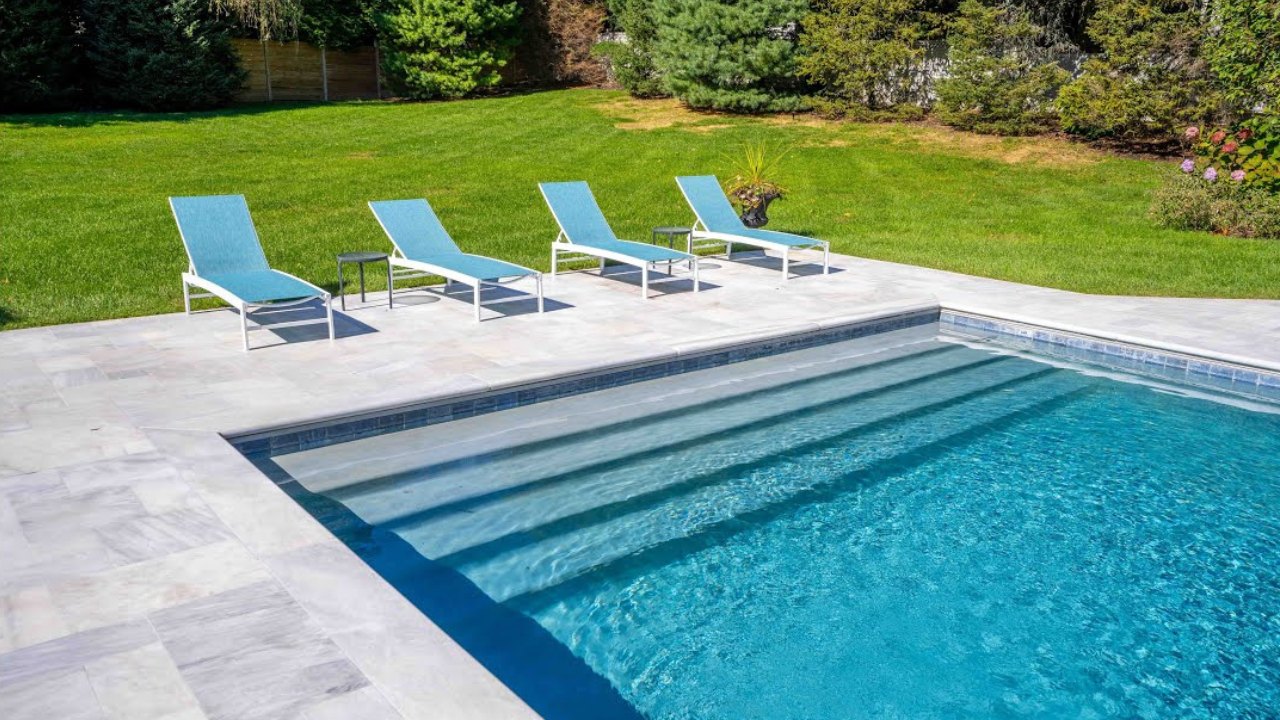
Deck Materials Can Start Cracking Near the Pool
Pool coping builds a cushion between the deck and the pool shell, which helps in managing movement. Dark surfaces absorb light and contract with the heat. Pool shells remain more stable because of the water within them. Coping absorbs the small movements that occur between these two structures. When coping doesn’t exist, deck materials sit directly against the pool edge. This direct contact often leads to stress fractures.
Homeowners may notice, over time, cracked deck corners near the pool edge. The pavers will get loose, and the joints will look uneven in the pool border. Deck materials such as concrete pavers or natural stone perform best when coping creates a controlled transition between structures. Without that transition, movement transfers directly into the deck.
Swimmer Safety Becomes a Concern
Pool coping doesn’t just protect the structure but also improves swimmer safety. Most coping profiles come with a rounded or eased edge. This shape helps swimmers to grip the edge while placed or climbing out of the pool.
Without coping, the pool edge may feel sharp or unfinished. This increases the risk of scratched hands. The surface becomes slippery when exiting the pool. The grip for the swimmer gets reduced. Coping profiles like Bullnose pool coping are the most popular because they create a smooth curve at the edge. That curve softens contact between swimmers and the pool structure. Stone materials such as Marble pool coping and Travertine pool coping often appear in these profiles because they maintain texture and grip when wet.
Over time, homeowners may begin exploring pool tile ideas and surface upgrades to mask visible edge damage. You may also notice uneven joints or shifting pavers near the pool perimeter. This is why modern designers often recommend thoughtful pool edging ideas to reduce structural stress transfer. Materials like concrete pavers or natural stone perform best when a proper transition system exists.

Drainage Around the Pool Stops Working Properly
Proper drainage secures both the pool deck and the surrounding landscape. Coping typically includes a slight overhang. That overhang helps redirect splashed water away from the pool wall. Without coping, water may collect along the pool edge.
This standing moisture will result in stains on deck materials. Mold starts to grow in joints. This also erodes the deck bedding layer gradually. It makes water management rather convenient.
Water management becomes even more important in modern outdoor spaces where pools connect to patios, outdoor kitchens, and entertainment areas. Many designers combine pool coping with surfaces such as Porcelain Pavers because both materials support efficient drainage.
The Pool Starts to Look Unfinished
Coping adds the visual border around the pool. It frames the water and separates it from the surrounding landscape. Without coping, the pool edge usually looks incomplete or abrupt. The concrete beams and tile edges look exposed, and rough surfaces may become visible. This affects the overall appearance of the pool area.
When coping is installed accurately, the clean lines create a stunning contrast between the water, the deck, and the landscaping. Designers often use lighter stone, such as Marble or textured travertine, to highlight this boundary. Subtle design details like these help modern pools maintain a balanced, finished look.
Brands such as NT Pavers focus on coping profiles that support both structural performance and visual harmony across patios, decks, and pool edges.

Repairs Become More Expensive Over Time
When coping is not available, it doesn’t make the pool immediately fail. The damage takes place over time, slowly. Small cracks start to appear first. Moisture expands those cracks. Over time, these repairs becomes expansive and complicated. Instead of replacing coping alone, homeowners may face:
- Deck reconstruction
- Beam repair along the pool shell
- Waterproofing repairs
Early installation or replacement of coping protects the pool from these long-term costs. Many contractors recommend installing coping during the original pool construction because it forms part of the structural protection system.
Pool Coping Installation FAQs
Let’s answer your question regarding pools without pool coping.
What is the purpose of pool coping?
Pool coping secures the pool shell, directs water away from the structure, and builds a safe edge where swimmers can enter or exit the pool.
Can a pool function without coping?
Yes. A pool may still hold water without coping, but the exposed edge increases the risk of structural damage, water penetration, and deck cracking.
Is pool coping necessary for every pool?
Yes. Most pools require coping to secure the pool beam and manage drainage, even in modern designs with minimalist edges.
What materials are commonly used for pool coping?
Common materials include Travertine, Marble, Porcelain, and Concrete.
Can damaged coping be replaced without rebuilding the pool?
Yes. Contractors usually remove damaged coping and install new pieces without altering the entire pool structure.
Bottom Line
Pool coping is undoubtedly one of the most important parts of the swimming pool out there. Pool coping plays a critical role in securing the pool edge and maintaining a safe outdoor environment. When coping is missing, water will seep behind the pool shell. It puts structural stress on the increased load, and the deck materials will start to crack. The pool edge will also become unsafe for swimmers and visually unfinished.
Installing durable coping materials like Travertine, Marble, or Porcelain protects the pool structure and improves comfort and appearance. Understanding the role of coping helps prevent water damage and keeps the pool area functional, stable, and visually balanced for years to come.