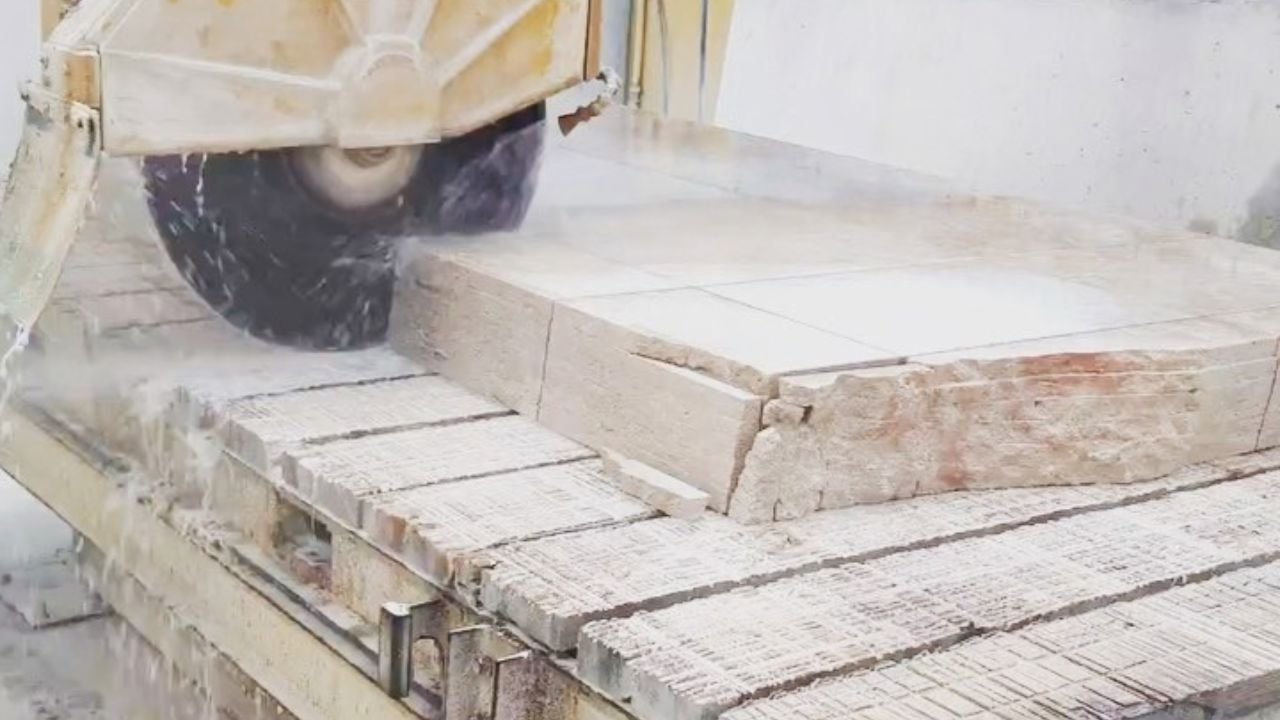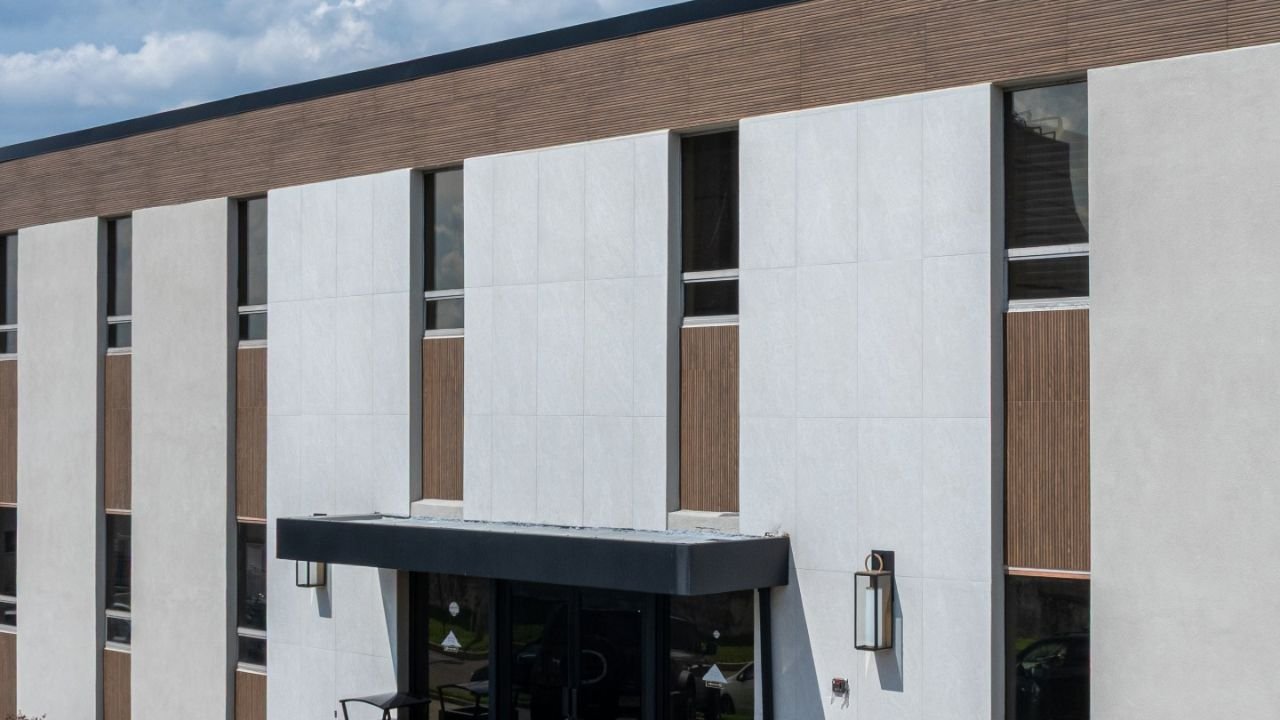

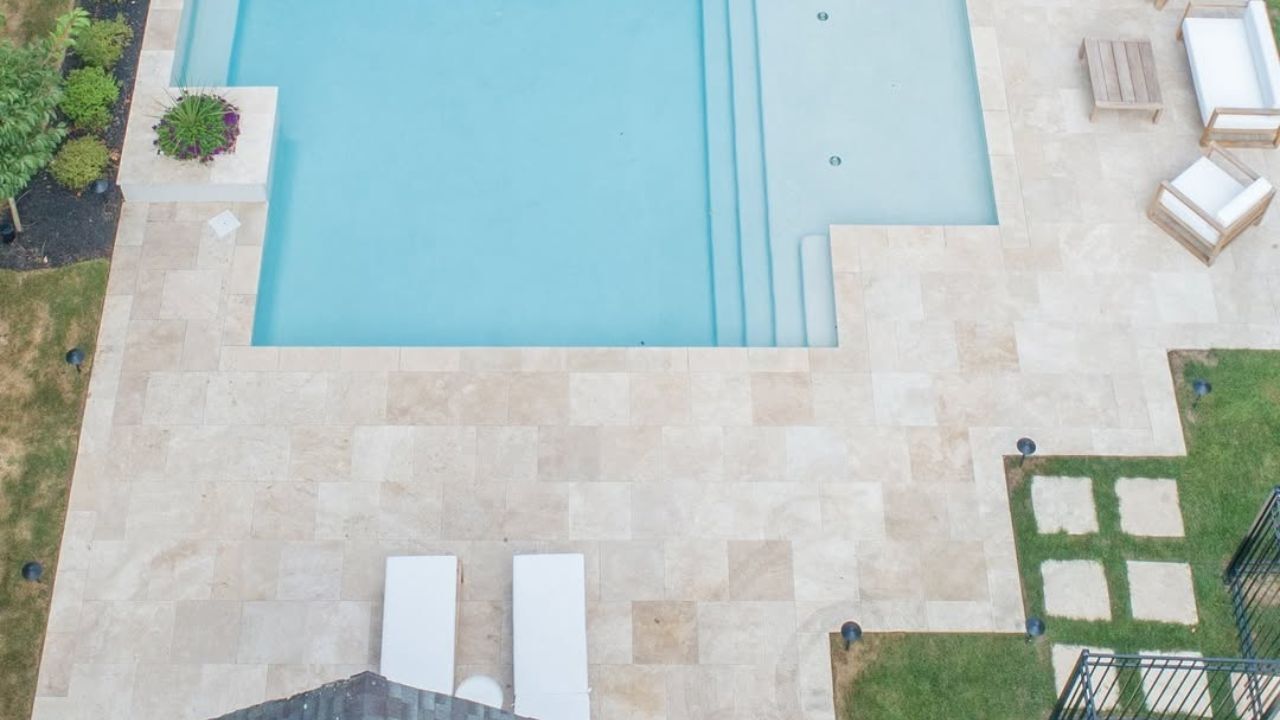
1. The Classic Versailles Pattern
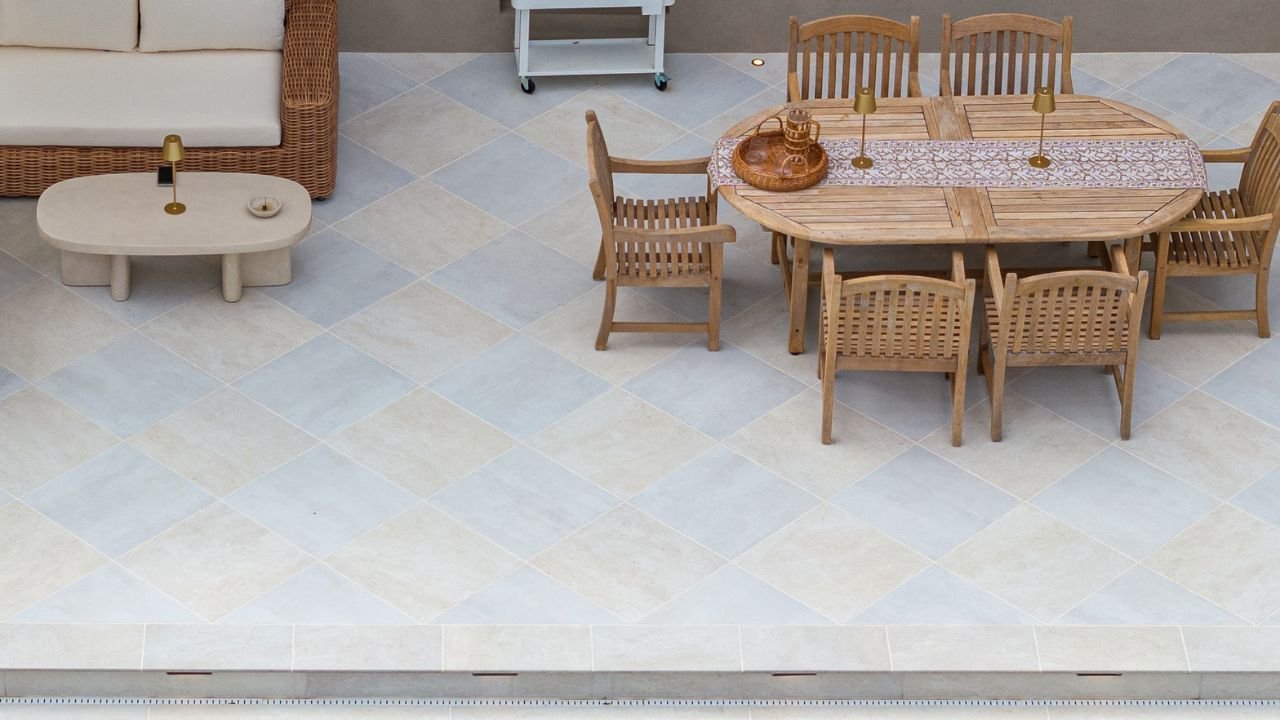
One of the first travertine pool deck ideas to try is using the Versailles pattern, which is a popular choice among design ideas for a paver pool deck. The pattern uses four tile sizes in one repeating layout. No two neighboring tiles match, so they don’t look like a regular grid. This pattern is best suited to Mediterranean, Tuscan, and traditional homes. Ivory and gold tones warm up a plain backyard fast. Installers like this pattern too, since the mixed sizes hide small cutting errors near curves and add to the durability of the outdoor space.
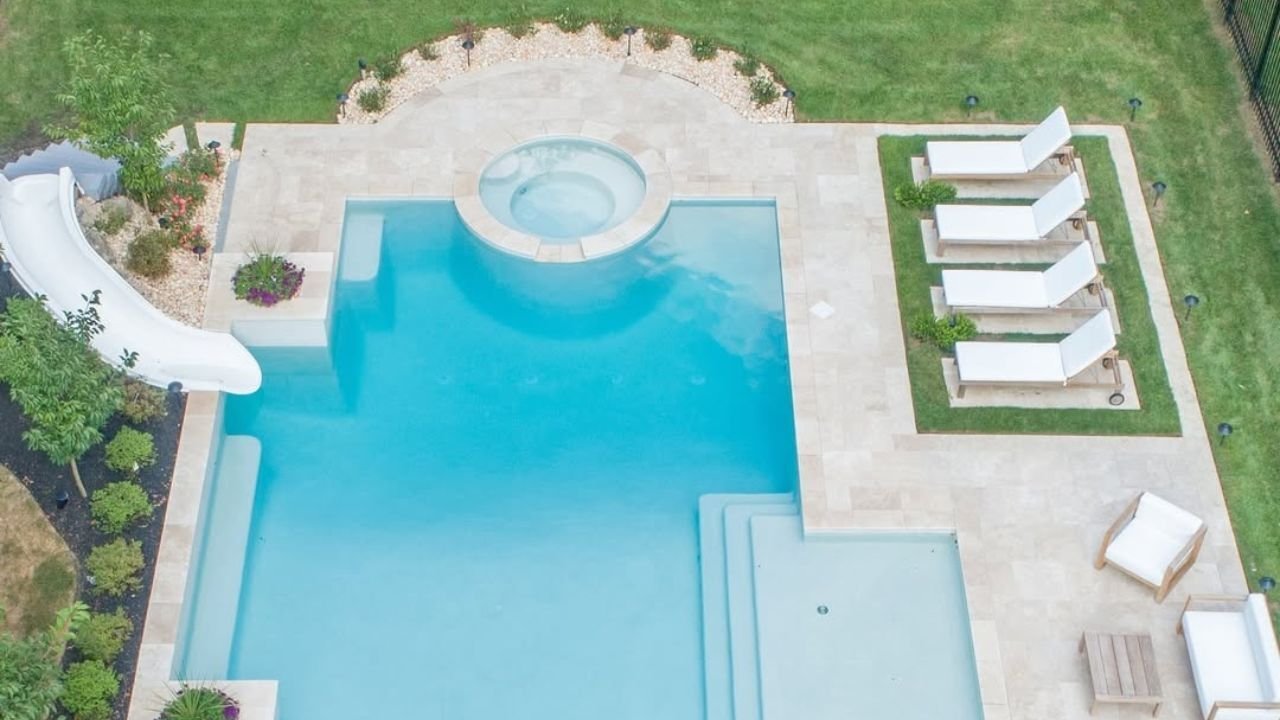
2. Large Format Pavers for a Modern Deck
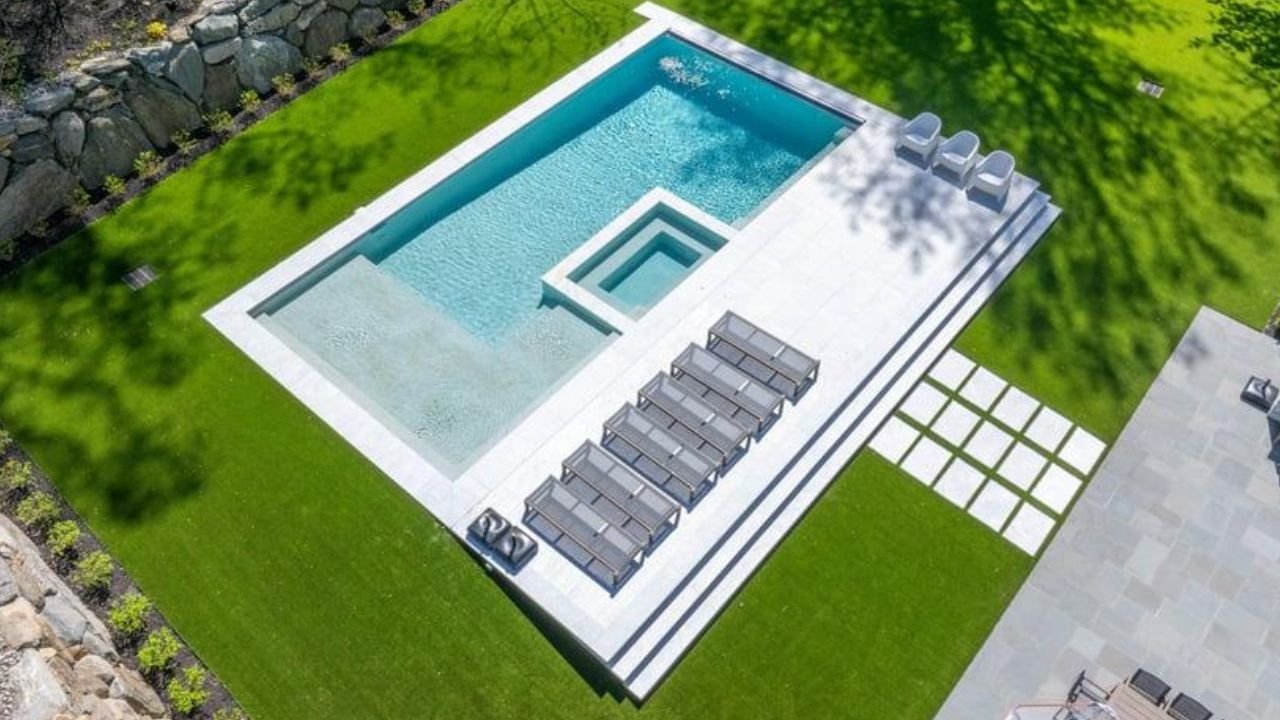
Modern homes feature fewer lines, not more. Large pavers like 24 x 24 or bigger reduce grout joints and open up the space, making the deck feel more expansive per sq ft. It is significantly advantageous for any paver pool deck. A honed finish keeps the surface flat and calm. The larger travertine pavers are perfect even for small spaces, as they will make the space look spacious. Also, the reduced joints provide better visual flow for the pool deck. Pair grey or silver travertine pavers with a dark-tile pool, and the deck reads clean from any angle.
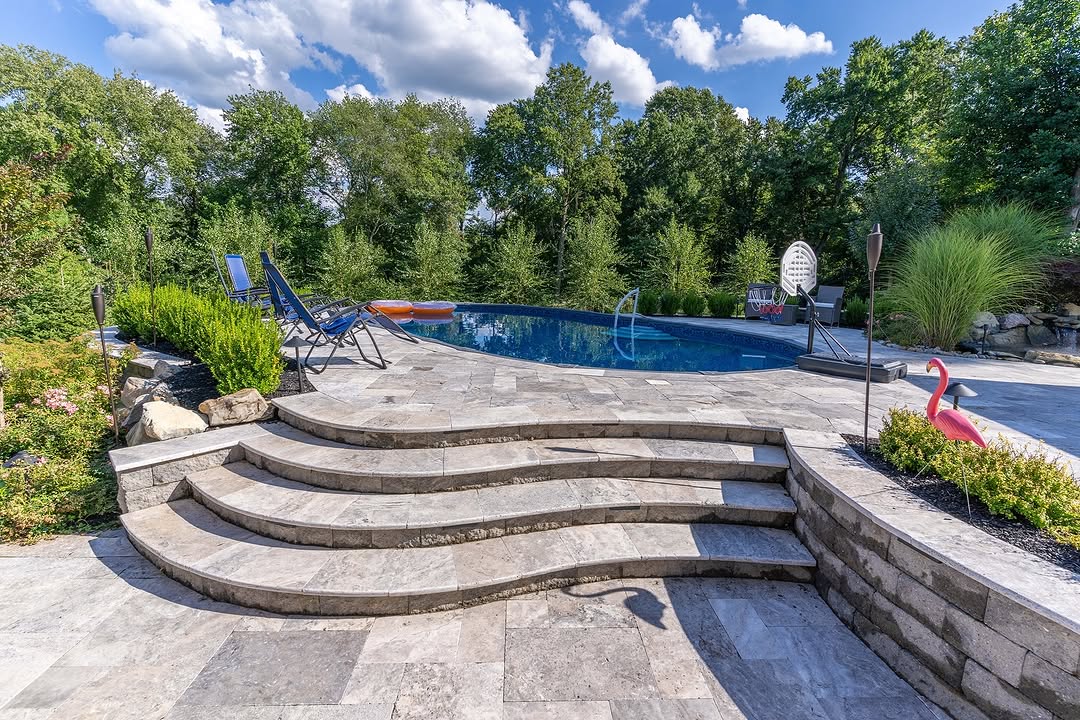
3. Two-Tone Borders That Define the Edge
This is one of those travertine pool deck ideas that can define the pool deck edge effortlessly. Adding a border using darker stone can create a pool’s edge before anyone reaches it. Walnut or noce travertine framing an ivory or beige field works great here, especially when considering the travertine pool deck cost. The trick works for safety and style at once. Guests can see the edge right when they enter the patio before the deck, even in the low light. It also gives deck depth without added cost, especially when using natural travertine.
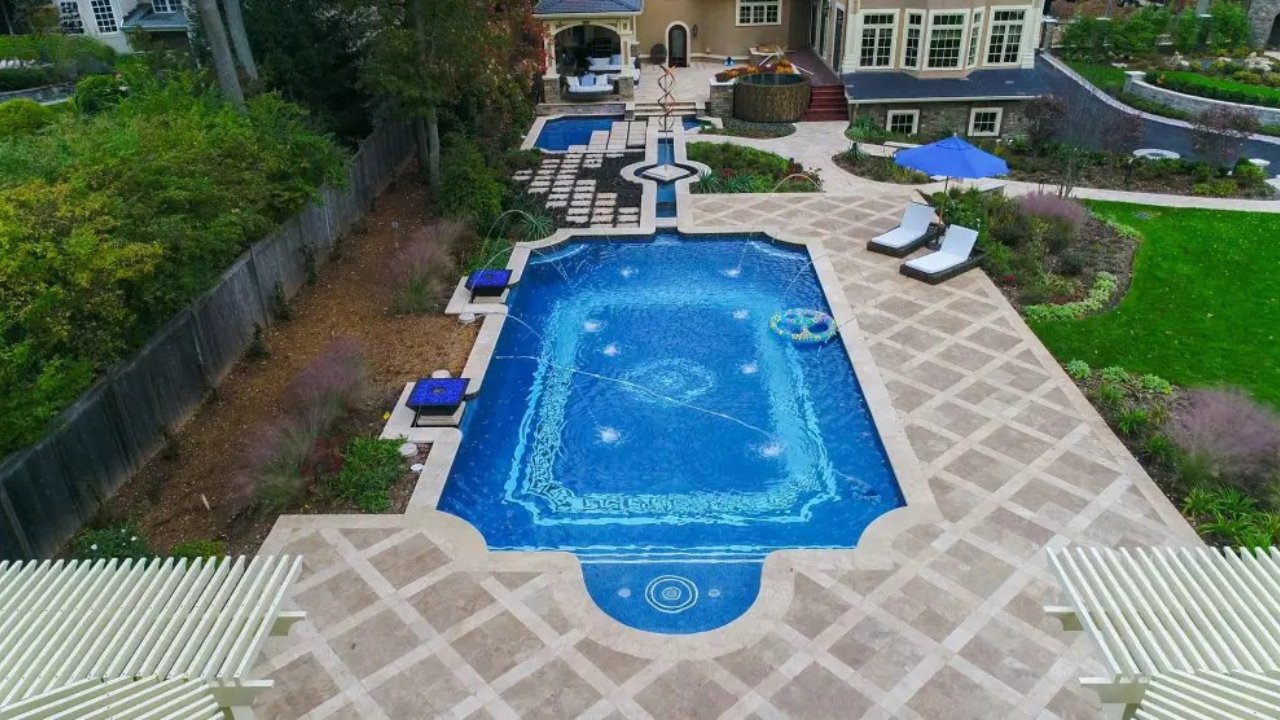
4. Tumbled Travertine for a Rustic Farmhouse Look
The tumbling process removes the sharp edges of each paver and adds soft, rounded edges. This gives travertine stone a distinct aged look, which adds to the aesthetic of the pool deck. If you prefer a graceful antique look from day one, then adding tumbled travertine to your pool decks is a great idea. Homeowners with wood pergolas, stone planters, or a working garden nearby find this finish fits right in. The best thing about it is that it adds grip to the feet better than any polished stone, which matters near a wet pool edge.
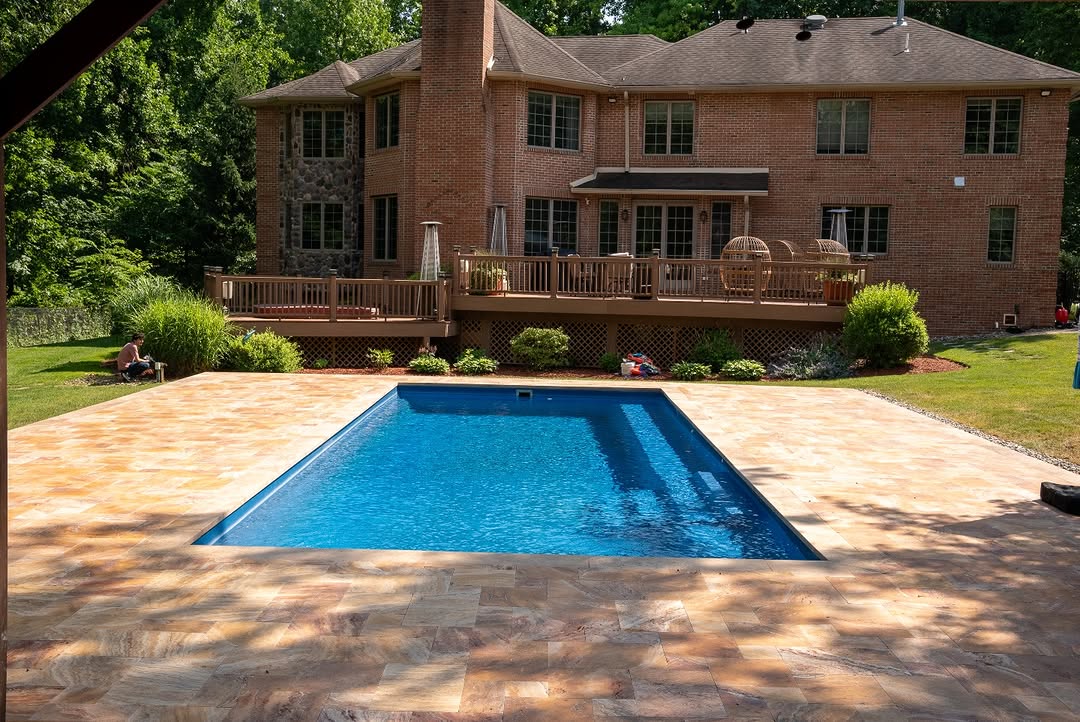
5. Versailles Field With a Herringbone Border
If you want to add a dynamic touch to your pool area, then this travertine pool deck idea is ideal for you. When stone is laid with a herringbone pattern, the angular placement creates a motion along a straight edge. You can use it as a border around a Versailles field, and the deck gets a frame that draws the eye toward the water. This combination works well on decks with long, straight runs, like a rectangular lap pool.
6. Coastal Decks With Beach-Entry Blends
Homeowners these days are getting experimental with exotic looks within their pool decks. A beach entry pool slopes into the water like real sand. Light ivory travertine, tumbled and mixed with small pebble bands, extends that beach feel onto dry land. This is one of the best pool deck ideas for homeowners who live near the coast. It also works great for those who want to achieve a resort look for their new pool area. A blend of both patterns in one area works great for them. The pale tone also reflects the sun instead of absorbing it, which makes the surface easy to walk on during peak summer.

7. Running Bond for a Contemporary Yard
Running bond lays each paver offset from the one before, like bricks in a wall. The pattern looks simple and calm, which is well suited for homes that already feature clean lines. A honed or brushed finish keeps the surface matte, so glare stays low around the pool at midday.
8. A Travertine Medallion as a Focal Point
If you prefer a stunning, statement look, then add a round medallion, set into the deck near steps or a spa. This gives the eye a place to land. Installers cut the radial pieces from the same stone family so the medallion blends rather than competes. If the deck dimensions are even, the medallion can be added in the center as well. This idea suits larger decks with room to spare, where a plain field would look empty.
9. Monochrome Walnut for a Bold Statement
Some homeowners skip contrast and commit to one deep tone. If you are also the one, then use color tones like walnut or noce travertine. Lay them edge to edge throughout the whole deck to make them look rich and dramatic. Dark stone stores a bit more heat than ivory, so this idea suits shaded decks or cooler climates better than a yard under full sun.
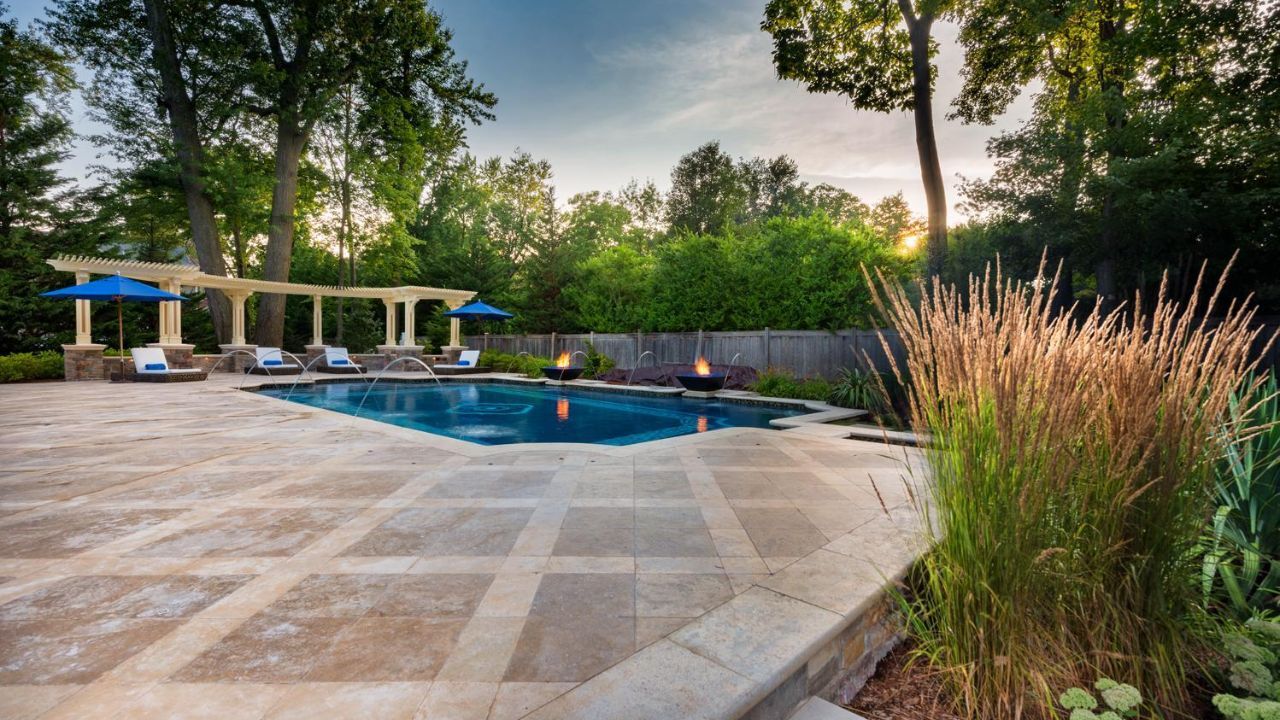
10. Mixed-Width Planks for a Wood-Look Deck
Cut travertine pavers into long, narrow strips of different width and length, and the deck reads like wood decking from a distance. This is one of the best travertine pool deck ideas that gives your pool area a warm and welcoming feel like a real wood deck. Homeowners who love the plank look, but not the maintenance routine of a wood deck, often prefer this idea. NT Pavers cuts these planks from single slabs, so color stays consistent across the run.
Travertine Compared to Other Natural Stone
Travertine is one of the most popular pool deck materials that homeowners can go for. Its beauty, thermal properties, and graceful aging make travertine a great choice. However, where travertine stands compared to other natural stone, take a look at the following table.
| Stone | Heat Retention | Slip Resistance (Wet) | Typical Cost | Maintenance |
| Travertine | Low | High (tumbled/honed) | Moderate | Reseal every 2–3 years |
| Limestone | Moderate | Moderate | Moderate | Reseal every 2–3 years |
| Sandstone | Moderate | Moderate | Lower | Reseal yearly, softer surface |
| Bluestone | Moderate-High | Moderate | Higher | Reseal every 3–5 years |
| Granite | High | Low (polished) | Higher | Rarely needs sealing |
| Marble | High | Low | Highest | Reseal often, easily etched |
Travertine tile sits in the middle on cost but leads on the two things a pool deck needs most: a cool surface and sure footing.
Coping, Slope, and Other Small Details With Travertine Pool Deck
Pattern and color, though, get the most attention, but a few small choices decide how a deck ages. Coping profile also matters here, as the most suitable edge profile would be a rounded or bullnose profile. This keeps the edge comfortable under a hand or a seated swimmer. Also, the deck requires a gentle slope, usually quarter inch per foot, ensuring proper drainage and enhancing non-slip safety. This keeps rainwater, spills, and splash-out draining away from the pool.
Drainage gaps between pavers matter too; a deck laid too tight traps water underneath and pushes stone up over a few seasons. None of this calls for technical training to understand. It simply separates a durable swimming pool deck built to last from one that needs early repairs.
Travertine Pool Deck ideas: Frequently Asked Questions
Let’s answer your questions about Travertine pool deck ideas.
Does travertine get hot in direct sun?
No. Travertine stays comparatively cooler than concrete or dark tile because its natural pores release heat instead of holding it.
Is travertine slippery around a pool?
No. Tumbled and honed travertine grip well when wet. Only a polished finish gets slippery, which designers often avoid near the pool deck.
How often does a travertine deck need sealing?
Stone pavers need a fresh seal every two to three years. Sealing also depends on the sun exposure, as pool chemicals can shorten that window. This affects the durability of the travertine stone pavers.
Can travertine crack in cold weather?
Yes. Travertine may crack if water seeps into the porous surface. That will freeze and expand during cold weather. So homeowners in freeze-thaw climates should ask about a densifying sealer.
What pattern works best for a small backyard?
Large-format pavers with tight joints make a small deck look bigger, since fewer lines break up the space, making it a great design idea for any backyard pool.
Is travertine more expensive than concrete?
Yes, travertine costs more upfront than stamped concrete, but it lasts longer and needs fewer repairs over the years.
Bottom Line
A travertine pool deck can be a perfect choice for most residential projects. It stays cool, grips water well, and ages with character instead of falling apart. However, opt for a tumbled and honed finish to add more safety around the pool deck. They offer better traction and slip resistance. Choose a pattern that matches your home, and reseal every two to three years. NT Pavers builds each deck around these three rules, since they matter more than any trend.