
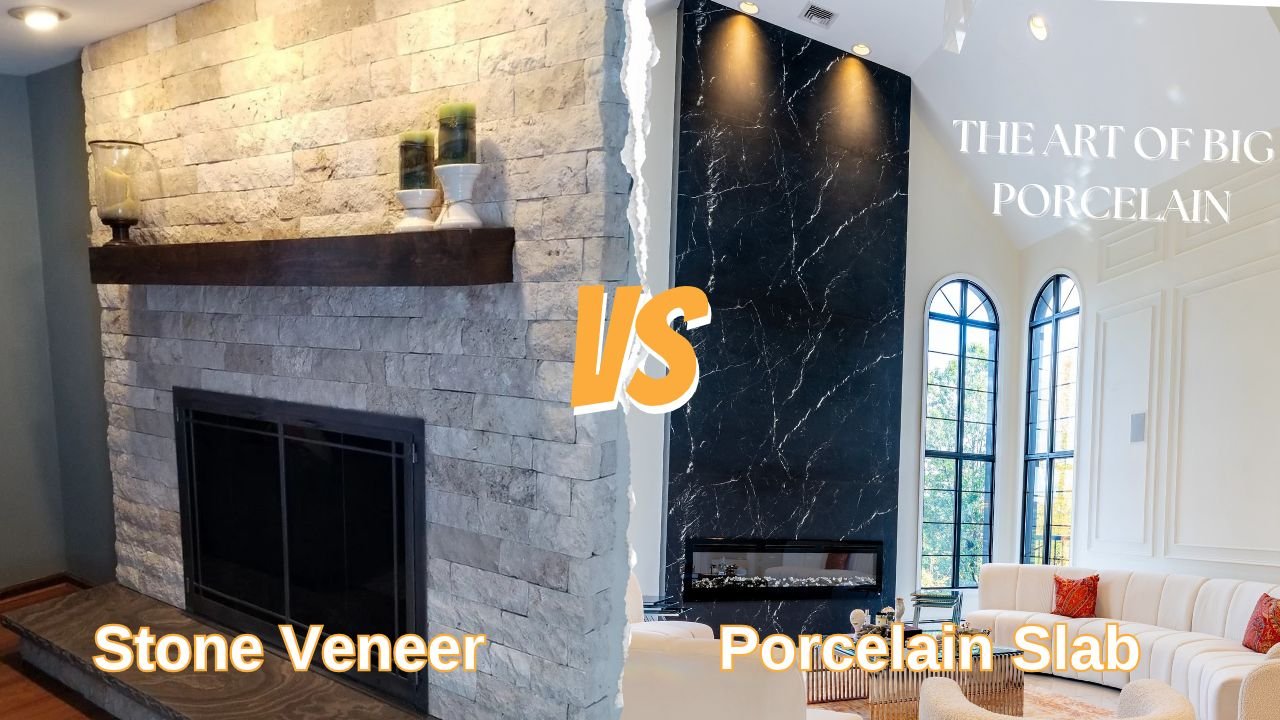
When planning your fireplace makeover, you don’t have to opt for stripping away the existing brick surface. Stone veneer is one option, as it is a budget-friendly option to add depth and texture to the existing surface. A large-format porcelain slab creates a smoother and more modern appearance. While both options provide distinct benefits, the more affordable one depends on existing brick, preparation work, material costs, fabrication, and installation labor. If the existing brick looks good and is suitable for an overlay, then keeping it in place can save money instead of tearing it out for either material.
Stone Veneer vs Porcelain Slab: Which Is More Budget-Friendly?
Stone veneer is often the more budget-friendly option for homeowners who want a textured, dimensional stone finish. Large format porcelain slabs can cost more because of precise cutting, fabrication, transportation, substrate preparation, and specialist installation. However, the total cost of either option depends on the existing brick condition, material selection, and installation requirements.
| Factor | Stone veneer | Large-format porcelain slab |
| Appearance | Textured, dimensional, rustic, or traditional | Smooth, contemporary, marble-look, or concrete-look |
| Material options | Manufactured stone or natural thin stone | Large porcelain panels with varied colors and patterns |
| Surface preparation | Depends on brick condition and veneer system | Usually requires a sufficiently flat, stable substrate |
| Installation | Individual pieces, panels, or system-specific units | Precise measurement, fabrication, and careful handling |
| Joint appearance | Often visible mortar joints | Fewer visible joints, depending on panel size and layout |
| Potential cost drivers | Corner pieces, mortar, lath, scratch coat, and labor | Slab price, cutting, edge details, transport, and specialist labor |
| Maintenance | Depends on stone type, texture, and jointing | Often straightforward, subject to product and grout requirements |
| Best fit | A dimensional stone feature within a controlled budget | A clean, continuous focal wall or modern surround |
This table shows the general differences between stone veneer and porcelain slabs but does not establish the performance or installed cost of either material. Natural stone veneers and manufactured stone veneers are also two different products. So compare the exact product specifications before choosing.
Which One Fits Your Fireplace?
- Stone veneer can create a textured, dimensional finish for a fireplace remodel. The appropriate backing or attachment system depends on the existing brick condition and the veneer manufacturer’s installation requirements. Confirm that the masonry is sound and that the complete system is suitable for the fireplace application before installing a new surface. The base fixes the surface problem, and stone will give the surface a new appearance.
- If there is flat, clean brick in a modern room, choose porcelain slab or large-format porcelain tile. The surface will look smoother with clean lines and look like part of a modern interior. This makes it a perfect focal point in your living space.
- Homeowners considering a DIY fireplace makeover should check the veneer manufacturer’s installation requirements and their own masonry experience before choosing a system. Large-format porcelain slabs generally require specialized measuring, cutting, and handling. Hire a qualified professional whenever the installation involves complex fabrication, hearth construction, or work subject to fireplace clearance and material requirements.
Get a quote for two items, one per material, and look at the prep line on each. That line usually explains the gap between two estimates.
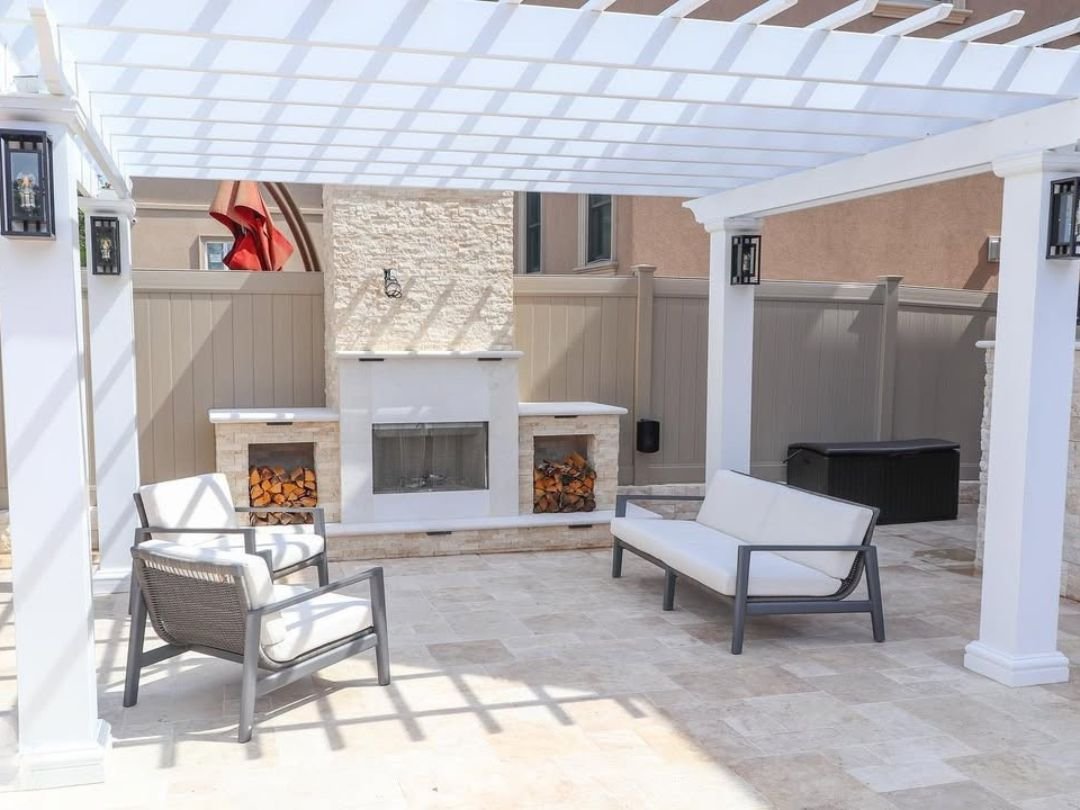
Check the Brick Before You Choose a Material
Use a flashlight and a putty knife to assess the condition of the existing brick. The following conditions determine the project work:
Painted or Sealed Brick
Paint and sealers can interfere with adhesion, depending on the installation system. Before applying stone veneer or porcelain slabs, determine whether the coating must be removed or whether a compatible mechanical attachment or backing system is required. Follow the manufacturer’s instructions rather than bonding directly to an unsuitable surface.
Soot and Smoke Stains
Remove soot and other surface contamination using a cleaning method suitable for the existing masonry. Allow the surface to dry completely and inspect it for damage before proceeding. Heavy deposits, damaged mortar, or persistent contamination may require professional assessment before an overlay is installed.
Uneven Faces and High Spots
Stone veneer and large-format porcelain slabs have different substrate requirements. Remove loose material and address high spots or uneven areas using a compatible repair or leveling method. Porcelain slabs generally require a flatter substrate than individual veneer pieces, so confirm the manufacturer’s flatness requirements before installation.
Loose or Crumbling Mortar Joints
For loose or crumbling mortar joints, repair is crucial. Installing a new surface on it will make them move. One should confirm the structure can carry the added weight too. Rough, painted, or uneven brick points to veneer. Flat, clean, sound brick keeps porcelain in place.
How Much Does a Brick Fireplace Makeover Cost?
To estimate a brick fireplace makeover more accurately, consider the total project cost rather than the price per square foot of either material.
Costs To Include In Your Fireplace Makeover Estimate
| Fireplace makeover cost factor | What the cost includes | What homeowners should verify |
| Facing material | Stone veneer pieces, manufactured stone, natural thin stone, or porcelain slabs. | Compare material prices for the same coverage area, finish, thickness, and intended application. |
| Surface preparation | Cleaning brick, repairing damaged mortar, leveling uneven surfaces, and removing unsuitable paint or coatings. | Confirm that the existing brick is sound and suitable for the proposed overlay system. |
| Backing and bonding | Required mortar, lath, scratch coat, backer system, or manufacturer-approved adhesive. | Verify substrate compatibility, product instructions, and suitability for the fireplace’s heat exposure. |
| Fabrication and cutting | Porcelain slab measurements, cutouts, edge finishing, corner details, and other custom work. | Ask whether measurements, fabrication, waste, and specialized handling are included in the quote. |
| Installation labor | Masonry or tile-setting labor, material handling, placement, alignment, and bonding. | Compare labor quotes with the same installation scope and preparation requirements. |
| Finishing and cleanup | Mortar or grout joints, trim, mantel adjustments, hearth transitions, and debris removal. | Confirm that all finishing work is included and that required firebox and fireplace mantel clearances will be maintained. |
For the best estimates, compare itemized quotes with the same project scope. One should also verify that the selected materials and installation system meet the fireplace manufacturer’s requirements. Also, the existing brick surface can affect the total estimates. Sound, clean masonry may reduce preparation costs, while painted or damaged brick may require additional work before either finish can be installed.
Where Can You Save Money On Fireplace Makeover?
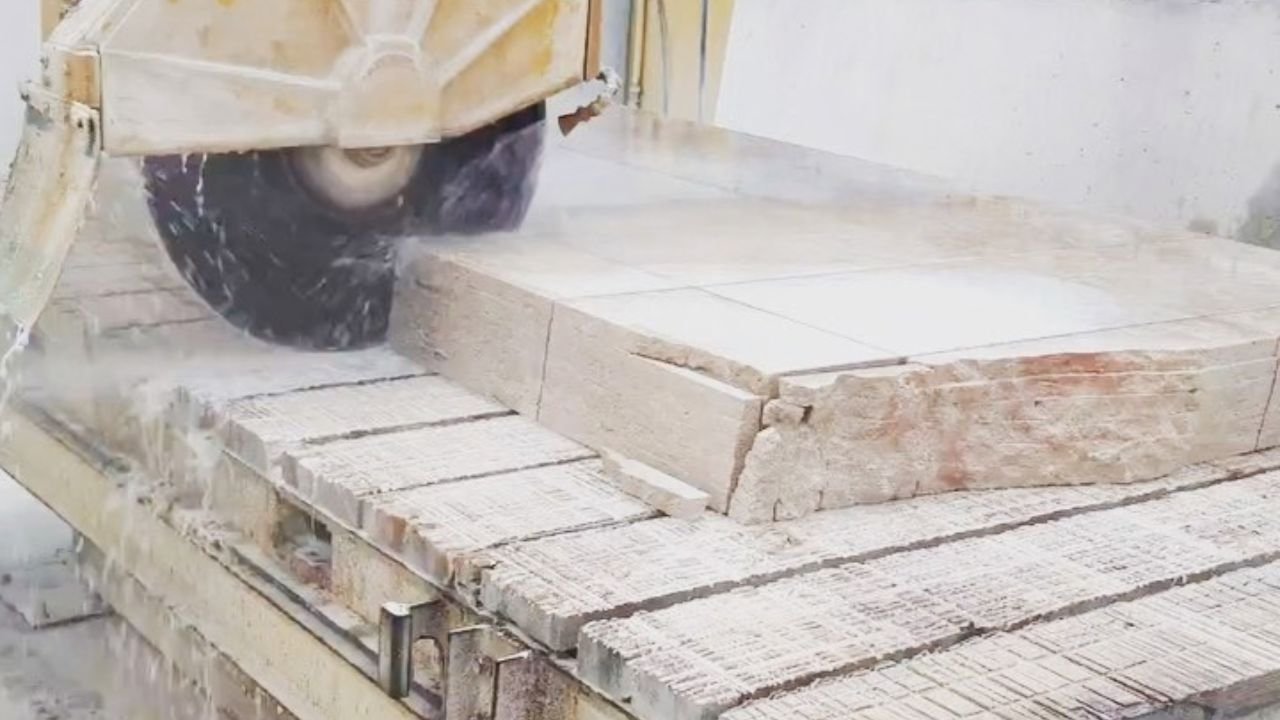
For a budget fireplace makeover, go for a simpler layout before choosing a cheaper product. A simple rectangular surround with fewer corners and returns can reduce fabrication and finishing work. The detailed cuts generally require less fabrication and finishing work than a complex design. You can also keep costs under control by preserving the existing brick if it is suitable for an overlay. Reduce the finished area to the surround instead of extending the material to the ceiling. You should compare the installed quotes that include the same preparation and finishing works.
Always choose a standard size and readily available finishes where possible for a budget-friendly fireplace makeover. Avoid any unnecessary changes to the mantel, hearth, or firebox opening. However, don’t save money on steps like substrate prep or compromising on an unapproved adhesive. Also, don’t ignore the required clearances.
When Is Stone Veneer the Better Choice?
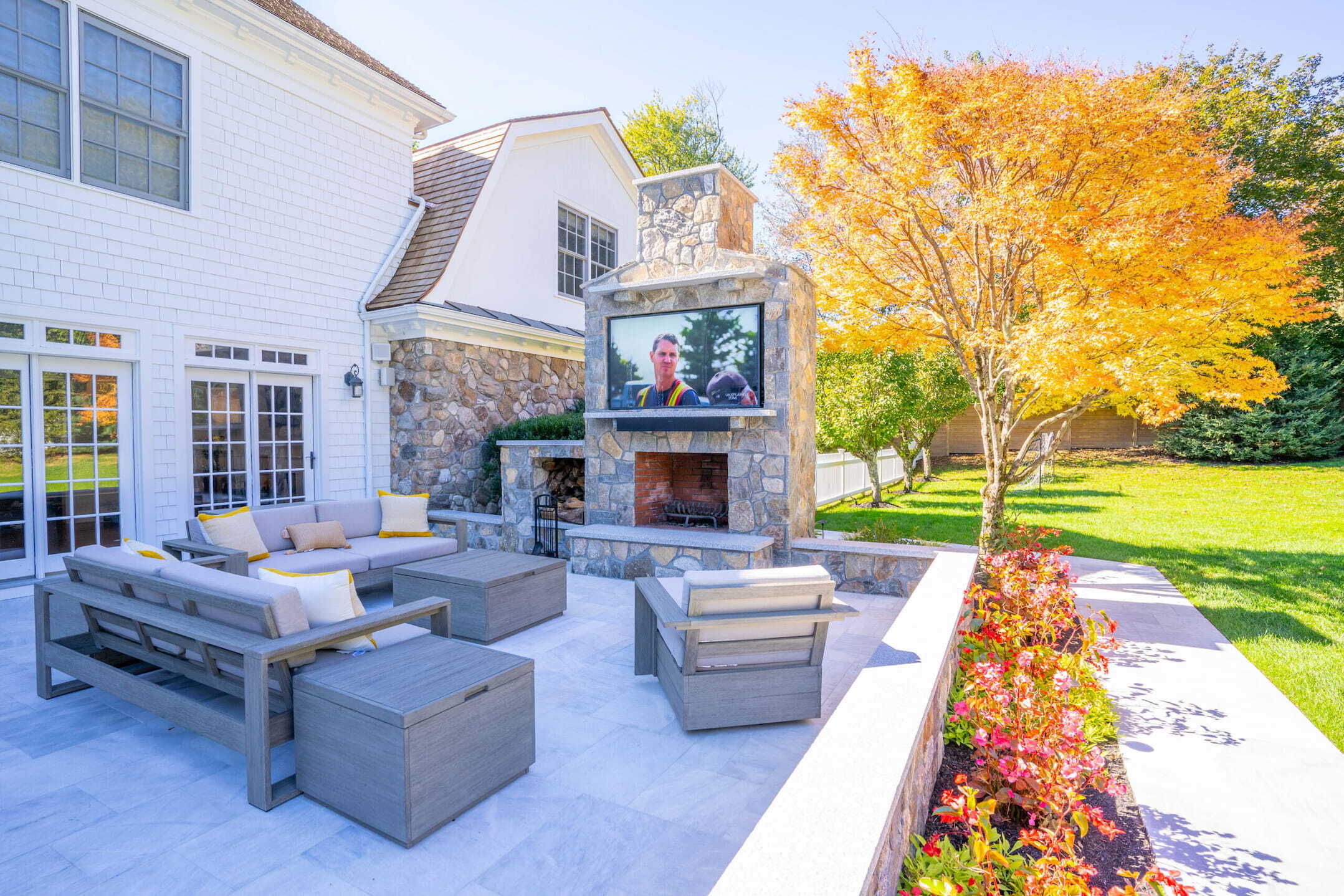
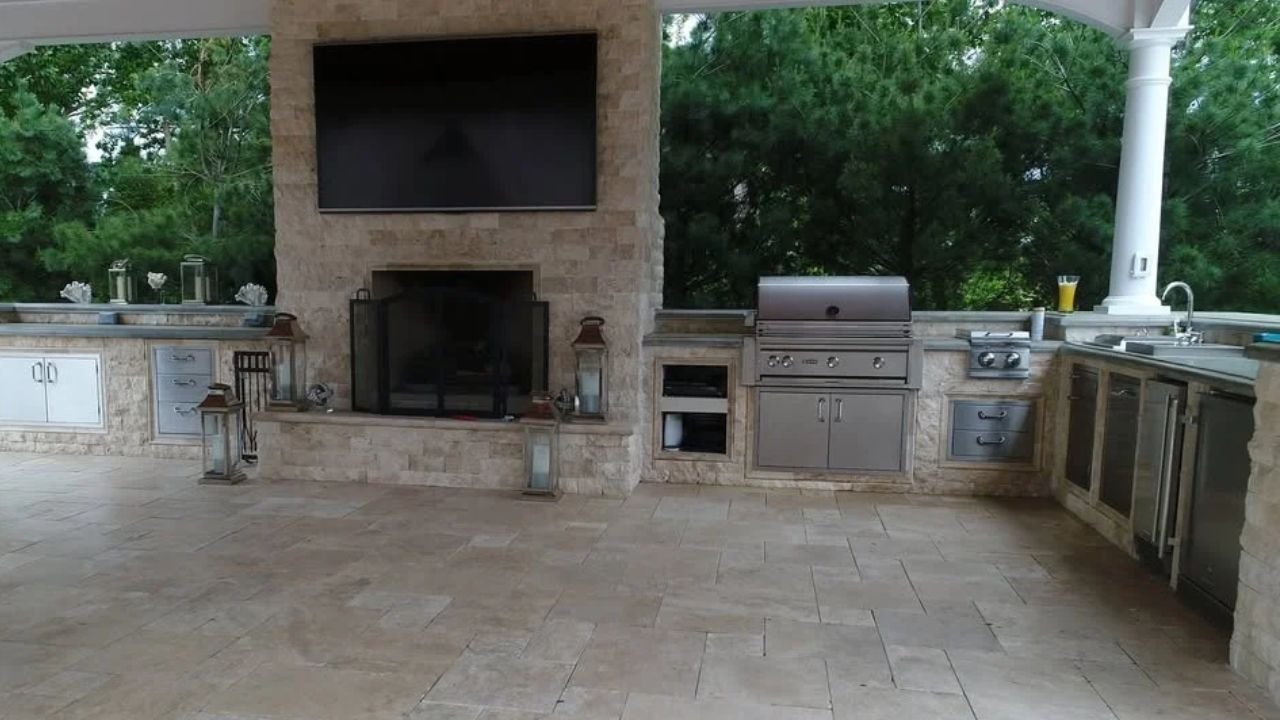
For a budget-friendly fireplace, stone veneer is the best choice over existing brick when homeowners prefer a natural masonry without rebuilding the entire surround. Manufactured stone veneer can provide a more controlled appearance with less bulk than full-depth masonry. This can create a more dimensional focal point without using full-depth masonry. However, keep in mind that the overall weight and thickness depend on the product.
What can increase the cost?
Stone veneer installation may not be suitable for a budget fireplace makeover or become complicated when the existing brick is painted. Also, sealed, uneven, or deteriorating brick underneath can increase the project cost. The installer may have to remove coatings, repair masonry, or use a mechanically attached lath. They may also have to use a scratch-coat system instead of a direct-bond method to install veneer.
The added thickness also matters. Deep stone profiles can affect the mantel, side trim, and transitions to nearby walls.
When Is a Porcelain Slab Worth the Extra Cost?
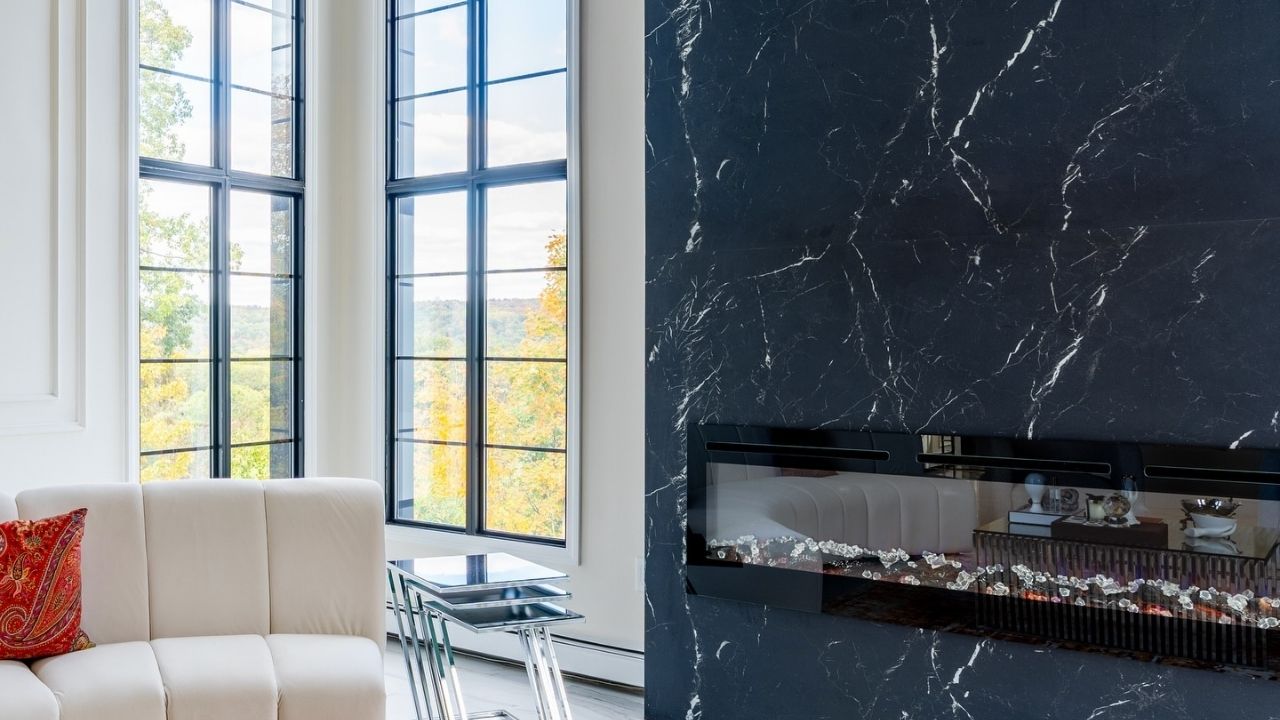
A porcelain slab is an ideal choice when you want a clean, contemporary finish with fewer visible joints than individual stone pieces. Large-format panels can create a marble-look fireplace without the natural veining and maintenance of actual marble or concrete.
What makes porcelain slab expensive?
Porcelain slabs can cost more to install because of fabrication, transportation, handling, and substrate preparation. Installers should measure the fireplace surround accurately, plan openings and seams, transport the slab safely, and prepare a flat, stable substrate. Also check how the chosen slab handles fireplace heat near the opening.
Budget Fireplace Makeover FAQ
Common questions about budget fireplace makeovers.
Can you install stone veneer over painted brick?
Yes. You will need to install a new base. Cement board or metal lath with a scratch coat provides the mortar something to grip.
Can porcelain slab go over existing brick?
Porcelain slabs may be installed over an existing masonry surround when the brick is sound and the complete installation system is approved for the application. The substrate must meet the slab manufacturer’s flatness requirements, and the adhesive, slab, and surrounding construction must be suitable for the fireplace’s heat exposure. Have a qualified installer verify these requirements before proceeding.
Which costs less for a fireplace makeover?
Stone veneer is often the more budget-friendly way for a textured fireplace finish. Large-format porcelain slabs may cost more because of fabrication, handling, substrate preparation, and specialist labor. However, the total installed cost depends on the selected materials, existing brick condition, and project requirements.
Is porcelain slab safe around a wood-burning fireplace?
Yes. For certain outdoor fireplace-surround applications, porcelain is safe. Just make sure not to use decorative cladding inside the firebox unless the complete system is particularly designed and approved for it.
Bottom Line
A budget fireplace makeover does not have to compromise on appearance or quality. Stone veneer is often the more economical choice for a textured stone finish, while large-format porcelain slabs offer a sleek, contemporary look. Compare itemized installation quotes, check the condition of the existing brick, and verify the selected installation system and required fireplace clearances before choosing a material.