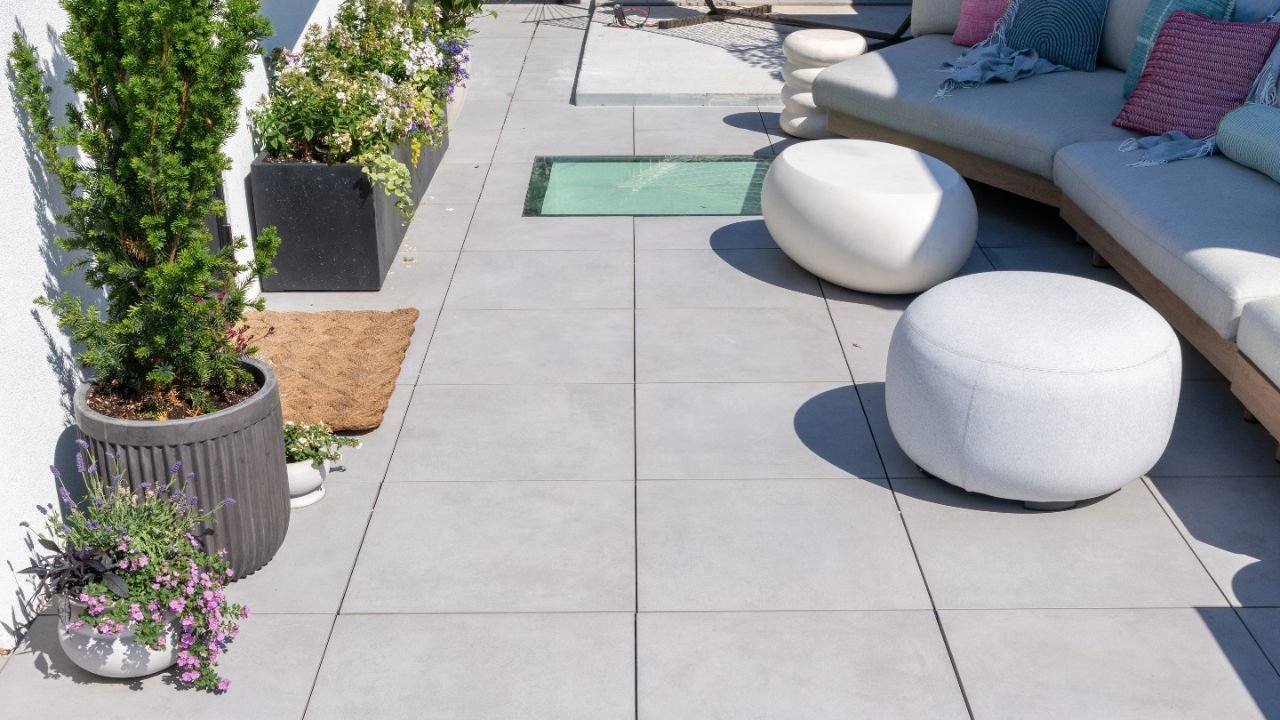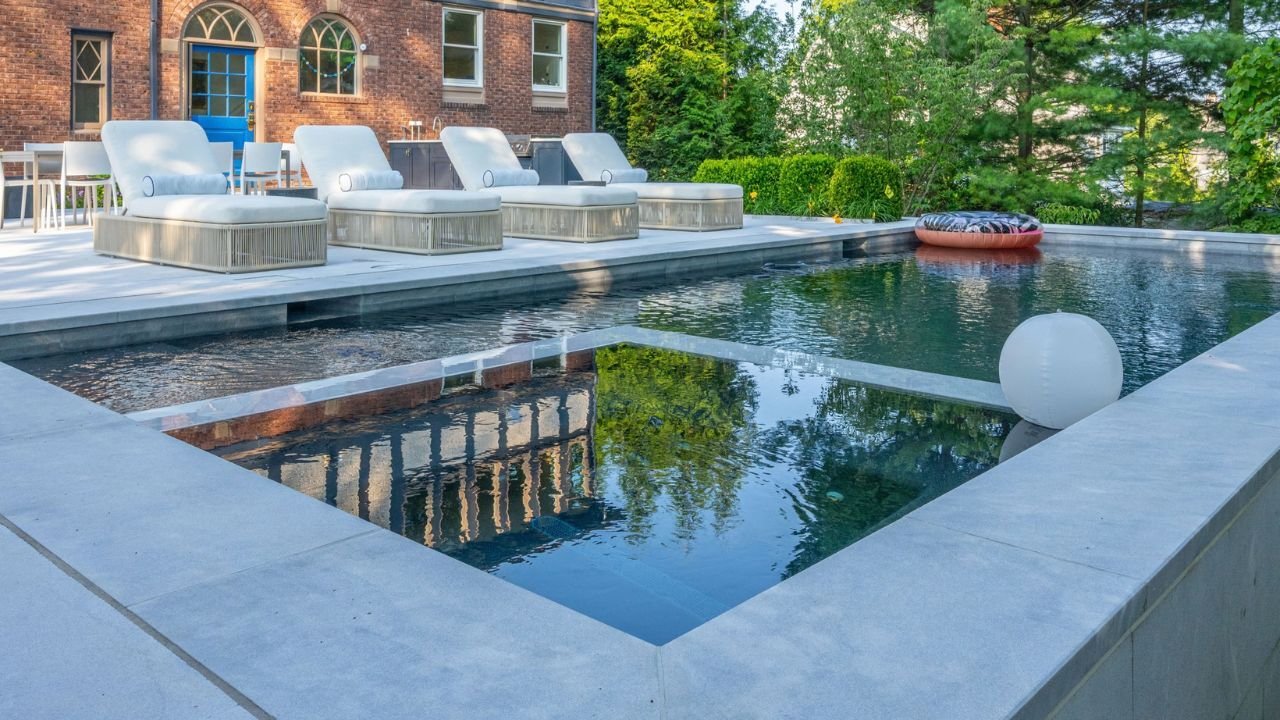

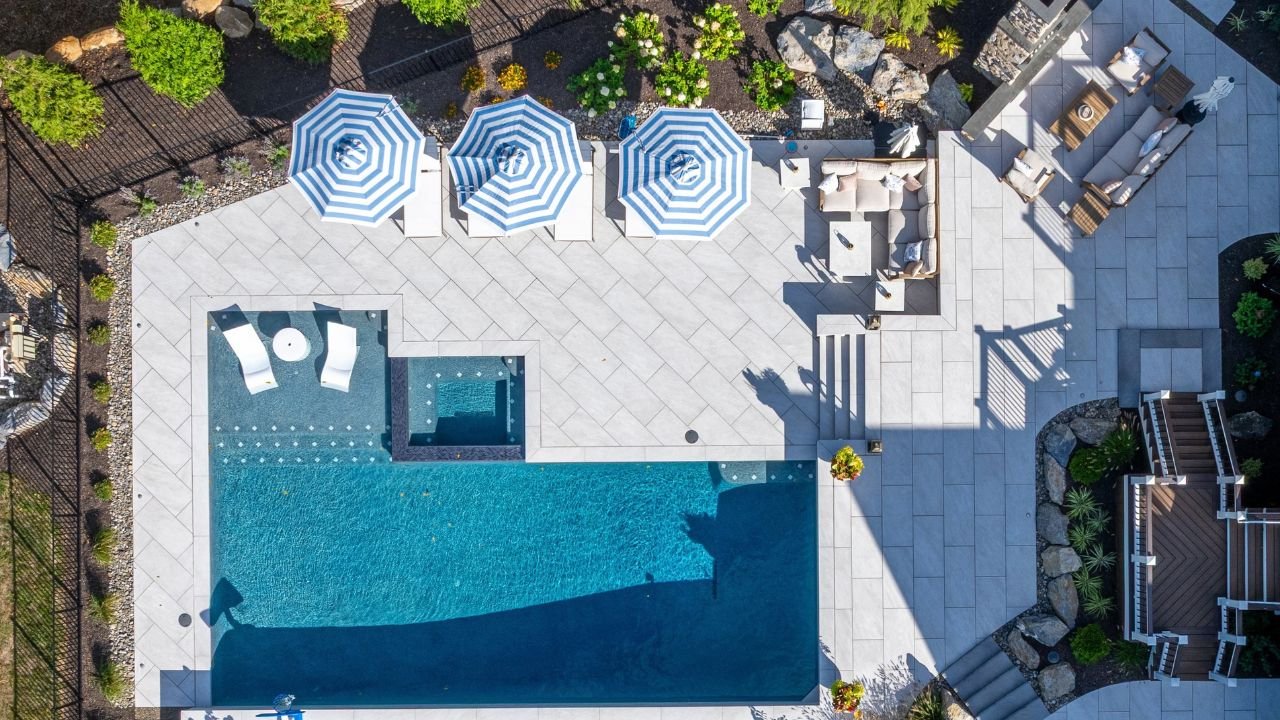
Choosing outdoor pavers involves more than finding a color or pattern you like. The right choice depends on where the pavers will be installed, the expected loads and traffic, local climate, water exposure, surface characteristics, drainage, installation system, and maintenance requirements.
From a backyard paver patio and pool deck to a driveway, rooftop terrace, or garden walkway, each space has different requirements. No single material can perform equally well in every location. While material matters, so do factors such as thickness, surface texture, drainage, installation, and local climate.
When choosing natural stone pavers, porcelain pavers, concrete, or brick pavers, ask practical questions before comparing prices. The right questions can tell you far more about a paver’s suitability than a showroom display alone. Consider these questions before deciding which outdoor paver is right for your project.
1. What type of outdoor space am I paving?
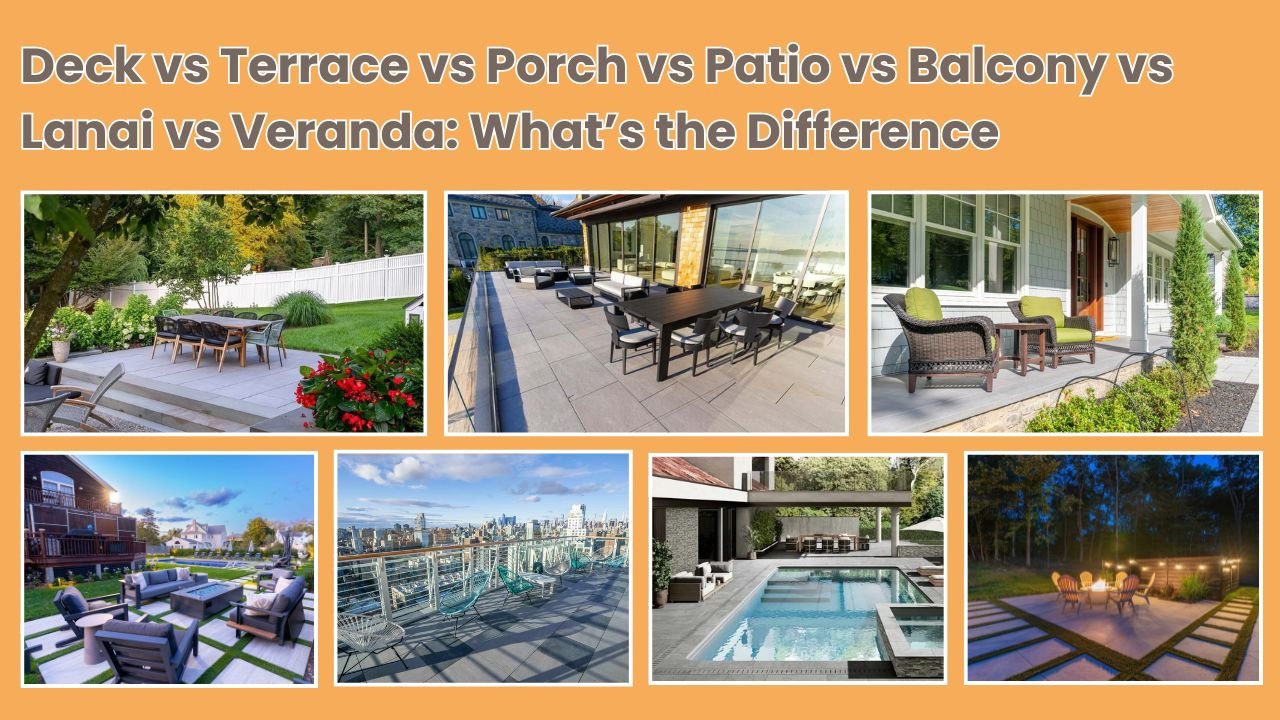
First determine the application, not the paver. A patio is a ground-level outdoor living area, while a deck is a constructed platform, often raised. A balcony is elevated above ground, and a porch usually sits beside an entrance with roof coverage. A terrace can refer to a broad paved area at ground level or an elevated outdoor space.
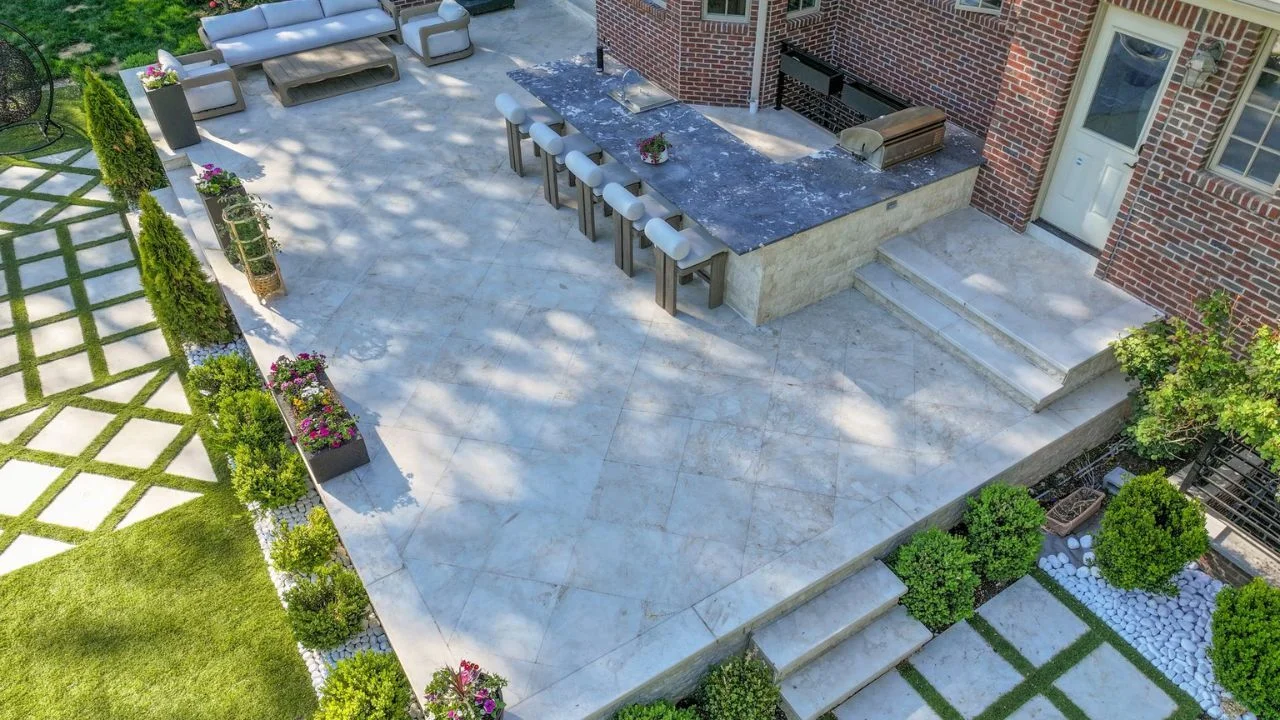
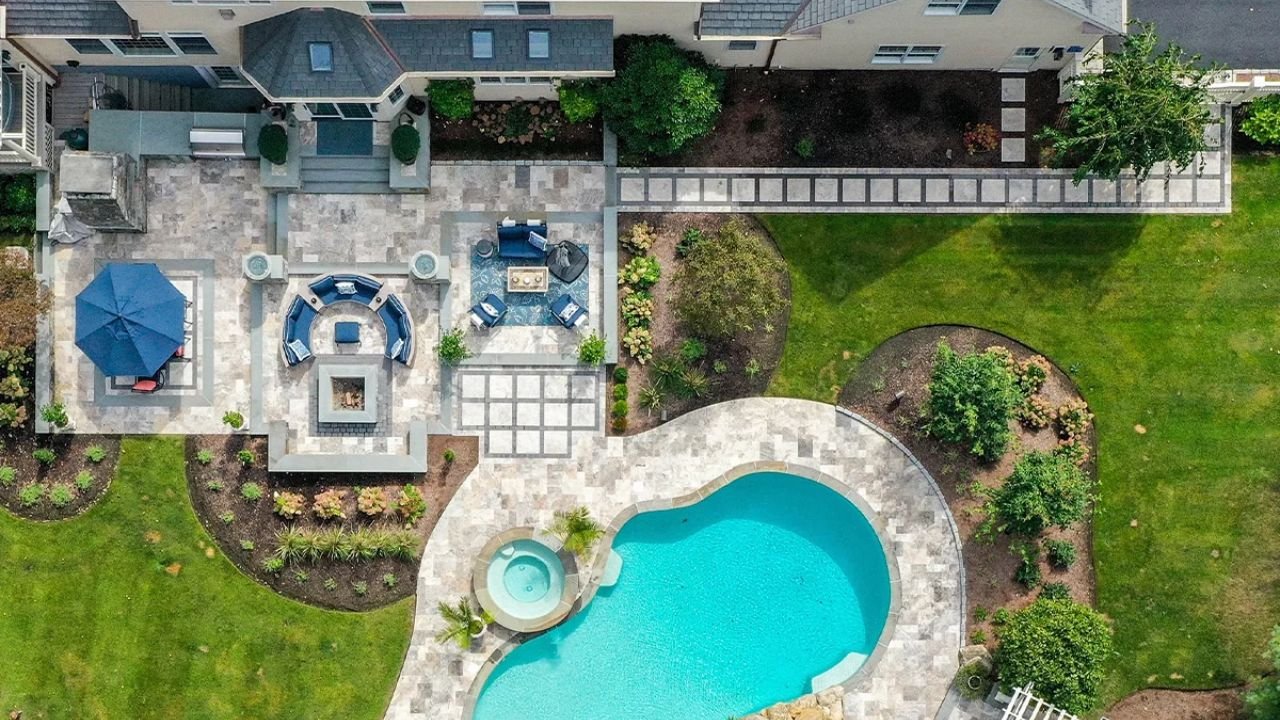
That distinction matters because each application creates different demands. A backyard patio may need to handle furniture and foot traffic. A driveway must handle vehicle loads. A pool surround needs a surface that works well when wet. A rooftop terrace adds concerns about weight, drainage, and the existing structure.
At NT Pavers, we would first want to know where the paver is going and how you will use it before discussing color or pattern.
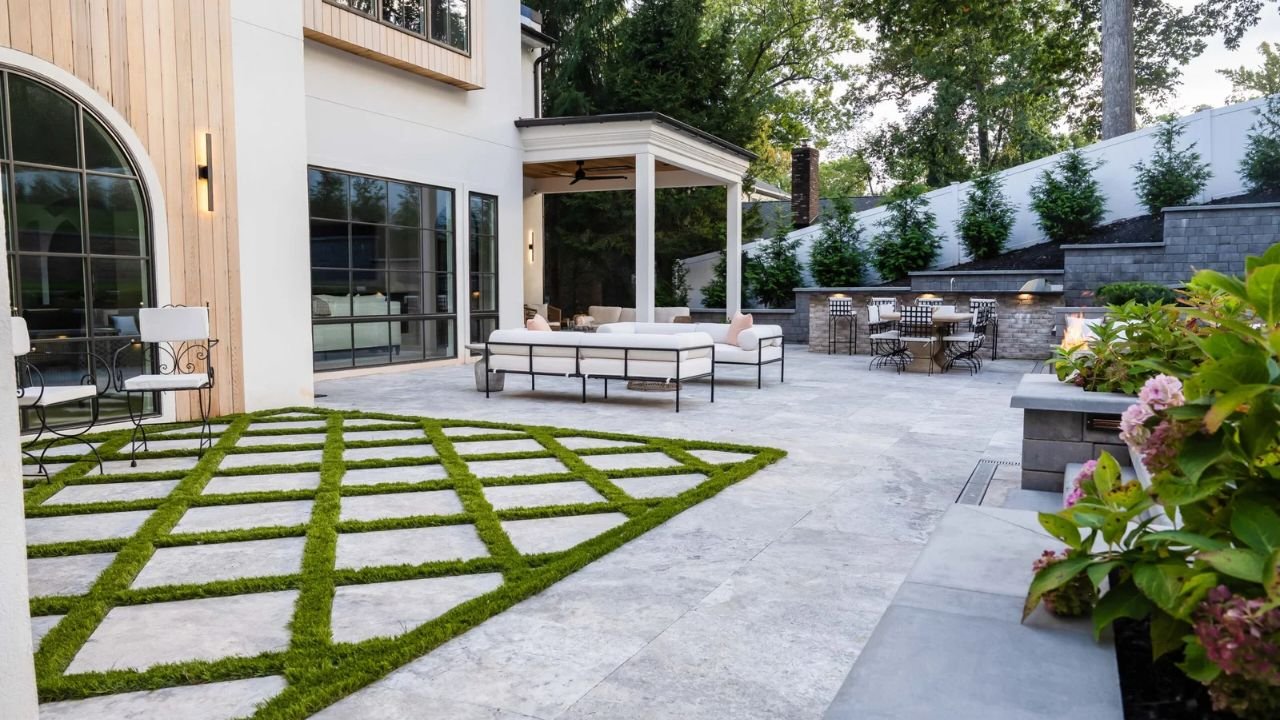
2. Which paver material fits my climate?
Outdoor pavers can include natural stone, porcelain, concrete, and other manufactured materials. None is automatically right for every property.
Natural stone pavers such as granite, limestone, sandstone, travertine, or slate offer natural variation. Porcelain pavers offer a manufactured surface with consistent dimensions and very low water absorption in suitable products. Concrete paving slabs offer many shapes, colors, and installation patterns.
Your climate changes the decision. In freeze-thaw climates, water absorption and resistance to repeated freezing and thawing deserve particular attention. In hot, sunny climates, surface color and exposure can affect how comfortable the surface is underfoot. Wet areas also need careful attention to surface texture and drainage.
For natural stone, absorption is a measurable property. ASTM C97/C97M-25 provides test methods for absorption and bulk specific gravity of dimension stone.
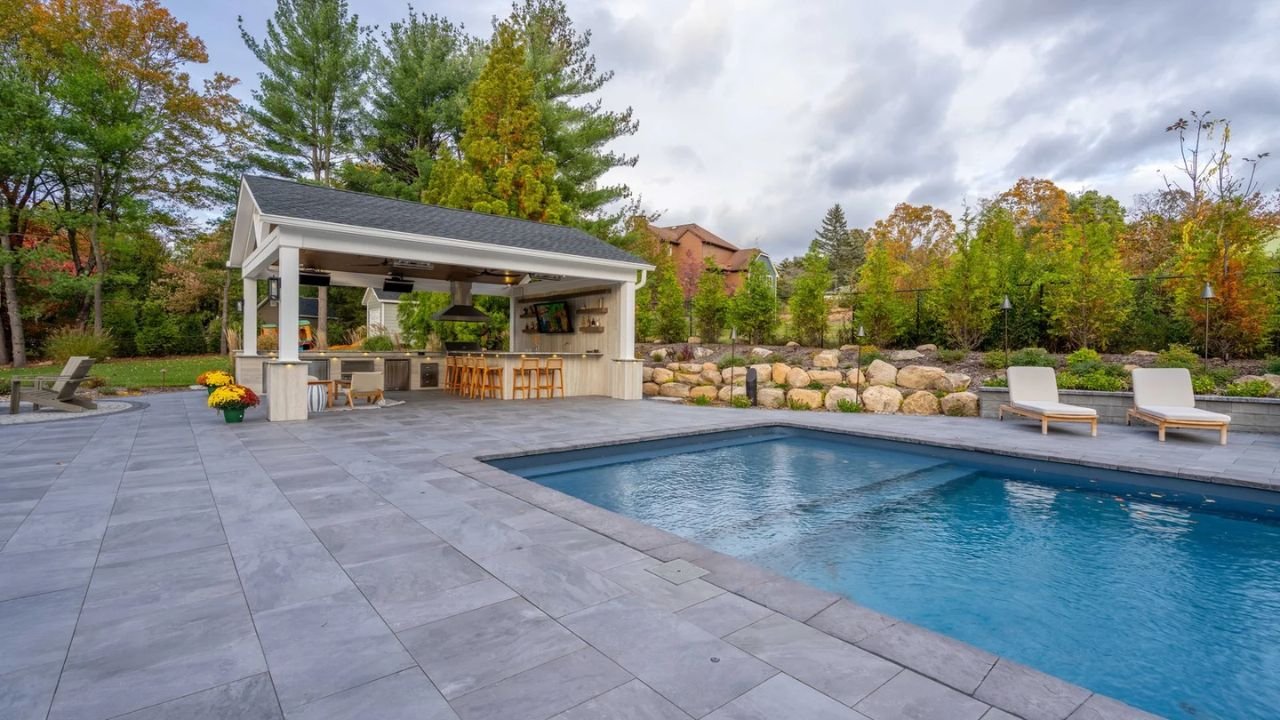
3. How much water will the paver absorb?
Water absorption deserves more attention than many homeowners give it. This is crucial knowledge for areas with frequent rains. A more porous material can absorb more water than a denser material, but higher absorption does not automatically make a paver unsuitable. The important question is whether the material’s tested performance is appropriate for the climate, application, and expected exposure to moisture.
This is why you should ask about the water absorption rating and data for natural stone pavers. Don’t just rely on statements like “Durable” or “Aesthetics”. ASTM C97 is used to compare absorption among dimension stones. For porcelain and ceramic products, ASTM C373 provides methods for measuring water absorption and related properties.
Don’t just ask simply, “Does it absorb water?” because each material has its own characteristics. Ask whether its tested performance suits your particular paver installation.
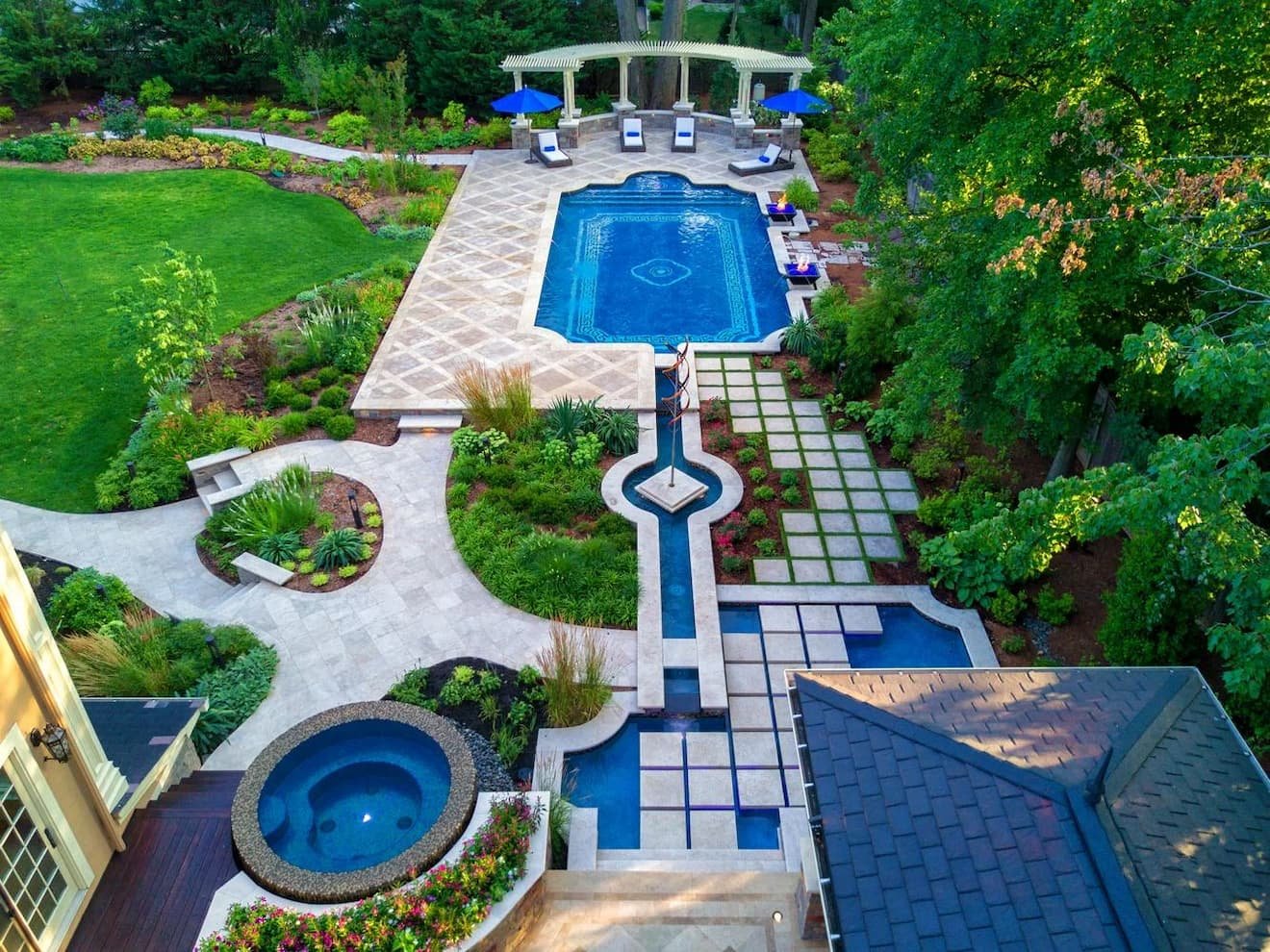
4. Is the surface suitable when wet?
Ask the supplier for the manufacturer’s tested slip-related information where applicable, and consider a physical sample under wet conditions before ordering.
This is because a beautiful dry sample only shows you a single side of the picture. If you are paving around a pool, outdoor shower, fountain, or frequently wet patio, ask how the surface performs when wet. Texture, finish, slope, drainage, footwear, and maintenance all affect how a surface feels underfoot.
A highly polished finish may not be appropriate for areas that are frequently wet, but suitability depends on the specific product, application, surface characteristics, and available slip-related testing. A honed, textured, flamed, brushed, or naturally cleft surface may provide a different walking experience depending on the material.
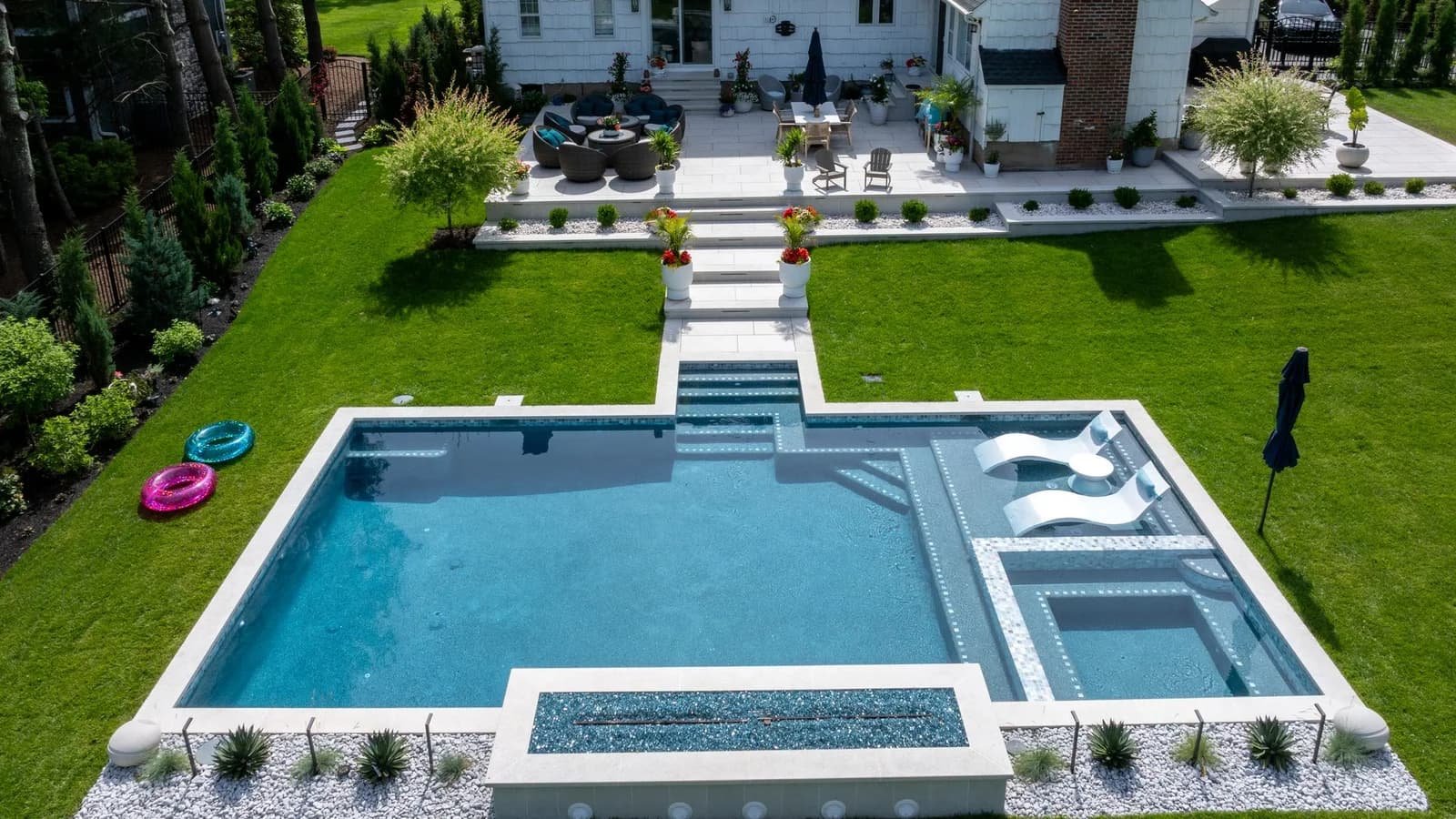
5. What thickness do I need?
While there is no universal standard for the best paver thickness, you should ask this question considering the application for the paver. The required thickness depends on the material, installation system, substrate, loading, and application. Rather than choosing thickness based on a general rule, ask the supplier or installer which product specifications are appropriate for the intended application and installation method.
A pedestrian patio does not have the same requirements as a driveway. This is where homeowners can make an expensive mistake: choosing a product first and asking about installation later.
A professional will ask about the application and installation, and then determine whether the selected paver works for the proposed base and use. Concrete interlocking pavers, for example, have specific industry standards for their physical requirements. ASTM C936/C936M covers solid concrete interlocking paving units and addresses characteristics such as strength, texture, and other specified features.
For natural stone, flexural strength can also matter when the installation and stone type make bending resistance relevant. ASTM C880/C880M-25 covers flexural-strength testing for dimension stone.
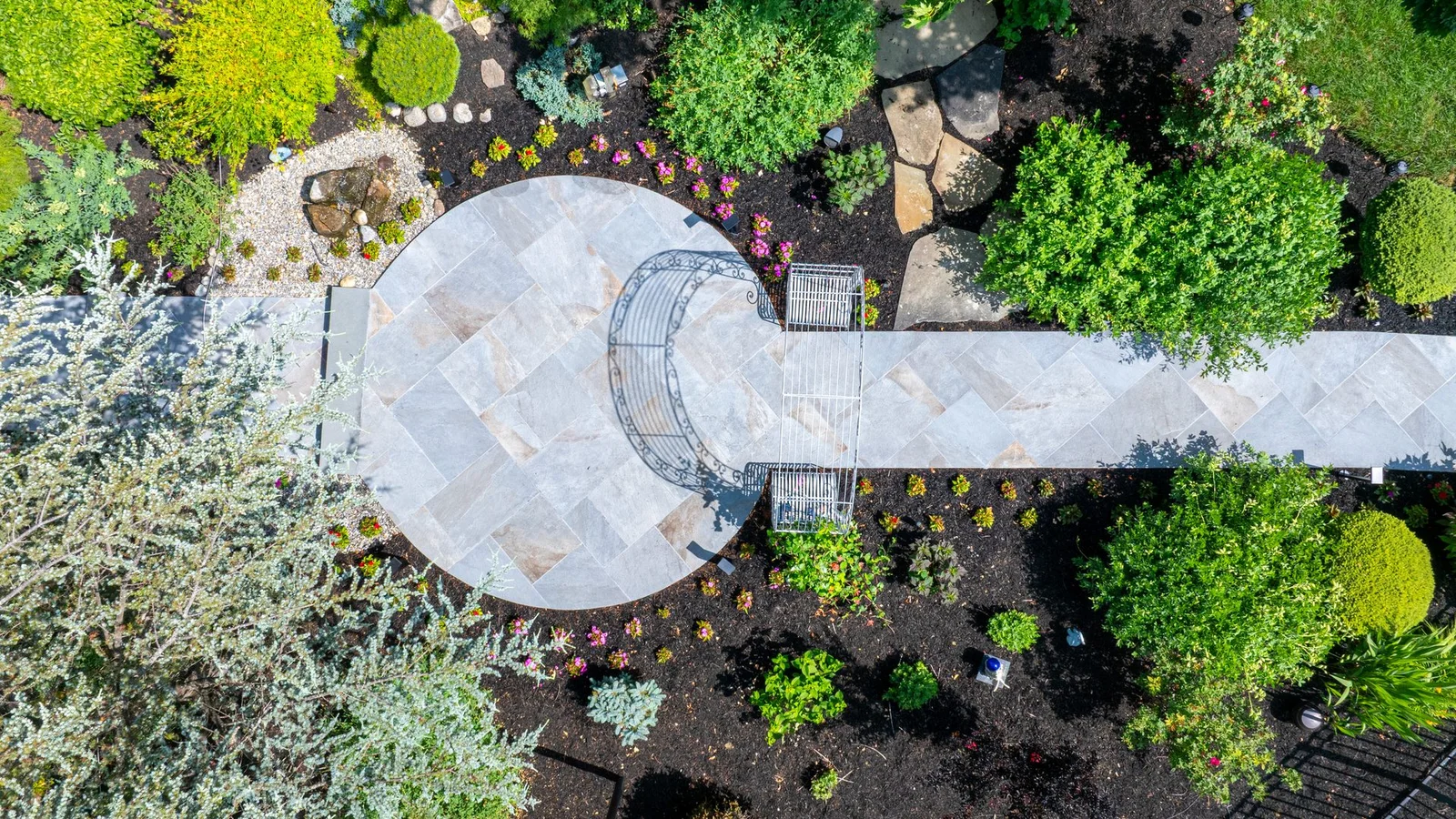
6. What will be underneath the pavers?
This question will matter for the whole installation and what comes after it. The paver is only the visible part of the installation.
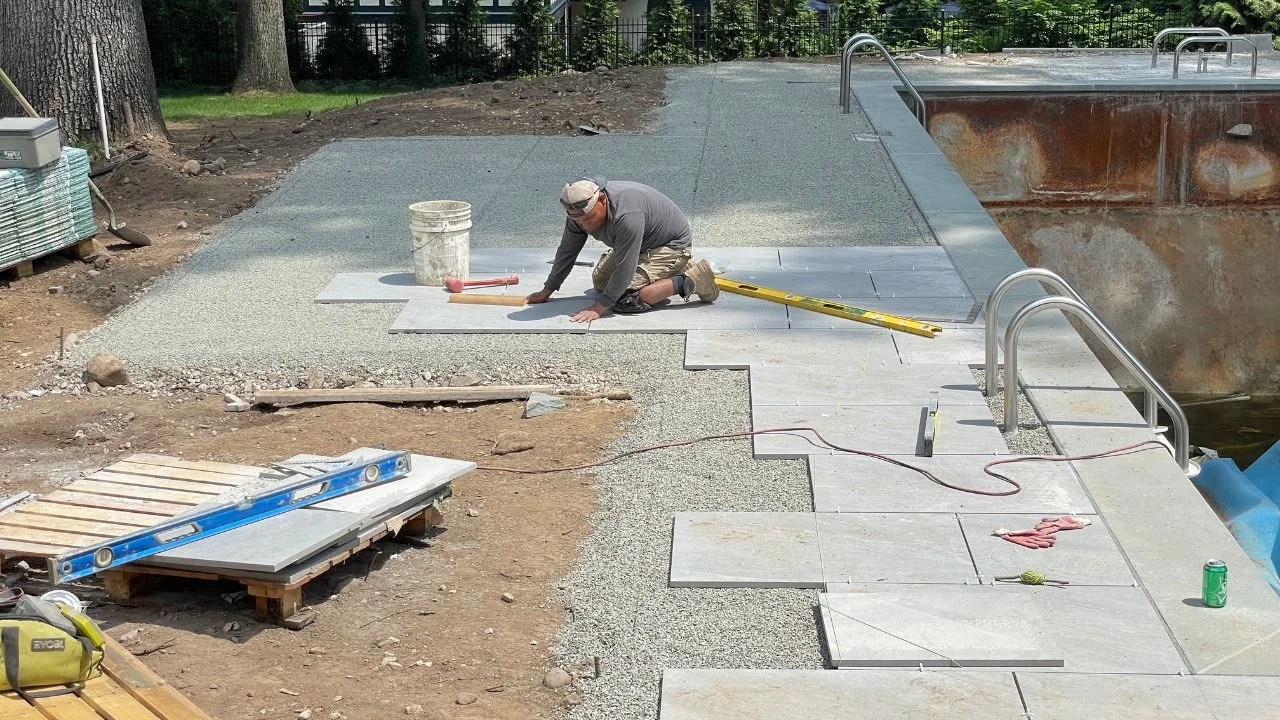
A strong surface depends on what lies beneath. The paver base should also work with the site’s drainage conditions so that water does not become trapped beneath or around the paving system. The system may include compacted soil, aggregate base, bedding material, the paver, joint material, and edge restraints, depending on the project. For elevated applications, pedestal paver systems can use a different support structure, with pedestal pavers installed over adjustable supports rather than a conventional aggregate base.
The exact material composition should align with the site and paver system. Poor compaction, insufficient base preparation, weak edge restraint, or unsuitable bedding may result in settlement, movement, uneven joints, and drainage problems. For raised decks and rooftop applications, adjustable deck supports can also be part of the installation system and should be selected according to the paver, load requirements, height, and site conditions.
This is why two patios can use the same paver but perform very differently five years later. When getting estimates, ask the contractor to explain what goes beneath the pavers and why. If the answer is vague, ask for more detail before signing or be prepared for the surprise.
7. How will water drain away?
Outdoor paving shouldn’t look like a shallow pond after a rainstorm. Before installation, ask whether the proposed slope, drainage features, and surrounding grades have been considered as part of the overall paving plan. Homeowners should also ask where rainwater will go, how the surface will be sloped, and whether the existing ground can accept runoff. Consider downspouts, surrounding grades, drains, walls, doors, and neighboring surfaces.
Permeable paving may be the only option for some projects. For others, traditional paving with carefully planned surface drainage makes more sense. Keep in mind that drainage is part of the paving design, not something to solve after installation.
8. Will the color and texture work in my actual setting?
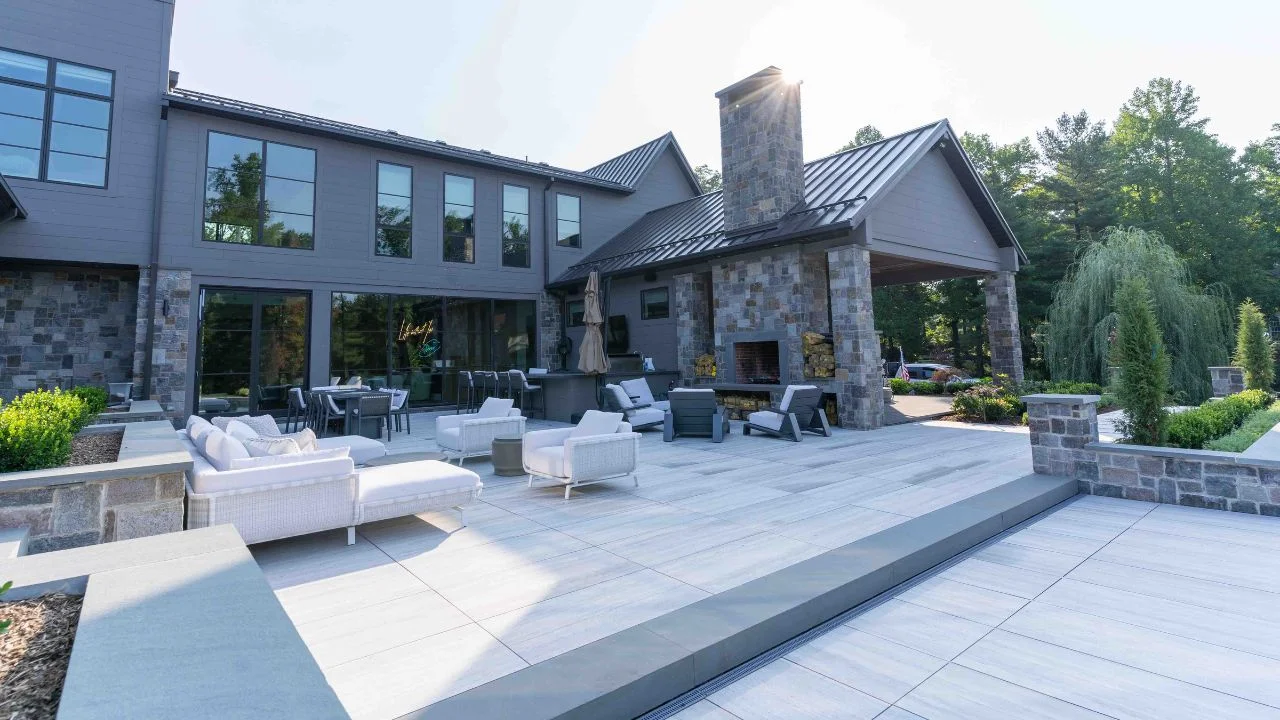
Check the sample outside of the store or showroom. Natural stone features different colors, veining, fossils, grain, and texture. Even manufactured products may look different under direct sunlight than they do under showroom lighting. Look at the sample beside your house, landscaping, walls, roof materials, and existing hardscape. Check it in morning and afternoon light.
Don’t overlook the heat. Paver color can affect how hot a surface feels in direct sun, and a dark paver may become much hotter than a lighter surface. The actual surface temperature depends on more than color alone. If you are choosing natural stone, expect variation. That variation is part of the material rather than a defect.
9. What maintenance will this paver require?
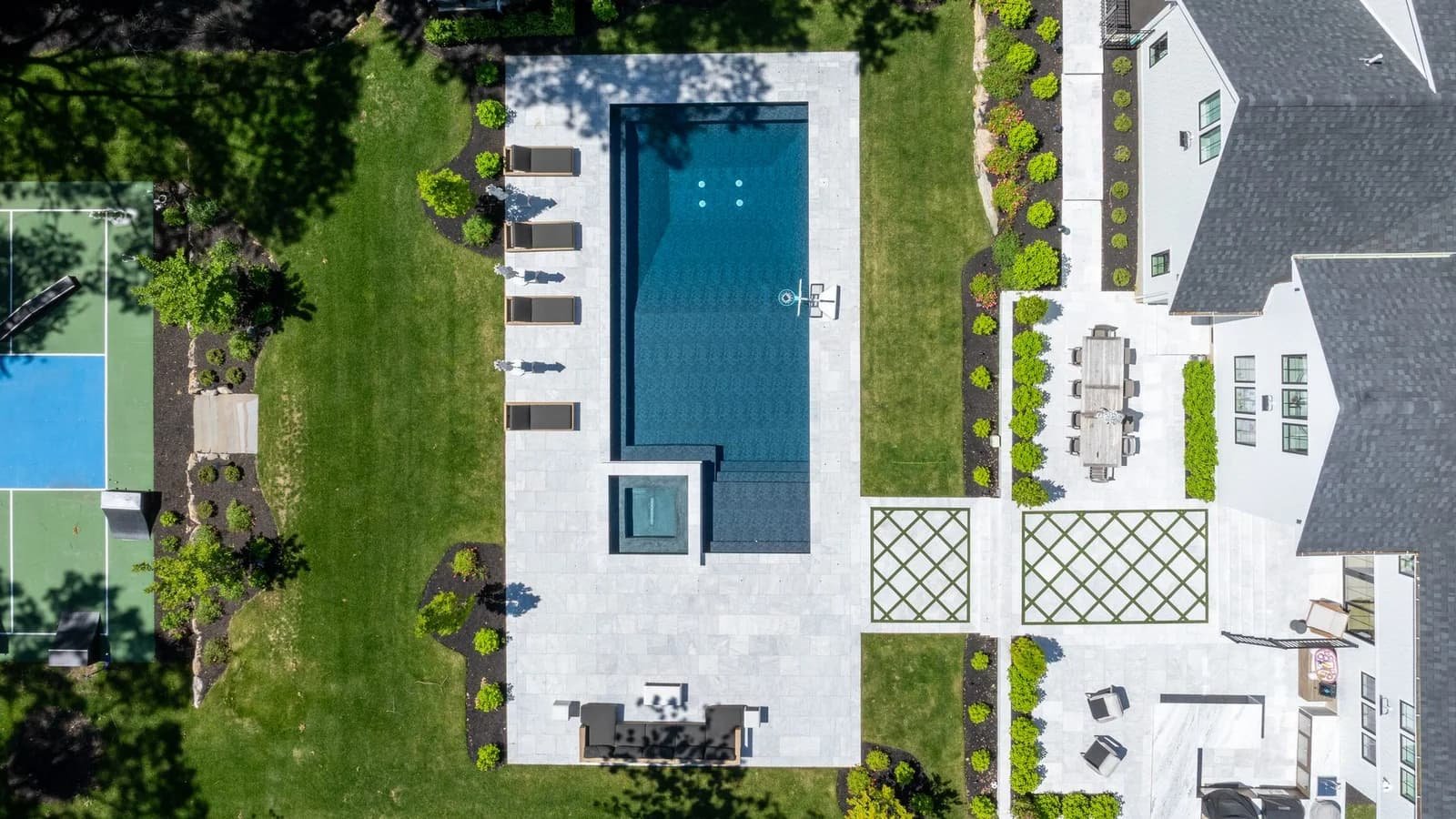
Before choosing a paver, ask what maintenance the material and finish will require over time. This will play a crucial role in future cleaning and maintenance, including paver cleaning and periodic sealing when recommended.
Find out whether the manufacturer or stone supplier recommends sealing. Ask what cleaners are suitable, what stains are common, and whether resealing is expected. Natural stone may have different maintenance needs depending on its mineral composition, porosity, finish, and location. For limestone surfaces, ask about recommended limestone cleaning and sealing methods to avoid using products that could damage the stone.
Pool areas deserve extra attention because water chemistry, sunscreen, food, leaves, and organic debris can all affect the surface over time. Avoid assuming that “maintenance-free” means no maintenance at all. Outdoor surfaces still need cleaning, drainage, joint care, and occasional inspection.
10. Can I see the exact product and its technical information?
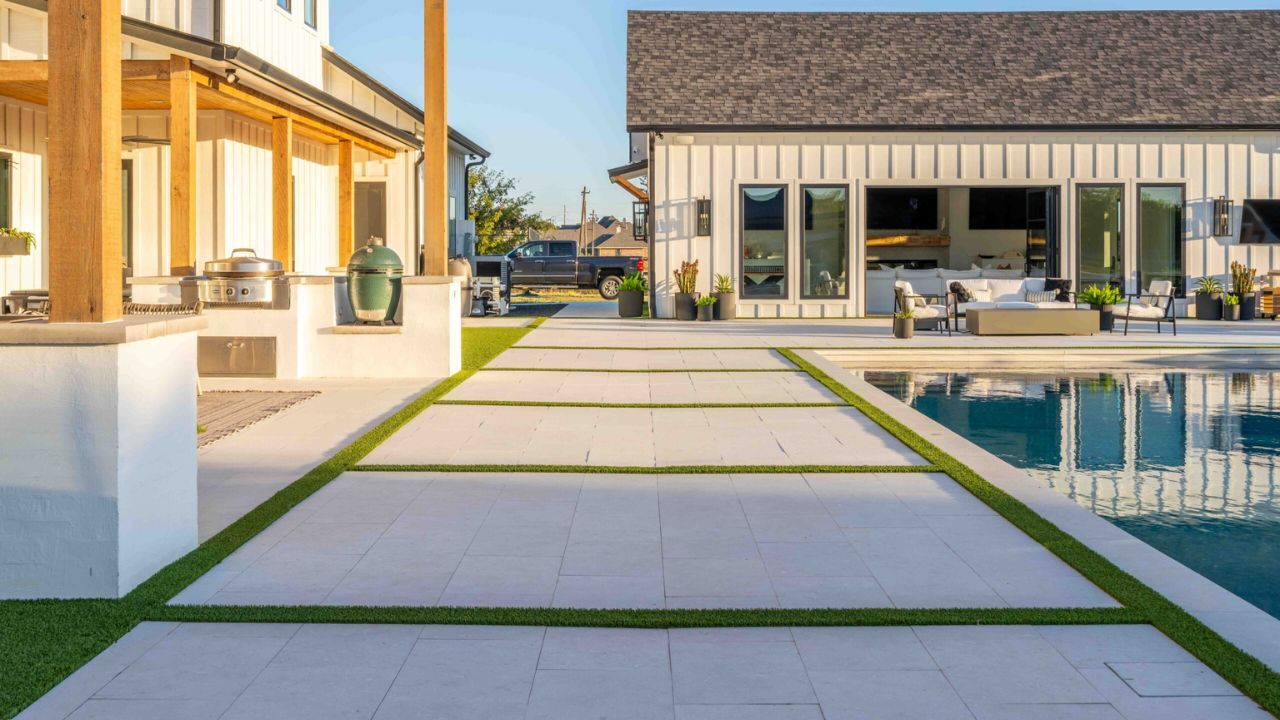
This is the question to ask before placing the final order. Looking at a small sample alone may not tell you everything you need to know. Ask for the technical data sheet, installation requirements, recommended applications, test results where available, warranty, and care instructions. Also ask about the quarry source of natural stone pavers and whether the product can vary between lots.
If you are searching for where to buy paver stones near me, look for a supplier that can provide product specifications, samples, availability information, and guidance on whether the paver is suitable for your intended application. Ask for a complete estimate that accounts for the pavers, delivery, site preparation, installation, cutting, drainage work, and other project-specific costs rather than comparing the cost of pavers per square foot alone.
If you are buying natural stone or another product that may vary between production lots, ask about current availability and whether matching material is likely to be available in the future.
When possible, purchase enough material from the same product lot for the project. Keeping the product information and lot details can also make it easier to identify a matching replacement if you need additional material later.

What to Ask Your Paver Supplier
Before placing an order, ask:
- Is this product suitable for my intended application?
- What are its water absorption and relevant test results?
- What thickness is recommended for my application?
- Is there tested slip-related information for the finish?
- What installation system does the manufacturer recommend?
- Does the product require sealing?
- What maintenance products are recommended?
- Is the product currently available?
- Can matching material be obtained later?
- What is included in the total project cost?
Outdoor Paver FAQs
Let’s answer your questions about outdoor pavers questions
What is the best material for outdoor pavers?
It depends on the project requirements. Natural stone, porcelain, and concrete pavers have different characteristics, applications, maintenance requirements, and performance considerations. The appropriate material depends on the intended use, climate, installation system, and product specifications.
Are natural stone pavers good for patios?
Yes. Natural stone brings natural charm, a sense of luxury, and gives a stunning aesthetic uplift to any patio. However, the specific stone, finish, thickness, absorption, installation method, and local climate should be considered together.
Are porcelain pavers suitable for outdoor use?
Yes. Porcelain pavers can be suitable for outdoor applications when the product is specifically designed and rated for exterior use. Just make sure to take a look at the outdoor ratings, water absorption, thickness, and slip resistance information.
Do outdoor pavers need to be sealed?
Sealing depends on the paver material, finish, location, and manufacturer or supplier recommendations. Some natural stone and other outdoor pavers may benefit from sealing, while others may not require it.
How thick should outdoor pavers be?
There is no standard thickness for the pavers. The exact thickness depends on the intended application and load condition.
What should go under outdoor pavers?
A properly prepared base and suitable bedding system support the pavers as a whole. However, the right construction depends on the type of pavers, soil, drainage, climate, and application.
Bottom Line
Choosing outdoor pavers is about more than appearance or price. Before ordering, consider the intended application, climate, water exposure, surface characteristics, thickness, base preparation, drainage, maintenance, and product specifications. Ask the supplier for technical information and confirm that the selected paver is appropriate for the planned installation.
Taking the time to answer these questions before buying can help you avoid choosing a product that does not match the site’s conditions or installation requirements.