
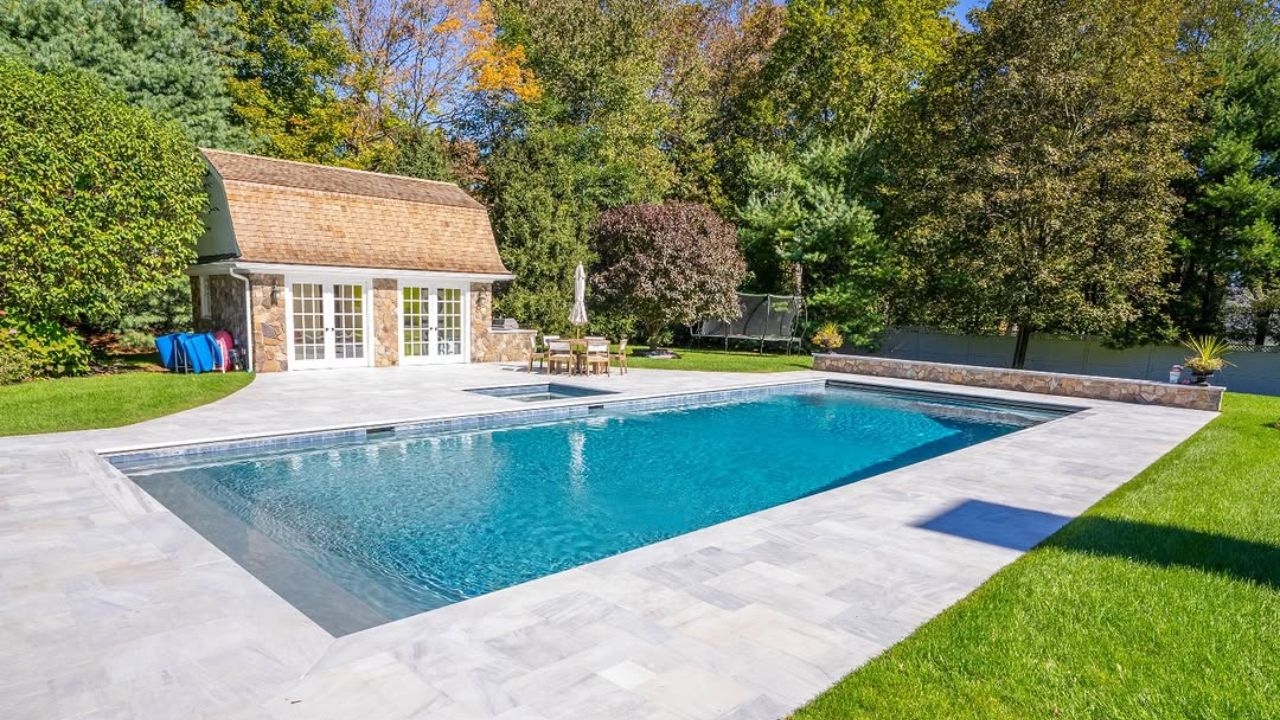
The right paver color determines how the outdoor space will look and feel. A wrong color combination will result in a dull or odd-looking outdoors that doesn’t connect with the overall home design. However, when homeowners choose pavers, they often focus on material type, like natural stone pavers or porcelain pavers. But what they often overlook is the right color palette, which matters as much as the material.
The right tones can soften hardscape surfaces, connect the paver patio to surrounding greenery, and highlight architectural details. So, here are the perfect 8 color combinations that landscape designers, architects, and hardscape specialists use in landscaping projects. Continue reading the following.
1. Charcoal Gray and Light Gray for A Clean Modern Contrast
Neutral pallets and simple geometry are common features of modern houses. A charcoal gray paired with light gray is perfectly suited for this setting.
This color combination creates a subtle contrast that feels intentional rather than harsh. Charcoal pavers can be used in pathways or borders. The light gray tones are good for a patio paver area to give it a bright appearance. Designers often use this color combination for contemporary patios and rooftop terraces. Also, gray tones pair well with materials like stainless steel, glass railings, and modern composite decking.
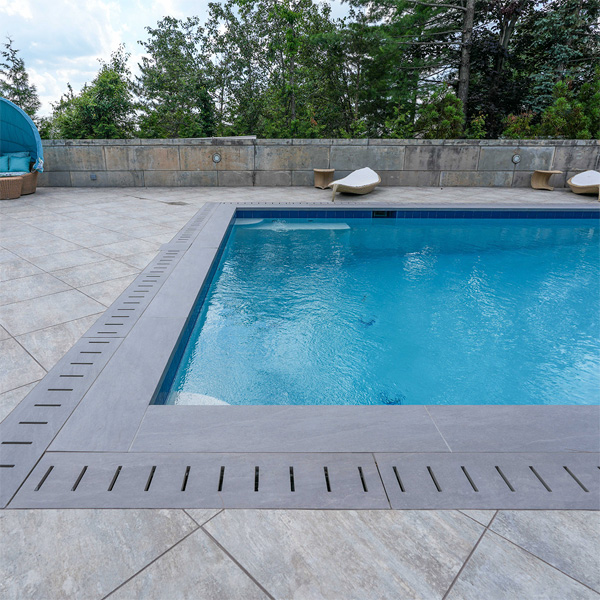
Benefits Of Charcoal Gray and Light Gray:
One of the major advantages of these paver color combinations is low maintenance. Mid-range gray tones can hide dust and surface wear better than light pavers. It is a great color choice for homeowners who prefer a modern look with low maintenance. They are also creating unique visual interests.
2. Sandy Beige and Chocolate Brown For A Natural Landscape Blend
Earthy tones have always been used to style the landscapes. Sandy beige mixed with chocolate brown is a beautiful color combination, widely found in natural soil, wood, and stone. Designers often recommend this pellet when they want to create a design that looks harmonious with the surrounding landscape. This color pellet can instantly look a part with elements like garden beds, wooden pergolas, and stone retaining walls.
Beige pavers in the outdoor reflect light without glare, and brown accents add detailing and a visual boundary. This pairing can also hide dirt and dust well, which makes the patios and walkway maintenance much easier. It is especially a good choice for areas with frequent traffic, rain, or falling leaves.
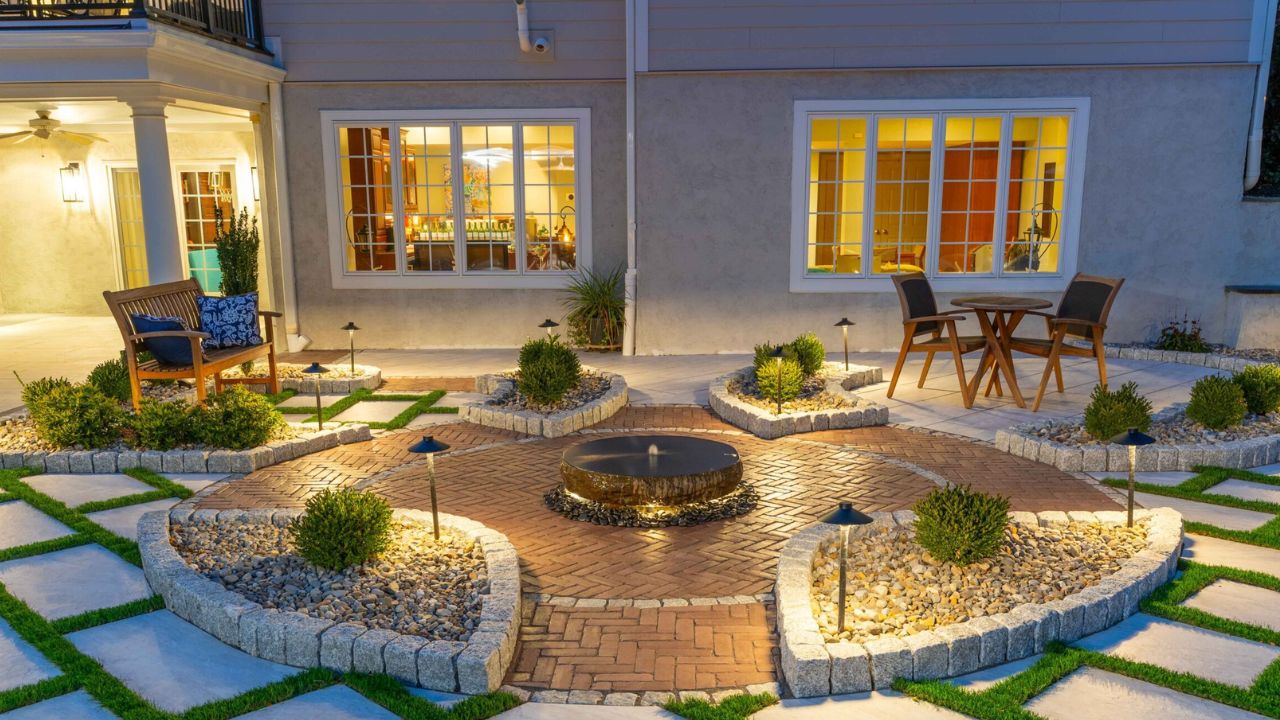
Best Pavers For Sandy Beige and Chocolate Brown:
Homeowners often use this combination with limestone pavers, travertine pavers, or textured concrete pavers for a timeless appeal. These materials reinforce the organic feel of the palette.
3. Terracotta and Burnt Orange For Warm Mediterranean Character
Mediterranean homes often rely on warm tones inspired by clay, sunlight, and aged stone. Terracotta paired with burnt orange is the perfect choice for them. This color palette works well with Spanish-style homes, clay roof tiles, and textured stucco walls. Terracotta pavers design the space with a natural clay tone, while burnt orange adds warmth and subtle richness.
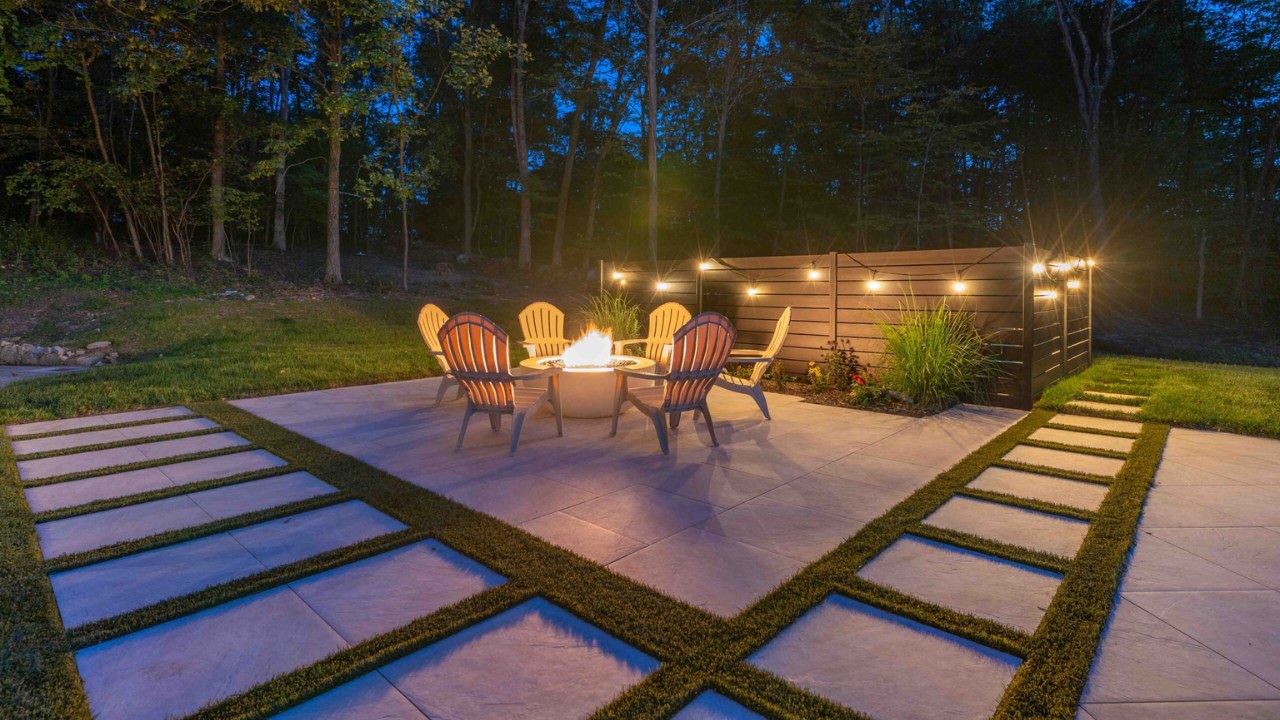
Why Designers Choose Terracotta and Burnt Orange?
Designers often apply this color scheme to courtyards, garden paths, and pool surrounds. The warm tones pair beautifully with olive trees, terracotta planters, and wrought-iron furniture.
Another benefit is beneficial aging. Over time, terracotta tones develop a weathered look that feels authentic rather than worn. Among classic Paver Color Combinations, this one delivers cultural character and long-term charm.
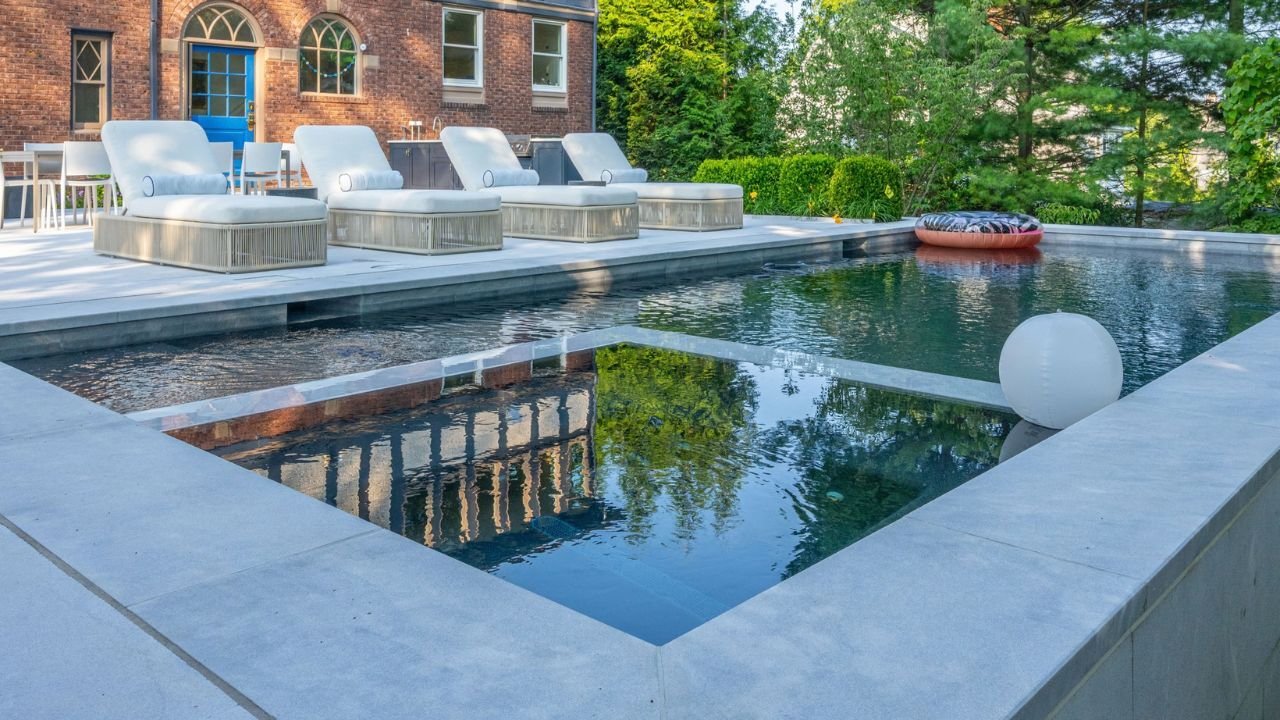
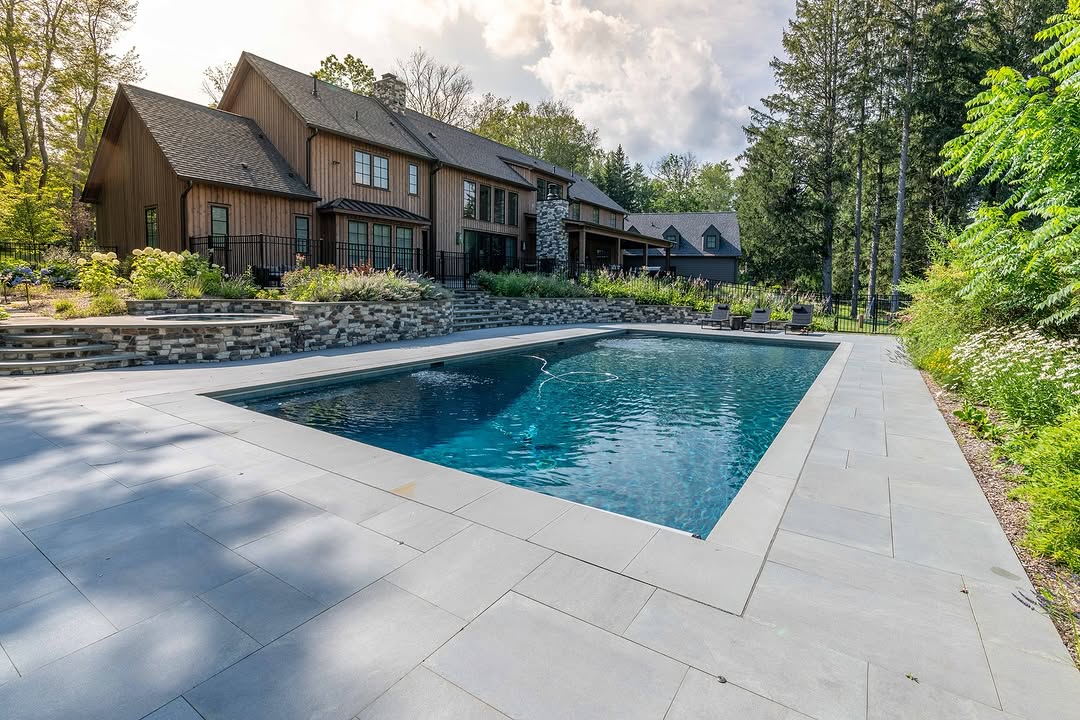
4. Slate Gray and Bluestone Tones For A High-End Stone Look
Many homeowners like the deep color variation of natural bluestone. Slate gray pavers look great with bluestone tones that recreate that deep look with strong visual character. This color pellet offers a refined and slightly dramatic look. Darker slate tones ground the design, while blue-gray variation creates a subtle movement throughout the surface.
Best Applications Of Slate Gray and Bluestone Tones
Designers often use this palette in contemporary landscapes or upscale urban homes. The tones pair well with materials like granite steps, steel planters, and modern outdoor lighting. These Paver Color Combinations also help large patios feel more dynamic. Slight color variation prevents the surface from appearing overly uniform.
5. Tan Pavers with Charcoal Borders For Structured Patio Design
Many landscape designers focus on a simple design strategy. They use one color for the main area and another color for borders or accents. Tan pavers paired with the charcoal borders display this design strategy well. It offers a warm, welcoming base throughout the patio while charcoal borders define edges and highlight the patio layout. This contrast also frames outdoor features such as seating walls or outdoor kitchens.
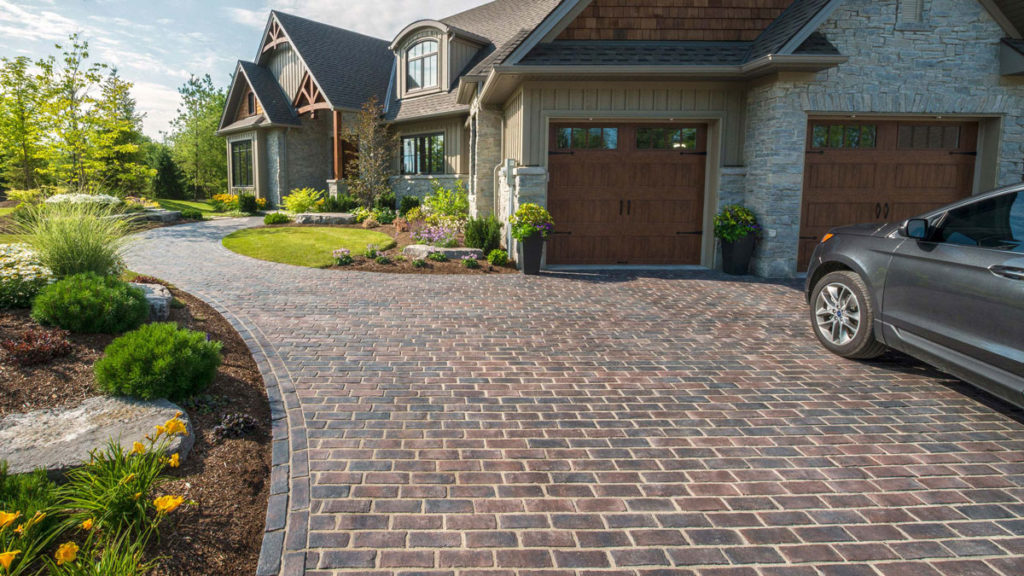
Best Application of Tan Pavers with Charcoal Borders
This layout works particularly well for driveways, pool decks, and large patios where clear boundaries improve visual organization. In professional landscape projects, designers usually apply charcoal accents in edge restraints, geometric bands, and in soldier courses.
The result remains one of the most practical Paver Color Combinations for structured outdoor spaces.
6. Multi-Tone Earth Blends For Natural Variation Across Large Patios
Modern large patios require visual variation to prevent monotony. Multi-tone blends solve this challenge by combining several related colors in one paver mix.
Common blends include tan, gray, and brown within the same paving system. These tones mimic natural stone patterns and create subtle color movement across the surface. Manufacturers often design these blends to replicate materials like sandstone, limestone, or weathered granite. The result feels organic rather than manufactured.
How Multi-Tone Earth Blends Work?
Designers usually select this option for upscale outdoor living areas. Multi-tone blends work great in hiding dirt and minor surface marks. For homeowners who want depth without strong contrast, this remains one of the most adaptable Paver Color Combinations.

7. Light Sand and Ivory: Bright Surfaces for Pool Decks
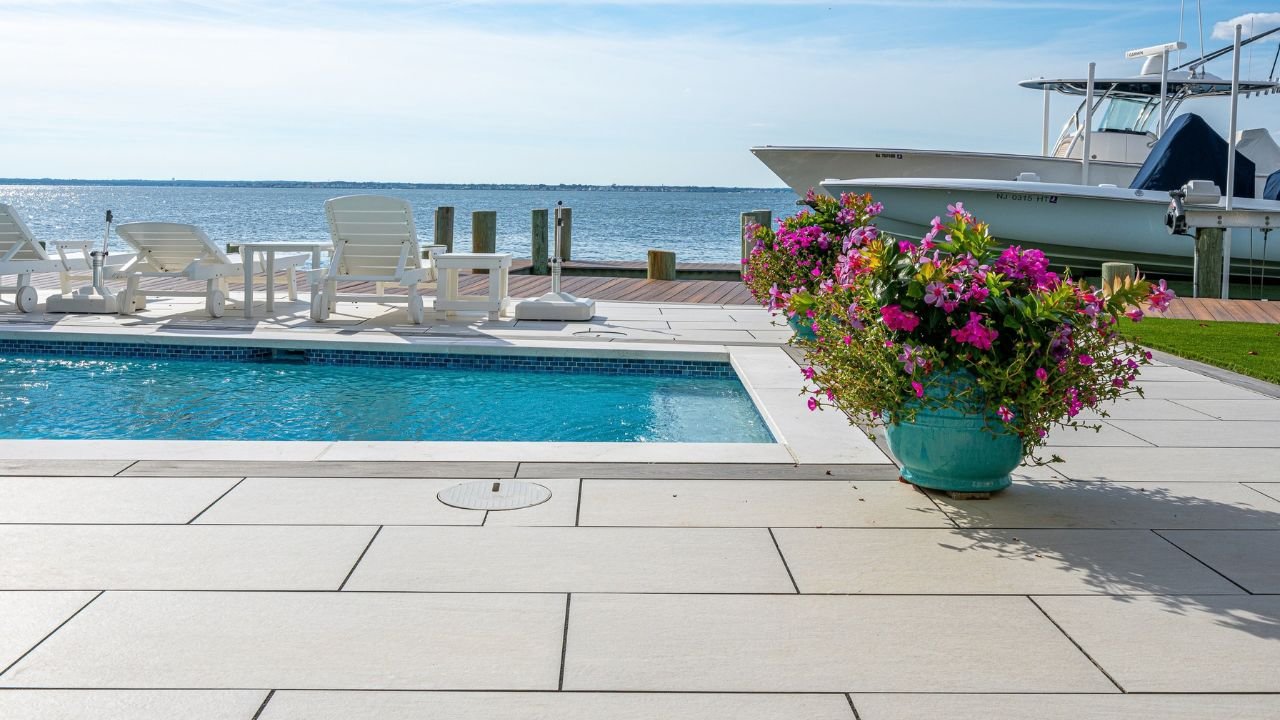
Pool decks work great with the color that remains comfortable under sunlight. Light sains paired with ivory are a perfect choice for this purpose. These tones reflect heat more effectively than dark surfaces. As a result, the patio stays cooler during summer afternoons.
Why do designers choose light sand and ivory?
Designers also choose this palette because it complements water features. Light tones improve the visual clarity of swimming pools and reflect natural daylight through the patio surface.
Materials such as travertine pavers, porcelain pool coping, and light limestone pavers usually use this color range. Among modern Paver Color Combinations, this option works especially well in warm climates.
8. Cream and Taupe For Soft Charm for Outdoor Living Spaces
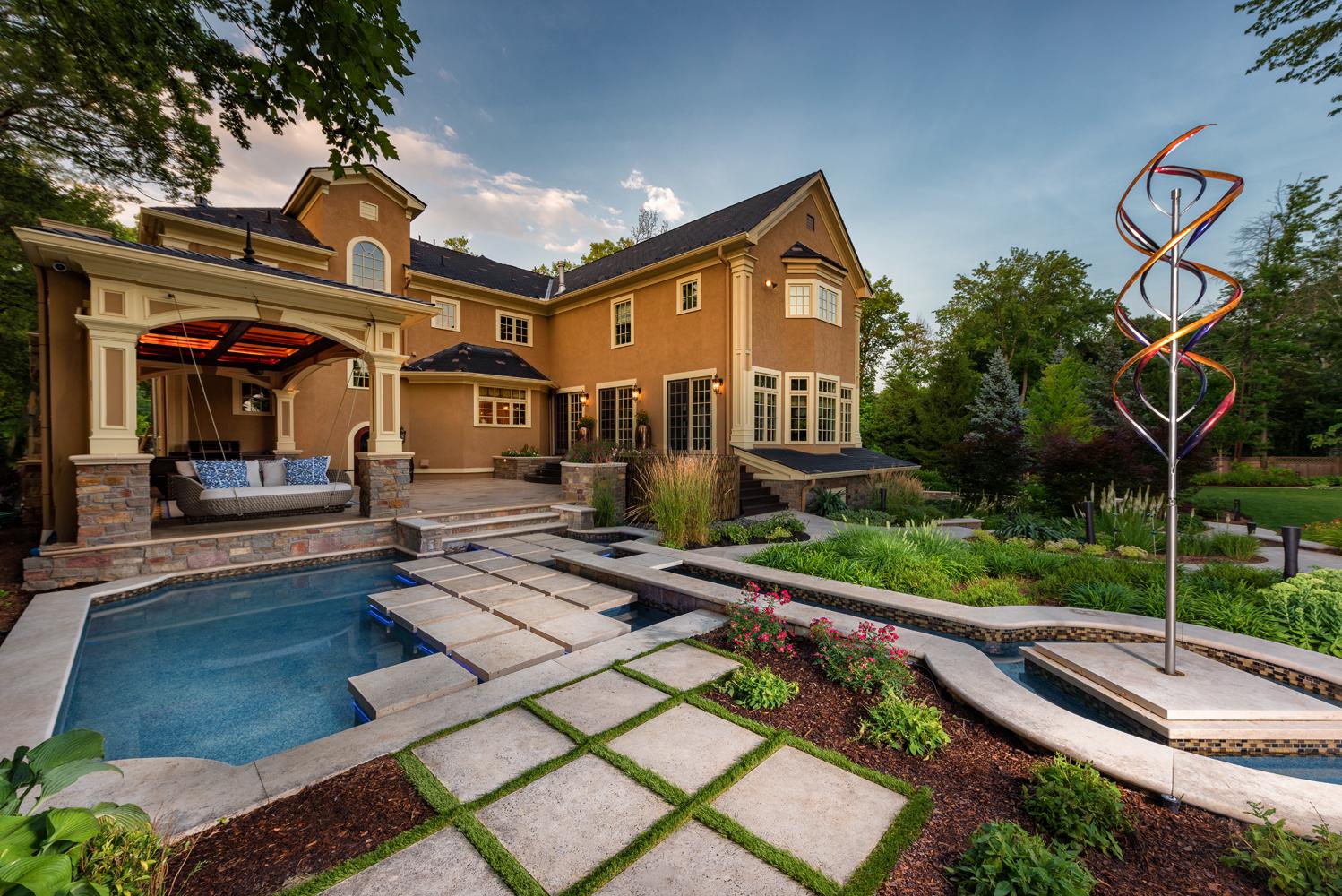
Some landscape designs focus on a quiet sophistication rather than on strong contrast. A combination of cream and taupe works great to create this look. Soft cream porcelain pavers reflect sunlight and create an openness across patio or pool decks. Taupe adds a subtle shade shift that prevents the design from appearing flat.
Landscape architects often select this palette for outdoor dining areas or courtyard patios. The tones complement Mediterranean architecture, stucco exteriors, and light stone facades.
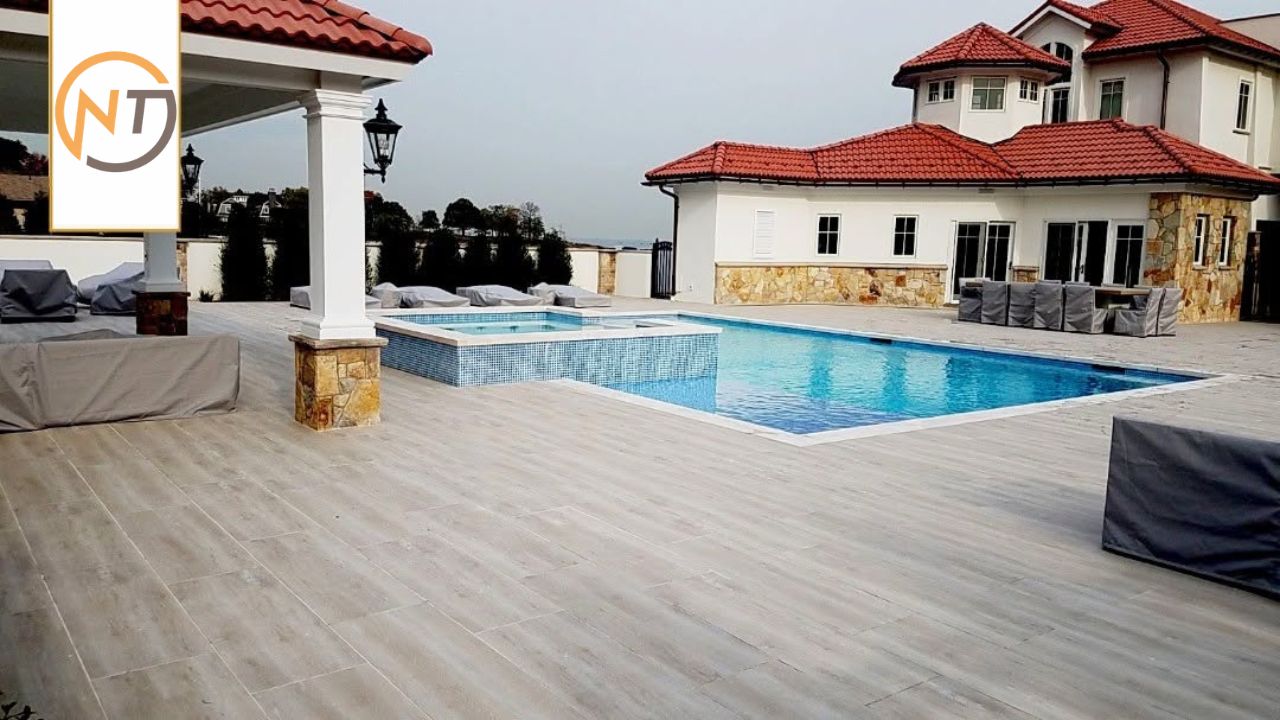
Best Application of Cream and Taupe
This pairing works well with natural materials such as limestone coping, wood pergolas, and ceramic planters. The soft tones support relaxation without dominating the space. Homeowners looking for a refined outdoors, cream and taupe remain one of the most balanced color combinations for pavers available.
How Designers Choose the Right Paver Color Combination
When it comes to selecting the right color combination for pavers, there is more to consider than personal taste. Landscape designers evaluate several factors before recommending specific Paver Color Combinations. Check the following table to learn better about color combinations.
| Design Consideration | Why It Matters |
| Match the Home’s Exterior | The patio should visually connect with the home’s architectural materials and color palette. |
| Consider Sunlight and Climate | Sun exposure affects how hot pavers feel and how colors appear over time. |
| Use Contrast to Define Layout | Contrast helps organize the patio visually and highlight design elements. |
| Evaluate Maintenance Needs | Outdoor surfaces collect dust, debris, and stains over time. |
| Plan the Full Landscape | A patio should integrate with the surrounding outdoor environment. |
Hardscape specialists at brands such as NT Pavers often guide homeowners through this process. They help them compare material samples under natural light to provide better information.
Paver Color Combinations FAQs
Let’s answer your questions about Paver Color Combinations.
What are the most popular paver colors for patios?
Neutral tones like gray, tan, beige, and charcoal are often considered the most popular color combinations for pavers.
Should paver colors match the house?
Yes. The color of pavers should complement the overall house color theme rather than match exactly. Opting for a slight contrast can highlight the architecture better.
Do darker pavers get hotter?
Yes. Dark pavers absorb more heat from sunlight, while light colored pavers reflect light and keep the outdoor surface cool.
Are multi-color pavers better than solid colors?
Multi-tone pavers often provide more visual depth while effectively hiding stains, dust, and minor wear.
What color paver works best for driveways?
Mid-tone grays, browns, and blended earth tones are well-suited for driveways as they hide tire marks and everyday wear effectively.
Bottom line
Paver color combinations are not just about your personal taste, but they also determine how your outdoor space will look. This is why choosing the right color combination for outdoor pavers matters a lot. Lighter color combinations often work well with traditional houses, Mediterranean-themed houses, patios, and pool decks in warm climates. Darker pavers with cream and beige also offer a stunning contrast by arranging in borders with the walking surface.
However, you should consult with your porcelain paver supplier in London to get a better idea regarding what color combination you should choose. An intentional and well-planned outdoor color combination for pavers balances beauty and functionality in the long run.