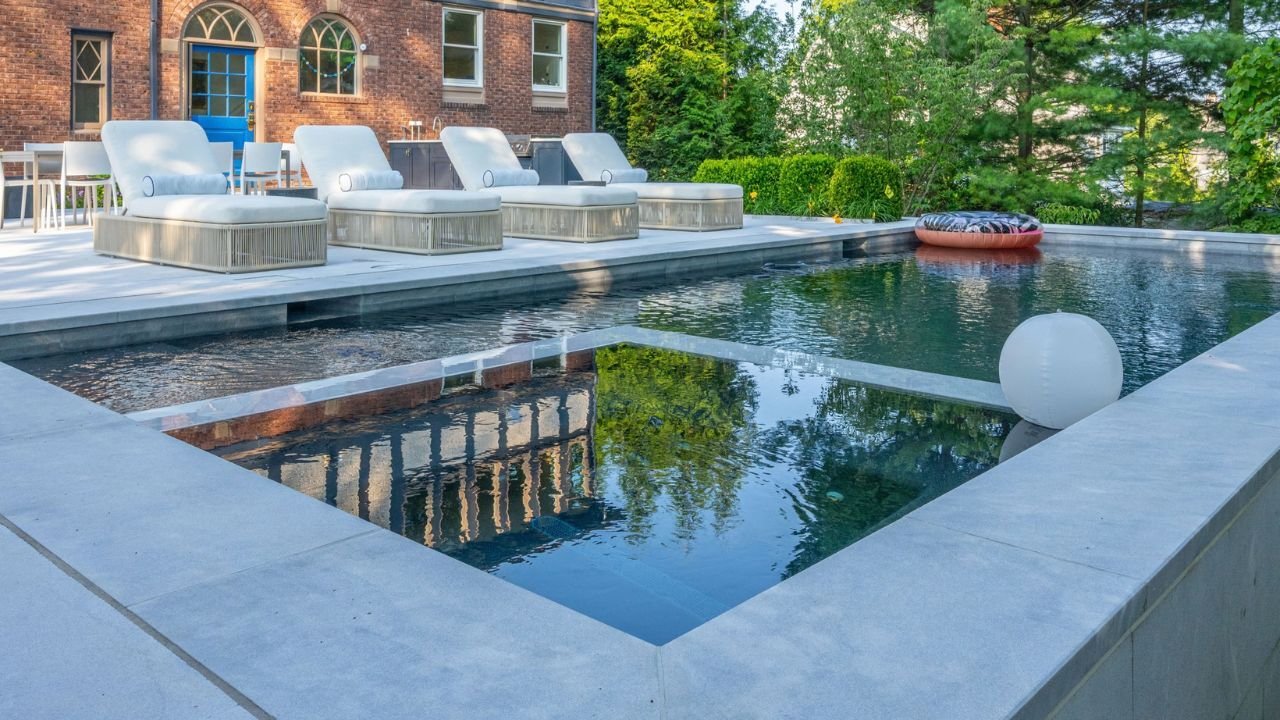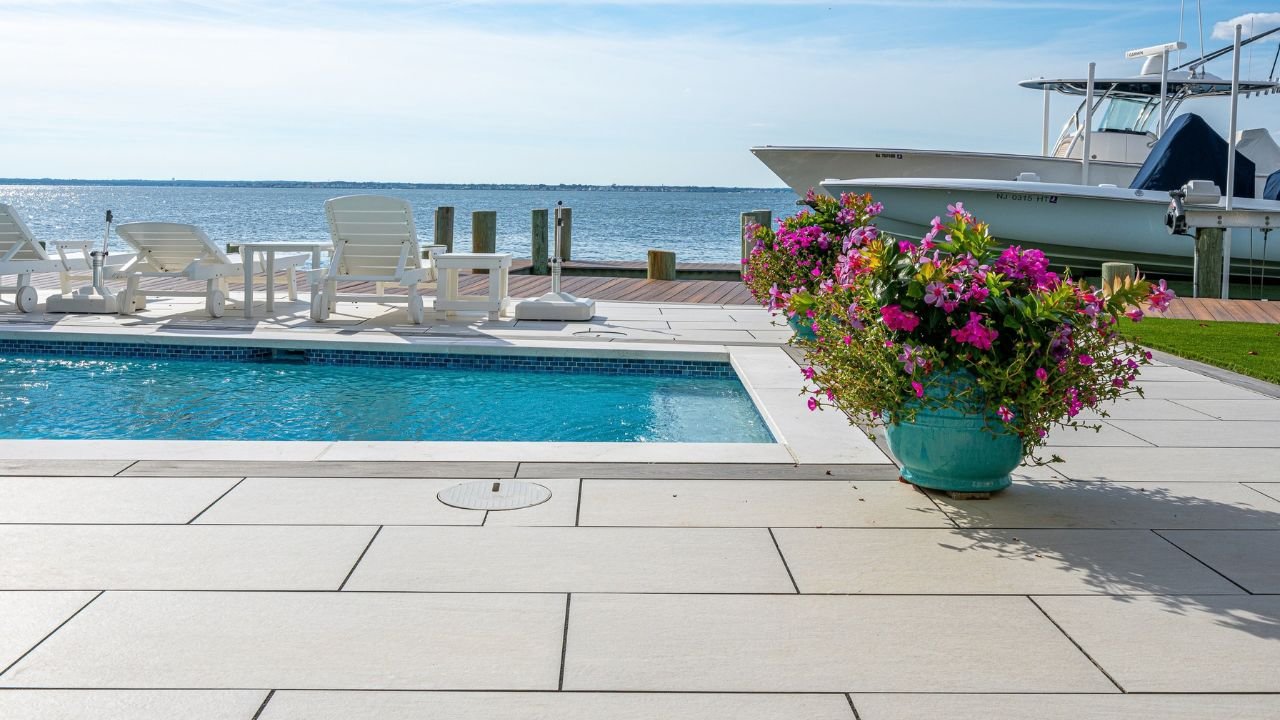

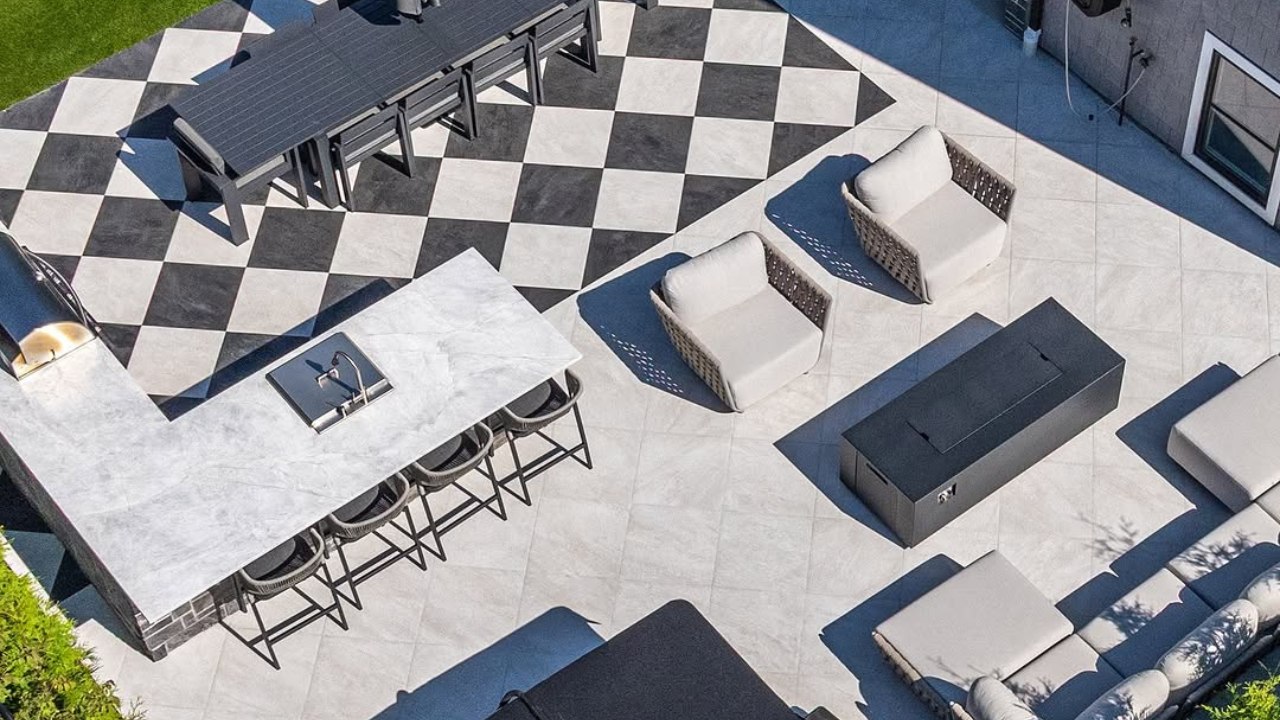
When we talk about the different parts of the homes, we cannot overlook the patios. As people are moving towards multiplexes, they often wonder what is a patio. Is it like a verandah? People often mix the balconies with patios, believing they are the same. And trust me, it is not. Patio is much better, a traditional yet centuries-old part of human living areas. Let’s discuss the Patios in this post and shed light on several aspects of Patios.

What exactly is a patio?
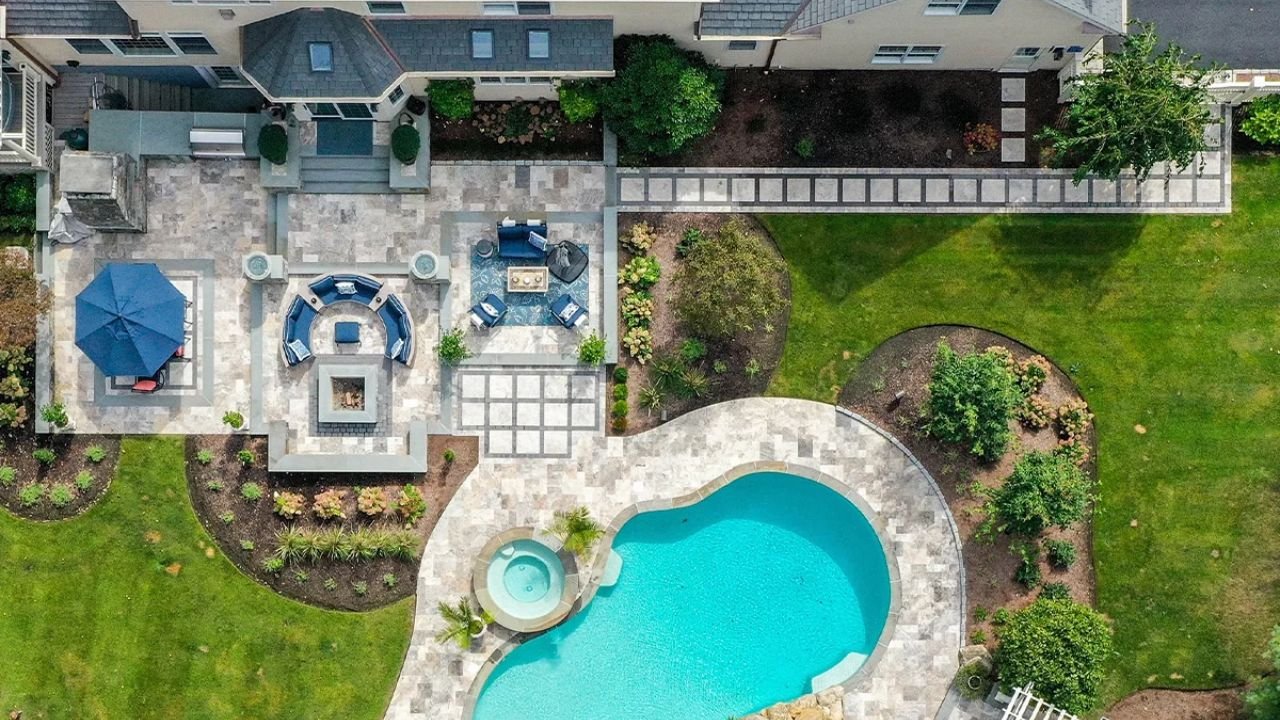
Often, people wonder what a patio is, as most people mix the concept of spaces like a verandah, a deck, and a balcony. It is a Spanish term that means “courtyard” or “back garden”. The patio is the part of the house that combines the beauty of the paved surface with the openness of the outdoors. It acts as a transitional space where the residential structure meets the natural environment. This backyard creates a comfortable area to dine, relax, and gather under the open sky.
A patio can be used for different purposes, depending on the types of pavers.
- Outdoor seating and dining area for family meals or gatherings
- Relaxation zone with seating or lounge furniture
- Transition space between the house and the garden
- Functional space for barbecues, planters, or outdoor kitchens
Is a patio a balcony?
If you are wondering whether a patio is a balcony, then no, they are not. Porches, Pool decks, and balconies all lie above ground level, but a patio lies flat. It is directly on the soil, gravel, or paver base. This grounded character gives it durability, simplicity, and an organic connection to the landscape.
What Are The Different Types Of Patios Materials?
One can use a wide range of materials to build a patio. Every material has its own aesthetic, maintenance requirements, and texture. The right type depends on how you plan to use the space, your climate, and the architectural style of your home. Here are some popular types of patio materials:
Porcelain Patio
Porcelain is the best material for a patio for a variety of reasons. It has a huge design versatility with a non-porous surface. This makes porcelain patio resistant to stains, water seeping, and harsh weather like rain and freezing-thaw cycles. Porcelain patio is well-suited for every architecture, but mostly contemporary and modern. Its concrete and brick look can be used for traditional homes to create a warm ambiance.

Concrete Patio
A concrete patio is a budget-friendly yet most practical option for a patio. It can be poured, stamped, or textured to mimic stone or wood. The durability is fair, the cost is low, and the concrete surface can be adapted to any shape. It is a favorite for modern minimalist designs. Pair it with a sleek railing around the border to maximize the look even in traditional structures. When treated with sealers, concrete resists cracking and fading for decades.
Paver Patio
The paver patio is created by using interlocking concrete, porcelain, or stone slabs. The modular layout is perfect for creative patterns, running bond, herringbone, or random ashlar. Pavers are easy to install, replace, and have high load-bearing strength. This makes them suitable for driveways, walkways, and patios alike.
Marble Patio
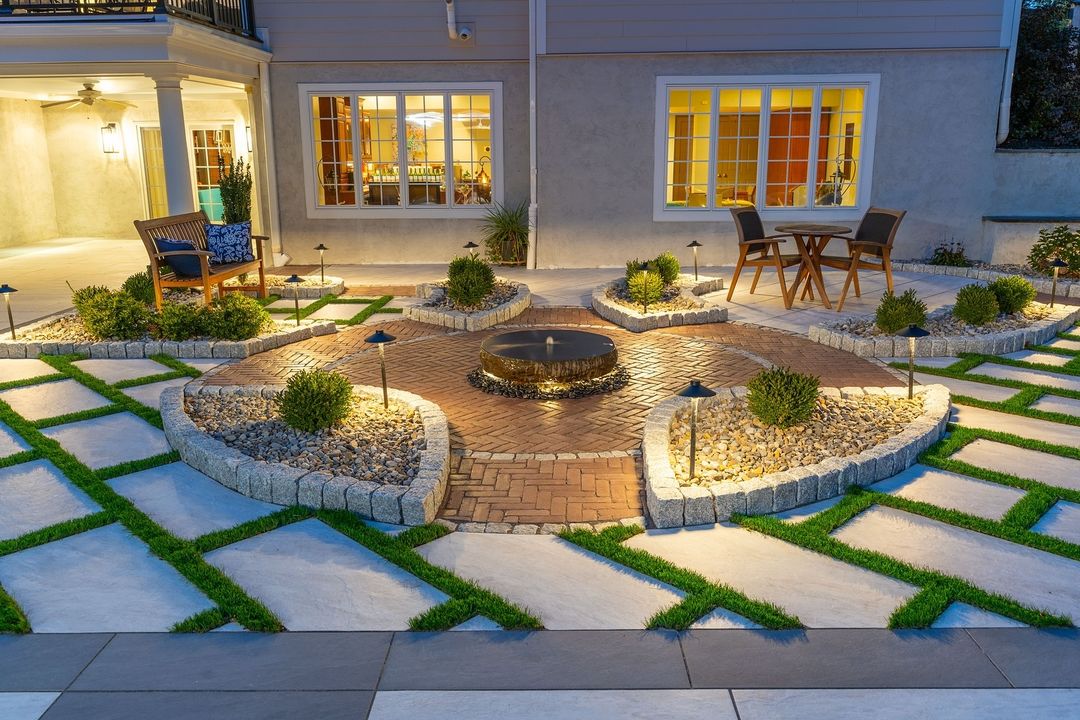
A marble patio adds a touch of organic luxury to any house. The patio looks subtle, beautiful, and if installed properly, lasts longer. This natural stone patio is ideal mostly for high-end residential projects. If sealed and resealed with an appropriate penetrative sealer, it can last for 20+years.

Flagstone Patio
Flagstone patio has an irregular shape of stone like sandstone, slate, or bluestone to create a natural, organic pattern. This patio looks unique with its creative patterns that offer a handcrafted feel to the surface. Flagstone offers great traction and visual texture, but its uneven surface can make furniture placement slightly tricky.
Different patio types offer their own design language. Travertine offers a distinct aged look, while gravel and wood bring warmth and informality. To create a stunning look, you should combine materials to add more functionality, aesthetics, and longevity.
Gravel Patio
Gravel patios provide an informal, rustic charm and excellent drainage. Crushed stone or pea gravel creates a flexible surface that adapts to natural contours. It’s cost-effective and easy to install, though occasional raking and topping up are needed to maintain even coverage.
Travertine Patio
Travertine patios feature a distinct aging look. They have a warm look and organic beauty in outdoor spaces. It has neutral pits and veining that are well-suited to a Mediterranean or resort-like atmosphere. It stays cool underfoot even in hot weather. This makes it ideal for poolside patios. However, it requires sealing to protect against stains and moisture absorption.
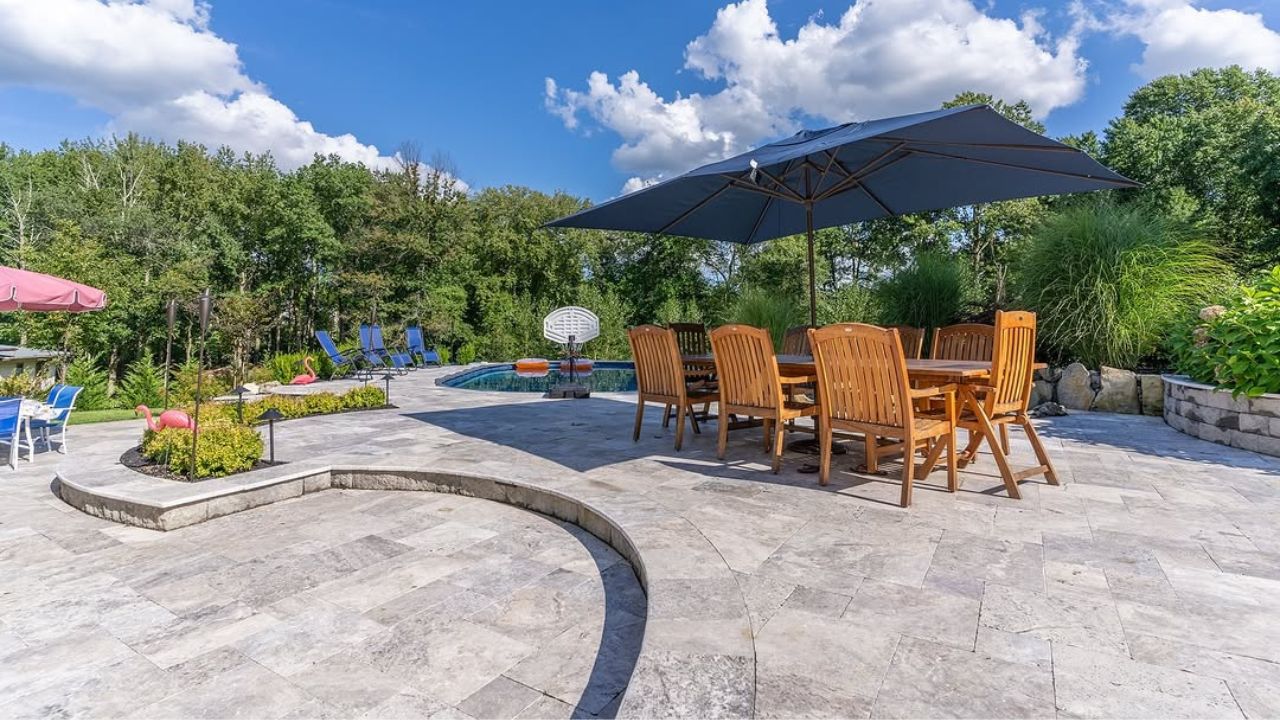
Limestone Patio
Limestone is an excellent choice for patios. Limestone patios can withstand different weather conditions effortlessly. Also, it is resistant to chipping and cracking over time. This is why it can withstand heavy foot traffic, making it the best stone for patios in busy settings.
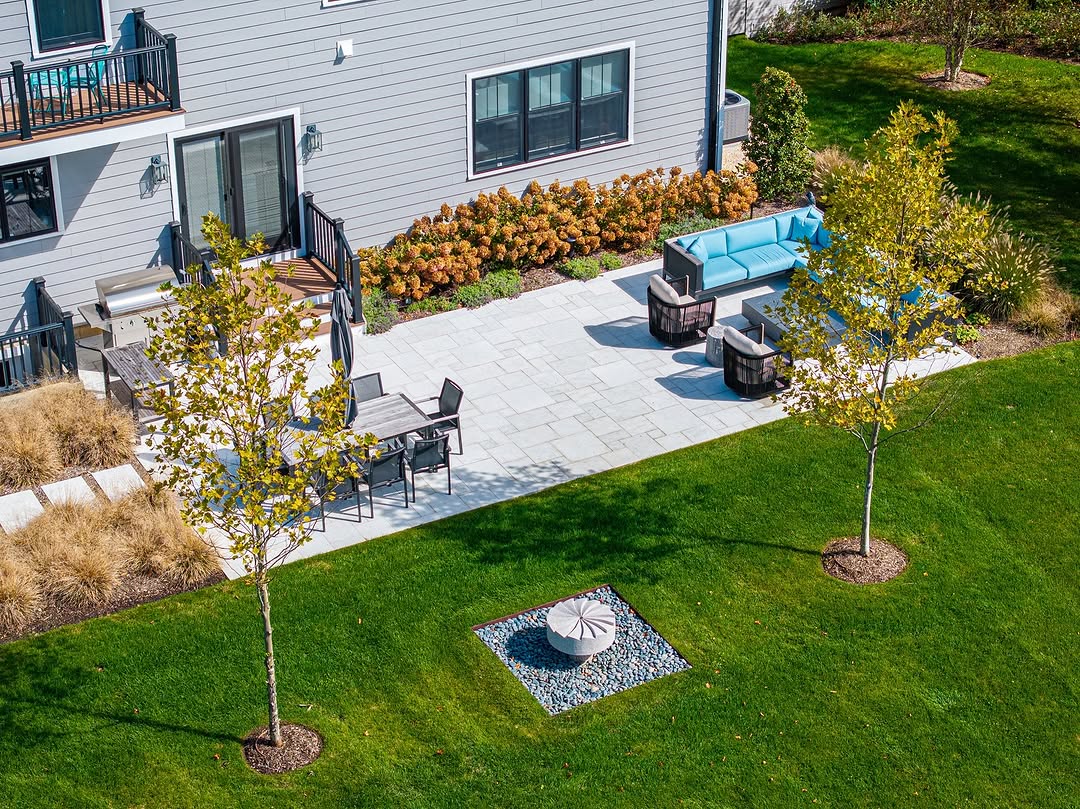
Wood Patio
This patio type features an organic and natural warmth with texture that is difficult to replicate. Treated timber or hardwood can create wood look tiles that can easily blend with the natural elements. They can instantly improve the natural ambiance of the place. However, wood requires regular sealing and maintenance to prevent rot or warping, but it delivers unmatched organic charm.

Brick Patio
Brick patios are the most common part of traditional houses. They feature an earthy tone from deep reds to soft browns. They complement both rustic and traditional architectures. Bricks can be arranged in different patterns, like herringbone or basket weave, for visual depth. They’re sturdy and easy to repair, but may require occasional re-sanding to maintain stability.
What is The Importance of Materials in Patio Design?
Patios are undoubtedly one of the most important parts of modern houses, but they rely heavily on quality materials. Unlike most outdoor structures, they have to have constant sunlight exposure, rain, and temperature changes. The surface requires durability, slip resistance, and low maintenance. Whether you’re exploring paver patio ideas or planning a complete outdoor renovation, choosing the right material is essential for long-term performance and visual appeal.
At NT Pavers, porcelain pavers have become the preferred choice for modern patios in 2026. Porcelain’s dense composition, color consistency, and resistance to fading make it ideal for high-traffic, low-maintenance outdoor use.
Here’s a closer look at the top materials used today:
| Material | Description | Best For | Maintenance Level |
| Porcelain Pavers | Engineered tiles that mimic natural stone or wood while offering water resistance and strength. | Modern homes, low-maintenance designs | Very low |
| Limestone | Smooth, timeless stone with subtle color variation. | Classic and traditional homes | Moderate |
| Travertine | Porous stone with natural pits and tonal warmth. | Mediterranean and rustic aesthetics | Moderate to high |
| Bluestone | Dense, fine-grained stone with rich blue-grey tones. | Contemporary and coastal settings | Moderate |
| Concrete | Cost-effective, customizable surface with color and pattern flexibility. | Budget-conscious or modern builds | Low to moderate |
| Brick | Warm, traditional material offering texture and charm. | Vintage or colonial homes | Moderate |
Each material brings its own feeling to the design. Large porcelain pavers read as sleek and modern; limestone whispers tradition; brick tells a story of warmth and endurance.
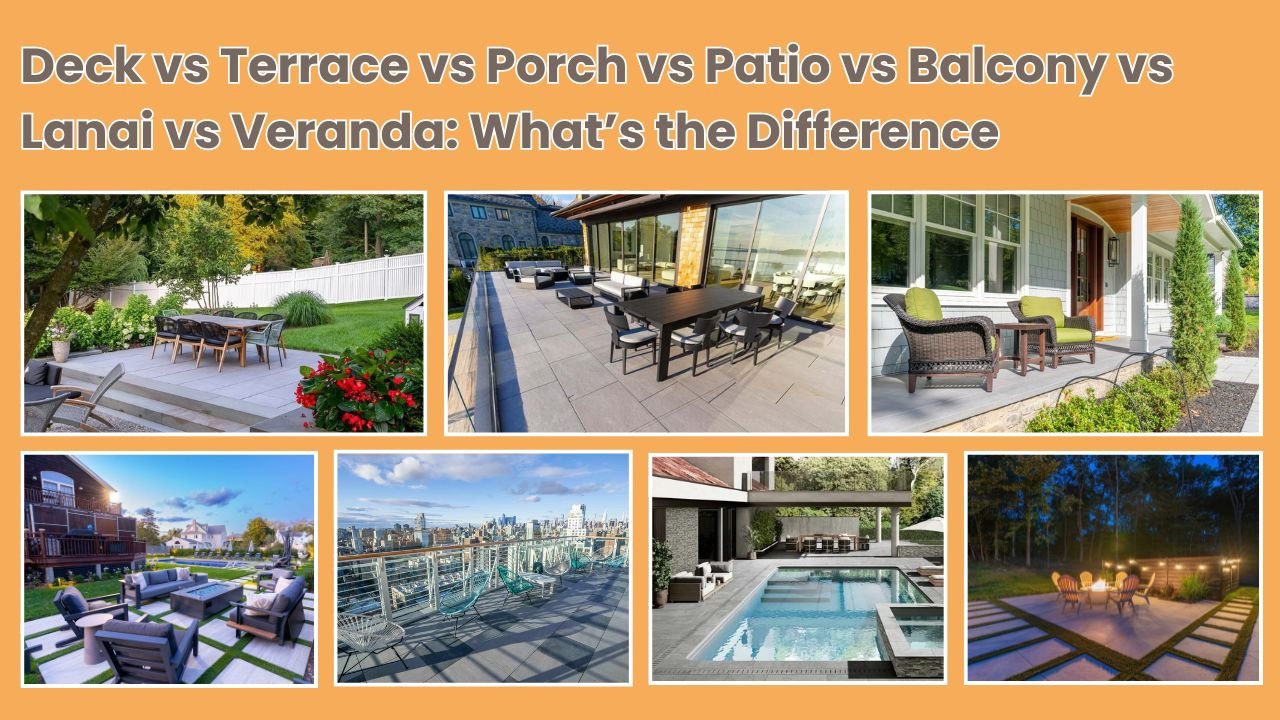
Difference Between Patio, Porch, Verandah, Deck, and Balcony
Many homeowners don’t understand what a patio is. They may mix it with others like a balcony, decks, porches, or verandahs. Check this table for information.
| Feature | Patio | Porch | Verandah | Deck | Balcony |
| Level | Ground | Raised | Ground or raised | Raised | Elevated (upper floors) |
| Roof | None or optional | Covered | Covered | Uncovered or pergola-style | Covered or open |
| Material | Stone, porcelain, brick | Wood, concrete | Concrete, wood, tiles | Wood, composite, metal | Concrete, metal, tile |
| Purpose | Outdoor living | Entryway | Wraparound relaxation | Elevated entertainment | Upper-level view |
| Connection to House | Direct to the yard | Attached to the entry | Surrounds home | Attached to the house | Attached to the upper rooms |
This table provides a clear distinction between every spot for those who are unsure which structure suits their property. Each space defines a relationship between the indoors and the outdoors, grounded, elevated, enclosed, or open.
What Are The Differences Between Porches And Patios
Some homeowners often confuse between what is a patio and whether it is a porch or what. But these are the two different structures with distinct elevation and purpose.
A porch usually has a ceiling and is sometimes enclosed. It is the entry or transition from exterior to interior. On the other hand, a patio is open to the sky and built on ground level. It is mostly for outdoor living rather than access.
| Feature | Patio | Porch |
| Elevation | Built on the ground | Raised or attached to the entry |
| Roof | Usually open | Usually covered |
| Use | Relaxation, dining, socializing | Entryway or sitting area |
| Exposure | Open to sunlight and weather | Partially or fully sheltered |
| Integration | Extends into the yard | Connects to the front or back door |
Understanding this difference helps clients plan spaces according to lifestyle. A porch is about welcoming; a patio is about living.
How to Choose the Right Patio Material
While selecting the material for the Patio, make sure to look for the material that balances the function and aesthetics. Before choosing, consider these factors:
| Factor | What to Consider |
| Climate | Choose slip-resistant, frost-proof material in wet or cold regions. |
| Maintenance | Low-maintenance options like porcelain reduce long-term costs. |
| Aesthetics | Match the tone and texture to your home’s exterior. |
| Budget | Include installation and maintenance in your total estimate. |
| Traffic | Use durable pavers for high-use family areas. |
For instance, a Limestone patio looks clean and complements a classic suburban home. But they require regular sealing and maintenance if the area is prone to use. Large porcelain pavers look beautiful in a more minimalist contemporary space. They work great in almost every condition but have a higher price tag.
Why Porcelain Pavers Are Ideal for Patios
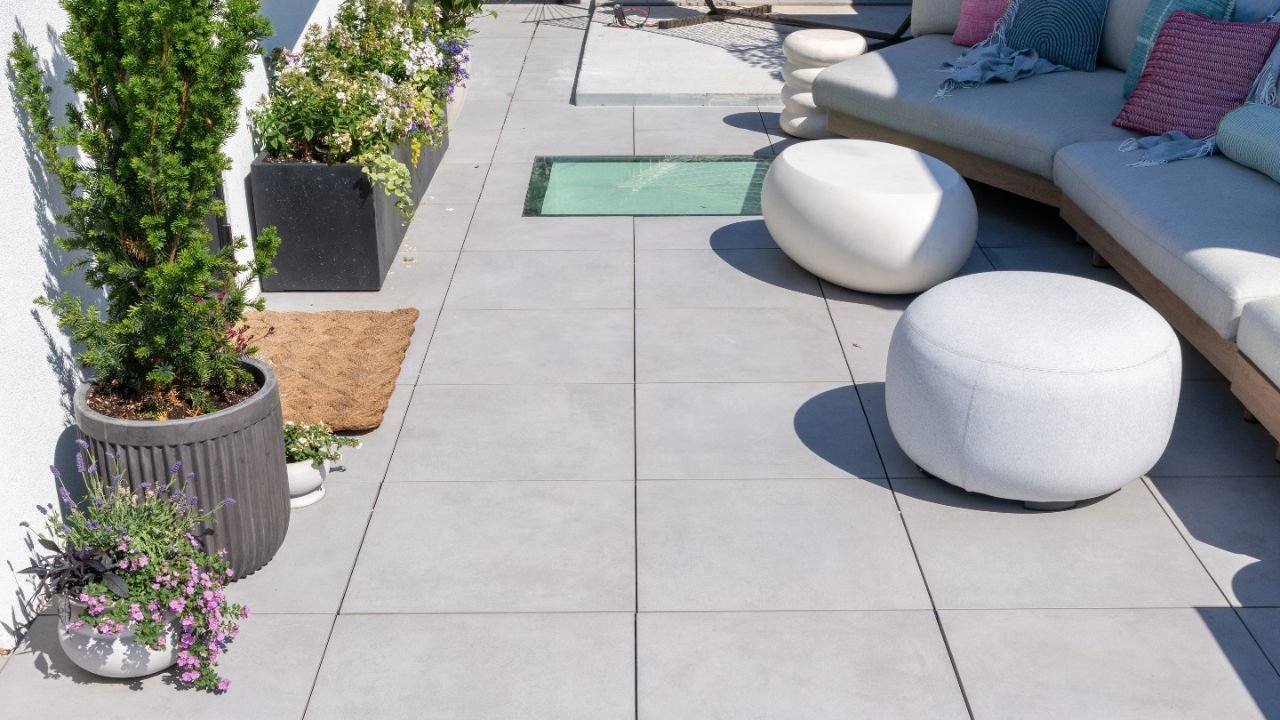
These days, large-format porcelain pavers have gone through a lot of advancements. Manufacturers like NT Pavers offer 20mm outdoor-rated slabs that combine the texture of natural stone with engineered durability.
Advantages include:
- Resistance to stains, frost, and fading
- Uniform sizing for seamless installation
- Non-porous surface that prevents moss or algae growth
- Wide range of finishes—stone, wood, or concrete looks
- Compatibility with raised or pedestal installations
Unlike natural stone pavers, porcelain doesn’t require regular sealing. It retains its finish through decades of use. This makes it a practical and aesthetically lasting solution for most Patio types.
FAQs About Patio
Let’s answer your questions about Patios 101.
What is the main purpose of a patio?
A patio offers an outdoor area for dining, relaxation, and social gatherings. It enhances the livability and visual appeal of a home.
Is a patio always attached to the house?
No. Some patios extend from the back door, but detached patios set deeper in the garden are also common.
What’s the best material for a patio in 2025?
Porcelain pavers are the most suitable material for low maintenance and a range of design options.
How long does a porcelain patio last?
30 years with proper installation without major upkeep.
How does a patio differ from a deck?
A patio is laid on the ground and built with stone or tile. A deck is raised and built with wood or composite boards.
What is the difference between a patio and a verandah?
A patio is an open, ground-level outdoor space that is often paved with concrete, stone, or pavers. A verandah is a roofed platform attached to the house and usually wraps around the building.
What is another name for a patio?
A patio is also called a courtyard, outdoor living area, or paved backyard seating area, depending on the design and location.
What is a patio vs. a terrace?
A patio sits directly on the ground, usually in a backyard, while a terrace is an outdoor raised platform that is situated above ground level or on roof top.
What is a patio vs. a deck?
A patio features materials like stone, concrete, or porcelain pavers on the ground, while a deck is usually above ground and built from wood or composite boards.
Which is more expensive, a terrace or a balcony?
A terrace generally is costlier because it covers a larger area and requires stronger structural support than a small balcony.
Is it a patio front or backyard?
A patio stays in the backyard, while some homes may place small patios in front yards or side yards for seating areas.
What is a patio vs pergola?
The patio is built on the ground used for seating, but the pergola is an overhead structure used above the grounded structure of patios.
Does a patio have a roof?
Yes. Most patios have open-air spaces, but homeowners may opt for a roof if they want.
What are the different types of patios?
Common patios material include concrete patios, natural stone patios, brick patios, porcelain paver patios, gravel patios, and raised patios.
Bottom Line
A patio can easily transform open land into a functional living space. This is where architecture meets nature, grounded, usable, and enduring. With proper materials from NT Pavers, a trusted Natural Stone Supplier in New York City, you don’t just create a paved area but a lifestyle extension that stands the test of time.