
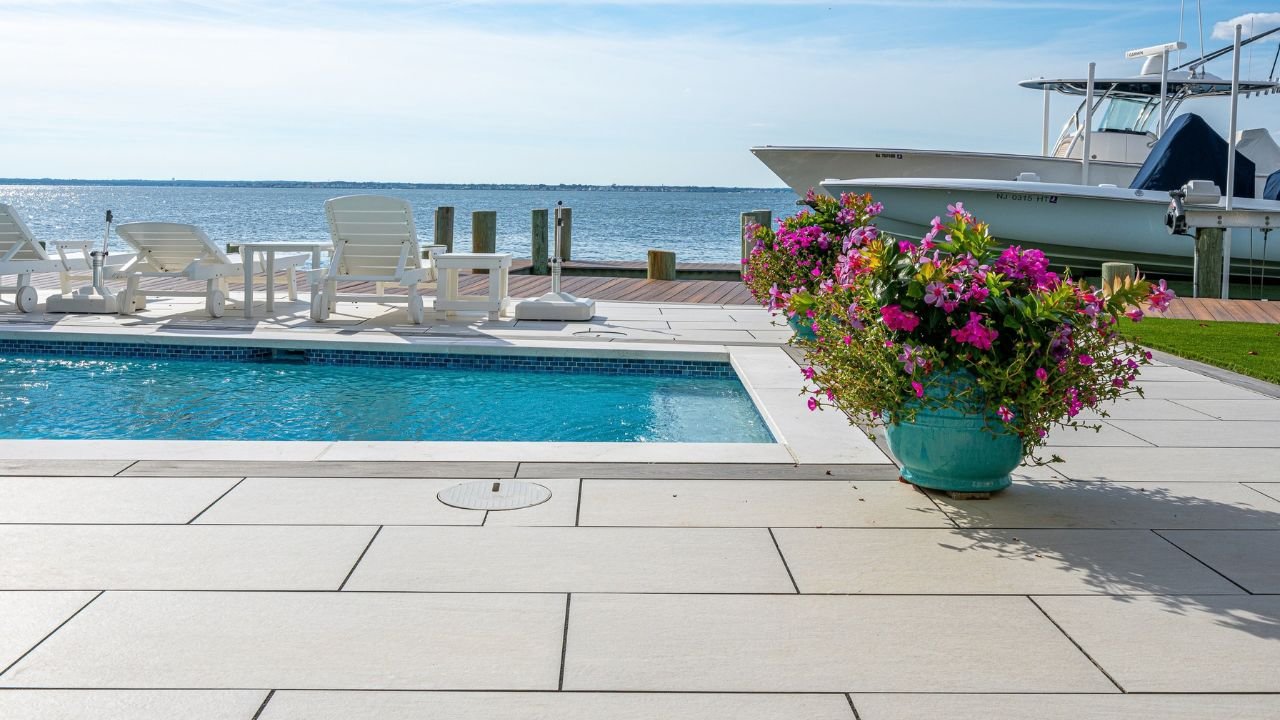
Outdoor pavers are much different from indoor pavers when it comes to structure. Outdoor paver thickness also matters because a paver does not work alone. It works as part of a complete outdoor paving system. A patio paver may only carry people, chairs, and tables, while a driveway must handle the weight and movement of vehicles. That difference changes the thickness you need. For most residential patios and walkways, 1½ to 2 inches is a practical range. Driveways need a thicker, traffic-rated product, often around 2½ to 3 inches. The base beneath the pavers matters just as much. Here is more to know.
What Thickness Is Common for Outdoor Pavers?
There is no single thickness that works for every outdoor project. Start with the use of the outdoor space, then choose the pavers.
| Outdoor application | Typical Range | Main consideration |
| Garden paths | 1½–2 inches | Foot traffic |
| Walkways | 1½–2 inches | Pedestrian use |
| Patios | 1½–2 inches | People and outdoor furniture |
| Pool decks | 1½–2 inches | Foot traffic, drainage, surface texture |
| Residential driveways | 2½–3 inches | Vehicle loads |
| Heavy vehicular areas | 3+ inches | Repeated or heavier traffic |
| Raised or Structural Decks | System-specific | Support system and installation method |
These ranges are general guidelines, not universal installation rules for choosing the right paver. Paver manufacturers specify approved applications for their products, so homeowners should check the product specifications before purchasing.
Does a Thicker Paver Always Mean a Stronger Installation?
No. A thicker paver is not automatically a stronger or better choice. The performance of an outdoor paving system depends on the paver, supporting base, soil conditions, drainage, edge restraint, and installation method. A thick paver installed over a weak or poorly compacted base can shift, settle, or crack. A properly selected paver installed over a well-prepared paver base can perform much better.
The layers under the paver help distribute loads and support the surface. They may include compacted aggregate, bedding material, and the surrounding soil. Drainage also matters because trapped water can weaken the supporting soil and contribute to movement. For this reason, NT Pavers looks at the complete paving system, rather than treating paver thickness as an isolated specification.
How Thick Should Patio Pavers Be?
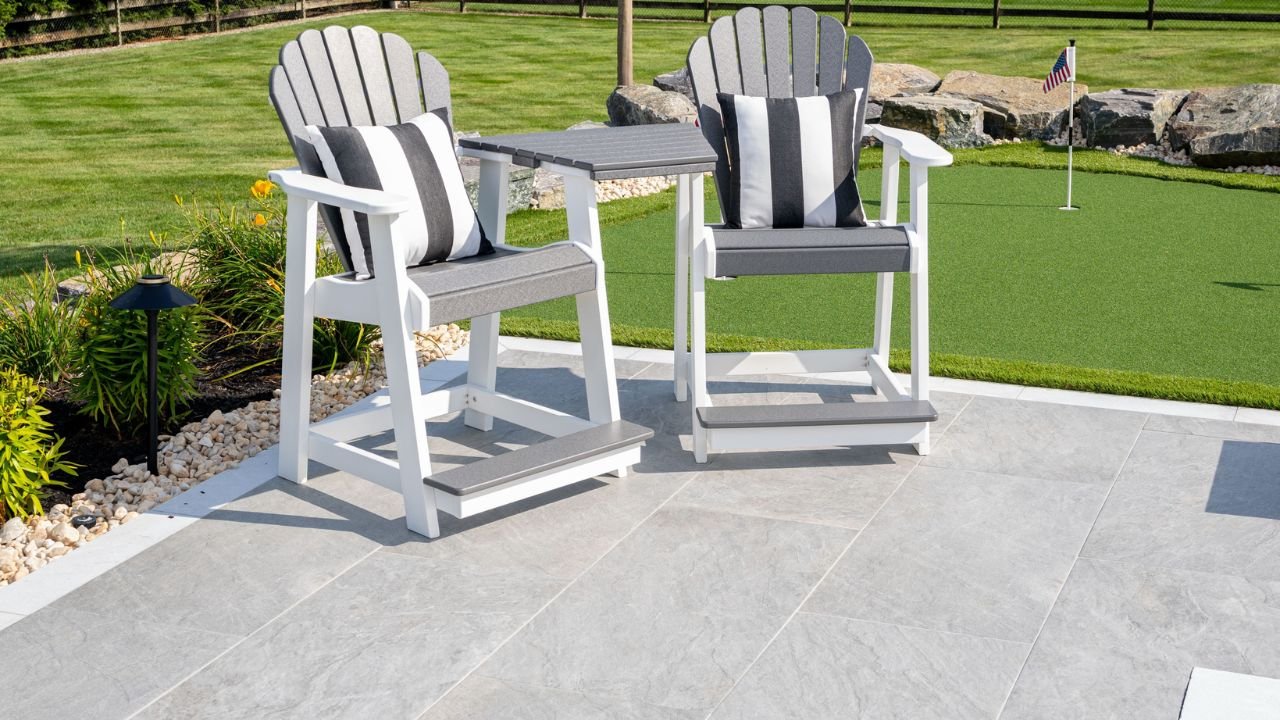
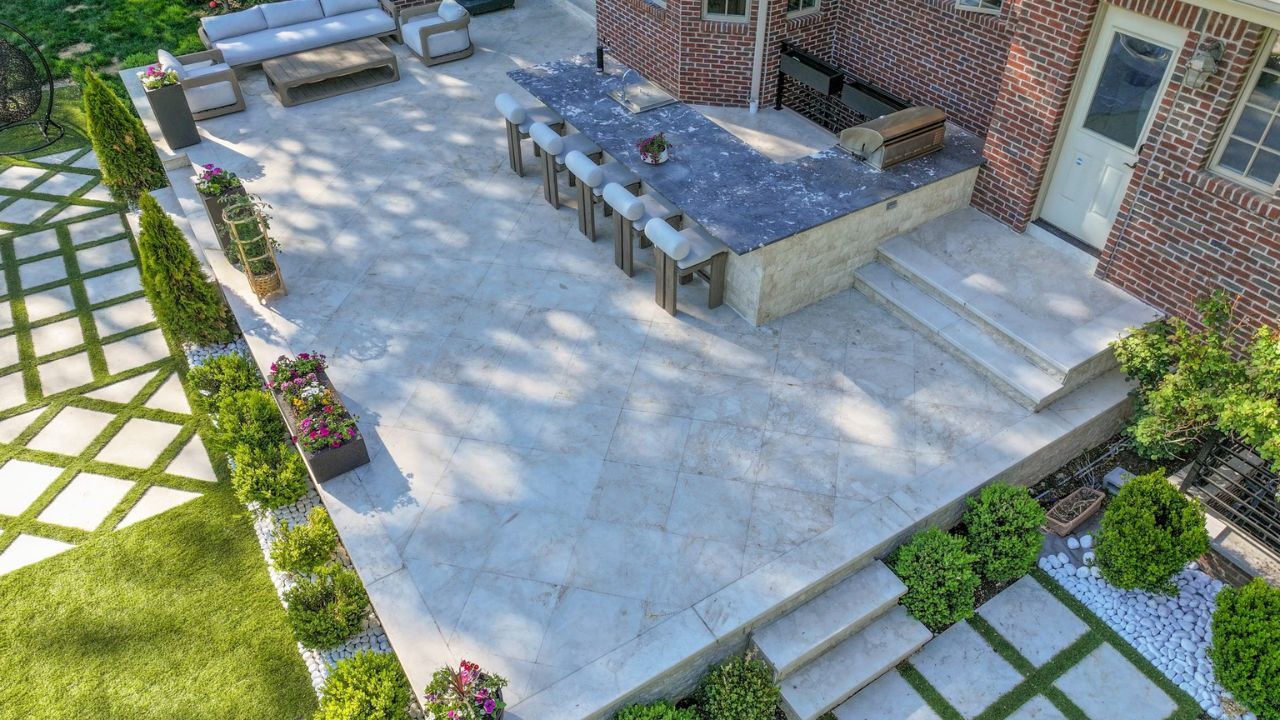
For most residential patios, 1½ to 2 inches is a common thickness range for suitable concrete or natural stone pavers. However, the exact thickness depends on the material and manufacturer’s specifications. A patio with standard foot traffic does not need the same product used for a driveway.
You should also consider the patio’s base, soil, drainage, edge restraint, and joint design. These details help keep individual pavers from shifting when people walk across the surface or furniture moves over it. If you are choosing natural stone, do not select thickness by appearance alone. Stone type, strength, finish, dimensions, and installation method all affect suitability.
How Thick Should Walkway and Garden Path Pavers Be?
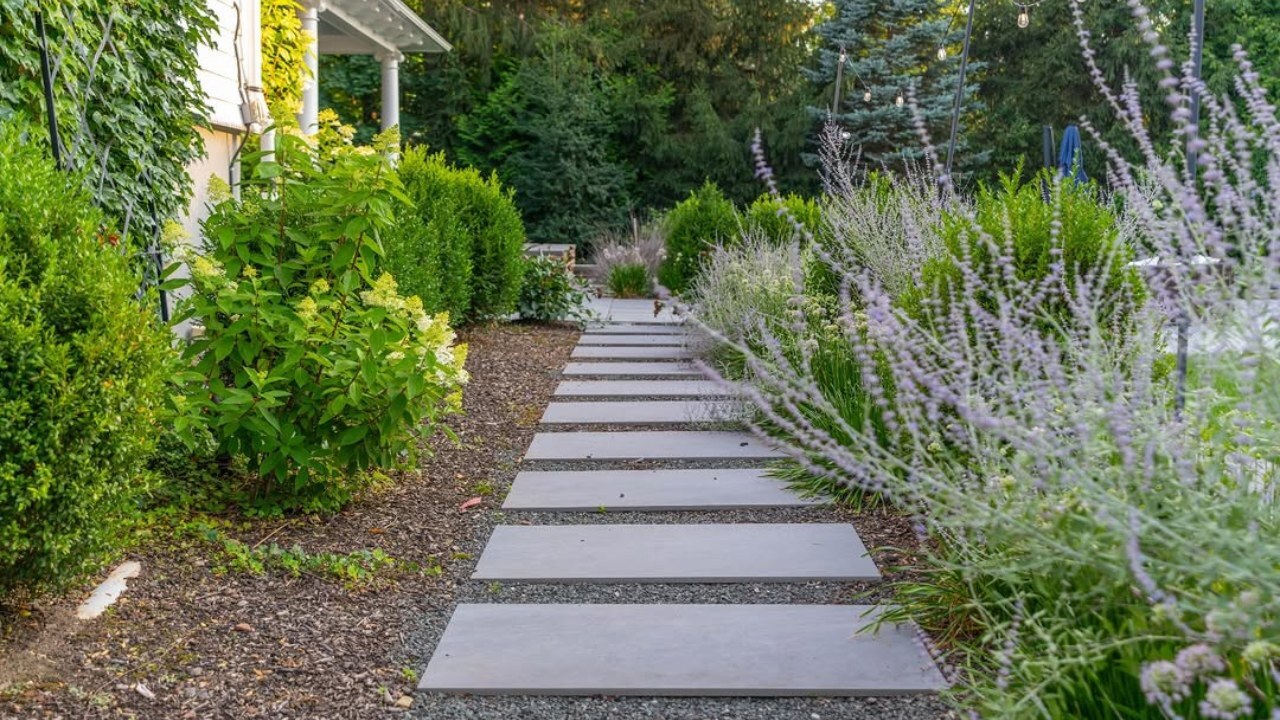
About 1½ to 2 inches is common for walkways and garden paths; just make sure that the selected product is approved for that use.
For small garden paths, the visual character of the stone may matter as much as the structural requirement. Large-format natural stone can create a different installation challenge from smaller concrete or porcelain pavers because larger pieces can respond differently to the base beneath them. A professional installer should match the walkway pavers‘ size and thickness with the site conditions rather than assuming that one thickness fits every walkway.
How Thick Should Driveway Pavers Be?
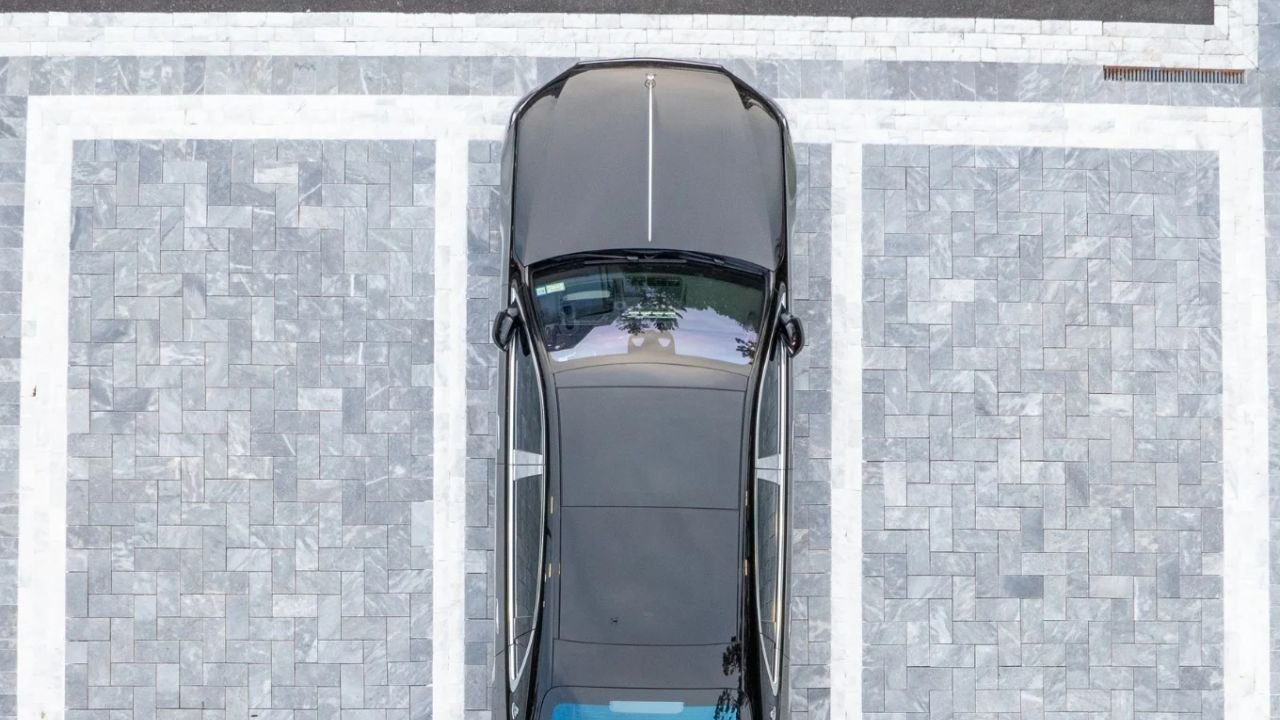
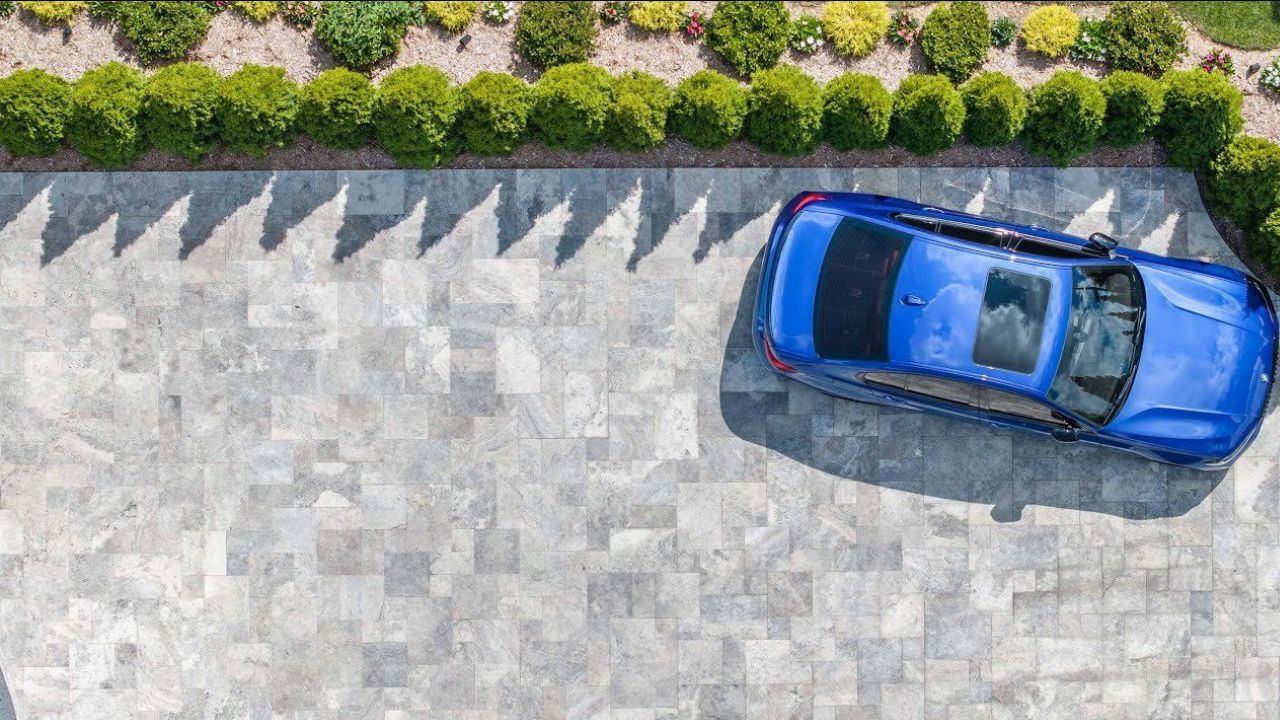
Driveway pavers require special consideration because vehicles put them under higher concentrated loads. Choose driveway paver thickness for residential projects around 2½ to 3 inches, but the correct specification depends on the product and installation system. Some manufacturers offer specific vehicular pavers with their own thickness and base requirements.
The driveway base also needs proper preparation to handle heavier loads. Soil type, drainage, expected traffic, turning movements, and local conditions can affect the required base depth and construction method. For a driveway, do not simply buy a thicker version of a patio paver and assume it will work. Choose a paver rated for vehicular use. The paver thickness should be considered together with the required base depth and compaction specifications for the site.
How Thick Should Pool Areas And Decks Be?
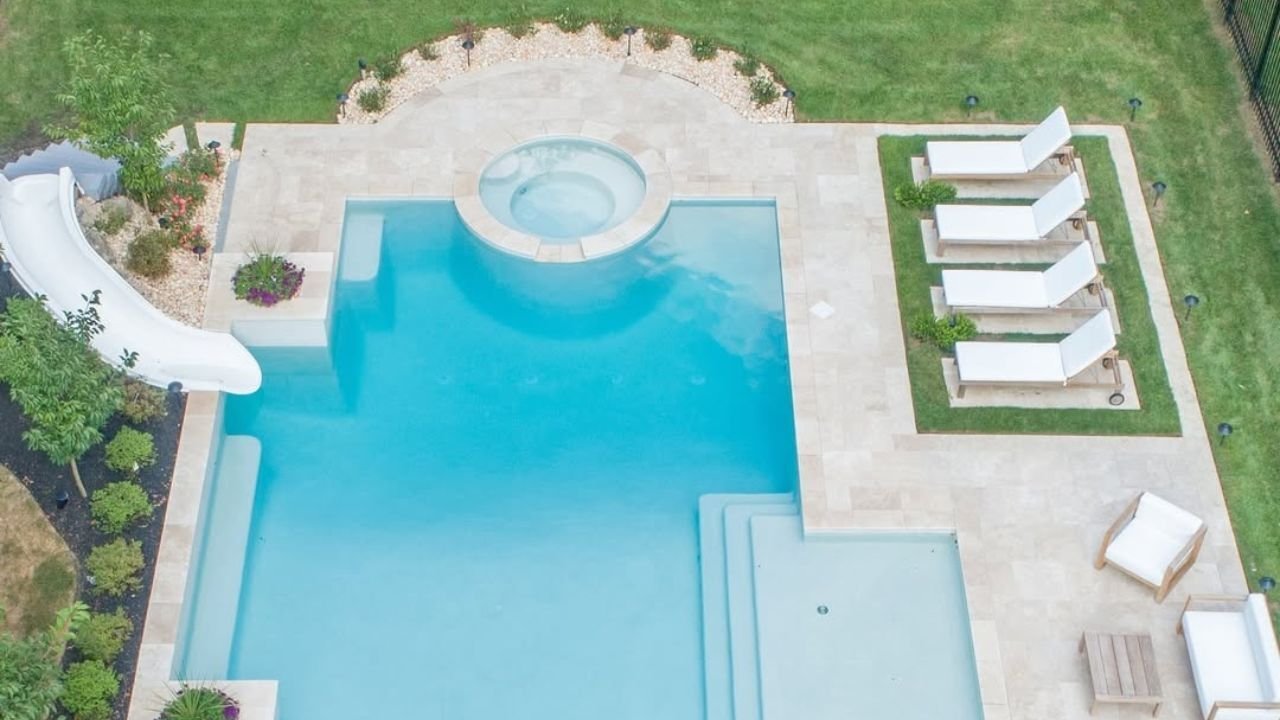
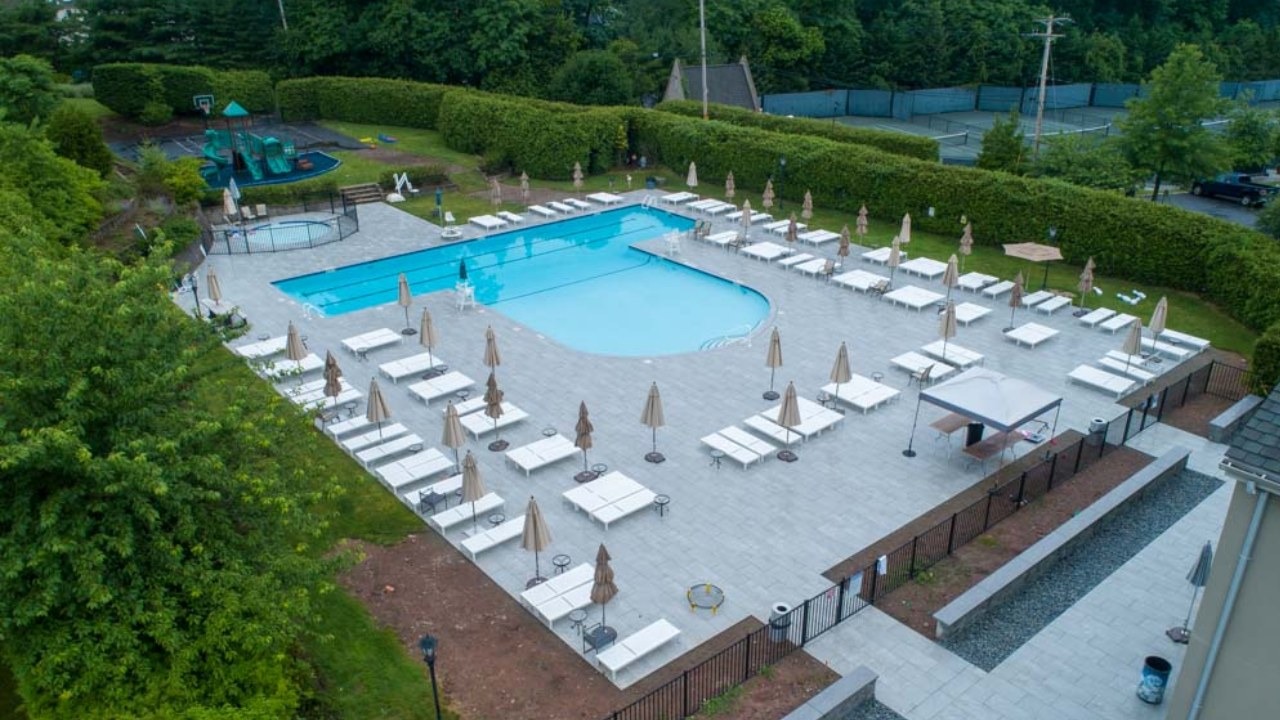
There is no fixed thickness for the pavers around pool decks and patio decks. Pool pavers are commonly 1½ to 2 inches thick for pedestrian applications.
- Pool decks: 1½–2 inches is a common range for natural stone and suitable paver products used for pedestrian areas. Pool coping is a separate consideration because it forms the edge of the pool and may have different thickness and installation requirements.
- Patios/decks: 1½–2 inches is also common when the surface is installed over a properly prepared base and is intended for foot traffic.
- Raised or structural decks: Thickness cannot be determined from the surface application alone. The paver or stone may need a specific system designed for the deck structure, pedestals, or other support.
The exact thickness depends on the paver material, manufacturer specifications, and installation method. Around pools, thickness is only one consideration; the paver should also provide suitable slip resistance, drainage, and durability for wet outdoor conditions.
How Thick Should Porcelain Pavers Be Outdoors?
Outdoor porcelain pavers are commonly used for patios, walkways, pool decks, and other pedestrian areas. Their required thickness depends on the product, application, and installation method.
Porcelain pavers should be selected according to the manufacturer’s specifications rather than thickness alone. Always check that the product is approved for the intended outdoor application.
How Thick Should Natural Stone Pavers Be Outdoors?
Natural stone paver thickness varies by stone type, size, application, and installation method. Marble pavers, travertine pavers, limestone pavers, and sandstone pavers can all be used in outdoor applications, but they should be selected according to their specific product and installation requirements.
For pedestrian applications, 1½ to 2 inches is common for many natural stone pavers, but there is no universal thickness that applies to every stone.
Does Natural Stone Need to Be Thicker Than Concrete Pavers?
It is not necessary for the natural stones to be thicker than concrete pavers. Natural stone and concrete pavers have distinctly different physical properties. So comparing thickness alone can be misleading. Granite, limestone, sandstone, bluestone, and other natural stones can have different strength, absorption, finish, and dimensional characteristics.
The installation also matters. Some natural stone products are designed for pedestrian applications, while others are suitable for heavier use when installed according to the manufacturer’s requirements. For natural stone, you should focus on three things,
- Is the stone rated for my application?
- What thickness does the manufacturer or fabricator recommend?
- What installation method and base does the product require?
That approach is more reliable than choosing the thickest stone paver available.
Does Paver Material Affect the Required Thickness?
Yes. Paver thickness cannot be selected independently of the material. Concrete, natural stone, and porcelain pavers have different physical properties and installation requirements.
| Paver material | Common outdoor uses | What to consider |
| Concrete | Patios, walkways, driveways | Product rating and application |
| Natural stone | Patios, walkways, pool areas | Stone type, strength, dimensions, and installation |
| Porcelain | Patios, walkways, pool areas | Product specifications and installation system |
| Vehicular pavers | Driveways and traffic areas | Vehicle rating and supporting base |
The manufacturer’s specifications should determine whether a specific paver is suitable for the intended application.
Why Paver Thickness Changes With the Application
Think of thickness as the paver’s ability to handle the job it is designed for. A walkway carries people. A patio carries people plus furniture. A driveway carries cars, and those loads concentrate under four tires. Vehicles also create more movement as they accelerate, brake, and turn.
That is why using a thin pedestrian paver on a driveway can cause problems even when the paver itself looks durable. However, you will not have to use driveway-grade pavers for a residential patio. Choosing the correct product for the intended use can prevent unnecessary material costs while giving the installation the strength it needs.
What Else Matters Besides Paver Thickness?
Before choosing the right paver thickness for outdoor use, consider these factors:
| Factor | Why It Matters |
| Soil | Clay, sandy soil, and poorly compacted fill can behave differently under load. |
| Drainage | Water needs a controlled path away from the paving system. Poor drainage can contribute to settlement and frost-related movement in climates where freezing occurs. |
| Base Preparation | The supporting aggregate needs proper depth and compaction for the site and application. |
| Edge Restraint | A stable edge helps keep pavers from spreading or moving outward. |
| Paver Size | Large-format pieces can have different installation requirements from smaller units. |
| Climate | Freeze-thaw conditions can make drainage and base preparation more important. |
| Traffic | Foot traffic and vehicle traffic require different products and construction standards. |
This is why two patios with the same 2-inch pavers may still perform differently.
Outdoor Paver Thickness FAQs
Let’s answer your questions about outdoor paver thickness.
Are 2-inch pavers thick enough for a patio?
Yes. 1½ to 2 inches is common for residential pedestrian areas, including many patios, when the product and installation method are suitable.
Are 2-inch pavers strong enough for a driveway?
Not by default. A driveway should use a manufacturer-approved vehicular paver system. This often requires a thicker paver and a stronger supporting base.
Can I use 1-inch pavers outdoors?
Some thin pavers are designed for specific outdoor applications, such as overlays, but they are not automatically suitable for every patio, walkway, or driveway.
Does paver thickness affect cost?
Yes. Thicker products can use more material and may cost more to manufacture, transport, and install. However, price should follow the application’s requirements, not thickness alone.
How thick should natural stone patio pavers be?
There is no universal thickness for natural stone. Around 1½ to 2 inches is common for some pedestrian applications, but the stone type, dimensions, installation method, and manufacturer’s requirements should determine the final choice.
Do thicker pavers need a thicker base?
Not automatically. Base depth depends on the application, soil, drainage, climate, and load, not simply on paver thickness.
Can outdoor pavers be installed over concrete?
Some outdoor pavers can be installed over concrete, but the appropriate product and installation method depend on the existing slab, drainage, surface condition, and manufacturer’s requirements. Do not assume that every paver is suitable for installation over concrete.
Bottom Line
Paver thickness matters a lot when it comes to outdoor applications. They have to withstand harsh elements, traffic, and stress, which is why proper thickness matters. Whether it is porcelain or concrete slab, knowing the paver thickness will help you create a lasting and functional outdoor space. The best outdoor paver is not the thickest one. It is the right product for the load, site, material, and installation system. For many residential patios and walkways, 1½ to 2 inches provides a suitable starting point. Driveways usually require thicker, traffic-rated pavers and a properly engineered base.