
If you are searching for “what are pavers”, then you already know what you are looking for. Pavers are one of the most durable, versatile, and aesthetically stunning flooring options for modern housing. They come in various material types, styles, and textures. Choosing the right flooring can be stressful for homeowners. Especially when you are going to select the pavers for the first time, don’t stress out.

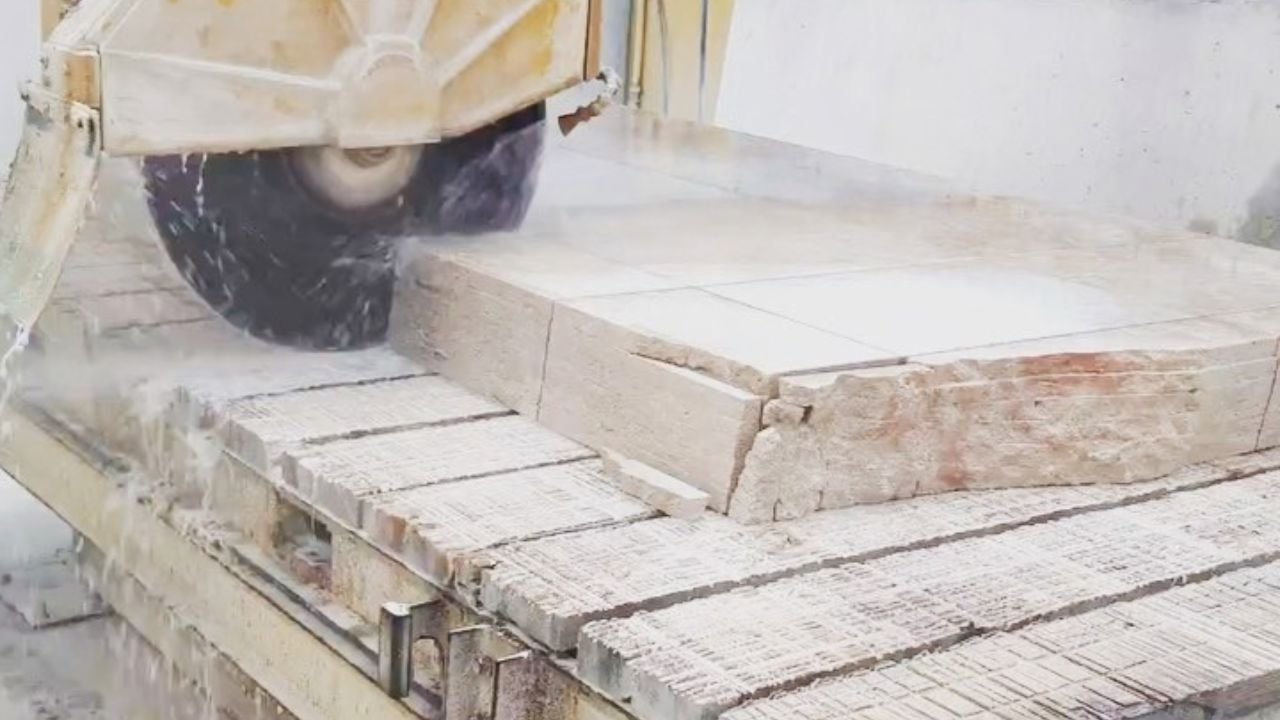
A paver is a flat, prefabricated unit that creates a durable, visually appealing surface. A paver is usually made from materials like concrete, brick, natural stone, or porcelain. These are also some of the most common stone paving materials. They have been part of residential structures for centuries, from Roman empires, where they were used in roads made with interlocking stones, to modern times. They’ve evolved, offering more aesthetic and functional options. This post will guide you about the pavers and everything related to them. Continue reading the following for better information.
Key Features Of The Pavers
- They are easy to install, repair, and replace.
- Pavers made of materials such as porcelain and natural stone are durable. They are crack-resistant and will not shift under pressure.
- Pavers are available in a wide range of colors, patterns, and textures.
What Are Pavers Types?
Pavers come in a wide range of materials. However, some of the most common types of pavers include:
| Type of Paver | Key Features | Advantages | Disadvantages | Ideal Uses |
| Concrete Pavers | Affordable, versatile, and easy to install. | Budget-friendly, suitable for patios, walkways, and driveways. | Colors may fade or get stained over time without sealing. | Patios, walkways, driveways. |
| Brick Pavers | Classic and eco-friendly. | Provides a timeless look, environmentally friendly. | Less durable, prone to chipping and cracking, unsuitable for heavy traffic or load-bearing areas. | Pathways, patios, decorative accents. |
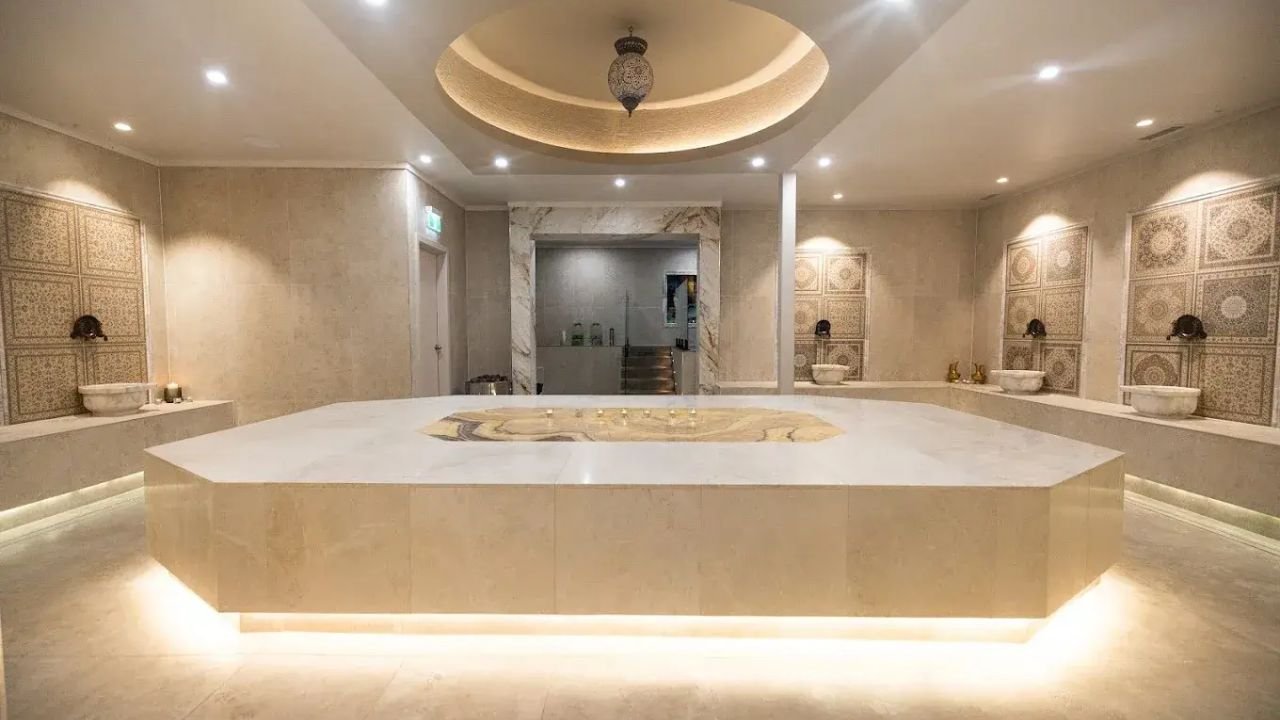
| Natural Stone Pavers | Luxurious and highly durable, made from natural stones like travertine, marble, and limestone. | Resistant to weather elements, long-lasting, and adds a premium aesthetic. | Higher upfront cost requires occasional sealing for maintenance. | Patios, pool decks, garden walkways, backyards. |
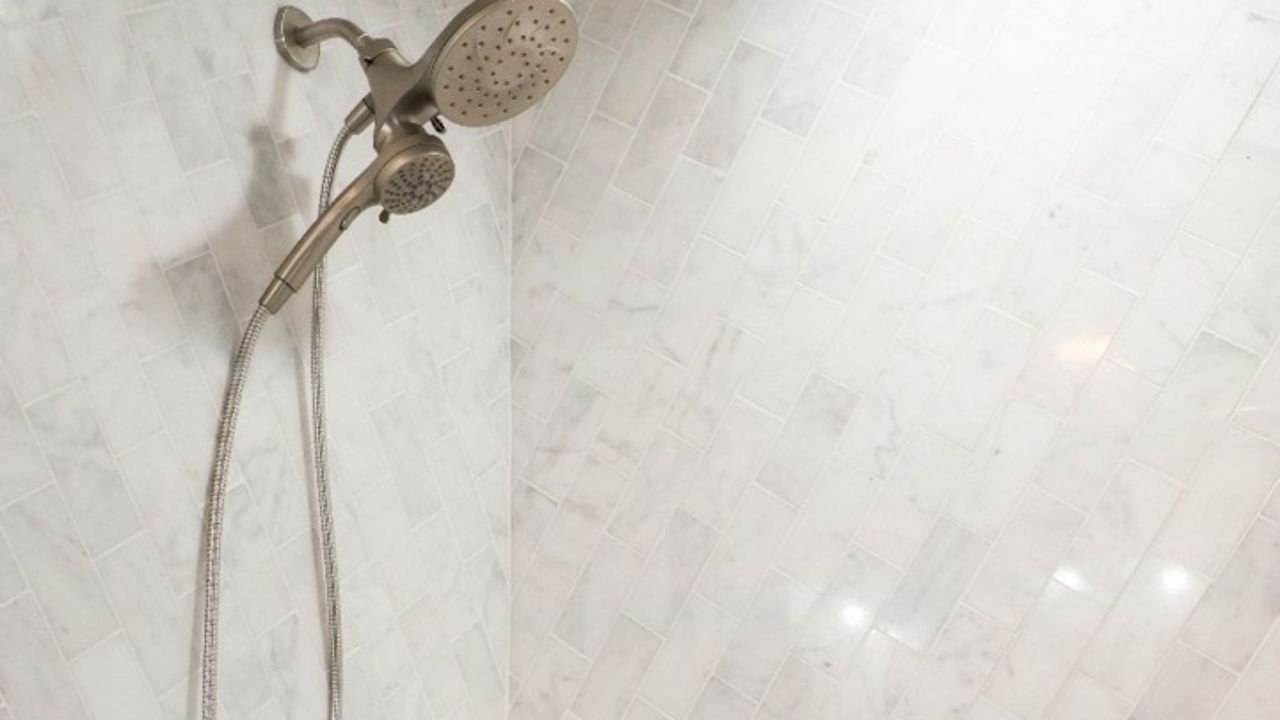
| Porcelain Pavers | It’s synthetic, but it’s made from ceramic. | The surface is non-slip, low maintenance, and resistant to wear. | It’s more expensive than concrete or brick. | Decks, walkways, patios, showers. |
| Patio Pavers | They are versatile by nature and come in a wide range of materials and types. | You can find different materials to create a stylized look | If you didn’t choose the right avers then they may not look good or the place will not be functional. | Patios and backyards |
These are some of the most common types of pavers you will come across. Each paver has its pros and cons. You can choose according to your project requirements what your product expectations are.
Different Types of Pavers Comparison
You may know what pavers are, but do you know that not all of the pavers are the same? There are some other paving solutions as well, but where pavers stand out, check these tables.
Pavers vs Concrete Slabs
| Feature | Pavers | Concrete Slabs |
| Flexibility | The interlocking design resists cracking. | Prone to cracking due to shifting or stress. |
| Durability | Long-lasting and easy to replace individually. | May require full slab replacement when damaged. |
| Aesthetics | Wide variety of styles and colors. | Concrete Paving Slabs have limited design options. |
| Maintenance | Easy to clean and repair. | Higher maintenance costs over time. |
Pavers vs Asphalt
| Feature | Pavers | Asphalt |
| Aesthetics | Offers a polished and premium look. | Basic black finish, less visually appealing. |
| Durability | Resilient against weather and heavy traffic. | Susceptible to cracking and potholes. |
| Cost | Higher upfront cost but long-term savings. | Lower initial cost, frequent repairs needed. |
| Lifespan | It can last decades with proper care. | Shorter lifespan, especially in harsh climates. |
Pavers vs Gravel
| Feature | Pavers | Gravel |
| Stability | Stable surface, ideal for walking and driving. | Loose material, shifts easily underfoot. |
| Maintenance | Minimal upkeep, occasional cleaning. | Requires regular raking and refilling. |
| Aesthetics | Sleek, uniform appearance. | Rustic and less polished. |
| Cost | Higher upfront cost. | Budget-friendly installation. |
These tables contain comprehensive information about the pavers compared with other paving materials. This will help you to understand what your choice should be.
What Are The Common Uses of Pavers?
Some of the most common uses of pavers include:
Driveways:
Pavers such as marble and porcelain pavers provide durability to the driveways. They can support heavy vehicle and foot traffic with cracking and chipping.
Walkways And Pathways
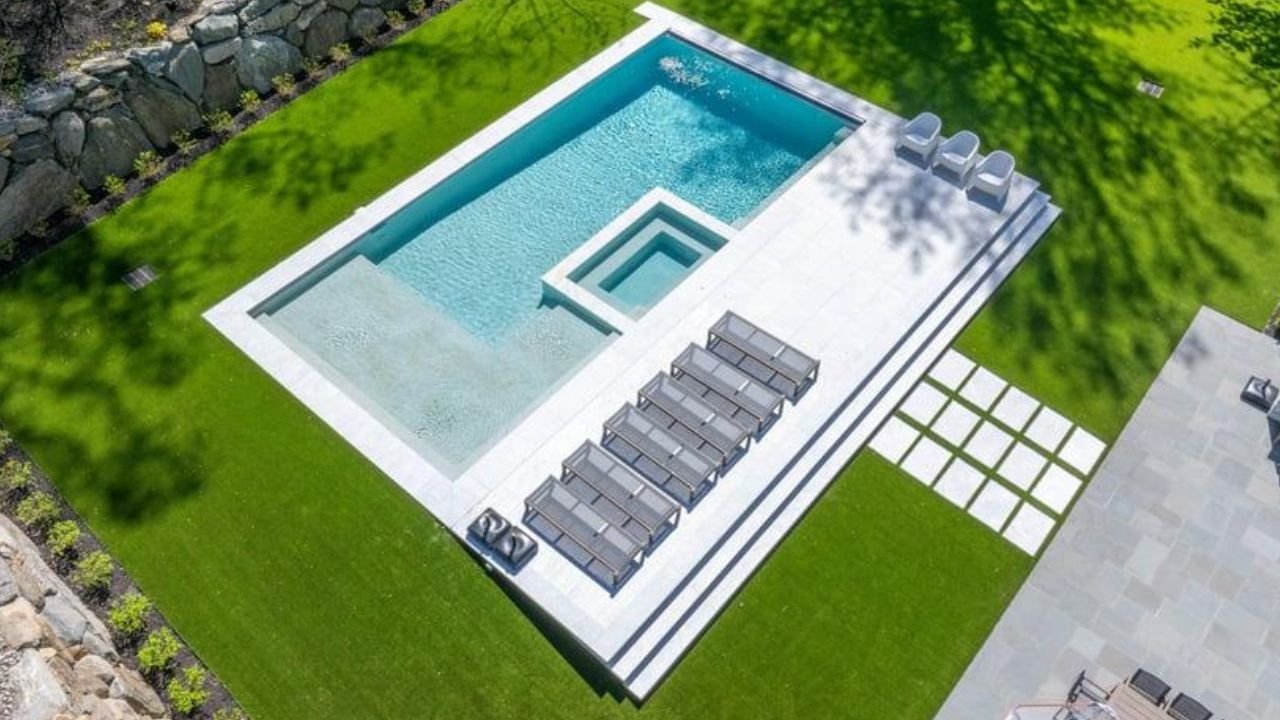
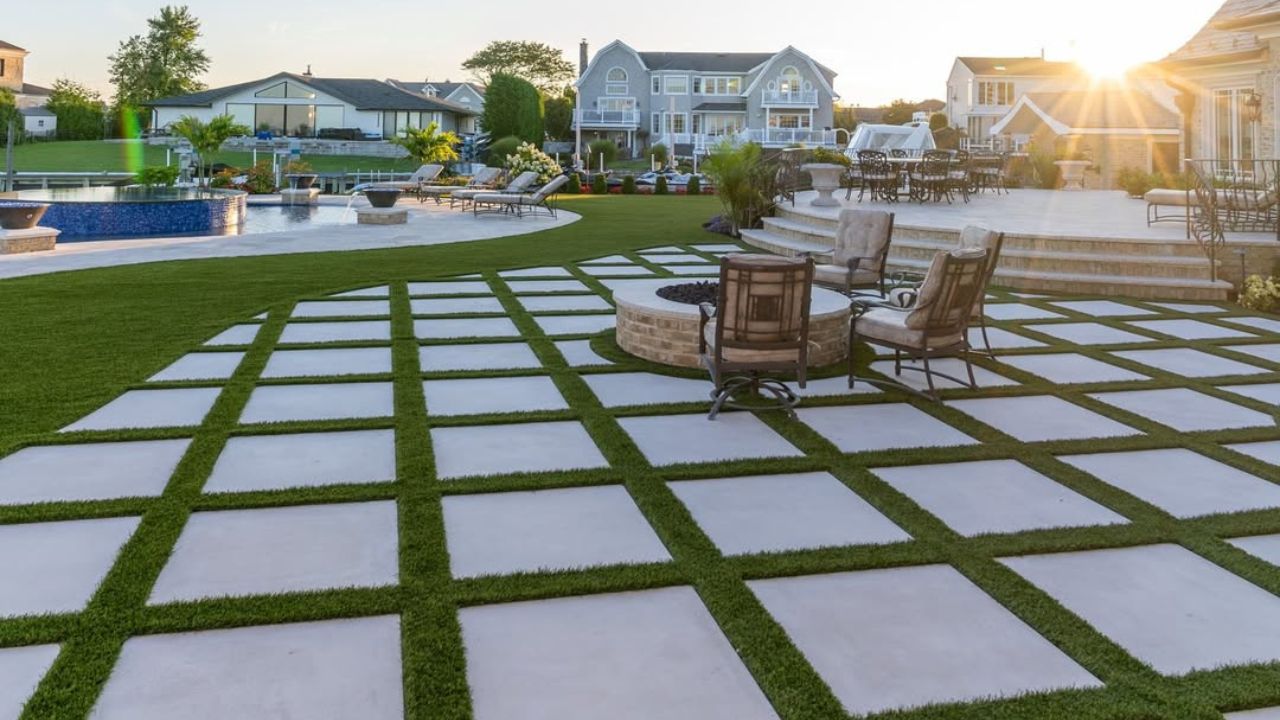
They can be used to create non-slippery but stunning walkways outside such as in gardens or backyards. You can also use pavers with grass in between to add a natural and visually appealing touch to your outdoor paths.
Patios and Backyards
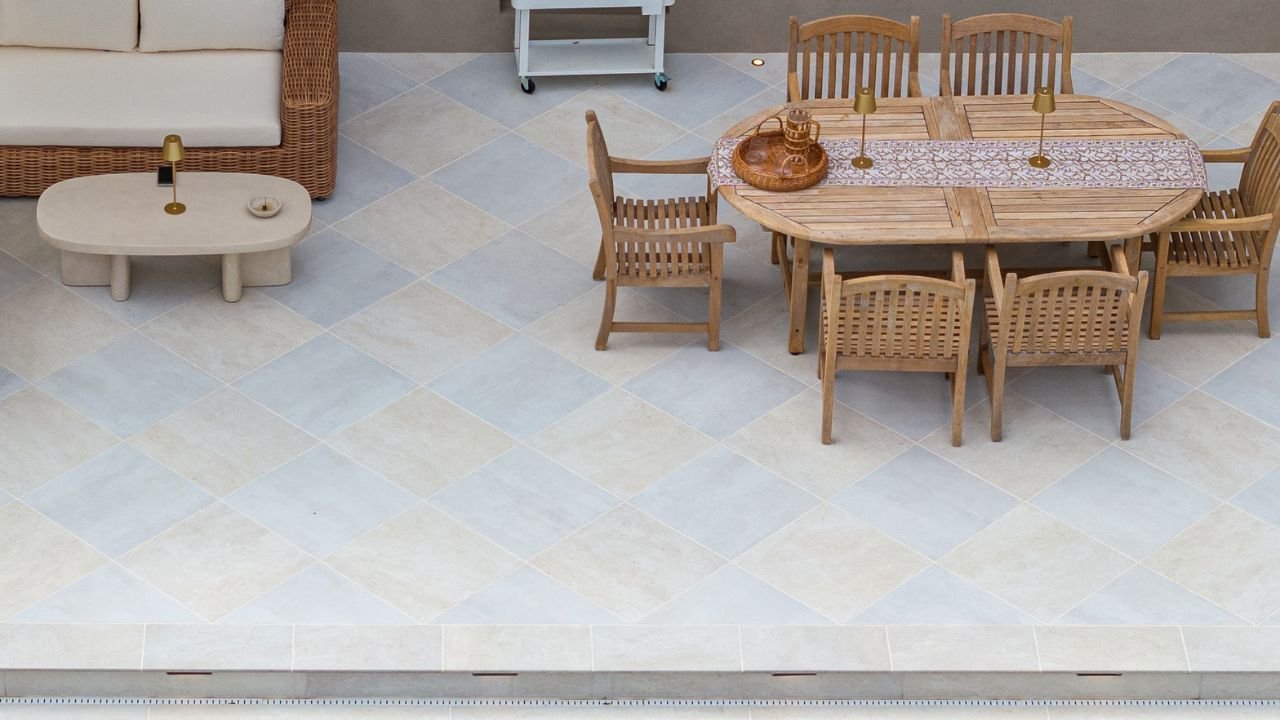
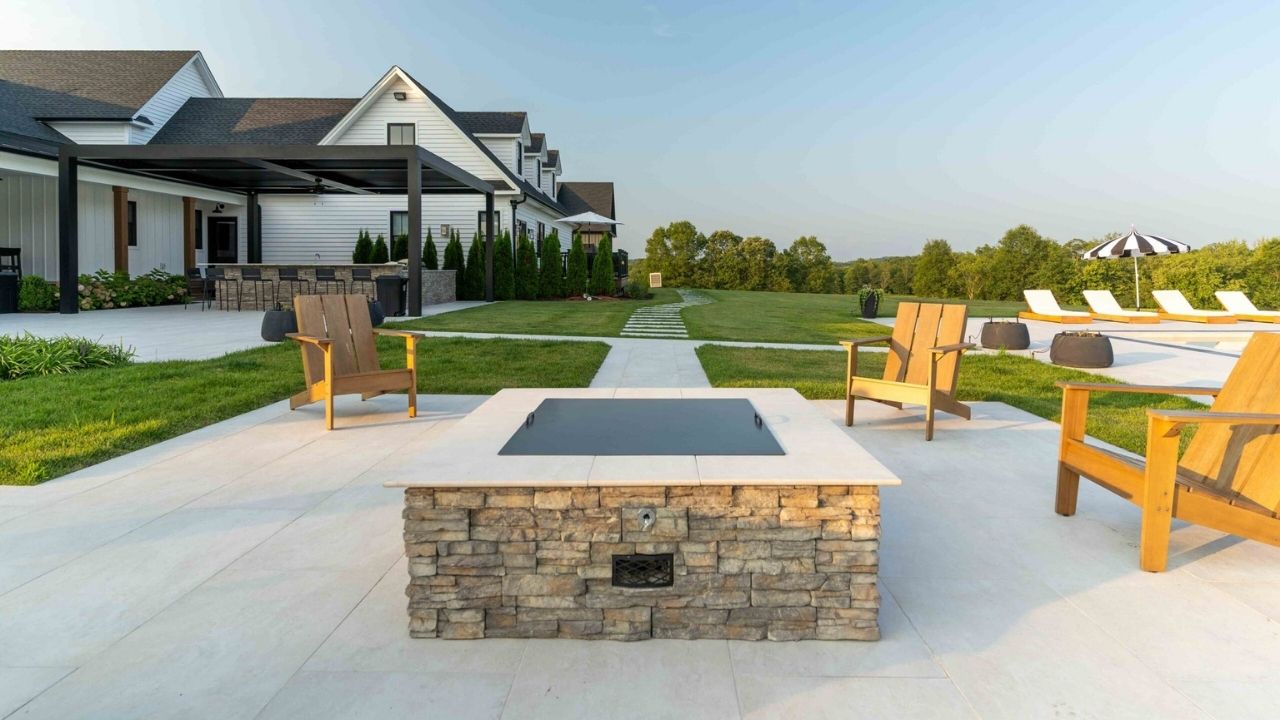
Pavers provide a durable and solid foundation for backyards and patios. They can be used to create functional and beautiful flooring with pavers like natural stones and porcelain patio pavers. This makes them a popular choice for paver patio installation in residential outdoor spaces.
What Are The Benefits of Using Pavers?
Pavers are undoubtedly one of the best choices for landscaping and flooring. Here is why they are beneficial for any outdoor project.
Durability
Pavers are a durable option for flooring for any outdoor setting. Some paver types such as marble pavers and porcelain pavers can be used to create durable outdoors that will face harsh weather and daily wear and tear for decades.
Low Maintenance
Porcelain and concrete pavers are low-maintenance paving options. You can enjoy a clean and beautiful floor throughout the year by daily sweeping and occasionally rising with water.
Low Budget
You do not have to spend huge to enjoy the stunning outdoors. Some of the best paver options like porcelain are comparatively low-budget choices. If you cannot afford natural stone pavers then porcelain pavers can be used that mimic the look of natural stone.
Aesthetic Versatility
One can get pavers in a wide range of colors, styles, and textures. Some paver types like natural stone pavers offer an aesthetically pleasing look even with limited color options. For a custom look, you can opt for porcelain pavers that have practically infinite color choices and style.
How To Choose The Right Pavers?
When deciding on pavers, do not just settle on aesthetics. There are several factors to consider when choosing the right pavers. Such as:
Climate Situation:
Think about your climate situation first. It plays an important role in buying the right pavers. If you’re living in a harsh climate whether it is cold or hot then consider selecting material that will withstand it without showing any signs every year.
Functionality:
Make sure the paver you are selecting is also functional. Which means they are easy to clean and comfortable to walk on outside. Consider opting for materials like travertine or marble that remain bearable even under direct exposure to the sun. Dark colors absorb more heat so they can be unbearably hot on sunny days.
Low Maintenance:
Pavers should also be low-maintenance. Regular paver cleaning, sweeping, and rinsing should be enough to keep them in pristine condition for years. However, if you are considering natural stones like marble, travertine, or even concrete pavers then you will need to seal them regularly. Harsh chemical cleaners may damage the surface or stain it, which will not be repairable.
Repair and Replacement
Also, the repair and replacement of the pavers shouldn’t be daunting. Make sure you choose a material that is locally available and should be easy to replace upon damage.
Budget Consideration
Budget is a major factor to consider before buying pavers. If money is not a problem then natural stone pavers are the best choice. However, if you are low on budget then concrete and brick pavers can be a good choice. If you prefer performance with aesthetics then porcelain pavers are perfect. Though they can cost huge compared to concrete they offer long-term performance with low maintenance and easy replacement.
When considering the pavers, make sure to consider every factor so you will end up making an informed decision.
Conclusion
Here is every bit of information about what pavers are. Pavers are the best way to give your outdoor landscape setting a new life. They offer a wide range of benefits, from being durable to aesthetic versatility, easy installation (depending) to low maintenance. These benefits make the paver a great choice for most outdoor projects, be it patio, backyard, or any other landscaping project. However, pavers have a wide variety of colors and styles to choose from so make sure to select the right type of pavers. This is the best way to experience the best of pavers.
If you are not sure about paver selection, then NT Pavers can help you with this. We are an experienced natural stone supplier that can provide you with the best stone pavers according to your preference. You can book our mobile showroom or visit our physical warehouse for more information.
FAQs About Pavers
What are pavers types?
There are three main types of pavers: Concrete pavers, Porcelain pavers, and Marble Stone Pavers.
Is it cheaper to lay concrete or pavers?
Laying concrete is generally more budget-friendly due to less material consumption and labor requirements. However, pavers are a long-term investment considering the benefits such as easy maintenance and repair.
Why use pavers instead of concrete?
- Pavers are durable and will not crack for years.
- Unlike concrete, they have more aesthetic versatility. They are easy to customize to create a stunning look.
- When a single or two pieces of pavers are damaged they can be repaired or replaced individually.
- Concrete isn’t as slip-resistant as pavers.
Can I use cement between pavers?
Using cement between pavers is not recommended. However, you can use polymeric sand. It is perfect for creating effective bonds and it is more flexible than concrete.
What are pavers used for?
Pavers are versatile and used for:
- Driveways
- Walkways
- Patios
- Pool decks
- Garden paths
They enhance outdoor spaces with durability and visual appeal.
What is the difference between brick and pavers?
A brick is made of clay, whereas a paver is made of concrete, stone, or clay.
Bricks are traditional and uniform, while pavers have more color, shape, and texture variety.
Compared to brick, pavers are denser and more durable.