
Water absorption measures how much moisture a paving material can take in through its pores. This simple feature can be connected to durability. A paver that absorbs less water leaves less moisture inside its body. This can reduce damage from weather, staining, biological growth, and repeated wetting and drying.
This matters most in outdoor landscaping design. Patios, driveways, walkways, and pool areas face rain, irrigation, snow in colder climates, spills, and ground moisture. Over time, those conditions test the structure of the paver, especially if it lacks the necessary compressive strength.
Low Absorption Means Less Water Inside the Paver
Pavers generally have a level of water absorption despite their thickness; think of them like a sponge. When a material with a high absorption rating is installed outdoors, it holds more water within its porous structure. A dense, low-absorption material allows much less water to penetrate.
That distinction becomes important when the paver experiences repeated moisture cycles. For instance, a patio may become wet after heavy rain, dry in the afternoon, and become wet after irrigation. This cycle can happen hundreds of times during the life of the installation. A low-absorption paver takes on less moisture during each cycle.
Freeze-Thaw Conditions Damage the Pavers
Freeze-thaw conditions are also a serious problem for the pavers, and this is where water absorption matters. When absorbed water freezes, it expands. When absorbed water freezes, it expands within the paver’s pores and can create internal stress. Repeated freezing and thawing may contribute to cracking, scaling, or surface deterioration.
If enough water occupies the pores of a paving material, the resulting pressure can contribute to cracking, scaling, or surface deterioration. Repeated freezing and thawing can increase this stress. This is why homeowners in regions with harsh winters should pay close attention to the water absorption and freeze-thaw performance of outdoor pavers.
However, the material type also matters because low water absorption doesn’t make a material immune to winter damage. Proper base preparation, drainage, joint design, and paver installation still matter. But limiting water entry reduces one source of risk.
Low Water Absorption Can Help Reduce Staining
Outdoor pavers face the rain frequently. Patios face food, grease, drinks, soil, leaves, and muddy footwear. Driveways face automotive fluids and dirt. Pool decks encounter organic debris, sunscreen, and constant water exposure.
A porous material can absorb some contaminants and allow them to penetrate below the surface. Dense, low-absorption pavers absorb less of these elements in the long run.
This doesn’t mean low-absorption pavers cannot stain. Surface contamination is still there, but the benefit is that many spills stay closer to the surface. They are also easy to clean for homeowners, which can make a practical difference between routine paver cleaning and a difficult stain-removal project.
Low Water Absorption Means Lower Growth Of Mold or Moss
Low water absorption can limit moisture penetration into the paver, but mold and moss growth also depend on surface moisture, shade, drainage, organic debris, and maintenance. This matters more for the pavers in the areas where they are constantly exposed to water. Moisture retained within porous materials can contribute to conditions that support moss or mold growth, especially in shaded or poorly drained areas.
Pavers with low water absorption often withstand moss or mold growth and related stains over time. This is especially convenient for homeowners who don’t want to clean pavers in a damp environment like a pool deck or patio consistently exposed to rainwater.
How Water Absorption, Drainage, and Installation Work Together
While water absorption rating matters a lot for outdoor pavers, properly prepared installation is also crucial. Water can easily move through the joints and reach the bedding and base layers. If the paver base does not drain well, water can remain beneath the paving system.
Poor drainage can result in settlement, joint problems, frost-related movement, and other failures. A durable patio therefore depends on several connected factors:
| Factor | Why It Matters |
| Water absorption | Limits moisture entering the paver |
| Base preparation | Supports the paving system and manages water |
| Slope | Helps surface water move away |
| Joint design | Controls movement and water pathways |
| Drainage | Prevents prolonged water accumulation |
| Surface texture | Affects traction and outdoor safety |
| Material strength | Helps the paver handle expected loads |
| Freeze-thaw performance | Helps evaluate suitability for cold climates |
This is an important consideration for homeowners who assume a premium material can compensate for poor installation, but it cannot.
Does Low Absorption Make a Paver Better?
Often homeowners believe that pavers with low water absorption are better, but no, they are not. Water absorption is one performance feature but not a complete durability score. Good pavers should suit their targeted application.
For instance, a homeowner may choose driveway pavers because of their load-bearing capacity and thickness. Similarly, pool deck pavers should offer slip resistance and surface texture. A homeowner in a freeze-thaw climate should examine frost resistance and drainage.
The better question is not, “Which paver absorbs the least water?” It should be: which paver has the right combination of water absorption, strength, surface performance, and installation requirements for my space. That approach gives homeowners a more useful basis for comparison.
Porcelain Pavers and Low Water Absorption: What Testing Shows
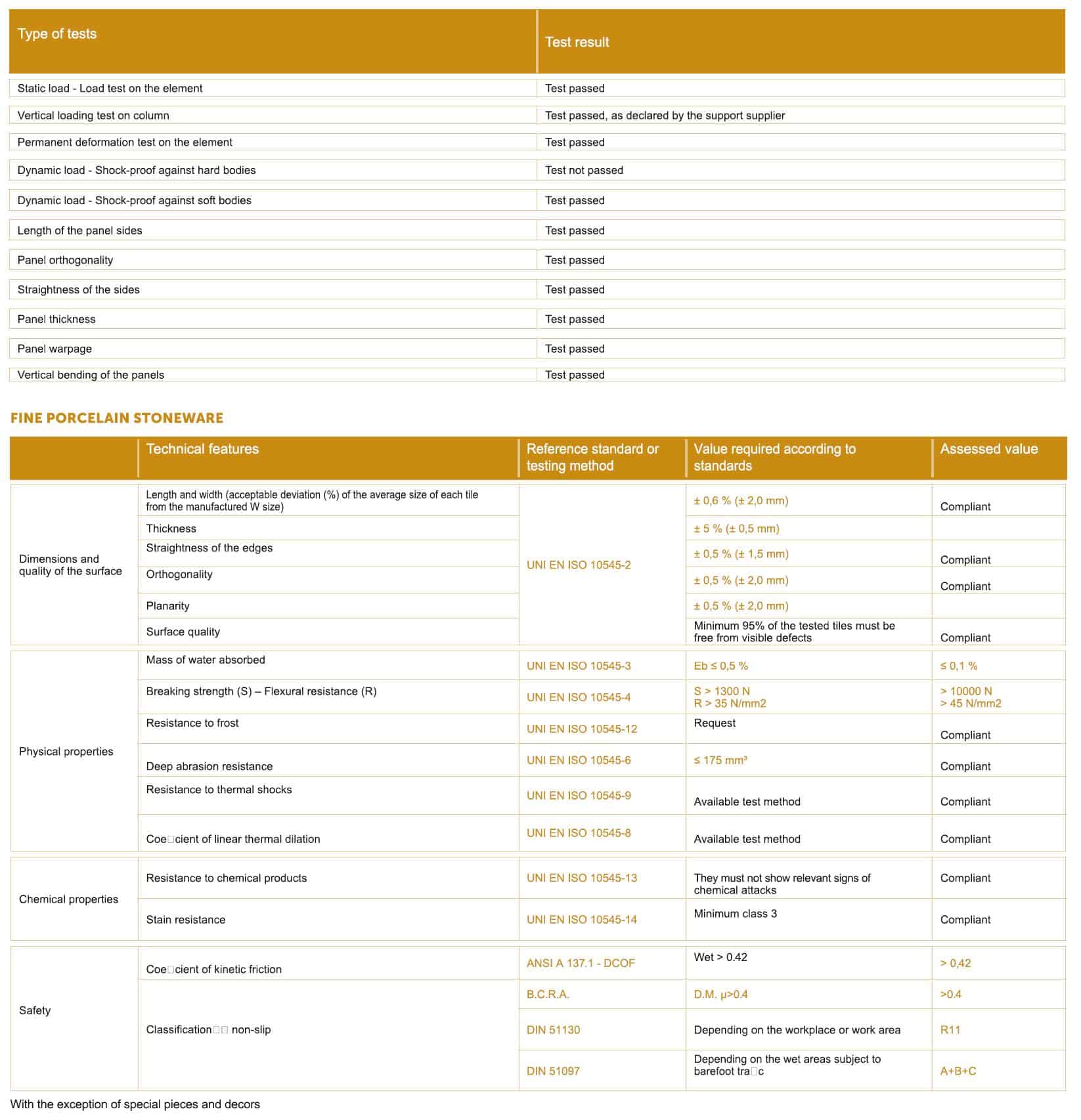
High-quality porcelain pavers are a highly durable option for outdoor applications. They are also known for their low water absorption, with porcelain tile generally classified at 0.5% or less under the applicable tile classification. Individual porcelain products can have even lower absorption values; for example, the technical test data for this porcelain stoneware reports water absorption of ≤0.1%. The low absorption makes porcelain a great choice for outdoor applications where moisture exposure is a concern.
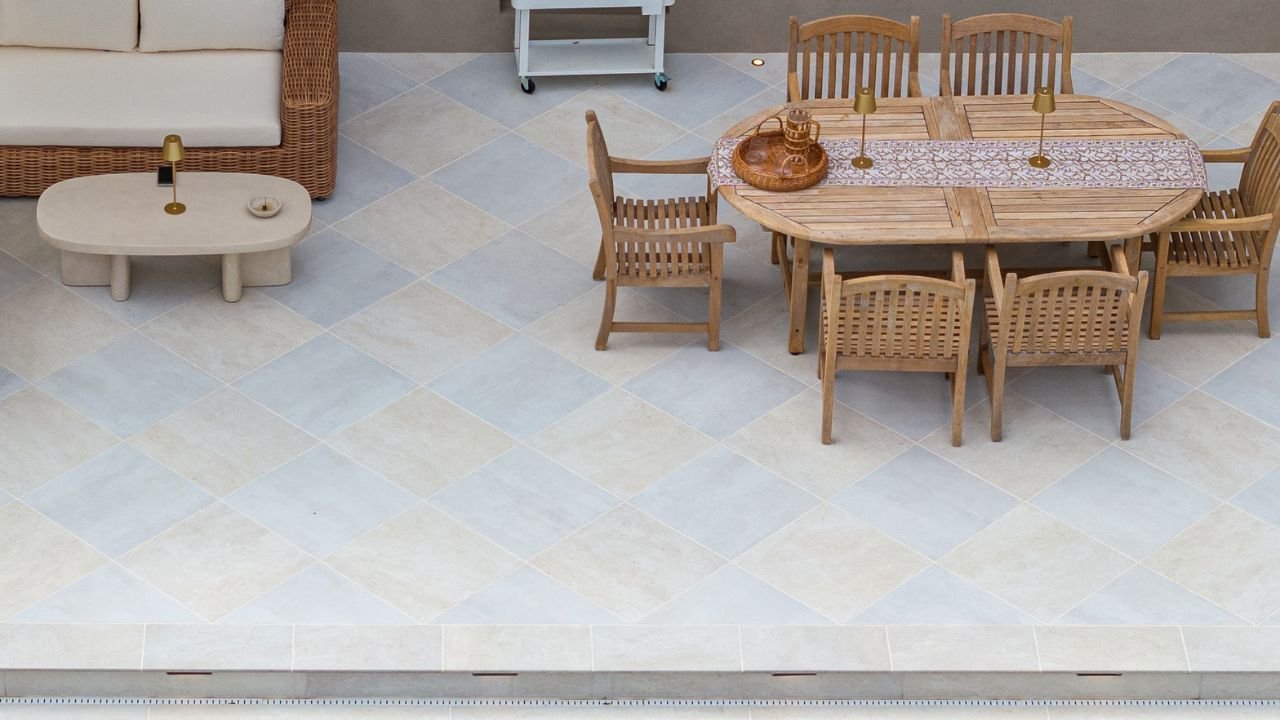
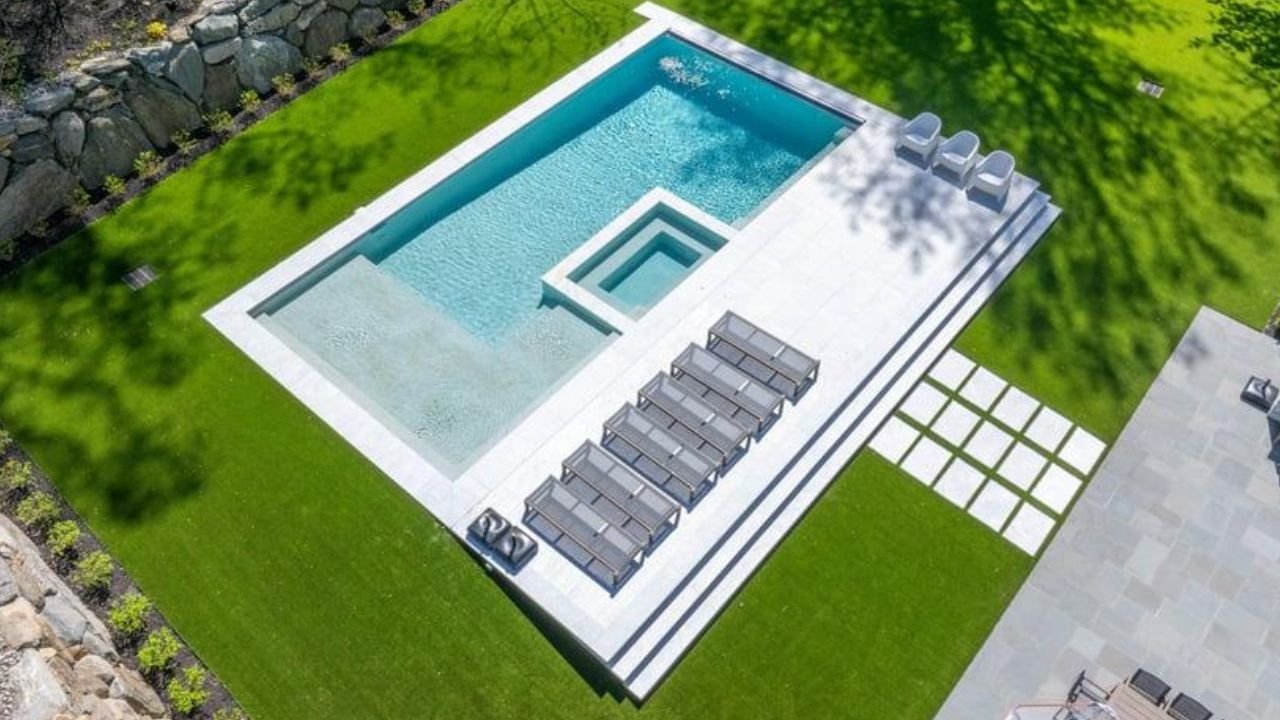
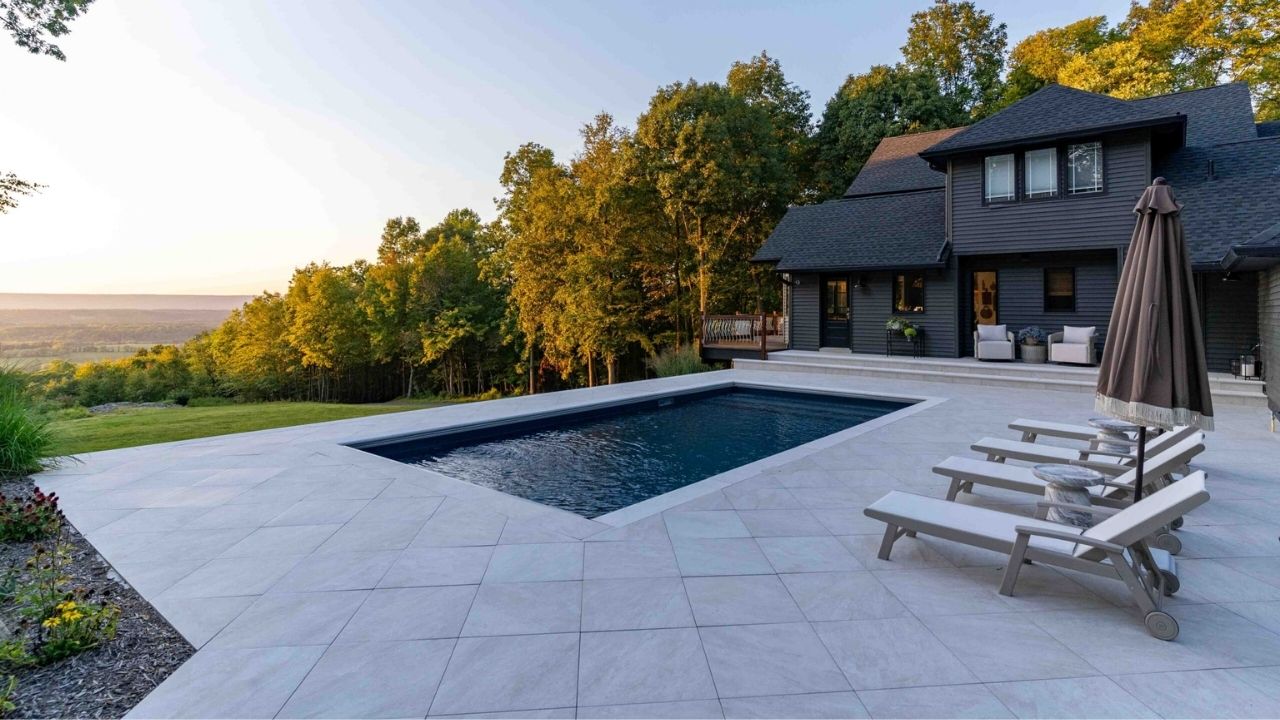
At NT Pavers, porcelain pavers are available in options designed for outdoor spaces, including patios, pool areas, terraces, and walkways. But homeowners should look beyond absorption alone. One should check the surface texture, slip resistance, thickness, load requirements, installation method, and climate. They all deserve attention.
Porcelain Paver Water Absorption Test Results
Technical test data provides measurable evidence of porcelain paver performance, including water absorption, strength, frost resistance, and slip resistance.
| Test | Assessed Value |
| Water absorption | ≤0.1% |
| Breaking strength | >10,000 N |
| Flexural resistance | >45 N/mm² |
| Frost resistance | Compliant |
| Deep abrasion resistance | Compliant |
| Thermal shock | Compliant |
| Chemical resistance | Compliant |
| Stain resistance | Compliant |
| Wet coefficient of friction | >0.42 |
| Slip classification | R11 |
The technical test data shows that the porcelain stoneware has a water absorption value of ≤0.1%, which is below the stated ≤0.5% requirement. The same testing also reports compliant frost resistance and high breaking and flexural strength, showing why water absorption should be considered alongside other performance characteristics.
Low Water Absorption and Paver Durability FAQs
Let’s answer your questions about pavers’ low water absorption.
What is considered low water absorption for pavers?
For porcelain tile, a water absorption value of 0.5% or less is generally associated with the porcelain classification under the applicable standard. Individual products can have even lower absorption values. For example, the technical test data for this porcelain stoneware reports a water absorption value of ≤0.1%, compared with the stated ≤0.5% requirement. For natural stone, water absorption varies by species, so homeowners should check the tested specifications for the specific product.
Do low-absorption pavers last longer?
Yes. But low water absorption shouldn’t be the only factor when talking about pavers’ longevity. Overall durability also depends on strength, climate, installation quality, drainage, and maintenance.
Are porcelain pavers better than concrete pavers for water resistance?
Porcelain generally has much lower water absorption than conventional concrete, but the best choice depends on the application, installation system, load requirements, and local conditions.
Can low-absorption pavers prevent freeze-thaw damage?
They can reduce moisture-related risk, but they cannot eliminate freeze-thaw problems caused by poor drainage, unsuitable installation, or extreme conditions.
Do low-absorption pavers resist stains?
Their dense structure can limit liquid penetration, which may make many surface stains easier to clean. However, no outdoor paver is completely stain-proof.
Should water absorption be the main factor when choosing pavers?
No. Treat it as one part of the selection process alongside strength, slip resistance, thickness, drainage, climate suitability, and installation requirements.
Bottom Line
Low water absorption is an important consideration when choosing pavers for outdoor areas. Homeowners should check the moisture absorption rating by themselves instead of just marketing claims to get the right paving material for wet spaces.
The best choice is not simply the paver with the lowest absorption number. Dense, low-absorption pavers offer reduced moisture penetration, staining, and freeze-thaw risk. Choose a material whose absorption, strength, surface performance, and installation system match the demands of your outdoor space. That is what turns a good-looking patio into a durable one.