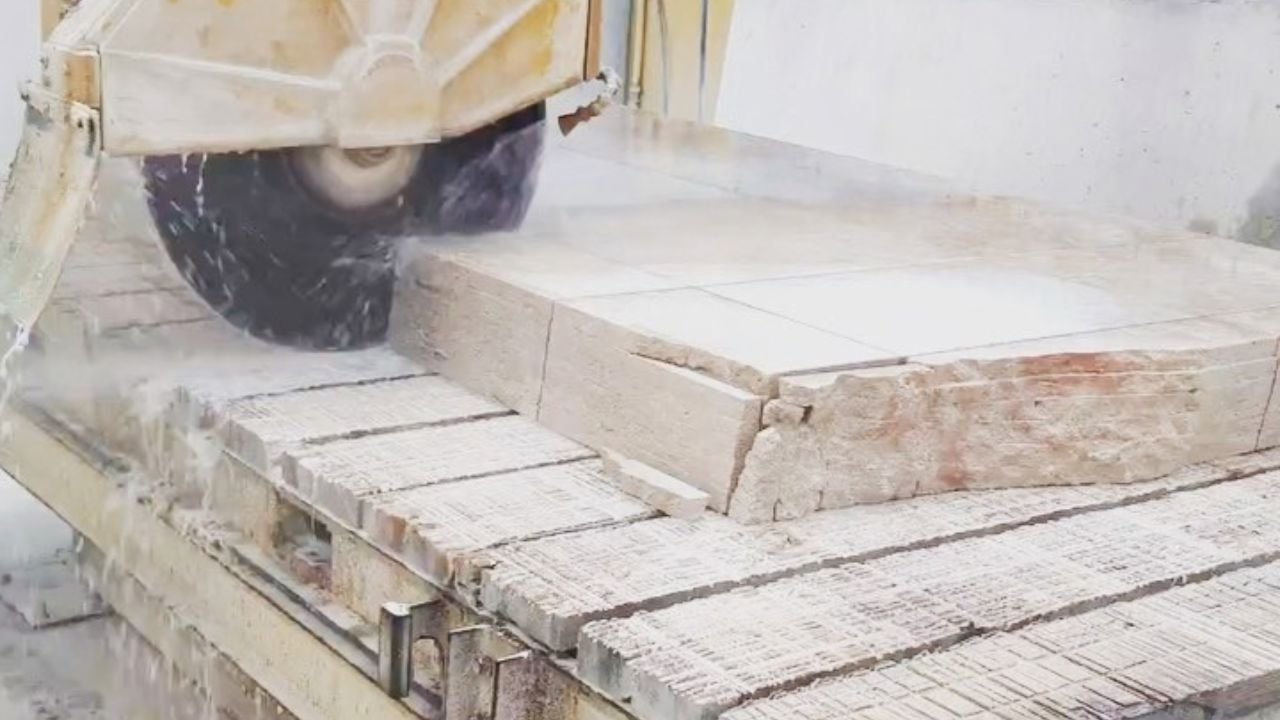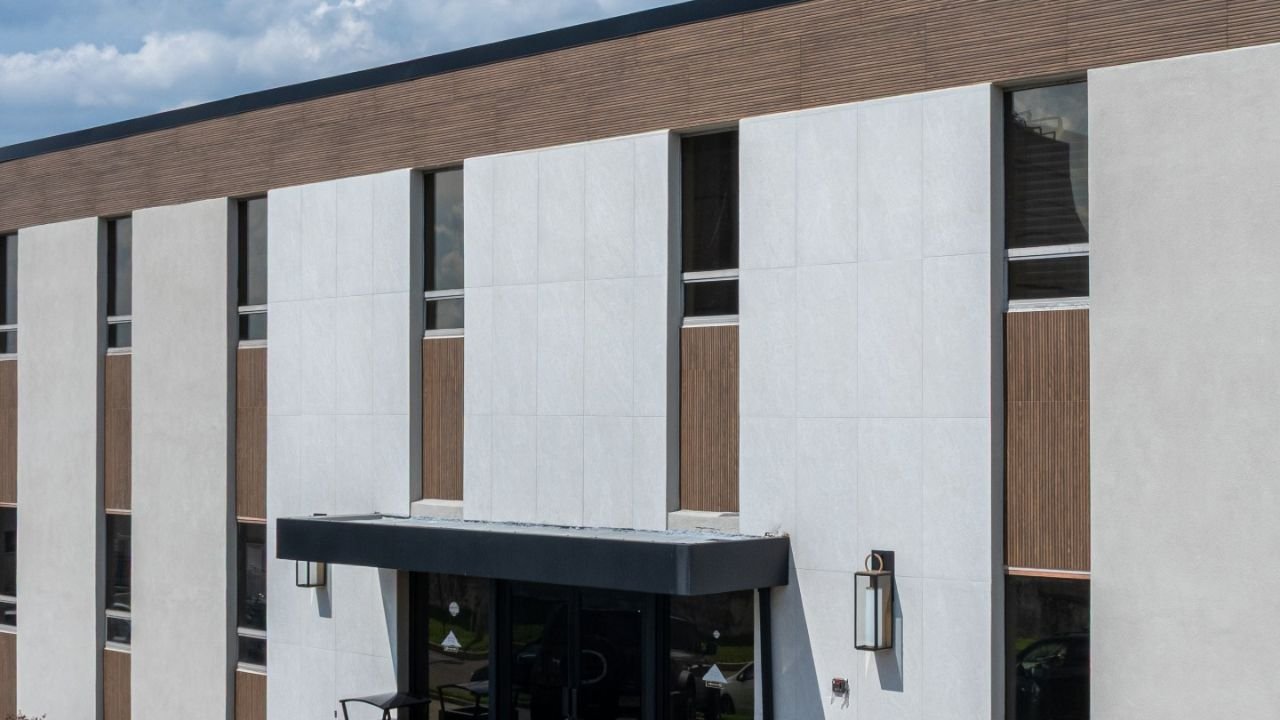

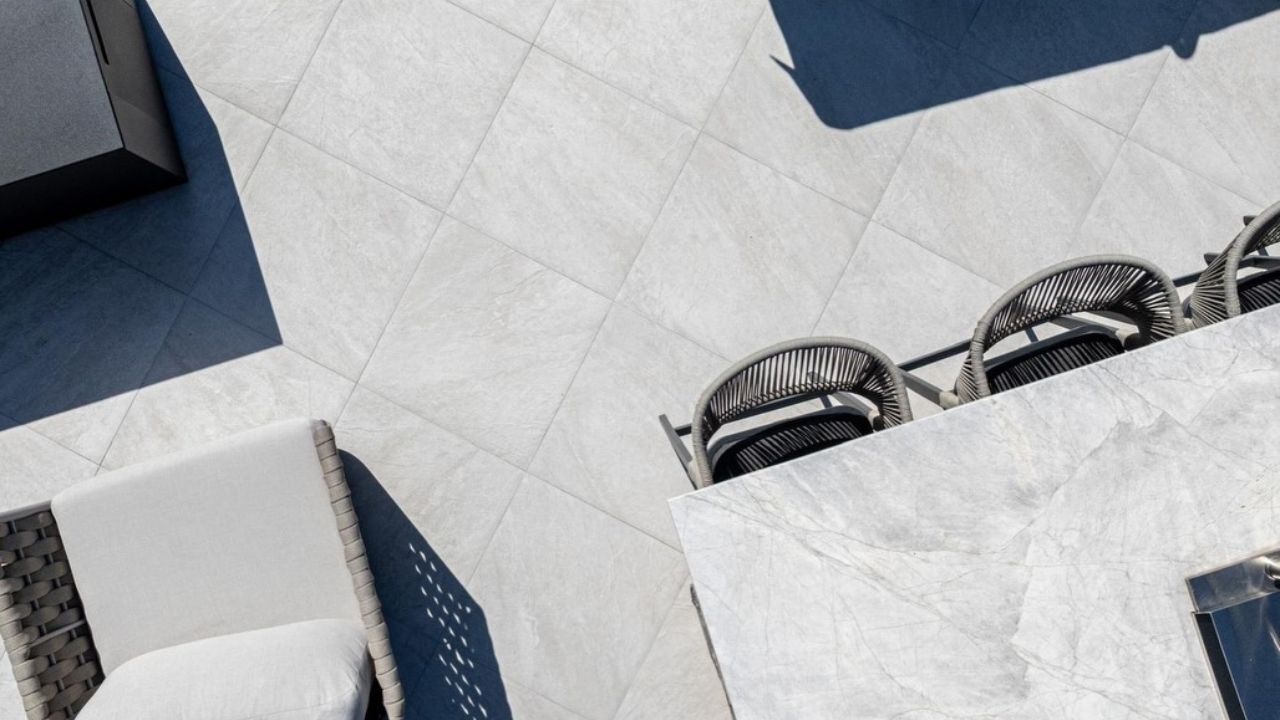
Outdoor flooring has to face some of the harsh elements from weather, such as consistent sunlight exposure. While durability matters here, homeowners should not overlook the importance of maintenance requirements. Not every outdoor flooring material has similar maintenance requirements.
Many homeowners want their patio, pool deck, or outdoor living area to look attractive throughout the year without much maintenance. Thanks to modern outdoor flooring materials, you can enjoy better durability and performance than older options. From porcelain to stone and other materials, learn about the strengths of each material to make an informed decision. Continue reading the following.
Low-Maintenance Outdoor Flooring Materials Comparison
These are the best outdoor materials when it comes to outdoor performance with low maintenance requirements. Take a look at this table to check each material’s upkeep requirements.
| Material | Durability | Stain Resistance | Sealing Required | Maintenance Level |
| Porcelain Pavers And Tile | Excellent | Excellent | No | Very Low |
| Concrete Pavers | Very Good | Good | Optional | Low |
| Natural Stone | Excellent | Good | Sometimes | Low–Moderate |
| Composite Decking | Very Good | Very Good | No | Low |
| Stamped Concrete | Good | Good | Periodically | Low–Moderate |
Porcelain Pavers: Top Choice For Low Maintenance
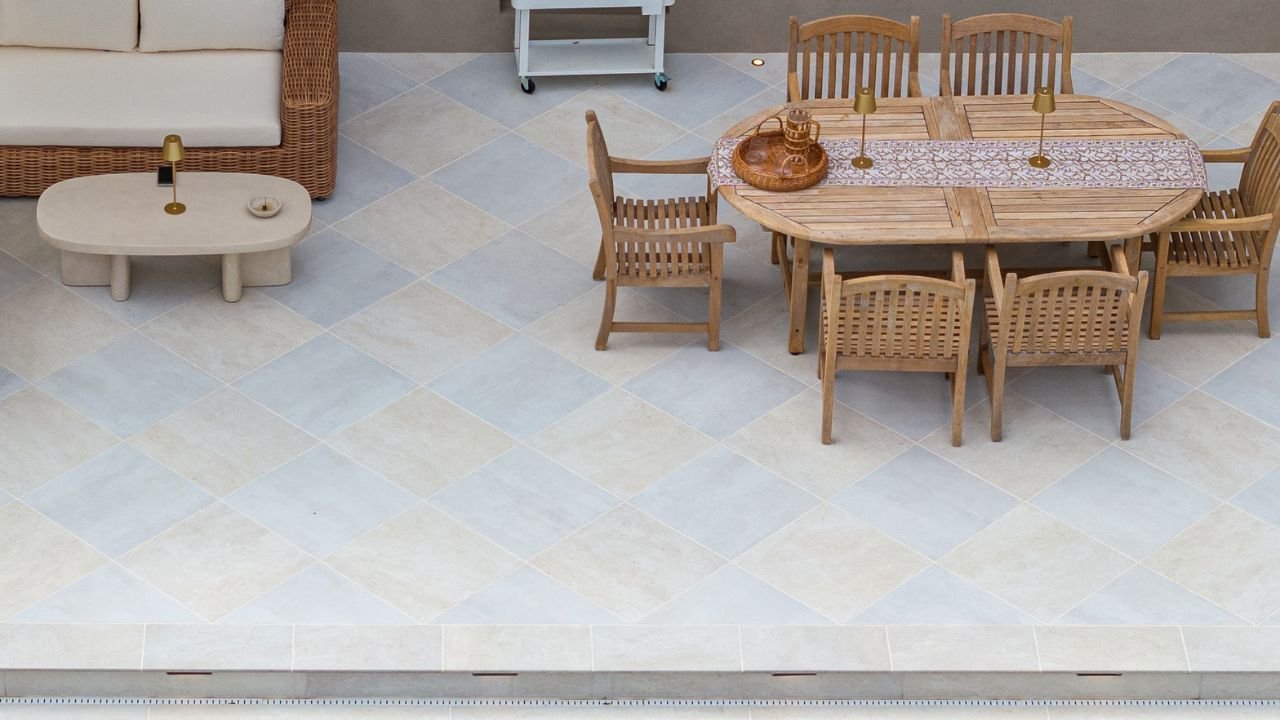
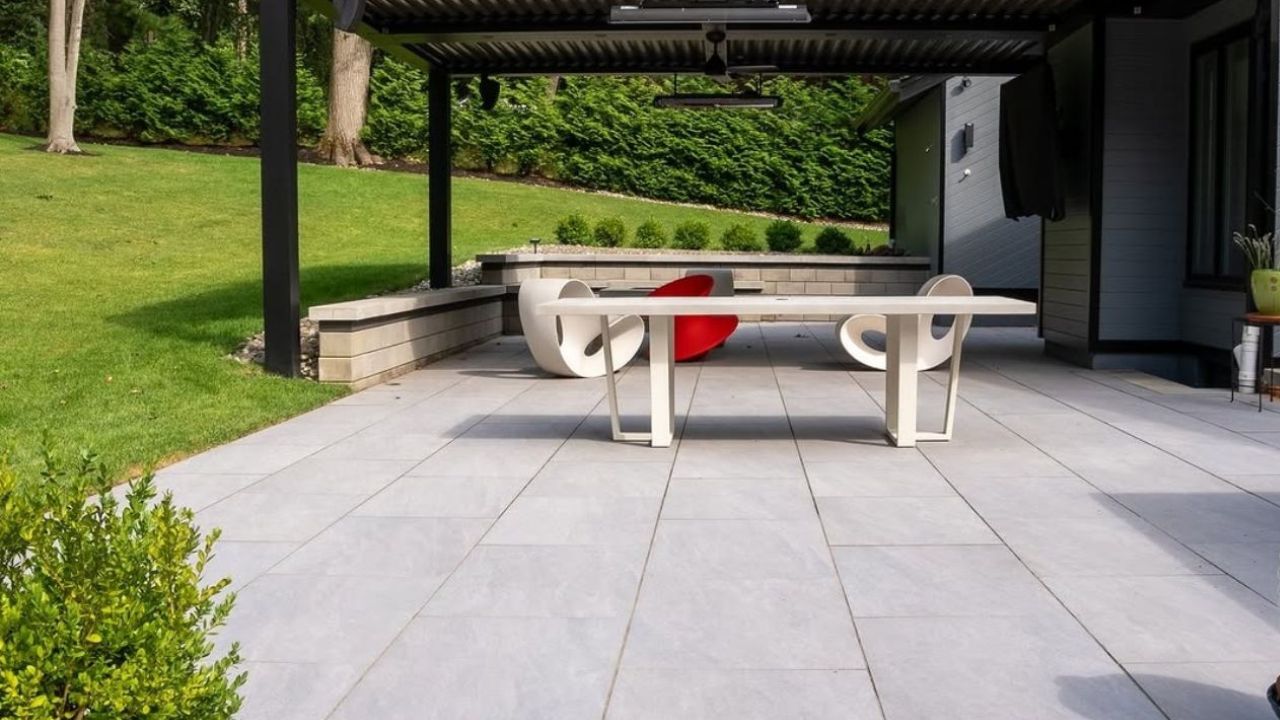
When it comes to outdoor flooring options, porcelain is the unbeatable option. It offers the perfect balance of durability and beauty, combined with low maintenance. It is manufactured under high heat and pressure, which results in a dense, non-porous structure. Porcelain tile can resist water absorption, staining, and staining effortlessly. This offers a perfect balance of aesthetics and durability.
Unlike many traditional paving materials, porcelain does not readily absorb dirt, oils, or spills. Many homeowners prefer porcelain patio pavers because they don’t require routine sealing. It has excellent stain resistance, UV-resistant colors, and resistance to mildew and mold. It is easy to clean up after rain or outdoor gatherings and offers a wide range of looks from stone to wood and even concrete-look finishes. Understanding how to install porcelain pavers correctly helps maximize their durability and long-term performance. Porcelain pavers work particularly well for:
- Patios
- Outdoor kitchens
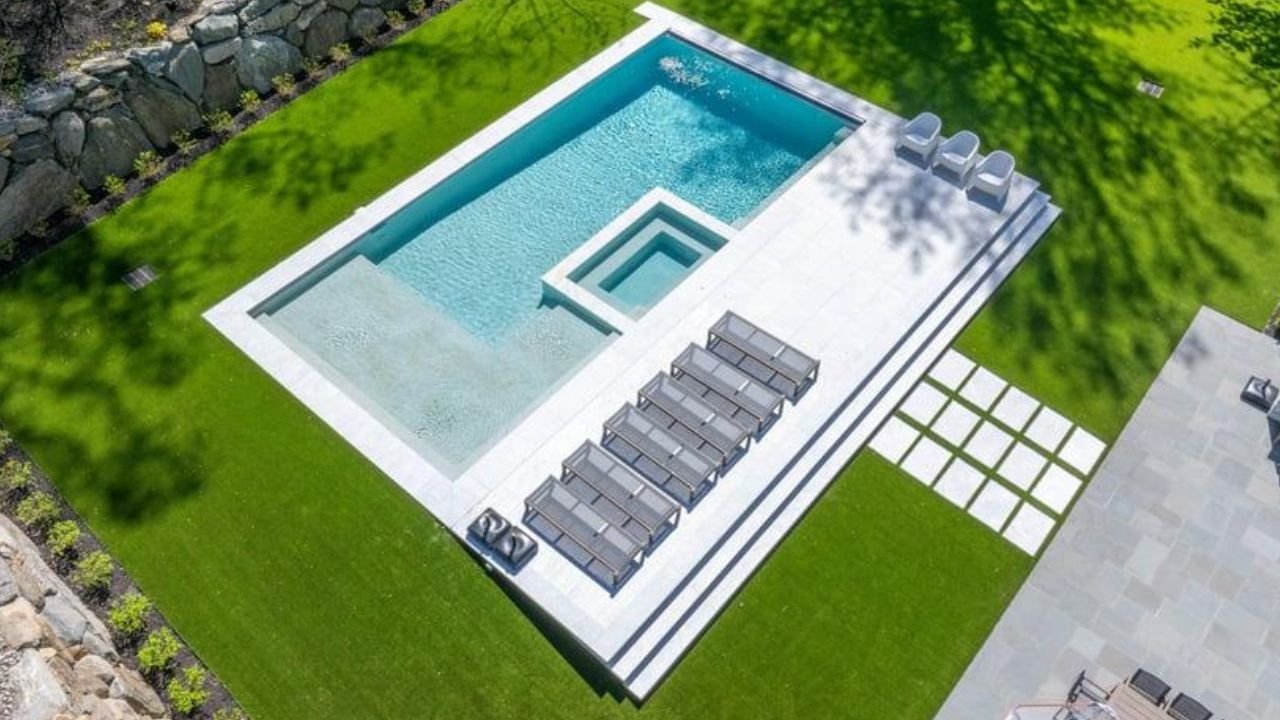
- Pool surrounds
- Rooftop terraces
- Courtyards
Many homeowners working with NT Pavers choose porcelain because it delivers the appearance of premium natural materials while reducing maintenance requirements over the long term.
Natural Stone Pavers: Decent Low-Maintenance Option
While it is true that natural stone comes with a regular maintenance chart, not every stone has the same intensity of maintenance. What many homeowners may not know is that several stone variants perform exceptionally well outdoors while requiring minimal maintenance. Popular natural stone pavers options include:
- Travertine
- Limestone
- Bluestone
- Granite
- Sandstone
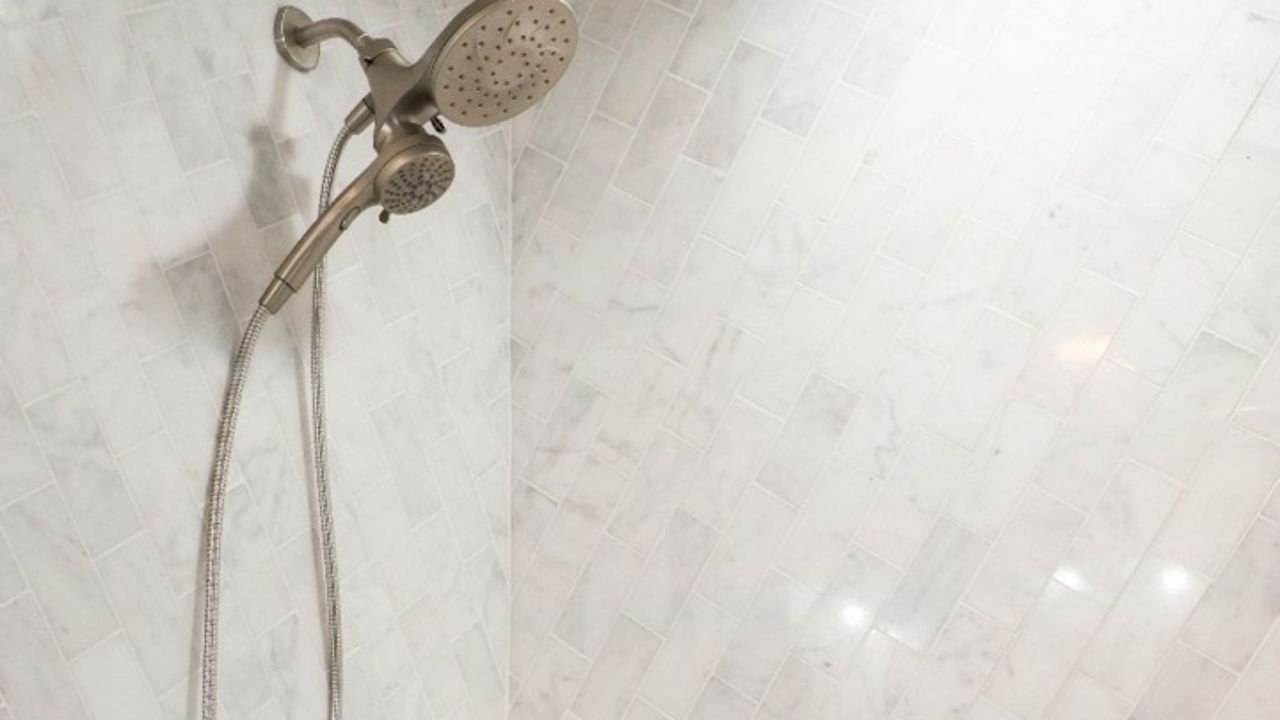
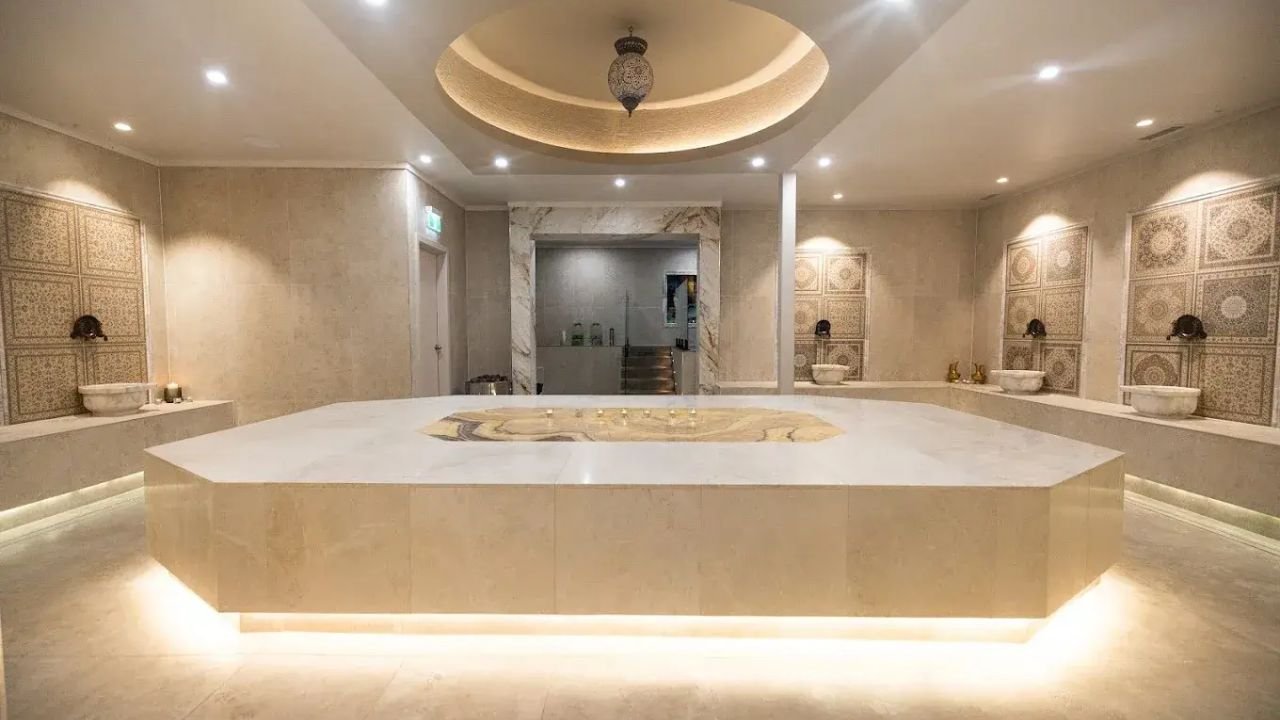
Natural stone offers exceptional durability because it is directly extracted from the earth. They have a distinct natural look with color variation and texture. It offers strong resistance to weather exposure and a longer lifespan.
Certain stones benefit from periodic sealing, but modern sealers often last several years before reapplication becomes necessary.
Best Natural Stones for Easy Maintenance
Some natural stones have low maintenance requirements, which include:
Travertine
Travertine stays cool underfoot and performs well around pools. Its light color also helps reduce surface heat during summer.
Granite
Granite ranks among the most durable paving materials available. It resists scratching, staining, and heavy traffic.
Bluestone
Bluestone offers a sophisticated appearance and strong resistance to weather fluctuations.
Flagstone
It is flat, layered sedimentary rock with irregular shapes that are durable enough to support high-traffic areas.
When installed properly, natural stone patios often last for decades, even in rugged areas like porches, while requiring little more than occasional cleaning.
Concrete Pavers: A Practical Choice
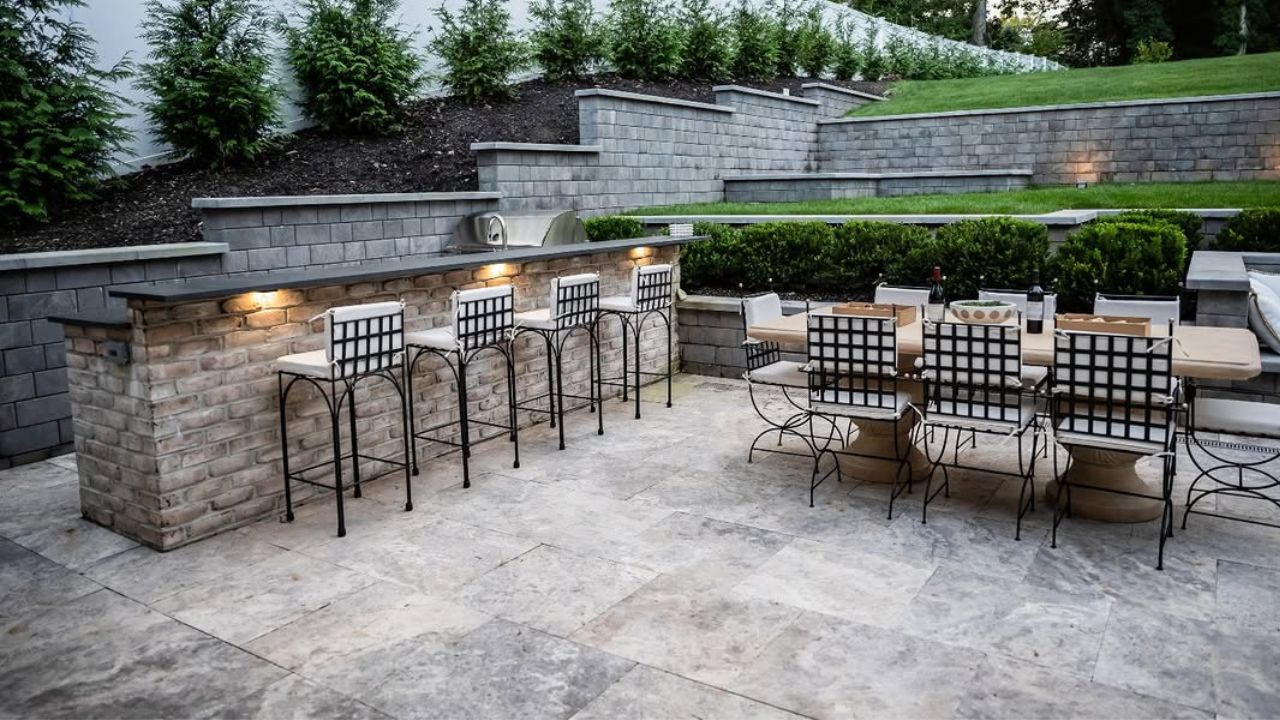
Concrete pavers remain one of the most widely used outdoor flooring materials in residential landscaping. Today’s manufacturing methods produce pavers with improved strength, color retention, and surface textures. They support a wide range of modern outdoor flooring ideas.
Advantages of Concrete Pavers
- Affordable compared to many premium materials
- Easy to repair by replacing individual units
- Available in numerous styles and sizes
- Durable under heavy foot traffic
- Compatible with many design styles
Unlike poured concrete slabs, paver systems allow easier repairs because damaged pieces can be replaced without removing the entire surface. For homeowners seeking a balance between maintenance, performance, and budget, concrete pavers remain a reliable solution.
Permeable Pavers
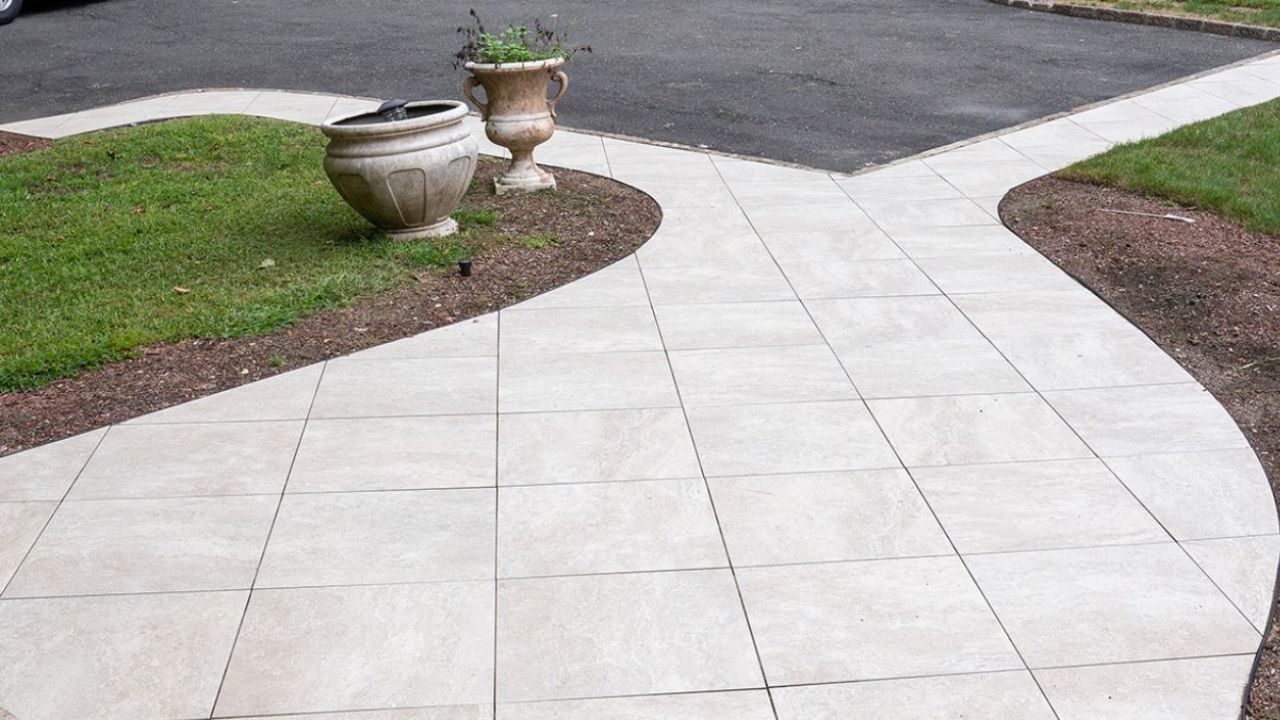
Sustainable landscaping has become a common aspect of modern residential projects. This is why permeable pavers are gaining popularity these days. The best thing about this outdoor flooring material is how it reduces water runoff and lets it pass through joints into the ground below rather than creating runoff.
Permeable Pavers Benefits
Permeable pavers reduce the water pooling on the paver surface. They offer improved drainage, support groundwater recharge, and reduce erosion. The system also reduces algae growth and any moisture-related surface issues.
A permeable paver system is the perfect choice in regions with frequent rain, as they offer both environmental and practical advantages.
Composite Decking Comparison to Traditional Wood
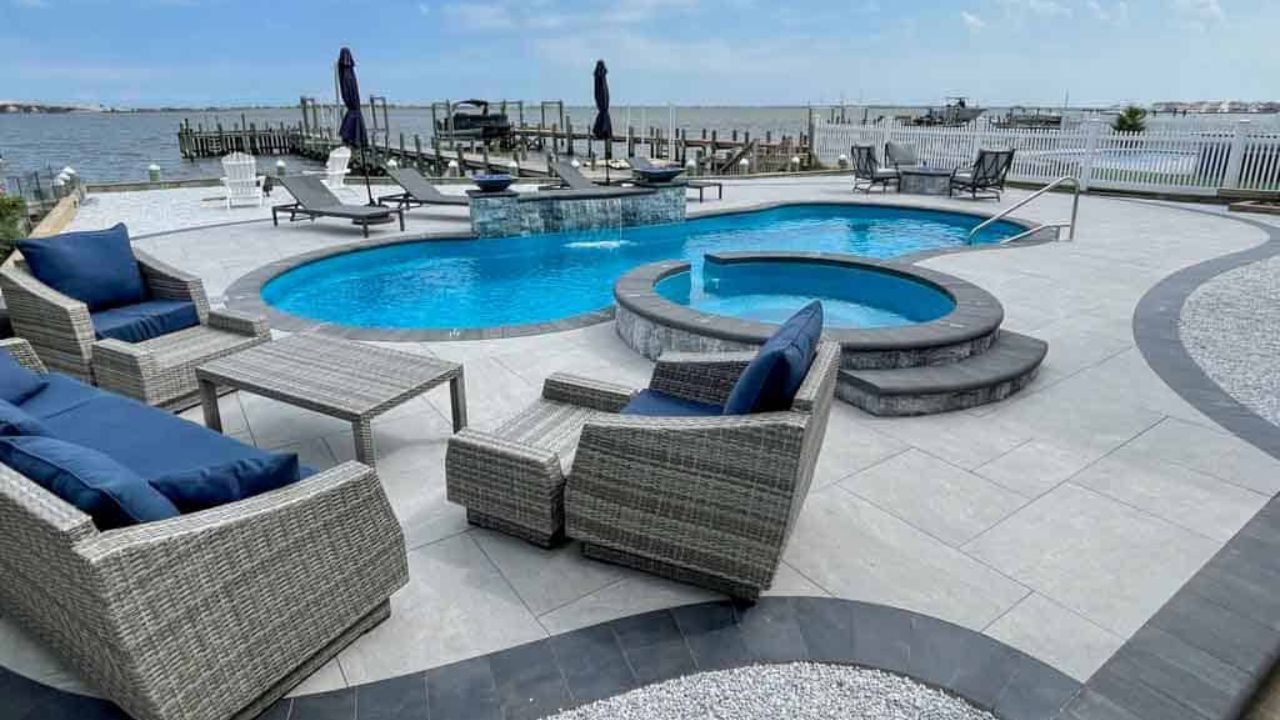
While wood has always been a favorite material for many homeowners, composite decking has proven to be a much better choice as an outdoor flooring material. Many outdoor living spaces include decks rather than paved surfaces. How it performs better than wood: take a look at the following table for more information.
| Feature | Traditional Wood Decking | Composite Decking |
| Sanding Required | Yes, periodic sanding is typically needed to maintain appearance and remove surface wear. | No sanding required. |
| Staining Required | Yes, regular staining helps protect the wood and preserve color. | No staining required. |
| Painting Required | May require painting or repainting, depending on the finish and exposure. | No painting required. |
| Sealing Required | Yes, sealing helps protect against moisture, UV damage, and weathering. | No sealing required. |
| Insect Resistance | Vulnerable to termites and other wood-damaging insects. | Highly resistant to insect damage. |
| Rot Resistance | Can rot over time when exposed to moisture. | Resistant to rot and moisture-related deterioration. |
| Color Retention | Color may fade and require refinishing over time. | Designed for long-lasting color retention. |
| Cleaning Requirements | Requires regular maintenance and occasional refinishing. | Simple cleaning with soap and water is typically sufficient. |
| Appearance | Natural wood grain and authentic timber look. | Modern products offer realistic wood-grain textures and natural-looking finishes. |
| Long-Term Maintenance | Moderate to high maintenance throughout its lifespan. | Low-maintenance solution for outdoor living spaces. |
Modern composites have now been improved dramatically in appearance and now offer realistic wood-grain textures that complement many landscape designs.
Gravel For Untraditional Low-Maintenance Flooring
Gravel is not well-suited for every design style, but it is still one of the simplest outdoor flooring materials available. It offers low installation cost with excellent drainage. The appearance is natural, easy replenishment when needed, and it is well-suited for informal landscapes.
Gravel works particularly well for:
- Garden paths
- Seating areas
- Courtyards
- Secondary walkways
While occasional leveling may be necessary, gravel generally requires little ongoing maintenance.
Which Outdoor Flooring Materials Require the Most Maintenance?
While some flooring materials are low-maintenance, some materials require more attention. Knowing this can help prevent costly mistakes.
Natural Wood Decking
Wood offers a natural, rustic appearance with warmth and beauty. However, it requires annual inspections, periodic staining, regular sealing, and moisture management.
Stamped Concrete
Stamped concrete has a decorative appeal, but you may notice cracks over time. Resealing is typically required to preserve appearance.
Loose Brick Installations
Older brick systems tend to shift, settle, or develop weed growth if installation is not proper.
These materials are not bad in any way, as they perform well but require more maintenance compared to natural stone, composite decking, and porcelain pavers.
Which Outdoor Flooring Material Fits Your Budget?
While maintenance is the key focus area, don’t overlook your budget when considering either of these materials. While the prices are different according to region, installation complexity, and material quality. Here is the table comparing the cost of each material so you can make an informed decision.
| Material | Approx. Installed Cost (per sq ft) | Cost Level |
| Gravel | $2 – $5 | $ (Low Cost) |
| Concrete Pavers | $8 – $18 | $$ (Medium Cost) |
| Composite Decking | $18 – $38 | $$–$$$ (Medium to High Cost) |
| Natural Stone Pavers | $15 – $35 | $$$ (High Cost) |
| Porcelain Pavers | $20 – $45 | $$$ (High Cost) |
| Premium Granite / Bluestone | $25 – $60 | $$$$ (Higher To Premium Cost) |
How Climate Affects Outdoor Flooring Maintenance
Climate is the key element to determine the long-term performance of the materials.
- In the hot, sunny regions, the materials will need to be UV-resistant, have stable colors, and have low heat retention. Porcelain, travertine, and light-colored limestone often perform well.
- In wet environments, the outdoor material should have low water absorption, slip resistance, and mold resistance. Opting for porcelain pavers and a permeable paving system is a strong choice.
- For freeze-thaw regions, select a material that is capable of handling expansion and contraction cycles.
- Granite, high-quality concrete pavers, and porcelain pavers generally provide reliable performance.
Choosing a material suited to local conditions often reduces maintenance more effectively than any cleaning routine.
Best Outdoor Flooring Materials FAQs
Let’s answer your questions about the best outdoor flooring materials.
What is the lowest-maintenance outdoor flooring material?
Porcelain pavers are the lowest-maintenance outdoor flooring material because of their stain, moisture, mold, and fading resistance.
Do natural stone pavers need sealing?
Yes. Most natural stone takes advantage of sealing, which secures the surface from cracks, stains, and moisture absorption.
Are porcelain pavers better than concrete pavers?
Yes. Porcelain pavers require low maintenance compared to concrete pavers, while concrete costs less with great durability.
What outdoor flooring lasts the longest?
Natural stone and porcelain pavers can last for decades when installed and maintained properly.
Are permeable pavers difficult to maintain?
No. Permeable pavers are easy to maintain with occasional cleaning to keep joints clear and maintain drainage performance.
Is composite decking completely maintenance-free?
No. Composite decking is not maintenance-free, just like any outdoor material.
Which outdoor flooring stays coolest in summer?
Travertine, light-colored limestone, and many porcelain pavers are the coolest flooring solutions underfoot compared to darker paving materials.
Bottom Line
The best outdoor flooring materials with a low-maintenance lifestyle blend durability, weather resistance, and easy care. Porcelain pavers are the perfect choice for low-maintenance flooring materials. They are durable, resist stains and mold, and don’t require regular maintenance. Natural stone offers a beautiful and natural appearance with a durable surface, but requires precise installation and sealing.
Concrete pavers provide dependable value, and composite decking, gravel, and permeable pavers also serve specific needs with minimal upkeep. Select a material that matches your climate, design goals, and daily lifestyle. This will help you create an outdoor space that looks beautiful for years without needing to be maintained too often.