
1. Create a Clean Modern Walkway Paver Entrance with Large Format Porcelain
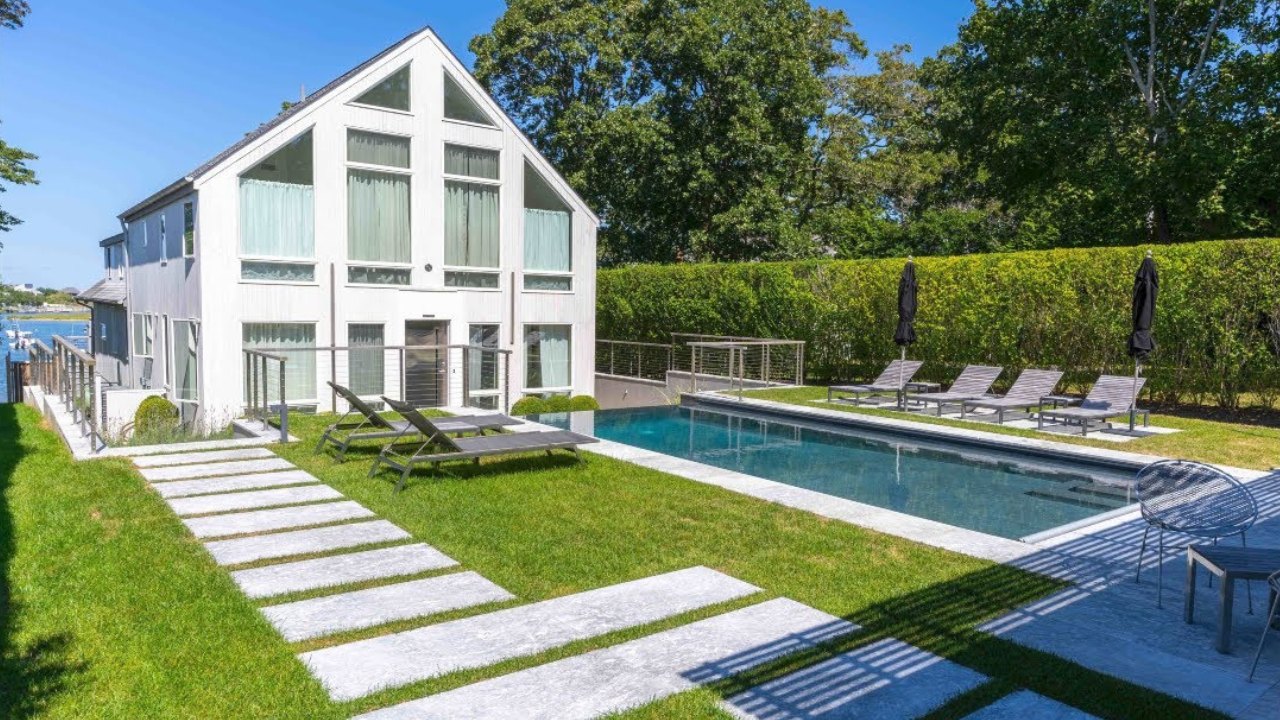
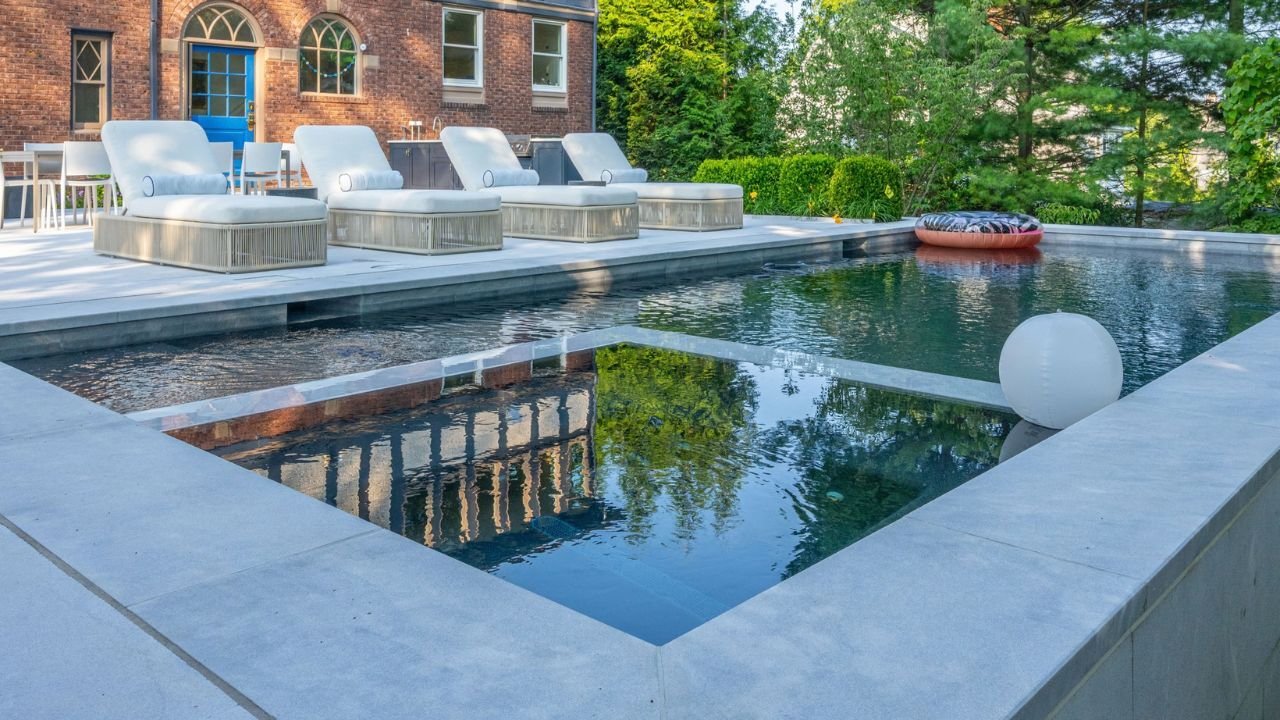
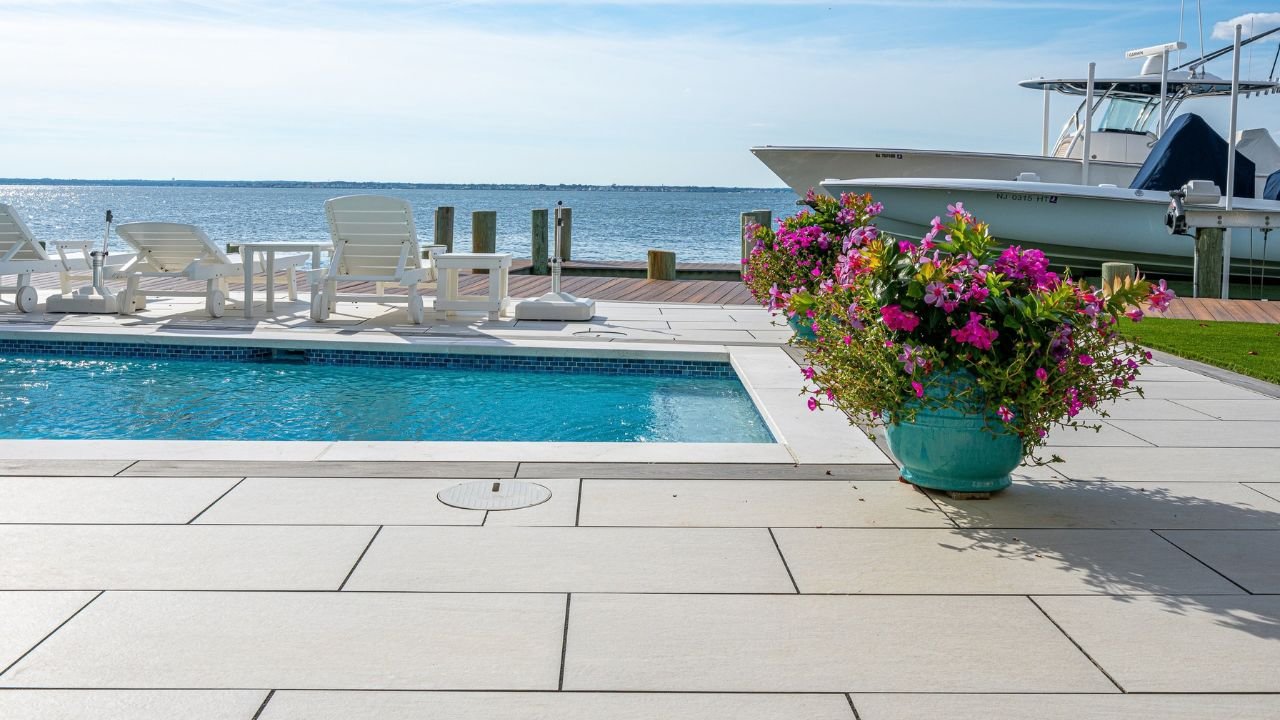
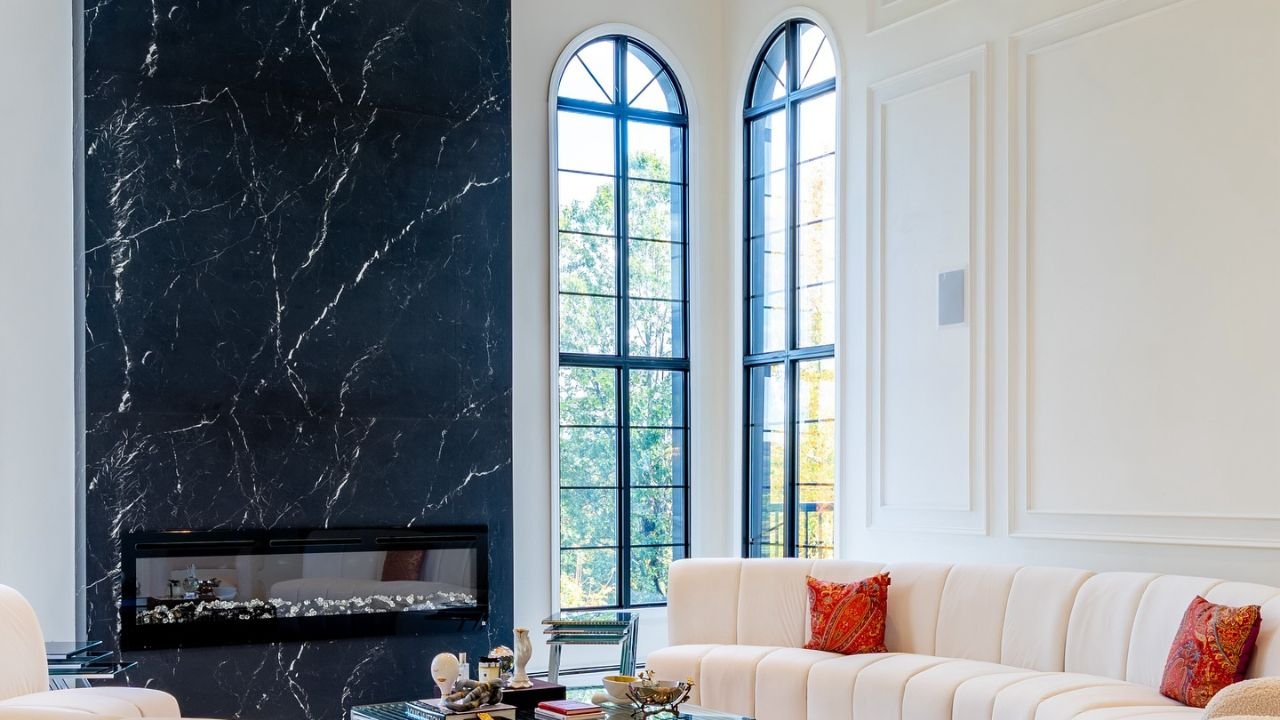
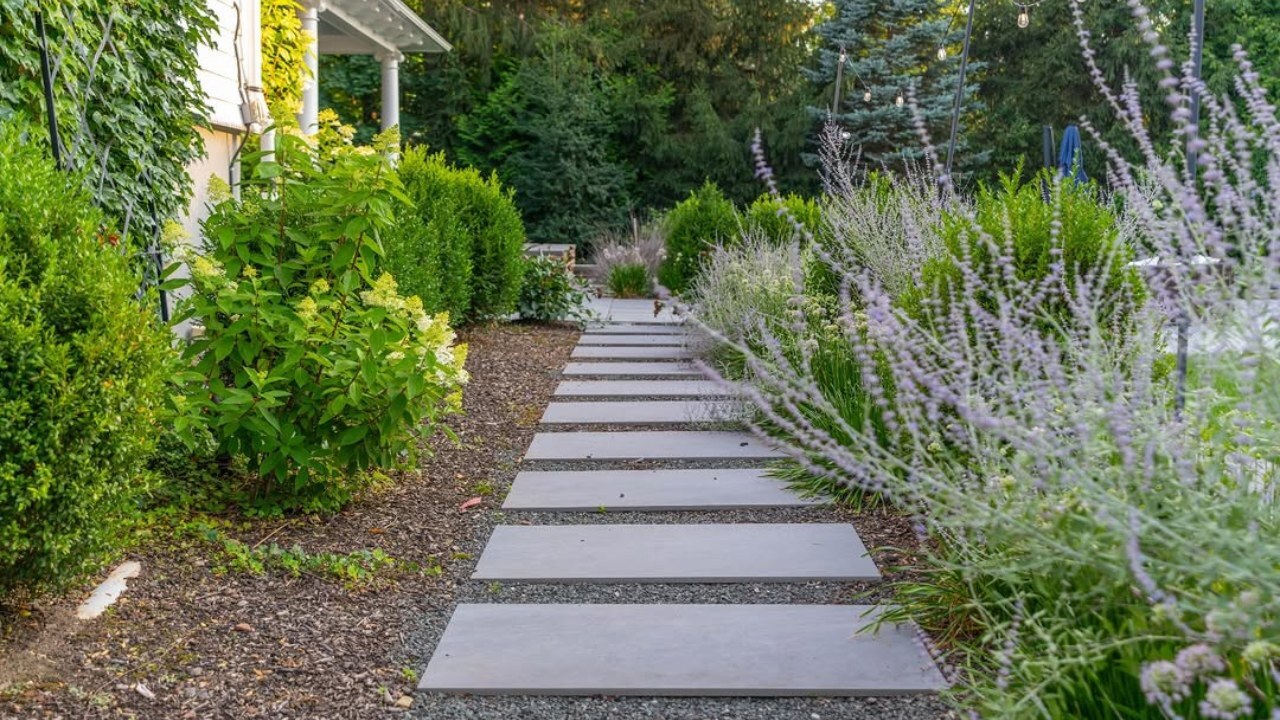
This is one of the best walkway paver ideas that works great with minimalist homes because of its simple geometry. Using large-format porcelain pavers reduces the number of joints and creates a cleaner surface that looks spacious and refined. Soft gray, ivory, and charcoal finishes complement contemporary architecture while maintaining a timeless appearance.
The best pattern for this walkway idea includes linear running bond or stacked layout. It is also well suited to modern, contemporary, and transitional styles.
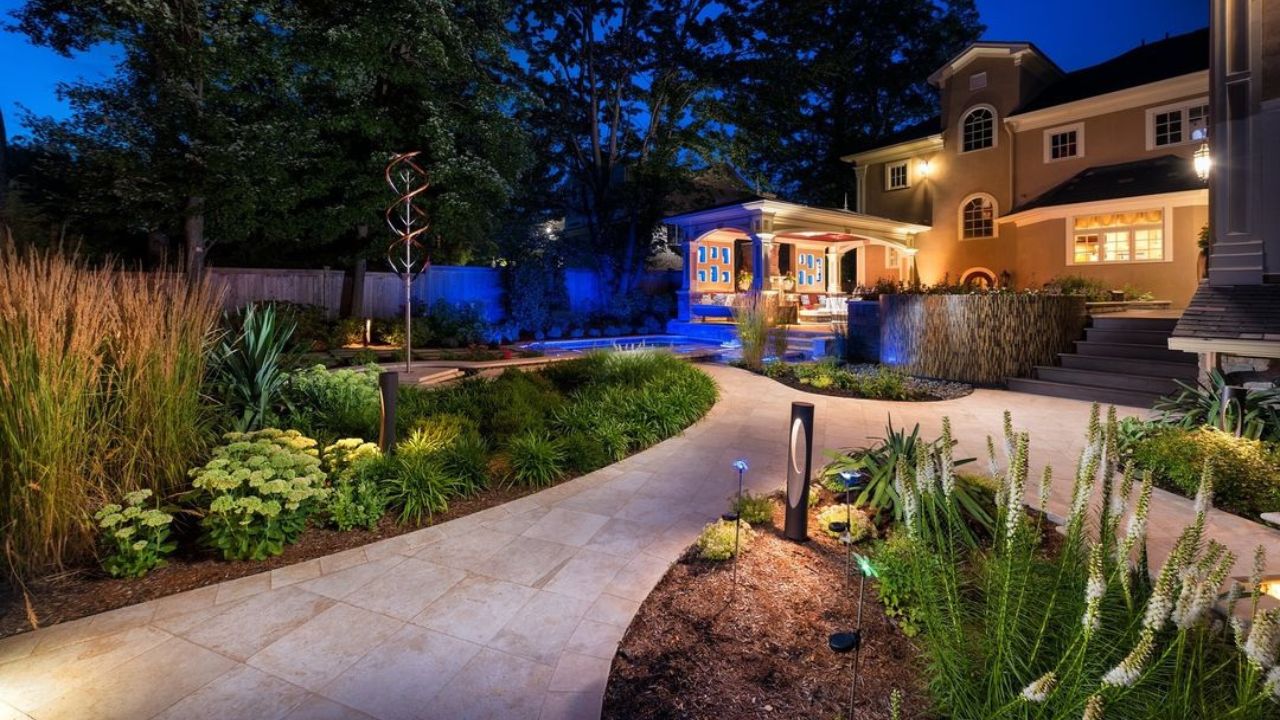
The design features fewer joints, creating visual continuity. Porcelain also resists stains, fading, moisture, and freeze-thaw cycles. This makes it one of the lowest-maintenance paving materials available today. Many homeowners choose porcelain when they want luxury without ongoing upkeep.
2. Frame Your Entrance with Natural Bluestone
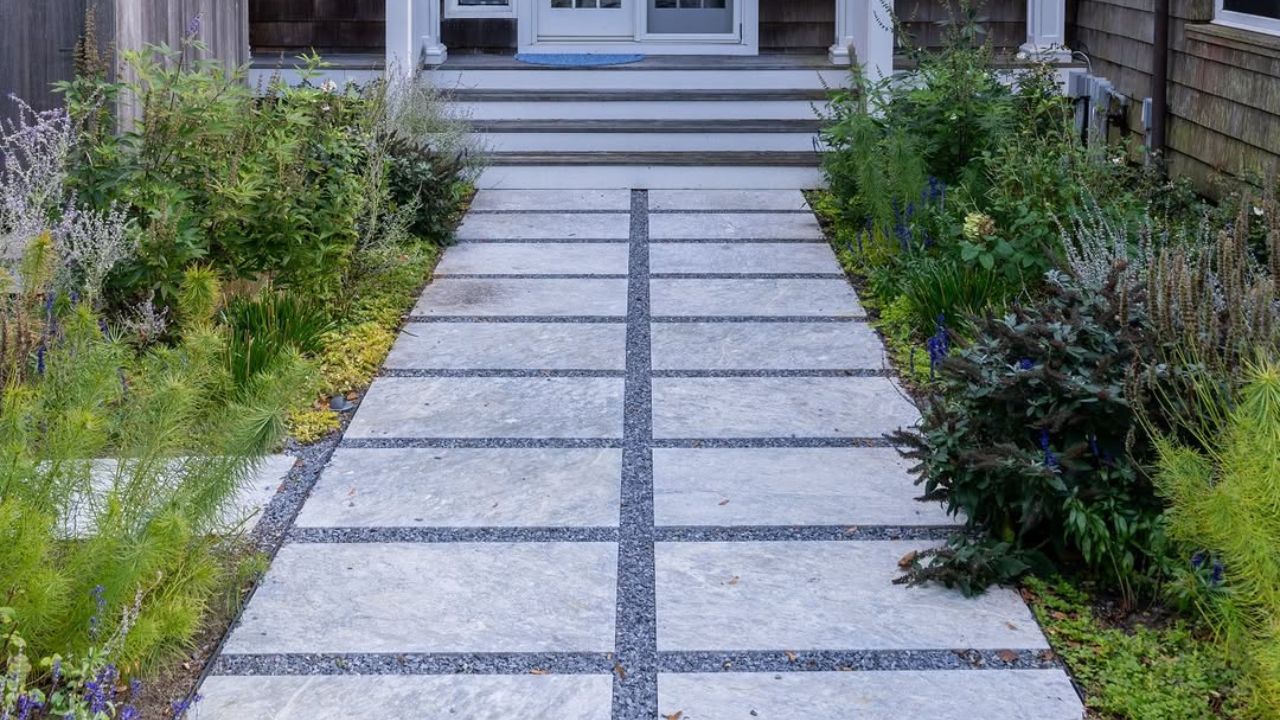
Bluestone is one of the most trusted natural stones for residential walkways. The blue-gray color naturally complements green landscapes, brick homes, and traditional architecture.
This outdoor space design idea works great with a random ashlar pattern. It is well suited to colonial, craftsman, and farmhouse styles. Thermal-finished bluestone offers excellent traction while preserving its natural texture. The slight color variation gives every walkway a unique appearance without looking busy.
3. Use Gentle Curves to Add Movement
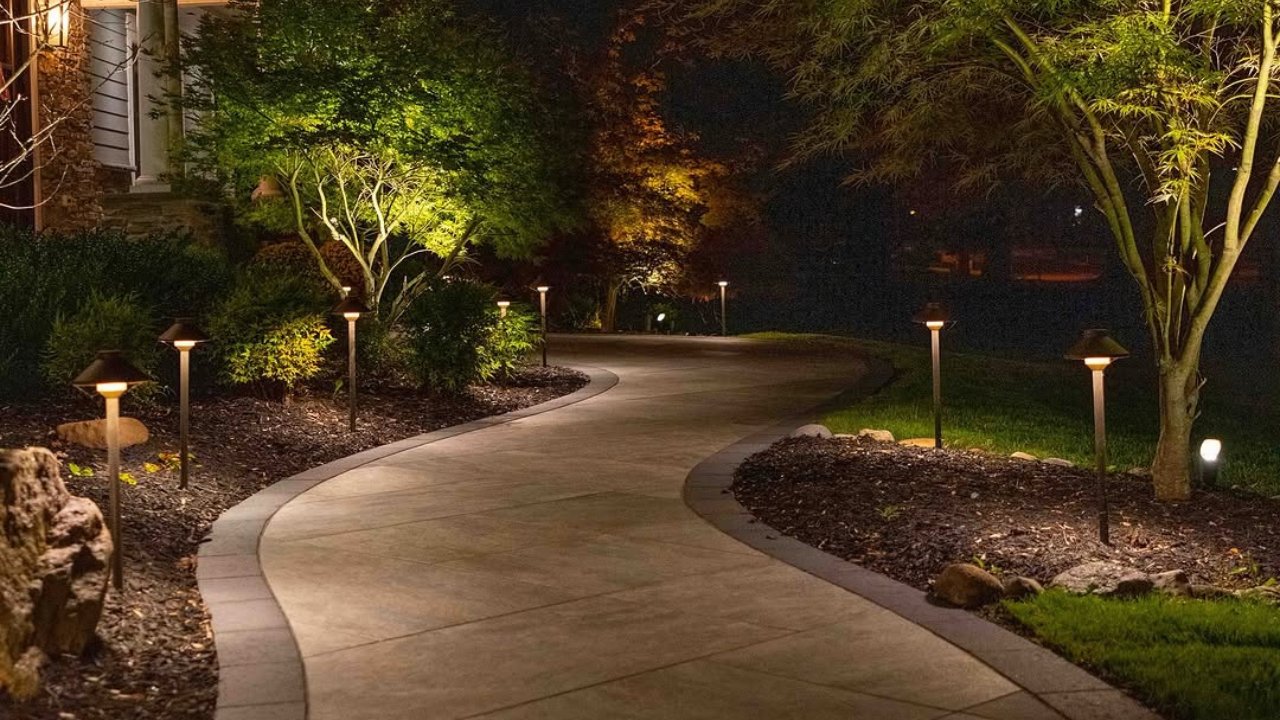
Straight walkways look great, but curved ones create an experience. This is one of the best walkway paver ideas that adds subtle movement in your landscape design. Opt for a gentle curve as it will slow the eye and let the garden, lighting, and landscape features become part of the arrival.
Curved paths with concrete pavers or cobblestone create a stunning classic look. They work especially well when the front yard is wide, and landscape beds surround the entrance. They also work great when the home is situated farther from the street.
Avoid sharp bends, as broad curves create a more natural flow and improve the overall appearance of the walkway. Opt for a broad curve for a natural and improved visual flow.
4. Brighten the Landscape with Travertine
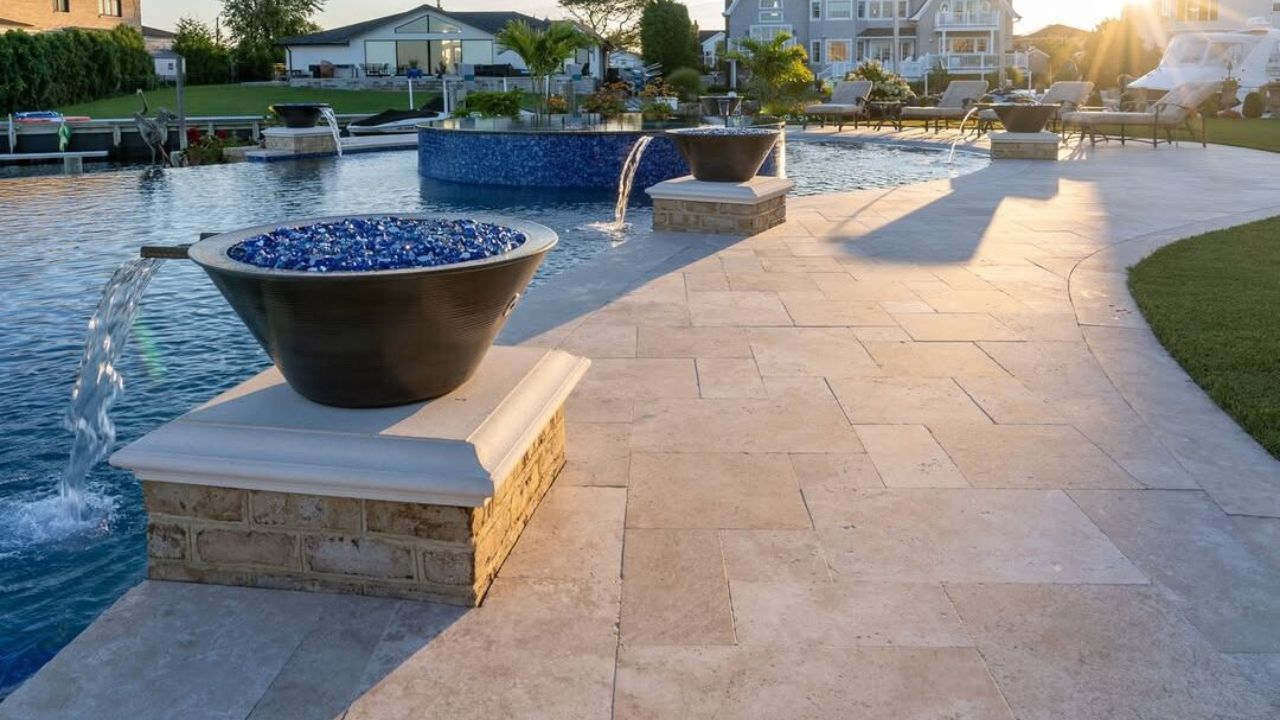
Travertine is popular for its warm color palette. It creates a warm and welcoming surface that few hardscape materials can match.
Its ivory, cream, and light beige colors soften the appearance of hardscape while reflecting sunlight better than darker stones. These stone walkway pavers look great with a French pattern.
Travertine walkway is ideal for Mediterranean, coastal, and luxury residences. This paver walkway is also ideal for warm climates because they stay cooler underfoot during summer. It is also an excellent choice for homes where walkways connect patios or pool areas.
5. Combine Borders and Center Panels for a Custom Look
This is one of those walkway paver ideas where you can combine complementary stones throughout the entire walkway. For example, combine a granite border with porcelain centers or bluestone edging around limestone. Charcoal porcelain framing the light porcelain also creates a beautiful border effect. Borders define the walkway and create a finished appearance without overwhelming the design.
This simple paver design approach has become increasingly popular. It allows homeowners to introduce contrast while maintaining a cohesive landscape.
6. Choose Classic Running Bond Patterns
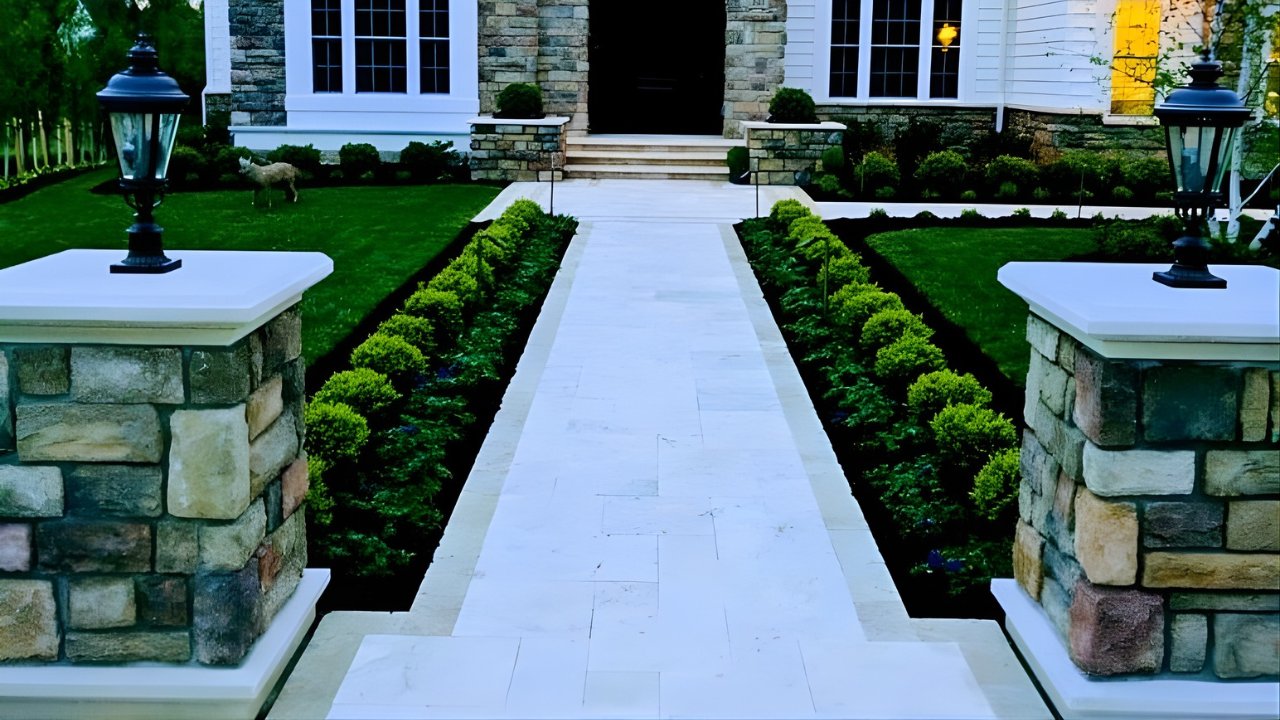
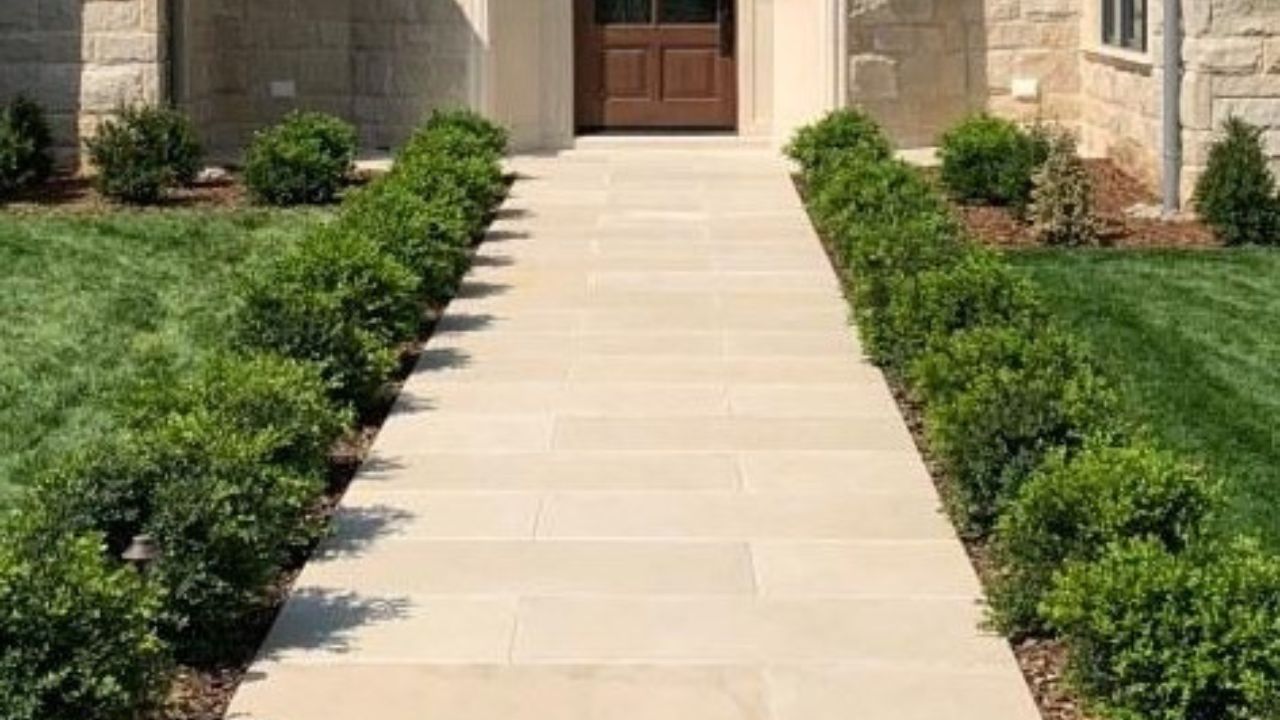
Some walkway designs stay popular because of their simplicity. Running bond patterns have guided visitors to homes for centuries. Each row is offset from the previous row, creating steady visual movement that naturally guides visitors toward the entrance.
Homeowners continue choosing this pattern because it is easy to install and wastes minimal material. It is well suited for nearly every architectural style, and it is easy to repair if individual pavers require replacement. If resale value is important, running bond remains one of the safest choices.
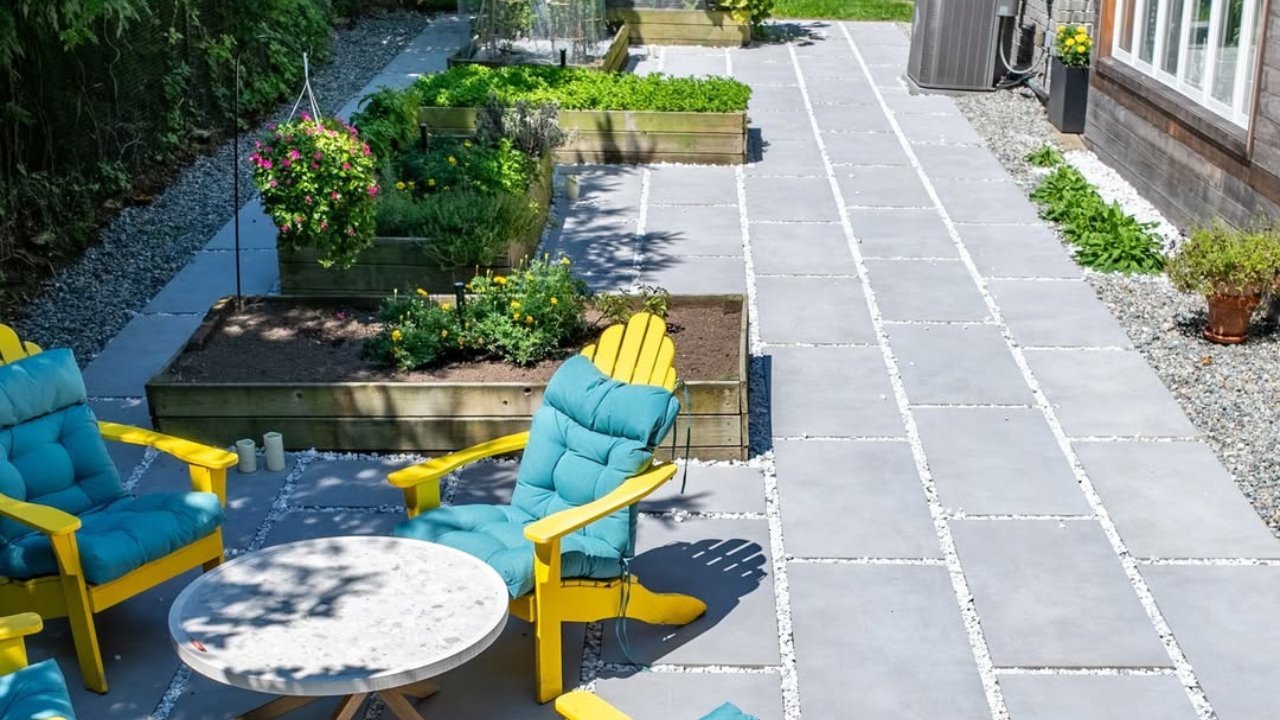
7. Blend Stepping Stones with Decorative Gravel
You don’t have to add continuous paving for every walkway. Large garden stepping stones surrounded by decorative gravel create a relaxed landscape that feels organic rather than formal.
Popular gravel options include:
- River rock
- Crushed granite
- Pea gravel
- White decorative stone
Walkway with pavers and gravel also improves drainage by letting the rainwater pass between the stones. It works especially well in cottage gardens and natural landscapes.
8. Extend Outdoor Living with Walkway Lighting
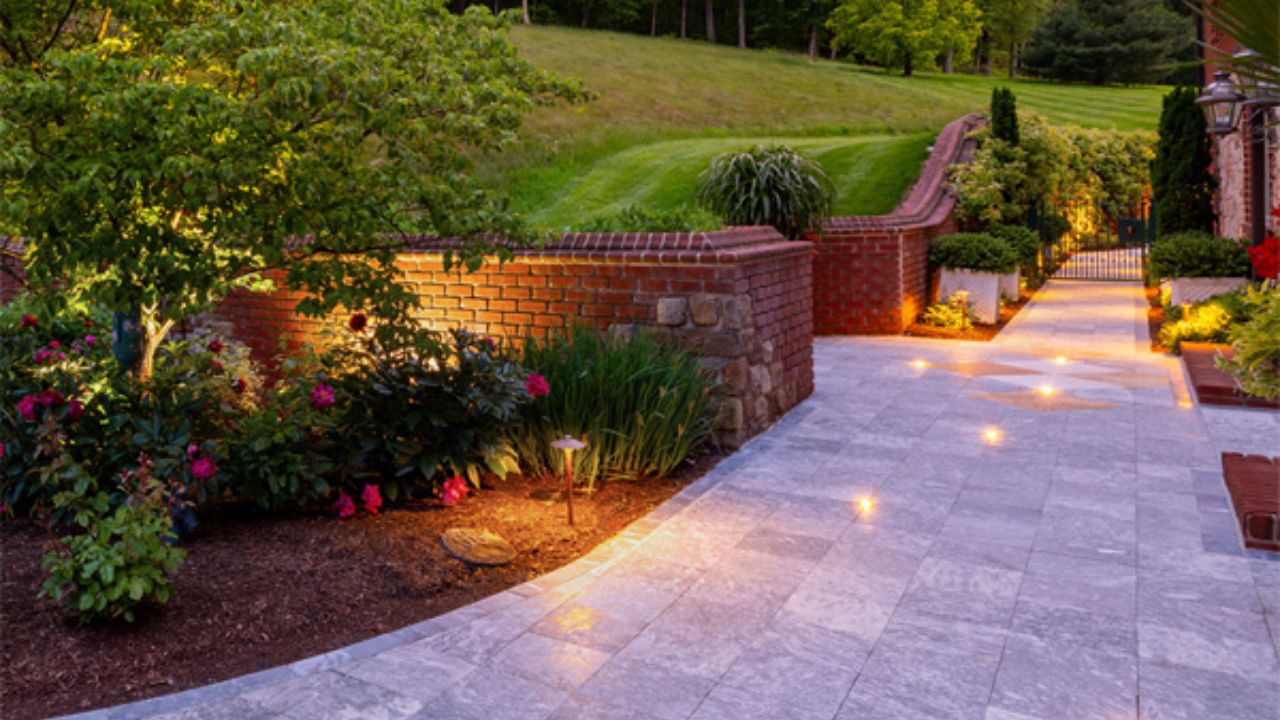
This is one of those walkway paver ideas where you add functionality with aesthetics as well. Lighting changes how a walkway functions after sunset. Using low-voltage LED fixtures improves safety while lighting the texture of natural stone.
Rather than installing bright fixtures, designers now favor subtle lighting that softly washes across the pavers. Good lighting also makes homes feel more welcoming during evening hours.
Lighting pairs especially well with porcelain, bluestone, and granite because textured surfaces catch light beautifully.
9. Add Contrast with Two-Tone Paver Designs
You don’t have to opt for matching all the elements. However, contrast creates definition. Instead of relying on decorative patterns alone, use different colors to frame the walkway. Popular combinations include:
| Main Surface | Border |
| Light porcelain | Charcoal porcelain |
| Travertine | Granite |
| Limestone | Bluestone |
| Sandstone | Dark granite |
This approach helps the walkway stand out while connecting naturally with driveways and patio.
10. Make a Statement with Modular Geometric Layouts
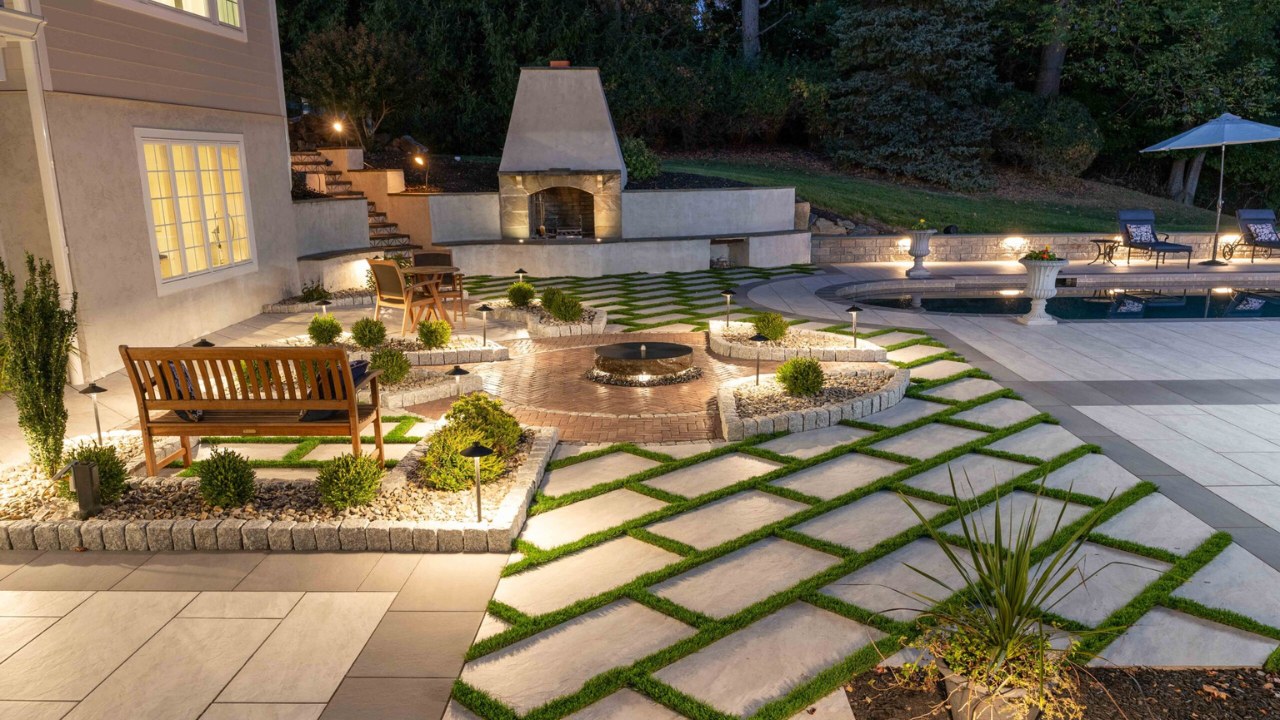
This walkway paver idea can help you create a statement look. Using large modular pavers can create visual interest without excessive ornamentation. Ashlar layouts combine multiple sizes into one repeating pattern, giving the walkway depth while maintaining order.
Modern geometric layouts continue to grow in popularity because they balance clean lines with natural variation. When paired with premium materials, the result feels sophisticated without appearing overly designed.
Natural Stone Comparison: Which Material Fits Your Walkway Best?
Selecting the right material can have a deeper impact on the long-term performance than choosing the paver patterns alone. Here is a comparison of different natural stones.
| Material | Durability | Maintenance | Slip Resistance | Best Design Style | Ideal Use |
| Granite | Excellent | Very Low | Excellent | Luxury, Contemporary | High-traffic entrances |
| Bluestone | Excellent | Low | Excellent (thermal finish) | Traditional, Rustic | Front walkways |
| Travertine | Very Good | Moderate | Very Good (tumbled finish) | Mediterranean, Coastal | Warm-toned landscapes |
| Limestone | Very Good | Moderate | Good | Classic, Transitional | Elegant front gardens |
| Sandstone | Good | Moderate | Good | Natural, Cottage | Informal walkways |
Natural stone materials such as sandstone pavers, granite pavers, travertine pavers, limestone pavers, and marble pavers each offer unique strengths, but the best choice depends on your climate, foot traffic, and architectural style. Your selected material should match your local climate, the amount of foot traffic, and your home’s architectural style. At NT Pavers, material selection always begins with these practical considerations rather than appearance alone. That approach helps homeowners invest in a walkway that performs as well as it looks.
How to Choose the Right Paver Walkway?
Choosing the right paver walkway goes beyond appearance. The best material should complement your home’s architectural style while meeting your practical needs. Before making a decision, consider these factors:
- Home Style: Modern homes pair well with large-format porcelain, while traditional homes often suit bluestone or limestone.
- Climate: In regions with freeze-thaw cycles, choose dense materials like porcelain or granite for better durability.
- Foot Traffic: High-traffic walkways benefit from durable materials with excellent wear resistance, such as granite or porcelain.
- Slip Resistance: Select textured or thermal-finished surfaces to improve traction, especially in areas exposed to rain or pool water.
- Maintenance: Porcelain requires minimal maintenance, while some natural stones may need periodic sealing to preserve their appearance.
- Budget: Balance your upfront investment with long-term durability and maintenance costs to choose the best value for your property.
Selecting a material that performs well in your environment helps ensure your walkway remains attractive and functional for years.