
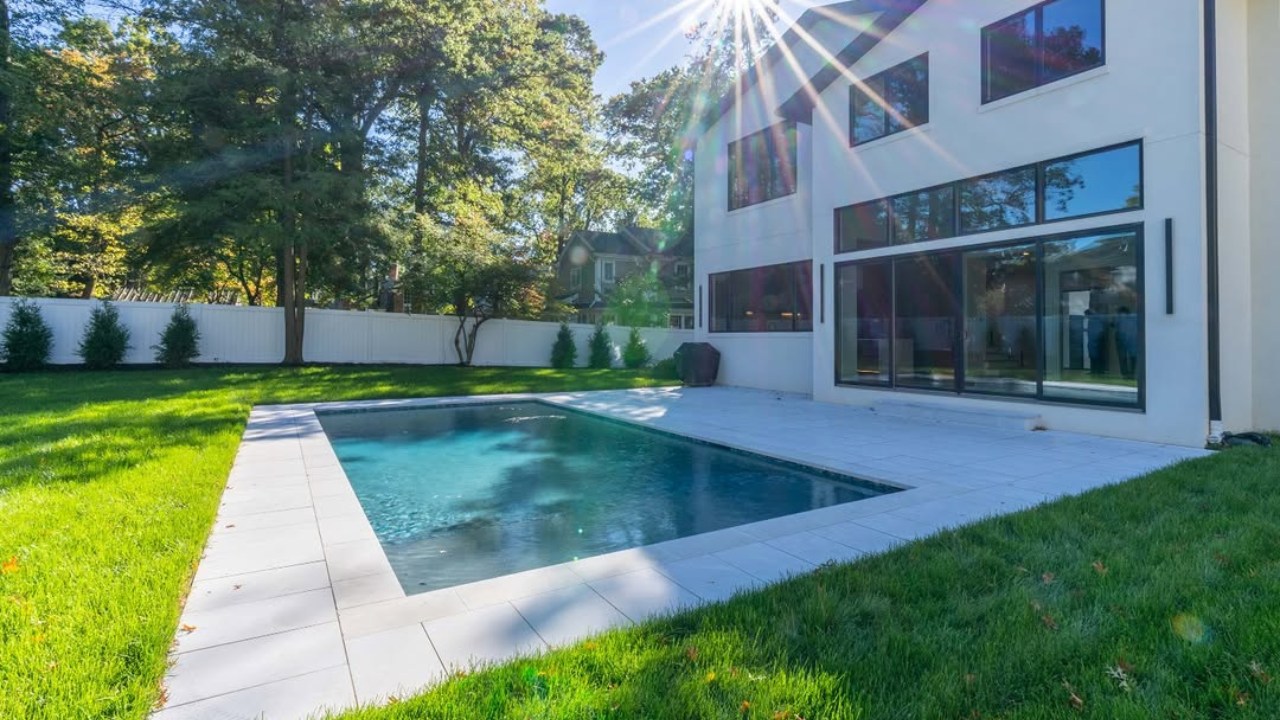
The backyard is one of the most common areas to be used around homes. This is why they need to support rest instead of constant repairs. Many homeowners choose outdoor hardscape materials based on the pricing without knowing how much maintenance they require. Surface cracks, fading colors, stains, and shifts are common when the hardscape material choice is wrong. This is why low-maintenance hardscape design is crucial. They should focus on durability, stability, and predictable aging. It is not about eliminating maintenance.
This guide explains eight hardscape materials that perform well with minimal upkeep.
Porcelain Pavers
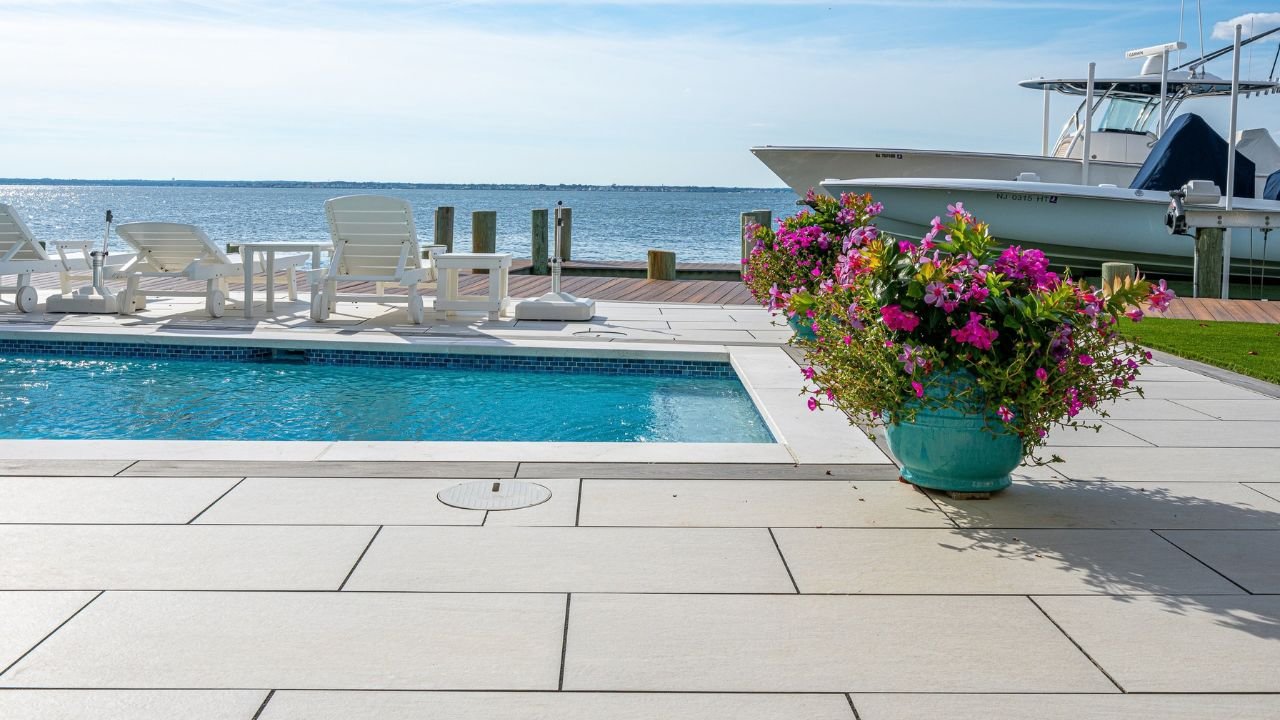
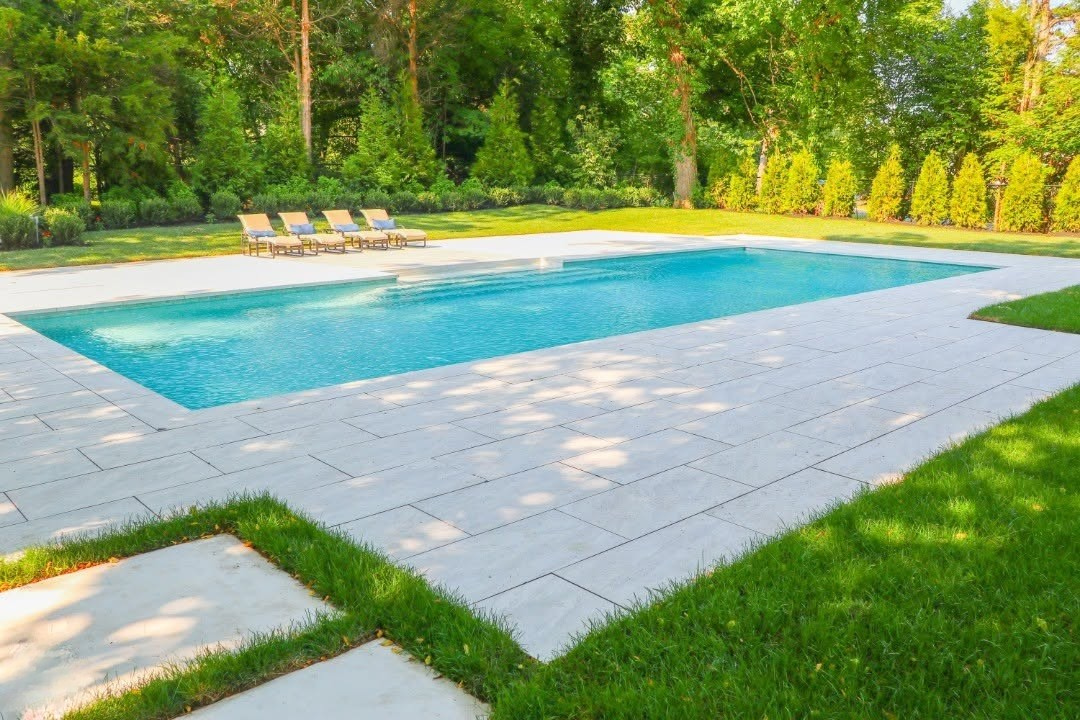
Porcelain pavers are the most popular choice for low-maintenance hardscape materials. It is a synthetic material that is crafted at high temperatures. It is a highly dense and non-porous surface. Water cannot penetrate the pavers and stains cannot settle into the surface, and mold struggles to grow.
Benefits Of Porcelain Pavers
Porcelain pavers can resist Freeze-thaw cycles, UV exposure, and surface wear. It does not need sealing. It does not fade. Cleaning requires water and mild soap.
Porcelain is well-suited for busy patios, pool decks, roof terraces, and walkways. Pedestal paver systems and traditional installations both support it. The slip-resistant surface offers safety in wet areas. If you prefer long-term consistency, then choose porcelain due to its strong performance throughout the year.
Concrete Pavers
Concrete pavers offer a minimalist structural look and predictability. They are another great choice as a low-maintenance hardscape material. These pavers are also manufactured in controlled environments, and they deliver consistent sizing and strength. They distribute weight evenly and resist surface cracking better than poured concrete when installed correctly. Modern concrete paving slabs feature color-integrated mixes that slow down the fading. They are also best suited for Driveways, walkways, and structured patios.
Benefits Of Concrete Pavers
Textured surfaces improve slip resistance. Interlocking systems allow individual replacement if damage occurs. Once they are sealed, the staining and surface wear are reduced. Resealing every few years protects color and surface integrity. They offer a clean look with manageable maintenance.
Natural Stone Pavers
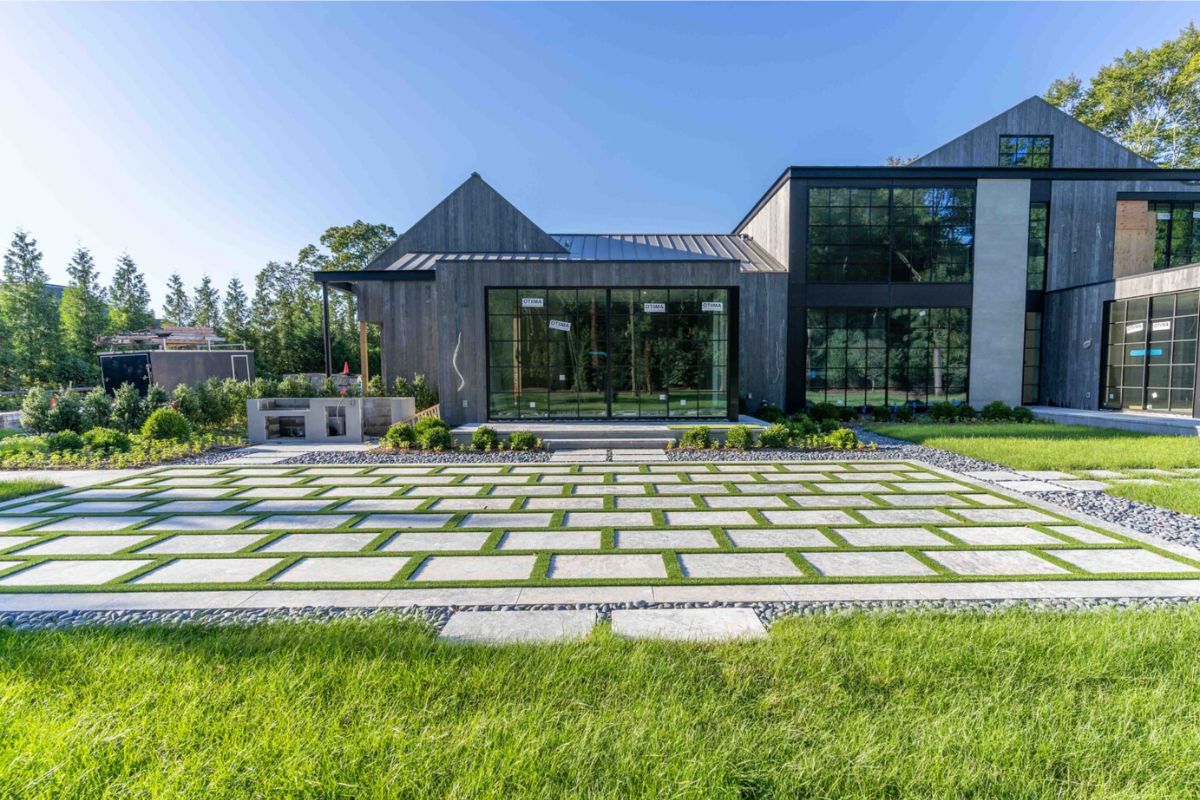
Natural stone pavers offer an authentic natural look and feel to the backyards. Natural stones are formed through varying geological pressure and are not manufactured. Each piece is different with distinct veining patterns, textures, and colors. This makes a truly excellent choice to create a unique outdoor look. Different variation in stone patterns hides wear and blend aging into the landscape.
Benefits Of Natural Stone Pavers
Stone pavers perform well outdoors because they adapt to the outdoor temperature shifts. Also, they naturally have a resistance surface against breakdowns if installed on a proper base and maintained correctly. While sealing the surface, it is still not recommended for many stone pavers. They are well-suited for long-lasting patios, garden paths, and outdoor seating areas.
At NT Pavers, homeowners often choose natural stone when they want durability with visual depth. The stone does not try to look perfect. It looks real.
Granite Pavers
Granite is one of the most rigid natural materials for outdoor projects. This natural stone offers a dense surface that is resistant to stains, scratches, and moisture absorption. The stone requires very little maintenance once it is properly installed and sealed. They are the perfect choice for high-traffic patios, steps, and outdoor kitchens in several types of granite.
Benefits Of Granite Pavers
Absolute Black Granite is another great low-maintenance backyard hardcape material that withstands harsh temperatures and heavy foot traffic. It rarely chips or cracks under normal residential use. The surface often maintains its shine with proper granite polish.
Granite hough requires sealing, but depending on the area of installation, it is not frequent. But sealing improves stain resistance in dining areas and kitchen countertops. Cleaning remains simple and infrequent. If you want durability more than beauty, then granite slabs are an ideal backyard hardscape material.
Bluestone
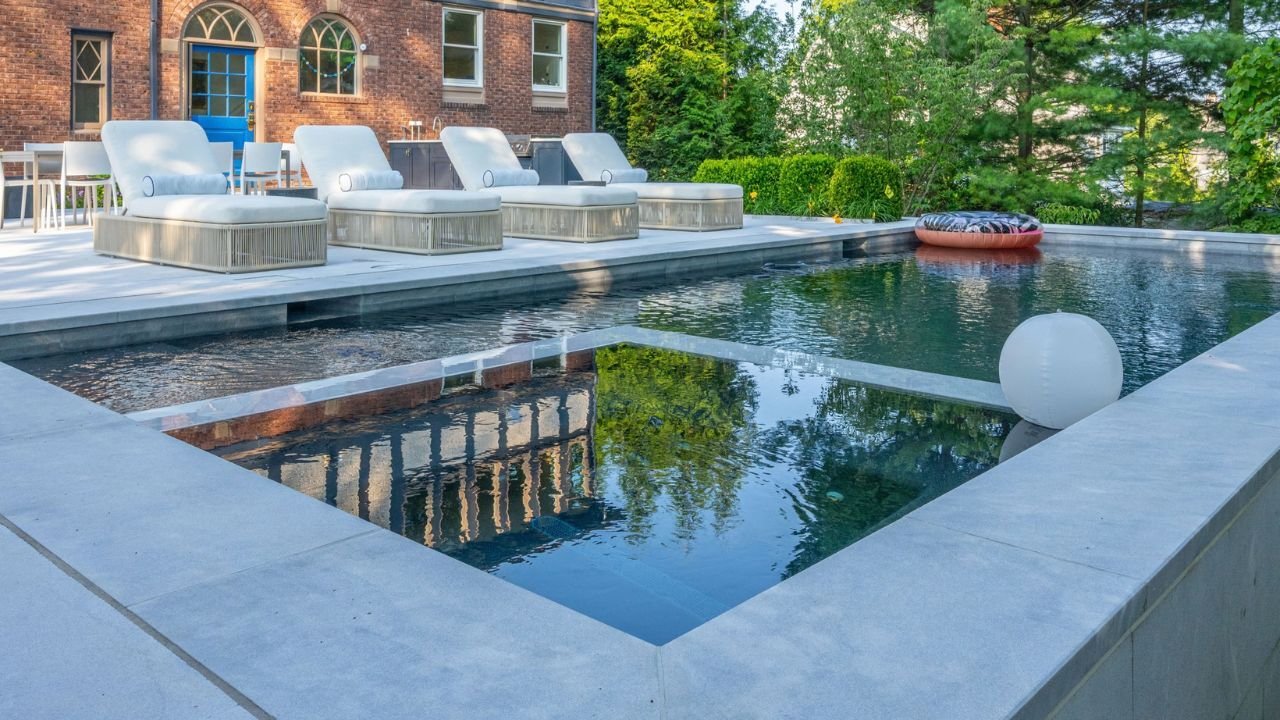
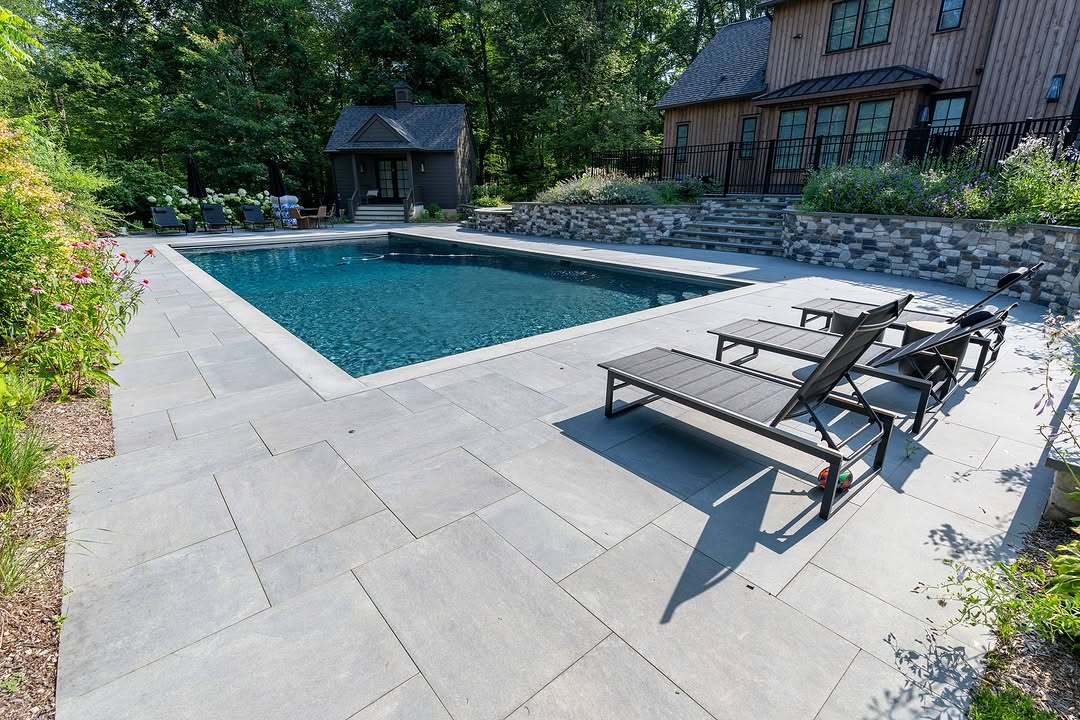
If you like a balance between strength and texture for backyard hardscape materials, then bluestone is a good option. It is largely quarried in North America and features a naturally slip-resistant surface. Due to its density, it performs well in freeze-thaw cycles when installed correctly. It is mostly used in patios, walkways, and pool surrounds.
Benefits Of Bluestone Pavers
Bluestone becomes a low-maintenance backyard hardscape material when sealed properly. It can withstand water absorption and surface staining. Even without sealing, it develops a natural patina that many homeowners appreciate. Routine sweeping and seasonal rinsing keep bluestone functional and attractive.
Limestone
Limestone features a light and softer color pellet, which creates a calm appearance. The light tones reflect heat, so smaller backyards can enjoy a spacious feel. Also, the reflective surface stays comfortable during warm months. Limestone cuts cleanly and installs evenly, which improves long-term stability. They are best suited for courtyards, shaded patios, and low-traffic areas.
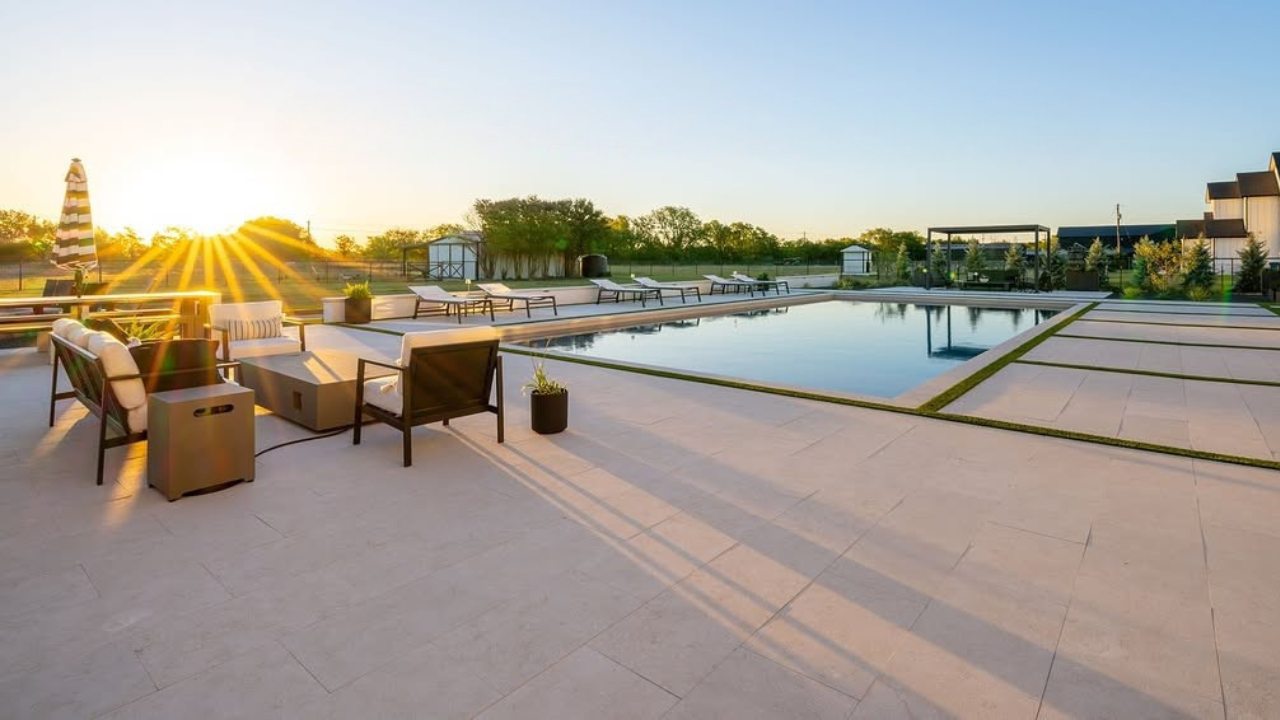
Benefits Of Limestone
Limestone pavers absorb moisture more than granite or porcelain. This is why it requires sealing regularly. It requires moderate maintenance. Once it is sealed, it can resist surface wear and maintain color consistency.
Homeowners who want a relaxed, natural look often choose limestone and accept light maintenance as part of ownership.
Travertine
Travertine is a popular backyard patio material. It performs well in outdoor environments with high-quality variants. The stone is formed through mineral deposits, which create a porous but durable structure. Filled and honed travertine reduces surface voids and improves durability. They are widely used in pool decks, relaxation areas, and wand arm climates.
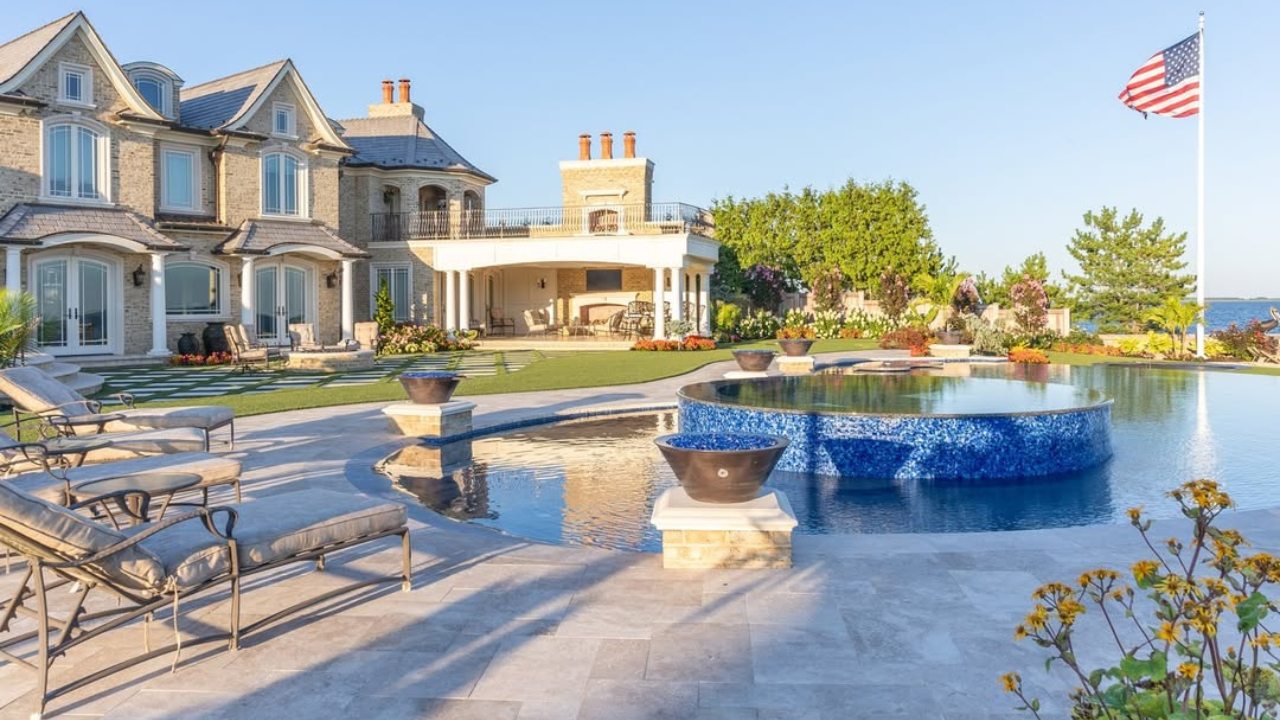
Benefits Of Travertine
Travertine pavers stay cool under direct sun exposure. This is why they are popular for pool decks. Sealing protects against water intrusion and staining. When maintained correctly, travertine offers long-term performance with minimal maintenance requirements.
Gravel and Permeable Aggregate Systems
Gravel is another low-maintenance backyard material that offers great functionality. The proper installation includes edging, base layers, and drainage fabric. The system offers great drainage benefits for backyards and patios. The water runs through the surface, which reduces runoff and pooling. It is widely used in garden paths, secondary seating areas, and drainage zones.
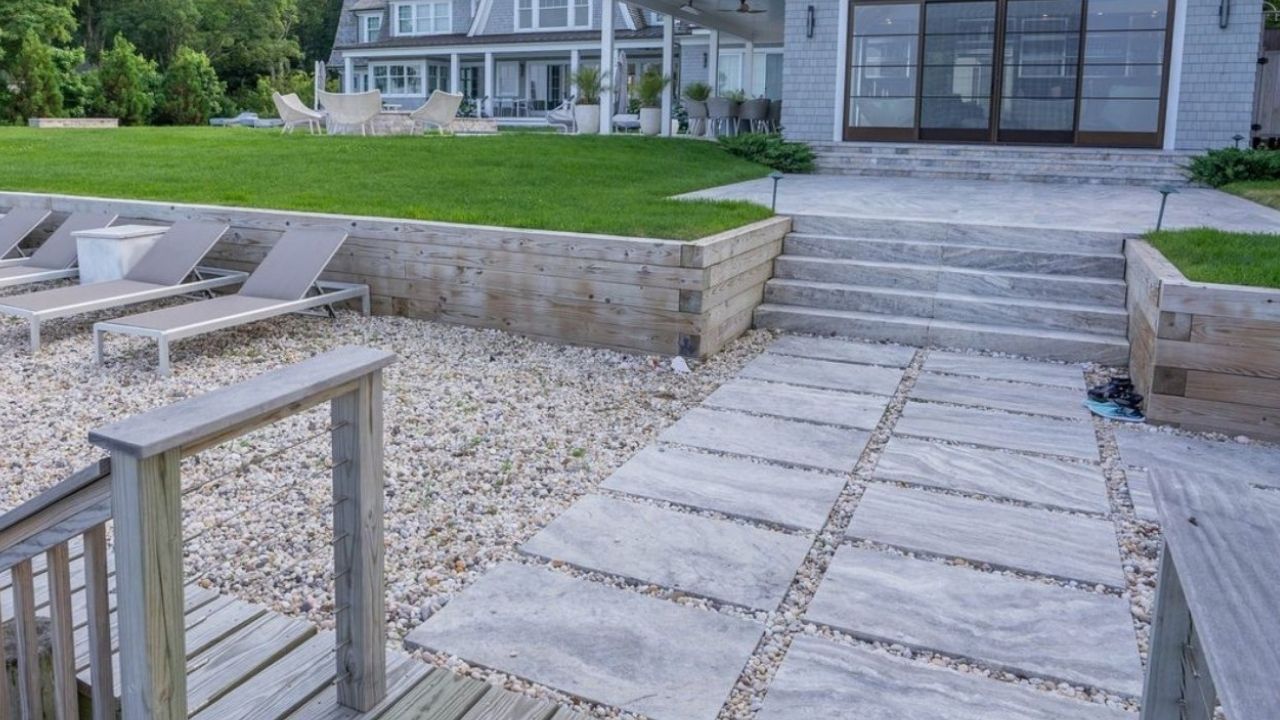
Benefits Of Gravel
Gravel does not crack or stain, unlike concrete or some stone pavers, over time and stress. However, it shifts slightly over time, but the ranking restores its level. Occasional top-ups replace displaced material. It is ideal for homeowners who prioritize drainage and flexibility. Gravel remains a low-cost, low-maintenance solution.
How to Choose the Right Low-Maintenance Hardscape Materials
While porcelain is the all-around material for most backyards or patios, the upfront cost is a big hurdle in choosing it. However, it is not always about hardscape materials; installation quality matters too. Many backyard simple paver patio ideas succeed because of proper base preparation rather than expensive materials. Even the most durable hardscape materials will fail without correct grading and drainage. Low maintenance will always start under the surface, not just on it.
| Decision Factor | What to Look For | Why It Matters | Best-Fit Material Examples |
| Traffic Level | Dense, hard surfaces | High foot traffic increases surface wear and edge breakdown | Porcelain pavers, granite, and concrete pavers |
| Moisture Exposure | Slip-resistant textures | Wet surfaces increase safety risks and algae growth | Porcelain pavers, bluestone, textured concrete |
| Climate Conditions | Freeze-thaw resistance | Water expansion causes cracking in cold climates | Porcelain pavers, granite, and bluestone |
| Sun vs. Shade | Low water absorption | Shaded areas retain moisture and promote staining | Porcelain pavers, granite |
| Maintenance Preference | No sealing required | Reduces long-term labor and upkeep costs | Porcelain pavers, gravel systems |
| Willingness to Seal | Seal-friendly stone | Sealing improves stain and moisture resistance | Limestone, travertine, bluestone |
| Drainage Needs | Permeable systems | Proper drainage prevents pooling and surface failure | Gravel, permeable paver systems |
| Installation Quality | Proper base preparation | Poor foundations cause shifting and cracking | All materials depend on t |
FAQs About Low-Maintenance Backyard Materials
Let’s answer your questions about materials for low maintenance backyard.
What is the lowest maintenance hardscape material?
Porcelain pavers. They require minimal maintenance without sealing, resist stains, and handle weather exposure well.
Do natural stone patios require a lot of upkeep?
Yes. Most natural stone patios need minimal upkeep when appropriately sealed. Regular sweeping and occasional rinsing are usually enough.
Are concrete pavers low maintenance?
Yes. But concrete pavers require sealing to become a low-maintenance material. Individual pavers can be replaced if damaged.
Which hardscape material lasts the longest?
Granite and porcelain pavers last the longest due to density, strength, and resistance to environmental damage.
Is gravel considered low maintenance?
Gravel requires little cleaning but needs occasional leveling and material replacement.
Bottom Line
Low maintenance backyard starts with an informed decision. This part of the house should offer maximum functionality rather than just aesthetics. Choosing hardscape materials that require little upkeep will help you achieve your desired hardscape ideas. While selecting materials, durability reduces repair cycles, stable surfaces reduce frustration, and predictable aging supports long-term satisfaction. These hardscape materials will perform well if you choose according to your climate and performance preference. When homeowners prioritize long-term performance over short-term trends, the backyard becomes a place to enjoy, not manage