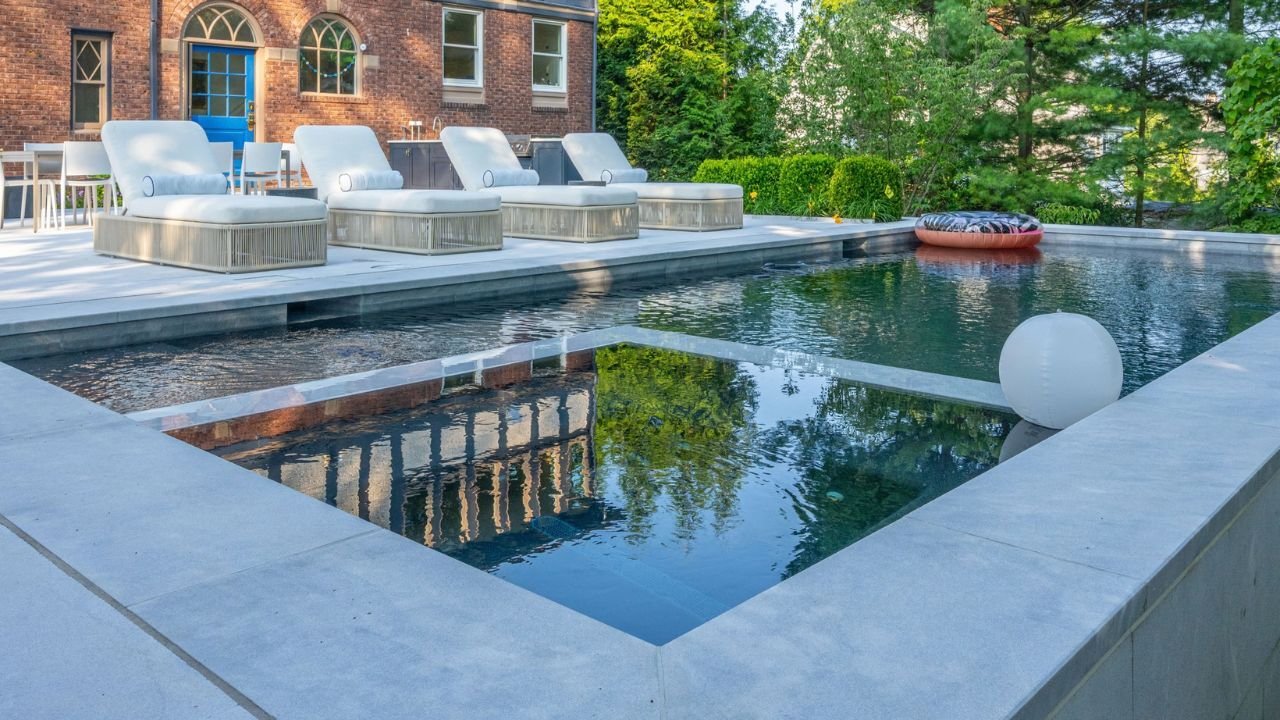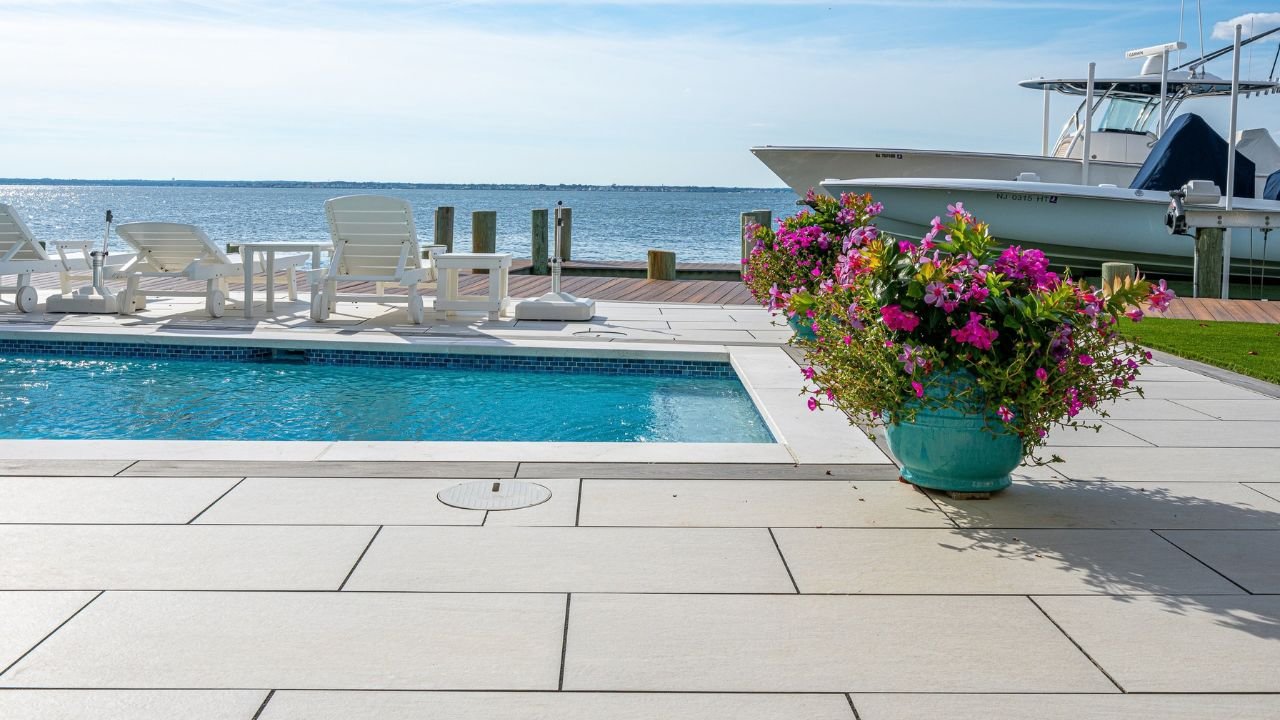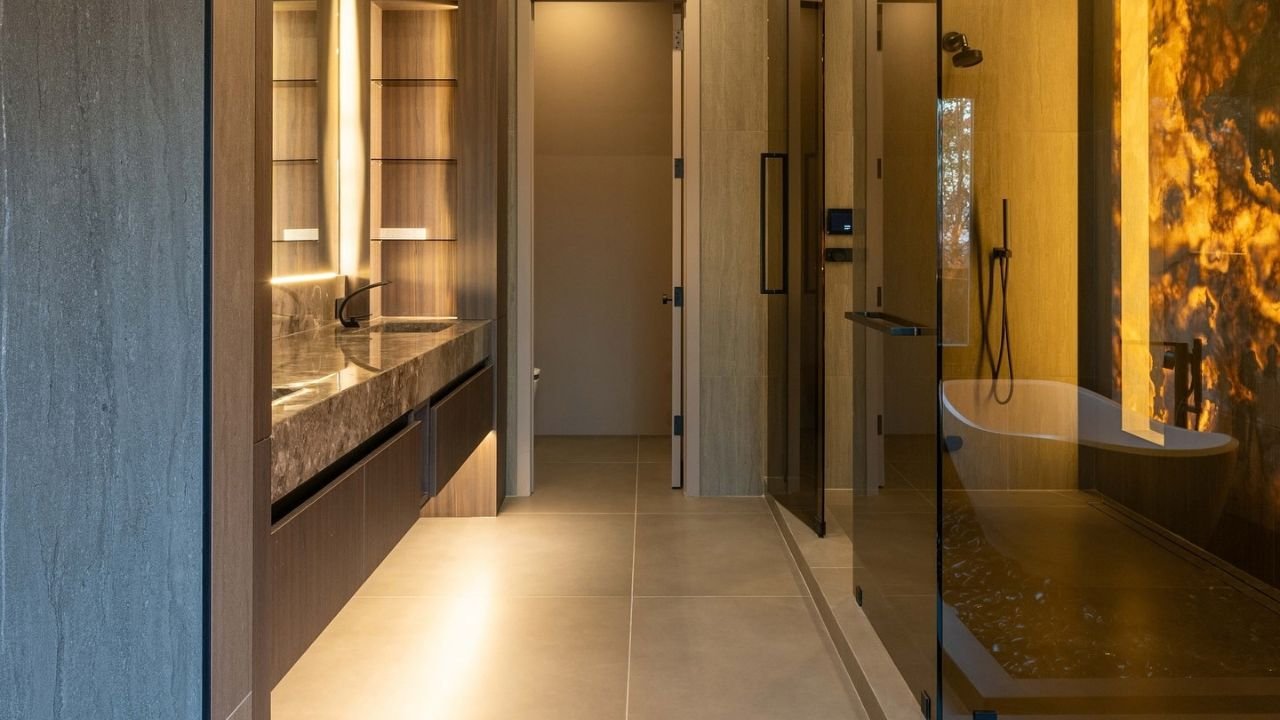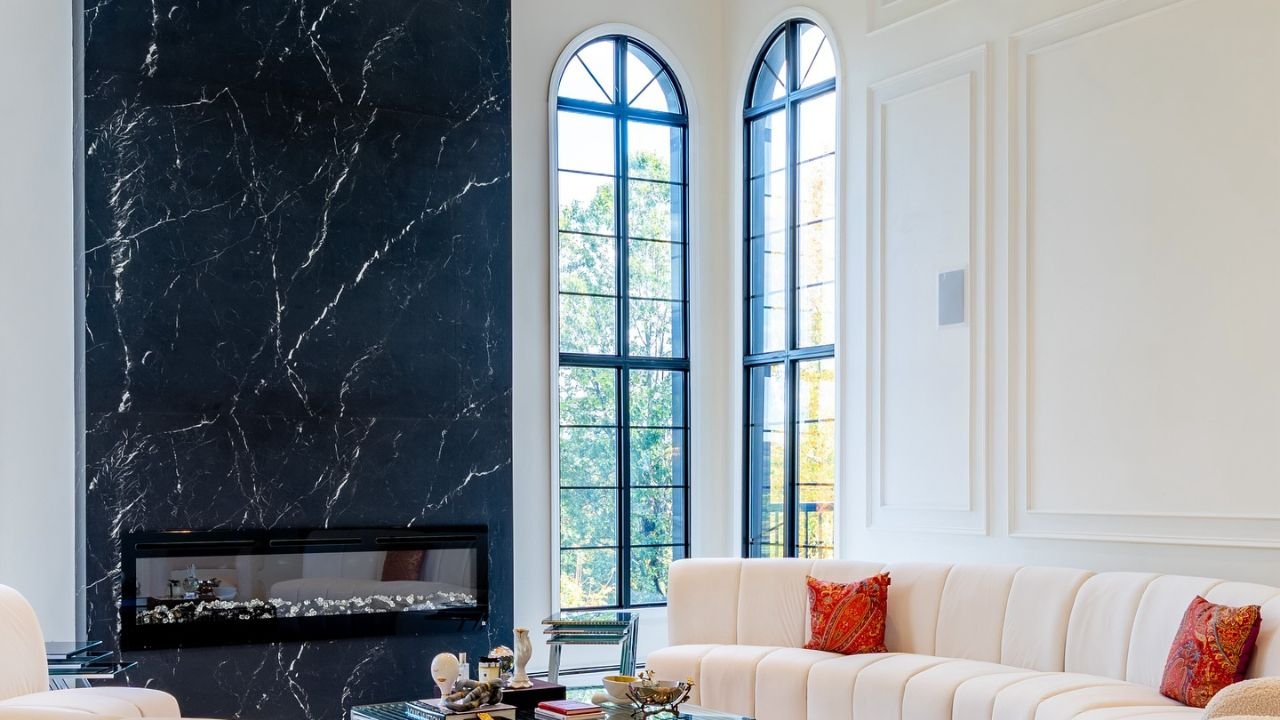

Outdoor surfaces are often overlooked when designing your home, but they can do more than connect spaces. They determine how a yard will look and function. A thoughtful layout improves both long-term performance and appearance. This is why a clear paver patterns guide is crucial for homeowners. This will help them understand how design choices affect driveways, patios, walkways, and pool decks.
Not all patio paver patterns are the same. Some distribute weight in different ways, while some lock pavers together and resist shifting under pressure. Some emphasize symmetry and architectural style. When homeowners plan a hardscape project, the pattern becomes as important as the material itself. Continue reading the following paver patterns guide to learn about the pattern type and how to choose the right one.
Common Paver Patterns Homeowners Should Know
Our practical paver patterns guide will introduce the most commonly used layout for residential hardscape projects from backyard, to patio, and walkway. Each pattern features a balance between visual design and structural strength.
1. Running Bond Pattern
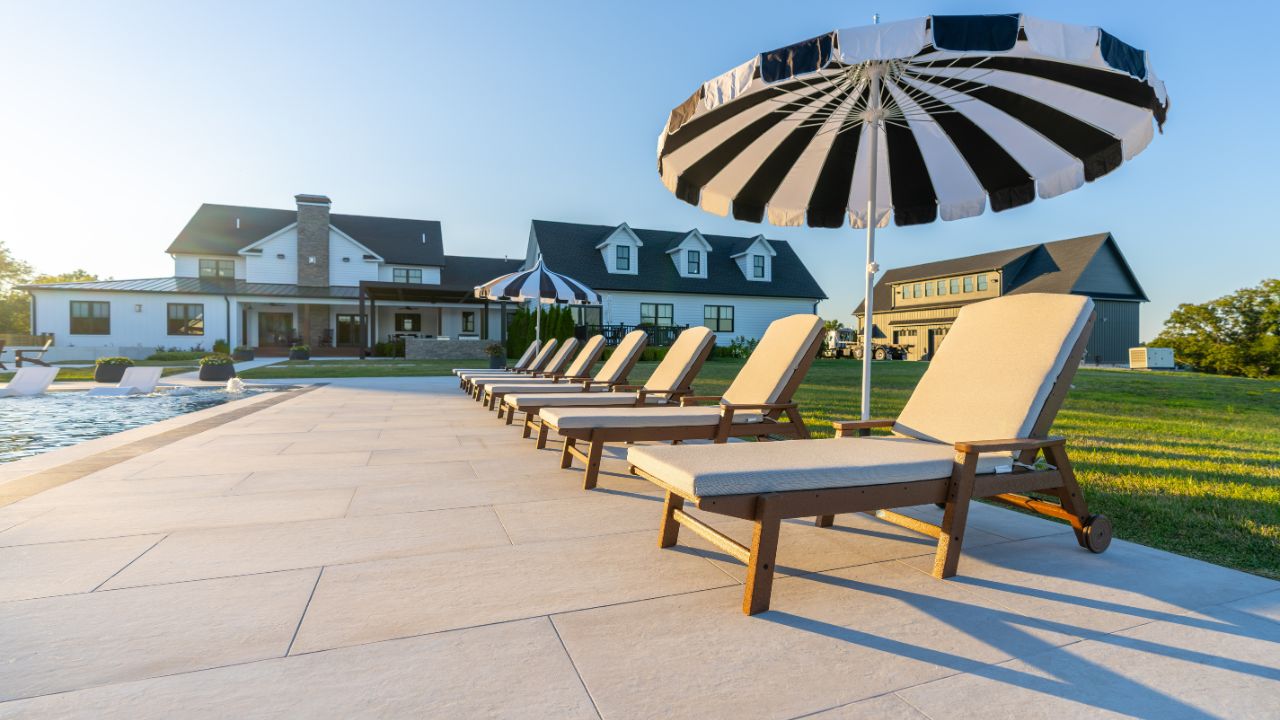
The running bond pattern places rectangular pavers like 20×40 and 24×48 pavers in staggered rows. Each paver is placed halfway over the joint below it. This pattern is widely available in many paver structures and remains one of the simplest layouts to install.
Benefits Of Running Bond Pattern:
The pattern looks clean and structured. The installation process is efficient, and it works well with narrow walkways and patios. The best application of the running bond pattern includes patios and paths where heavy loads are not a concern. Within a Paver Patterns guide, this pattern often serves as the starting point for beginners.
2. Herringbone Pattern
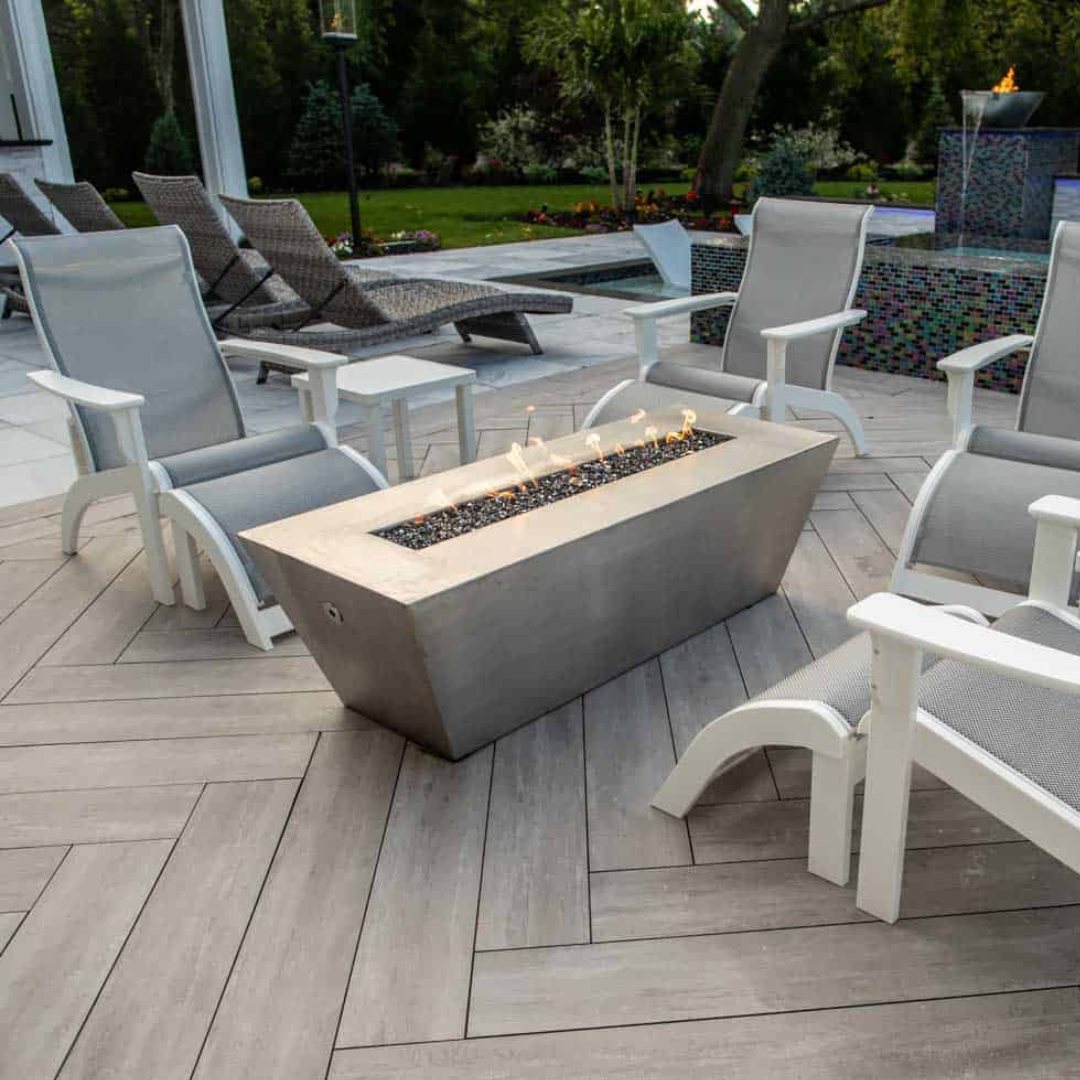
In this pattern, the pavers are arranged in a zigzag structure where each unit meets another at a right angle. The paver patterns may run at 45 or 90 degrees. This design creates one of the strongest interlocking systems in hardscape construction.
Why Professionals Recommend the Herringbone Pattern?
The herringbone pattern is strongly resistant to shifting and offers great load distribution. It also provides reliable performance for driveways. The herringbone is almost always highlighted for driveways and high-traffic surfaces in the paver patterns guide. This is how they lay pavers, which prevents lateral movement.
3. Basketweave Pattern
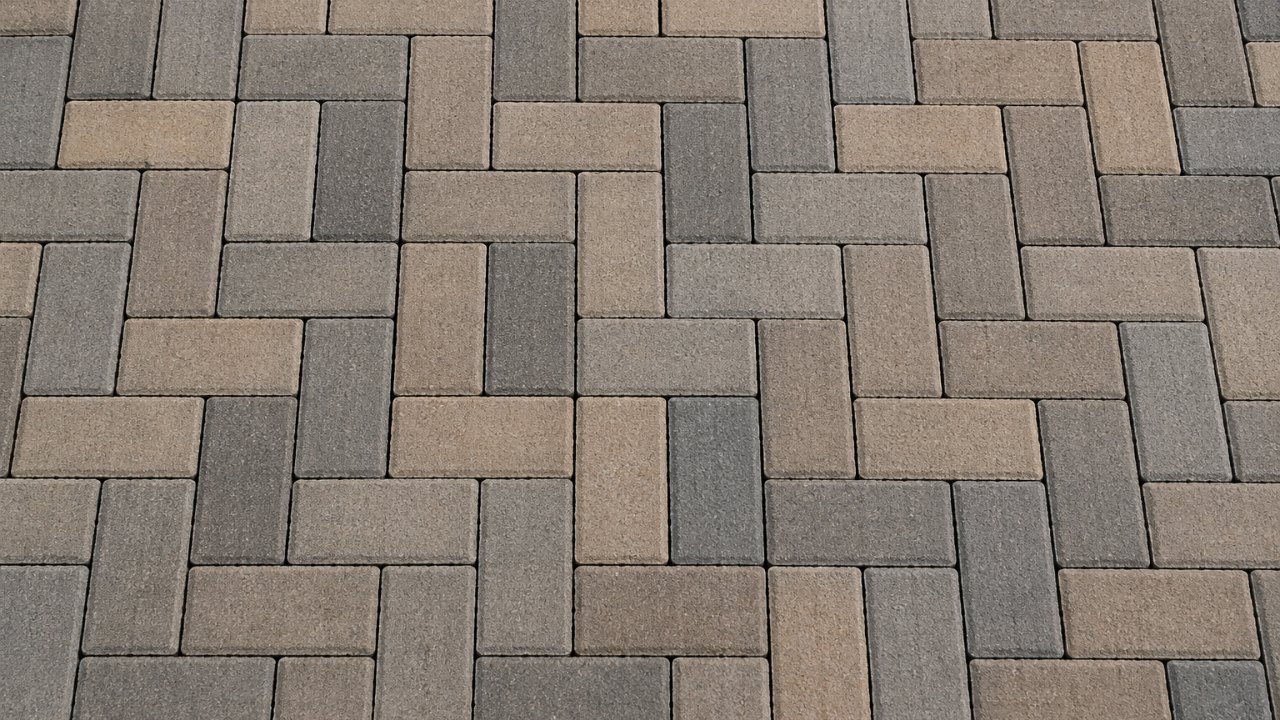
Basketweave paver patterns alternate pairs of horizontal and vertical pavers. The layout resembles woven fabric. This is a popular pattern that appears in traditional courtyards and historic landscapes.
Advantages Of Basketweave Pattern
Some of the major advantages of the basketweave pattern are its decorative appearance. It also balances symmetry and compatibility with brick or classic stone.
Many homeowners choose this patio paver patterns when they want a lasting patio style. The basketweave paver patterns is usually included when discussing classic landscape architecture style.
4. Stack Bond Paver Patterns
Stack bond aligns pavers in straight rows and columns. Each joint lines up vertically and horizontally. This pattern creates a clean grid appearance.
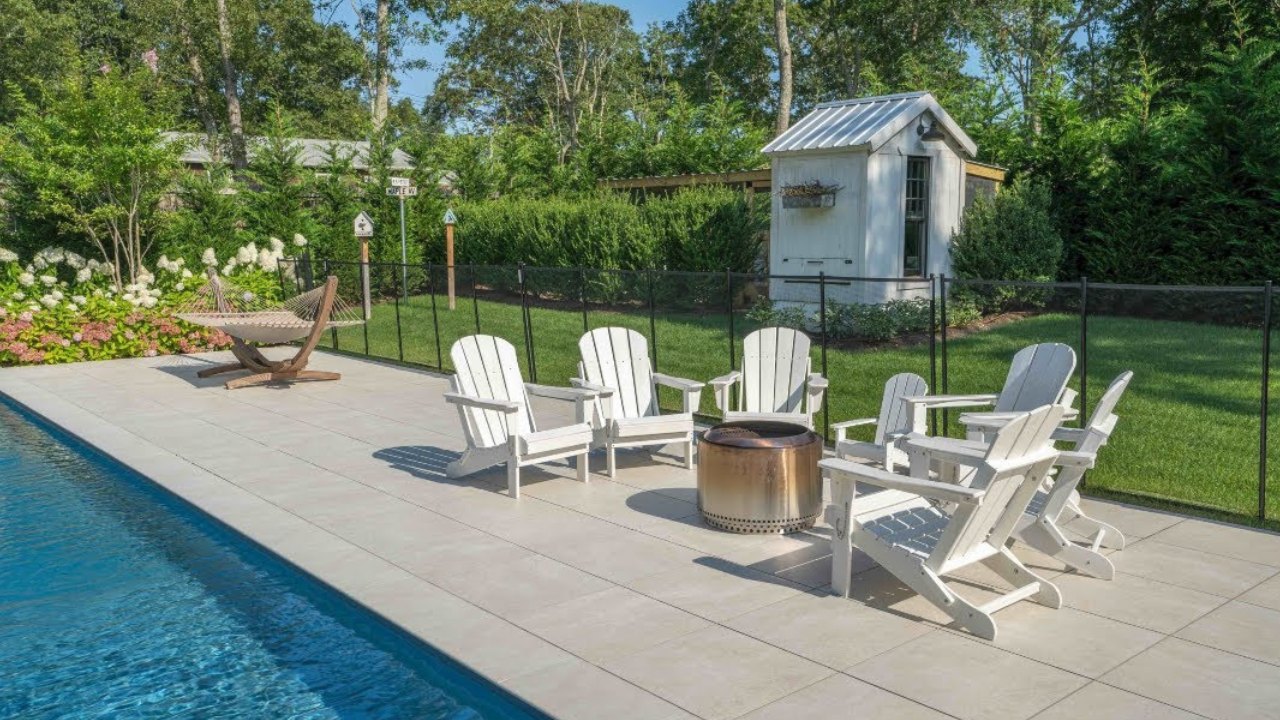
Key characteristics of Stack Bond:
The key features of stack bond include minimalist design, strong geometric structure, and compatibility with large stone pavers. Modern architecture usually pairs well with stack bond layouts. Such a paver pattern is frequently recommended for contemporary homes.
5. Random Ashlar Pattern
The random ashlar pattern combines multiple paver sizes in a repeating arrangement that looks irregular. Yet it follows a defined layout. The pavers’ pattern design resembles traditional stone masonry.
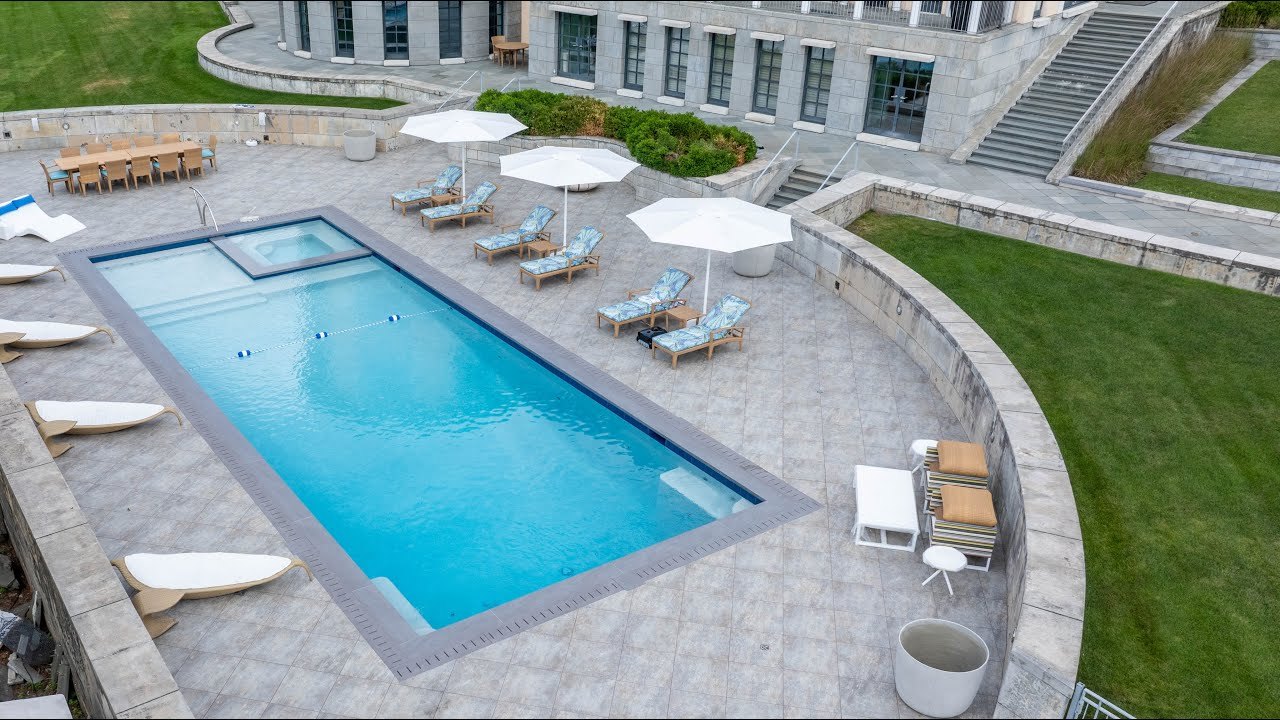
Why Designers Choose Random Ashlar Pattern?
The designer favors the paver patterns because of the natural stone appearance. Visual variation throughout large surfaces and efficient use of the mixed-sized pavers.
Large patios and pool decks often benefit from this layout. The ashlar paver patterns helps large surfaces feel more organic and less repetitive.
6. French / Modular Pattern
The French pattern, also known as the modular pattern, combines pavers of multiple sizes, arranged in a repeating layout. Installers will place different stone sizes together in a structured sequence that creates an old-world and natural appearance. This design reflects traditional European stone paving and works well with natural stone materials.
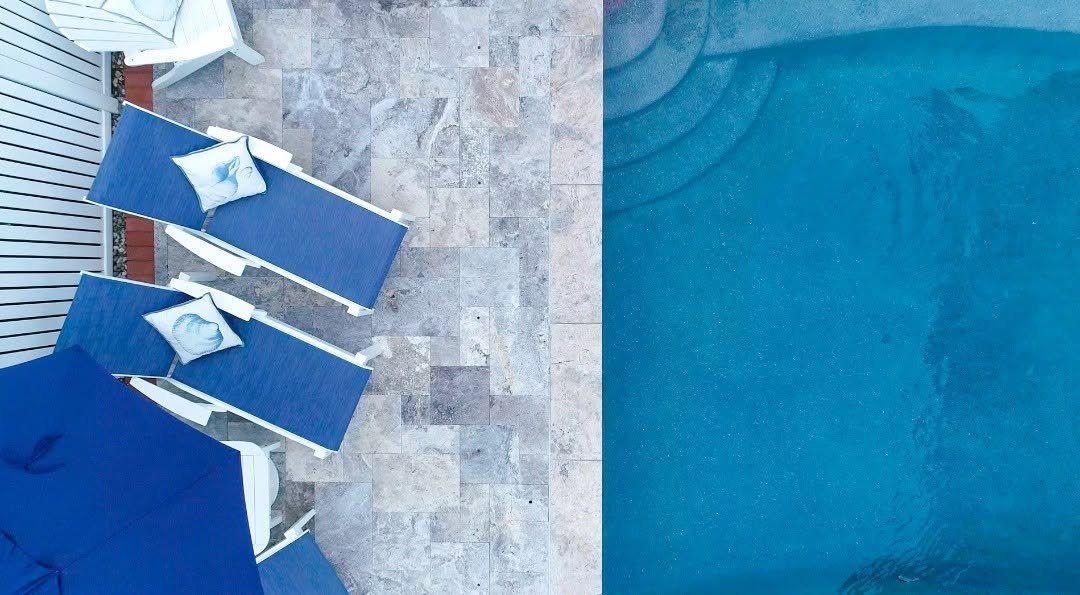
Why Do Professionals Recommend The French / Modular Pattern?
Professionals recommend this paver patterns because they create visual variation throughout large surfaces. It reduces repetitive grid lines and works well with multi-size paver sets.
The French pattern is a great choice for patios and pool decks. The modular layout creates a balanced design while maintaining structural stability.
7. Pinwheel Pattern
This paver patterns features a square paver like 48×48 pavers and surrounds it with rectangular pavers arranged in a rotating formation. The layout keeps repeating throughout the surface, which creates a subtle geometric design. This pinwheel pattern mixes symmetry with decorative detail and commonly appears in classic landscape projects.
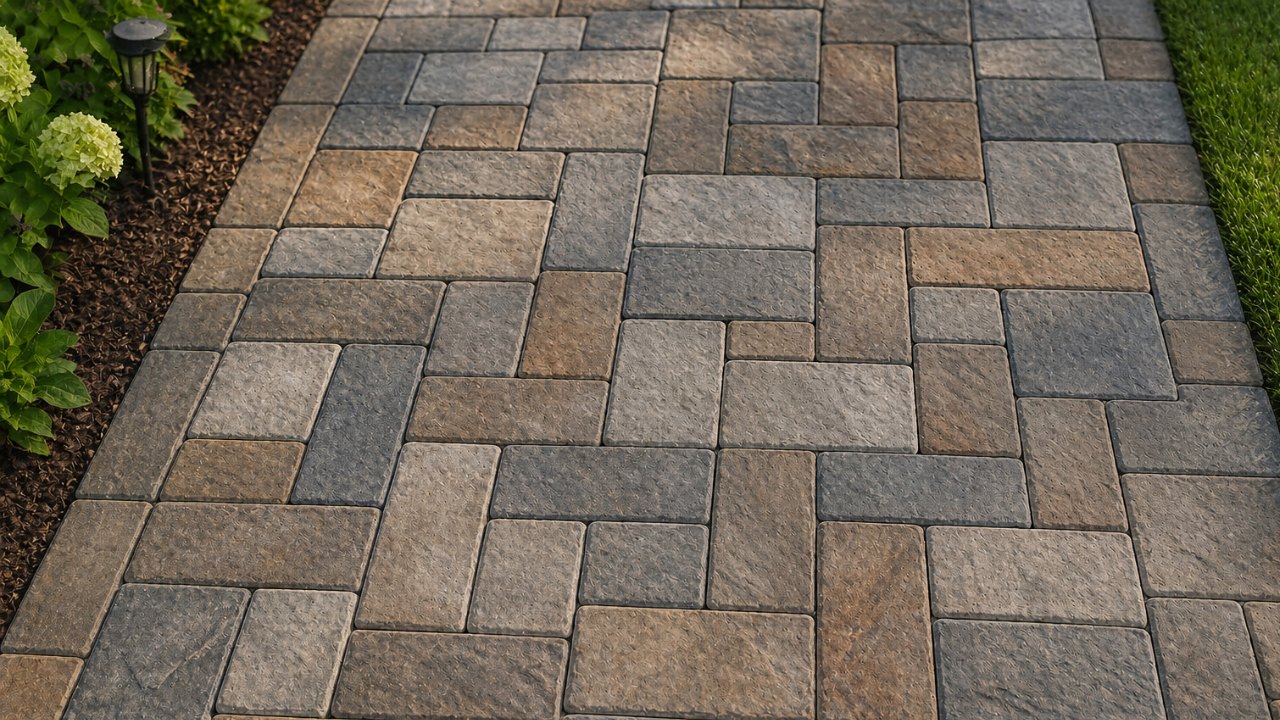
Why Choose Pinwheel Pattern?
Paver patterns like a pinwheel are ideal for creating a distinctive geometric design. It adds a visual interest without overwhelming the space. It works well with mixed rectangular and square pavers.
Such a paver patterns layout is a good choice for courtyards and patios. Homeowners who prefer a structured but decorative surface should go for the pinwheel pattern.
Choosing the Right Pattern for Different Outdoor Areas
When it comes to choosing the outdoor paver patterns, you cannot just select from the descriptions. Here is how to choose the right pattern and learn where each layout works best.
| Outdoor Area | Key Design Consideration | Recommended Paver Patterns | Why These Patterns Work |
| Driveways | Driveways support heavy vehicle loads and require strong structural stability. | Herringbone, Modified Herringbone, Interlocking Ashlar | These patterns create strong interlocking connections that reduce lateral movement and help extend pavement life. |
| Patios | Patios support furniture, foot traffic, and outdoor gatherings where visual design plays a larger role. | Running Bond, Random Ashlar, Basketweave | These layouts provide design flexibility while maintaining enough structural strength for everyday outdoor use. |
| Walkways and Garden Paths | Walkways guide movement through a landscape and should emphasize direction and visual flow. | Running Bond, Stack Bond, Small Ashlar Layouts | These patterns create clear linear movement and can visually lengthen or define pathways in a landscape design. |
| Pool Decks | Pool areas require slip-resistant surfaces and proper drainage around water features. | Ashlar Layouts, Running Bond, Modular Rectangular Arrangements | These layouts maintain structural balance while allowing proper water drainage and a clean visual transition around the pool. |
Why Paver Patterns Matter More Than Many Homeowners Expect?
Many homeowners will talk about the material and paver color first. Though these factors matter, the layout determines how the surface will perform over time. Patterns affect three critical elements:
Structural Stability
Some patterns help in distributing the weight better than others. Interlocking designs, such as herringbone, resist movement under heavy loads. That makes them suitable for driveways or parking areas.
Drainage and Joint Performance
Joint placement affects how water moves throughout the surface. Proper alignment prevents water pooling and protects the base layers.
Visual Flow
Paver Patterns guide the eye, such as straight lines, which create a calm structure, and angled layouts create movement. A well-planned layout can make a small patio appear larger or a long walkway feel balanced. This is the reason why landscape designers usually start a project by selecting the paver patterns before selecting the material.
Paver Patterns FAQs
Let’s answer your questions about the paver patterns.
What is the strongest paver patterns for driveways?
Herringbone is the strongest pattern because the interlocking layout prevents pavers from shifting under vehicle loads.
Which paver patterns is easiest to install?
The running bond pattern is the easiest to install as it just requires staggered rows with minimal cutting.
Do paver patterns affect durability?
Yes. Some layouts distribute weight better than others, which enhances the long-term stability of the surface.
What pattern works best for patios?
Running bond and random ashlar patterns are well-suited for patios as they blend structure with design flexibility.
Can large pavers follow the same patterns?
Yes. Large-format pavers often use stack bond or running bond patterns to maintain alignment and structural stability.
Bottom Line
The right paver patterns can add stability to the structure and distribute the load evenly throughout the structure. They determine how the designated area will appear and perform well. Patterns such as running bond, herringbone, basketweave, stack bond, and ashlar each serve different purposes in outdoor design.
Driveway works great with a strong interlocking layout and patios, and walkways offer more decorative flexibility. Combining the right pattern with proper base prep and drainage will result in a durable and visually stunning surface.