
Let the Landscape Guide the Color
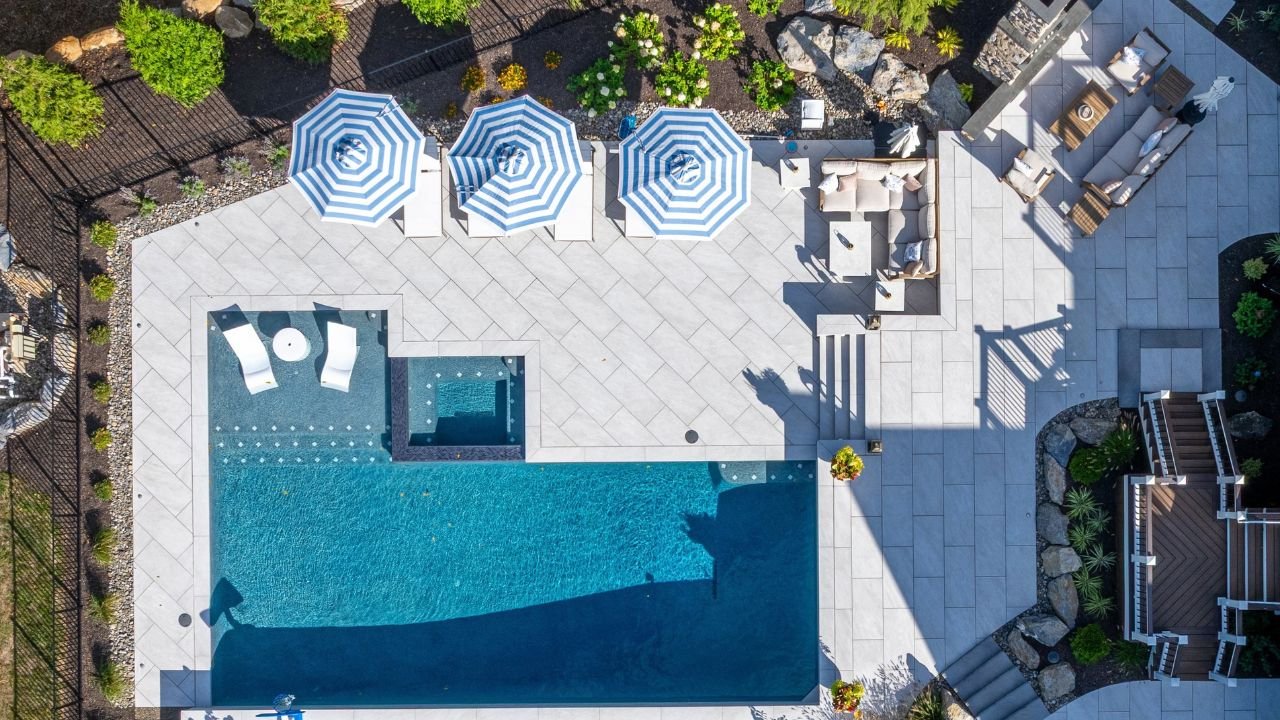
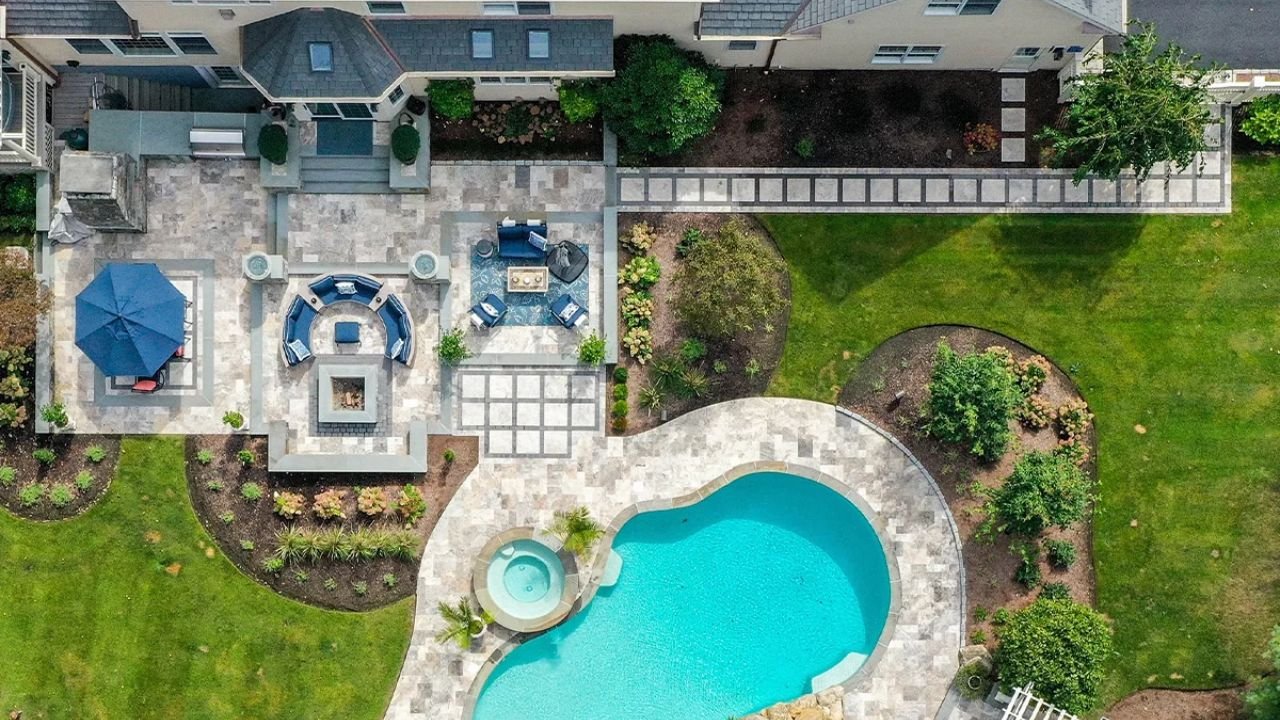
Outdoor marble sits beside plants, soil, mulch, wood, metal, concrete, and other stone. Those materials become part of the color scheme. Cream and beige marble work well when you want the patio to blend with natural landscaping. Gray marble can support a more contemporary design with concrete, black metal, or modern furniture.
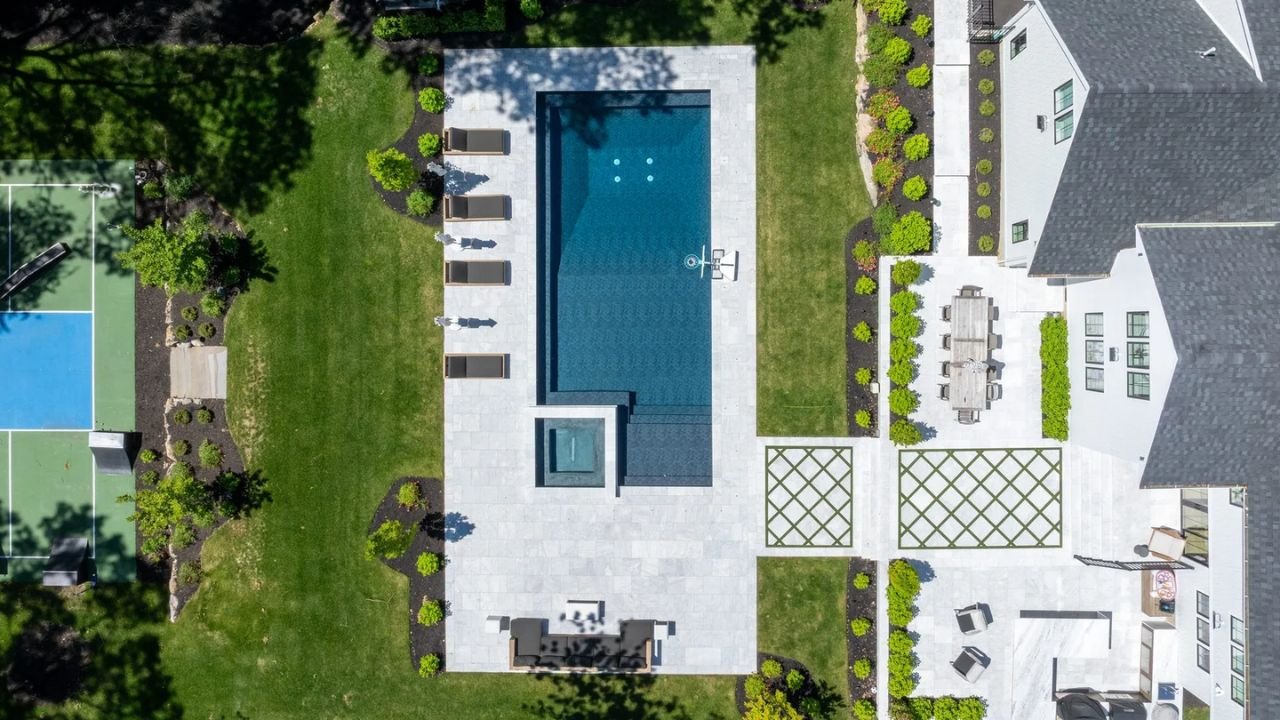
White marble creates stronger contrast against green planting. That can make a garden feel crisp and defined.
Understand What Each Marble Color Does Visually
The color of marble shouldn’t be overlooked. It plays an important role when it comes to showing how the space will look in the end.
White Marble
White marble(like Carrara marble and Afyon Ice Marble) gives an outdoor space a clean, bright appearance. It can make a smaller patio feel more open and can create strong contrast around greenery or a blue pool. However, a clear white background marble is suitable for an outdoor space with complementary warm colors. The major drawback of white marble pavers is that dirt, organic debris, and spills can stand out more against a very light surface.
However, a white appearance does not by itself indicate that a particular marble is suitable for exterior use. Verify the specific stone’s physical properties and intended application before selecting it for an outdoor project.
Cream Marble
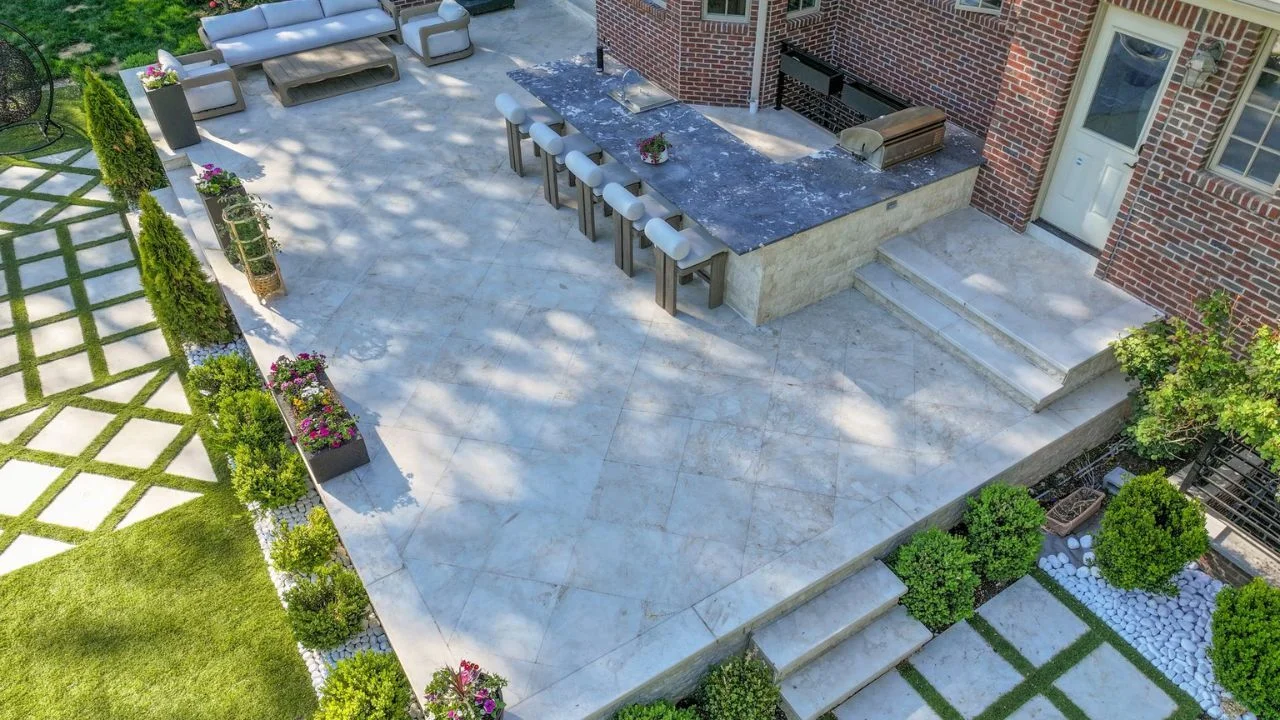
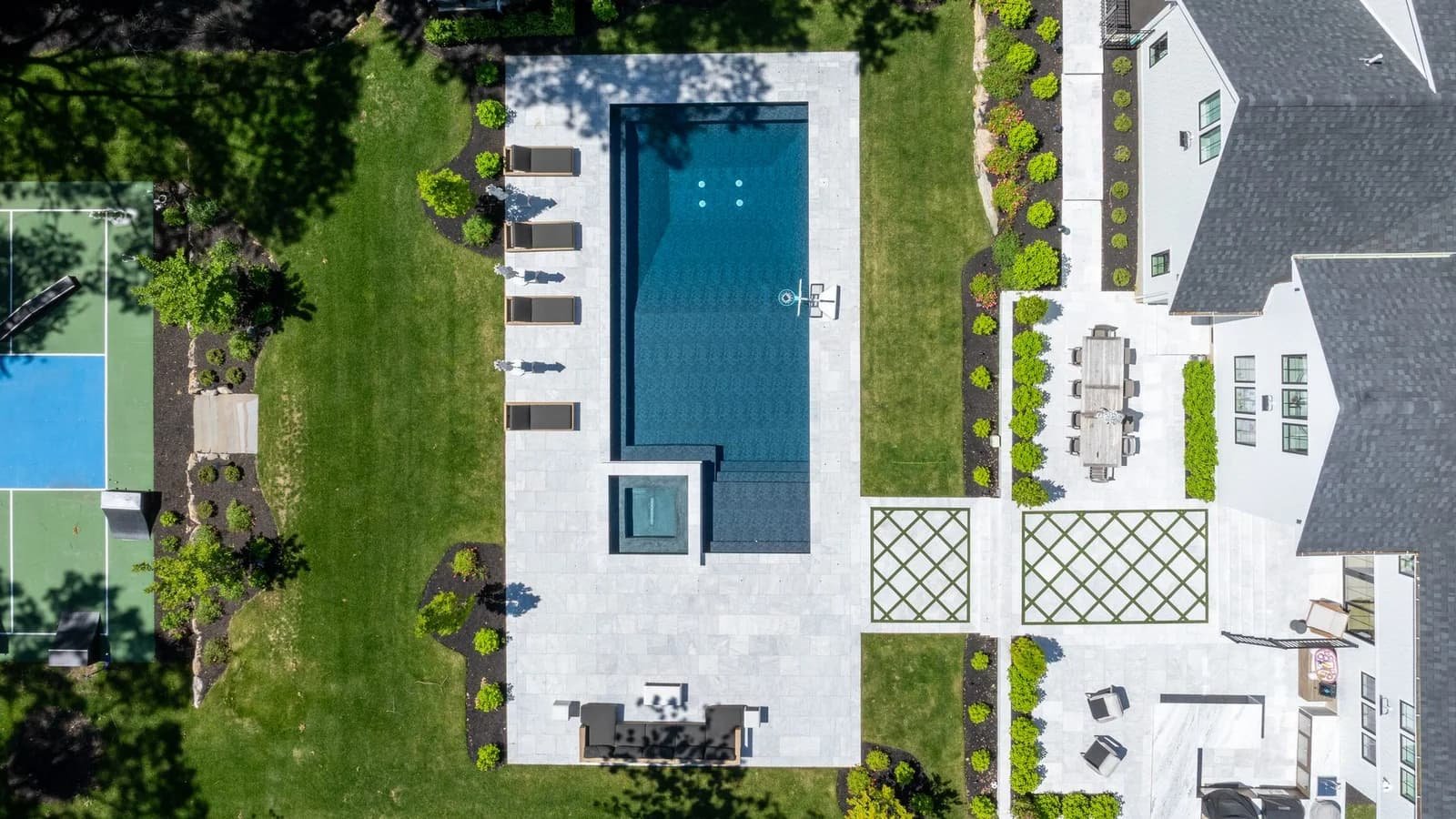
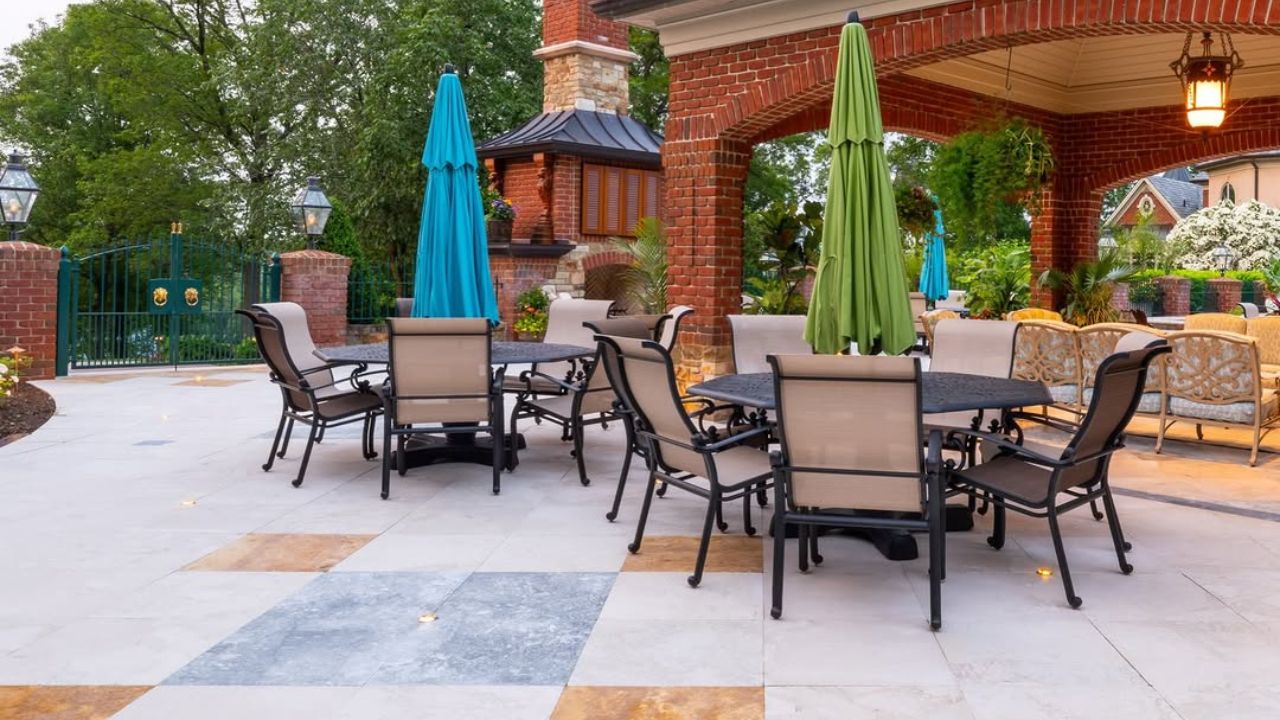
The cream color palette adds warmth without becoming visually overwhelming. It is a practical choice for homeowners who want a traditional or Mediterranean-inspired outdoor setting. It also works well with brick, wood, warm stucco, and natural landscaping. The goal is not to make every material the same color. Use the cream marble as the connection between the house and the landscape.
Beige Marble
Beige marble paver lies between light and earthy tones. It tends to integrate well with gardens and other natural materials. Take a closer look at the undertone before buying. Some beige stones lean yellow, while others have pink, gray, or brown undertones.
Gray Marble
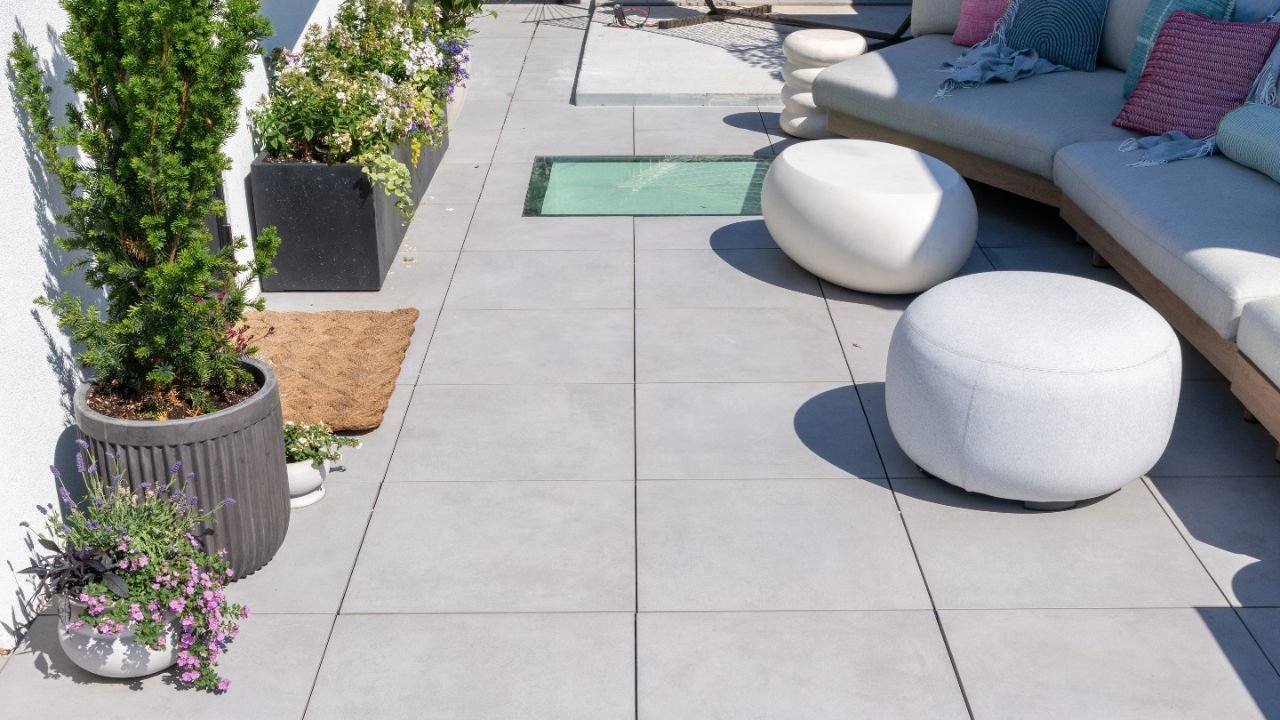
Gray provides a neutral foundation for contemporary outdoor spaces. It pairs well with black fixtures, stainless steel, concrete, and cool-toned architecture. If your home has warm materials, choose pietra grey marble pavers with some warmth rather than a stark blue-gray.
Blue Marble
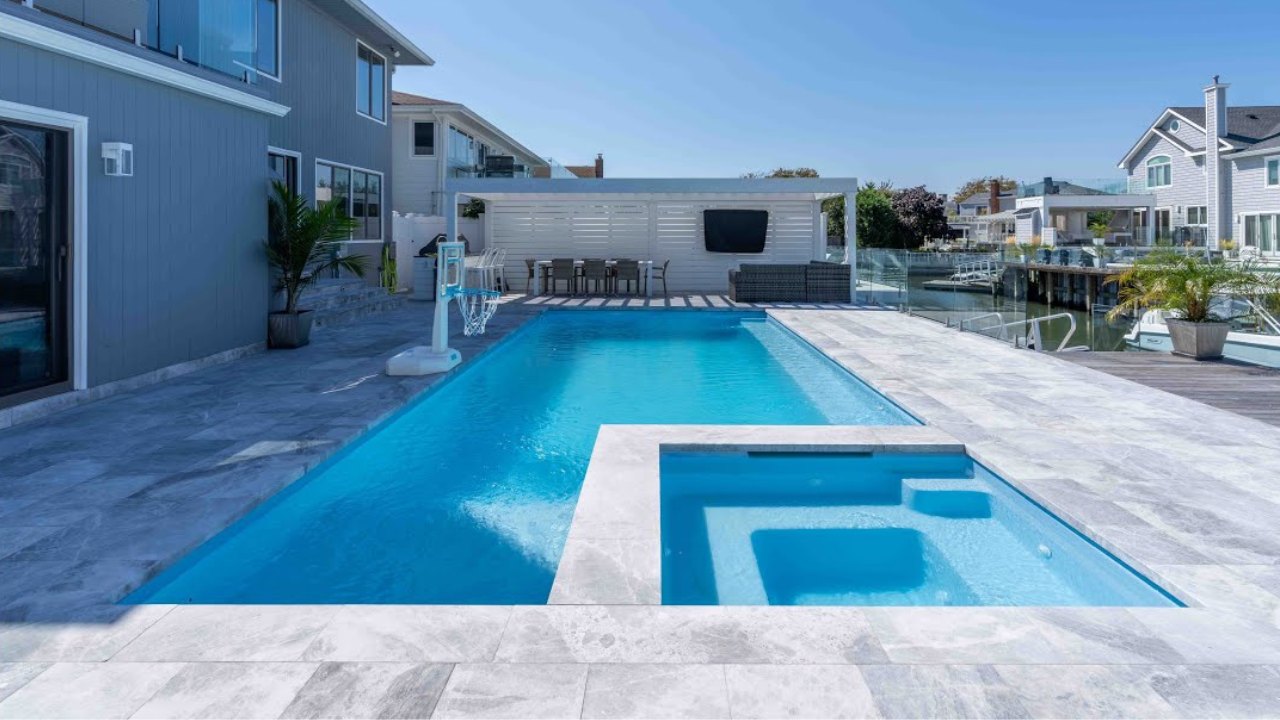
Blue marble creates a distinctive look and works particularly well around pools and contemporary outdoor spaces. Its blue-gray tones can complement white, gray, charcoal, and other cool-toned materials.
Because natural blue marble can vary in color and veining, compare multiple pieces before choosing it. Also consider the specific stone’s finish and suitability for outdoor use.
Dark Marble
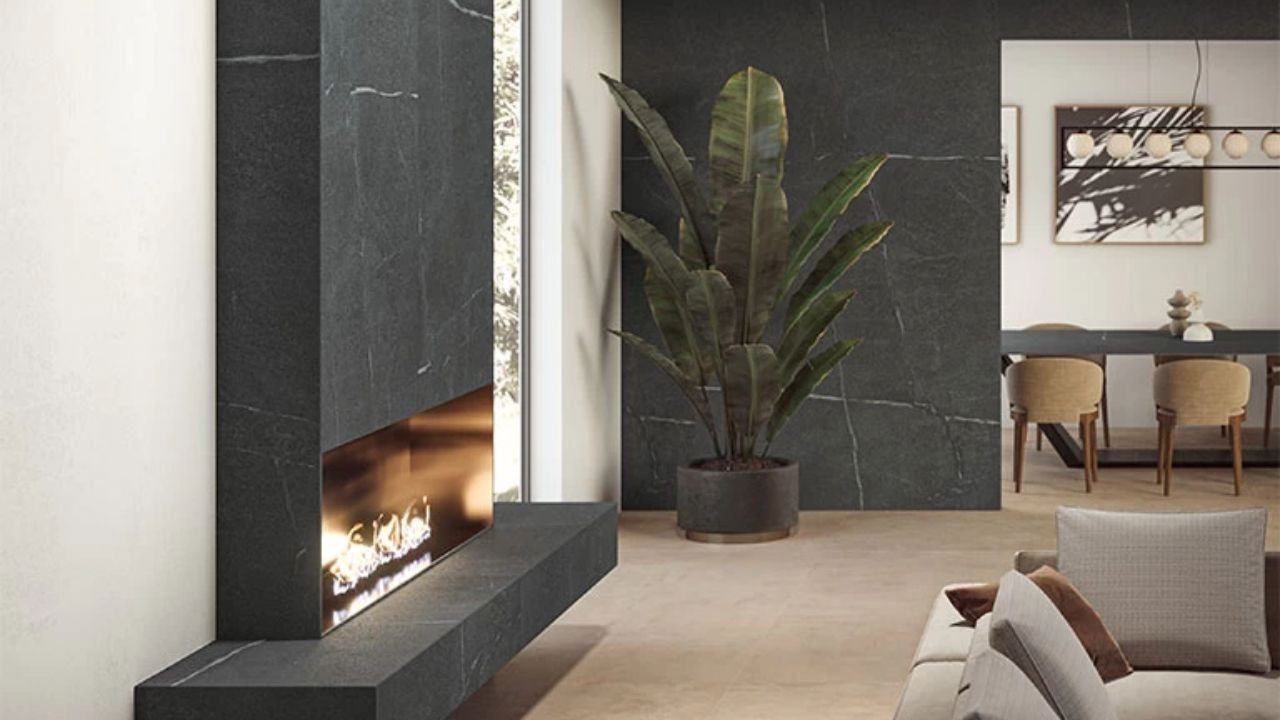
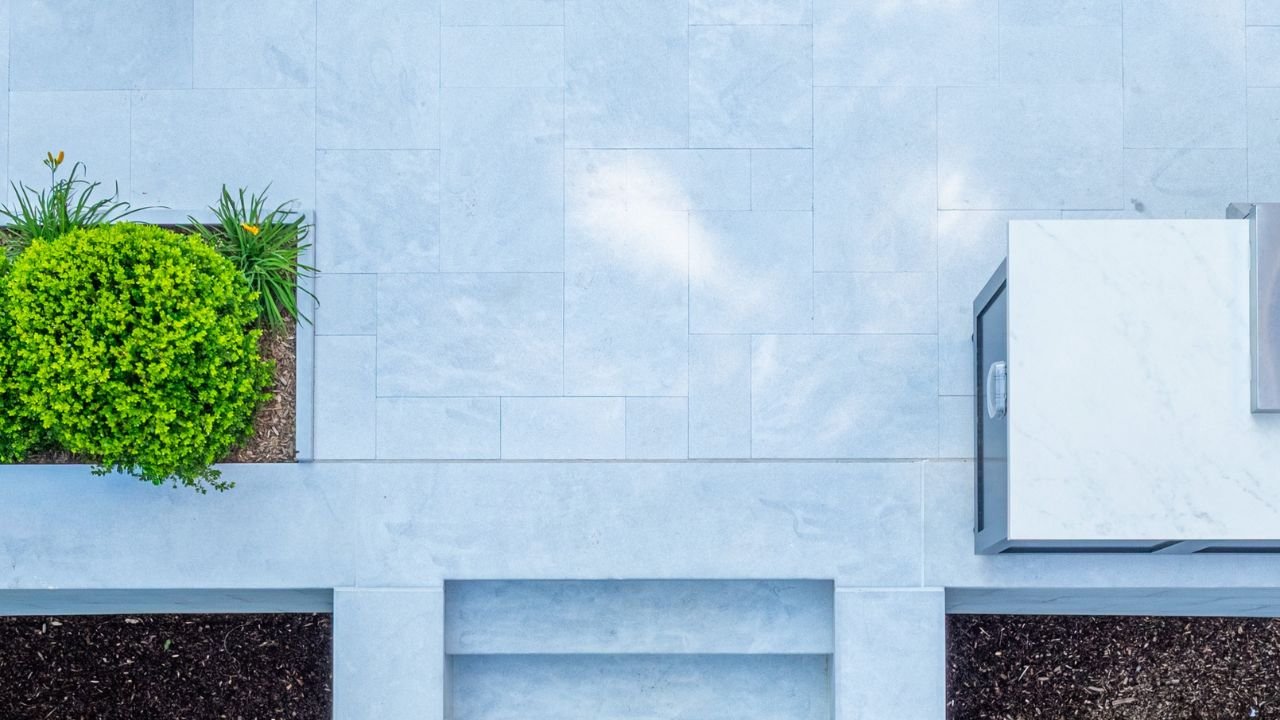
Dark marble can create a dramatic border, accent, or architectural feature. It can also provide strong contrast against light walls and landscaping. For large areas exposed to strong sun, however, consider the surface’s solar response and expected temperature before choosing a very dark stone. Darker surfaces generally absorb more solar energy than lighter surfaces.
Look at the Veining, Not Just the Base Color
Marble is popular for its stunning veining patterns. But homeowners often make mistakes when not considering the veining. Keep in mind that two marble samples will not be the same despite having a similar name. They look completely different once installed. One may have fine gray lines. Another may contain broad, dramatic veins.
Veining affects the entire appearance of a patio because you are not installing one small sample. You are repeating the stone across a large surface. For a calm outdoor design, look for restrained veining. For a statement terrace or outdoor kitchen, stronger movement can become part of the design. Ask to see several pieces together. If possible, lay them side by side before approving the material.
Compare Multiple Marble Pieces Before Buying
A small marble sample may not represent how the finished installation will look. Natural marble can vary in color, veining, movement, and tone from piece to piece. If possible, compare several pieces together and view them in natural daylight rather than judging the material from a single indoor sample.
This is particularly important when choosing heavily veined marble or using the stone across a large patio, pool deck, terrace, or outdoor kitchen. Looking at multiple pieces together can help you understand the overall variation before placing the order.
Consider the Marble Finish Along With Its Color
The beauty of marble pavers works with the combination of color and finish. A polished surface can make colors and veining look deeper and more reflective. A honed marble gives a softer, matte appearance. Brushed or textured finishes can create a more relaxed outdoor character.
For walking surfaces, appearance should not be the only consideration. Evaluate the best marble for slip resistance for the actual application. Natural Stone Institute testing resources include dynamic coefficient of friction and other performance tests used to evaluate stone products. For this reason, I would not choose an outdoor marble simply because a polished sample looks beautiful under showroom lights.
Think About Maintenance Before You Fall in Love With the Color
Marble is a calcium carbonate stone, so acids can etch its surface. Lemon juice, vinegar, and other acidic substances can damage susceptible marble finishes. This is important around an outdoor kitchen, dining area, or bar. Sealing is crucial to improve the resistance to staining, but it doesn’t make marble stain-proof or acid-proof. The Natural Stone Institute recommends discussing the specific stone and sealer with the stone supplier because sealing requirements vary.
Your cleaning routine matters too. Use appropriate non-acidic cleaners and avoid assuming that a household cleaner is safe for marble.
Check the Stone’s Suitability for Your Climate
Climate suitability matters more than color. A marble that performs well in one exterior application may not be suitable for another. Natural Stone Institute guidance emphasizes evaluating climate, weather exposure, physical properties, and installation details when selecting exterior paving. Current industry testing can include absorption, strength, abrasion, freeze-thaw durability, and thermal or moisture cycling.
For freezing temperature projects, frequent moisture, heavy foot traffic, or repeated wet-dry cycles, consider checking performance data for the specific marble variant. ASTM C503, for example, covers marble dimension stone for exterior applications.
See the Marble Wet and Dry
The simple test can prevent an expensive surprise. Wet marble often looks darker and can make veining appear more pronounced. This matters around pools, fountains, outdoor showers, and patios exposed to rain. Before committing, wet a sample with clean water and compare it with the dry sample. Then view both outside.
Marble Color Guide for Outdoor Spaces
While marble adds a touch of elegance and feels luxurious, its sophistication depends heavily on the color. Not a single hue work is fine for every space. Here is a side-by-side comparison of different marble paver colors to get a better idea of different pavers.
Marble Color | Visual Effect | Best With | Main Consideration |
| White | Bright and open | Greenery, pools, modern homes | Dirt can be more visible |
| Cream | Warm and inviting | Brick, wood, warm stucco | Check undertones |
| Beige | Natural and balanced | Gardens, earth tones | Color varies by stone |
| Blue | Distinctive and sophisticated | Pools, white, gray, charcoal | Check natural variation |
| Gray | Modern and neutral | Concrete, metal, contemporary homes | Avoid undertone clashes |
| Dark | Dramatic contrast | Light exteriors, accents | Check heat and surface performance |
What Should You Consider When Choosing Outdoor Marble Color?
Before choosing a marble color, consider:
- Sun exposure: How much direct sunlight will the area receive?
- Home exterior: Does the marble’s undertone work with the siding, brick, stucco, or existing stone?
- Landscape: Will it complement plants, soil, mulch, wood, and other hardscape materials?
- Veining: Do you want subtle movement or a more dramatic pattern?
- Finish: Is the finish appropriate for the way the surface will be used?
- Maintenance: Will dirt, spills, or organic debris be highly visible?
- Climate: Is the specific marble suitable for the expected weather and moisture conditions?
- Wet appearance: Does the stone still look good when wet?
- Natural variation: Have you reviewed multiple pieces rather than a single sample?
Start with the space, not the marble sample. Before comparing colors, ask where the stone will go and what conditions it will face.
A sandblasted marble pool deck has different demands from a covered patio. An outdoor kitchen faces food and grease spills. A sunny terrace may become much hotter than a shaded sitting area. A freeze-thaw climate also requires different performance considerations from a warm climate.
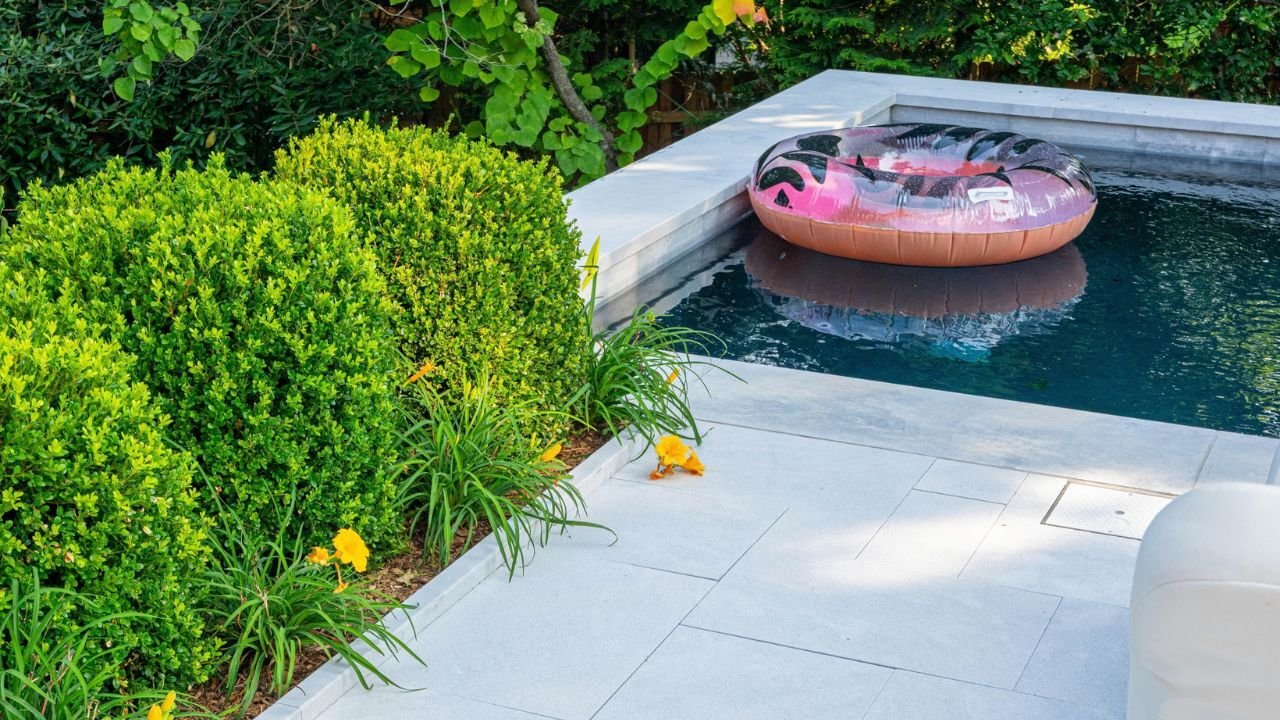
The Natural Stone Institute notes that outdoor marble applications require careful evaluation because weathering can affect marble, and exterior use is generally limited to white marbles with some exceptions.
Choosing The Right Marble Colors FAQS
Let’s answer your questions about selecting the right marble color for outdoor marble pavers.
What is the best marble color for an outdoor patio?
There is no single best marble color for every outdoor patio. White, cream, and beige marble can make a space feel brighter and more open, while gray and darker marble can create stronger contrast. The right choice depends on the home’s exterior, sunlight, landscaping, desired appearance, maintenance preferences, and the specific marble’s suitability for outdoor use.
Is white marble good for outdoor spaces?
Some white marbles are used successfully outdoors, but the specific stone must be suitable for exterior conditions. Natural Stone Institute notes that exterior marble applications are generally limited to white marbles with some exceptions.
Does dark marble get hotter in the sun?
Yes. Darker surfaces generally absorb more solar energy than lighter surfaces. Yet, actual temperature depends on more than color, including the material’s surface properties and exposure.
What marble color hides dirt best?
Mid-tone colors such as beige and some gray marbles can make everyday dust less noticeable than very light or very dark surfaces. Similar veining can also help break up the appearance of small marks.
Should outdoor marble be honed or polished?
Yes. Honed or polished marble surfaces are well suited for outdoors because they are less slippery when wet and offer better traction. For walking surfaces, evaluate the finish based on slip resistance and the conditions of use.
Does outdoor marble need to be sealed?
Some marble installations benefit from an impregnating sealer, but sealing depends on the stone, application, and expected exposure. A sealer improves stain resistance; it does not make marble stain-proof.
Bottom Line
Choosing the right marble color is not just about the aesthetics but the functionality of the space as well. Homeowners should evaluate the space before selecting the marble paver for their outdoor areas. Make sure to choose a paver color that works with your home’s undertones, sunlight, landscaping, furniture, and overall design. Then look beyond color. Check the marble’s veining, finish, maintenance requirements, climate suitability, and tested performance.
At NT Pavers, that is the approach worth taking with any natural stone color selection: choose for the whole environment, not just the sample in your hand. A marble that looks beautiful on a small display board should also make sense across the patio, pool deck, terrace, or outdoor kitchen where you plan to live with it for years.