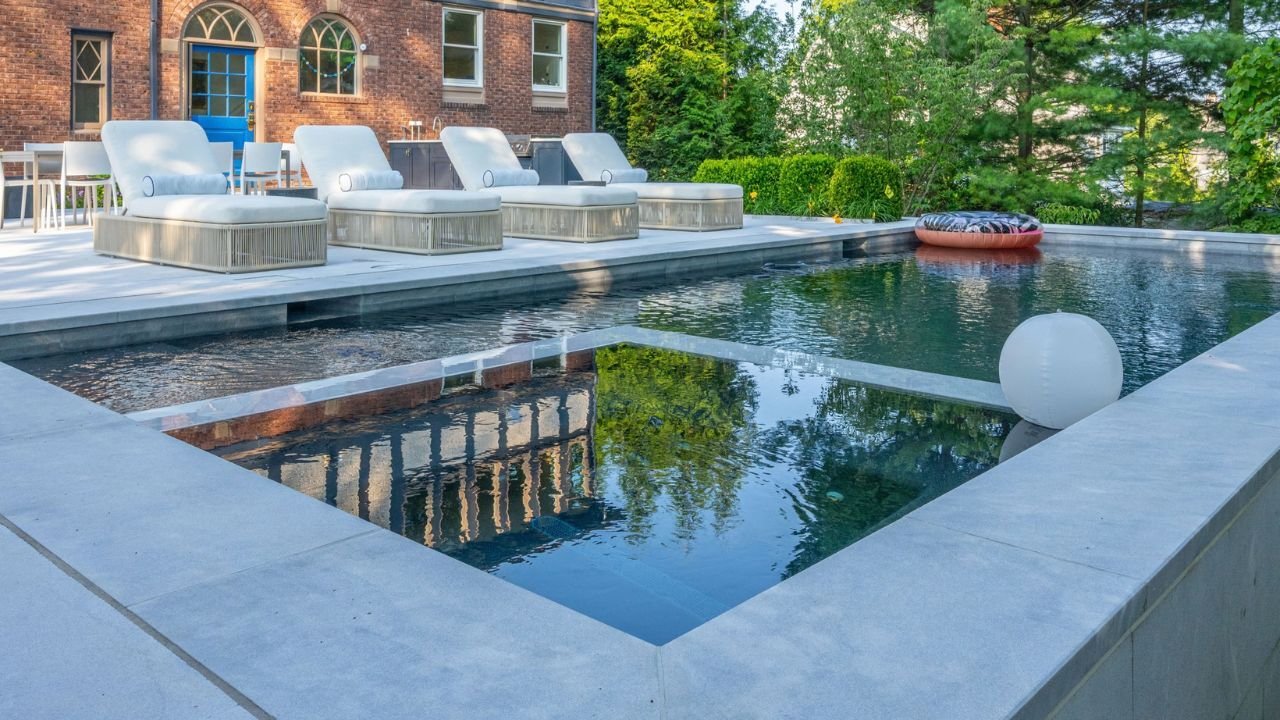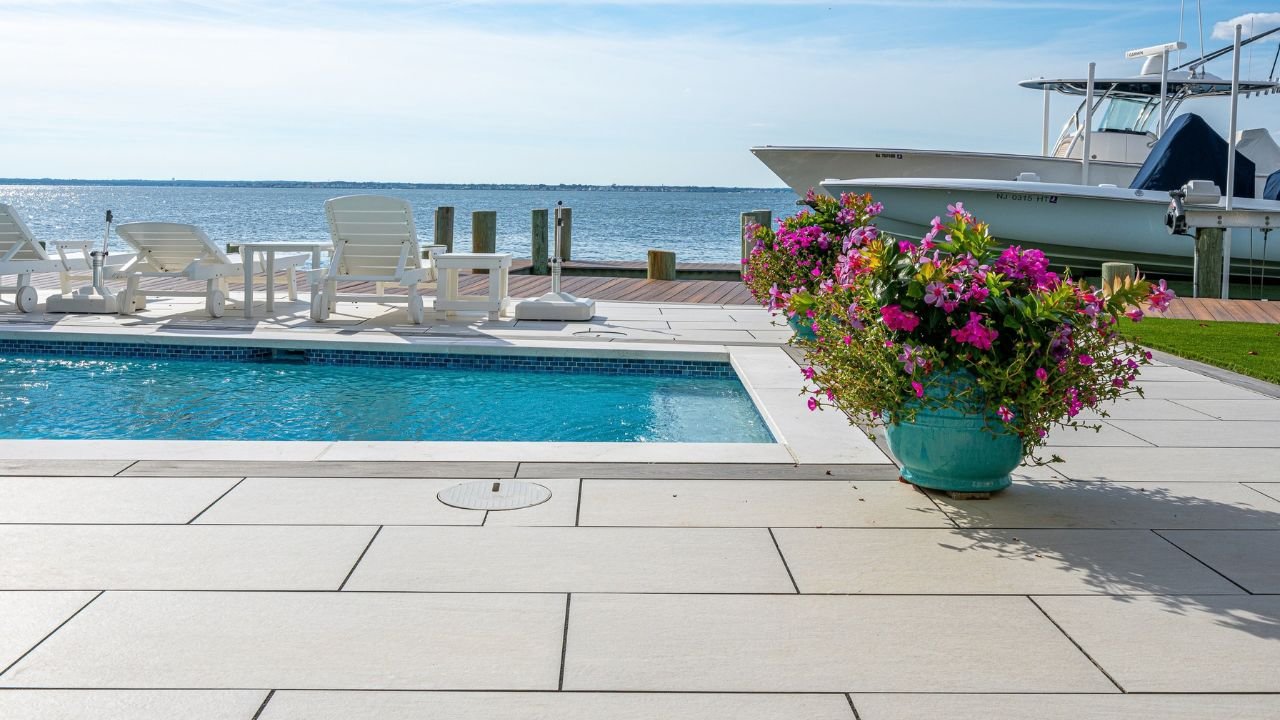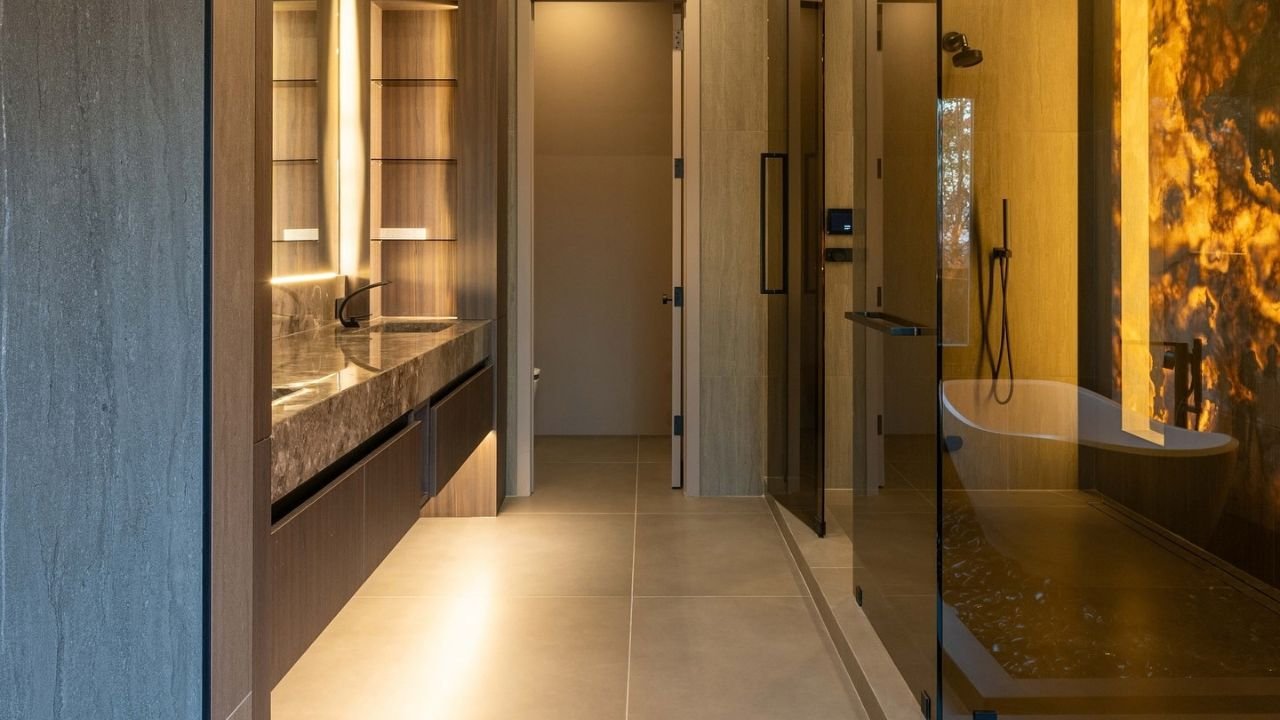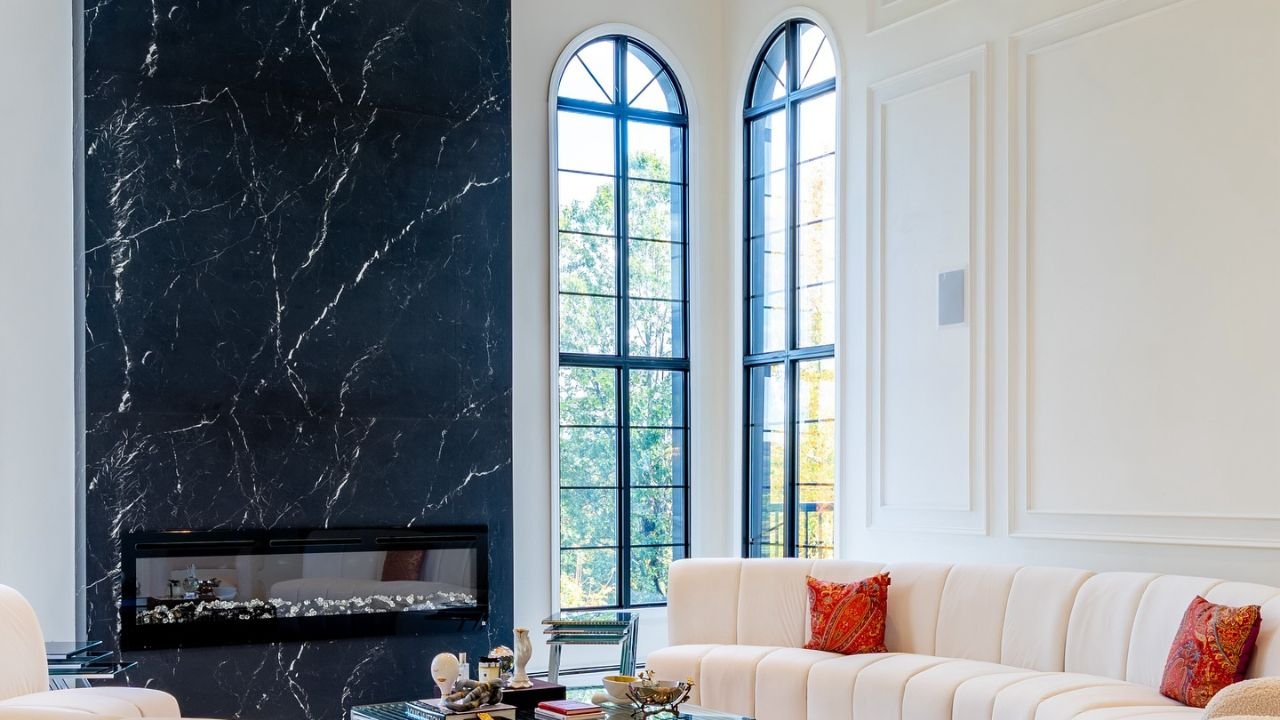

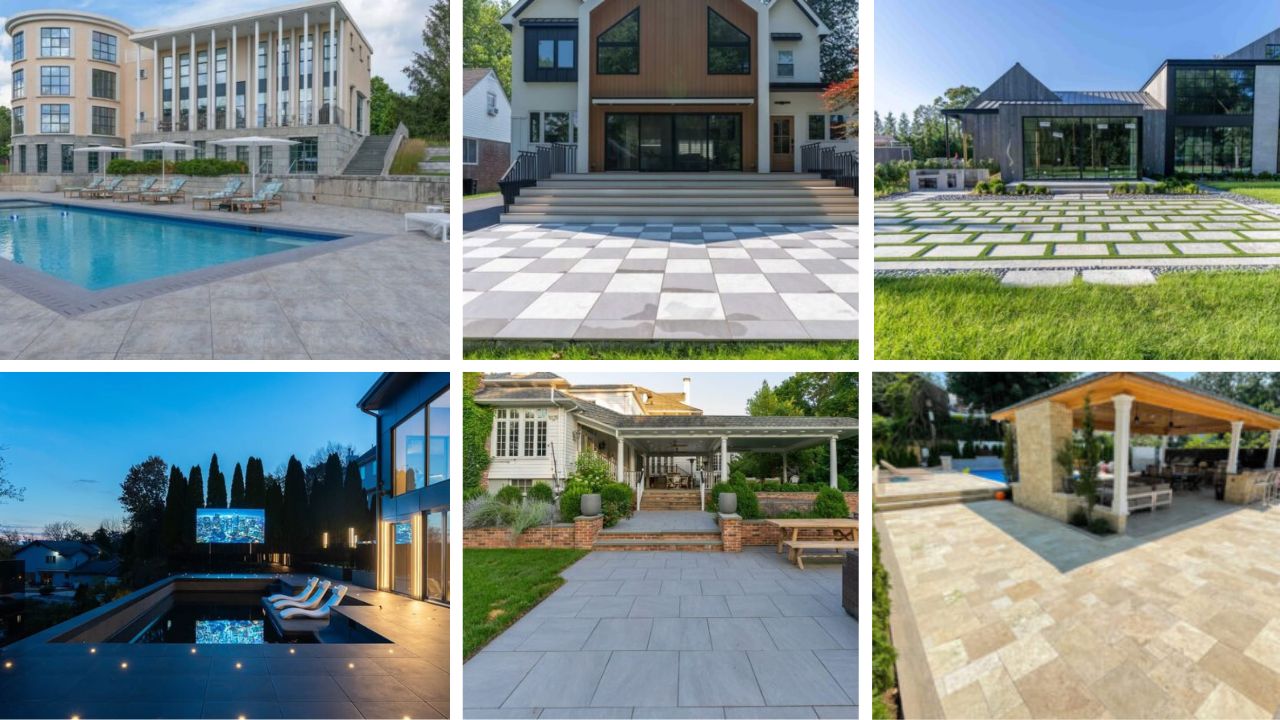
The color of the pavers is as important for any home as their material. The colors affect how an outdoor space looks, feels, and performs over time. Paver color can influence visual harmony, size perception, heat retention, and maintenance needs. Color selection is not just about style, but should also be functional.
Designers choose the color of pavers not just for aesthetics, but also as part of a larger scheme. Landscape, climate, architectural needs, and lifestyle are all factors to consider. When you understand how these factors are connected, selecting the right paver colors becomes much easier. Here is how to choose the right paver color for your home.
1. Start With Your Home’s Exterior Color Palette
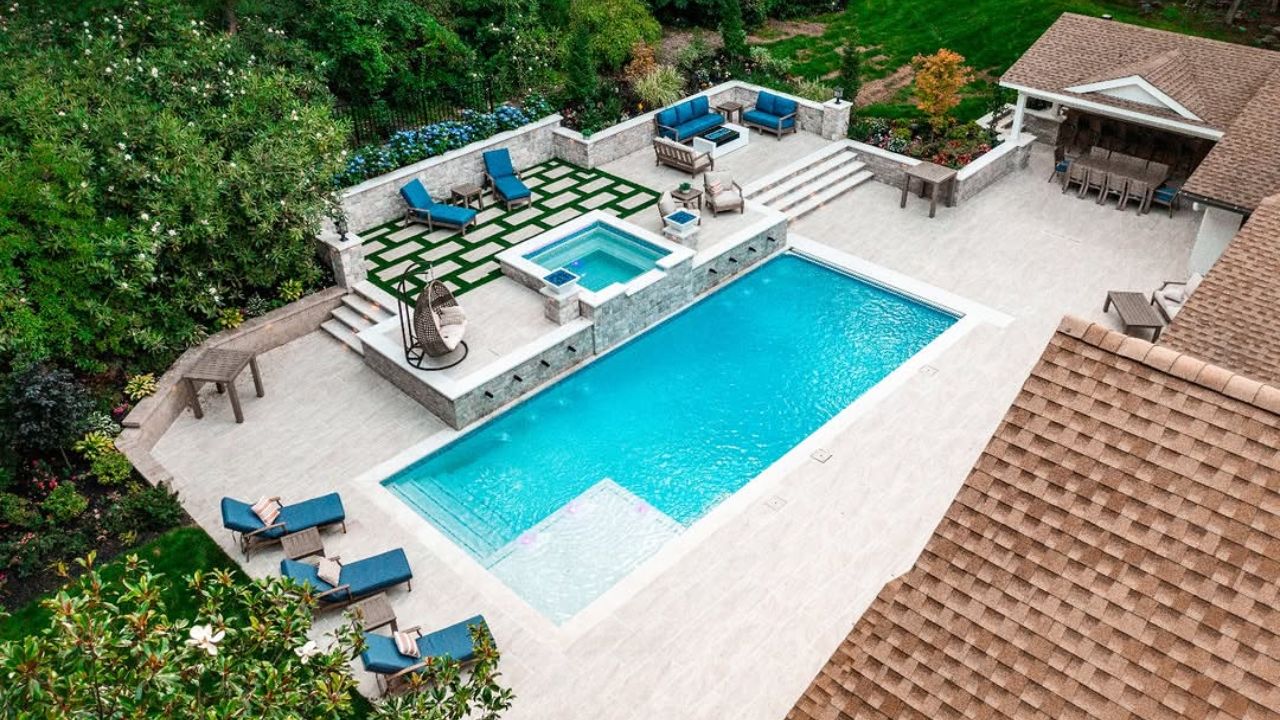
One of the best ways to choose the perfect paver color for your home is to assess the existing architectural tones. You should start looking at the elements like wall color, roof material, window frames, exterior stone or brick, and landscaping elements. It is not just about having an exact match, but also about color harmony.
Matching strategies for homes should be:
Warm Homes
Homes with beige, cream, or brown tones look great with sandstone shades, warm greys, and soft taupes.
Cool-Tone Homes
Homes with white, black, or blue undertones pair well with charcoal, slate grey, and neutral greys.
Mixed Exterior Materials
When multiple colors exist, choose a neutral tone that bridges them. This approach creates visual flow rather than contrast overload.
2. Understand the Impact of Light and Space
Lighting plays an important role in the appearance of pavers throughout the day.
Natural Light Effects
Morning light is usually soft, which makes the colors look softer; midday sun brightens the surface with hard lighting. Evening shadows make the paver color appear in deeper tones. This variation shows why color samples often look different outdoors than in a showroom.
Space Perception
Paver color also impacts how the space will look and feel. Light colors make the spaces appear larger, dark colors create a grounded and intimate feel. Mid-tones offer a visual balance. For front patios and backyards, lighter shade pavers are recommended to make the space appear larger. Dark colored pavers work great in large courtyards.
3. Consider Weather and Heat Performance
Color plays a significant role in thermal comfort.
Light Colors in Warm Climates
Light tones reflect solar radiation. This reduces surface temperature and improves comfort for barefoot areas like pool decks.
Dark Colors in Cooler Regions
Darker tones absorb heat. This helps reduce frost formation and supports faster drying after rain.
Industry research referenced by organizations such as ASTM International highlights the connection between surface color and heat retention in outdoor materials.
4. Balance Color With Maintenance Expectations
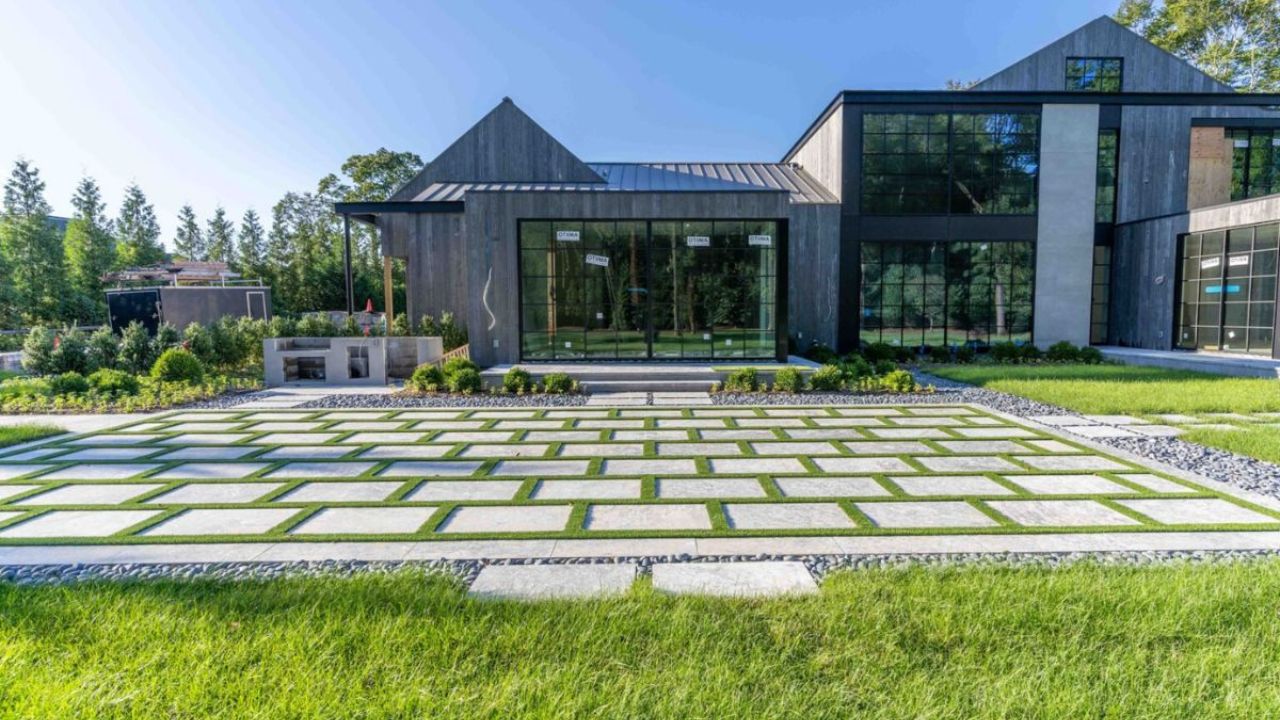
Each color selection will affect how the surface will show the signs of wear. Light colors show dirt, tire marks, and organic debris too visibly. On the other hand, dark-colored pavers can make the dirt, salt residue, and water spots more visible.
This is why one should balance the color with the maintenance requirements. Like selecting the mid tones. They can easily hide regular dirt marks, minor stains, surface wear, and scratches over time. They work great for most homeowners. Mid-tone greys and neutral blends offer the best balance between appearance and maintenance.
5. Decide Between Solid Colors and Blended Tones
Modern pavers feature in both uniform colors and multi-tone blends.
Solid Colors
Solid colors offer a clean, modern aesthetic. They deliver strong architectural alignment with minimal visual distraction. Solid colors also work best in contemporary designs.
Blended Colors
The blended colors offer a natural stone paver’s appearance with improved stain concealment and visual texture. They suit transitional and traditional homes.
6. Use Color to Define Outdoor Zones
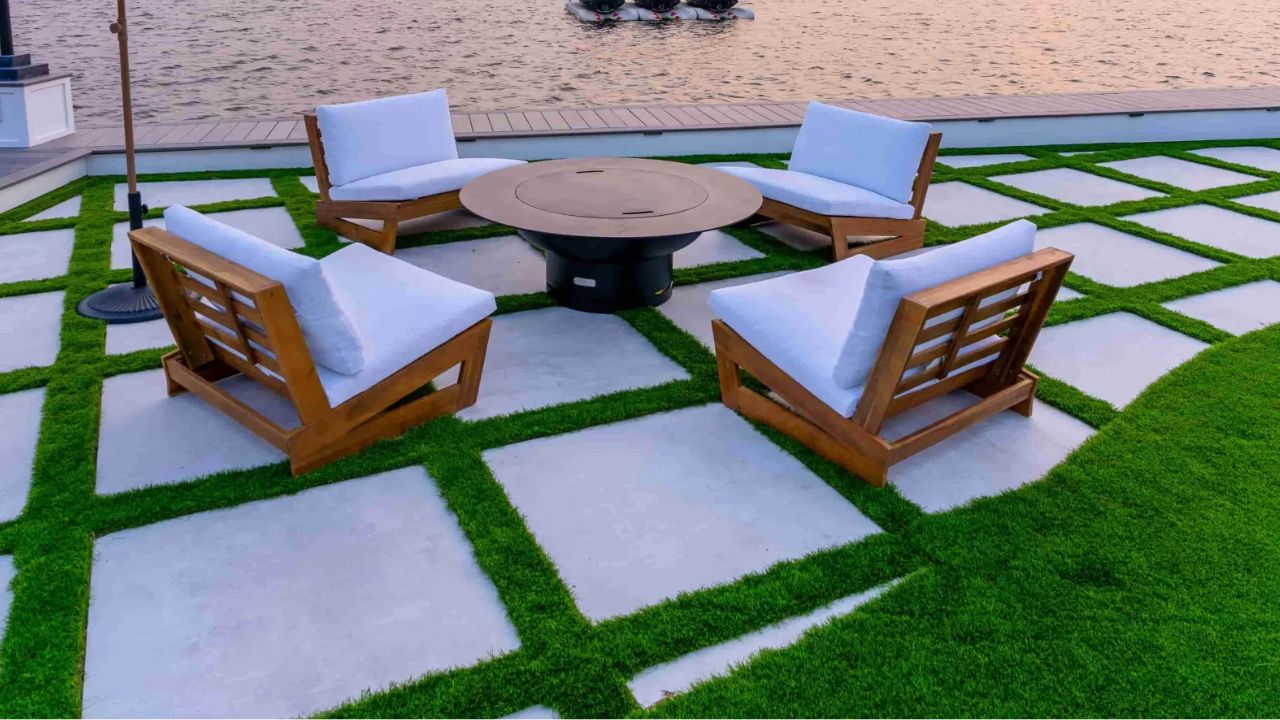
You can use the perfect color to pave a functional zone, like:
- Dark borders framing patios
- The light walkways guide movement
- Contrasting driveway edges
This design improves aesthetics as well as navigation without physical barriers.
7. Think About Long-Term Color Stability
When selecting paver color, consider how it will age, as not all colors age equally. Factors that influence color longevity include:
- UV exposure
- Material density
- Manufacturing method
Porcelain pavers are the perfect choice in this regard, as they don’t fade under direct sunlight. Porcelain can maintain color longer because color pigments are usually fused into the surface. Natural stone retains color through mineral composition but tends to fade over time if not sealed properly. Choosing fade-resistant materials ensures a consistent appearance over decades.
Why Paver Color Matters More Than Most Homeowners Expect?
Color does more than just affect appearance. It directly impacts comfort, durability, and visual balance.
It Controls Visual Harmony
Patio pavers cover large surface areas. Their color sets the foundation for the entire outdoor environment. A mismatched tone can disrupt architectural cohesion.
It Affects Temperature
Dark colors absorb more heat. Light colors reflect sunlight. This difference becomes important for patios, pool decks, and walkways in warm climates.
It Influences Maintenance Visibility
Dust, stains, and debris appear differently depending on the color choice. Mid-tone colors often hide everyday wear best.
Because of these practical effects, professional designers treat color selection as a technical decision, not just a decorative one.

Quick Color Selection Guide
If color selection seems overwhelming to you, then this table will help you understand how to select the perfect paver color for your home.
| Design Goal | Best Color Choice | Why It Works |
| Modern Minimalist | Solid grey | Clean, neutral, timeless |
| Warm Outdoor Space | Beige or sand | Adds warmth and comfort |
| High Contrast Design | Charcoal | Creates strong visual definition |
| Low Maintenance | Multi-tone blends | Hides dirt and stains |
| Cooler Surface Temperature | Light grey | Reflects sunlight |
Common Mistakes to Avoid When Choosing Paver Color
Don’t commit these mistakes while choosing the perfect paver color for your home.
Ignoring Surroundings
Selecting a color without considering the architecture often leads to a visual mismatch.
Choosing Too Dark for Hot Areas
Dark surfaces can become uncomfortable in sunny climates.
Overusing Contrasting Colors
Too many color changes create visual clutter.
Not Viewing Samples Outdoors
Indoor lighting does not represent real conditions.
Avoiding these mistakes ensures a more successful project outcome.
FAQs About Choosing the Perfect Paver Color for Your Home
What is the most popular paver color?
Grey remains the most popular because it works with many architectural styles and hides everyday wear effectively.
Should pavers match the house or contrast with it?
Pavers should complement the home’s colors rather than match exactly. Balanced contrast usually creates the best visual harmony.
Do darker pavers get hotter?
Yes. Dark colors absorb more heat, which can make surfaces warmer under direct sunlight.
Which paver color hides dirt best?
Mid-tone blends typically conceal dirt, stains, and wear better than very light or very dark colors.
Will the paver color fade over time?
High-quality materials resist fading. Porcelain and natural stone maintain color longer than many concrete products.
Bottom Line
Choosing the perfect paver color requires more than personal preference. It involves understanding how color interacts with architecture, lighting, climate, and maintenance needs.
When homeowners evaluate these factors together, they select colors that remain attractive, practical, and consistent over time. A thoughtful choice ensures outdoor spaces feel cohesive, comfortable, and visually balanced for many years.
At NT Pavers, the best approach always combines design awareness with performance considerations, resulting in landscapes that age gracefully and support everyday living.