
Porcelain is a dense and durable material made by firing clay and other materials at high temperatures. This gives it good resistance to heat, moisture, stains, and everyday wear. However, heat resistance does not mean that every porcelain slab is suitable for every fireplace application. A slab exposed to intense or concentrated heat may experience thermal stress, especially when one area becomes much hotter than another.
The installation also matters. A strong porcelain slab can still crack if it is installed over an unstable surface, has poor support, or is exposed to movement underneath. For this reason, the slab should be selected based on the fireplace application and the manufacturer’s requirements.
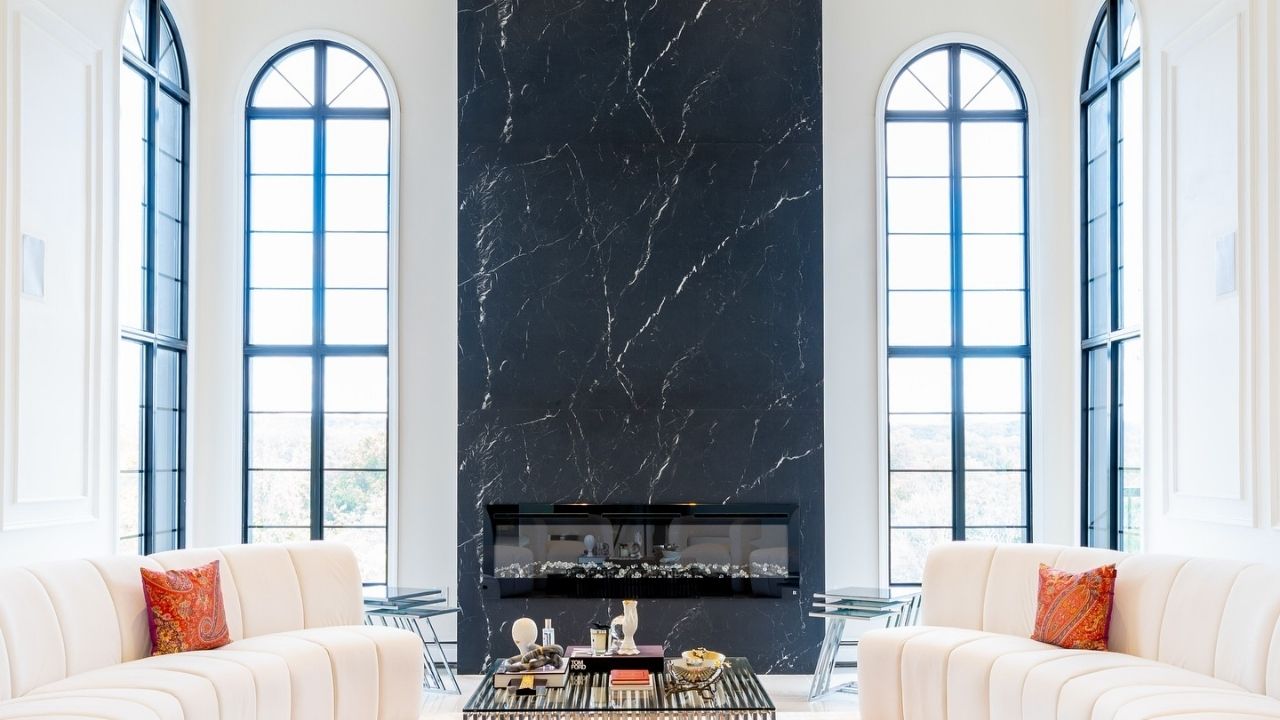
What Can Cause Porcelain Slabs to Crack Near a Fireplace?
Several factors can contribute to cracking around a fireplace. Heat is one possibility, but it is not always the only cause.
Sudden Thermal Changes
The rapid transition between cold and extremely hot temperatures can cause thermal stress, also known as thermal shock. If the heating or cooling occurs at different rates in different parts of the slab, stress can occur.
While porcelain is capable of handling ordinary temperature changes well, drastic changes in temperature can affect any tough surface.
Concentrated Heat
A fireplace produces high heat in certain parts more than other parts. The application of intense heat to a small part of the slab causes the slab to have thermal stress in that particular area.
Therefore, the porcelain slab that will be placed around the fireplace must be heat-resistant enough to withstand the heat. A porcelain slab meant for indoor use does not necessarily have to be heat resistant.
Poor Support
A slab needs consistent support across the area where it is installed. Gaps, uneven surfaces, or movement underneath can place stress on the slab.
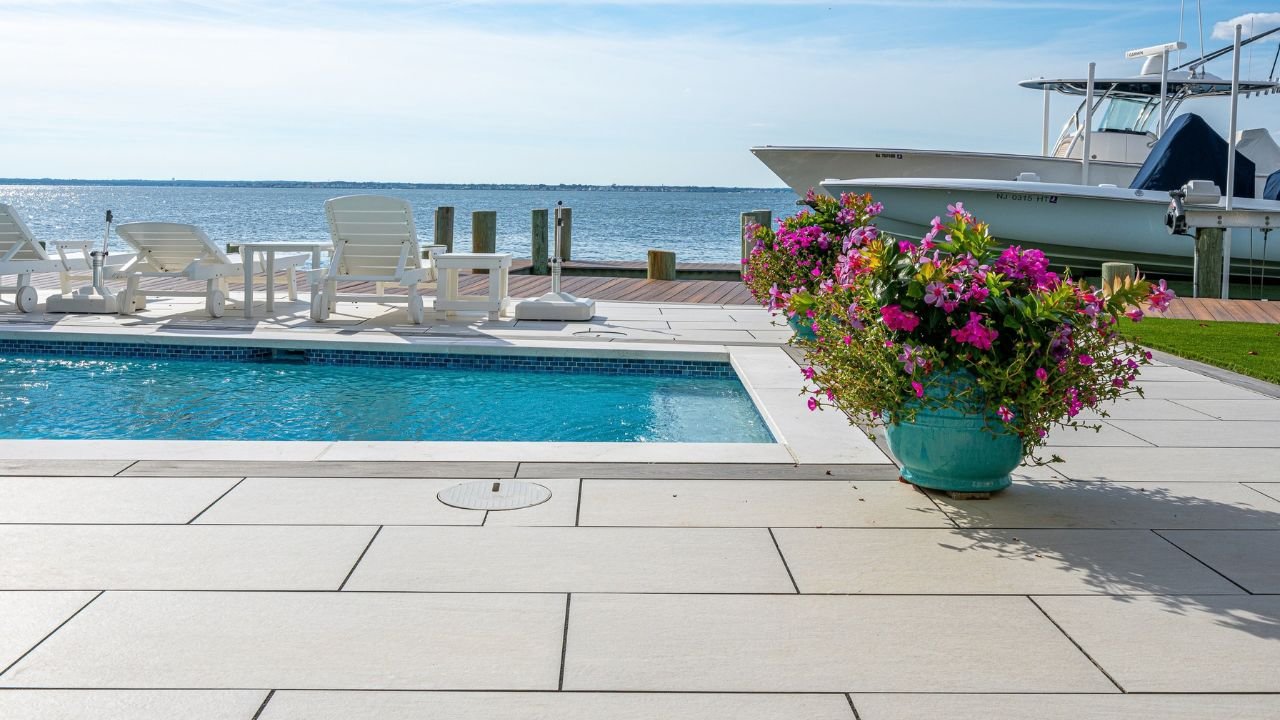
This is similar to outdoor porcelain pavers, where the supporting system is an important part of performance. Porcelain pavers can also crack when they are installed over inadequate or unstable support.
Improper Installation
Incorrect adhesive, poor substrate preparation, insufficient support, or installation that does not follow the product requirements can increase the risk of damage.
Large-format porcelain slabs also need careful handling and installation. Their size can make them more sensitive to unsupported areas and installation movement.
Existing Damage
A small chip, crack, or damaged edge can become a weak point. Heat and repeated temperature changes may place additional stress on an already damaged area.
This is why slabs should be inspected before installation. Any damaged piece should be evaluated against the manufacturer’s recommendations before it is used.
How Heat Resistant Are Porcelain Slabs?
Porcelain is fired at high temperatures during manufacturing, which gives it a dense structure and low water absorption. These properties help porcelain perform well in many demanding applications.
However, the heat resistance of a specific slab depends on the product and its intended use. Not every porcelain slab has the same technical specifications.
NT Pavers‘ fine porcelain stoneware testing reports compliance with UNI EN ISO 10545-9 for resistance to thermal shock, along with a coefficient of linear thermal dilation test under UNI EN ISO 10545-8. These results support the material’s resistance to thermal changes, but they do not by themselves establish that the product is suitable for direct flame exposure or every fireplace application.
When choosing porcelain for a fireplace, check the technical information for the intended application. If the slab will be exposed to direct flame or very high temperatures, confirm that the product is specifically approved for that use.
| Factor | Why It Matters |
| Heat level | Higher temperatures can increase thermal stress |
| Direct flame | Requires a product suitable for the specific application |
| Temperature changes | Rapid heating and cooling can create thermal stress |
| Slab support | Uneven or inadequate support can contribute to cracking |
| Installation | Incorrect installation can place stress on the slab |
| Product specifications | Different porcelain products have different approved uses |
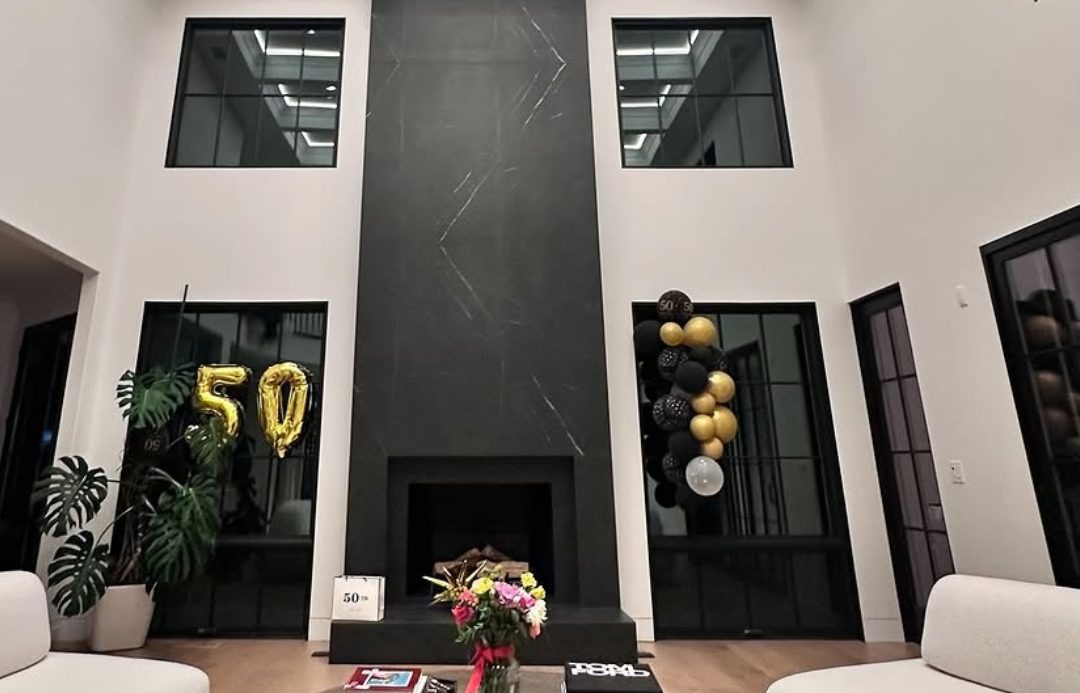
Where Can Porcelain Slabs Be Used Around a Fireplace?
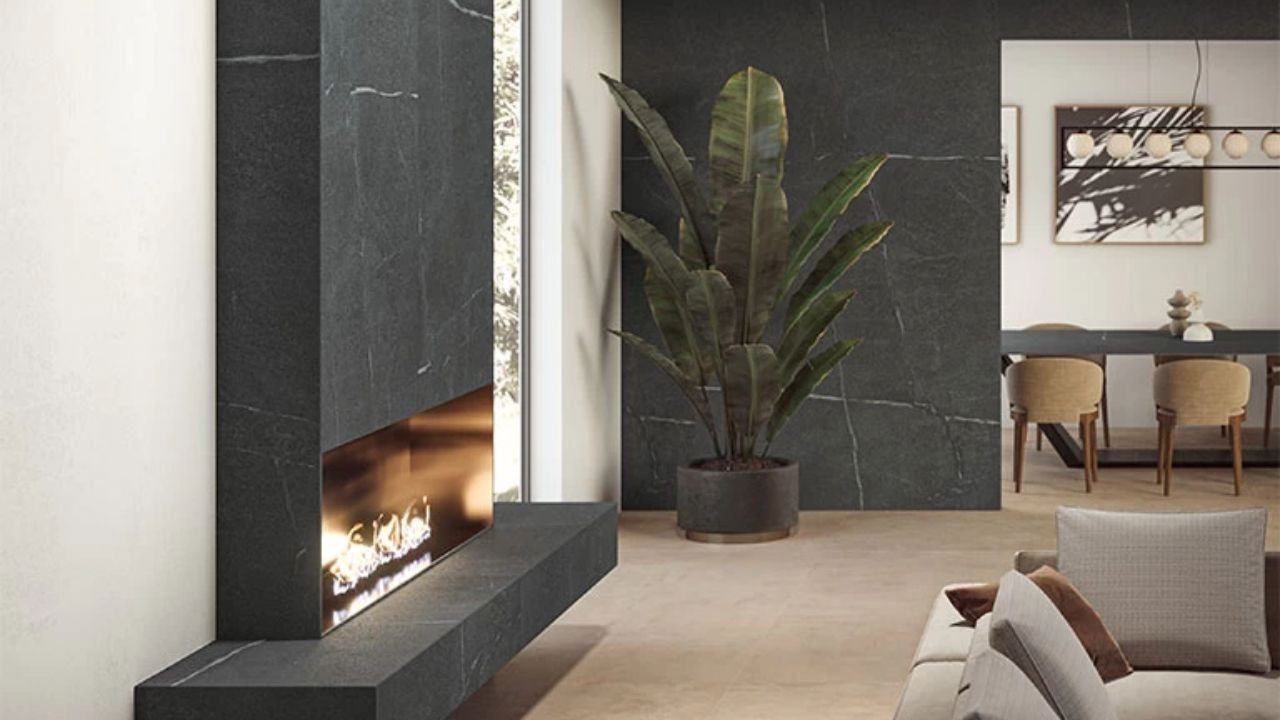
Porcelain slabs can be used for fireplace surrounds, fireplace hearths, and mantels when the specific product is suitable for the expected heat exposure. Areas closer to the firebox may experience higher temperatures, so always check the manufacturer’s requirements and fireplace clearance guidelines before installation.
| Fireplace Area | What to Consider |
| Fireplace surround | Heat exposure, product suitability, and installation |
| Hearth | Heat, impact, support, and substrate stability |
| Mantel | Temperature exposure and structural support |
| Near the firebox | Higher and more concentrated heat |
| Direct flame exposure | Specific product approval is essential |
How Can You Prevent Porcelain Slabs From Cracking Near a Fireplace?
Proper product selection and installation can help reduce the risk of cracking.
Choose the Right Porcelain Slab
Start by choosing the best slab for the fireplace area based on the expected heat exposure and intended application. Check the specifications rather than choosing a slab based only on its appearance or thickness.
Provide Proper Support
The slab should have suitable and even support across the installation area. The substrate should be stable and prepared according to the installation requirements.
Large-format slabs should not be left with unsupported areas that could create concentrated stress.
Follow Installation Requirements
Use the adhesive, substrate preparation, joints, and installation method recommended for the product. The correct method can vary depending on the slab, surface, size, and application.
Do not assume that a method suitable for a small porcelain tile will work for a large porcelain slab.
Avoid Unapproved Direct Heat Exposure
If the slab is going around a fireplace opening, determine how much heat the surface will receive. Areas exposed directly to flames or extreme temperatures may require a material specifically rated for that condition.
The fireplace manufacturer may also have clearance and surrounding-material requirements that need to be followed.
Allow for Movement Where Required
Materials can expand and contract as temperatures change. Proper movement joints and installation details can help prevent stress from transferring into the slab.
The exact joint requirements depend on the fireplace construction, substrate, slab, and installation system.
Does Porcelain Slab Thickness Affect Cracking?
Yes, porcelain slab thickness can affect the risk of cracking, but a thicker slab does not automatically prevent cracks.
The slab’s composition, dimensions, support, installation method, and intended application all matter. Outdoor porcelain products, for example, are available in different thicknesses and are selected according to the application rather than thickness alone.
For a fireplace project, follow the manufacturer’s specifications for the particular slab instead of simply choosing the thickest option.
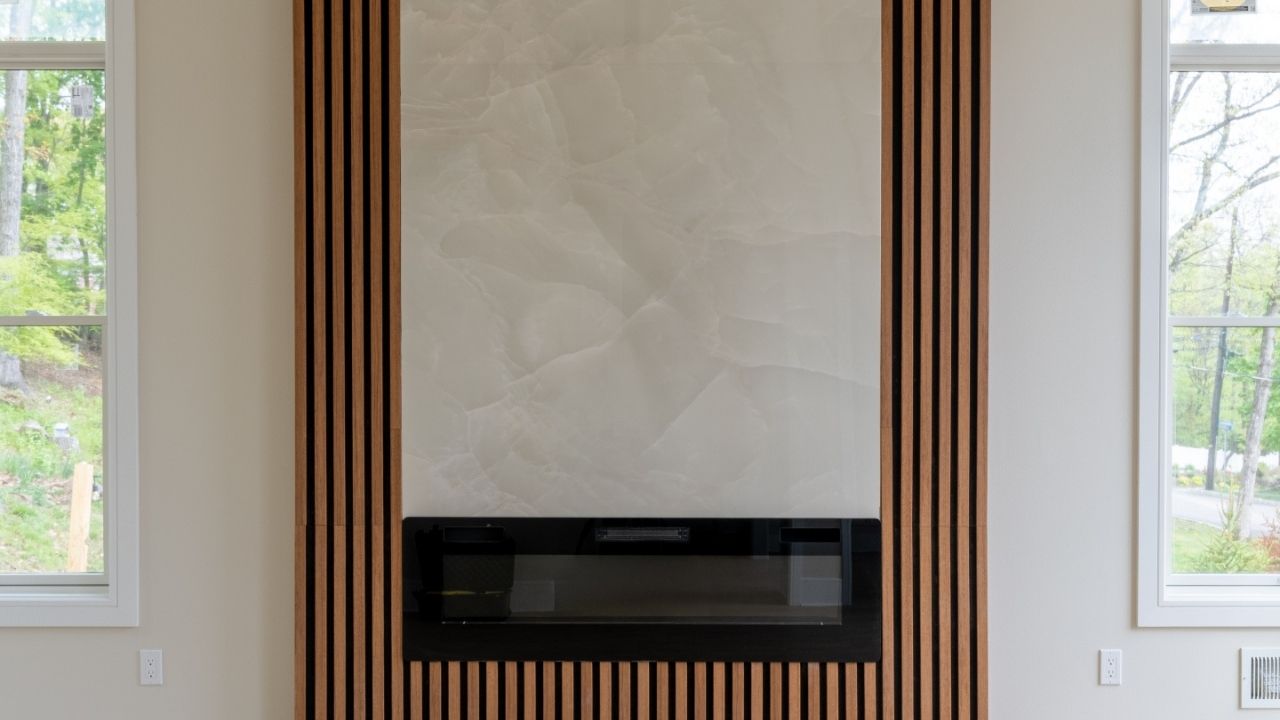
What Should You Do If a Porcelain Slab Cracks Near a Fireplace?
If a porcelain slab develops a crack, do not assume that heat is automatically the cause.
First, look at where the crack occurred and whether it is close to a heat source. Check for signs of impact, inadequate support, substrate movement, or installation problems.
If the crack appeared after repeated fireplace use, review the slab’s technical specifications and the fireplace manufacturer’s requirements. A qualified installer or the product manufacturer can help determine whether the slab was suitable for the application.
If several slabs develop cracks in a similar area, the underlying installation or substrate should also be inspected. If the slab needs to be replaced, review the product requirements and how to choose a porcelain slab for a fireplace before selecting a new material.
FAQs
Can porcelain slabs withstand fireplace heat?
Yes, it is possible for porcelain slabs to withstand the heat of the fireplace, although this will depend on the type of product used and its application.
Can porcelain crack from thermal shock?
Yes. Extreme or rapid temperature changes can create thermal stress and may contribute to cracking. Proper product selection and installation can help reduce this risk.
Is porcelain safe for a fireplace surround?
Yes, porcelain can be safe for a fireplace surround when the specific slab is suitable for the expected heat exposure. Always follow the product and fireplace manufacturer’s requirements.
Can direct flame damage porcelain slabs?
No, direct flame does not usually damage porcelain slabs when the product is specifically suitable for high-heat applications. However, always follow the manufacturer’s requirements and recommended clearances.
Does thicker porcelain handle fireplace heat better?
Not necessarily. Thickness is only one factor. The slab’s composition, technical rating, support, installation method, and expected heat exposure also matter.
What causes a porcelain slab to crack besides heat?
Poor support, substrate movement, impact, improper installation, existing damage, and sudden temperature changes can all contribute to cracking.
Bottom Line
Porcelain slabs can be suitable for fireplace applications when the specific product is appropriate for the expected heat exposure and installed correctly. However, extreme heat, rapid temperature changes, direct flame exposure, inadequate support, substrate movement, and improper installation can increase the risk of cracking.
Before choosing a porcelain slab for a fireplace, check the manufacturer’s technical specifications and installation requirements, and follow the fireplace manufacturer’s clearance requirements. This helps ensure the material is appropriate for the specific application rather than relying on porcelain’s general heat resistance alone.