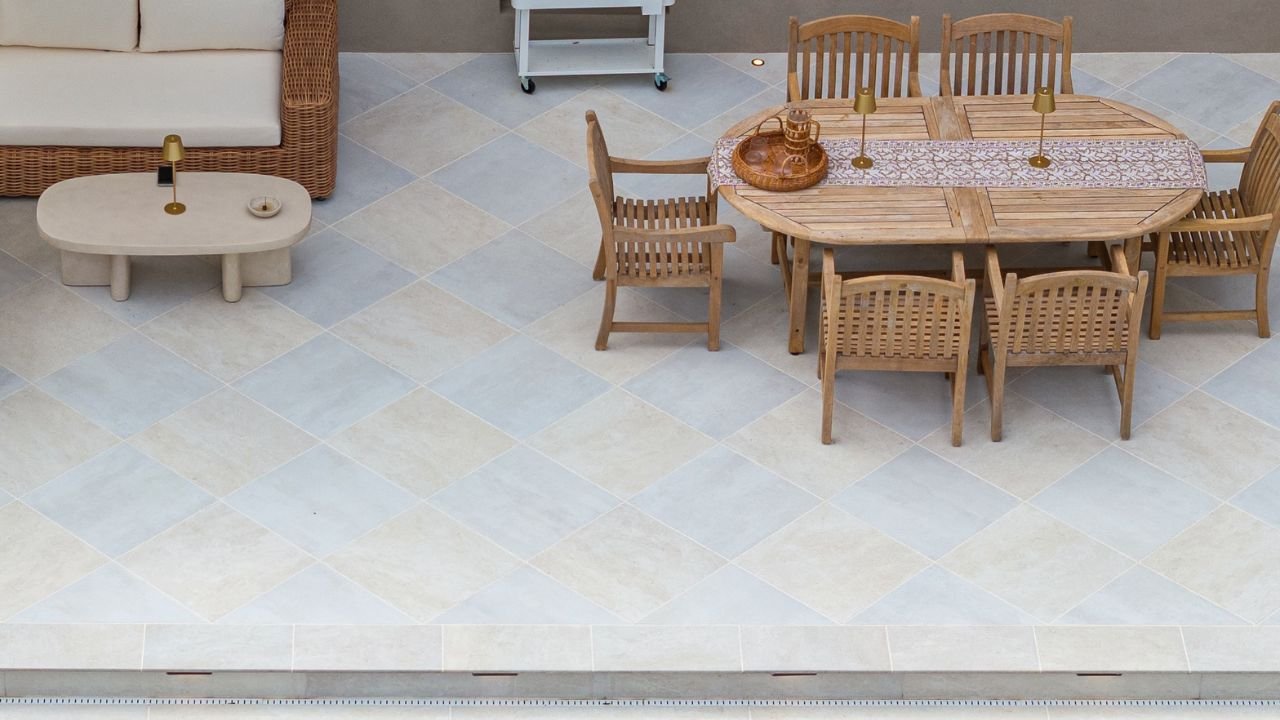

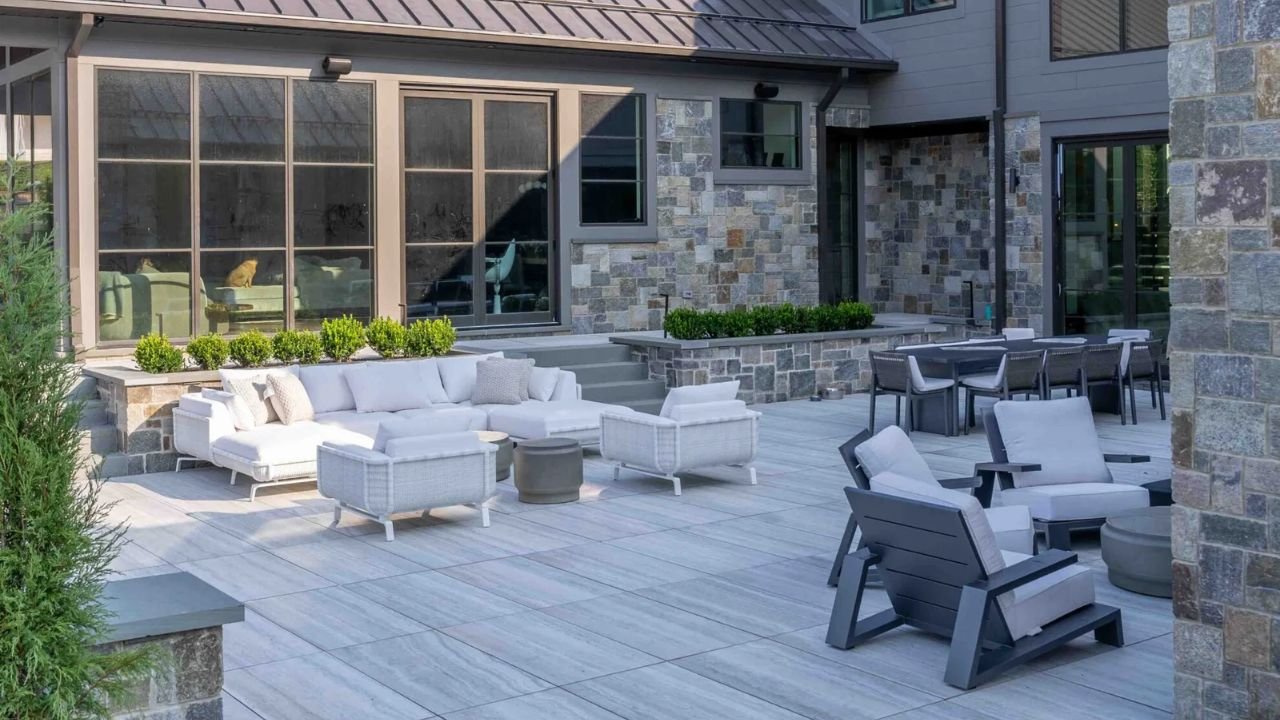
Pavers are only the smaller part when estimating the paver patio budget without compromising quality. Homeowners should consider excavation, base materials, installation, drainage, edging, and unexpected site costs. Homeowners should price each of them and then plan their paver project design with the money left. A cut to the base prep may result in gaps and dips within a few years, but reducing the pattern cost will not affect the longevity. However, this is only possible when you know where to save money and where reduced pricing can result in repairs for your landscape design.
Where Does the Money Go in a Paver Patio?
A paver patio budget consists of four parts. These shares accommodate a typical concrete paver patio, and your yard may differ.
| Budget item | Share of total | What it buys |
| Site prep and base | 30–35% | Digging, crushed stone, landscape fabric, gravel, soil removal |
| Pavers and bedding sand | 25–30% | The surface you see and the sand beneath it |
| Installation labor | 25–30% | Laying, cutting, edging, filling joints |
| Extras and spare funds | 10–15% | Delivery, surprises, add-ons |
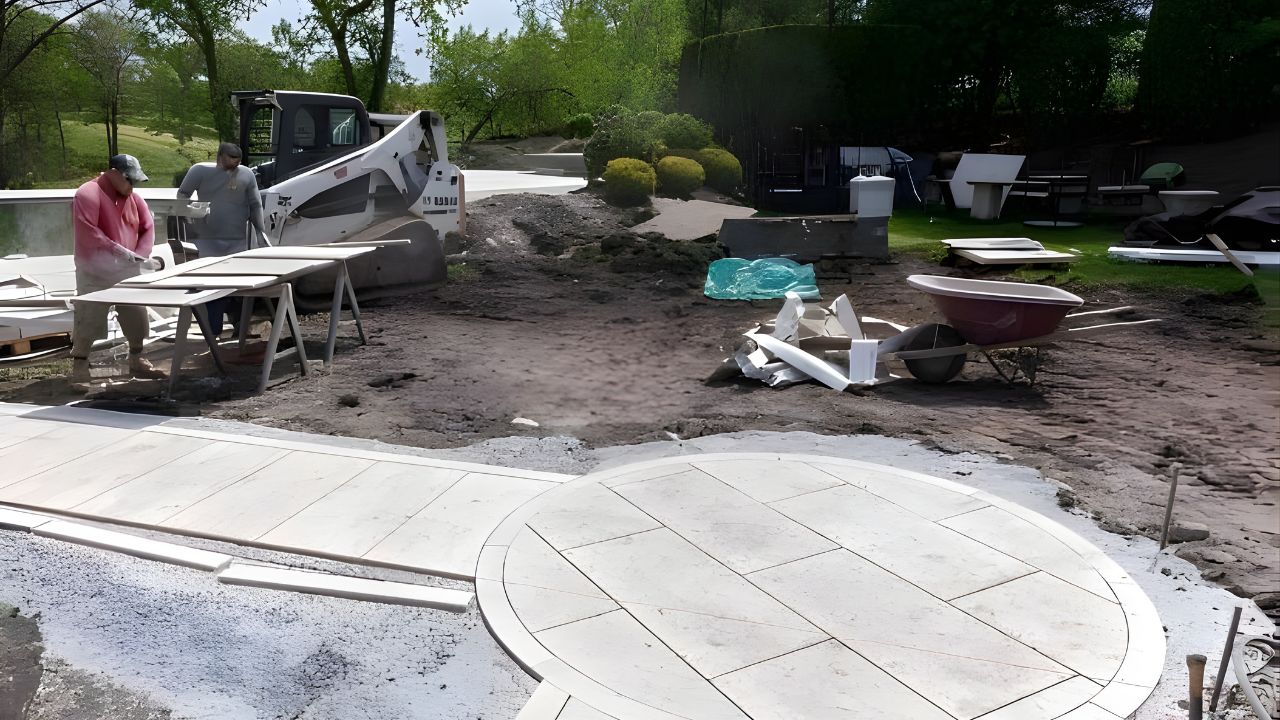
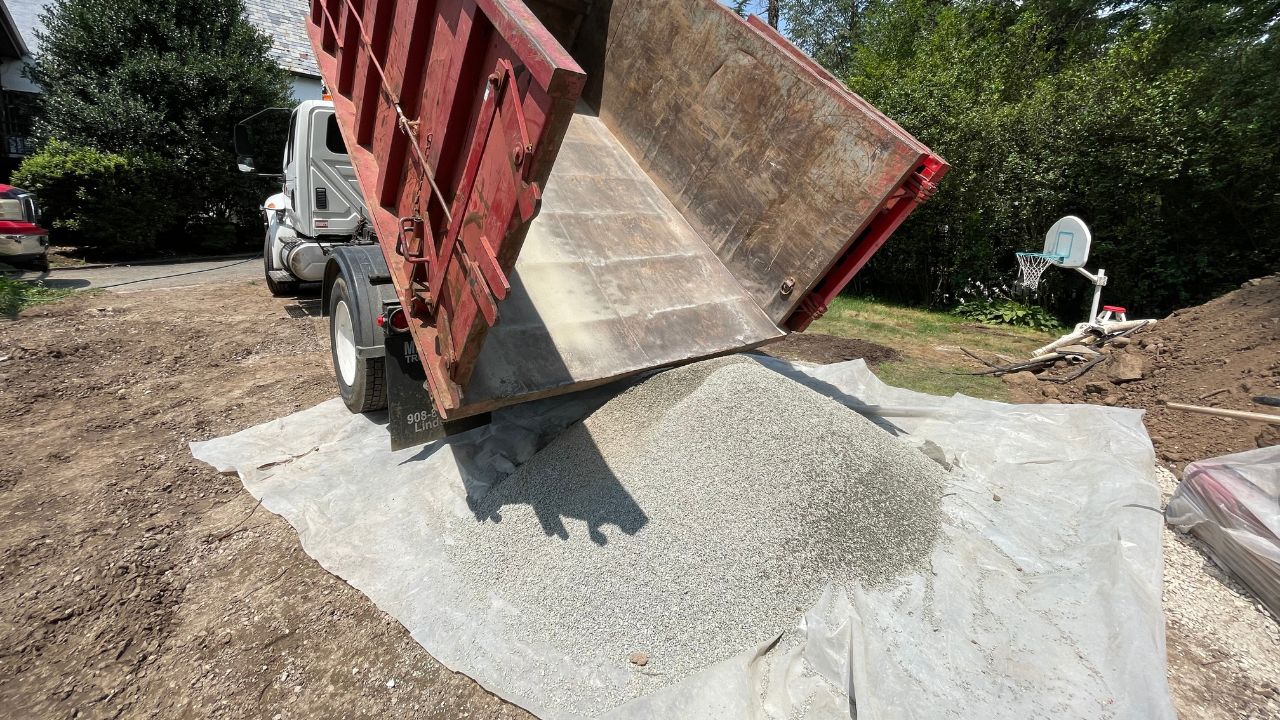
Homeowners expect outdoor space pavers to take the biggest share. Digging and base work cost more than people expect because a crew moves tons of soil and stone before it lays a single paver for the patio or driveway.
What Costs Should a Paver Patio Budget Include?
A complete paver patio budget includes the paving surface, the work underneath it, and labor costs for working on it. A quote shouldn’t cover only the paver cost, as it will leave a large gap in your project budget.
| Cost category | What it covers |
| Pavers | Concrete, brick, or natural stone paving materials are commonly used in a paver patio project. |
| Site preparation | Excavation, grading, and soil removal |
| Aggregate base | The compacted layer that supports the pavers |
| Bedding and joint materials | Bedding sand and material for filling paver joints |
| Edge restraints | Materials that help keep the patio edges in place |
| Labor and equipment | Installation, machinery, and material handling |
| Drainage | Grading corrections or additional drainage work |
| Contingency | Unexpected site conditions or changes in scope |
The actual costs depend on the patio size, paver choice, local labor rates, soil conditions, and site access. A narrow yard with limited equipment access may cost more to prepare than an open, level site. Ask for the cost of every item so you can check where you will spend the money on your patio installation. This will also help you to identify which design choices you can change to reduce the total cost. For typical price ranges by material, see our guide to paver patio cost per square foot.
Where Should You Not Cut Costs When Building a Paver Patio?
Divide every line of your quote into one of three groups. Your focus should be on the parts of the quote that cannot be fixed without changing the patio.
Dig depth:
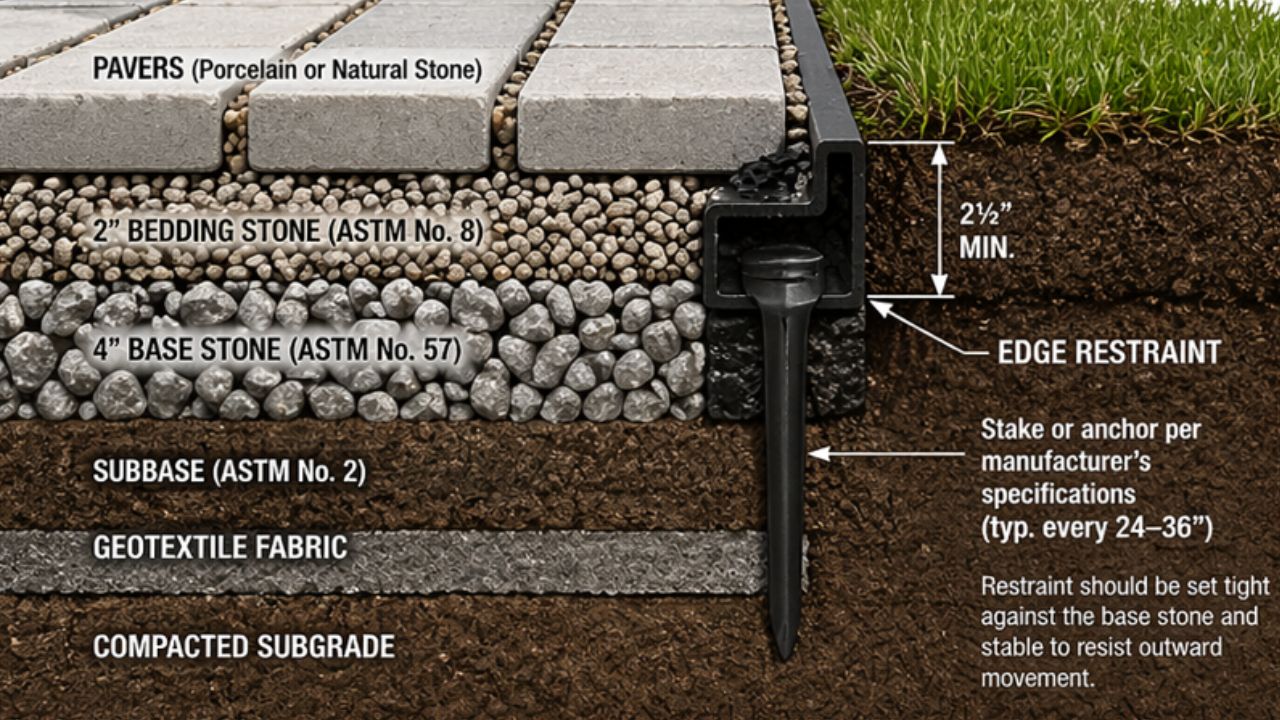
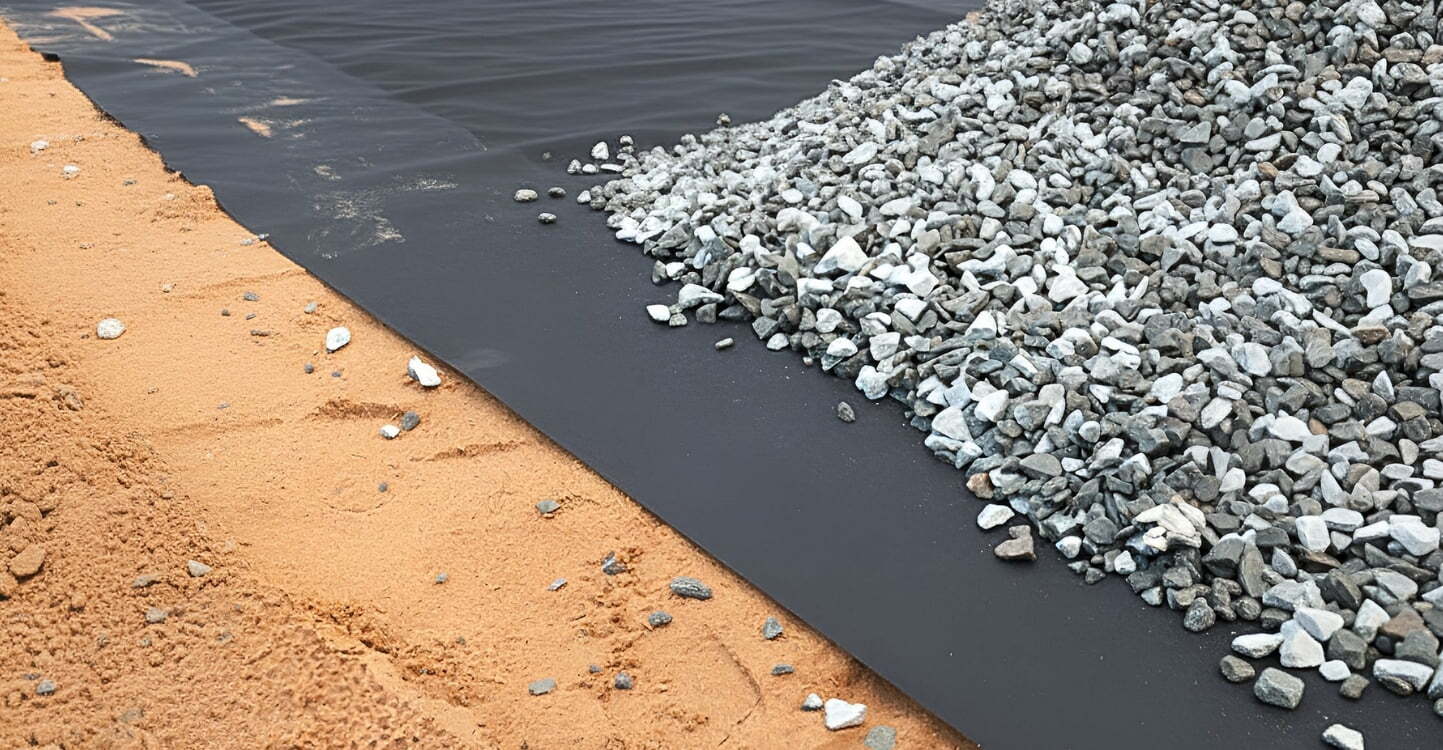
This involves removing enough soil to fit the full base. A patio requires 4 to 6 inches of compacted crushed stone along with a bag of bedding stone.
Base compaction:
The crew presses the stone flat in thin layers with a plate compactor, a machine that packs stone firmly. Loose stone settles, and settled stone can cause the patio to become uneven over time.
Edge restraint:
A strong border holds the outer pavers in place, and a weak border will let the patio spread and the joints open. That is why edge restraints belong in the part of the budget you protect.
Slope:
A patio needs a gentle drop of a quarter inch per foot, so rain runs away from your house. The finished patio requires a suitable slope that directs water away from buildings. Poor drainage can cause erosion, standing water, and movement beneath the pavers.
Test the surface; if the patio shows any damage within a year, it requires protection.
Where Can You Save Money on a Paver Patio?
You can compromise on the choices that just change the look, not the strength. Paver color, pattern, border style, and patio size are all included here for your new patio design. Reduce or save on extra features such as a fire pit, seat wall, lights, and planters that can wait for next season.
Use this test: if a cut shows its effect on day one, you can judge it and flex it.

Where Can You Save on Design and Materials?
There are four factors that you can cut to reduce the cost without weakening the patio.
Shrink the surface.
You can reduce the surface area without affecting the functionality. A 300-square-foot patio needs one-quarter less paver, stone, and labor than a 400-square-foot patio. A table for six, walkway space to pull out chairs, fits a 12-by-14-foot area.
Choose a simple pattern:
Cut down on any complex patterns. Running bond, where pavers offset like bricks in a wall, needs fewer cuts than 45-degree herringbone. Fewer cuts mean less waste and fewer labor hours. Order 5% extra pavers for a simple pattern and 10% for herringbone or curves.
Pick standard concrete pavers:
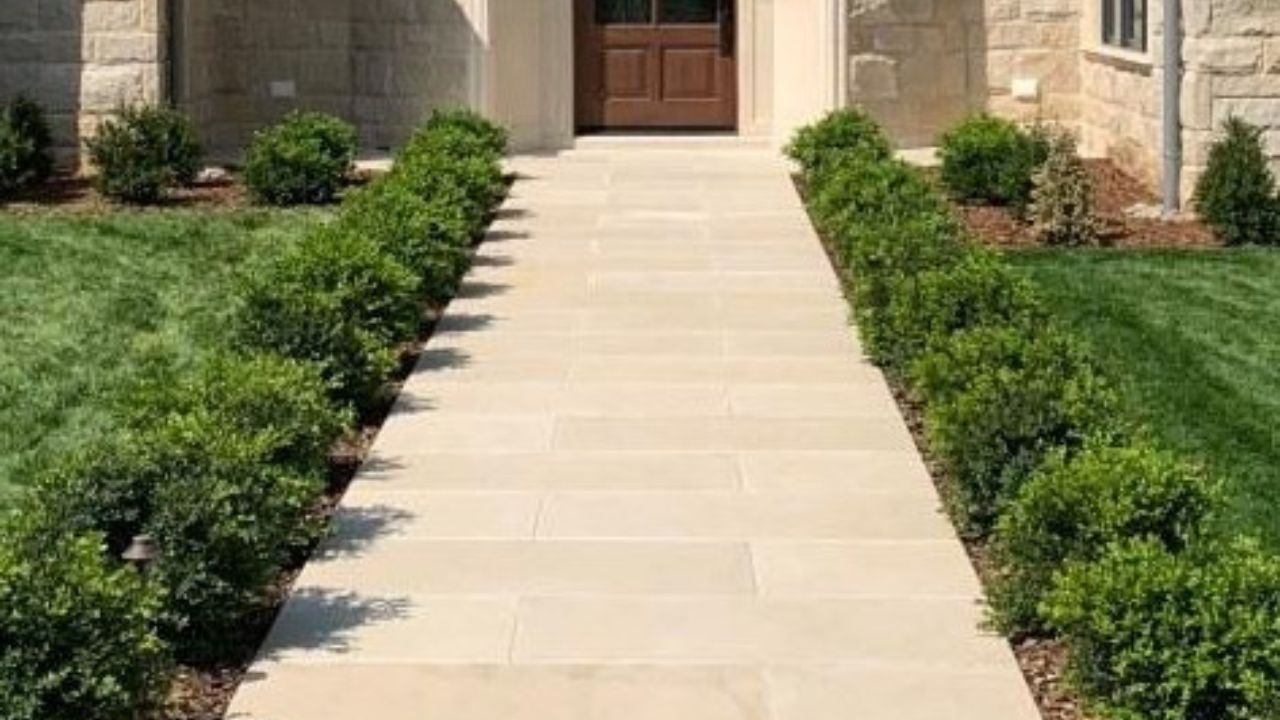
Select budget-friendly pavers like standard concrete pavers. Concrete costs less per square foot than natural stone like travertine or bluestone. Natural stone suits a small landing by your door, and concrete can cover the rest.
Keep the edges straight:
Keep the edges straight for your paver patio plan to maintain a long-lasting appearance. Curves need more cuts and more time than straight lines.
How To Save On The Labor And When To Spend on a Paver Patio Crew?
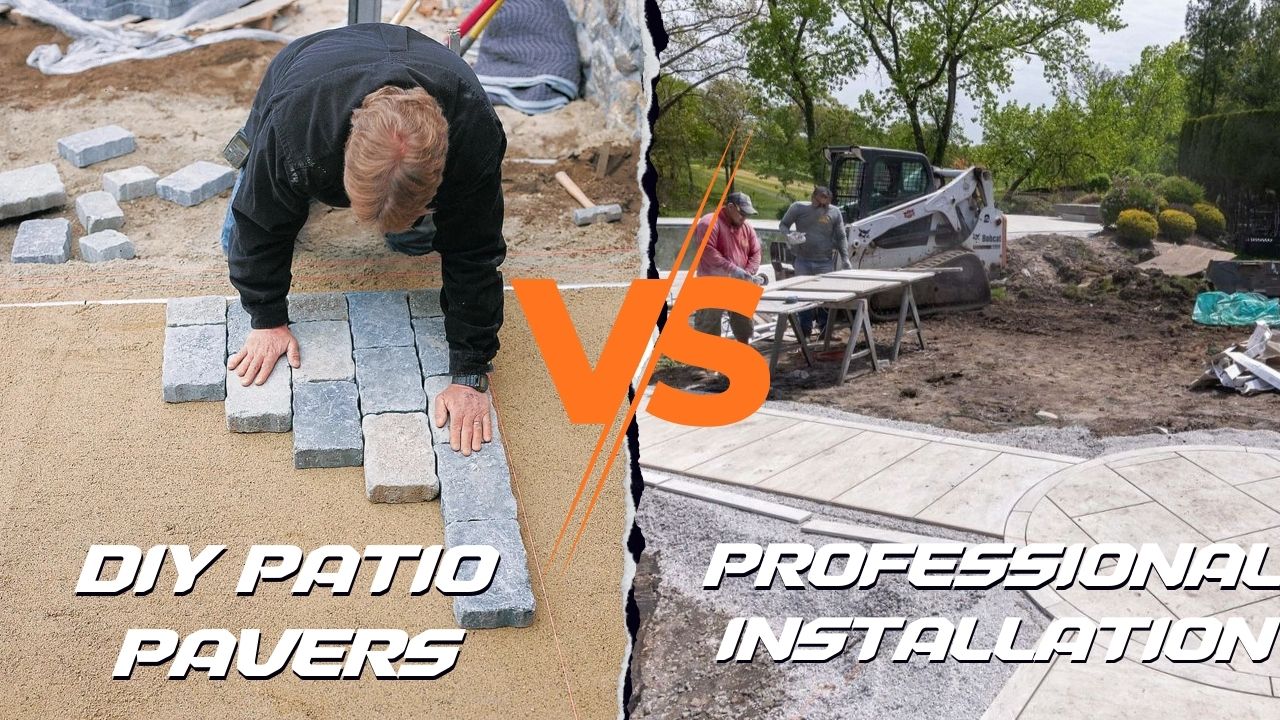
You can save on the labor work by doing low-risk tasks yourself and pulling up grass, hauling soil, moving pavers into the yard, and cleaning the area. This can save you significantly. Just hire a crew for grading, base work, compaction, laying, and edging. Mistakes in these steps go under the surface until you start to notice dips and gaps on the surface. A rented compactor can handle a small patio, but judging soil moisture, slope, and layer thickness takes practice.
How Do You Phase a Patio Without Tearing Up the Pavers?
Construct a full base and border in one cycle and phase the extras. You can ask the crew to install sleeves, which are the empty pipes under the stone, used for gas lines, lighting wires, and drainage. Sleeves don’t cost much from the start but can cost a lot once the pavers are installed. With sleeves in place, you can add a fire pit, wall, or lights as your budget grows.

How Do You Compare Paver Patio Quotes Fairly?
When asking for a paver patio quote from different contractors, the two quotes will cost different amounts. They will be describing two different patios. Ask each contractor to write down these items:
| Quote item | What to check |
| Dig depth and base thickness | Confirm the excavation depth and compacted base thickness in inches. |
| Geotextile fabric | Check whether the quote includes fabric to separate soil from stone where site conditions require it. |
| Compaction method | Confirm how the crew will compact the base and the thickness of each layer. |
| Edge restraints | Identify the type of edging used to keep the pavers in place. |
| Joint sand | Check whether the contractor specifies polymeric sand or another suitable jointing material. |
| Slope and drainage | Confirm how the patio will direct water away from the house. |
| Warranty | Check the warranty period, coverage, and exclusions for your new patio slab. |
| Permits and cleanup | Confirm whether permits, site cleanup, and soil removal are included in the price. |
The Interlocking Concrete Pavement Institute (ICPI), now part of the Concrete Masonry & Hardscapes Association, published guidelines for pavers, and most professional installers follow them. A low quote that leaves these lines blank may leave those steps out.
How Can You Plan for Unexpected Costs and Future Patio Upgrades?
Set aside a contingency budget according to the condition of your yard and the amount of uncertainty in the DIY project. Hidden obstacles, drainage problems, and unsuitable soil may require more effort than the original estimate did not cover. Ask the installer to inspect site access, existing drainage, and ground conditions before work begins. Also, agree on how the contractor will price and approve any additional work.
Don’t estimate the additional features such as outdoor furniture, planters, decorative lighting, and a pergola. However, complete the essentials like excavation, base, drainage, and paving work to the planned standard. Planning for future additions can also help you avoid disturbing the finished patio later.
Paver Patio Budget FAQ
Commonly asked questions about paver patio budget.
How much should I budget for a paver patio?
Take your written quote and add 10-15% for surprises. Cost per square foot is different by region, material, and site. Compare written quotes for your own yard.
What is the most important part of a paver patio?
The patio base is the most important part, where compacted crushed stone keeps pavers level for years.
Can I build a paver patio in stages?
Yes, a well-prepared base is essential for preventing the patio from becoming uneven over time. Build the base and border in one stage, and add extras like lights and a fire pit as your budget allows.
Are concrete pavers cheaper than natural stone?
Yes. Concrete pavers cost less per square foot than natural stone like travertine or bluestone, though natural stone adds a distinct look.
How thick should the base under a paver patio be?
A patio needs 4 to 6 inches of compacted crushed stone. Soft clay may need more.
What should I not skimp on when building a paver patio?
Secure the budget for subgrade prep, a suitable compacted base, drainage, and edge restraints. These elements help prevent settlement, paver movement, and water problems.
Bottom Line
A strong paver patio budget protects the base, flexes the design, and defers the extras. Ask every contractor for a written quote that lists the same steps, add a spare fund, and choose the crew that explains its work in plain words. If you want a written price for the paving material, NT Pavers can quote the natural stone pavers or porcelain pavers your patio needs.