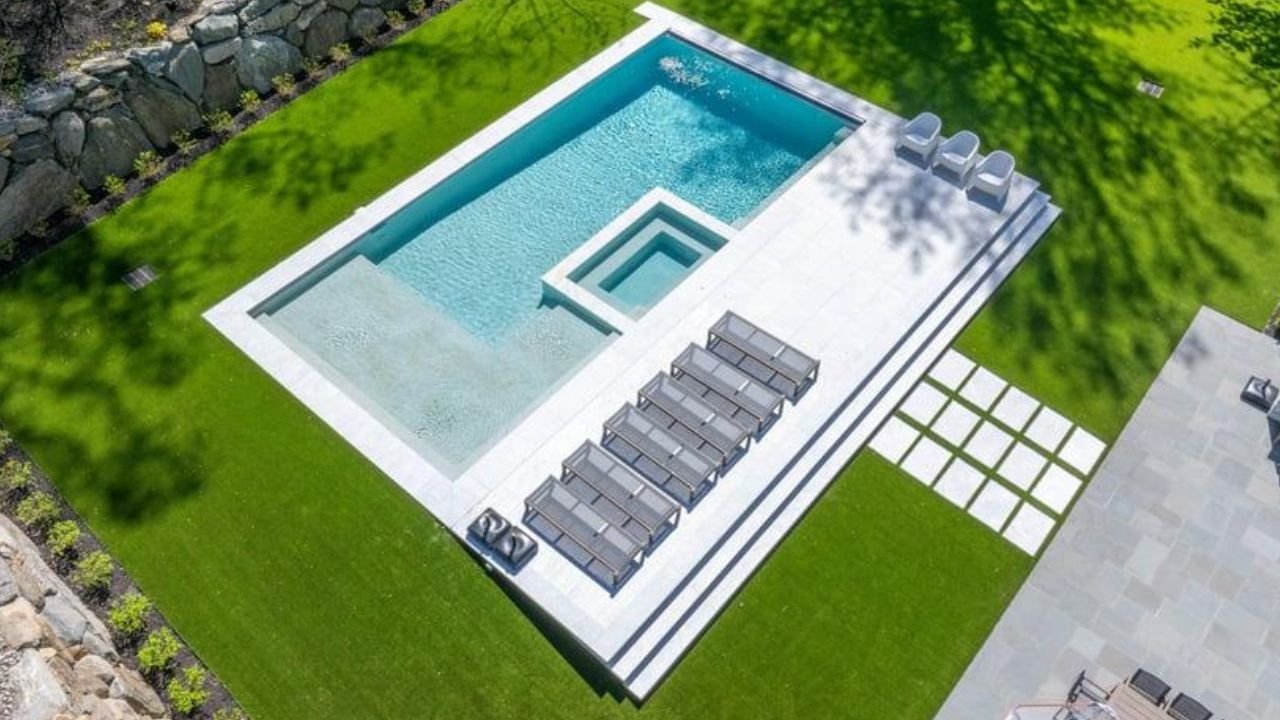

An intentional design for a diy paver patio can easily make it look expansive. You don’t need premium stone or complex patio paver ideas for your backyard. The best approach to a luxury DIY patio look is to invest in the details that matter in the finished space. When planning patio ideas, homeowners should avoid upgrades that add cost without improving the look or functionality. If you’re facing high material and labor pricing, then careful planning for a paver patio matters more than ever. Here is what you need to know.
What Makes a Paver Patio Look Luxurious?
A luxury paver patio is a mix of consistent color, clear joints, balanced proportions, and precise installation. In simple terms, the patio meaning refers to an outdoor paved area designed for relaxing, dining, or entertaining. Using premium patio materials cannot compensate for poor craft. These five details can create a high-end finish.
- Select pavers from the same production batch to reduce noticeable shade differences.
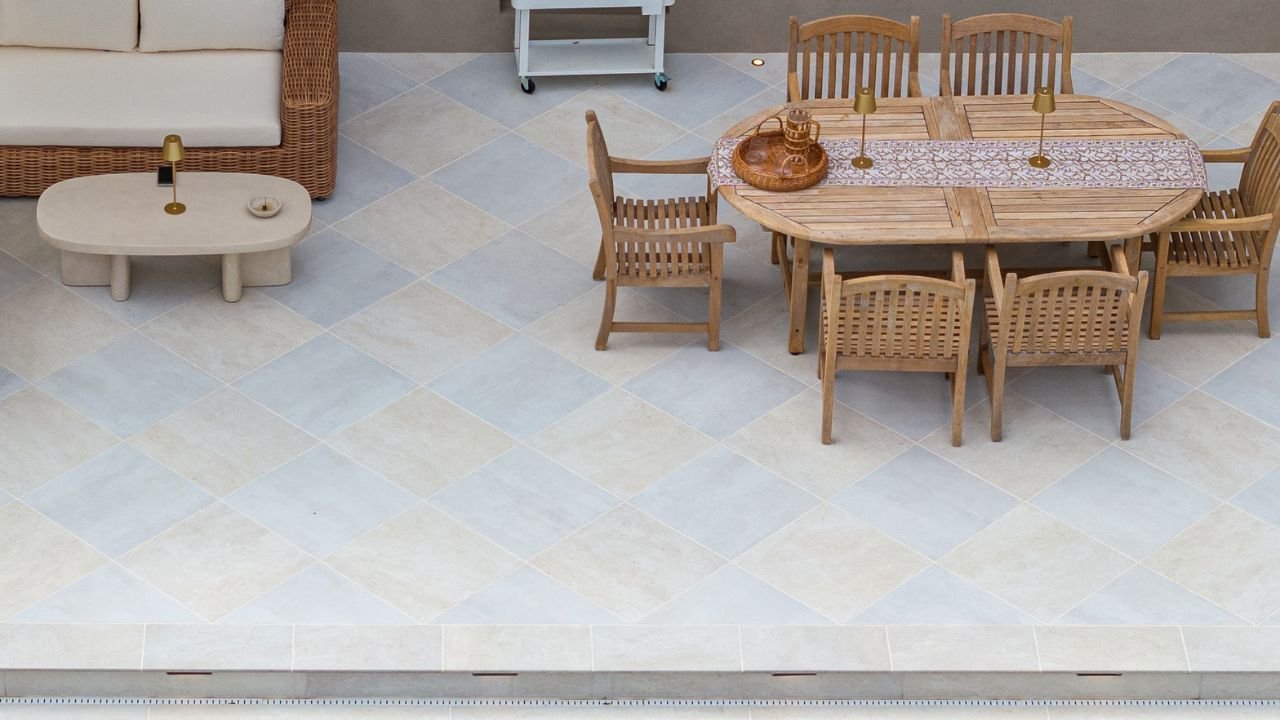
- An elegant pattern such as running bond and herringbone builds an order without complicated layouts.
- Straight borders and neat cuts make the patio look finished.
- Combine a main paver color with a complementary border to create a controlled palette.
- Choose thoughtful lighting such as low-voltage path lights or step lights to add ambiance after construction.
What Adds Paver Patio Cost Without Improving The Look?
Elements like oversized premium or large-sized budgeted concrete paving slabs may end up costing significantly more. They also make DIY project management harder. Incorporating elaborate curves, multiple decorative inlays, and expansive built-in features with paver patio ideas may also increase the cost. They don’t improve the overall design, so use one or two focal details instead of decorating every section.
How to Set a Realistic Paver Patio Budget
A paver patio is generally priced per square foot installed. Excavation, base materials, drainage, labor, and site access can affect the total as much as the pavers themselves. Budget for complete installation, not just the visible surface material.
| Construction phase | What affects the cost |
| Excavation | Soil conditions, digging depth, access, and disposal |
| Subbase | Aggregate quantity, delivery, and compaction |
| Bedding layer | Bedding sand and screeding labor |
| Pavers | Material type, thickness, finish, and cutting waste |
| Edge restraint | Restraint type, anchoring, and perimeter length |
| Jointing sand | Joint width, paver type, and polymeric sand selection |
| Sealing | Surface area, product choice, and preparation |
Site grading, drainage corrections, steps, and retaining walls may require separate allowances.
What should a 300-square-foot patio cost?
To estimate paver patio cost, multiply your patio’s square footage by your installer’s per-square-foot rate. Multiply your patio’s square footage by your installer’s per-square-foot rate. Add allowances for drainage corrections, steps, and site access. A 300 sq ft patio is 15 ft x 20 ft, so each $1 change in the per-square-foot rate moves your total by $300.
When estimating the cost of a larger project, homeowners often ask, “How much does a 20×20 paver patio cost?” A 20-by-20-foot patio covers 400 square feet, so the total depends on the installed price per square foot and any additional site preparation.
For a useful estimate, calculate the patio area, request an itemized installation quote, and compare the same scope of work across contractors. Ask your installer for excavation depth, haul-away, paver base aggregate depth, edge restraint, jointing sand, sealing, and drainage work.
| Budget level | Recommended specification |
| Lean | Standard concrete pavers, simple layout, straightforward site, essential base preparation |
| Mid-range | Better paver finish, contrasting border, professional installation, more complex site preparation |
| Premium | High-end concrete, porcelain or natural stone pavers, intricate detailing, custom features, upgraded lighting |
Arlington, Virginia, homeowners should also account for local labor rates, drainage requirements, and freeze-thaw conditions.
Where to Spend for a Luxury Finish That Lasts
Spend money on the elements that will add to the longevity of the patio, such as a well-prepared base, edge restraints, and a thoughtful border row, which can add more value than the expansive pavers alone.
Build a Stable and Compacted Base
Proper paver patio installation starts with careful excavation, a stable compacted base, effective drainage, and secure edge restraints. The base is generally the layer of crushed stone under the pavers. It adds stability to the patio surface for years. While most residential patio pavers require around four to six inches of base, some soft or clay soil may require a deeper base. Press the stone down firmly in thin layers. Loose gravel poured in one thick layer will sink over time and leave dips and puddles.
Install secure edge restraints.
Edge restraints run along the outer edge of the patio. They hold the pavers in place, and skipping this part will make the pavers spread slowly over the years. Fix it in place exactly as the manufacturer says.
Add one contrasting border.
Thoughtfully use the paver to create a border. Do not use too many contrasting pavers, which will increase the cost. Plan the border in a way that looks intentional and not just an afterthought. Using darker pavers around lighter concrete pavers can provide a customized paver appearance, and it won’t cost much.
Choose the right jointing sand and sealer.
Joint sand will fill the small gaps between pavers. Using a specific sand type that hardens or activates when wet can keep the pavers in place and will not slip away. It can also prevent weeds from growing between the pavers. Carefully check the label because improper use may leave a cloudy, film-like substance on the surface.
Build a gentle slope.
Avoid water accumulation at the beginning because it can significantly affect your paver patio’s performance. Build a ¼-inch drop for every foot for a typical patio build. It will flow the water away from your house.
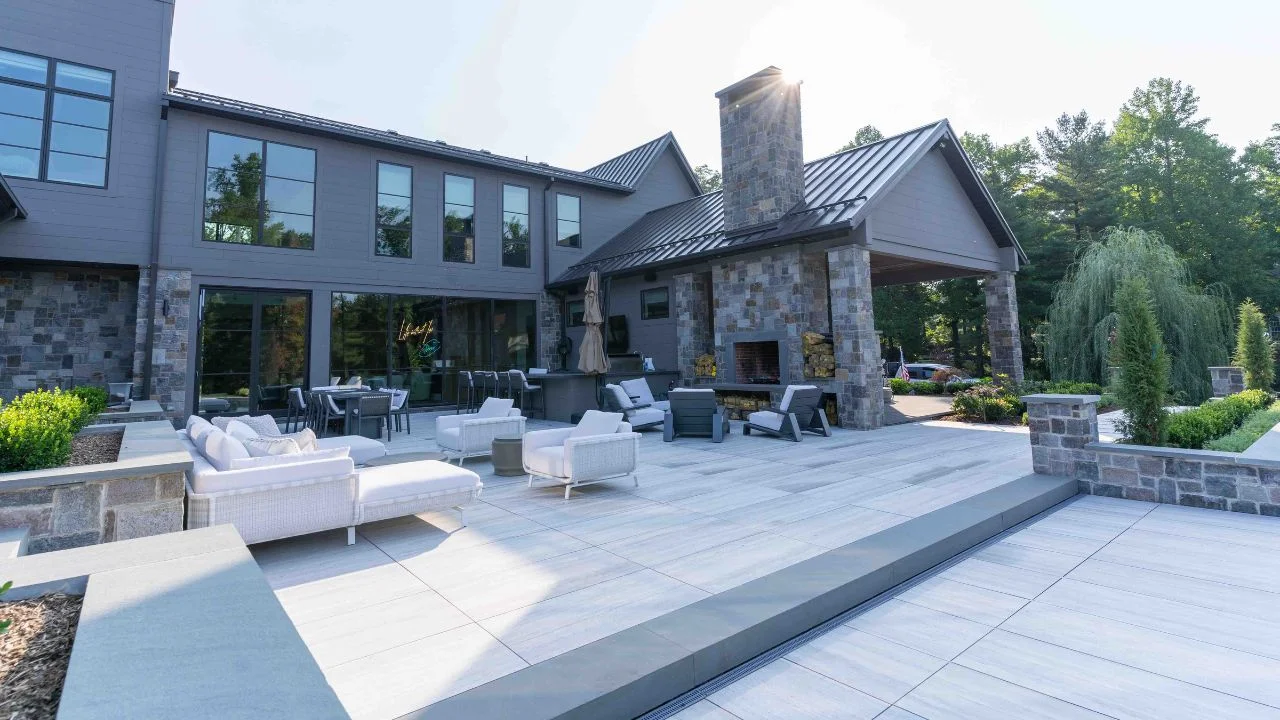
Depending on the site conditions, patio drainage options may include surface grading, channel drains, or a properly designed subsurface drainage system to help manage excess water.
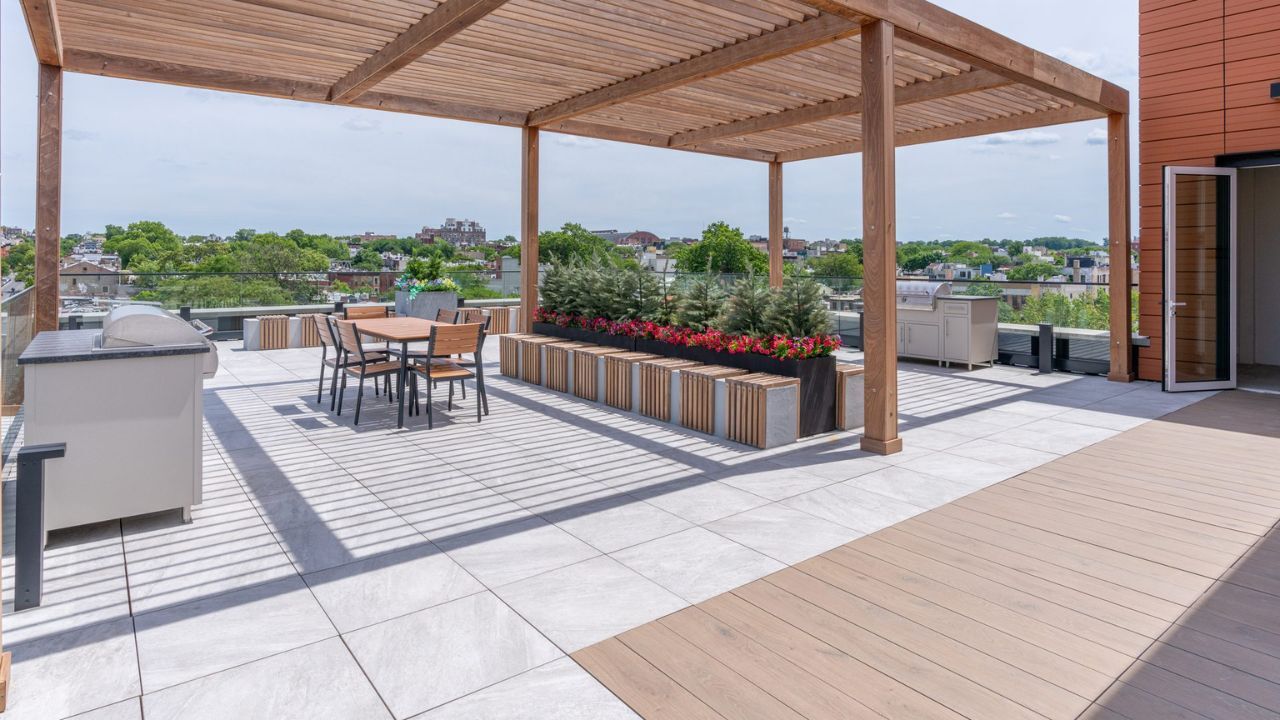
Where Can You Save Without Making Your Paver Patio Look Cheap?
You can still make a cheap patio without making it look cheap. Go budget-friendly by selecting standard concrete pavers. Choose a rather simple shape and work for extra features later. Check out our cheap patio paver ideas that give your backyard patio a luxury look while staying under budget. This approach will significantly save you on patio costs without compromising the final look.
Use concrete pavers:
Concrete pavers are ideal for budget patio builds. Homeowners can find them in a wide range of colors and textures, and some may even look very close to natural stone. A concrete patio with natural stone in a small spot looks intentional. Stones like travertine and limestone pavers in a seating area or stepping stone offer a great look.
Keep the shape simple:
Do not choose a complicated design or shape for patios. A simple square or rectangle-shaped patio will save you bucks because it requires fewer cuts and takes less time to build.
Buy a little extra:
If you have already estimated the pavers for patio building, then add 5 to 10 percent more than you actually need. This will accommodate the cuts and installation mistakes. Also, if they will not be used entirely, you can keep them for future repairs.
Add extras later
Focus on designing and building the patio first. Add essential features first and then plan any additional elements such as a fire pit or custom lighting later. You can leave space while building the overall patio space. This prevents you from having to redo the finished pavers later.
When To Use Natural Stone or Porcelain Pavers in a Budget Paver Patio?
Use porcelain or stone pavers in a small and high-impact area of the patio instead of the full surface. While concrete pavers are an ideal choice for budget projects, use stone and porcelain pavers around borders or at seating areas.
| Material | Best budget use | Main trade-off |
| Concrete pavers | Full patio surface | Less natural texture |
| Natural stone (travertine, limestone) | Border, seating area, steps | Higher cost, needs sealing, color varies between pieces |
| Porcelain pavers | Low-maintenance patios, dry-laid installs | Higher cost, needs diamond-blade cutting |
Use Natural Stone for the Border or Focal Area
Natural stones typically cost more per square foot than concrete. To save cost, place them in an area where people see first. A one-foot border around a 15 ft x 20 ft patio covers 66 of the 300 square feet. The concrete pavers will cover the other 234. This split gives you the stone look on the visible edge while the larger area stays at concrete prices.
Travertine pavers and limestone pavers pair well with gray and tan concrete. Request samples before you order, because color and veining change from one piece to the next. Seal natural stone with a compatible sealer, and follow the manufacturer’s instructions.
Use Porcelain Pavers When Maintenance Costs More Than Material
Porcelain pavers resist stains, moss, and fading. Most porcelain pavers need no sealer. Make sure to check the product specification to confirm it is approved for outdoor applications. Choose porcelain for dining areas, grill zones, and shaded yards where spills and moss build up. Porcelain is also compatible with dry installation on compacted gravel or sand. You will not have to go for a mortar bed.
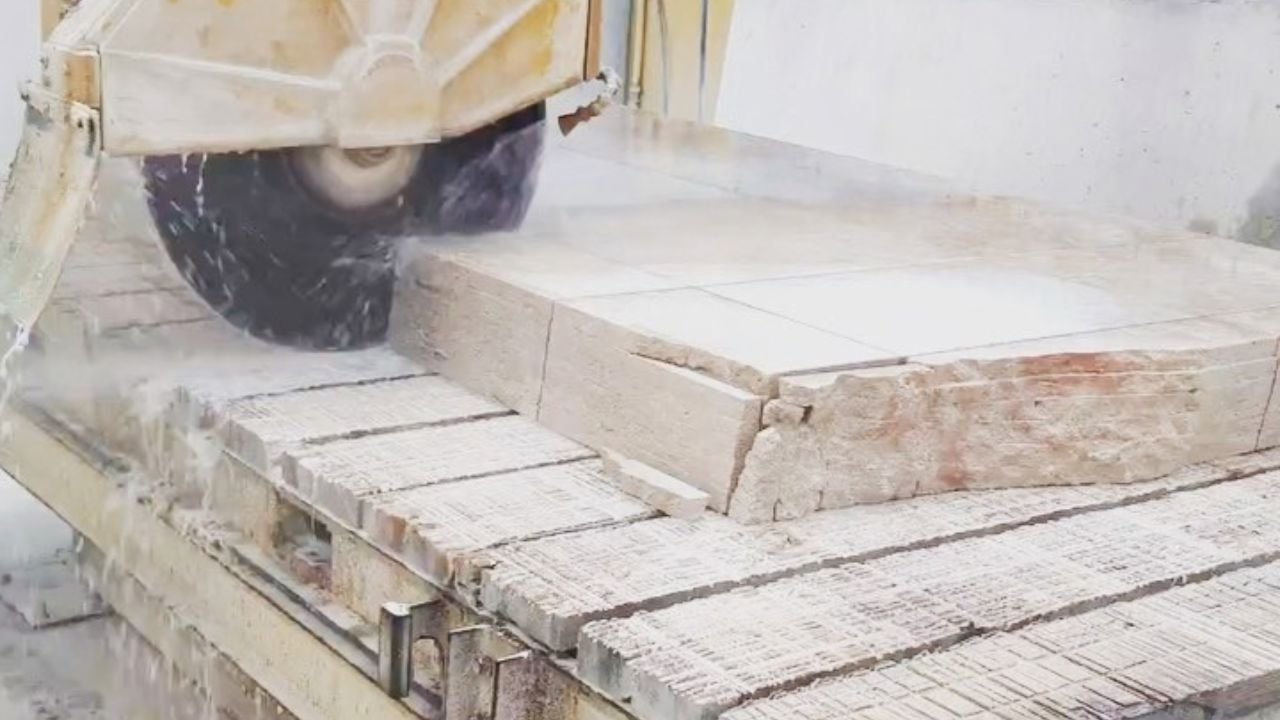
The base still needs firm compaction and a level surface. A wet saw with a diamond blade cuts porcelain, so plan for a rented saw or a professional installer.
What Mistakes Make a Patio Look Cheap?
Your best-designed patio may still look cheap with uneven gaps, mixed colored pavers, poor drainage work, rough cuts, and missing edging. This is usually a result of projects completed in a rush or misplanning, not the cheap pavers.
| Paver Patio Mistake | Why It Causes Problems |
| Uneven paver gaps | Inconsistent joints make the patio look untidy and can affect how well the joint sand performs. |
| Poor drainage | Incorrect grading can cause standing water, erosion, and water flowing toward the house. |
| Mixed paver colors | Visible color patches can make the finished patio look inconsistent. |
| Missing edge restraints | Unsupported edges allow pavers to shift and joints to widen over time. |
| Rough paver cuts | Jagged edges and narrow slivers reduce the quality of the finished border. |
| Sealing too early | Moisture or uncured jointing materials can interfere with sealer performance, causing haze or uneven results. |
Paver Patio on a Budget FAQs
Commonly asked questions about Paver Patio on a Budget.
How much does a luxury paver patio cost per square foot?
The actual paver patio cost depends on paver selection type, drainage, soil, and local labor cost. A proper and stable base often takes a significant part of the patio cost. It is better to ask for a written quote that lists each item so you can fairly compare them.
What is the cheapest paver that still looks high-end?
Standard concrete pavers offer the best value for money. They feature tight gaps, even colors, and a darker border row, which provide a refined look to the patio.
Can I use natural stone on a budget?
Yes. Use stone pavers only for the border instead of the entire surface.
How thick should the base be?
About 4 to 6 inches is ideal for most home patios. Clay or soft soil may need more thickness.
Do I need to seal my pavers?
Sealing depends on the pavers you choose for your patio project. Concrete and many stone pavers require a compatible sealer. However, check the manufacturer’s instructions regarding sealing, as it can enhance the paver colors and make cleaning easier.
Can I build a paver patio in a weekend?
It largely depends on the project size. You can complete a small patio in a weekend. Excavating, base prep, and finishing generally take longer. Make sure not to complete them in a rush.
Are porcelain pavers worth the extra cost?
Yes. Porcelain pavers are low maintenance and offer exceptional durability. But the upfront cost is higher, requires precise installation by experts, and is not suitable for DIY projects.
How can I make concrete pavers look like natural stone?
Choose textured pavers with soft color changes, then add a simple border and even gaps.
Bottom Line
When it comes to creating a luxury paver patio on a budget, you don’t have to cut corners on essentials or compromise on the design. What matters here is disciplined choices. Invest in a stable base, good drainage, secure edges, and precise installation. Choose budget-friendly but durable pavers like standard concrete pavers and use a simple pattern. Focus on adding essential features and add further elements later. With the right plan, you can create an attractive, durable outdoor space without paying for upgrades that add little value.