
Natural stone has been used in architecture for a long time. Marble is one of those natural stones that is still a popular choice among homeowners due to its luxurious appeal. When cut into thin tiles, marble becomes a beautiful surface for a floor and vertical spaces.
Marble wall tiles feature durability, natural patterns, and a refined appearance. Designers often choose them for bathrooms, kitchens, and accent walls because the stone adds character and visual texture. Each tile features a natural vein formed through geological pressure over millions of years. That organic pattern creates surfaces that never look identical. Continue reading the following to learn about marble wall tiles and why they are used.
What Are Marble Wall Tiles?
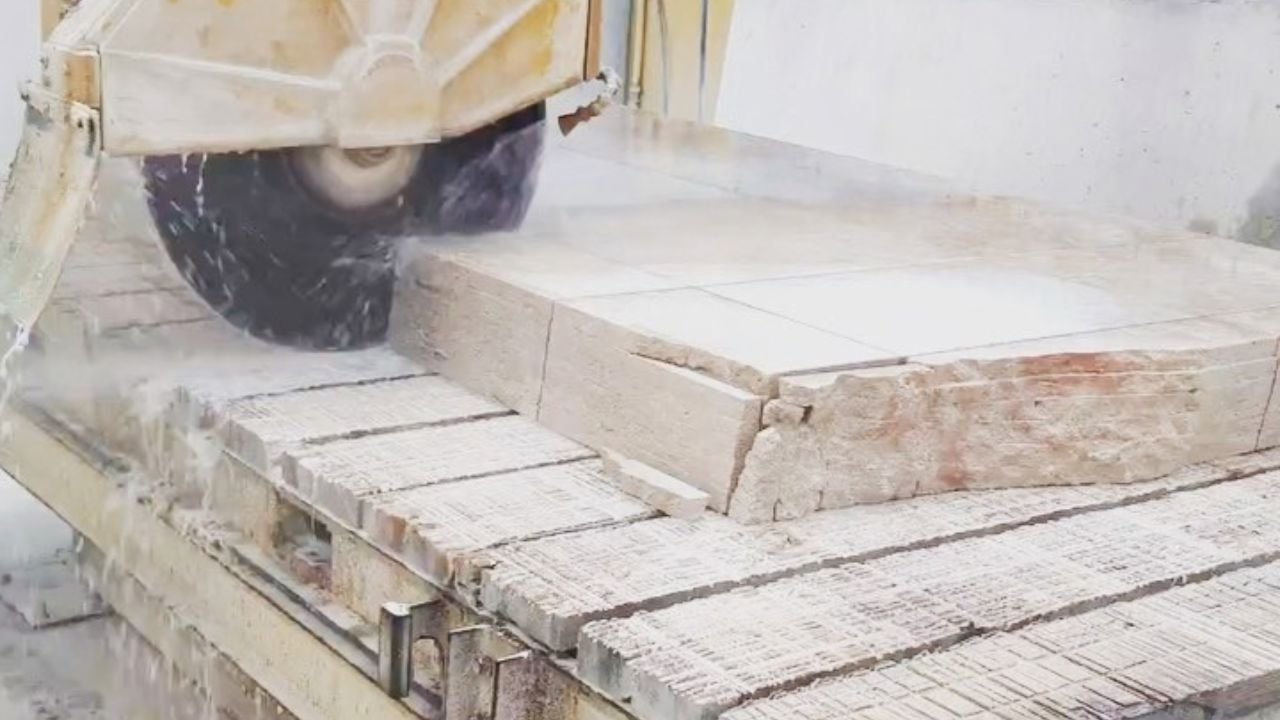
Marble wall tiles are crafted from marble slabs into thin pieces with standard tile dimensions and designed specifically for vertical installation. Manufacturers extract marble slabs from a quarry or natural deposits. Workers then slice these blocks into slabs using diamond wire saws. The slab passes through the finishing process that creates smooth surfaces. After finishing, the slabs are cut into tiles. Most wall tile sizes are:
- 12×12 inches
- 12×24 inches
- 4×12 subway format
- Mosaic sheets
- Large-format panels
Marble itself takes shape when limestone goes through heat and pressure inside the Earth. This transformation creates marble’s crystalline structure and distinct veining.
Where Marble Wall Tiles Are Commonly Used?
Marble wall tiles work best in areas where visual impact matters more than heavy structural performance.
Bathroom Walls
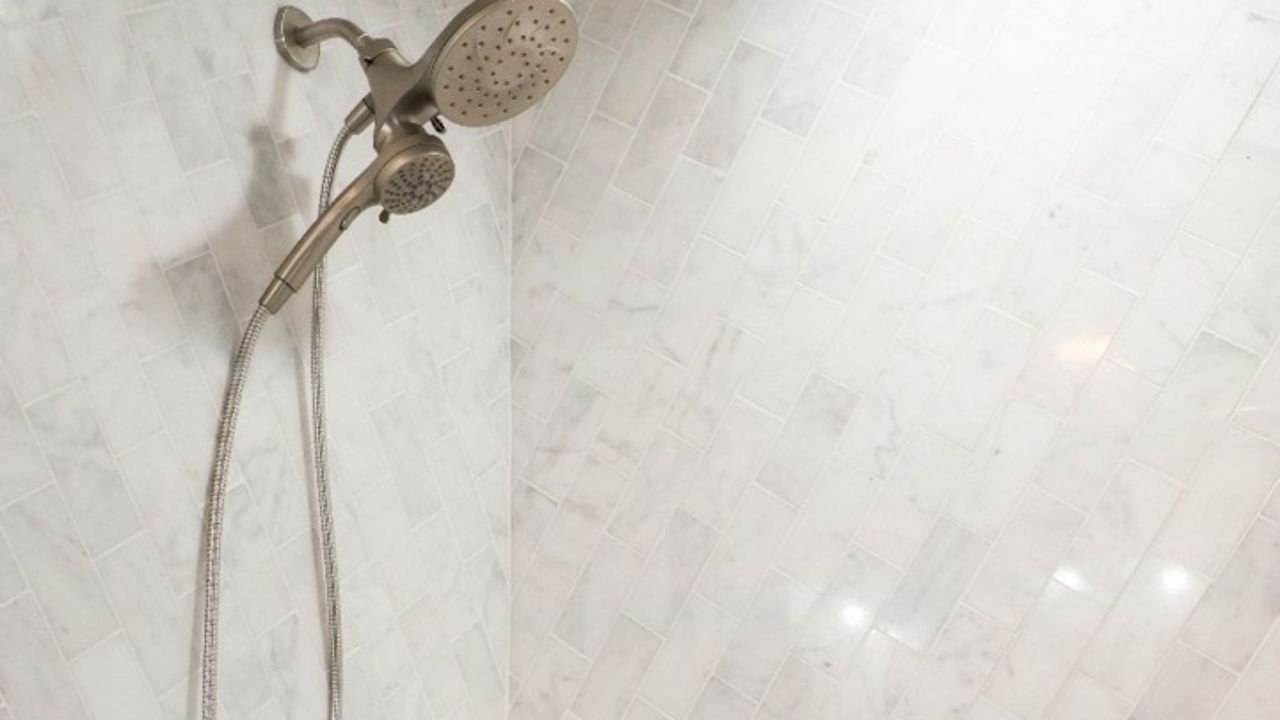
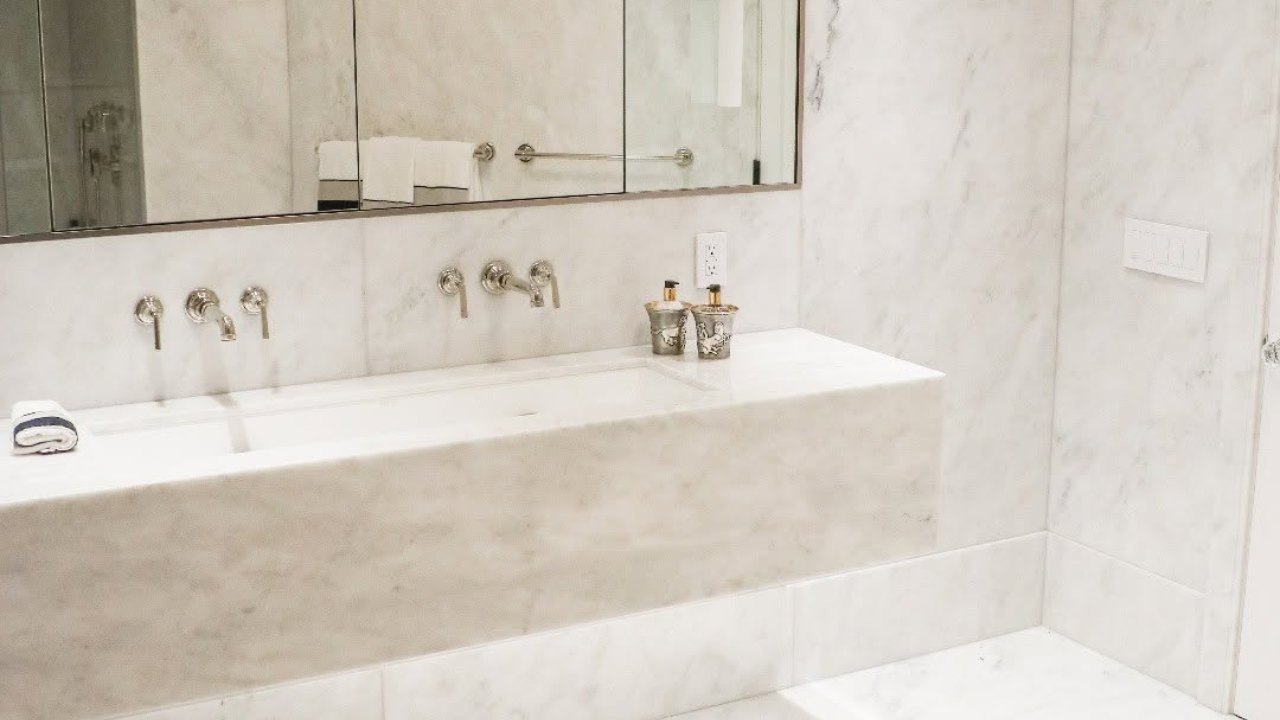
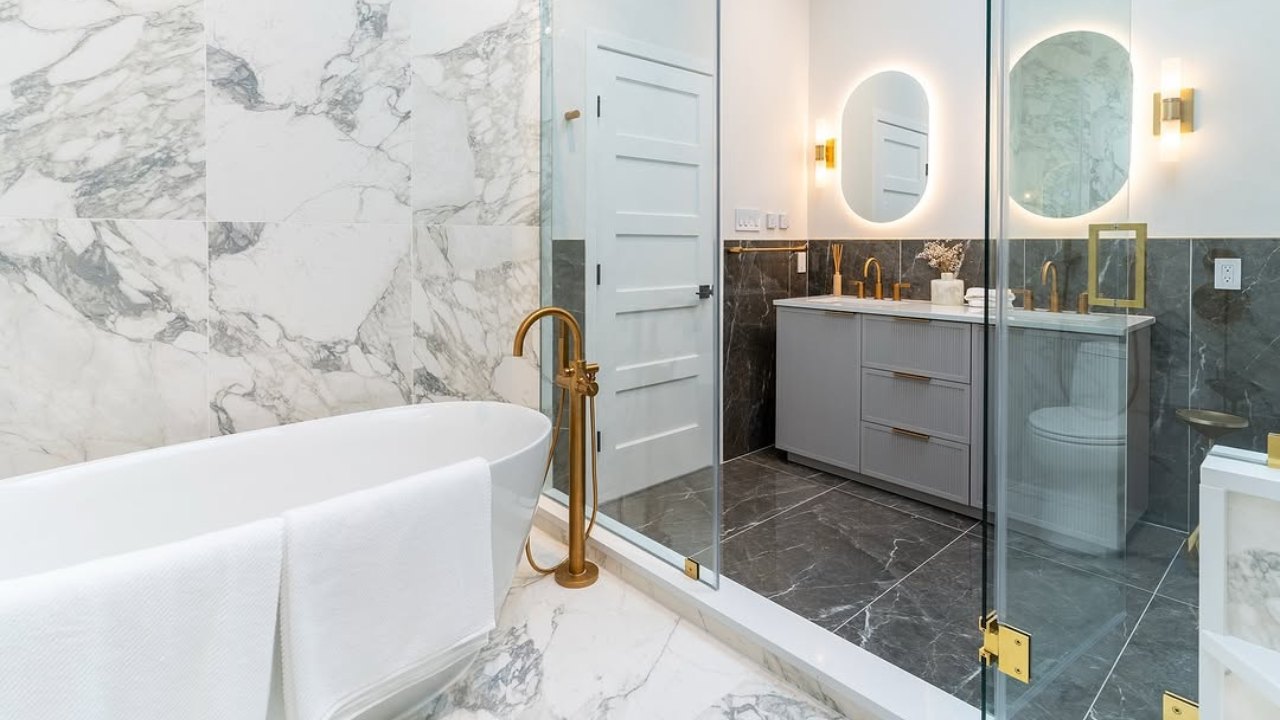
The bathroom is one of the most common locations where marble wall tiles are used. Marble can withstand humidity well when sealed correctly. This natural stone also reflects light, which helps the bathroom feel larger and brighter. Popular bathroom applications include shower walls, bathtub surrounds, vanity backsplash panels, and full-height bathroom feature walls. Many designers pair marble with brass or matte black fixtures for contrast. Homeowners also often ask is marble good for bathroom, especially because marble requires proper sealing and maintenance in wet environments.
Kitchen Backsplashes
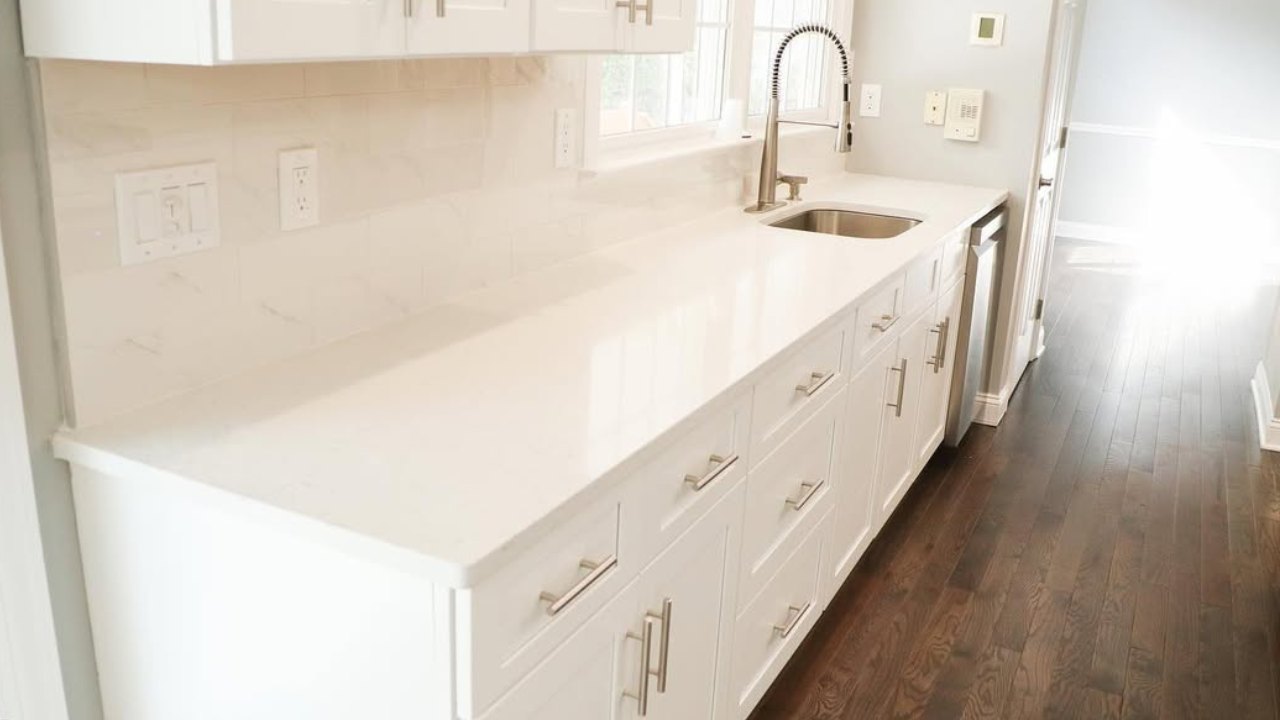
Marble backsplash tiles create a sophisticated kitchen surface. The stone secures the walls from cooking splashes while adding natural texture behind countertops. Subway marble tiles or mosaic sheets often appear in modern kitchens.
A backsplash built from marble works well with kitchen countertop options such as quartz, granite, and porcelain slabs. When marble tiles are sealed properly, they can resist staining from most kitchen activities.
Fireplace Surrounds
Exterior Marble Veneer has a great heat-resistant surface. This is why they work great around well around fireplaces. Marble Stone can manage high temperatures without structural damage. Marble tiles also frame fireplaces with clean lines and natural patterns.
Designers often install large marble tiles vertically to create dramatic fireplace walls. This approach works in both contemporary and traditional interiors.

Feature Walls and Accent Walls
Many homeowners install marble wall tiles on accent walls. A feature wall can change the room without hiding every surface with stone. Living rooms, entryways, and dining areas often benefit from a marble focal point. Large-format marble tiles or slabs create the strongest visual impact. Continuous veining across tiles produces a seamless appearance.
Brands such as NT Pavers often present the marble collection and other natural stone materials that designers use for both indoor and outdoor projects.
Commercial Interior Spaces
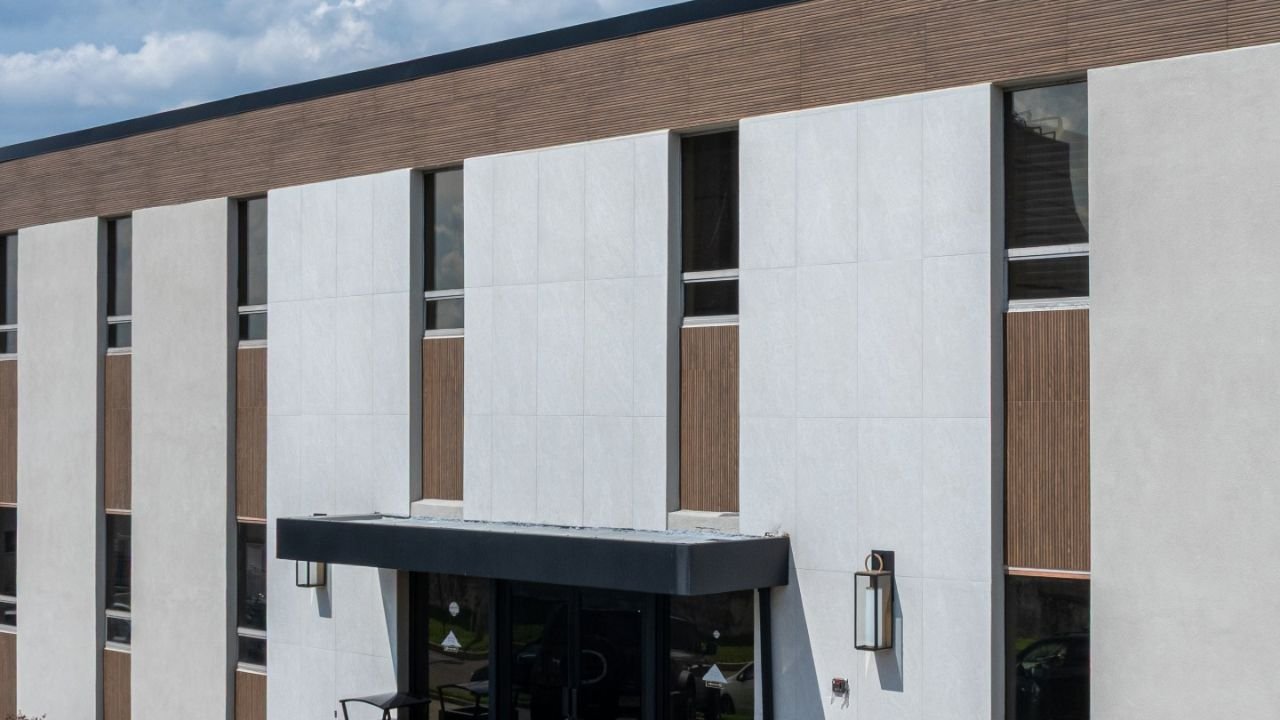
Marble wall tiles are also widely used in commercial settings as well. Hotels, restaurants, and office buildings often opt for marble tile for elevator surrounds and reception walls. The stone communicates durability and luxury. Architects choose marble because it holds visual value over long periods without going out of style.
Ledger Stone And Stone-Veneer
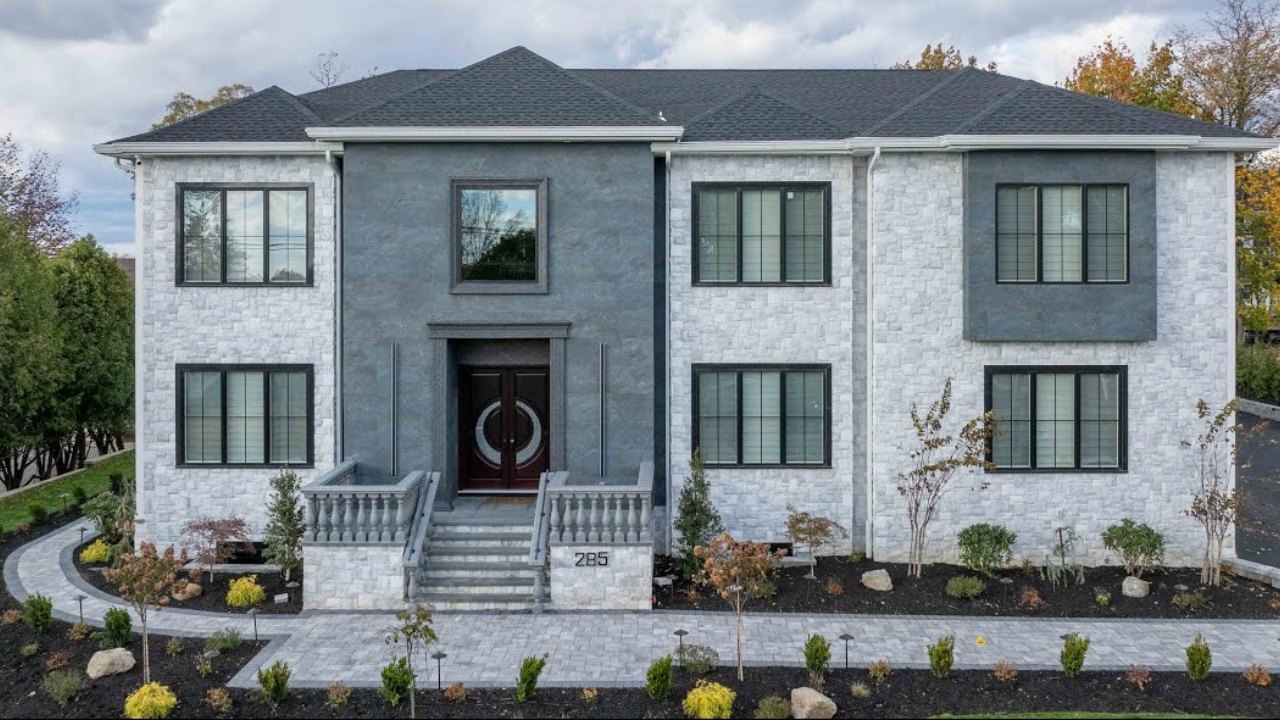
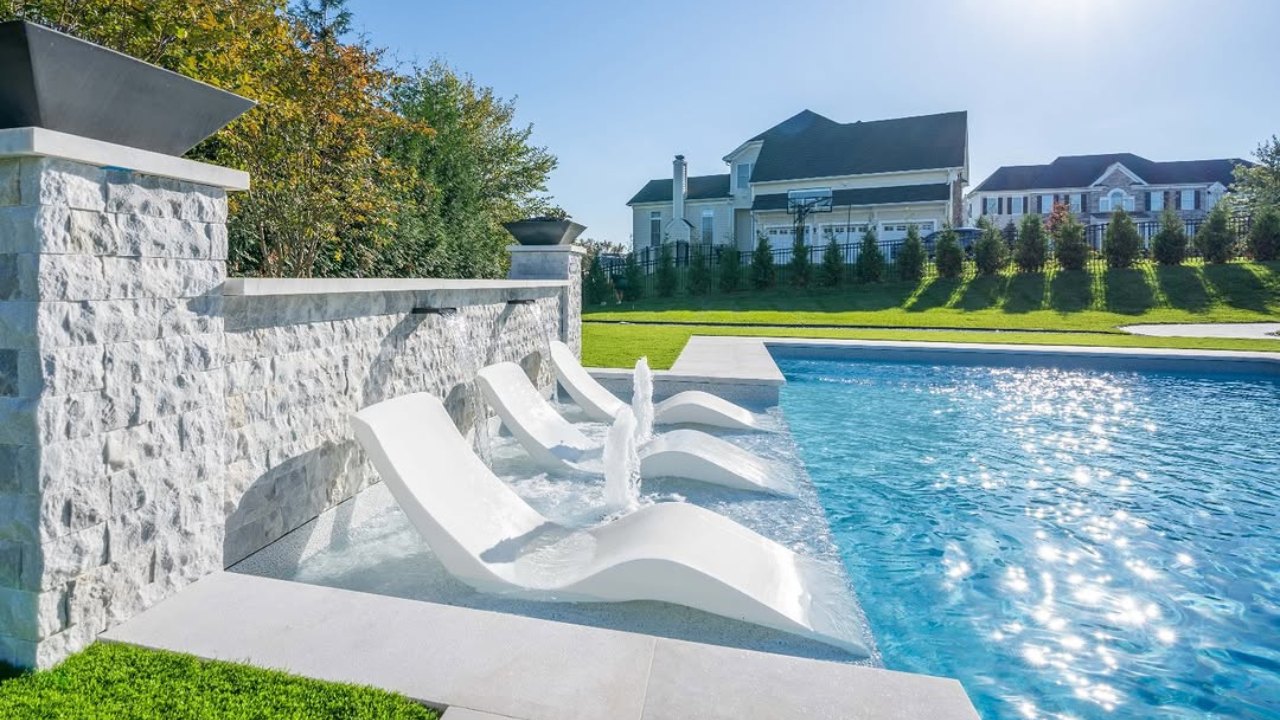
Ledger stone and stone veneer wall systems extend the marble usage beyond flat wall tiles. Designers use textures to add textured, stacked surfaces that add details and shadow. Ledger panels like this afyon glacier ice marble ledger stone bring cool white tones with layered stone cuts. They are well-suited to feature walls and fireplace surrounds.
Darker interiors often rely on black marble veneer stone that adds dramatic contrast with natural split-face texture. For softer looks, luxe blue marble veneer stone introduces subtle blue-grey variation that works in spa-inspired bathrooms. These veneer systems reduce weight, simplify installation, and maintain natural marble character in modern interior spaces.
Popular Types Of Marble Tiles
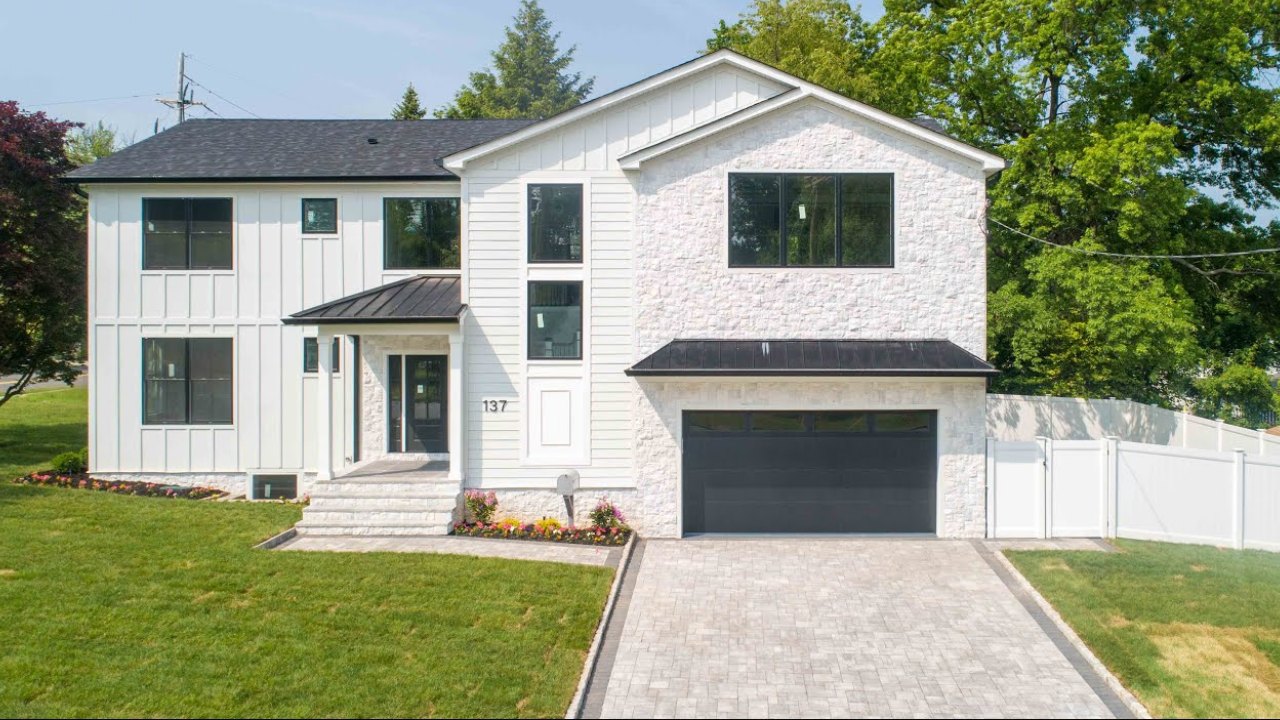
Many popular types of marble are specified from regions such as Carrara, Afyon Ice White, and others, where quarries produce white marble with soft gray veins. Similar stone appears in architecture, sculpture, and interior design. Because marble tiles remain relatively thin, installers typically use them for walls rather than heavy structural surfaces. Popular marble tiles include:
Carrara Marble
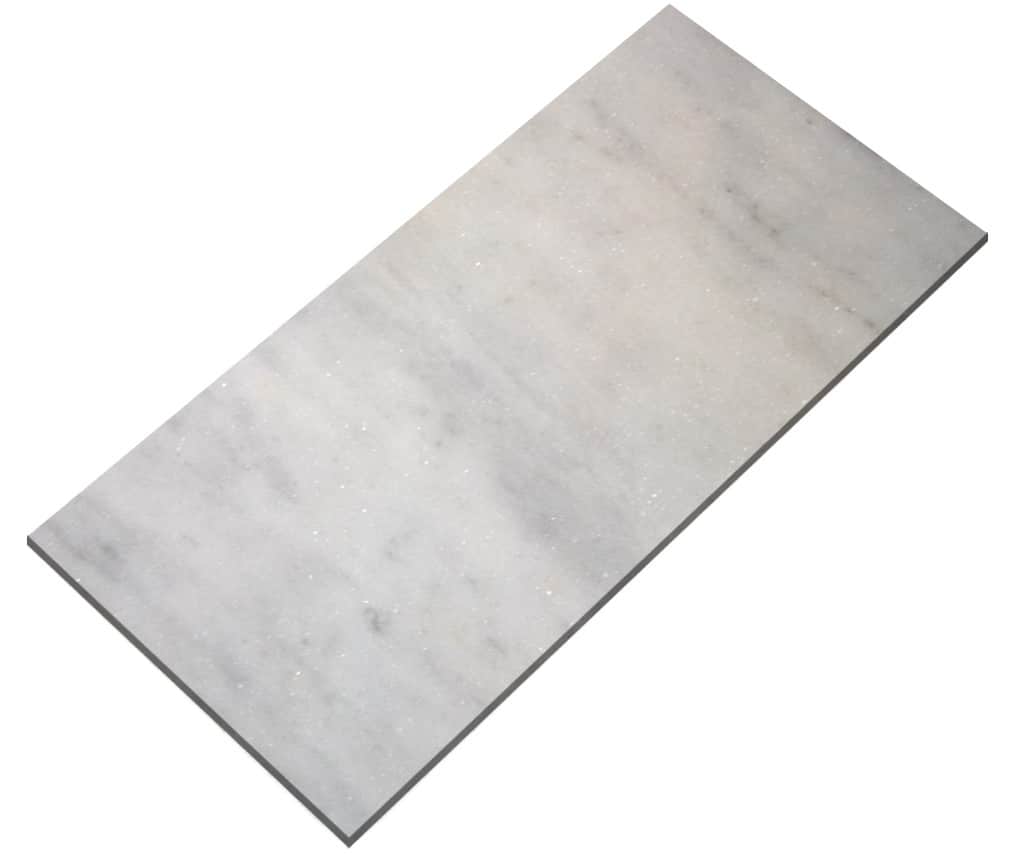
Carrara marble features a white or light gray background with soft gray veins. The marble tile is widely used for residential and commercial projects.
Calacatta Marble
Calacatta marble features bold veining and a brighter white background. Designers use it for dramatic statement walls.
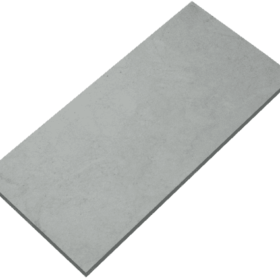
Statuario Marble
Staturio marble blends bright white color with strong gray veins, and many luxury interiors feature this marble.
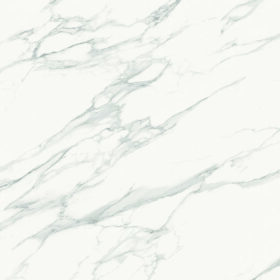
Crema Marfil
This marble originates from Spain and shows warm beige tones. It fits traditional interiors and neutral design palettes.
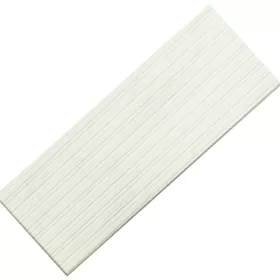
Each marble type carries a slightly different mineral composition, which influences color variation.
What Makes The Marble Ideal for Walls?
Many physical and visual qualities make marble a popular wall material.
Natural Veining
Each marble tile features a unique pattern. Mineral impurities form veins that flow throughout the surface. These veins create visual movement and depth.
Light Reflection
Polished marble has reflection properties. This property helps small spaces feel brighter and more open.
Smooth Surface
Marble finishes produce smooth surfaces that suit interior environments. Bathrooms and powder rooms take advantage of this refined appearance.
Heat Resistance
Marble stone tiles can withstand heat well. Marble tiles perform well around fireplaces and stove backsplashes.
Design Flexibility
Marble tiles feature multiple shapes and finishes, and a designer can build a pattern like herringbone, subway layout, basket weave, and bookmatched slabs.
These layouts help homeowners to personalize wall designs without complex materials.
Common Finishes Used for Marble Wall Tiles
The finish is applied to marble to affect both performance and appearance.
Polished Finish
Polished marble comes with a glossy surface. The polishing process smooths the stone until it reflects light like glass. This finish emphasizes the marble’s veining. Polished marble often appears in bathroom walls, luxury showers, and decorative feature walls.
Honed Finish
A honed finish creates a matte surface, and the stone feels smooth but does not shine. Homeowners choose honed marble when they want to create a softer look or less glare in bright spaces.
Tumbled Finish
Tumbled marble passes through a mechanical process that softens edges and textures the surface. The resulting surface looks aged and rustic. Designers use this finish in Mediterranean or traditional interiors.
Marble Wall Tiles vs Other Wall Materials
Homeowners usually compare marble with alternative wall surfaces. Understanding the differences helps guide material selection. Take a look at this table to understand where marble tiles stand compared to other materials.
| Feature | Marble Wall Tiles | Ceramic Wall Tiles | Porcelain Tiles | Painted Walls |
| Material Type | Natural metamorphic stone formed from limestone under heat and pressure | Man-made clay tile fired at moderate temperatures | Dense clay tile fired at very high temperatures | Liquid coating applied directly to drywall or plaster |
| Visual Appearance | Natural veining, color variation, and depth that cannot be duplicated exactly | Uniform colors or printed patterns with limited variation | Digital printing can replicate stone patterns, but remains manufactured | Flat color surface without texture or natural pattern |
| Design Character | Luxurious, architectural, and timeless | Simple, practical, and versatile | Modern and highly durable with many style options | Minimal and purely decorative |
| Pattern Variation | Every tile is unique due to its natural mineral composition | Repeating patterns from factory molds | Printed designs repeat across tiles | No pattern except brush or roller texture |
| Surface Finishes | Polished, honed, brushed, or tumbled | Glossy or matte glaze | Matte, polished, textured, or stone-look | Matte, satin, eggshell, or gloss paint |
| Durability on Walls | Long lifespan when sealed and maintained | Durable and resistant to daily wear | Extremely durable and dense | Prone to scratches, dents, and stains |
| Moisture Resistance | Good when sealed properly | Good due to glazed surface | Excellent due to very low water absorption | Moderate; moisture can damage paint over time |
| Stain Resistance | Moderate; requires sealing | High because the glaze resists stains | Very high because porcelain is dense | Low; stains can penetrate paint |
| Maintenance Needs | Periodic sealing and gentle cleaning with pH-neutral products | Simple cleaning with standard tile cleaners | Low maintenance and easy to clean | Regular repainting required |
| Installation Complexity | Requires skilled installation and careful layout | Moderate installation difficulty | Slightly harder than ceramic due to density | Very simple application |
| Typical Applications | Luxury bathrooms, feature walls, fireplace surrounds, and upscale interiors | Bathrooms, kitchens, laundry rooms | Showers, kitchens, and high-traffic areas | Bedrooms, hallways, and general interior walls |
| Longevity | Decades when maintained properly | 20–30 years or more | 30+ years due to dense composition | Usually requires repainting every 5–10 years |
| Cost Range | Higher material and installation cost | Affordable and widely available | Mid-range, depending on quality | Lowest cost option |
| Overall Value | High aesthetic value and natural stone authenticity | Budget-friendly and functional | Durable and versatile with many design options | Economical but limited design impact |
When the focus of the interior is aesthetics, marble wall tile usually acts as a focal element rather than a background finish.
Maintenance and Care for Marble Walls
Marble wall tiles are relatively easy to maintain when cleaned properly. Simple care practices include using pH-neutral stone cleaners; don’t use acidic cleaners such as vinegar. Quickly wipe the spills and reseal the stone periodically.
Acidic products can react with marble’s calcium carbonate structure and dull the surface. Regular care preserves the stone’s appearance for decades.
Marble Wall Tiles FAQs
Let’s answer your questions about Marble Wall Tiles/
Are marble wall tiles durable?
Yes. Marble wall tiles can last longer when installed and sealed properly.
Can marble tiles be used in showers?
Yes. Marble can withstand moisture and humidity when sealed well. This is why marble works well in showers.
Do marble wall tiles stain easily?
Yes. Marble can absorb liquids due to its porous surface, but sealers protect the surface from stains.
Are marble wall tiles expensive?
Yes. Marble costs more than ceramic tiles but often less than full marble slabs.
Can marble tiles be installed on drywall?
Yes. But wet areas require waterproof backer boards.
Bottom Line
Marble wall tiles offer a lasting way to introduce natural stone into interior spaces. The tile is a perfect combination of natural charm, geological beauty, light reflection, and durable structure. Homeowners prefer marble wall tiles in areas like kitchens, fireplace surrounds, bathrooms, and kitchen walls.
The best thing about marble tile is the naturally distinct veining patterns. It means no two tiles have a similar pattern, so you get a unique look for your project. That variation gives marble walls a unique character that manufactured materials struggle to replicate. When installed correctly and sealed regularly, marble wall tiles can turn out to be a great investment, enhancing the curb appeal of your space.