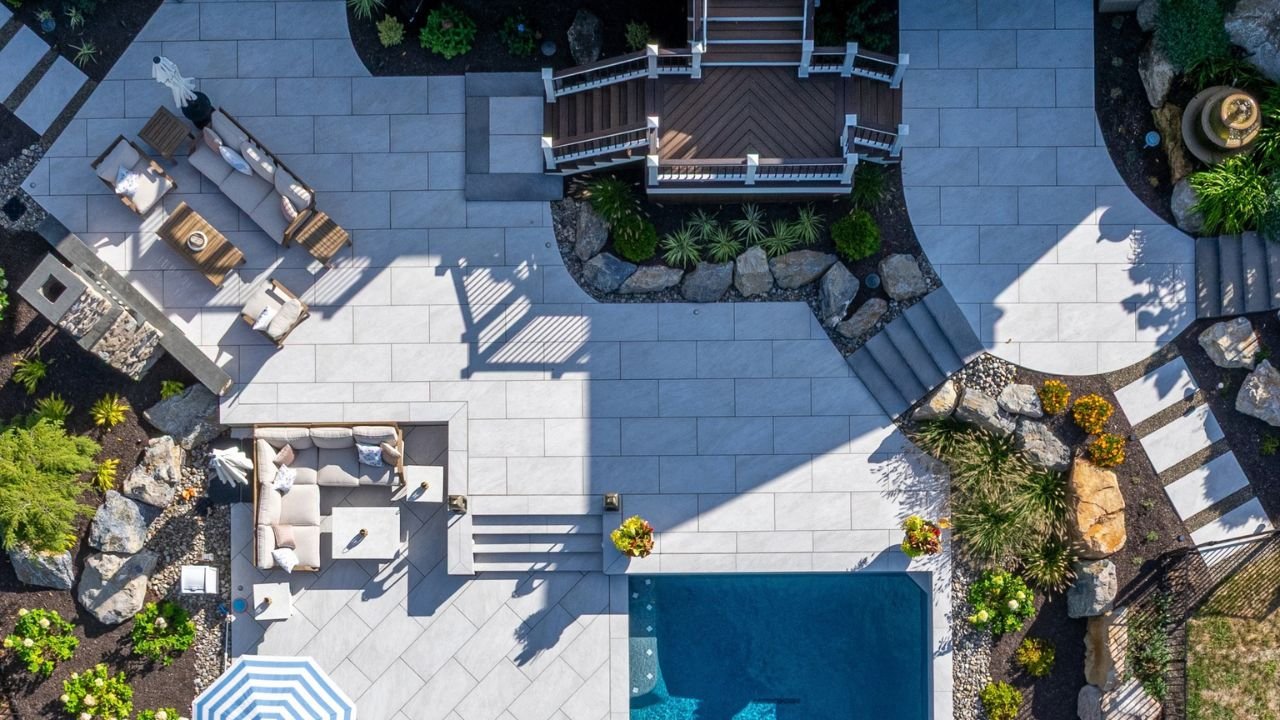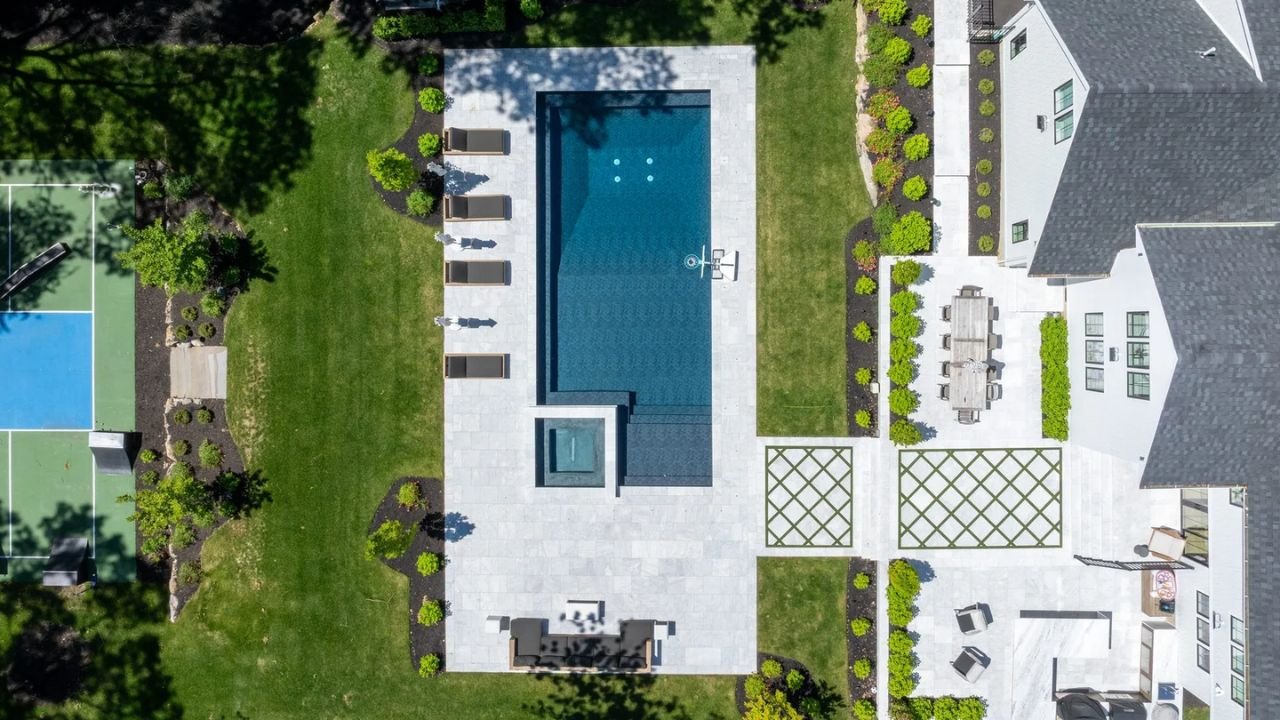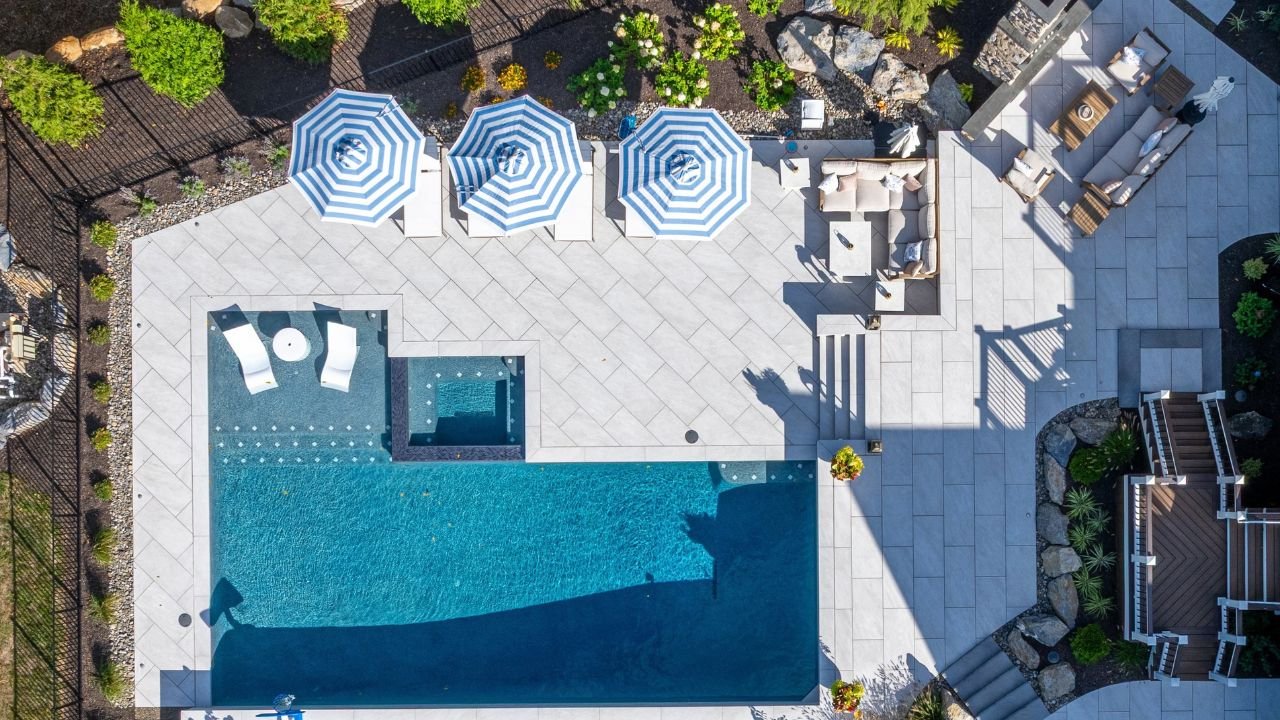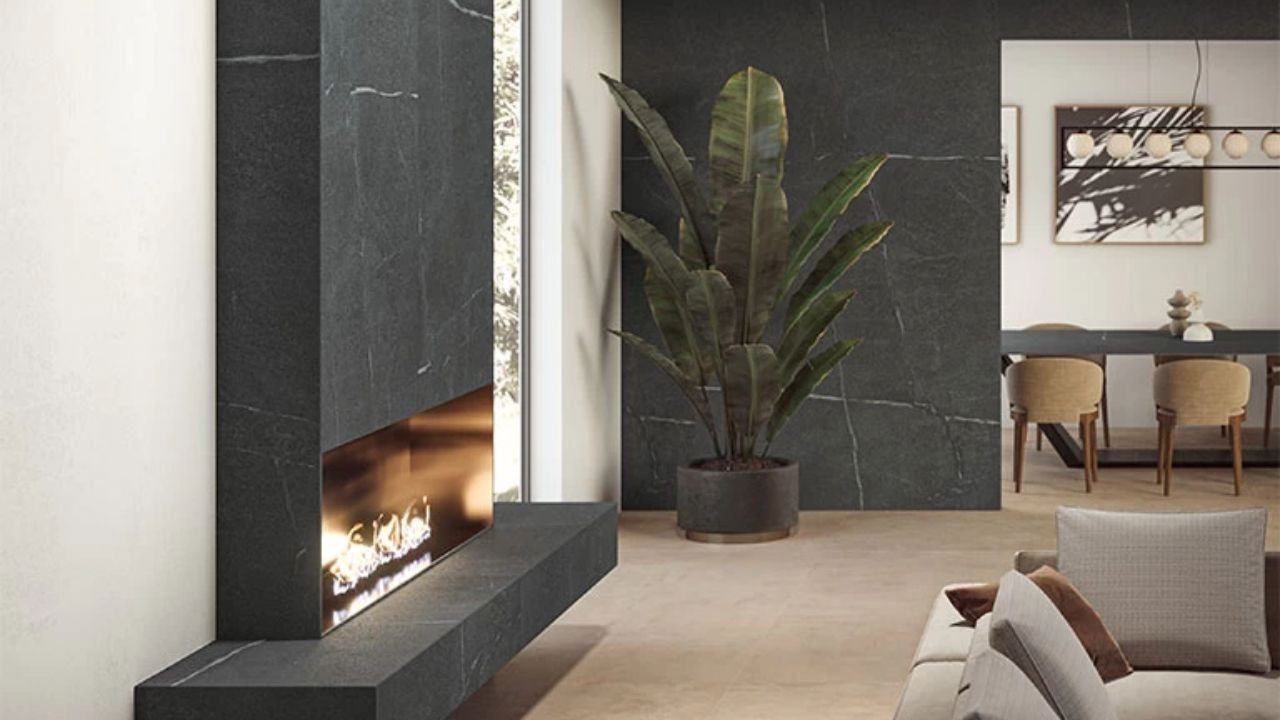

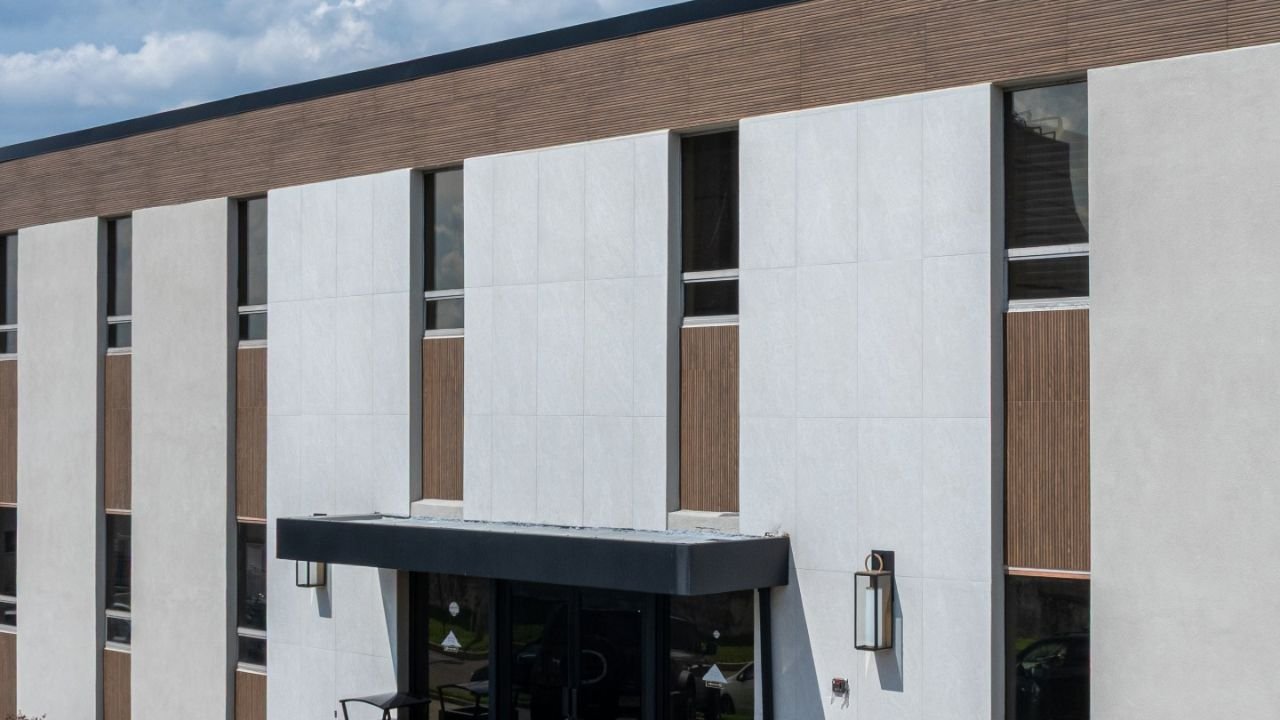
When most people think about porcelain pavers, they imagine stylish outdoor patios, pool decks, walkways, and terraces. However, modern porcelain technology has expanded far beyond horizontal surfaces. Today, porcelain pavers and large-format porcelain tiles are increasingly being used as an architectural solution for exterior facades and vertical wall cladding.
Because of their durability, low maintenance needs, and wide range of finishes, porcelain pavers make an ideal substitute for conventional exterior surfaces such as natural stone, brick, and concrete panels.
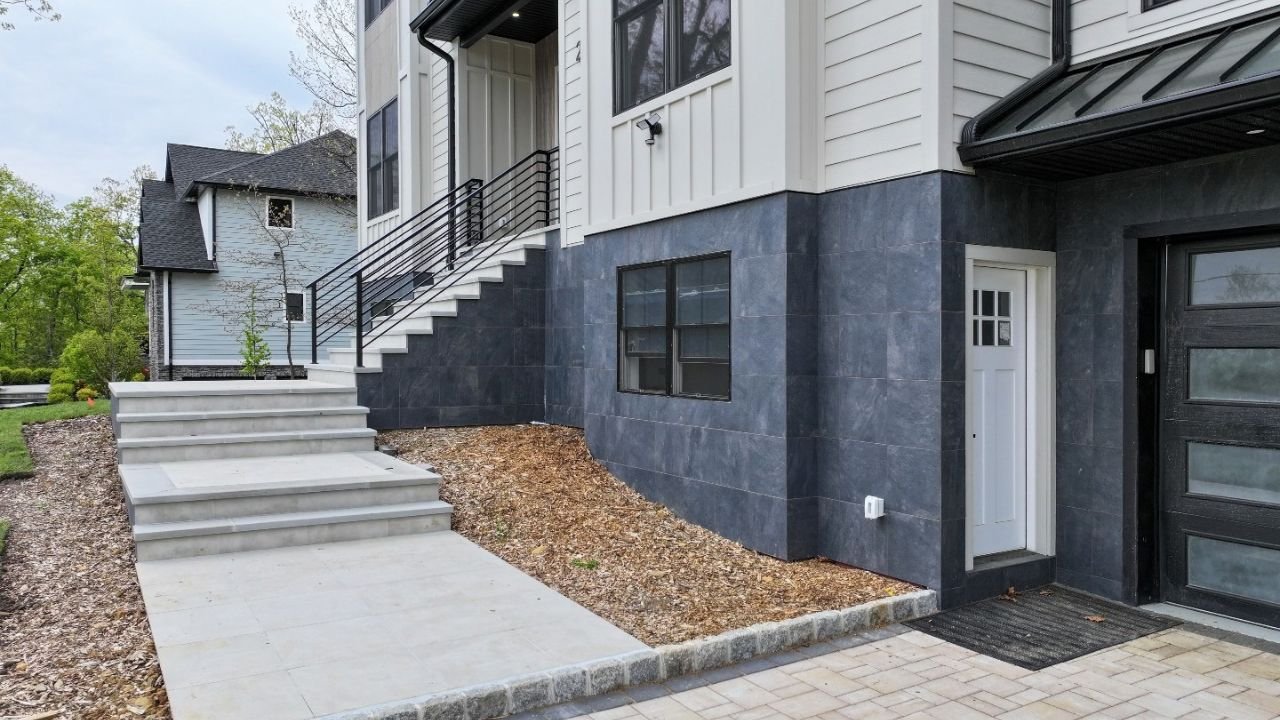
Porcelain Pavers vs Porcelain Facade Panels
Not every porcelain product designed for outdoor paving is automatically suitable for vertical facade applications. Porcelain pavers, tiles, slabs, and facade panels can differ in thickness, size, weight, fixing requirements, and intended use. For an exterior facade, always select a product specifically approved for vertical installation and follow the manufacturer’s recommended installation system.
Benefits of Porcelain for Exterior Facades
Exterior facades are exposed to moisture, temperature changes, ultraviolet light, air pollutants, and other weathering factors. Porcelain is produced by firing raw materials at high temperatures, creating a dense material with very low water absorption that can be suitable for many exterior applications when the correct product and installation system are selected.
Weather and Frost Resistance
Porcelain’s very low water absorption can help reduce the risk of moisture-related damage in exterior environments, including areas exposed to freezing and thawing. However, the specific porcelain product should be rated for exterior and freeze-thaw conditions, and the installation system must be appropriate for the climate.
UV Stability and Long-Lasting Color
Exterior facades receive prolonged exposure to direct sunlight. Quality porcelain products generally offer strong resistance to UV-related color fading, helping the surface maintain its appearance over time. Color performance can vary by product, finish, and manufacturer, so exterior specifications should be checked before selection.
Low Maintenance Exterior Cladding
One of the main reasons porcelain is used for exterior cladding is its relatively low maintenance requirements. Its dense, low-absorption surface can help resist stains, dirt buildup, and moisture-related surface issues.
The non-porous surface naturally resists:
- Stains
- Dirt buildup
- Mould and mildew
- Outdoor pollutants
- Moisture absorption
While other exterior surface materials may need sealing, painting, or periodic treatment, porcelain surfaces generally require only regular cleaning with water and soap.
Thus, porcelain is a good choice for people who do not want to spend much effort maintaining the exterior of their homes or buildings.
Lightweight Alternative to Natural Stone
Traditional stone facade systems tend to add weight to a building’s structure. Porcelain facade panels offer a durable alternative while keeping the added load light.
Large porcelain panels and thin porcelain cladding systems can create a natural stone look while remaining easy to handle. That’s why porcelain suits renovations that require minimal added weight.
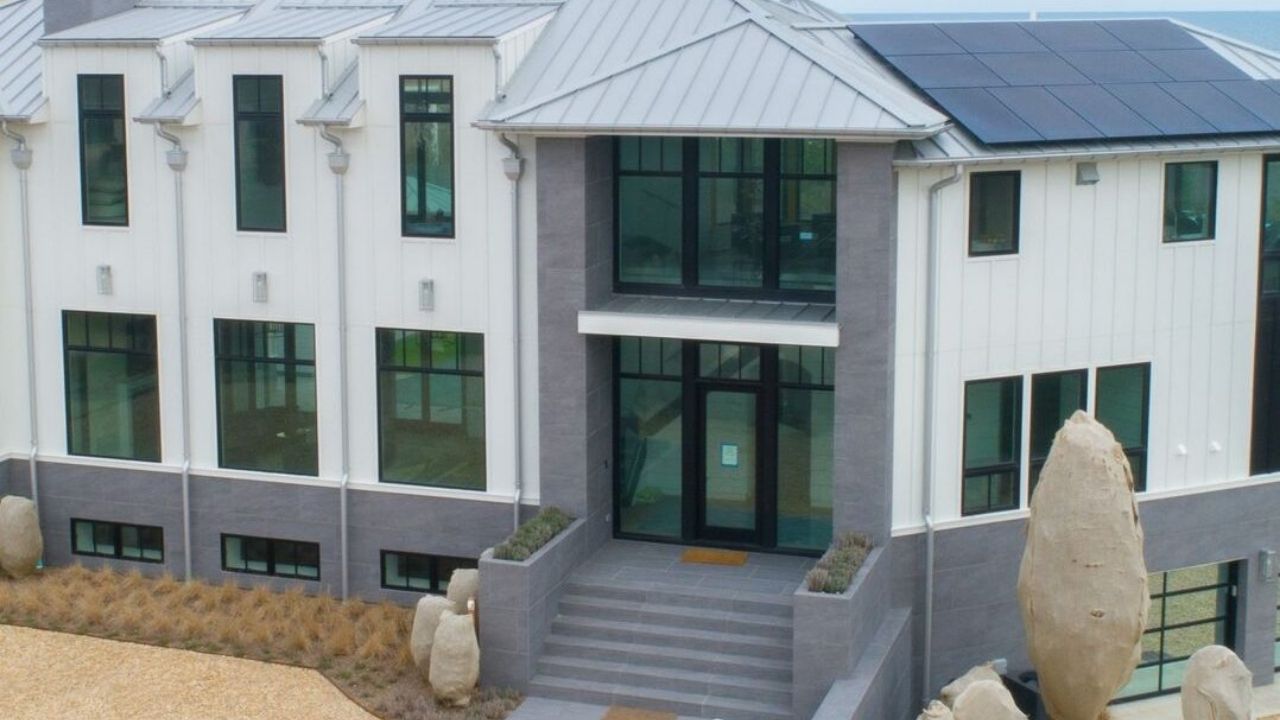
Endless Design Possibilities
Modern porcelain pavers come in a wide range of colors, textures, and finishes, allowing designers to achieve different architectural styles.
Popular options include:
- Natural stone-inspired finishes
- Travertine looks
- Concrete-style surfaces
- Marble appearances
- Wood textures
- Minimal modern designs
Whether you are designing a contemporary home exterior or upgrading a commercial building facade, porcelain provides flexibility without compromising durability.
Common Applications of Porcelain Pavers on Exterior Facades
When installed correctly, porcelain pavers can serve several vertical applications.
Rainscreen Facades
One advanced application is using porcelain in a ventilated rainscreen façade system. A rainscreen façade creates a gap between the building structure and the exterior porcelain layer. This creates airflow and better moisture control.
A rainscreen is a complete facade system rather than simply a porcelain surface installed on a wall. Depending on the project, the system may include a ventilated cavity, support structure, mechanical fixing, drainage provisions, and other components designed to manage moisture behind the exterior cladding. The porcelain product must be compatible with the specified system and installation requirements.
The advantages of this include:
- Better moisture control
- Enhanced protection of the building
- Increased energy efficiency
- Modern architecture
This makes porcelain cladding an ideal option for modern construction projects such as residential areas, hotels, and offices.
Feature Walls and Building Entrances
Exterior feature walls are one of the most popular applications for porcelain facade materials. Using porcelain at entrances, outdoor entertaining areas, or architectural features helps achieve a luxurious look without compromising durability. Large-format, stone-like porcelain façade walls can instantly improve your building’s curb appeal.
Common locations include:
- Front entry walls
- Outdoor fireplaces
- Covered patios
- Garden walls
- Commercial entrances
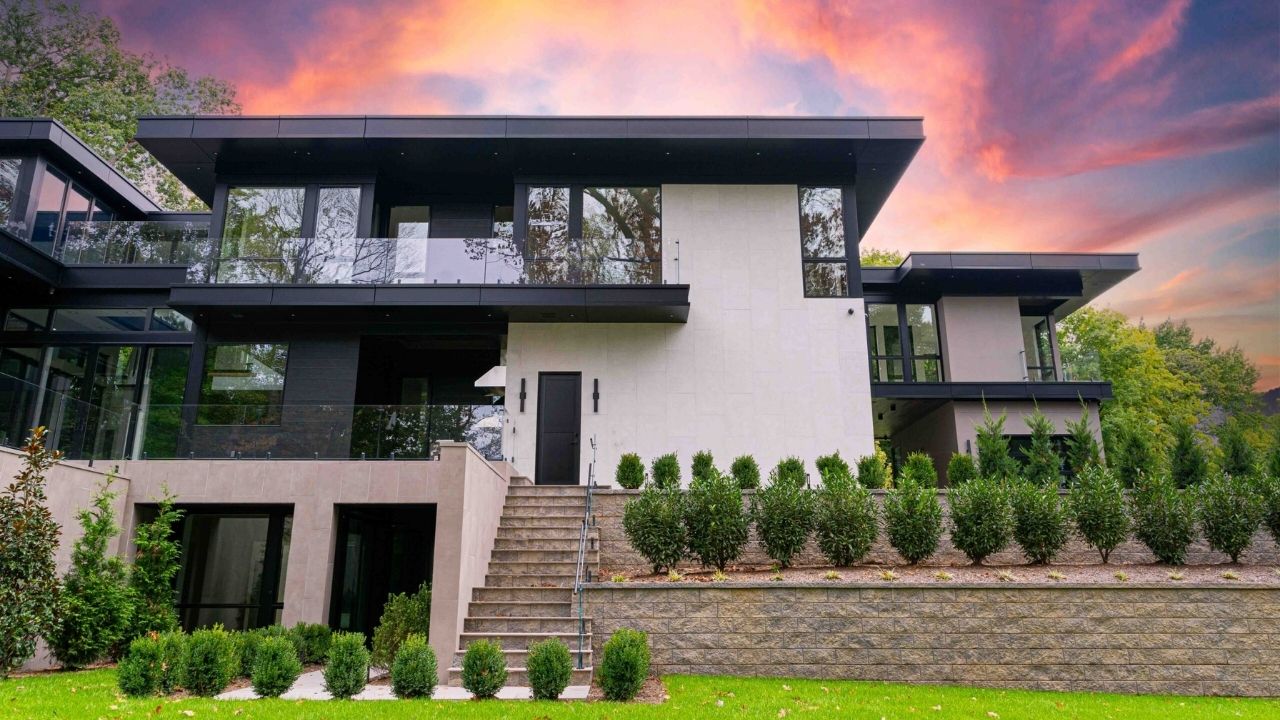
Balcony and Column Cladding
Porcelain pavers can also wrap vertical architectural elements such as columns, retaining walls, and balcony surfaces.
This creates a seamless design where horizontal outdoor areas and vertical surfaces share the same material style. For example, a porcelain patio surface can continue upward onto surrounding walls or columns to create a unified outdoor environment.
Poolside Walls and Outdoor Entertainment Areas
Outdoor spaces are increasingly becoming extensions of indoor living areas.
Porcelain facade applications work especially well around:
- Pool surrounds
- Outdoor kitchens
- Entertainment areas
- Landscape walls
Porcelain’s durability and water resistance make it a practical choice for spaces exposed to moisture and regular outdoor activity.
Are Porcelain Pavers Better Than Natural Stone for Facades?
Both porcelain and natural stone have unique advantages, but porcelain offers several benefits for exterior applications.
Natural stone provides a timeless appearance, but it can require more maintenance, sealing, and protection against staining or weathering.
Porcelain offers:
- Consistent color and texture
- Lower maintenance requirements
- Better moisture resistance
- Strong UV performance
- Wide design selection
For homeowners and designers seeking a modern facade solution with long-term durability, porcelain provides an attractive alternative. The choice between porcelain and natural stone depends on the project’s design, structural requirements, climate, maintenance expectations, budget, and installation system.
Installation Considerations for Exterior Porcelain Facades
Although porcelain is one of the best facade materials, it must be installed correctly.
Exterior applications on vertical surfaces require proper fixing methods, suitable glue or mechanical fasteners, and professional techniques.
Key points that should be considered include:
- Choosing suitable exterior porcelain materials
- Applying the correct mounting system
- Proper substrate preparation
- Manufacturer’s guidelines of installation
- Work with professionals to make your facade work perfectly for years.
When May Porcelain Not Be the Right Facade Material?
Porcelain is not automatically suitable for every exterior facade. The appropriate material and installation system depend on factors such as building height, wind exposure, substrate, climate, panel dimensions, fixing method, local building requirements, and manufacturer specifications. For some projects, natural stone, brick, metal, fiber cement, or other facade systems may be more appropriate.
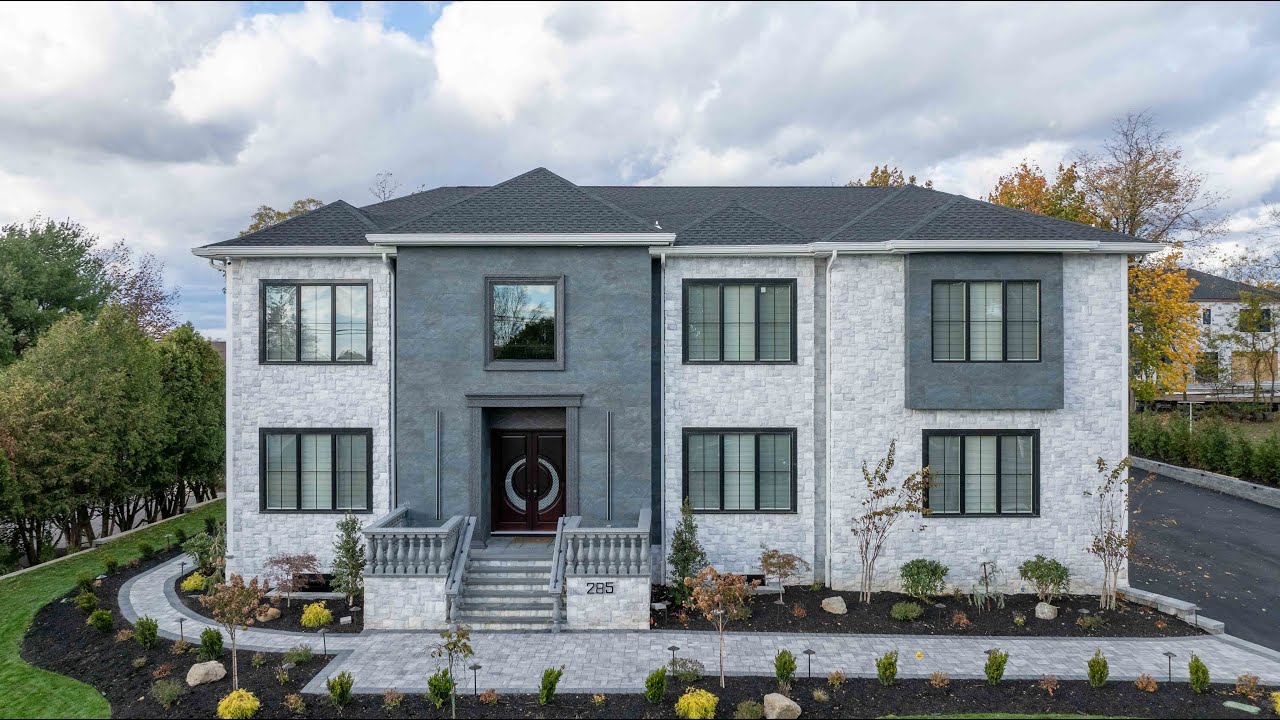
Porcelain Products for Exterior Wall Applications
NT Pavers offers 24×48 porcelain pavers in a ¾” (2CM) thickness that are available for facade applications. These large-format porcelain products can provide a consistent look across exterior walls and other outdoor surfaces.
Some options include:
- Pearl Veincut Porcelain Pavers: 24×48, ¾” (2CM)
- Luce Porcelain Pavers: 24×48, ¾” (2CM)
- Aria Porcelain Pavers: 24×48, ¾” (2CM)
- Platinum Veincut Porcelain Pavers: 24×48, ¾” (2CM)
- Phily Taupe Porcelain Pavers: 24×48, ¾” (2CM)
For vertical facade installations, the specific product and installation method should be selected according to the manufacturer’s requirements and the project’s facade system. Not every porcelain paver is automatically suitable for vertical installation simply because it is rated for outdoor use.
Frequently Asked Questions
Here are answers to some common questions about using porcelain pavers for exterior facades.
Can porcelain pavers withstand cold weather?
Yes, because of their low water absorption, porcelain can withstand damage from freezing weather. But the material must be designed for exterior and frost environments.
Do porcelain pavers fade in direct sunlight?
No; porcelain tiles will not fade in sunlight. This is because their color and designs are baked into the material, giving them resistance to UV rays.
Is porcelain cladding easy to maintain?
Yes, porcelain is quite easy to maintain. It is easy to keep clean and doesn’t need to be sealed or painted.
Can porcelain pavers replace natural stone on a facade?
Yes, porcelain tiles and pavers can replace natural stone on the outside of a building.
Can porcelain tiles be installed in and around pool areas and outdoor kitchens?
Yes, you can install appropriate exterior porcelain products in and around pool areas, outdoor kitchens, entertainment areas, and landscape walls. The right product depends on the specific application.
Final Thoughts
Porcelain pavers are an ideal choice for exterior façades, provided they are installed with the right system. They offer durability, weather resistance, UV resistance, low maintenance, and design versatility, making them ideal for contemporary buildings. Whether used for rainscreen façades, entrance façades, balconies, columns, or entertainment areas, porcelain provides a beautiful finish.