
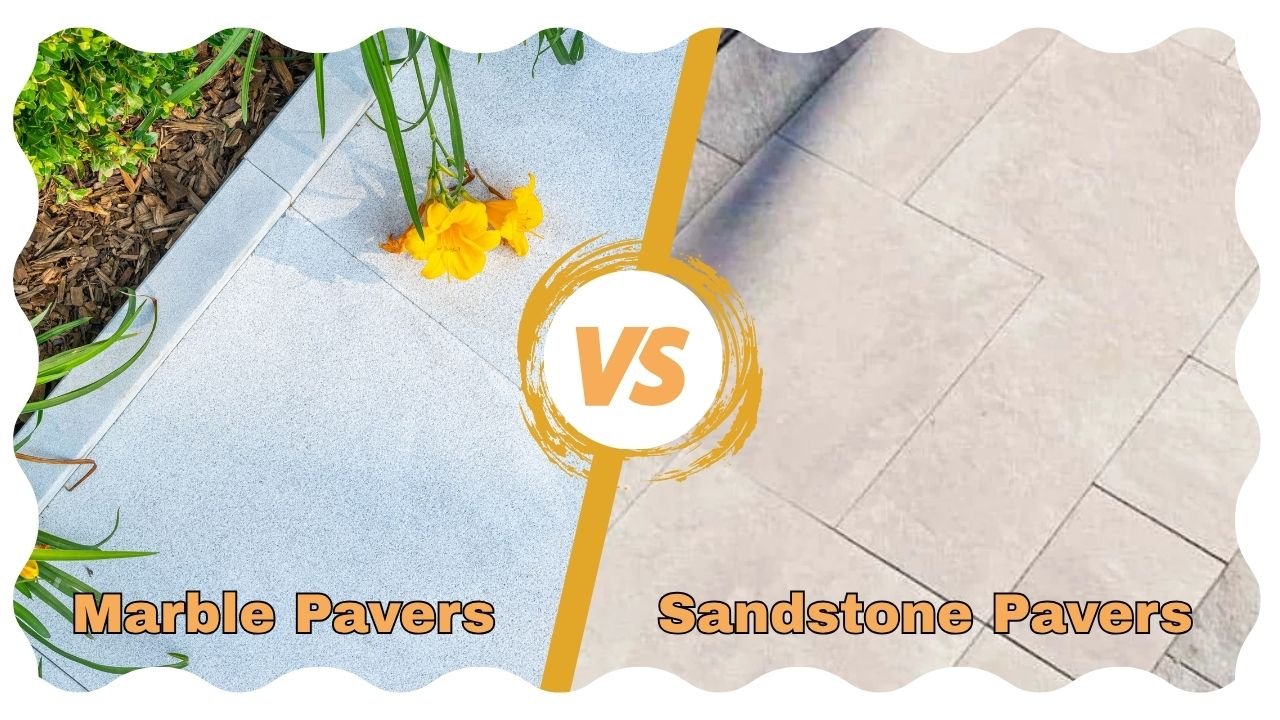
When it comes to landscape designs, stone pavers have a special spot in many homeowners’ preferences. Marble and sandstone pavers are two of the most common choices for this purpose. But choosing the best between marble and sandstone pavers is not just about aesthetics. Both can change the appearance of a pool deck, patio, walkway, or outdoor space with a unique look of their own.
While marble features refined veining on its surface, lighter colors, and a luxurious surface, sandstone has a warmer and earthier appearance. But they both have different indoor and outdoor uses when it comes to landscaping. Here is what you need to know about marble vs sandstone pavers. This will help you make an informed decision.
Marble vs Sandstone Pavers: Side-by-Side Comparison
Don’t just consider either of them because they are natural stones . They have different compositions, surface types, and looks that set each of them apart. Here is a side-by-side comparison table to look at for a better idea.
| Feature | Marble Pavers | Sandstone Pavers |
| Stone Type | Metamorphic | Sedimentary |
| Appearance | Veined, refined, luxurious | Warm, earthy, natural |
| Texture | Depends on finish | Naturally textured |
| Durability | Varies by variety | Varies by variety |
| Porosity | Varies by variety | Generally moderate to high |
| Slip Resistance | Depends heavily on finish | Often good with textured finishes |
| Pool Deck | Excellent with suitable finish | Excellent with suitable finish |
| Maintenance | Moderate | Moderate |
| Acid Sensitivity | Higher | Generally lower |
| Sealing | Often recommended | Often recommended |
| Color | White, cream, gray, beige, green, etc. | Beige, tan, brown, red, gray, etc. |
| Cost | Generally higher | Generally lower |
| Style | Luxury / contemporary | Rustic/organic |
| Best For | Upscale patios and pool areas | Natural patios, paths and gardens |
What Are Marble Pavers?
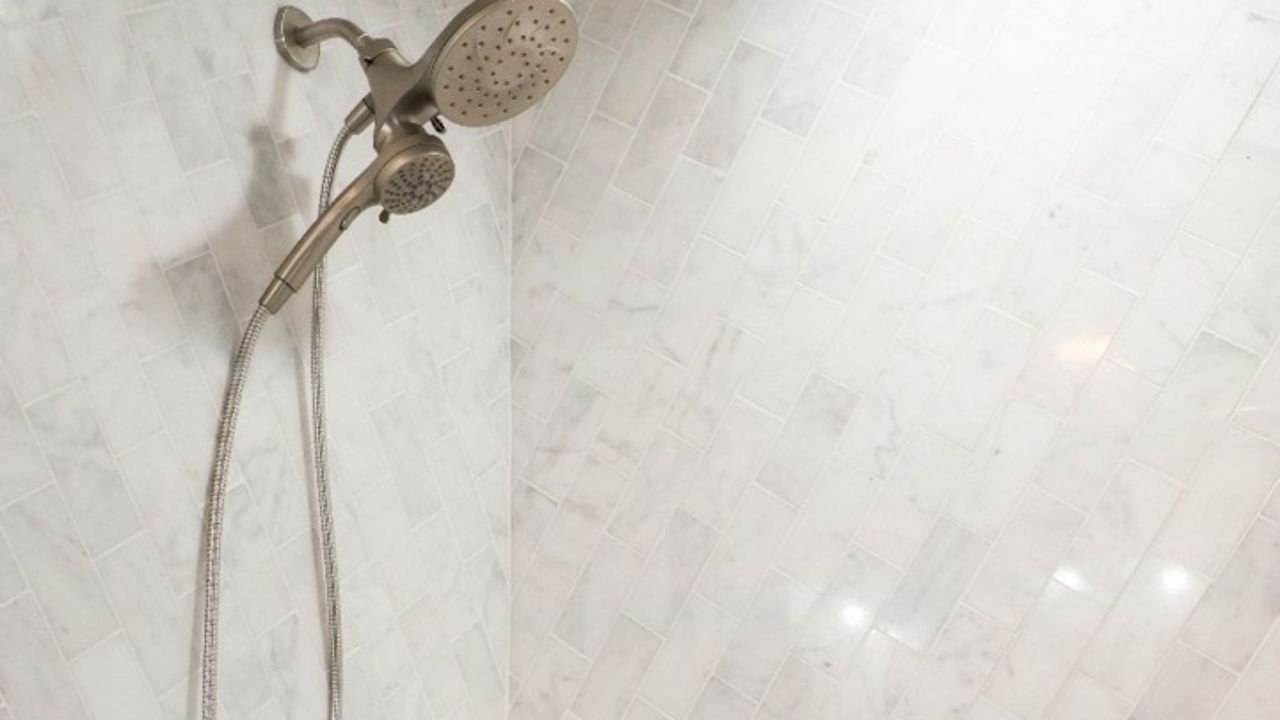
Marble pavers are crafted with natural marble, which is a metamorphic stone. It forms when limestone or other carbonate-rich rock undergoes heat and pressure. This geological process creates the crystalline structure and characteristic veining associated with marble.
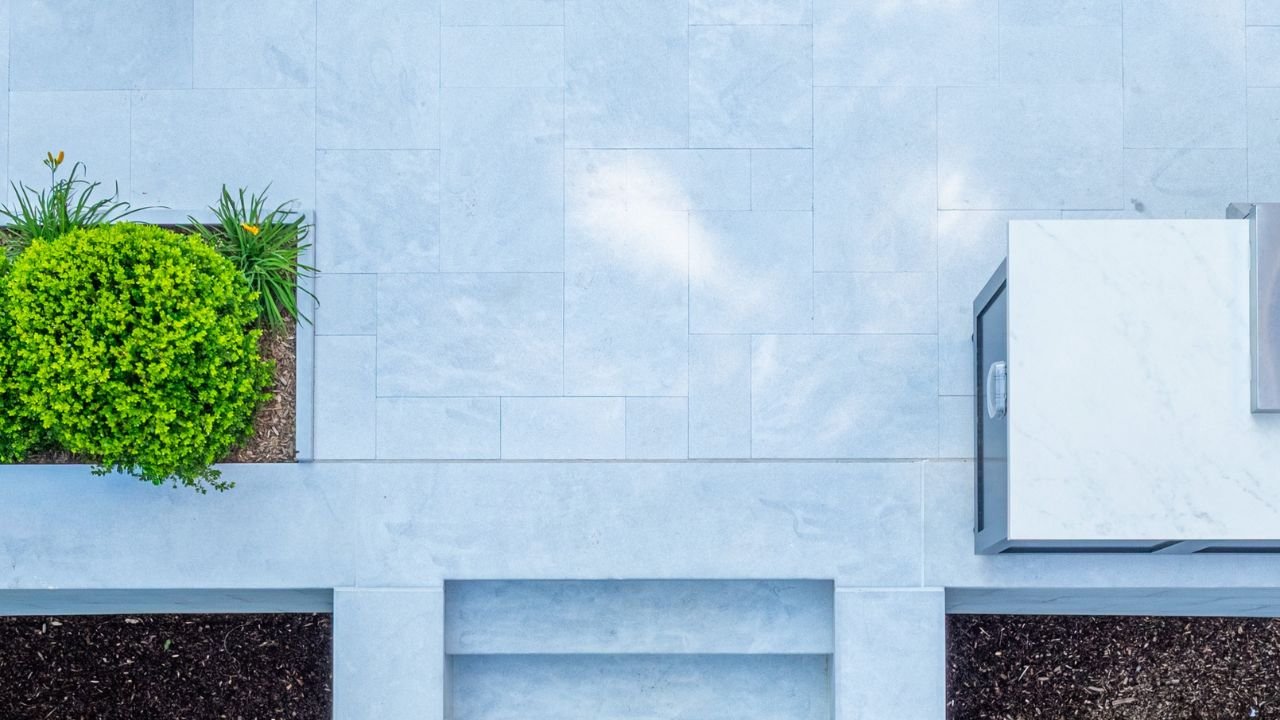
For outdoor paving, marble can be supplied in different finishes, including honed, tumbled, brushed, sandblasted, or other textured surfaces. This difference matters. However, outdoor marble pavers are different than interior marble. A properly textured exterior finish can provide a much more practical surface for patios, walkways, terraces, and pool areas. Options like Aegean cream marble and Afyon ice marble are particularly attractive when you want the paving itself to become a major design element.
What Are Sandstone Pavers?
Sandstone pavers are created with natural sandstone. It is a sedimentary rock that is formed from compacted sand-sized mineral particles. The composition can be different depending on where it was quarried. That geological variation explains why sandstone can look so different from one source to another. You can find different types of sandstone in shades of beige, cream, tan, brown, red, buff, Grey, and yellow.
Due to its natural grains, it has a more relaxed appearance than marble. A sandstone paving surrounded by planting, timber, gravel, and natural stone walls can feel almost integrated into the garden.
Marble vs Sandstone Pavers: The Appearance
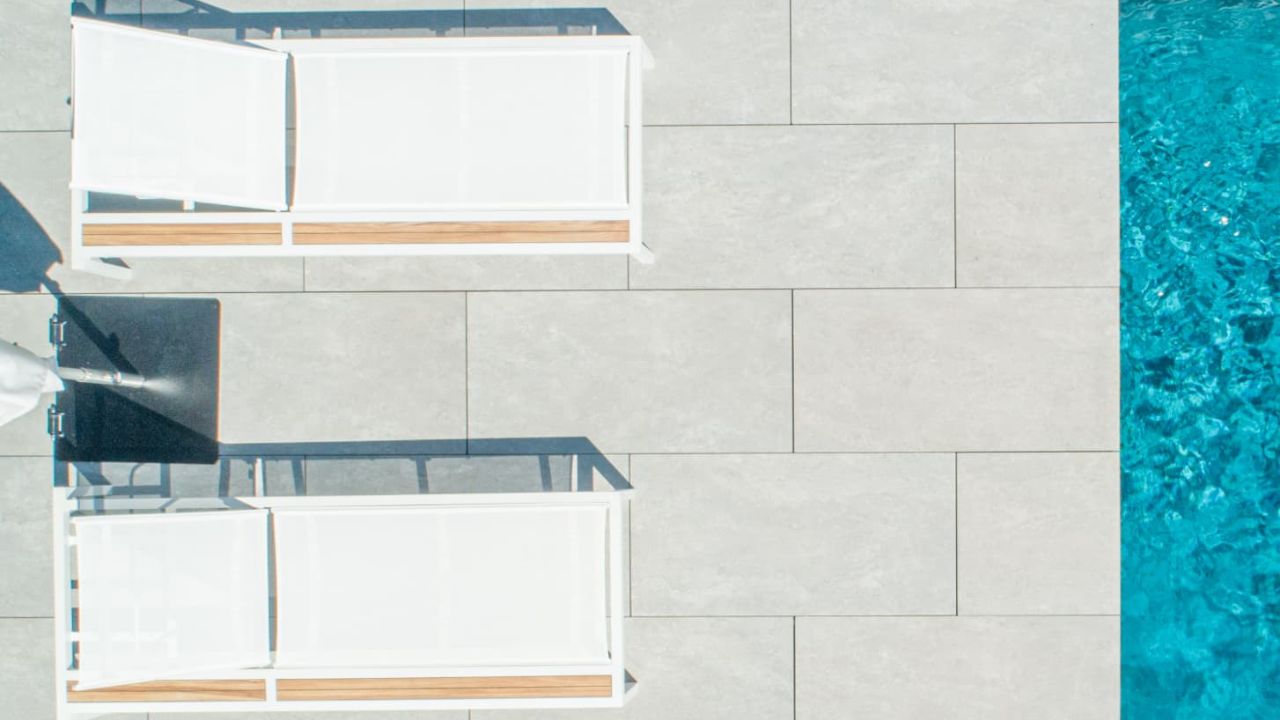
Appearance is the ultimate design decision. Marble tends to look more refined, and veining can make a patio feel intentional and sophisticated. It doesn’t add complicated patterns to the space.
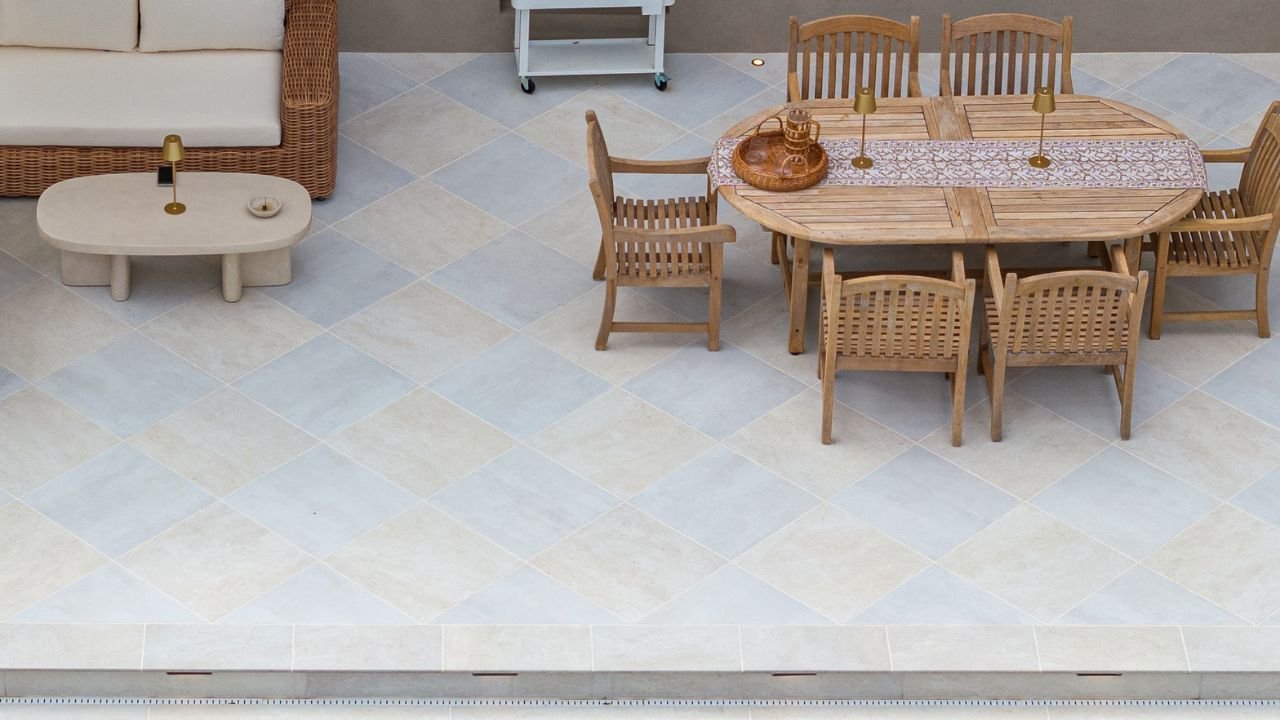
Sandstone takes the opposite approach. Its natural grain, color variation, and texture can soften hard landscaping. It works particularly well around lawns, planting beds, pergolas, fire pits, and informal seating areas.
Choose marble for an elegant, structured, and luxurious look. Sandstone is the perfect choice when you prefer a natural, warm, and relaxed look. Neither aesthetic is objectively better. The better material is the one that complements the surrounding architecture and landscape.
Marble vs Sandstone Pavers: Durability
This is the key consideration when comparing sandstone pavers with marble pavers. Before you conclude, keep in mind that different varieties have different physical properties. Generally, sandstone pavers are more weather-resistant and harder against scratching (Mohs 6–7). Choosing a denser sandstone rated for outdoor application will provide you with much better results.
On the other hand, Marble has a softer surface (Mohs 3–4) and scratches easily. But it is less water-absorbent comparatively and thicker than sandstone.
Marble vs Sandstone Pavers: Pool Decks
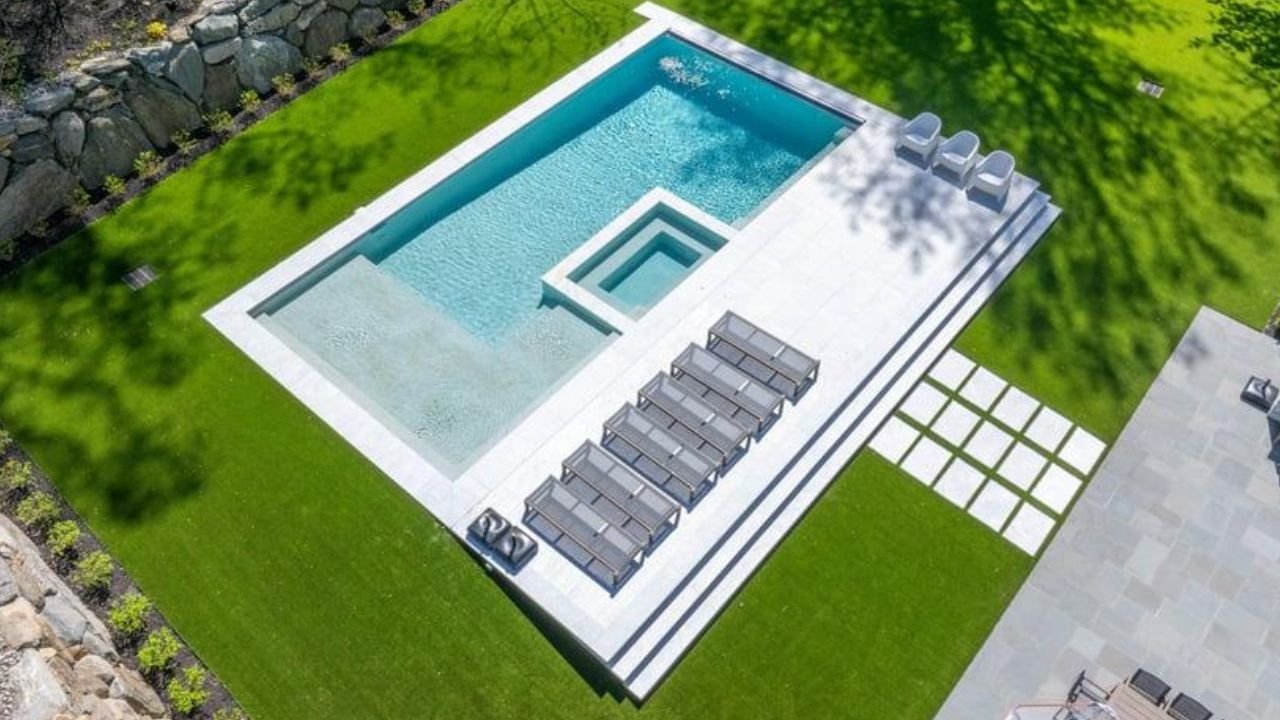
Pool areas are where the comparison becomes especially interesting. A pool deck shouldn’t just have good-looking paving with pool coping but requires a surface that withstands constant moisture. It should also offer bare-foot comfort, outdoor furniture, cleaning, drainage, and regular use.
Marble around pools
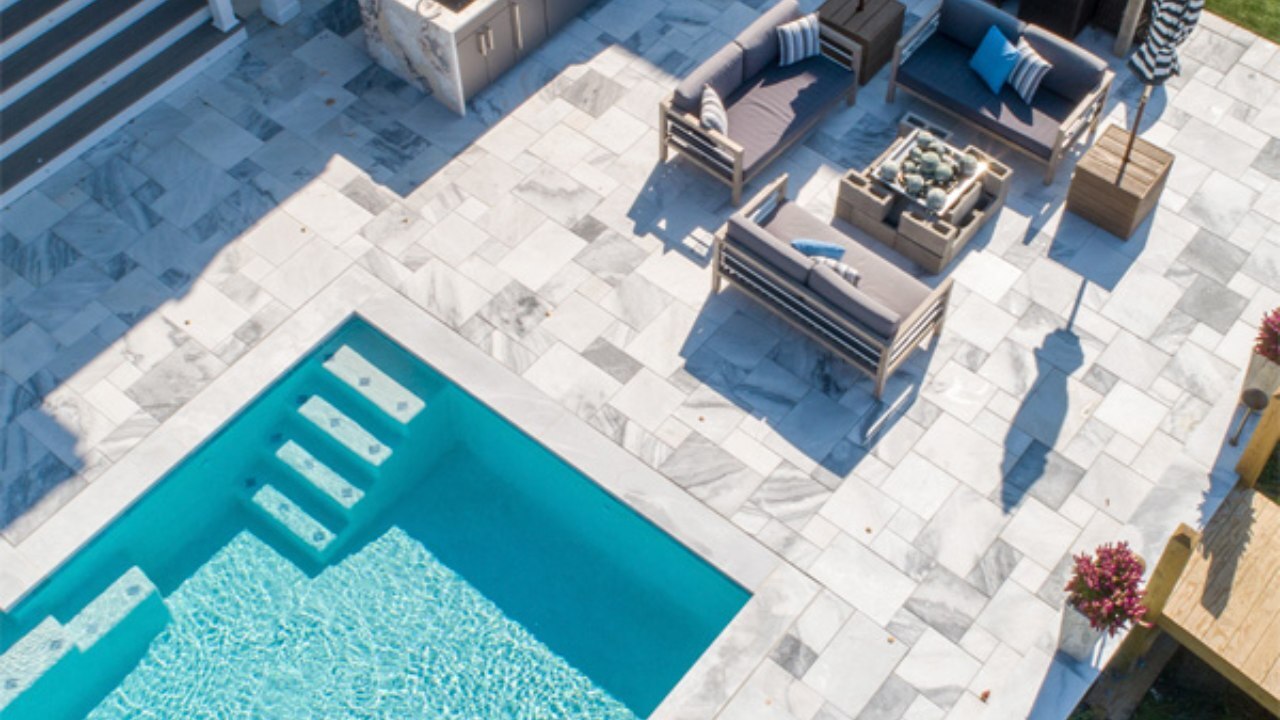
Light-colored marble can create an elegant resort-style appearance. Cream, white, beige, and light grey marble can make a pool area feel bright and spacious. Natural veining can also add visual interest without requiring a complicated paving pattern. Without sealing, a sandblasted marble pool deck cannot sustain consistent exposure to moisture. A polished marble surface is generally a poor choice for a wet walking area because smoothness can reduce traction. A textured, honed, brushed, tumbled, or otherwise appropriately finished marble may be more suitable, depending on the specific product.
Sandstone around pools
Sandstone creates a more organic pool environment. It can pair particularly well with natural planting, stone retaining walls, timber, gravel, water features, and rustic outdoor furniture. The textured surface offers better traction around the pool area. But again, don’t assume every sandstone product has the same slip performance.
Marble vs Sandstone Pavers: Thermal Properties
Sandstone and marble pavers offer distinct thermal profiles. This is crucial to understand for homeowners living in hot climates. This determines whether an outdoor surface will stay cooler when exposed to sunlight in summer. Surface temperature depends on factors such as:
- Stone color
- Solar reflectance
- Surface finish
- Moisture
- Density
- Sun exposure
- Ambient temperature
- Shade
Marble has comparatively better thermal conductivity, especially in its lighter variants. Lighter marble shades reflect more solar radiation and conduct heat away, keeping the surface cooler. Walking barefoot on marble pavers is comfortable.
Sandstone pavers offer lower thermal conductivity and higher porosity. This means the surface doesn’t absorb or reflect heat rapidly, which keeps the surface cooler. However, the paver color also matters here, as a darker color will absorb more heat despite the surface type.
Marble vs Sandstone Pavers: Maintenance
Maintenance for natural stone is generally almost the same. They both require sealing to sustain in an outdoor environment, especially in wet areas. A sealer can help reduce staining and moisture penetration, but it doesn’t make natural stone immune to spills, weathering, dirt, or improper cleaning.
Marble maintenance
Marble stone maintenance is more intensive because of its softer surface, and many varieties contain calcium carbonate. Acidic substances can cause etching, which changes the appearance of the stone surface. This is why it is recommended to avoid harsh acidic cleaners unless the manufacturer specifically confirms they are appropriate.
Regular maintenance generally includes sweeping away debris, cleaning spills promptly, using How to Clean Marble Surface, inspecting joints, and resealing when appropriate.
Sandstone maintenance
Sandstone can be relatively porous depending on the variety. That means water absorption and staining should be considered before paver installation. They require regular sealing according to the usage. Regular maintenance can include:
- Sweeping
- Periodic stone-safe cleaning
- Prompt removal of spills
- Checking for biological growth in damp areas
- Maintaining drainage
- Resealing according to the manufacturer’s recommendations
Marble vs Sandstone Pavers: Pricing
Natural stone pavers generally cost more compared to concrete and brick. However, not every stone falls in the same premium pricing range.
Marble Pavers Cost
Marble pavers are generally a premium natural stone option and often cost more than sandstone. Material prices can vary significantly based on the marble variety, color, finish, thickness, availability, and stone supplier. As a general estimate, marble pavers may cost around $8 to $35+ per square foot for materials, while professionally installed projects can range from approximately $18 to $50+ per square foot.
Sandstone Pavers Cost
Sandstone is generally a more budget-friendly natural stone option, although prices vary by stone type, quarry, finish, thickness, supplier, and installation requirements. A general material range is approximately $3 to $15 per square foot, while installed costs may range from around $8 to $25 per square foot.
Important Cost Factors
The final cost of either marble or sandstone pavers can also depend on:
- Paver thickness and size
- Surface finish
- Pattern and layout
- Site preparation and excavation
- Base material requirements
- Labor rates in your area
- Delivery and material availability
- Drainage requirements
- Sealing and other finishing work