
1. Understand Your Home’s Undertone Before Choosing Pavers
Many homeowners think about the paint color and focus only on it, but designers focus on undertones. Your home usually falls into one of three categories.
Warm Undertones
Common colors in warm undertones include beige, cream, Benjamin Moore Swiss Coffee, tan, brown, and soft yellow. These homes pair well with:
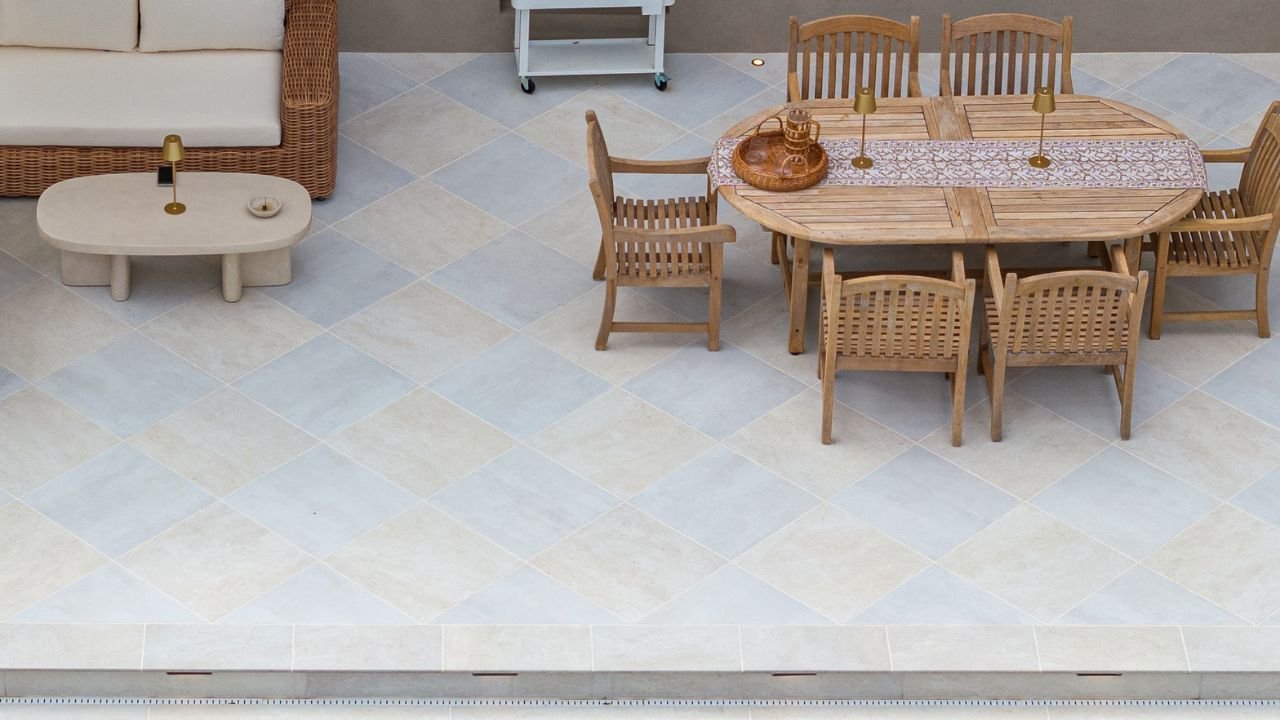
- Ivory Travertine Pavers
- Heritage Olive Limestone Pavers
- Aegean Cream Marble Pavers
- Milk Porcelain Pavers
These materials make the transition between the house and outdoor living spaces feel soft. They are the perfect color to make a welcoming outdoors.
Cool Undertones
Common undertone colors include gray, blue, charcoal, and white with cool trim. These are popular choices in Benjamin Moore exterior palettes. Recommended choices include:
Cool palettes look clean and are a perfect exterior house color for modern architecture.
Neutral Undertones
White, greige, and black homes offer greater flexibility when it comes to home exterior paint colors.
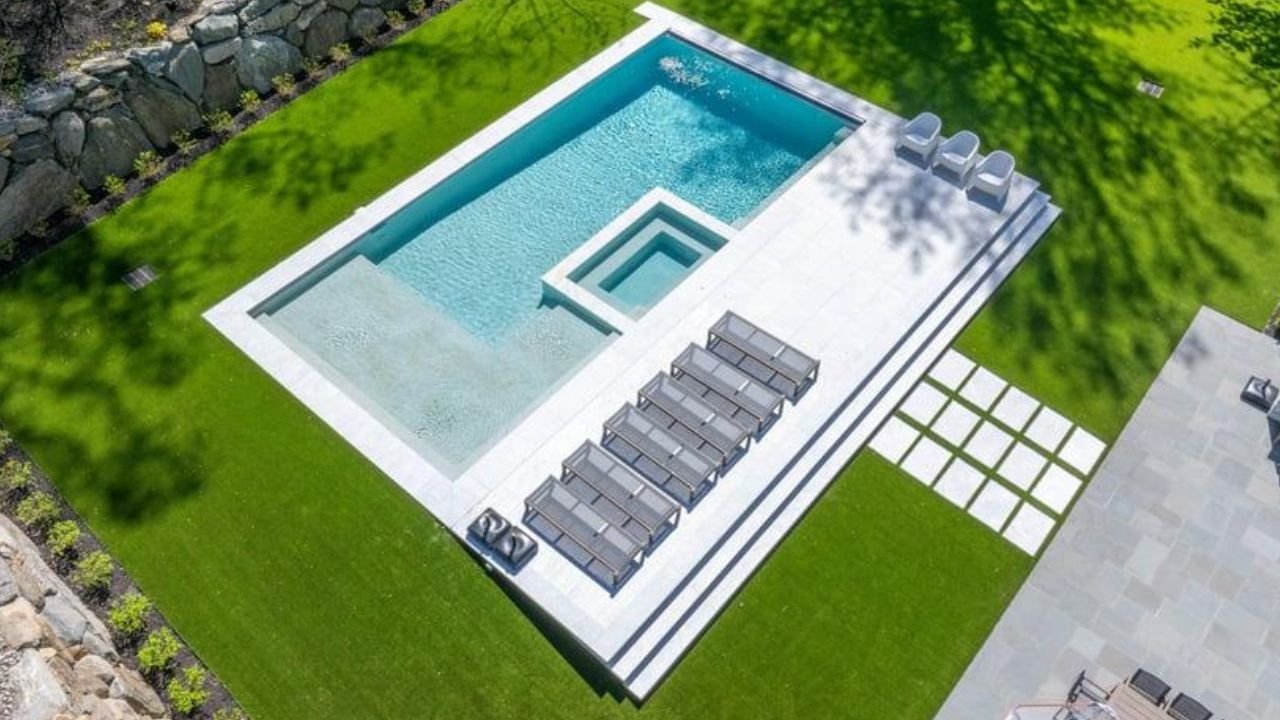
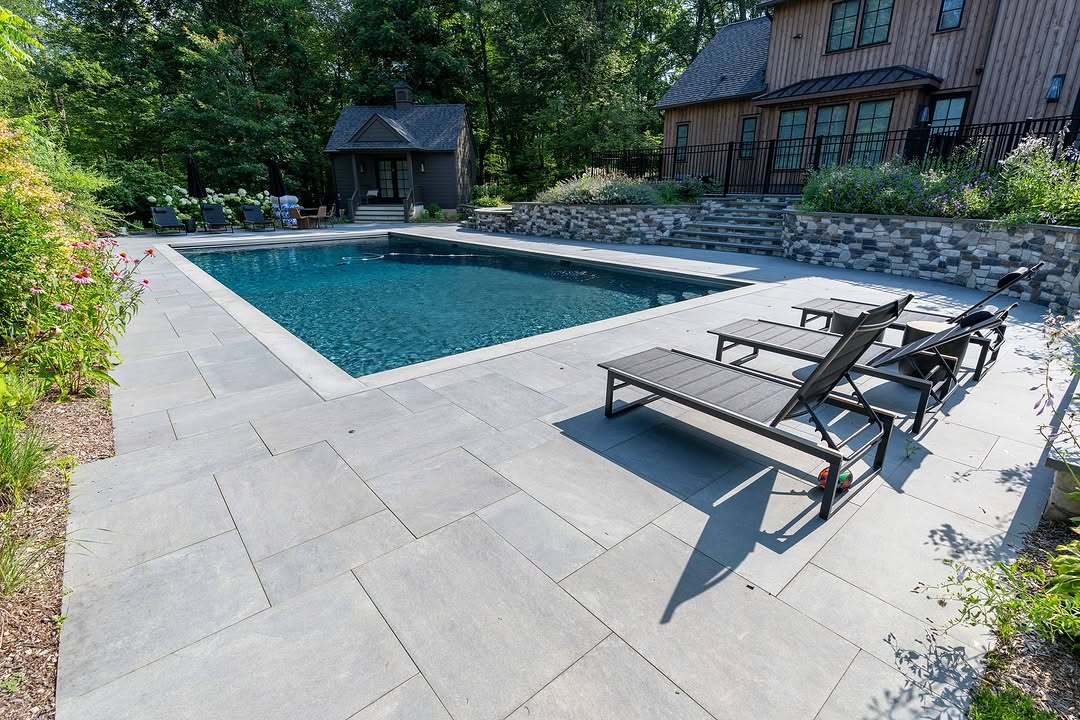
Materials like medium-gray porcelain, silver travertine, or limestone often provide the right balance without overpowering the exterior. Also, the neutral color palettes improve curb appeal by making the house appear contemporary.
Let Your Roof Guide the Entire Hardscape
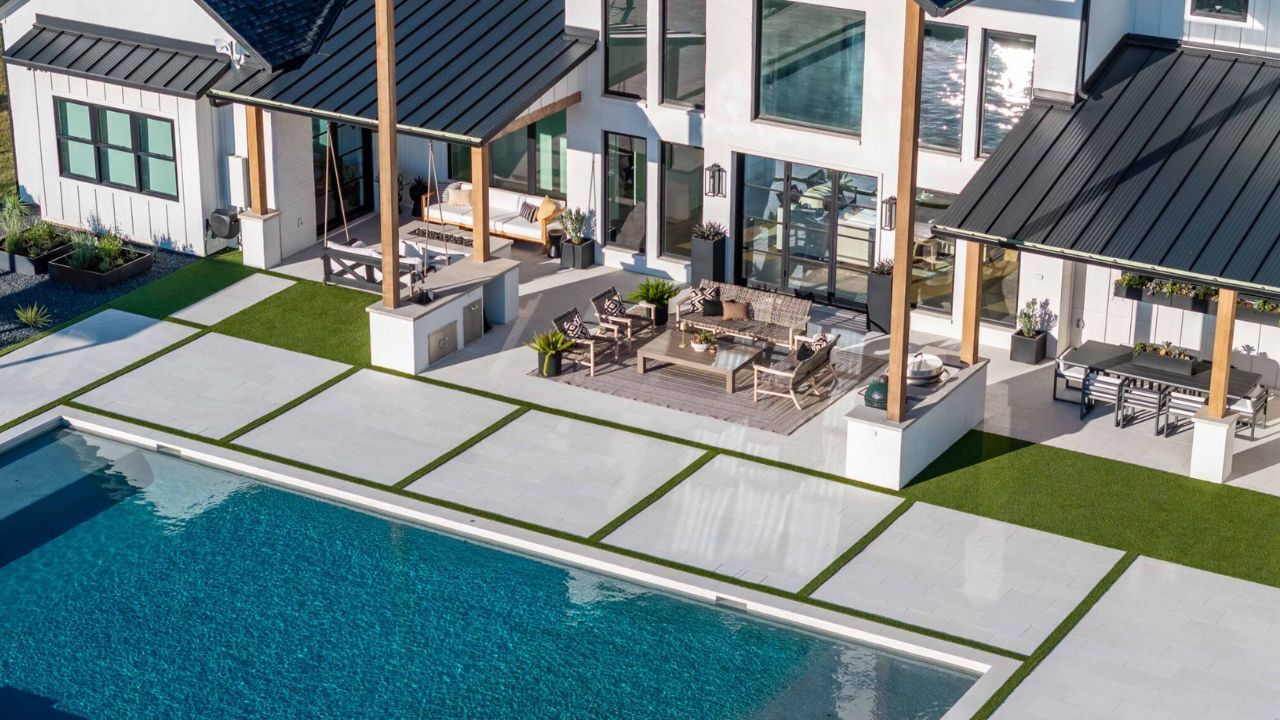
The roof usually covers more visible area than the walls. Ignoring it creates visual imbalance. Here are reliable combinations homeowners continue to use in 2026.
| Roof Color | Exterior Match | Recommended Pavers |
| Dark Gray | White or Gray Home | Bluestone Porcelain, Grey Porcelain |
| Brown | Beige or Cream Home | Ivory Travertine, Heritage Olive Limestone |
| Black | Modern Exterior | Milk Porcelain, Charcoal Porcelain |
| Terracotta | Mediterranean Style | Aegean Cream Marble, Silver Travertine |
Instead of matching the roof exactly, choose pavers that share similar warmth or coolness. This approach also works well when planning patio and driveway ideas that complement your home’s exterior color palette.
Create Contrast Instead of Matching Everything
Though it sounds a little odd, instead of matching, why not create a contrast? One of the major design mistakes is trying to make every surface the same color hue. While this design approach is good for small landscapes, contrast creates definition.
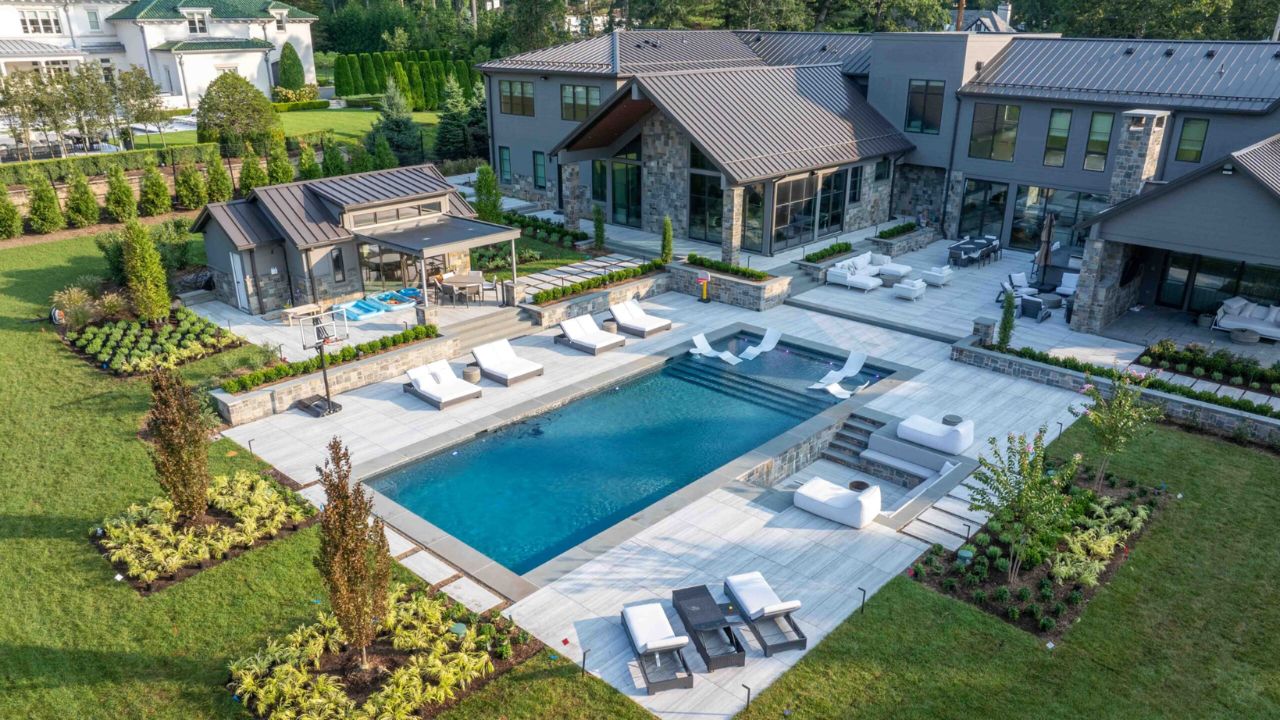
For example, a white modern home with charcoal window frames can be a striking design when paired with medium-gray porcelain. Likewise, a home with darker undertones usually looks good with lighter paving materials. They reflect more daylight and prevent the landscape from feeling enclosed.
Good contrast helps each architectural feature stand on its own while keeping the overall design cohesive.
Match Pavers to Your Home’s Architectural Style
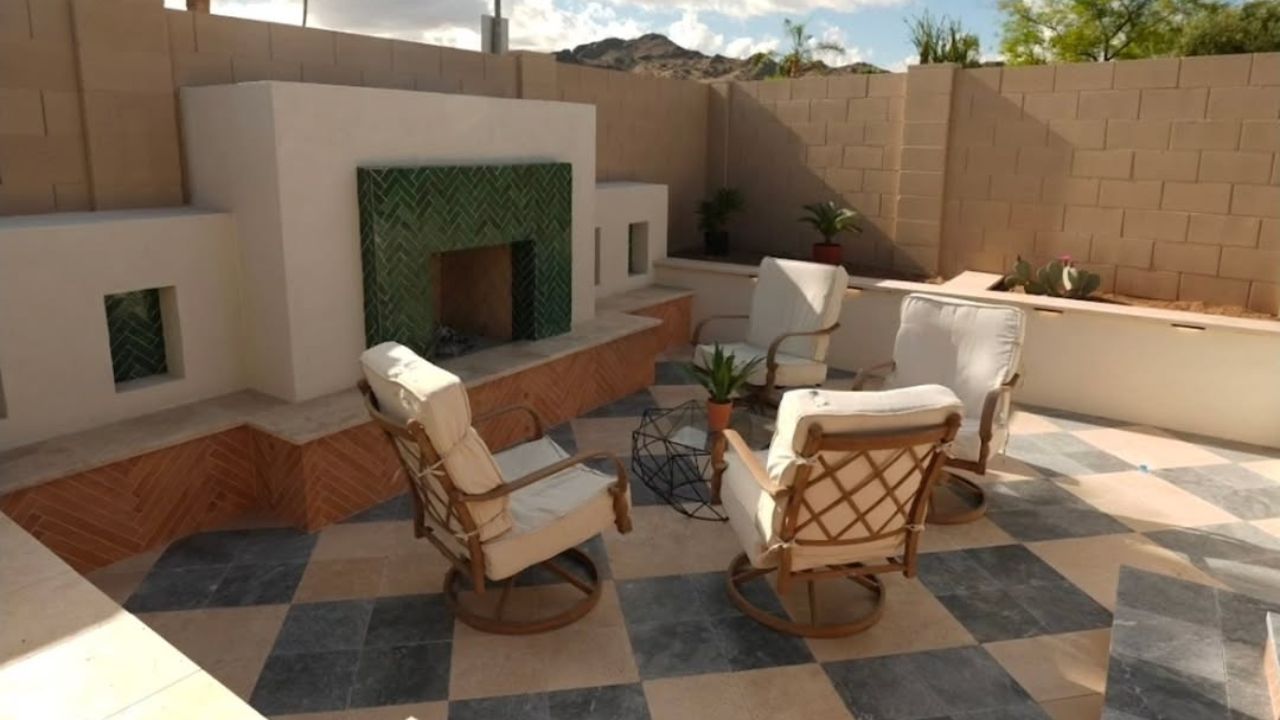
While there is an infinite range of pavers to choose from, not every paver color works for every property. Color works best when it supports the home’s design language.
Contemporary Homes
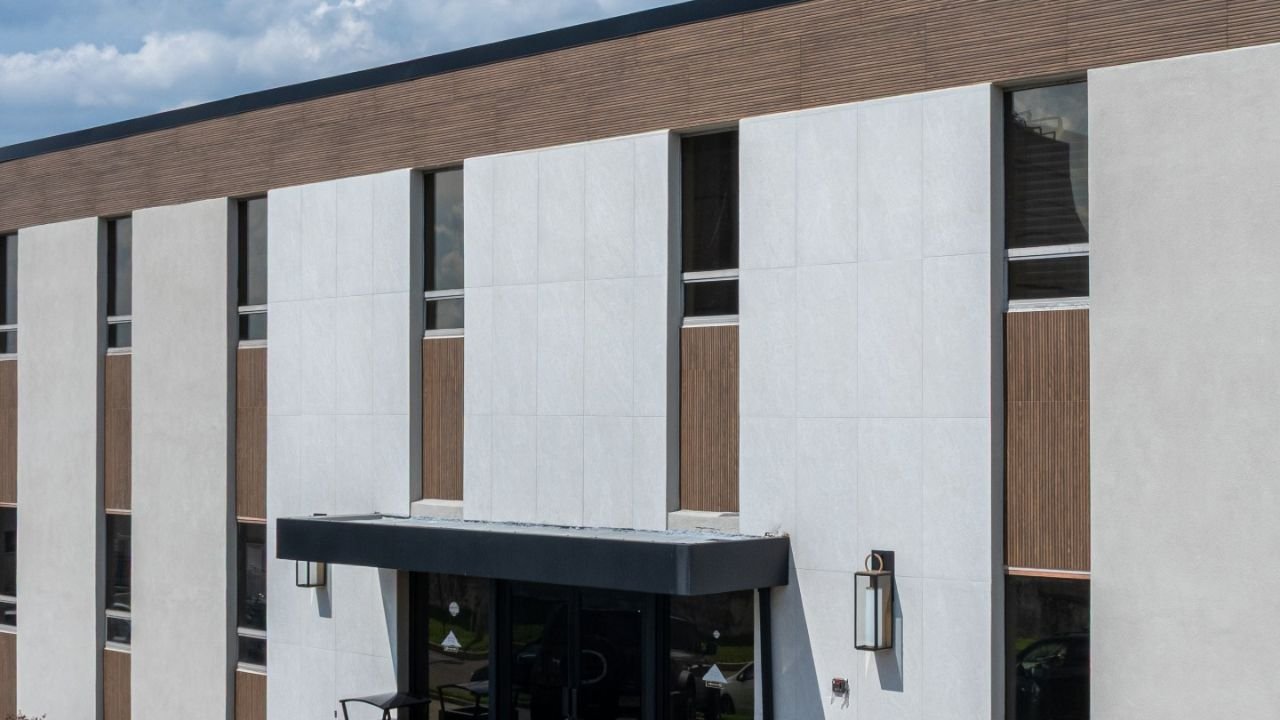
Large format porcelain pavers in gray, charcoal, or concrete-look finishes strengthen clean architectural lines.
Traditional Homes
Natural bluestone and classic limestone complement brick facades and symmetrical layouts.
Farmhouse Designs
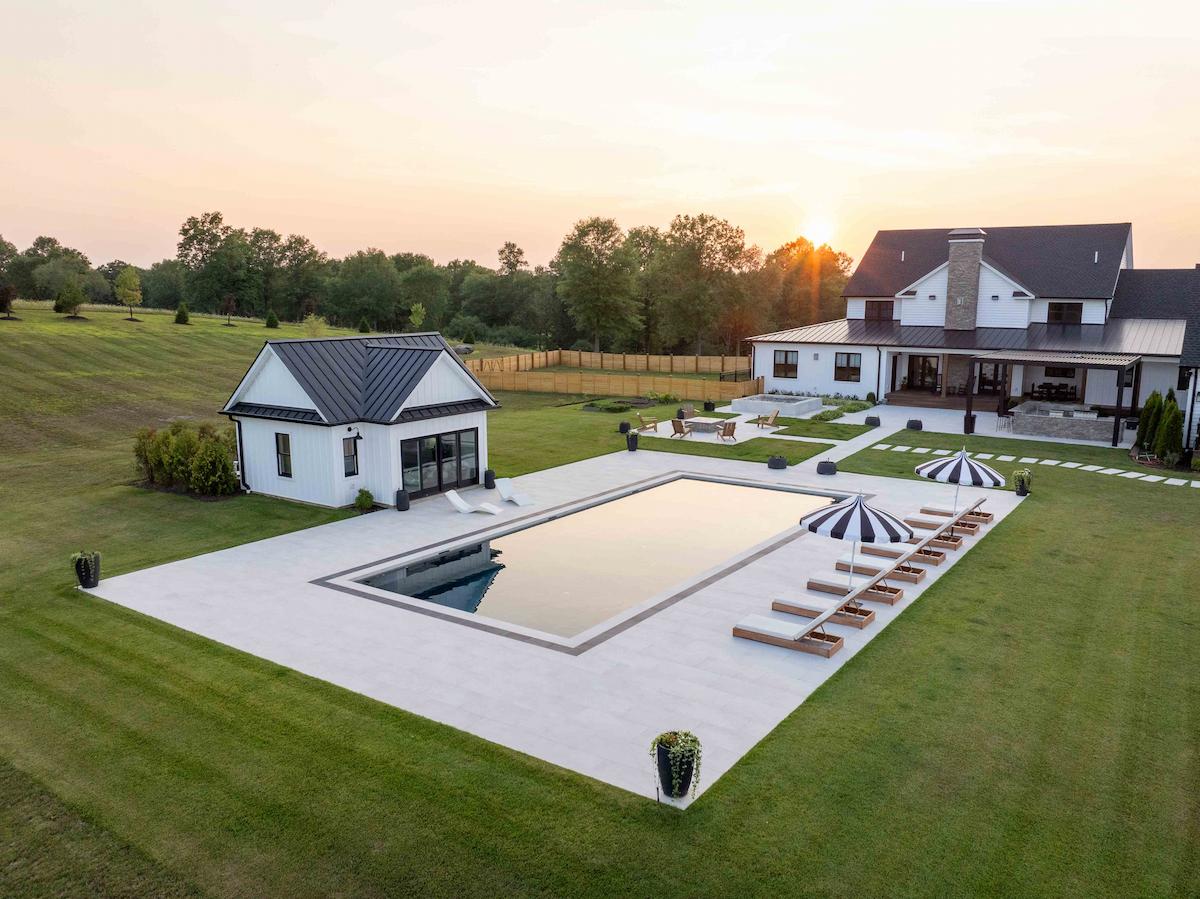
Cream porcelain and soft limestone create a spa-like, relaxed appearance that works well with white siding and black accents.
Mediterranean Homes
Travertine remains one of the most popular choices because its warm tones reflect the natural materials used throughout Mediterranean architecture.
Craftsman Homes
Earth-toned natural stone blends with wood details and mature landscaping.
Opting for a material that fits both color and architecture creates stronger visual consistency.
Consider The Landscape Around Your Pavers
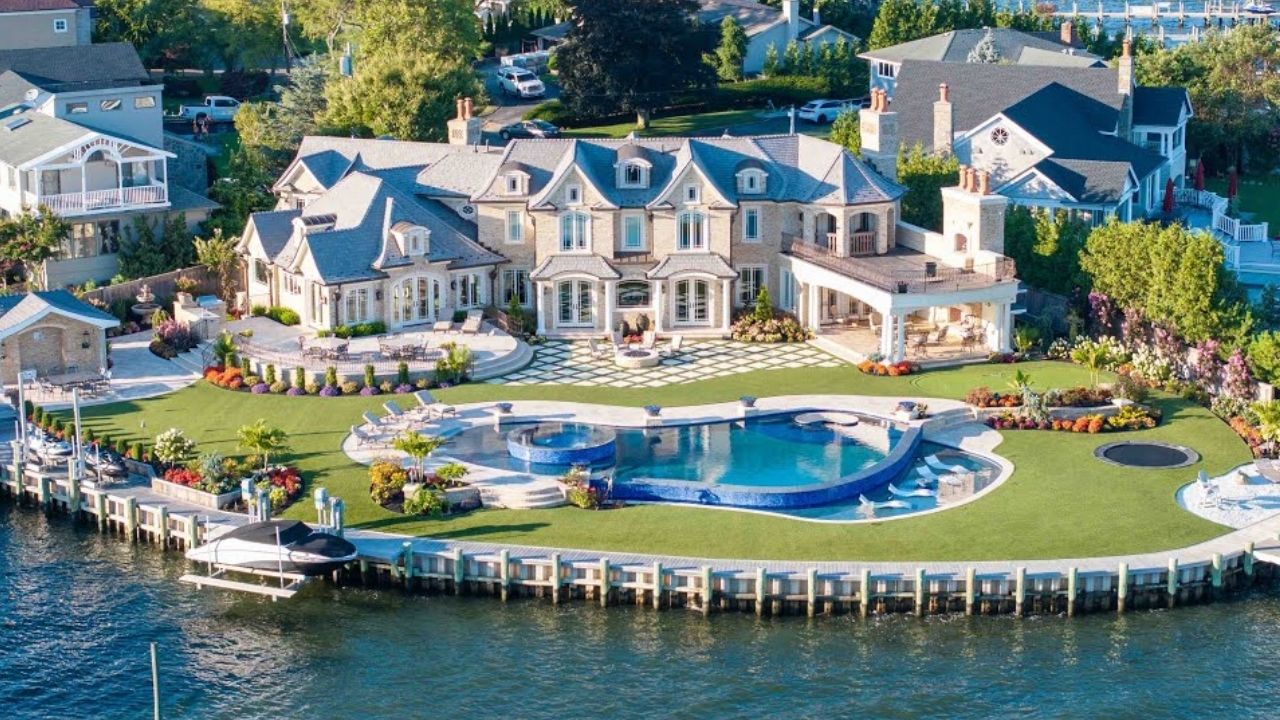
Plants also affect how paving materials appear through the year. Homes with fully grown trees often benefit from cooler gray stones. They balance the surrounding greenery. Properties with desert-style planting usually look better with warm limestone and travertine. The warm colors complement the natural earth tones.
Outdoor furniture, retaining walls, mulch, and decorative gravel also contribute to the finished palette.
Professional landscape designers often evaluate the entire property instead of viewing the patio or driveway in isolation.
How Does Outdoor Lighting Affect The Exterior Color Palette?
While natural stone suppliers integrate greater ambient lighting, they still cannot replicate the original natural daylight. The same paver may appear warmer during sunrise, neutral at midday, darker after rain, but cooler in shaded areas.
Always place sample pavers outdoors beside your home before making a final decision. The best time to review them is during morning, afternoon, or evening.
This simple step reduces the chance of selecting a color that feels different after paver installation.
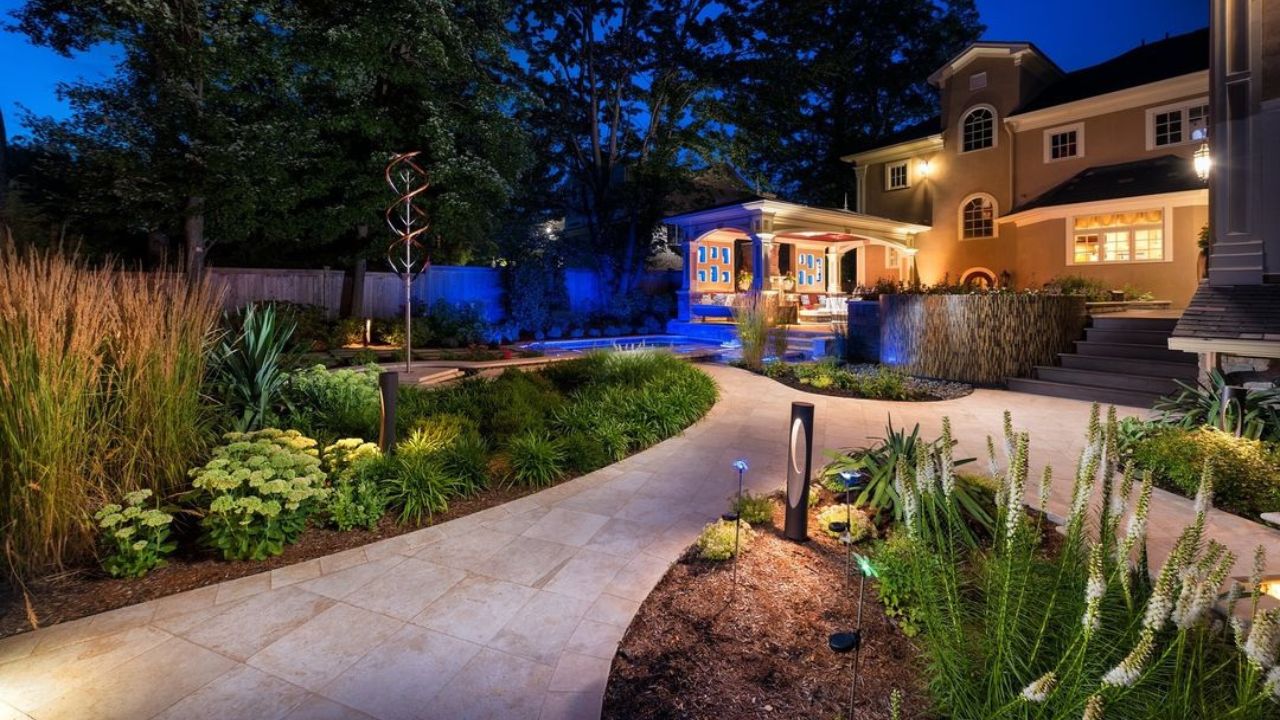
Compare Natural Stone Options Before Making Your Decision
Each natural stone offers a different combination of color, texture, durability, and architectural appeal.
| Material | Typical Color Palette | Best Exterior Styles | Heat Performance | Maintenance | Best Use |
| Travertine | Ivory, cream, beige | Mediterranean, farmhouse, traditional | Excellent | Low | Patios, pool decks |
| Limestone | Cream, gray, olive | Contemporary, craftsman, classic | Very Good | Moderate | Walkways, patios |
| Marble | White, cream, silver | Luxury, modern | Good | Moderate | Courtyards, feature patios |
| Bluestone | Blue-gray, charcoal | Colonial, modern, transitional | Very Good | Low | Walkways, entrances |
| Granite | Gray, black, speckled | Contemporary, commercial-inspired | Excellent | Low | Driveways, high-traffic areas |
This comparison helps homeowners evaluate materials based on appearance and long-term performance rather than color alone, especially when choosing paint color ideas.
Common Mistakes Homeowners Should Avoid
When you are trying to match the exterior color palette with the right pavers, avoid these mistakes in your project, especially regarding paver colors samples.
- Matching pavers exactly to exterior paint will make the entire look dull and flat.
- Ignoring roof color is not a good idea because it helps you choose the perfect contrast that doesn’t look odd.
- Choosing samples under indoor lighting only is another mistake, as outdoor lighting creates a drastic difference.
- Mixing too many competing colors will overwhelm the entire space and look untidy.
- Selecting trendy colors without considering architecture can lead to mismatched house paint that detracts from your home’s exterior appeal.
- Forgetting landscaping and outdoor furniture
Simple, coordinated palettes usually outperform complex color combinations.
FAQs About Matching Paver Color With Home Exterior
Let’s answer your questions about matching exterior color palette with the right pavers.
What is the best paver color for a white house?
Bluestone, medium gray, or charcoal pavers create a balanced contrast and make the exterior look clean.
Should pavers be lighter or darker than the house?
Both. But a slight contrast provides a great visual balance and defines the outdoor spaces.
Does roof color matter when selecting pavers?
Yes. The roof is one of the largest exterior surfaces, so its undertone should influence your paver selection.
Which natural stone works best for warm-colored homes?
Travertine and limestone have a naturally warm color palette that blends naturally with cream, beige, and tan exteriors.
Are gray pavers still popular in 2026?
Yes. Neutral gray porcelain and bluestone are still popular because they complement many architectural styles and exterior color palettes.
Should I test paver samples before buying?
Yes. Check samples outdoors in different lighting conditions to find out how the color changes throughout the day.
Bottom Line
Selecting the right pavers starts with understanding your home’s existing color palette instead of following design trends. Focus on undertones, prominent architectural features, roof color, and surrounding landscaping before making a decision. When you evaluate different materials in natural light and select complementary tones, you create a cohesive look for your entire house.
If your project requires both design expertise and high-quality materials, NT Pavers encourages whole property assessment. This ensures that every paving choice improves the home’s overall character and not just competes with it.