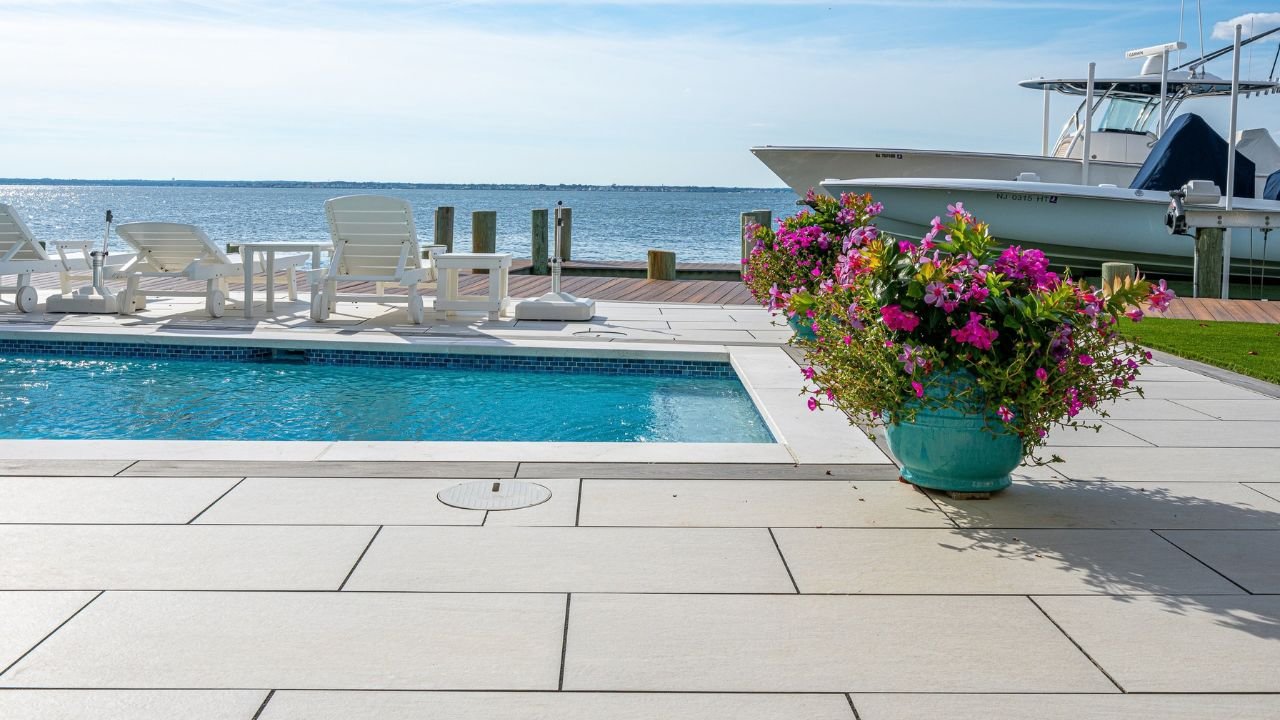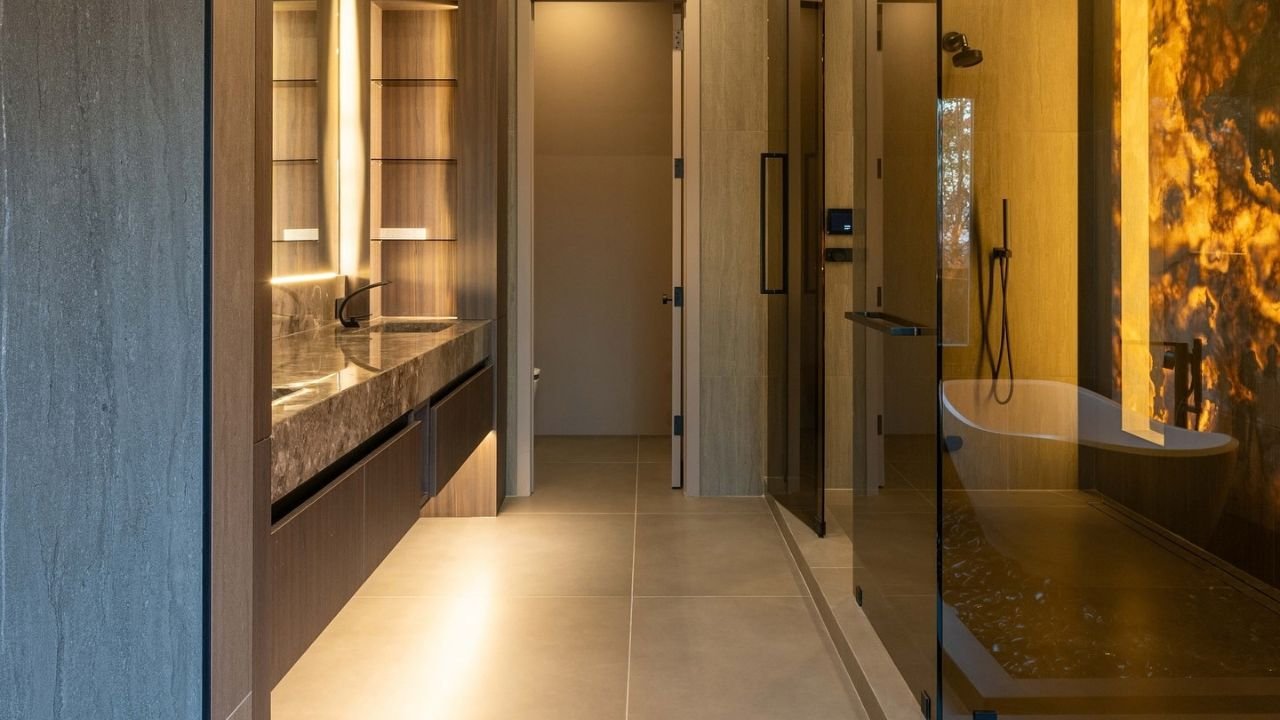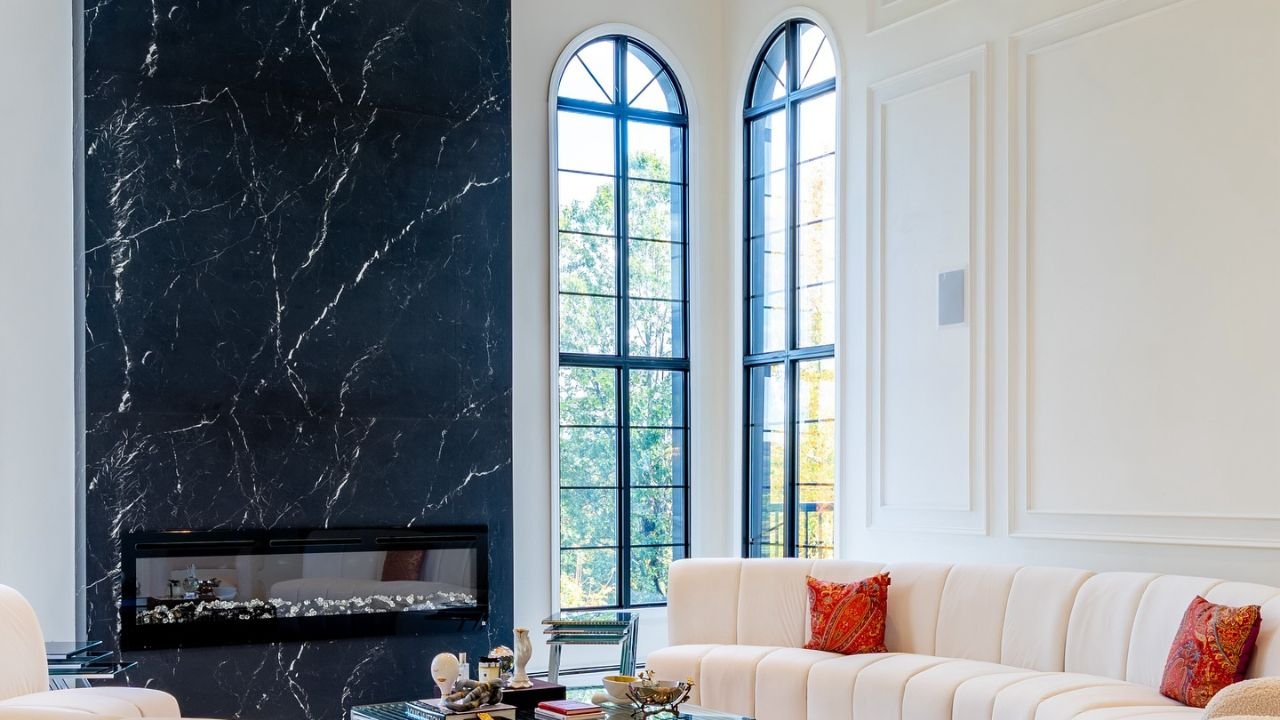

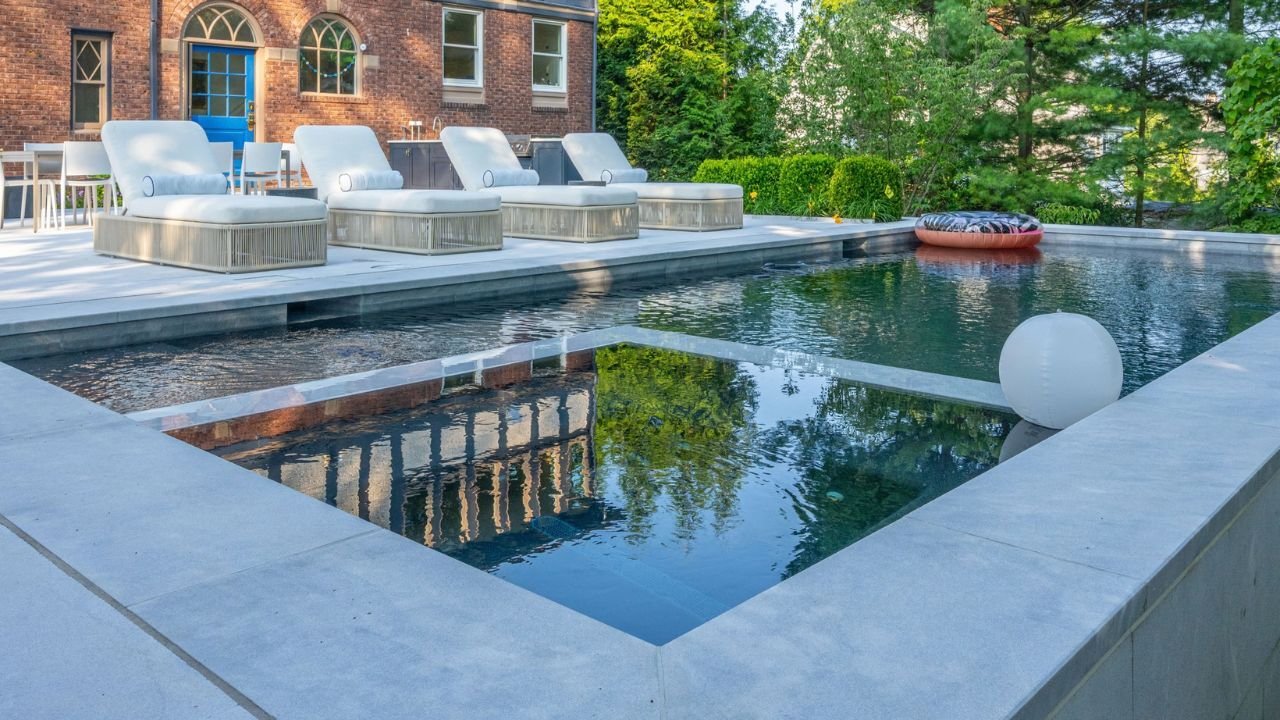
Travertine is one of the most popular paver choices to be used around pool areas. But many homeowners want to use marble pavers around pools. Because of their natural veining, they add a stunning natural charm around the pool area. However, pools with saltwater are much different than the seawater pools. A residential saltwater pool contains dissolved salt, while a salt chlorine generator converts that salt into chlorine for sanitation. The water still requires balanced pH and chlorine. This should be considered when selecting marble pavers for pools or outdoor space. The concern is not just about salt attacking marble’s durability but also about pool surrounds facing water. It is also about cleaning chemicals, sunscreen, and foot traffic. The question is whether the marble can handle that environment without getting slippery, stained, etched, or damaged. Here is more to know.
Can Marble Pavers Handle Saltwater Pool Conditions?
The simple answer is yes. But the answer depends on the specific marble. Marble is made mainly of calcite, which is a calcium carbonate mineral. Calcite is relatively soft and sensitive to acidic substances. A properly maintained saltwater pool is not an acid bath. Still, poor water balance, aggressive cleaners, chemical spills, or concentrated deposits can create problems.
Poolside stone pavers have to face repeated wet-dry cycles. Splash water can leave salt and mineral deposits as it evaporates. Stone selection should come before color selection.
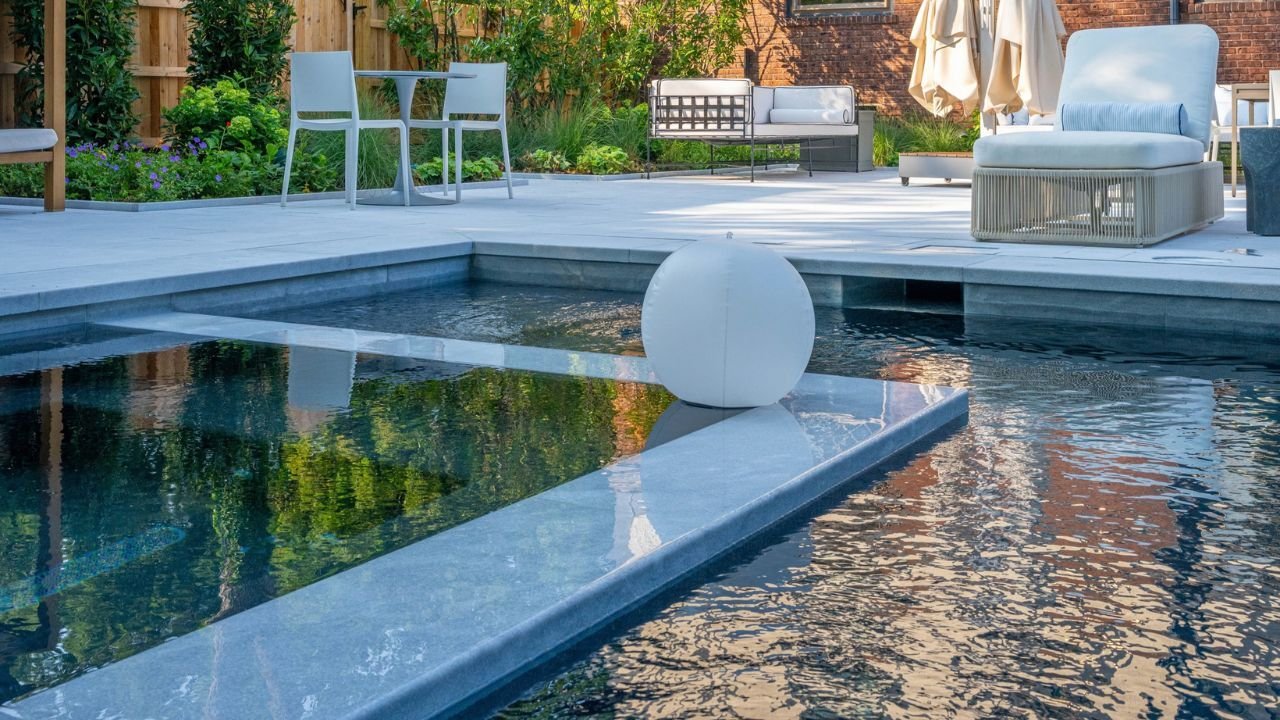
What Makes a Marble Suitable for a Pool Deck?
Marble can be described as a broad family of stones. Two marbles may look similar yet perform differently outdoors. For a saltwater pool, the marble pavers should have:
- Water absorption suitable for exterior use
- Proven outdoor performance in your climate
- A wet-appropriate finish
- A format suited to the installation system
- Supplier confirmation for pool use
Dense marble is a better starting point than porous marble, but density alone does not make it pool-safe. The finish also matters, as the polished surface can become slippery when wet. Honed, brushed, tumbled, or textured finishes are usually better candidates underfoot. A honed marble slab also tends to make minor etching less noticeable.
What Should You Check Before Choosing Marble Pool Pavers?
Before choosing marble pavers for a saltwater pool, look beyond the color and veining. Check the stone’s technical properties, finish, and suitability for exterior wet areas.
- Water absorption: Lower absorption can be helpful in an outdoor pool environment, but the acceptable range depends on the specific stone and application.
- Finish: Choose a finish intended for wet walking areas rather than a highly polished surface.
- Outdoor performance: Confirm that the marble is suitable for exterior use and for the climate where it will be installed.
- Wet-surface performance: Test a physical sample when wet, especially if the pavers will be used in areas with frequent bare-foot traffic.
- Installation requirements: Confirm the recommended setting method, joint details, drainage, and base requirements with the supplier or manufacturer.
- Maintenance: Make sure the recommended sealer and cleaning products are compatible with the specific marble.
A sample and technical documentation can tell you more about a marble’s suitability than appearance alone.
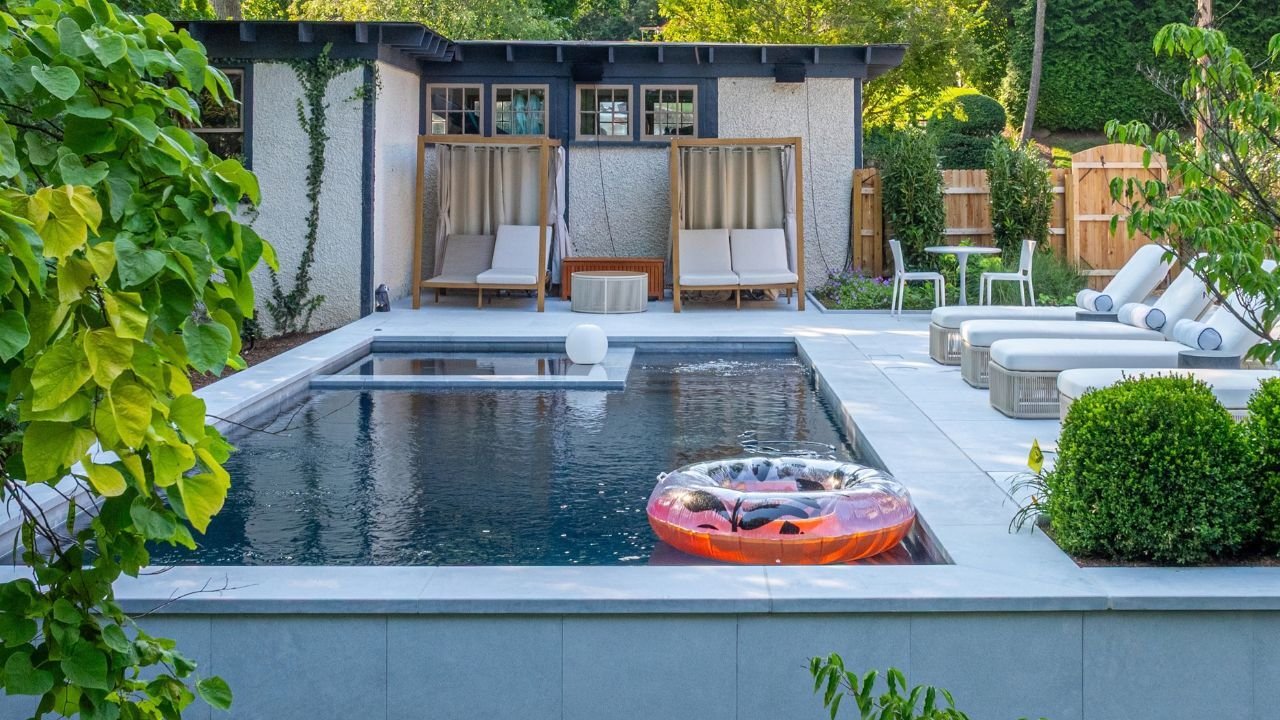
Is Marble Slippery Around a Saltwater Pool?
Yes, marble can be slippery when polished and wet. There is no single slip-resistance value that makes every pool deck safe. Pool-deck selection involves surface texture, paver size, grout joints, installation materials, and the specific use. Test a physical sample before paver installation. Make it wet and walk on it with bare feet. A dry finish may feel different when covered with water, as it offers better traction and slip resistance.
Can Salt Leave Deposits on Marble?
Yes. Salt and minerals can remain on poolside stone as splash water evaporates. You may see a white film or crust.
Do not solve it with an acidic cleaner. Marble is sensitive to acid, so vinegar and acidic descalers can etch the surface. An etch is a chemical change, not a stain. Rinse splash areas with fresh water. For routine marble cleaning, use a pH-neutral product made for natural stone.
Does Climate Matter for Marble Pool Pavers?
Yes. A marble that performs well in one outdoor environment may not be appropriate for every climate. In areas exposed to freezing temperatures, repeated freeze-thaw cycles can place additional stress on natural stone and the installation system.
If the pool is located in a region with freezing winters, confirm the marble’s documented exterior performance and follow the supplier’s recommendations for installation, drainage, and freeze-thaw exposure.
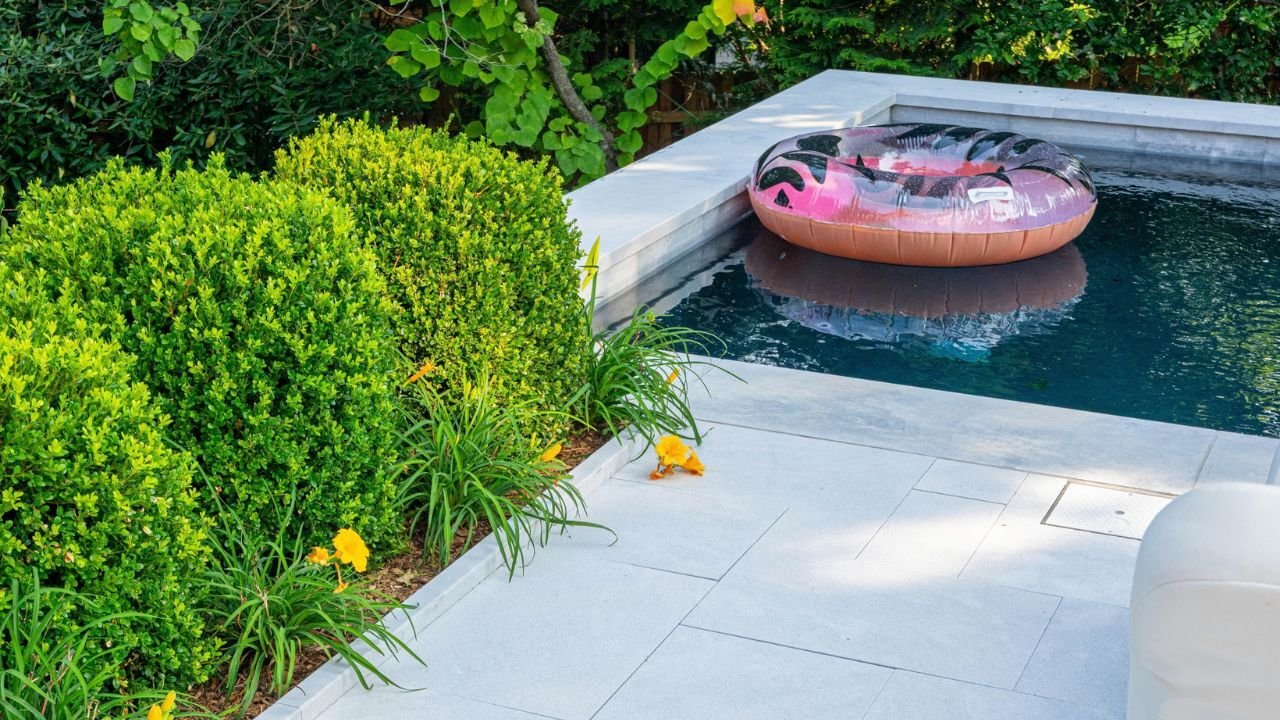
Why Installation Matters as Much as the Stone?
Even a premium marble variant can fail when installation is poor. Pool pavers need a base, good drainage, suitable setting materials, proper joints, and details that prevent standing water. Swimming pools and exterior wet areas require careful installation planning.
Follow manufacturer requirements for bedding, joints, edge restraint, and drainage. Pool coping deserves extra attention because it receives repeated water exposure and foot traffic. At NT Pavers, we treat the stone, porcelain, finish, base, drainage, and installation system as one assembly.
What About Marble Pool Coping?
Marble pool coping has different considerations from the larger pavers used across the pool deck. Coping sits directly at the pool edge and is repeatedly exposed to water, splashing, cleaning, and foot traffic.
When selecting marble coping, consider the edge profile, surface finish, thickness, installation method, and compatibility with the pool’s construction. The coping should also be installed with appropriate drainage and joint details to help prevent water from collecting around the pool edge.
As with the main pool pavers, request the specific marble’s technical information and confirm that the selected finish and installation system are suitable for the application.
Marble vs Travertine vs Porcelain for Saltwater Pool Areas
Marble is not the only option for a saltwater pool surround. Travertine pavers and porcelain pavers are also commonly considered, and each material has different characteristics.
| Material | Main consideration |
| Marble | Natural veining and a refined appearance, but the specific stone and finish need careful selection for wet outdoor use. |
| Travertine | A popular natural-stone choice for pool areas, with a naturally textured appearance and established use in outdoor spaces. |
| Porcelain | Manufactured with controlled properties and available in finishes designed for exterior applications; product specifications should still be checked for the intended use. |
The right choice depends on the project’s appearance, surface conditions, climate, maintenance expectations, and installation requirements rather than the material name alone.
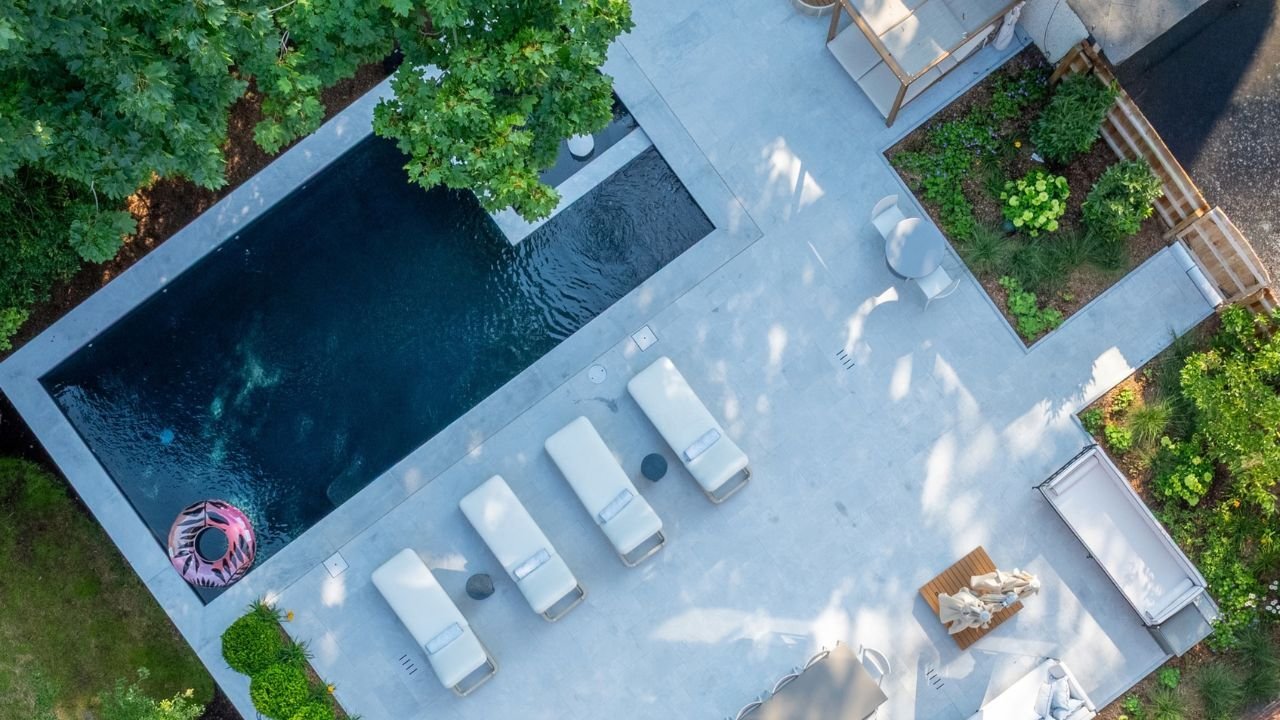
How Should You Maintain Marble Around a Saltwater Pool?
Marble pool pavers, though, require regular maintenance, but it is rather simple.
- Rinse the pool surround with fresh water when salt or mineral deposits build up. Remove leaves, dirt, sunscreen residue, and spills.
- Use a pH-neutral cleaner made for natural stone. Avoid vinegar, acidic descalers, abrasive powders, and harsh chemicals.
- Keep pool water balanced according to the chemical manufacturer. Do not mix or store pool chemicals on the deck.
- Inspect for cracks, loose pieces, drainage problems, or changes in texture.
- Use a penetrating sealer to keep the surface secure from moisture.
- If marble develops widespread dull patches, professional honing or restoration is better than stronger cleaners.
Marble In Saltwater Pools FAQs
Let’s answer your questions about marble pavers usage in saltwater pool areas.
What is the best marble for a saltwater pool deck?
There is no single best marble for every saltwater pool. Look for an exterior-suitable marble with appropriate water absorption, a wet-appropriate finish, and documented performance for your climate. A physical sample should also be evaluated when wet before installation. Options such as Ice White / Afyon Glacier Ice, Tundra Grey / Tahoe, and Ocean Blue can be considered when their specific technical properties and finish are suitable for the project.
Can saltwater pools damage marble pavers?
Yes. Saltwater can damage the marble, especially with porous or poorly selected marble, salt deposits, or aggressive chemicals.
Is honed marble better than polished marble around a pool?
Yes. Usually, a honed or textured finish is more appropriate for wet walking areas than polished marble. However, the exact surface still needs testing.
Should marble pavers be sealed around a saltwater pool?
Yes. Depending on absorption and manufacturer guidance. Sealing can reduce absorption and staining but does not prevent etching.
Can you use vinegar to remove salt deposits from marble?
No. Vinegar can etch calcite-based marble. Use a natural-stone-safe cleaner.
What is the best marble for a saltwater pool deck?
There is no universal best. Variants like Ice White / Afyon Glacier Ice, Tundra Grey / Tahoe / Ocean Blue look great with the saltwater pool areas. Choose an exterior-suitable stone with verified performance, a wet-appropriate finish, and installation suited to your climate.
Is marble better than granite for a saltwater pool?
No. Granite is often easier to maintain because many granites resist acids and weathering better. Marble can still work when its properties suit the application.
Bottom Line
Marble pavers can work around a saltwater pool but not like porcelain pavers. Marble selection matters more than appearance, even when using marble coping edge. Choose an exterior-suitable marble with appropriate density and a wet-friendly finish. Confirm the installation system, control pool chemistry, manage deposits, and use stone-safe cleaners. The right marble can provide a refined surround. The wrong one can turn maintenance into restoration.