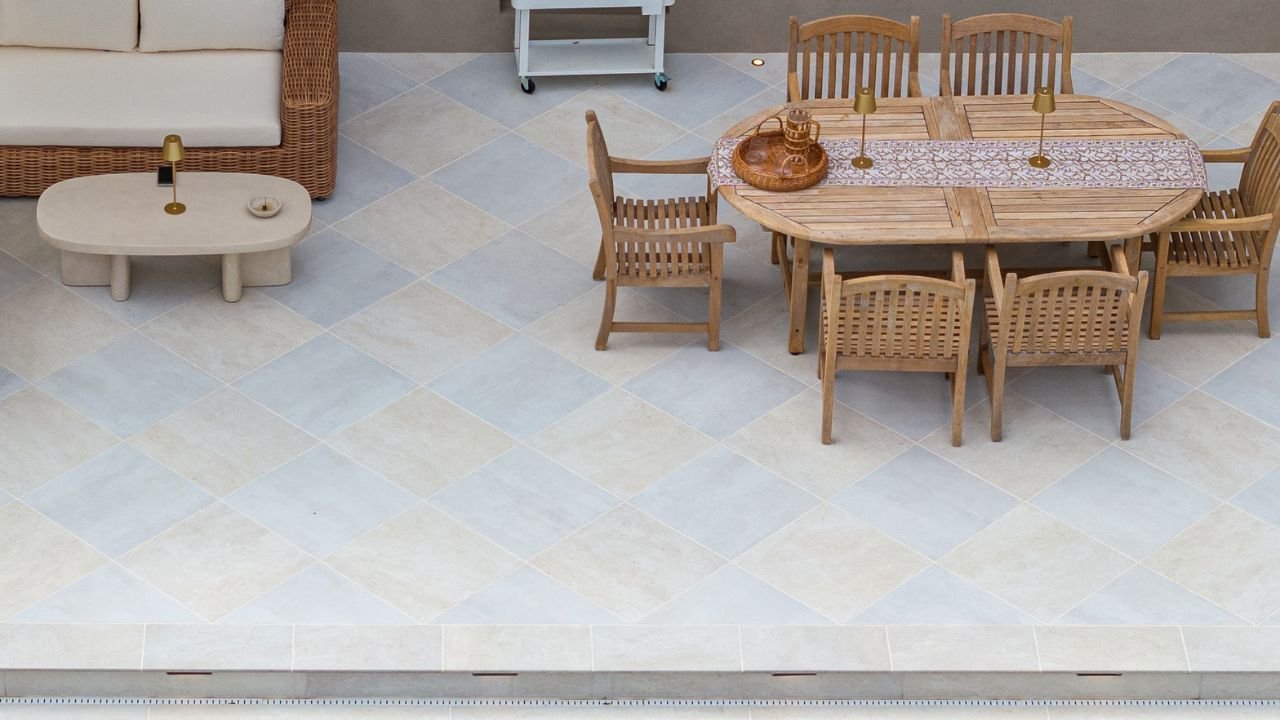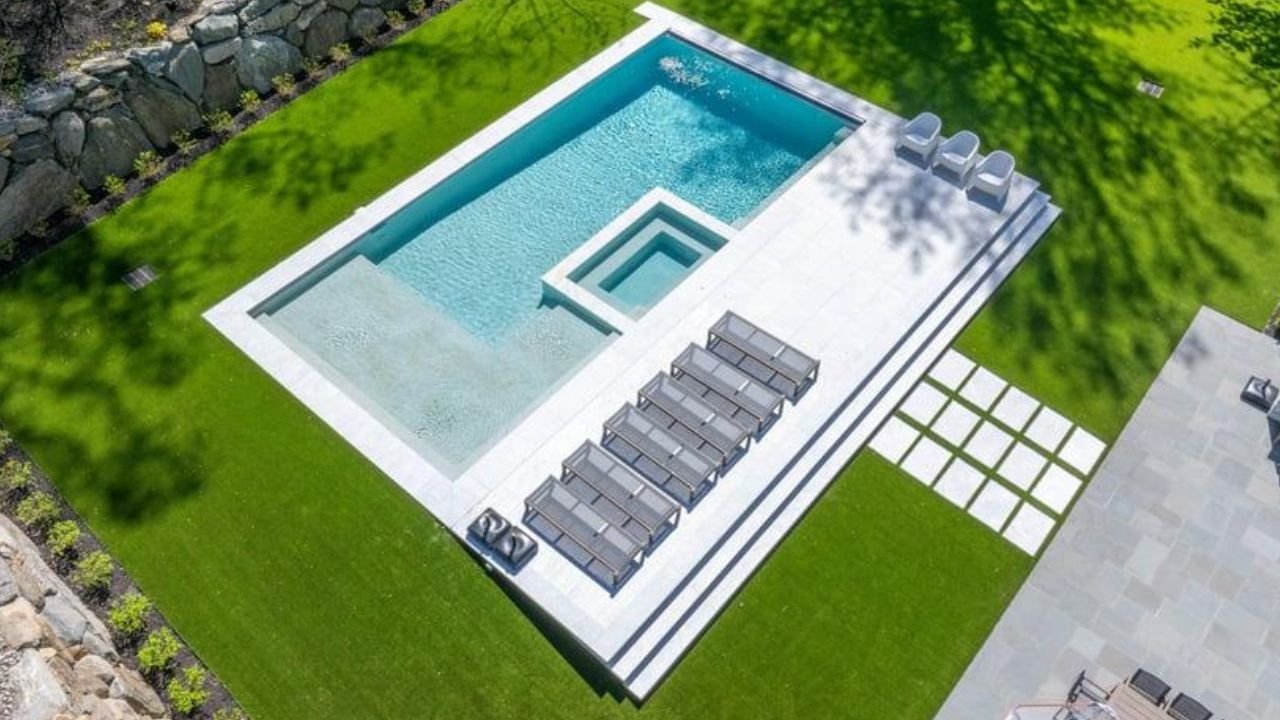

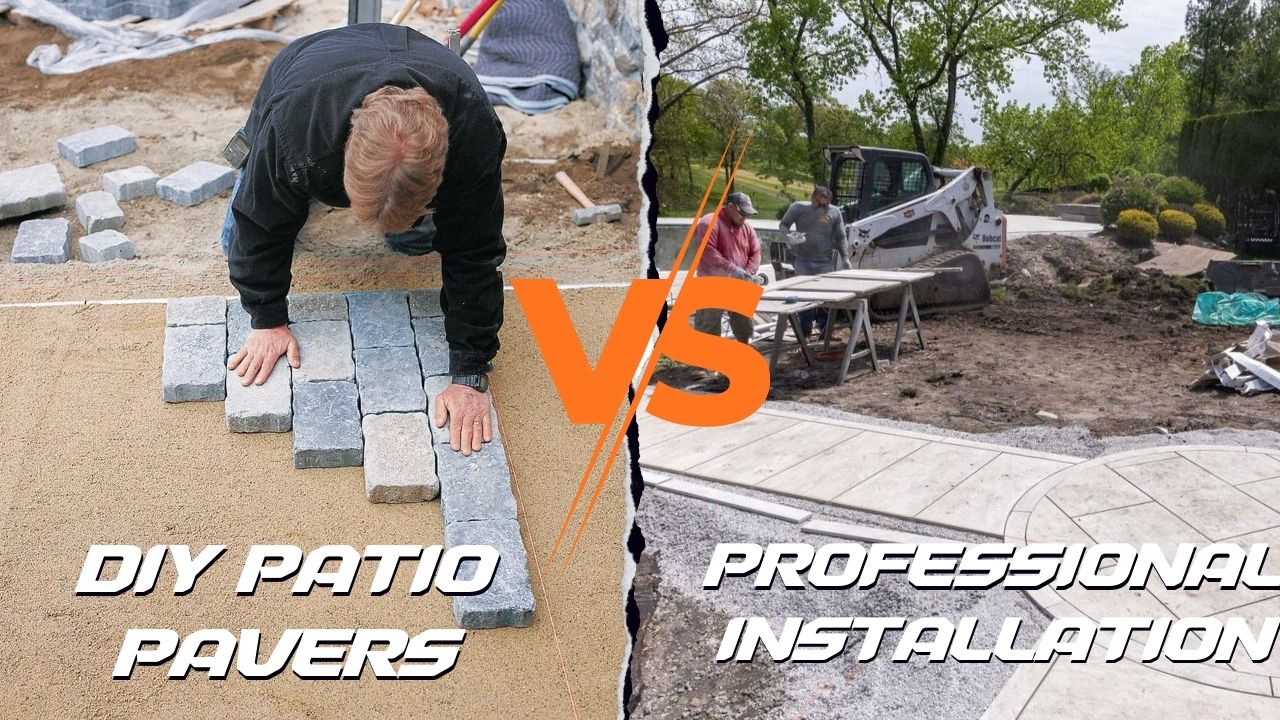
Patio pavers are one of the most important aspects of outdoor spaces. They change how outdoor spaces function. They even impact the comfort, drainage, and property value. However, many homeowners stop at one question: what should they choose between DIY patio pavers vs professional installation?
This decision reaches beyond the budget. It touches soil conditions, load-bearing requirements, climate exposure, and selected material performance. A patio may look beautiful and level today, but sink, shift, or crack within a year if not installed with proper preparation. Some DIY patio projects succeed, but many do not work. Continue reading to learn the real differences between DIY patio pavers vs professional installation, so homeowners can choose with confidence, not guesswork.
DIY Patio Pavers vs Professional Installation: Side-by-Side Comparison
While both DIY and professional are good in their own way, they still have distinct differences. Take a look at this table to learn the key differences between DIY patio pavers and professional installation.
| Decision Factor | DIY Patio Pavers | Professional Installation |
| Upfront Cost | Lower material-only expense | Higher due to labor and equipment |
| Time Investment | Several weekends or weeks | Completed in days |
| Skill Required | High for base prep and grading | Managed by trained crews |
| Base Preparation | Often shallow or inconsistent | Engineered for soil and load |
| Drainage Control | Limited without experience | Proper slope and runoff design |
| Tool Access | Rental tools increase cost | Commercial-grade equipment |
| Material Waste | Higher risk of overbuying | Optimized material usage |
| Long-Term Stability | Depends on execution | Designed to last decades |
| Warranty Coverage | None | Often includes workmanship warranties |
| Property Value Impact | Neutral to mixed | Positive and documented |
What Is DIY Patio Paver Installation?
DIY patio pavers installation has become the latest trend to enhance the functionality of residential outdoor spaces by doing it yourself. DIY patio installation is straightforward on paper, where you have to dig, add gravel, level sand, and lay pavers. However, each step requires precision and accuracy.
What Tasks DIY Homeowners Must Handle?
DIY installation requires homeowners to manage:
- Soil excavation to correct depth
- Compacted aggregate base installation
- Proper slope for water runoff
- Edge restraint installation
- Paver cutting and alignment
- Joint filling and compaction
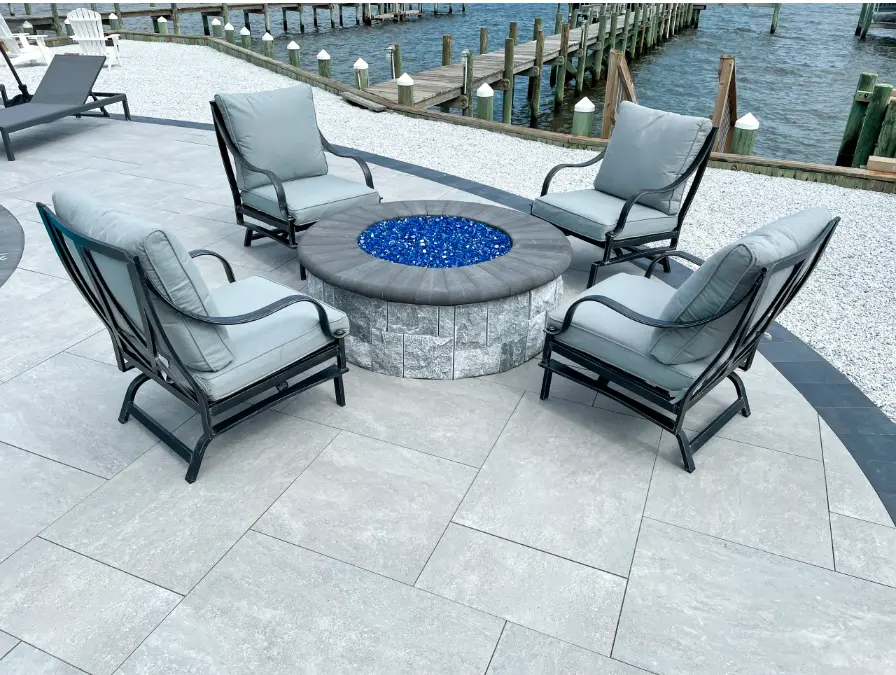
Mistakes will not have an immediate affect but they will start to show up after the heavy rain season and freeze-thaw cycles or foot traffic.
Why Base Preparation Causes Most DIY Failures
The base supports the entire patio. Many DIY projects fail due to improper level ground because homeowners:
- Compact soil unevenly
- Use an incorrect gravel size
- Skip the geotextile fabric
- Underestimate excavation depth
In regions with clay soil or seasonal moisture changes, base failure accelerates. NT Pavers often replaces DIY patio paver base where the surface looked fine for one year, then settled unevenly.
Why Do Homeowners Choose DIY Patio Pavers?
DIY patio pavers are preferred by many homeowners for several reasons. However, the DIY patio pavers work best when:
- The patio will be laid under 100 square feet
- The ground will consistently be flat and dry
- The design uses straight edges
- The material is concrete pavers
- The homeowner enjoys manual work
In these cases, the risk remains manageable.
What DIY Teaches Homeowners
DIY patio building teaches homeowners the craftsmanship. Many homeowners understand how professionals manage and handle the project after the first attempt. That insight often guides future projects toward expert help.
What Does Professional Patio Paver Installation Include?
Professional patio paver installation is a comprehensive approach. They plan and address the issues before they result in damaged surface.
How Professionals Approach Site Evaluation
Professionals will not just start building patio pavers; they will assess:
- Soil composition
- Drainage direction
- Load requirements
- Climate exposure
- Intended use of space

A patio designed for dining will be different from one supporting furniture, fire pits, or an outdoor kitchen.
Why Equipment Changes Outcomes
When we compare DIY patio pavers vs professional installation, the major differences are resulted by the tools. Professionals use:
- Plate compactors with vibration control
- Laser levels for slope accuracy
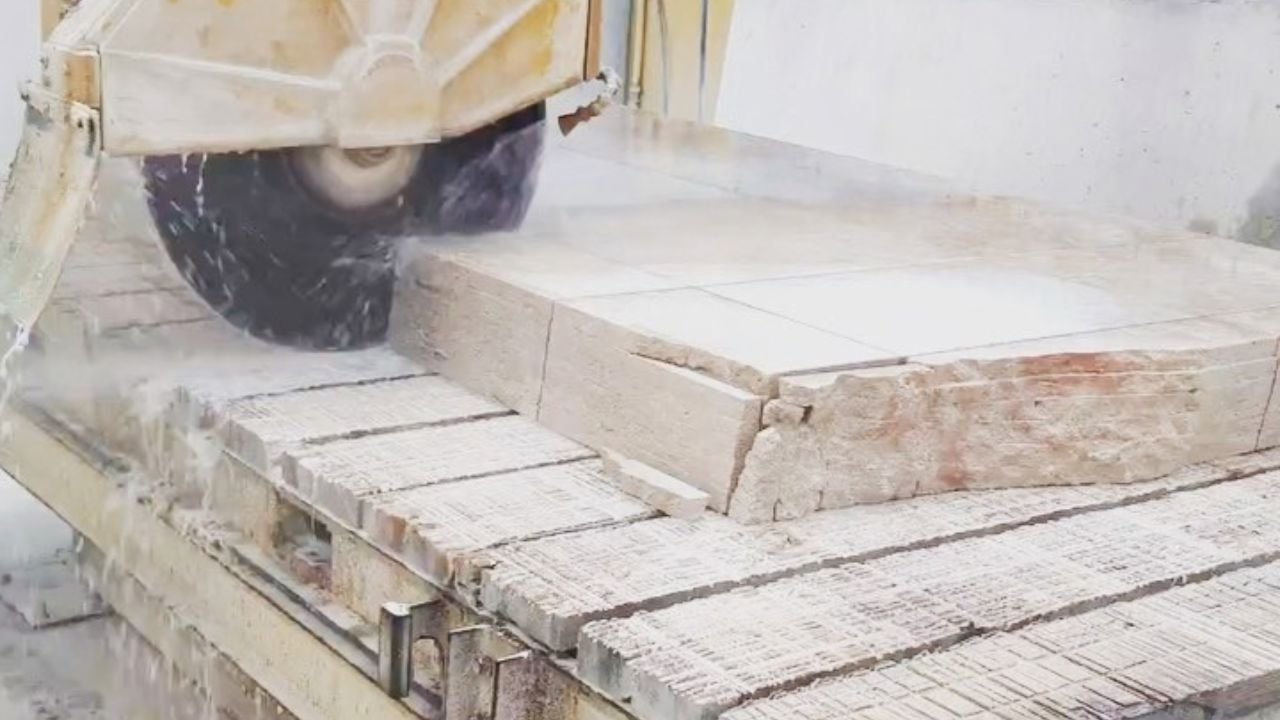
- Wet saws for clean cuts
- Mechanical tampers for dense bases
These tools offer consistency that hand tools cannot provide.
How Does Drainage Separate DIY From Professional Results?
Water plays an important role when we talk about patio longevity.
Why Drainage Fails in DIY Projects?
DIY patios require proper slopes. Even slight miscalculations can trap water underneath the pavers. Consistent moisture exposure can weaken the base and shift stones.
How Professionals Control Water Flow
Professional patio paver installation ensures:
- Proper pitch away from structures
- Drainage layers that move water laterally
- Joint materials that resist washout
This is an important consideration in regions with heavy rainfall or freeze-thaw cycles. These days, this has become a patio design standard.
Which Patio Paver Materials Favor DIY or Professional Installation?
Material choice is crucial to ensure the project’s success.
DIY-Friendly Materials
DIY homeowners can handle these materials easily:
- Standard concrete pavers
- Small-format porcelain pavers with pedestal systems
- Brick-style pavers
These materials tolerate minor alignment errors.
Materials That Require Professional Handling
Professional installation suits:
- Natural stone pavers (travertine, limestone, bluestone)
- Large-format porcelain pavers
- Permeable paver systems
Natural stone features varying thickness. Porcelain is heavier and requires precise bedding and installation. Permeable systems require engineered bases. NT Pavers often installs these materials to preserve the warranty and performance.
What Are the Real Cost Differences Between DIY Patio Pavers vs Professional Installation?
DIY saves upfront money. Professional installation saves long-term expense.
| Cost Perspective | DIY Patio Pavers | Professional Installation |
| Short-Term Costs | Material purchase | Labor costs included |
| Tool rentals (compactors, saws, levels) | Minimal material waste | |
| Disposal and hauling fees | Equipment already provided | |
| Extra pavers for breakage or mistakes | Accurate quantity estimation | |
| Long-Term Costs | Resetting sunken or uneven pavers | Rare due to proper base prep |
| Replacing cracked or shifted stones | Typically covered by warranty | |
| Fixing drainage problems or water damage | Engineered drainage reduces risk |
This will result in increased patio paver cost per square foot, first for DIY installation, then for corrections by professionals.
How Does Each Option Affect Home Value?
Patios can also affect the overall value of your property.
DIY Impact on Resale
DIY patios are not always good-looking. They often provide varying results. As many homeowners have limited skills, the inspector may notice uneven surfaces, poor drainage, and non-compliant bases.
Professional Impact on Resale
Professionally installed patios work better because:
- Improve curb appeal
- Signal proper construction
- Increase outdoor usability
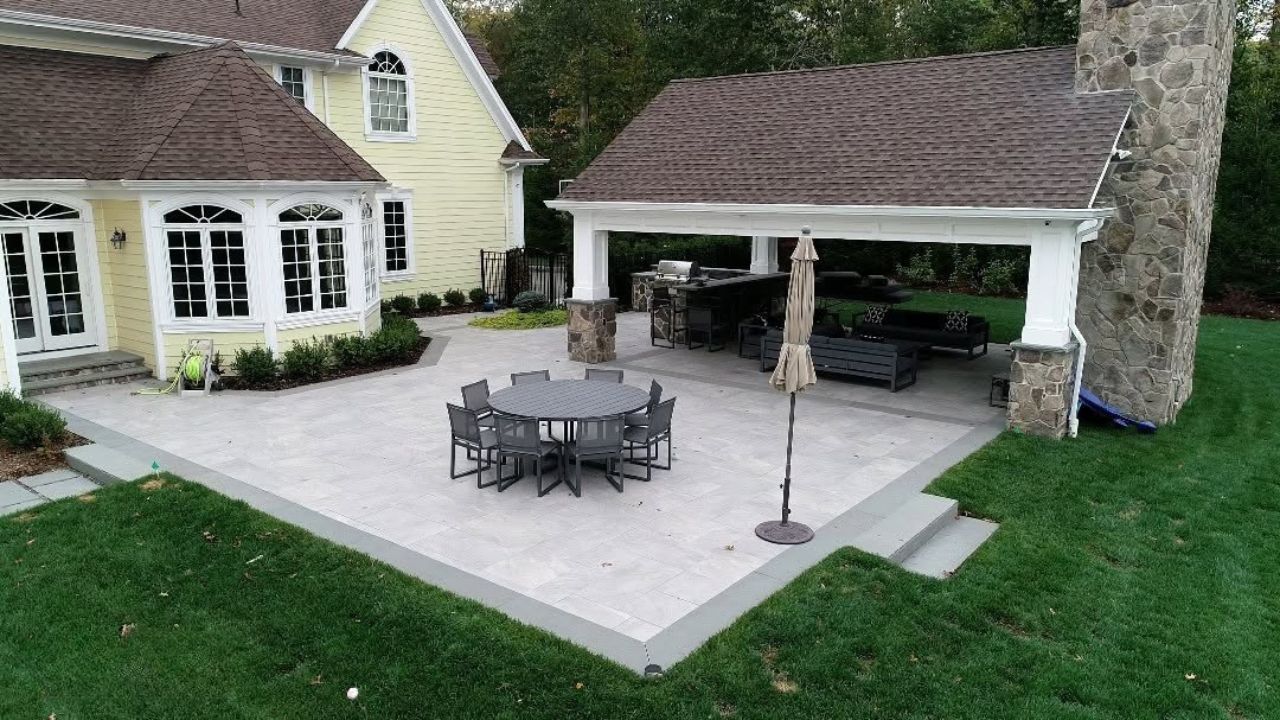
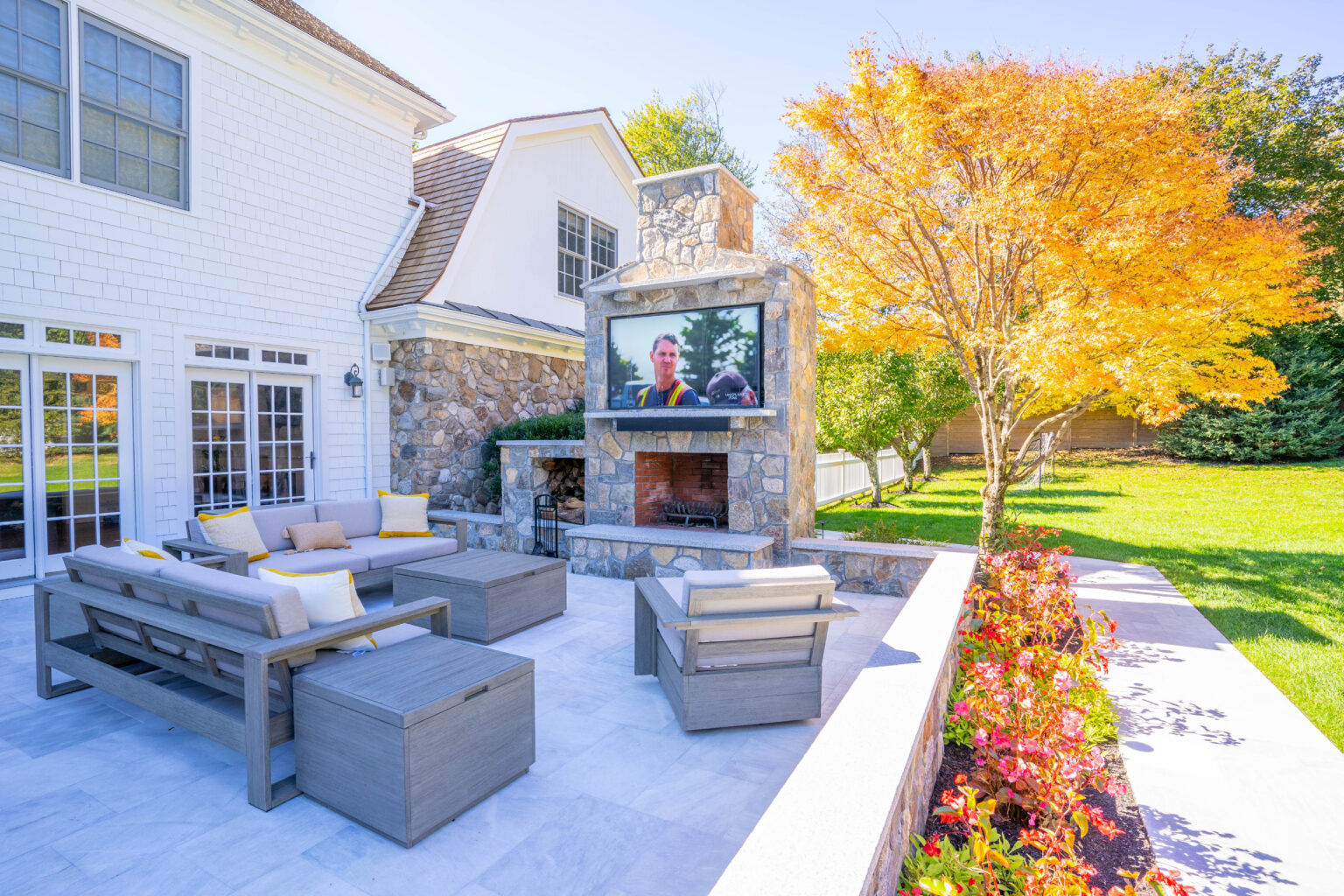
Real estate professionals often cite hardscape outdoor spaces as value multipliers, especially when installed by recognized providers like NT Pavers.
What Risks Do Homeowners Underestimate?
When considering between professional installation Vs DIY Patios, consider these risks associated with each approach.
DIY Risks
- Injury during excavation
- Inadequate compaction
- Structural water damage
- Voided material warranties
Professional Risks
- Higher upfront investment
- Scheduling constraints
The difference lies in predictability. Professional outcomes stay consistent.
Who Should Choose DIY Patio Pavers?
DIY patio pavers are suitable for:
- Enjoy hands-on projects
- Accept imperfections
- Work with small spaces
- Use forgiving materials
DIY is more like a learning experience, but not a long-term infrastructure.
Who Should Choose Professional Installation?
Professional installation is ideal for homeowners who:
- Use premium materials
- Build large patios
- Deal with slopes or drainage
- Want lasting results
These projects demand expertise, not experimentation.
DIY Patio Pavers vs Professional Installation FAQs
Let’s answer your questions about DIY patio pavers and a professional installation.
Is DIY patio paver installation worth it?
DIY patio paver is worth it for small spaces. It is not suitable for larger spaces and premium materials projects.
How long do professionally installed patio pavers last?
25 to 50 years with proper base preparation and minimal maintenance.
Can I install natural stone pavers myself?
No. It is not recommended to install natural stone as they vary in thickness and density. Professional installation is ideal for this.
Do professional patio installers handle drainage?
Yes. Professional patio installers can handle drainage with base layers to manage water movement and prevent settling or erosion.
Is professional installation required for porcelain pavers?
Large-format porcelain pavers require precise bedding and leveling. Professional installation ensures performance and safety.
Bottom Line
DIY patio pavers offer savings and satisfaction for small and budgeted projects. Professional installation results in reliable performance, longevity, and peace of mind for complex patios.
The right choice depends on space size, material, soil conditions, and expectations. Homeowners who prefer durability choose experienced installers to protect their investment. They also make sure outdoor spaces perform as well as they look.
A patio should not shift, sink, or drain poorly. It should serve for years without concern. That outcome starts with choosing the right installation path.