
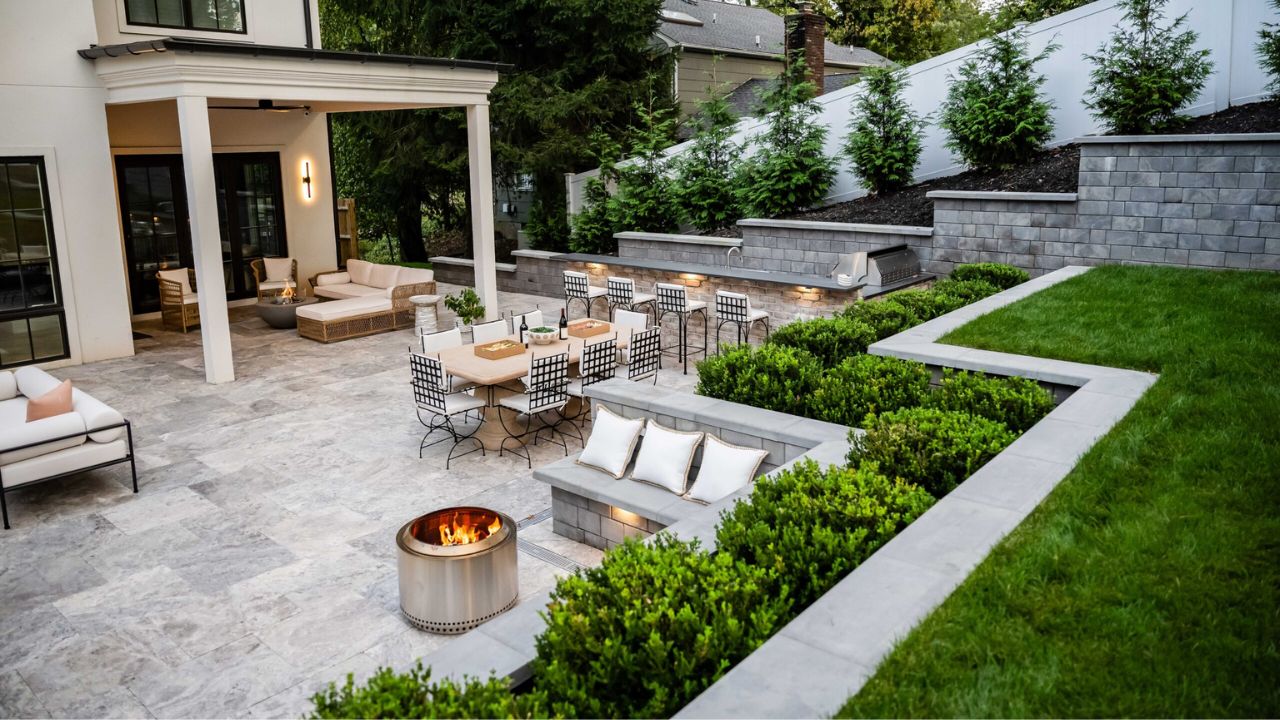
Outdoor walls are also a part of any residential or commercial structure. They have to face a significant amount of rainwater during the freeze-thaw cycle. Wall coping stones secure them and prevent problems like weakened structure and wall cracking. One can find different types of caps for any masonry wall. They serve as both aesthetics and functionality. One can opt for different types of wall coping stones that match their climate, structure, and requirements. Here is what you need to know.
Top 6 Types of Wall Coping Stones
Coping stone is a simple construction detail, but each type of wall coping is designed for a purpose. Below are the six most practical and widely used coping types, along with their common materials.
Natural Stone Wall Coping
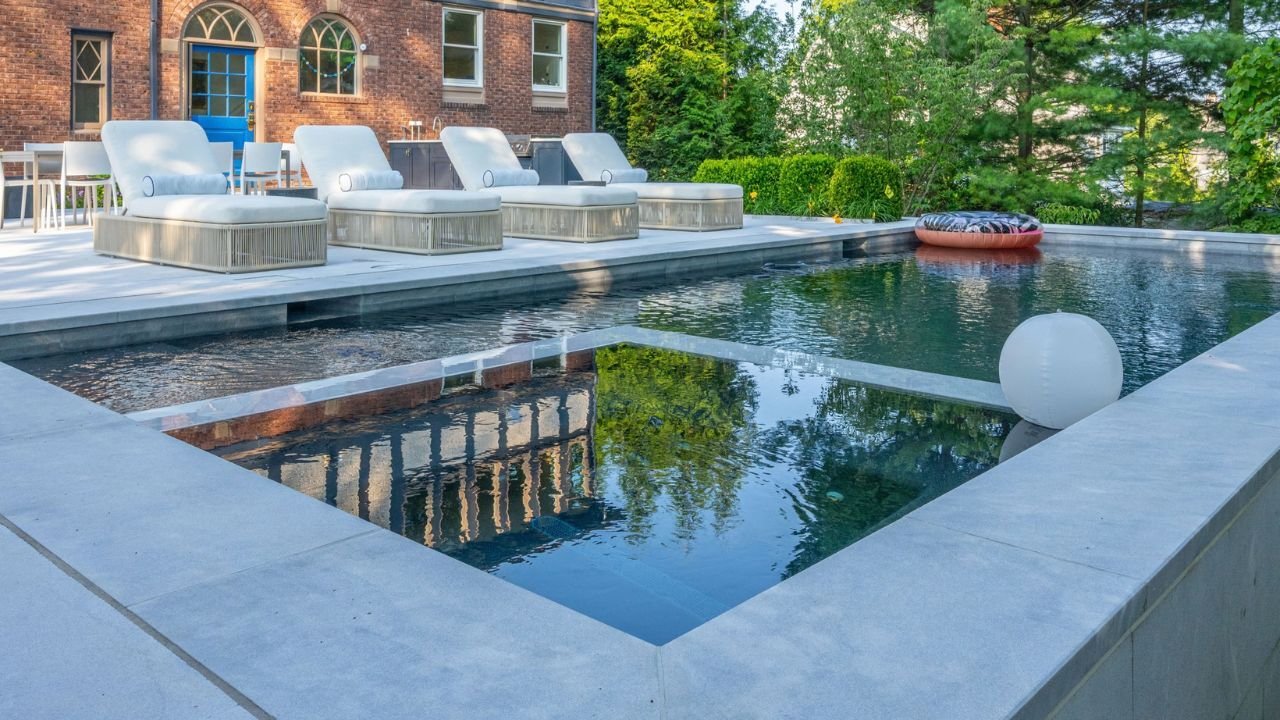
Natural stone is one of the most luxurious types of wall coping stones that adds durability and organic appeal. Granite, sandstone, limestone, and slate are among the most popular options. With proper installation, they resist weathering, protect walls from rain and frost, and deliver unmatched visual character. Architects, project managers, and homeowners want natural stone coping in their luxury home projects, heritage walls, garden features, and outdoor walls where aesthetics matter as much as performance.

Concrete Wall Coping
Concrete coping offers strength, flexibility in design, and cost-effectiveness. It shields walls by deflecting rainwater and can be molded into both plain and decorative profiles. Many commercial and residential projects favor concrete because of its reliability and wide availability. The most common applications include large-scale projects, modern walls, and cost-sensitive builds where load-bearing capacity matters.
Installation typically involves masonry anchors or mortar beds. Control joints are added at intervals to absorb shrinkage or expansion and prevent visible cracks.

Porcelain Wall Coping
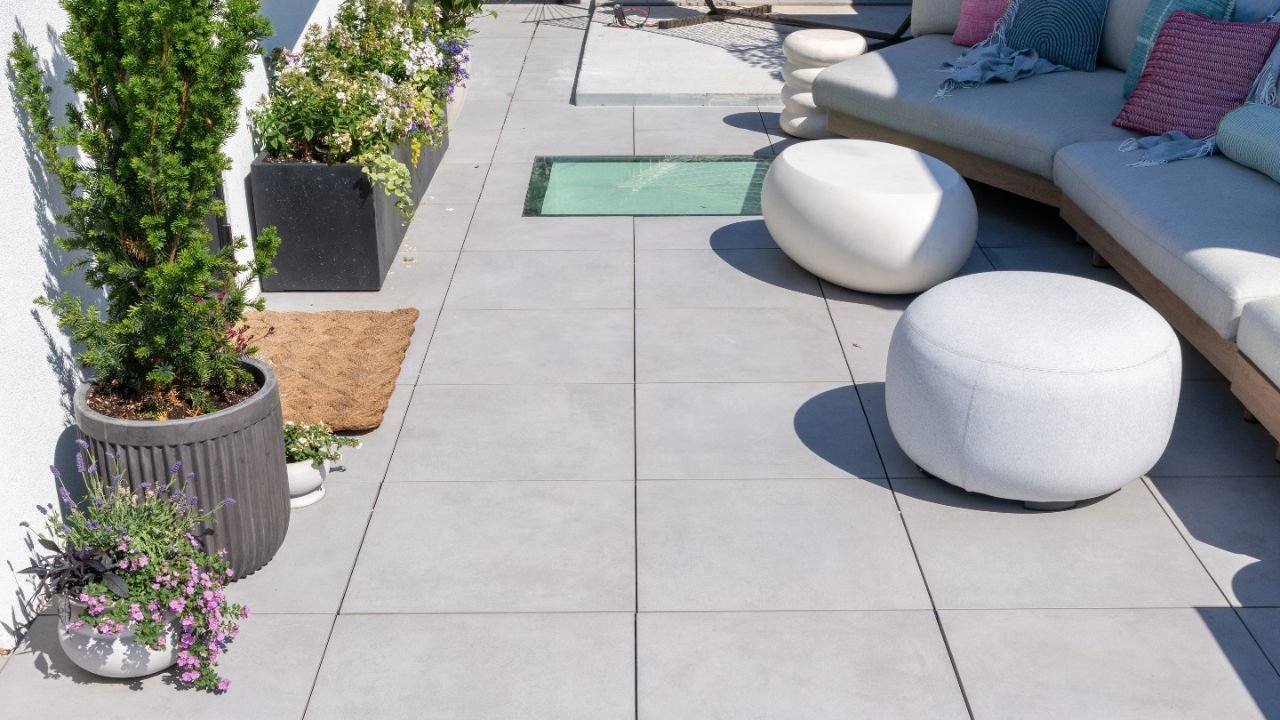
Though it is not one of the types of wall coping stones technically, the stone look porcelain does the job better. It has gained popularity in recent years for wall coping. It is installed on a mortar or adhesive bed with aligned joints, similar to natural stone. Porcelain is a non-porous, moisture-resistant and available in a wide range of finishes, including natural stone looks.
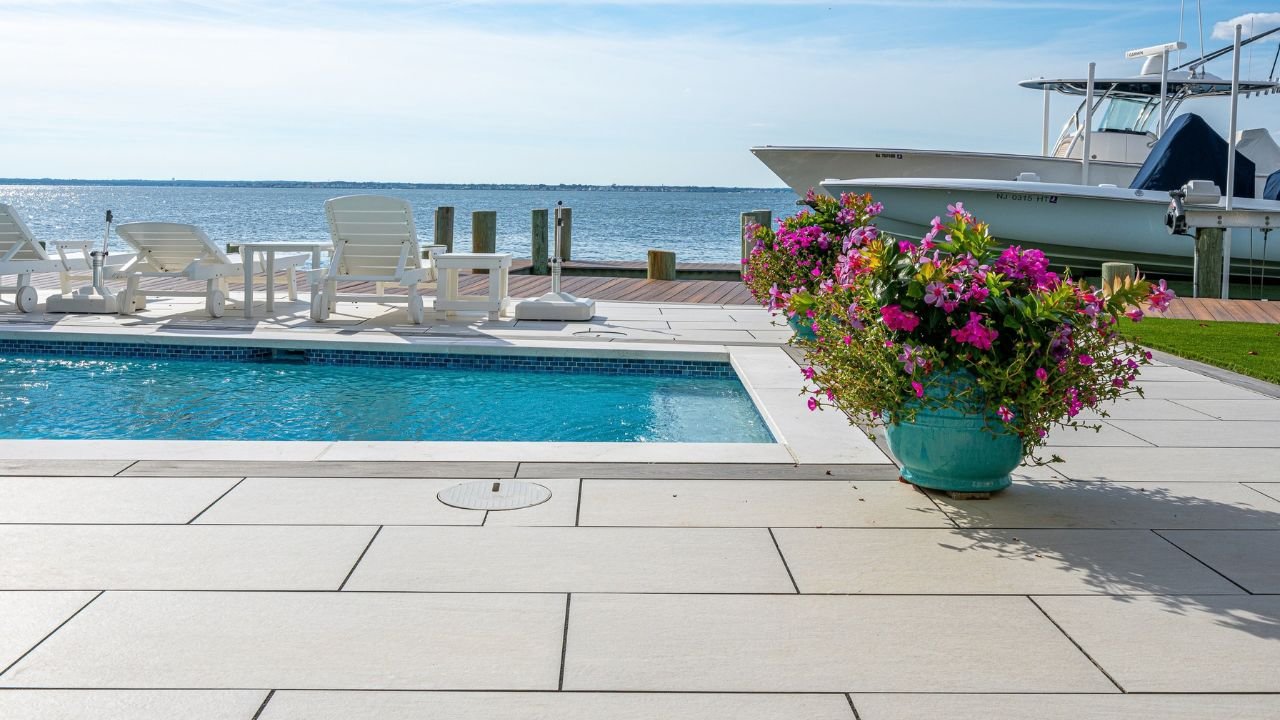
Porcelain coping offers a clean, modern edge while requiring less maintenance than natural stone. Contemporary homes, poolside walls, terraces, and spaces need slip resistance and easy upkeep.

Clay Wall Coping
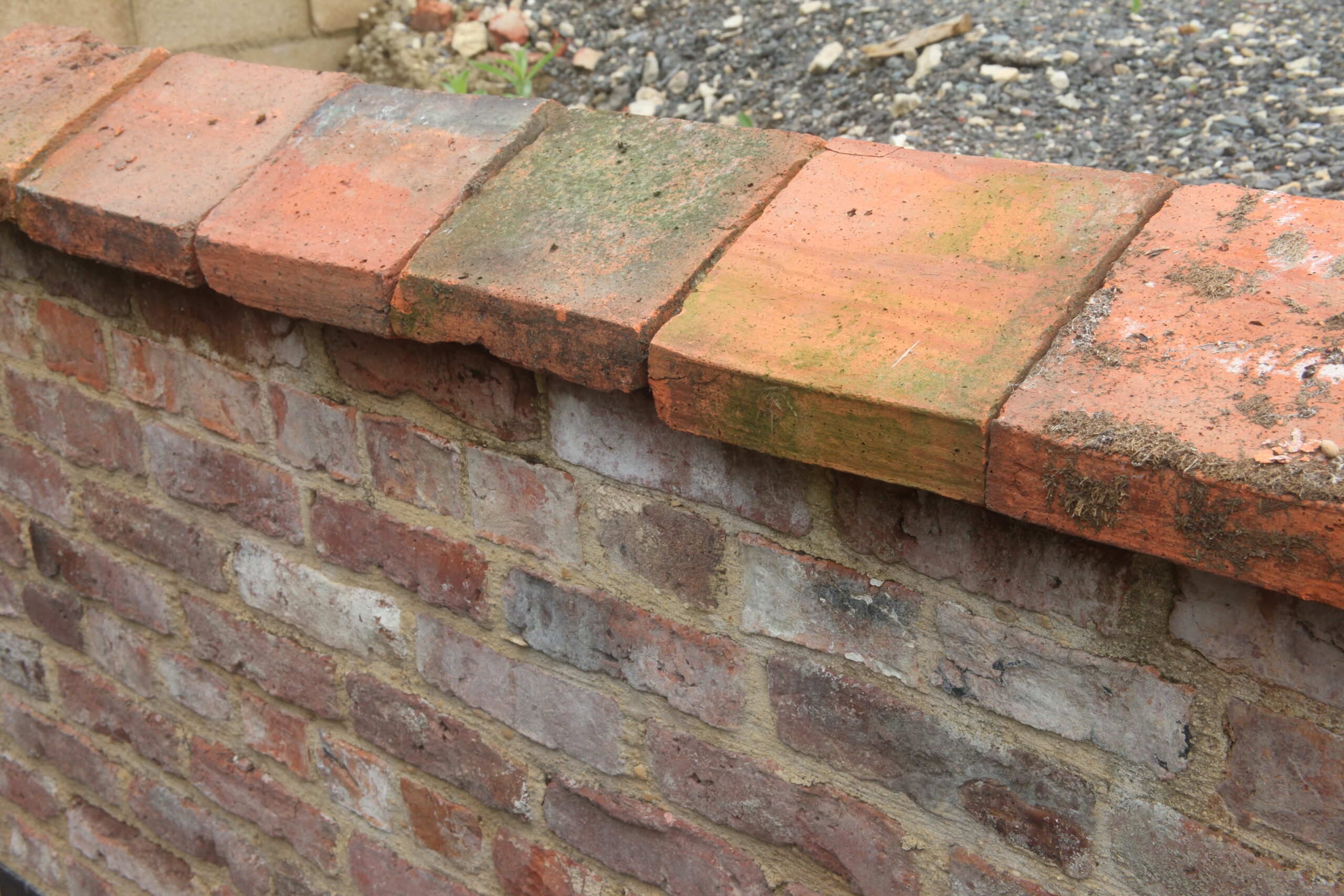
Clay and terracotta copings pair beautifully with brick walls. They work best for walls finished in limewash or traditional styles. It also works best with traditional homes, garden walls, and restoration projects that require a natural match with brickwork. This wall coping type lasts longer and is visually cohesive. However, a proper installation is essential to prevent loosening over time. The installation includes setting each unit in a mortar bed, often with overlapping joints or socketed ends for added stability.
Brick Wall Coping
Brick coping looks perfect with the brick walls. This creates a more cohesive appearance. Options include standard, bullnose, or double bullnose bricks. They are laid with mortar or adhesive, which ensures that each brick is leveled and aligned.
Brick is not as durable as stone or concrete, but brick coping is still an ideal choice for traditional brick homes, boundary walls, and cost-conscious projects seeking consistency.

Metal Coping
They are gaining popularity these days quite a lot. Metal coping is available in zinc, copper, aluminium, and stainless steel. It provides a sleek, modern alternative to stone. This is one of the unique types of wall coping that uses lightweight metal. Still, it is strong enough for longevity and durability. It is well-suited for commercial buildings, contemporary architecture, and walls where a streamlined, modern look is preferred.
It doesn’t absorb water; however, thermal expansion must be managed during installation to avoid deformation. The installation includes wood blocking and cleats that secure the coping. This allows the metal to expand and contract naturally without damage.

Different Types of Wall Coping Stones Compared
There are different types of wall coping stones, each with its own benefits. Here’s a table that compares the most practical options.
| Material | Appearance | Durability | Water Protection | Best Use | Maintenance Needs | Cost Level |
| Natural Stone (Granite, Sandstone, Limestone, Slate) | Natural, elegant, timeless | Very high | Strong (resists weathering) | Luxury homes, heritage projects, outdoor walls | Medium (sealing needed for porous stones) | High |
| Concrete | Smooth or textured, versatile | High | Strong (with proper joints) | Large projects, modern walls, cost-sensitive builds | Low (check joints periodically) | Medium |
| Clay / Terracotta | Warm, earthy, rustic | Medium-High | Moderate to strong (depends on build quality) | Traditional homes, brick walls, restoration projects | Medium (risk of mortar loosening if poorly installed) | Medium |
| Metal (Aluminum, Zinc, Copper, Stainless Steel) | Sleek, modern, industrial | High (but depends on finish) | Strong (non-porous) | Commercial buildings, modern architecture | Low (inspect for expansion/contraction movement) | Higher |
| Brick | Uniform blends with brick walls | Medium | Moderate | Traditional brick homes, boundary walls | Medium (joints need upkeep) | Low |
| Porcelain | Clean, modern, wide finish range | Very high | Very strong (non-porous, slip-resistant) | Pools, terraces, contemporary homes | Low (minimal sealing required) | Medium to high |
Selecting the Right Wall Coping
Different types of wall coping stones offer different benefits, features, and looks. So choose the one that matches your outdoor project requirements. Here is how you can select the right wall coping stones:
| Factor | Recommendations by Profile | Recommendations by Material |
| Climate | Rainy: Sloped or SaddleDry: Flat or Chamfered | Non-porous materials like Porcelain or Granite resist waterClay/Terracotta is suitable for moderate climates |
| Design Style | Modern: Flat, Chamfered Heritage/Decorative: Molded, Bullnose | Natural Stone for eleganceConcrete for versatile finishesMetal for sleek contemporary walls |
| Usage | Pools/Terraces: BullnoseFreestanding Walls/Parapets: Saddle or Sloped | Porcelain or Natural Stone near waterConcrete or Brick for general walls |
| Maintenance | Low-maintenance: Flat, Chamfered, Porcelain Moderate: Molded, Bullnose | Porcelain, Metal: Minimal upkeepClay/Terracotta and Natural Stone: Periodic sealing |
A professional natural stone coping supplier like NT Pavers can provide you with the best types of wall coping stones suited to both performance and style.

FAQs on Wall Coping Stones
Let’s answer your questions about wall coping stones.
What is the purpose of wall coping stones?
Coping stones protect walls from water damage, add durability, and provide a finished look.
Which coping stones work best in rainy climates?
Non-porous stones, including porcelain, granite, and sealed travertine in saddle, sloped, or chamfered style of coping to prevent water drip.
Which materials are most durable for coping stones?
Granite, concrete, and porcelain offer the highest durability and weather resistance.
Are bullnose coping stones only for pools?
No, bullnose coping also suits terraces, garden walls, and child-safe areas.
How do I choose between flat and molded coping stones?
Flat and chamfered suit modern designs, while molded and bullnose add decorative or heritage appeal.
Do coping stones need sealing?
Porous stones like sandstone, limestone, and clay benefit from periodic sealing, while granite, porcelain, and metal usually do not.
Does metal coping material expand or contract?
Yes, metal coping needs allowance for thermal expansion to prevent warping or fastener issues.
Bottom Line
Wall coping stones are one of the most important parts of any outdoor wall. They add durability and aesthetic to the wall structure while preventing water damage. Different types of wall coping stones include granite for strength and durability, marble for luxurious charm, and concrete for grounded and affordability, and porcelain is an all-around wall coping stone.
Just make sure to select the coping according to your project requirements, design, and maintenance requirements. By working with a trusted natural stone supplier in New Jersey like NT Pavers, homeowners, project managers, and businesses can make informed choices that combine protection with design.