
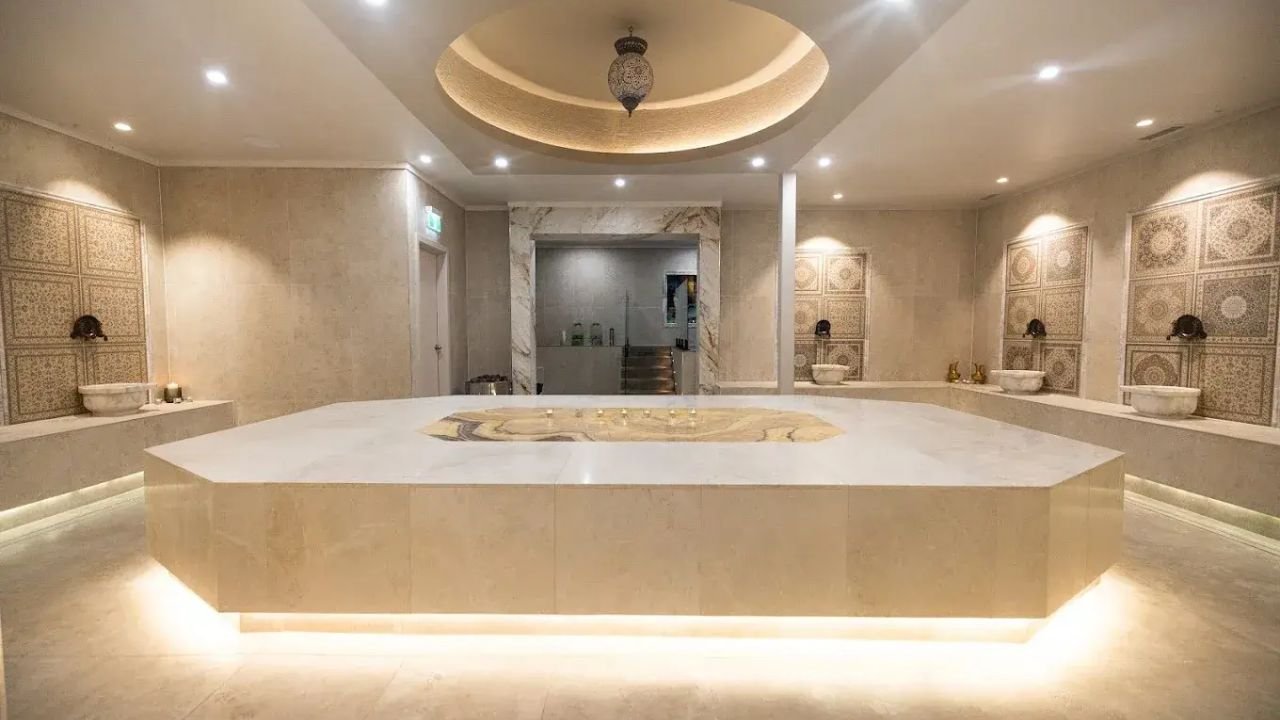
When you enter a Turkish hammam, the first thing to notice is the marble, which is installed beautifully. From walls to benches and basins, it creates a central heated platform for bathers to sit or recline. While marble offers hammams a luxurious look, it wasn’t the only reason. A hammam combines heat, steam, water, bare feet, constant cleaning, and heavy regular use, and the stone withstands such demanding conditions. Marble suited their needs while providing the interior a calm, monumental appearance associated with Ottoman architecture.
What Is Ottoman Bath Marble?
Ottoman Bath Marble is not a single marble species or from a single quarry. Searching for Ottoman Bath Marble or turkish marble will not bring up a certain types of marble. This is because no single marble type was used in the tradition of Turkish hammam architecture.
The hammams in the Ottoman Empire used different stone types, but marble was their preferred choice. Builders used stones based on location, period, availability, budget, and architectural design. Marble was already a popular architectural material in the Byzantine world. After the conquest of Constantinople, Ottoman builders inherited and adapted many earlier building traditions. Those remained part of Istanbul’s architectural landscape under the Ottomans. Read the Met’s hammam history.
How Does Marble Perform With Hammam Heat?
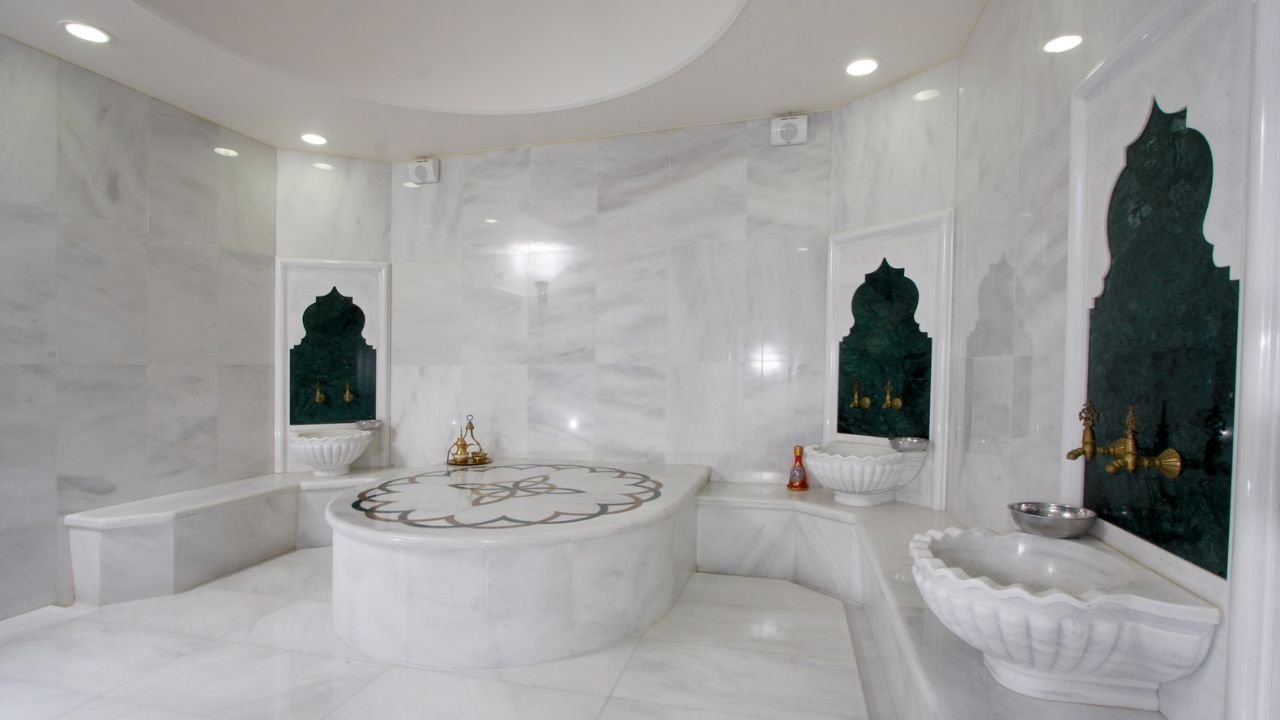
Hammams feature consistent heat, and it is part of the building’s design. Heated areas warm the floor and surrounding surfaces, which creates the hot environment that defines the bath. Marble works well in hammams because it can absorb heat and transfer it to the surface. This becomes especially important on the göbek taşı, the central heated marble platform.
A properly heated stone surface feels warm beneath the body and remains part of the bathing experience. rather than acting as a simple waterproof covering. For modern interiors, honed marble can provide a softer, less reflective appearance than polished stone, depending on the application. It is not simply because of marble’s heat resistance. Stone’s thickness, substrate construction, heating method, joints, and installation all impact the result.
Is Marble Good for Steam and Water?
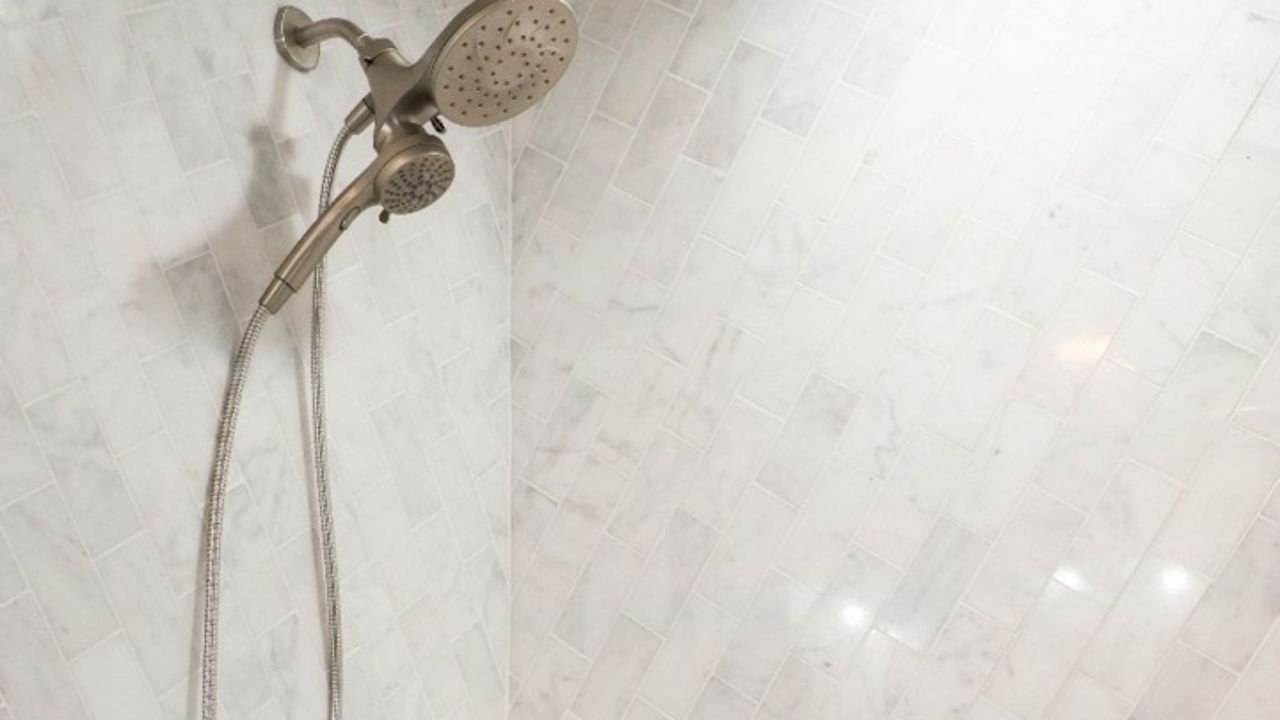
Marble has a dense and hard surface that performs well for wet-area construction. However, what determines its performance is the correct stone, finish, installation system, and maintenance routine. For shower areas, compare the best shower floor tiles non slip options based on wet-area suitability, surface texture, and applicable slip-resistance guidance.
Marble with the right finished surface can easily be cleaned without acting like a soft surface that will easily be damaged. This makes it a practical choice for a public bath where water, soap, body oils, and regular cleaning cannot be avoided. Browse the Natural Stone Institute resource library.
Is Marble Waterproof?
No. Marble is water-resistant at best. It’s a natural stone with a porous surface that absorbs moisture, depending on the type. It may require regular sealing, especially when installed in wet areas like spas. Hammams work because the marble is paired with waterproofing behind the stone, sloped drainage, and regular maintenance. A home installation needs the same.
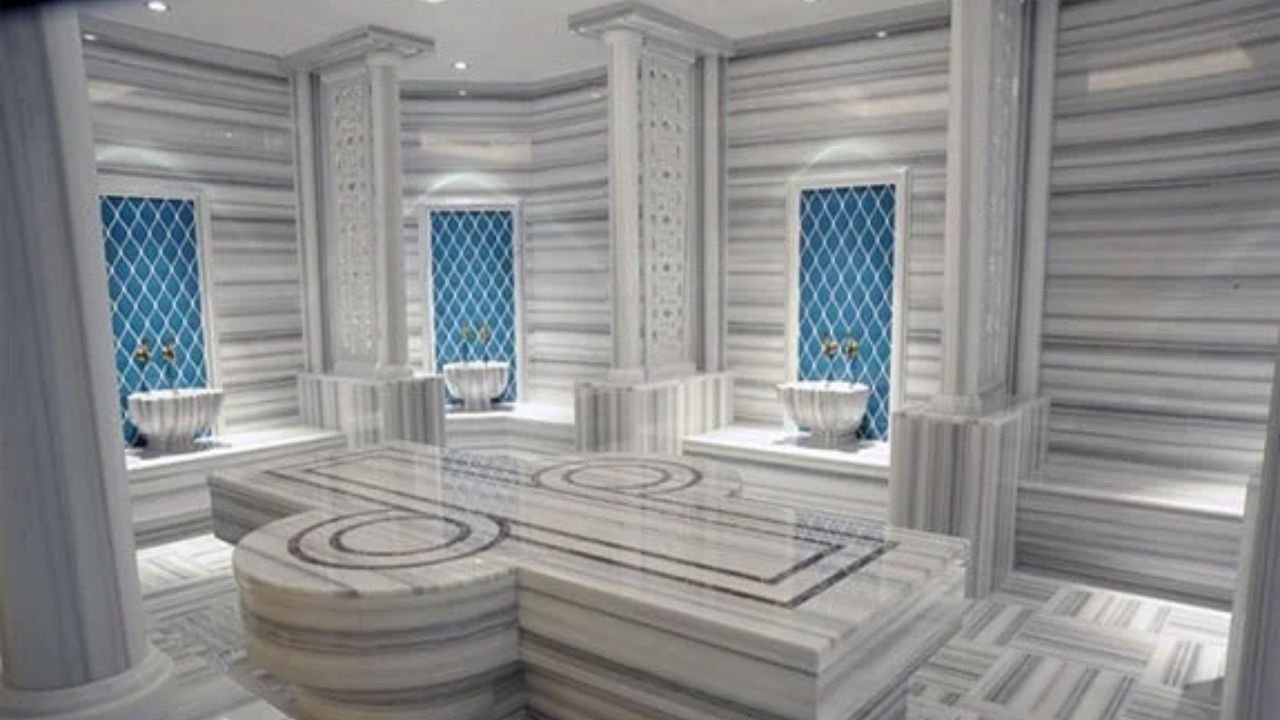
Why Did Ottoman Hammams Use So Much Marble?
Marble was widely used throughout the various parts of the hammam because each application demanded a slightly different blend of durability and finish. You will commonly see marble used for:
- Floors with durable walking surfaces exposed to water and heat, where marble floors can maintain the traditional hammam aesthetic when the stone and finish are suitable.
- Washable wall surfaces that also create visual continuity.
- Comfortable benches once warmed and suitable for repeated use.
- Functional basin surfaces around water.
- Göbek taşı, which was the central heated marble platform.
- For columns and architectural details with decorative elements that reinforce the monumental character of the space.
The resulting look was more than a collection of stone surfaces. Marble helped make the hammam feel like one continuous architectural environment.
What Makes the Göbek Taşı Special?
The göbek taşı is usually referred to as the belly stone and is one of the recognizable features of the traditional hammam. It is a raised, heated marble platform in the hot room where bathers usually relax, sit, lie down, and receive treatments. The position makes the stone itself a function of the room.
A beautiful marble slab will not automatically be a good hammam slab. The stone should have suitable physical features, an appropriate finish, and correct installation over the heating structure. For example, Afyon Ice Marble, Muğla White, Marmara Equator Marble, and Imperial White Carrara Marble may be worth considering for a design-led project, provided its characteristics and finish suit the intended heated, wet environment.
For a modern spa inspired by the Ottoman tradition, select the stone based on perf ormance first and aesthetics second. This helps prevent selecting the wrong marble, which is just beautiful, but it doesn’t suit the wet, heated environment.
Can You Use Ottoman-Style Marble in a Modern Bathroom?
Yes. But a modern hammam or steam bathroom needs more than traditional-looking marble. The installation should account for:
- Proper waterproofing behind the stone
- Correct floor slope toward drains
- A finish suitable for wet foot traffic
- Appropriate stone thickness and substrate
- Movement joints where required
- Compatible setting materials
- Proper ventilation and moisture control
- A maintenance plan suited to the selected marble
For floors, it is better to avoid highly polished marble in wet-foot-traffic areas unless its suitability has been established. If the surface becomes dull or scratched over time, marble floor polishing may help restore its appearance, depending on the stone and damage. A honed or appropriately textured finish is more sensible depending on the design and application.
If you are planning to build a hammam-style steam or spa room in your home, NT Pavers can help you select the right marble finish, types, and thickness for wet areas. You can browse our marble collection or request a sample to check the stone by yourself.
Commonly Asked Questions About Ottoman Bath Marble
Common questions about the Ottoman Bath Marble.
Why is marble used in Turkish baths?
Marble can withstand the hammam environment, which combines heat, moisture, frequent cleaning, and usage. The surface is soft, smooth, warm, and suits the bathhouse interior.
What type of marble is used in Turkish hammams?
No single Ottoman hammam marble type exists for hammams, as they used different marble according to local availability, period, architectural requirements, and budget.
Why is the hammam’s central stone made of marble?
The göbek taşı is made of marble because it gets warm from the heating system under it and provides a comfortable, smooth surface for sitting and relaxing.
Does marble stay warm in a Turkish bath?
Yes. A properly designed heated marble surface can absorb and deliver heat from the heated structure underneath evenly. This helps the surface become warm.
Is marble waterproof?
No. Marble is a natural stone with a porous surface, and it can absorb water from the surface, which is why it requires regular sealing after wet installation.
Can I use marble for a modern steam room?
Yes. Make sure to select a suitable stone and finish and build the room with proper waterproofing, drainage, ventilation, and substrate preparation. Choose the marble according to the conditions of the space, not appearance alone.
Bottom Line
Marble has been a huge part of Turkish Hammams because it solved several problems at once. It provided a durable, cleanable surface in a wet environment. It worked with the hammam’s heating system and gave the interior a distinctive architectural identity. Keep in mind that there is no single Ottoman bath marble because the builder used marble variants according to the availability and building requirements. You can still build a steam room or spa space inspired by Turkish hammams. Make sure to choose marble according to its performance and not for its appearance only. A long-term functional bathhouse inspired by Turkish Hammams will balance the architectural beauty and stone performance.