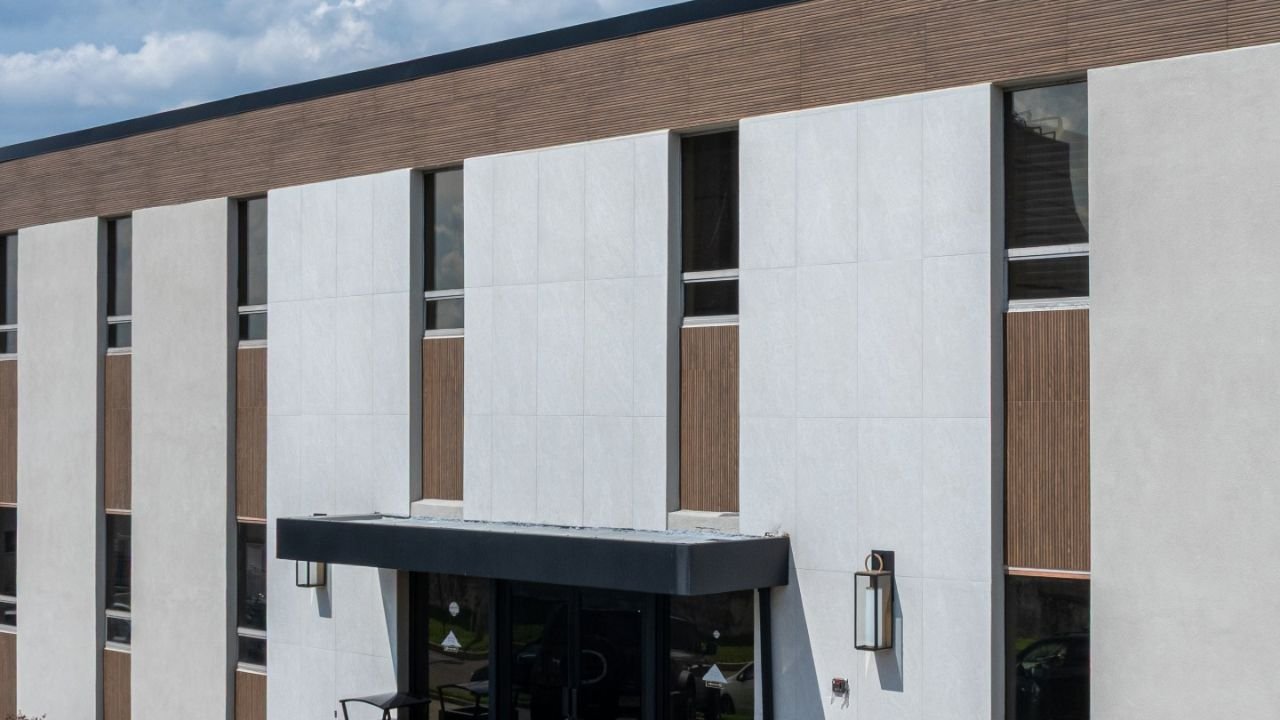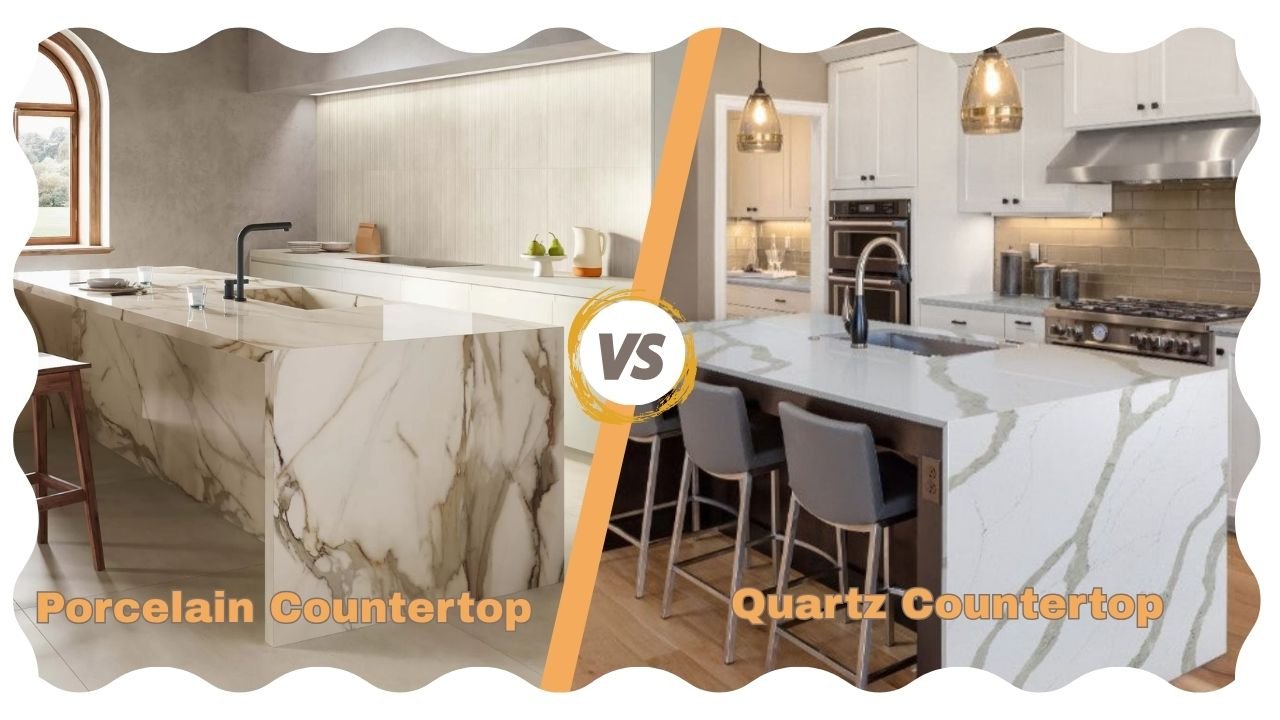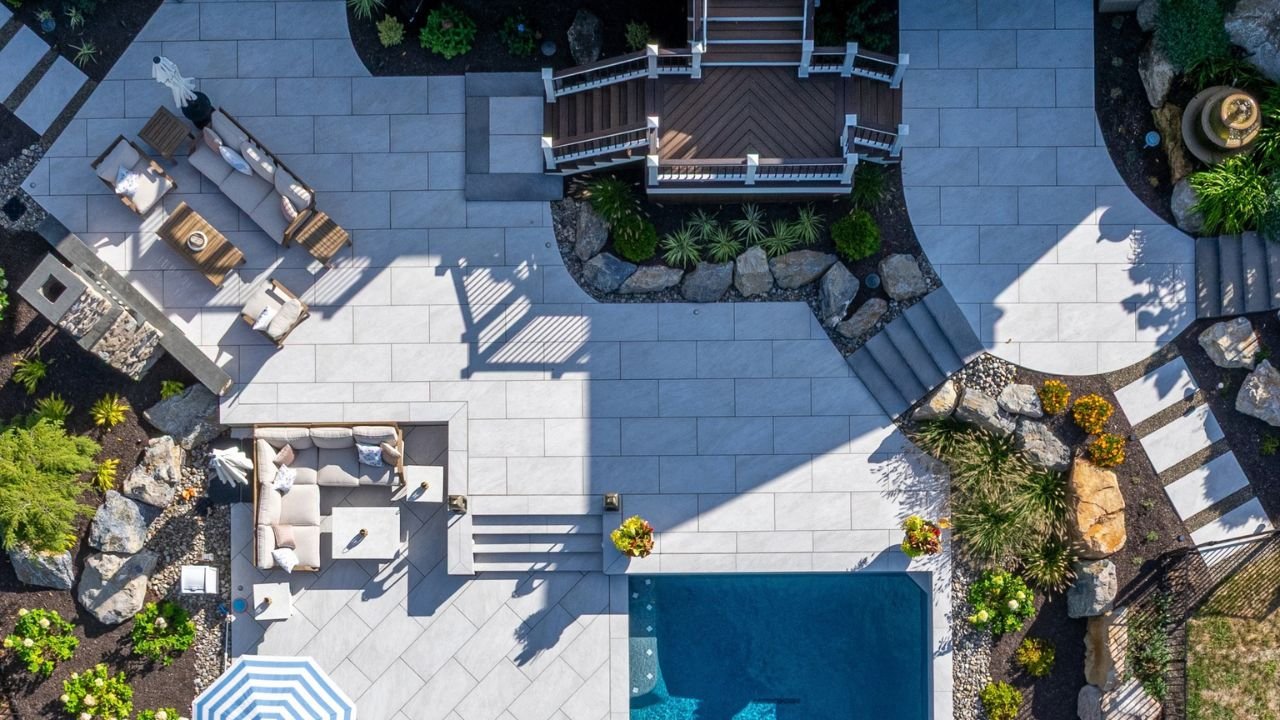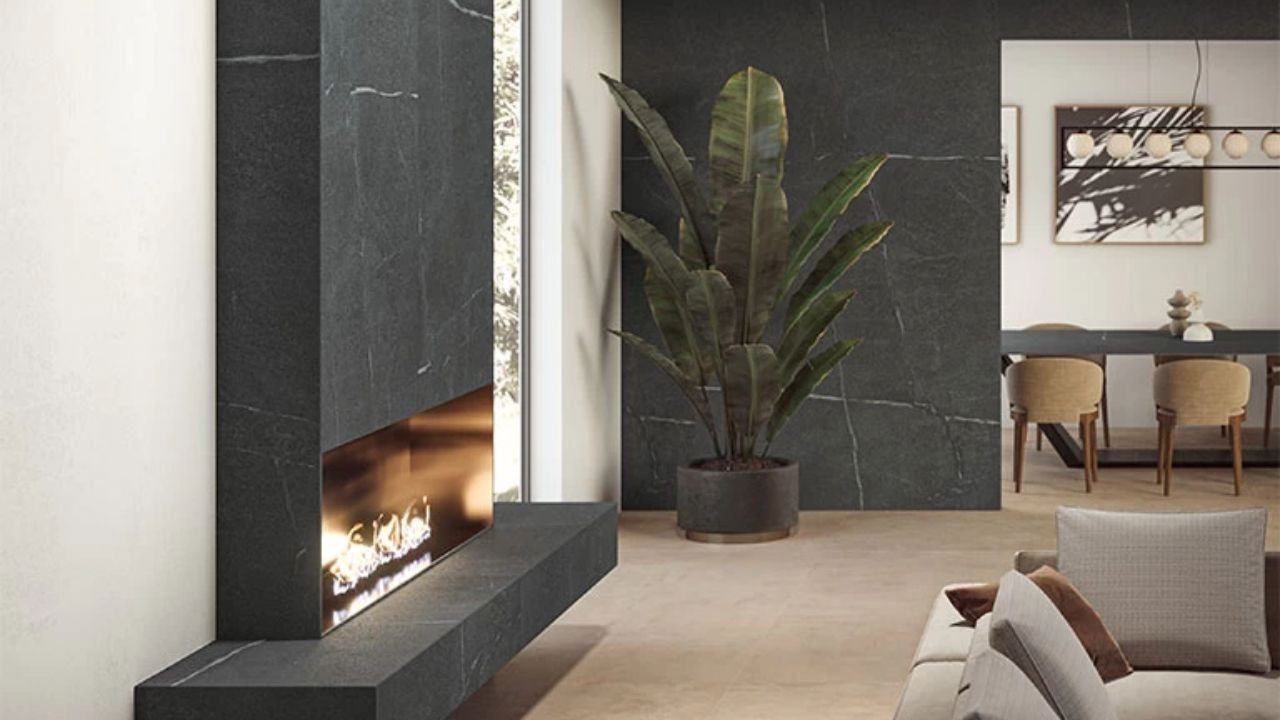

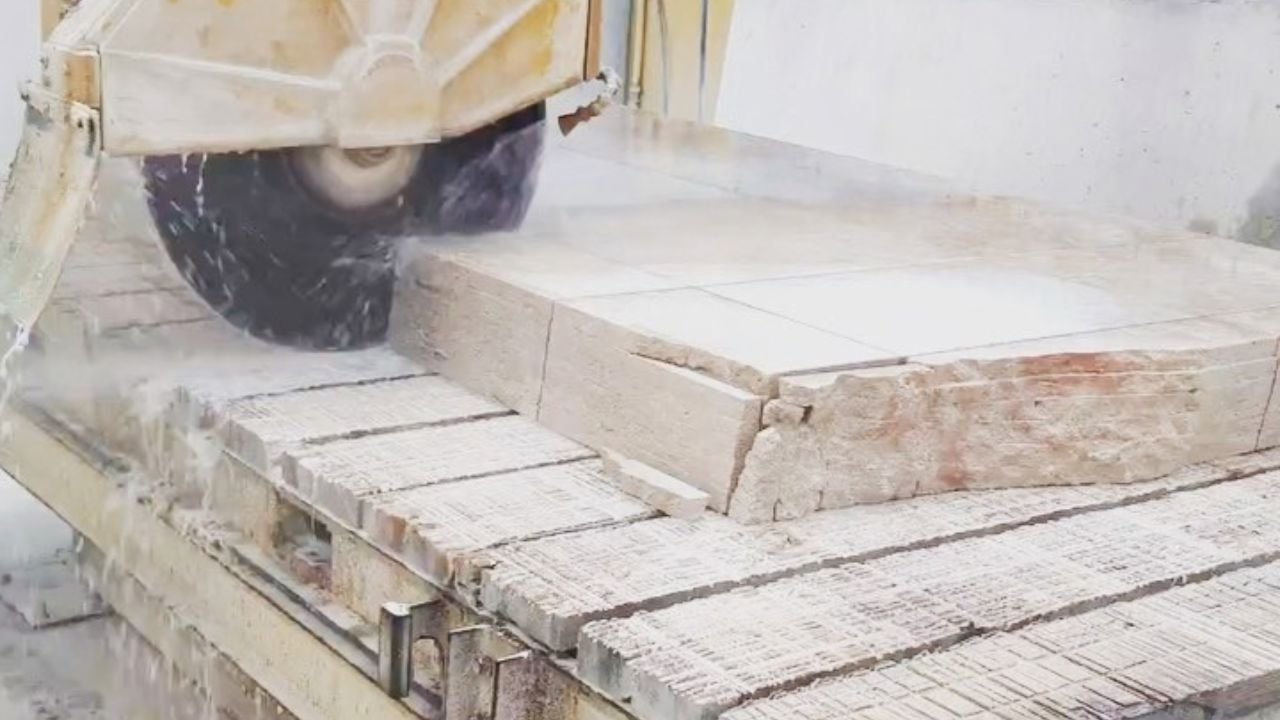
Cutting stone veneers may look simple because of their size until you ruin a piece with one rushed cut. Homeowners focus on selecting the saw and blade, but stone is second. This is where the problem lies. Stone veneer can be made from natural stone such as slate, quartzite, limestone, or marble, or from manufactured materials such as cast stone. Because these materials can differ in hardness, thickness, texture, and composition, the cutting method should follow the product manufacturer’s recommendations.
Each material has different features and acts differently under the blade. So the safest approach would be to match the tool to the material, make the cut visible before you start, and let the blade do the work. That approach also reduces waste and makes fitting around corners, windows, outlets, and doors much easier. Here is how you can cut the stone veneer in the most efficient way possible.
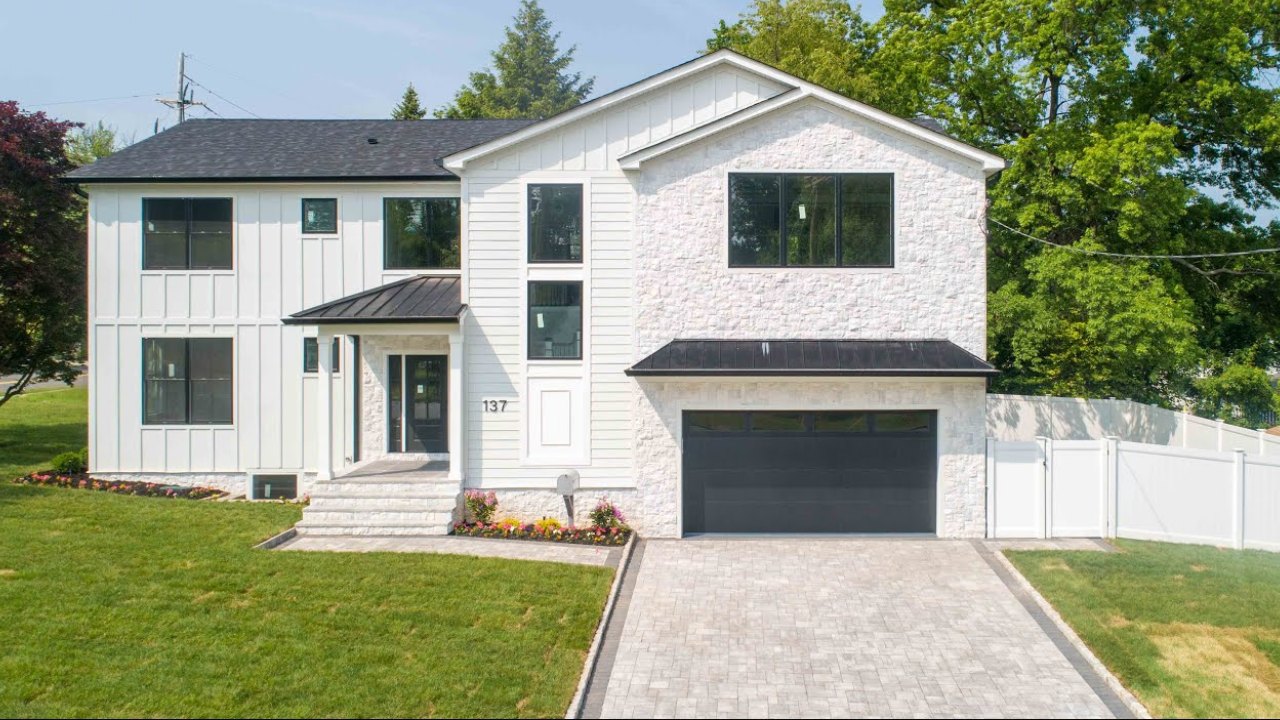
What Tools Do You Need to Cut Stone Veneer?
You don’t need a fully loaded workshop with masonry equipment for a general veneer project. Most homeowners can handle the work with a few properly chosen tools. These include:
- Wet saw with a diamond blade, ideal for straight, exposed cuts and repeated cuts.
- Angle grinder with a diamond blade: useful for notches, curves, outlet openings, and small adjustments.
- Masonry hammer or chisel: Useful for controlled edge shaping when a natural, broken edge will be hidden or desirable.
- Tape measure and pencil: For accurate measurements.
- Clamps or supports: Keep the veneer stable while cutting.
- Eye and hearing protection: Protect against flying fragments and cutting noise.
Manufacturer installation guides commonly recommend diamond-blade saws for precision cuts and allow grinders for trimming.
Wet Saw vs Angle Grinder For Stone Veneer Cutting
Before you proceed, understand the difference between a wet saw and an angle grinder first to choose the right tool for veneer cutting. Think of the wet saw as your straight-line tool and the angle grinder as your fitting tool. It can easily support the stone on the table and guide the diamond blade through the material. Water keeps the cutting area cool and prevents dust. It is the better choice when you need a clean edge around a window, along the top of a wall, or beside another tightly fitted piece.
On the other hand, an angle grinder offers more freedom. It works well for L-shaped cuts, outlet openings, pipe penetrations, and small field adjustments. The drawback includes more dust and less control than a table-mounted wet saw. For one-time home projects, renting a wet saw can make more sense than buying one.
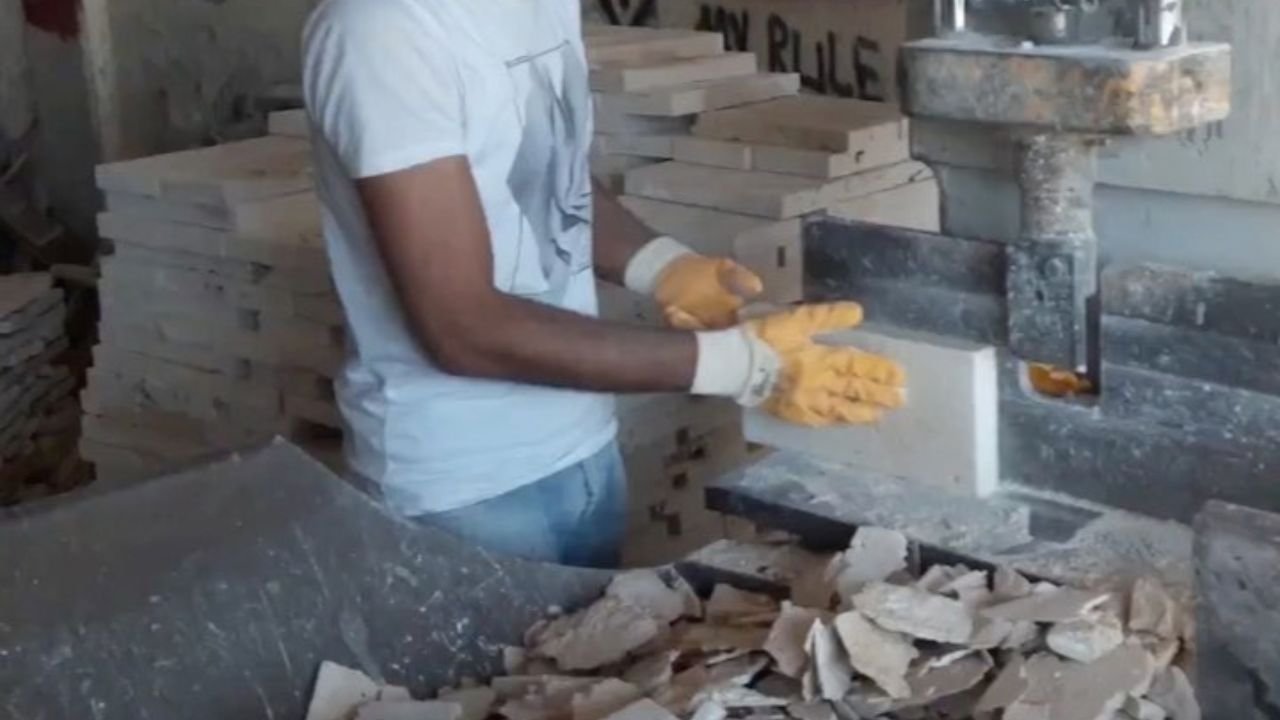
Natural Stone vs Manufactured Stone Veneer
Natural and manufactured stone veneers can differ in composition, thickness, hardness, and how they respond to cutting. Natural stone veneers may include slate, limestone, marble, or quartzite, while manufactured veneer is produced from manufactured materials such as cast stone. Because cutting characteristics vary by product, check the manufacturer’s installation and cutting instructions before choosing a blade or cutting method.
| Veneer type | Cutting consideration |
| Slate | Support the piece carefully and avoid excessive pressure that could cause splitting. |
| Limestone | Use a suitable diamond blade and controlled cutting pressure to reduce chipping. |
| Marble | Use an appropriate diamond blade and make controlled cuts for exposed edges. |
| Quartzite | Use a suitable blade and allow the blade to cut without forcing the material. |
| Manufactured stone | Follow the manufacturer’s specific cutting and installation instructions. |
Step-By-Step Guide To Cut Stone Veneer
Follow this guide below to learn about stone veneer cutting.
1. Dry-Fit the Stone Before Cutting
Step 1 of how to cut stone veneer is to check the fit of the stone before cutting. Do not immediately cut the piece after measuring it from the wall.
- Place the veneer where it will go. Look at the pieces around it.
- Check the joint, corner, pattern, and direction of the stone.
- Mark the cut.
This step matters with natural stone because of its color, thickness, texture, and edges from piece to piece. A cut that is technically correct may still look wrong if it interrupts the pattern.
2. Mark the Cut on the Back
Step 2 of how to cut the stone veneer is marking the cut on the stone piece.
- Opt for a pencil or suitable marker to create a clear cutting line.
- Mark the finished dimension carefully for an exposed edge.
If the stone has a prominent face pattern, check which part will remain visible before cutting. You want the natural character of the stone to work with the layout, not against it.
3. Support the Stone
Keep the veneer flat and supported on both sides of the cut.
This small step prevents a common problem: the waste section drops as the blade reaches the end and pulls a chunk from the finished side.
Supporting both sections helps the blade complete the cut without tearing the edge.
4. Make the Cut Without Forcing the Blade
Step 4 of how to cut the stone veneer is cutting the stone veneer.
- Start the saw and let the blade reach full speed before cutting. Keep the stone moving at a steady pace.
- Do not push the piece harder when the blade slows, as excessive pressure can cause chipping, blade deflection, or an uneven cut.
- Let the diamond blade grind through the stone.
- For visible cuts, patience saves material.
5. Use a Grinder for Notches and Irregular Shapes
Step 5 of how to cut the stone veneer is using a grinder for particular shapes.
- Straight cuts are easy to complete. The awkward pieces generally appear around the electrical outlets, hose connections, windows, doors, and pipes.
- To make an L-shaped notch, make the two cuts carefully rather than trying to force the blade around the corner.
A small relief hole at the inside corner may reduce stress when the design permits it. Then finish the shape with the grinder or appropriate masonry tool.
6. Finish the Edge to Match the Stone
Step 6 of how to cut the stone veneer is finishing the edge to match the stone.
A freshly sawn edge may look too uniform beside naturally textured stone. Understand where the edge will appear.
If mortar, another stone, trim, or a corner piece will hide it, there is little reason to spend time making it perfect. If the edge remains visible, smooth sharp projections and consider whether a natural-looking chipped or textured edge would blend better with the surrounding veneer.
That is one of the practical differences between installing stone and simply cutting stone.
How Do You Cut Stone Veneer Around an Outlet?
To cut stone veneer around an outlet, first dry-fit the piece and mark the opening on the back of the veneer. Make the straight cuts with a wet saw when practical, or use an angle grinder with an appropriate diamond blade for smaller openings and adjustments. Make controlled cuts rather than forcing the blade into the corners. Test-fit the piece before applying mortar or adhesive. Turn off the electrical circuit and verify that the outlet is de-energized before working around it.
How To Cut Stone Veneer Corners?
Outside corners shouldn’t be overlooked because they will be highly visible. When the product comes with pre-formed corner pieces, use them. They create a more natural return and avoid the visible seam created by joining two flat pieces at the corner.
If you are looking for a custom miter, make a controlled cut and dry-fit both pieces before applying mortar or adhesive. Do not assume every corner needs a perfect 45-degree cut. The required angle depends on the wall and the stone layout. Inside corners are usually simpler. Two pieces can meet at the corner, with the joint hidden by the natural texture and mortar.
How Do You Cut Stone Veneer Without Creating Dangerous Dust?
Stone cutting often releases respirable crystalline silica. This makes dust control more than a cleanup issue. Wet cutting is a practical way to suppress dust at the source. When dry cutting with a grinder is necessary, use a compatible dust-collection shroud and a suitable HEPA-filtered vacuum or other dust-control system where required. Follow the tool, blade, and manufacturer’s instructions, as well as applicable safety requirements.
Follow the tool manufacturer’s instructions and applicable local safety requirements. Wear eye protection and hearing protection, and keep other people away from the cutting area. Do not use a wet-only blade dry. Choose a blade rated for the cutting method and material.
What Are The Common Stone Veneer Cutting Mistakes to Avoid?
These are the most common mistakes that homeowners overlook while cutting the stone veneer. However, these are easy to avoid too:
| Common
mistake |
What can
go wrong |
Better
approach |
| Cutting before dry-fitting | The piece may not fit or may disrupt the surrounding pattern. | Dry-fit the stone first, then mark the exact cut. |
| Using the wrong blade | The stone can chip, crack, or produce an uneven edge. | Use a diamond blade suited to the veneer material and cutting method. |
| Forcing the blade | Excess pressure can cause chipping, blade deflection, or rough cuts. | Use steady pressure and let the diamond blade do the work. |
| Not supporting the stone | The waste section can break away and damage the finished edge. | Support both sides of the stone during the cut. |
| Ignoring the stone pattern | The cut piece may look out of place even if the measurement is correct. | Check the stone’s color, texture, grain, and orientation before cutting. |
| Leaving a rough exposed edge | A visible edge can look unfinished beside the natural stone surface. | Smooth the edge or position the cut where another piece, trim, or mortar will hide it. |
| Dry cutting without dust control | Cutting can release respirable crystalline silica and create a difficult cleanup. | Prefer wet cutting or use proper dust extraction and respiratory protection when dry cutting. |
| Treating all veneer the same | Natural stone and manufactured veneer can respond differently to cutting. | Identify the material first and follow the product manufacturer’s cutting guidance. |
A good installation is often won before the blade touches the stone.
Cutting Stone Veneer FAQs
Let’s answer your questions about cutting stone veneers.
Can you cut stone veneer with an angle grinder?
Yes. An angle grinder is good when the cut is for curves, outlet openings, fixtures, and notches. Just make sure to take precautions for the dust produced by the angle grinder.
What is the best blade for cutting stone veneer?
A diamond blade designed for the specific stone and cutting method is the standard choice.
Can you cut stone veneer with a wet saw?
Yes. A wet saw is the perfect choice for straight and accurate cuts.
How do you cut stone veneer around an outlet?
Mark the opening, make controlled cuts with a wet saw or grinder, and finish the corner with a suitable masonry tool. Do not force a round blade into a sharp inside corner.
Can you cut natural stone veneer by hand?
Yes. However, you can only make small adjustments with a masonry hammer or chisel. A diamond-blade saw gives better control for precise cuts.
How can you prevent stone veneer from chipping?
Use the correct diamond blade, support the material, keep the feed pressure light, and avoid forcing the blade. For visible cuts, a wet saw usually gives better control.
Bottom Line
Cutting stone veneer starts with choosing the right tool and blade for the material and the type of cut. Use a wet saw for clean, straight cuts and an angle grinder for notches, openings, and smaller adjustments when appropriate. Dry-fit the veneer before cutting, support it properly, avoid forcing the blade, and control cutting dust throughout the process. Following the product manufacturer’s installation instructions is also important, particularly when working with manufactured veneer or specialty stone.