
The Best Driveway Pavers For Lasting Performance
The following materials have strength that suits different homes and budgets.
Porcelain Pavers
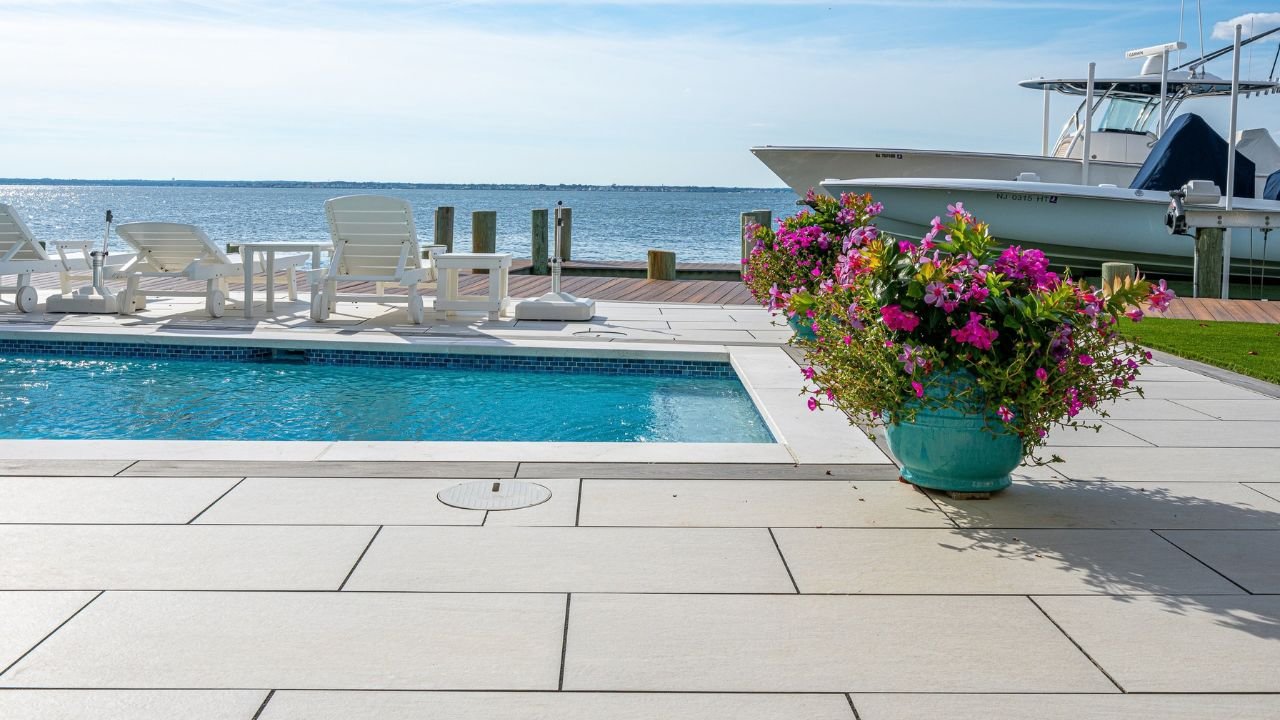
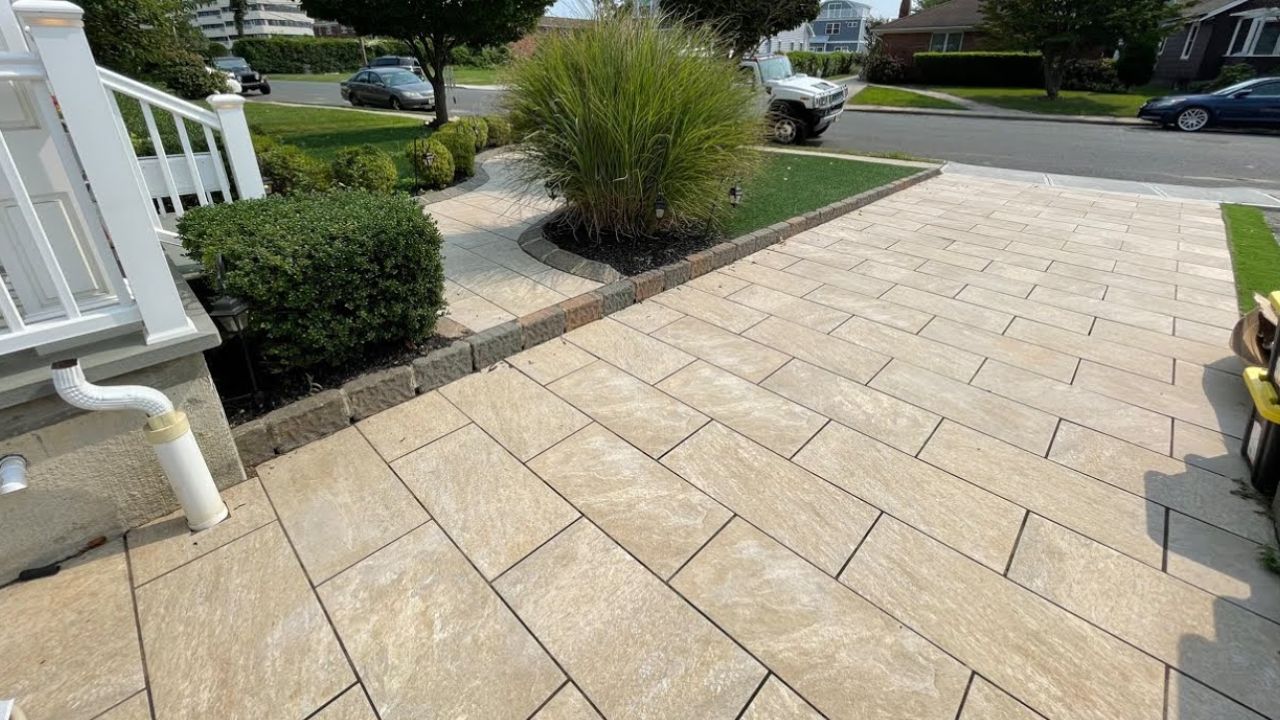
Outdoor porcelain pavers has become one of the fastest-growing driveway materials because of advances in manufacturing. They are low maintenance, which makes them the best pavers for driveways for busy homeowners. High-temperature firing creates an extremely dense surface that resists stains, scratches, UV exposure, and moisture. They are well suited to contemporary homes, busy family driveways, and low-maintenance landscapes.
For homeowners who prefer clean architectural lines and minimal maintenance, porcelain slab offers one of the strongest long-term values. NT Pavers often recommends porcelain collections for modern homes where durability and appearance are equally important.

Granite Pavers
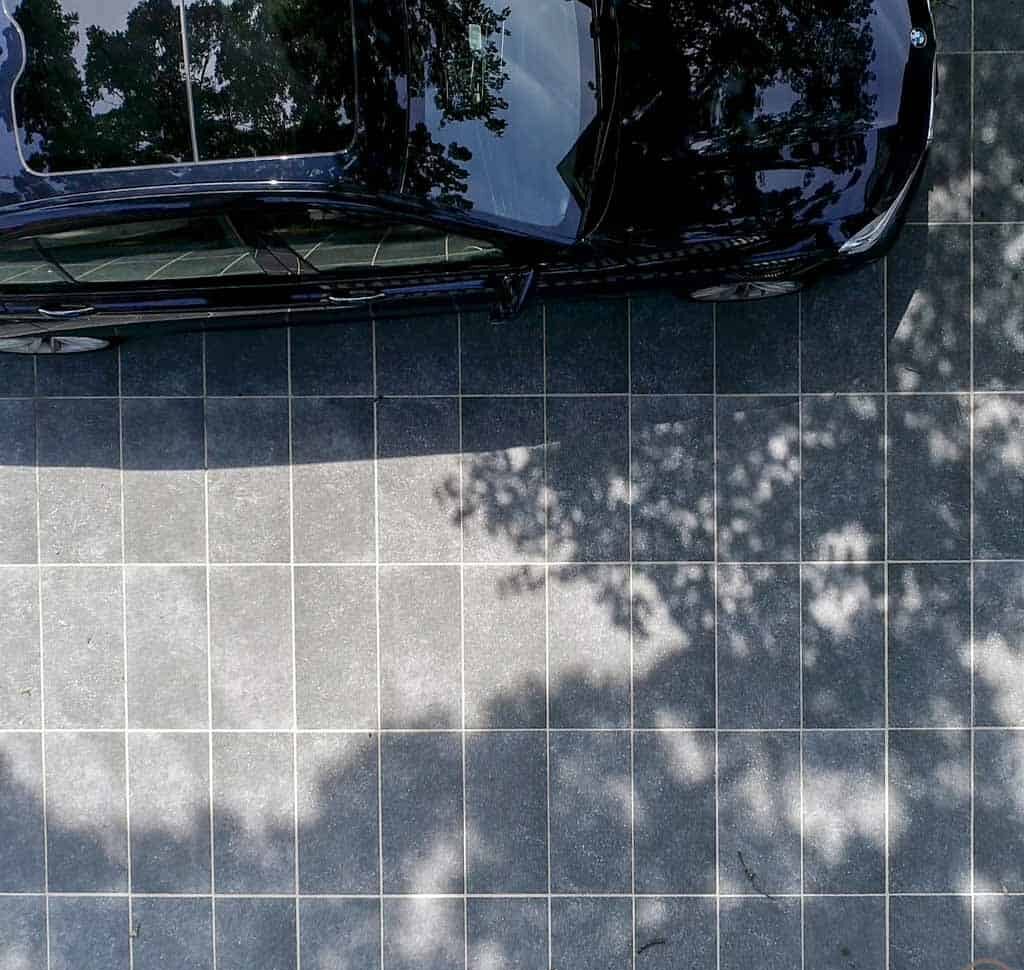
Granite sets the benchmark in natural stone durability. It is undoubtedly one of the most durable natural stones that can handle consistent vehicle loads with minimal wear. Unlike softer stones, granite can resist scratching, chipping, and weathering exceptionally well. Granite driveway pavers are perfect for luxury homes, Heavy daily traffic, and long-term investment.
Although the initial investment is higher, granite often provides one of the longest service lives among natural stone paving materials.
Concrete Pavers
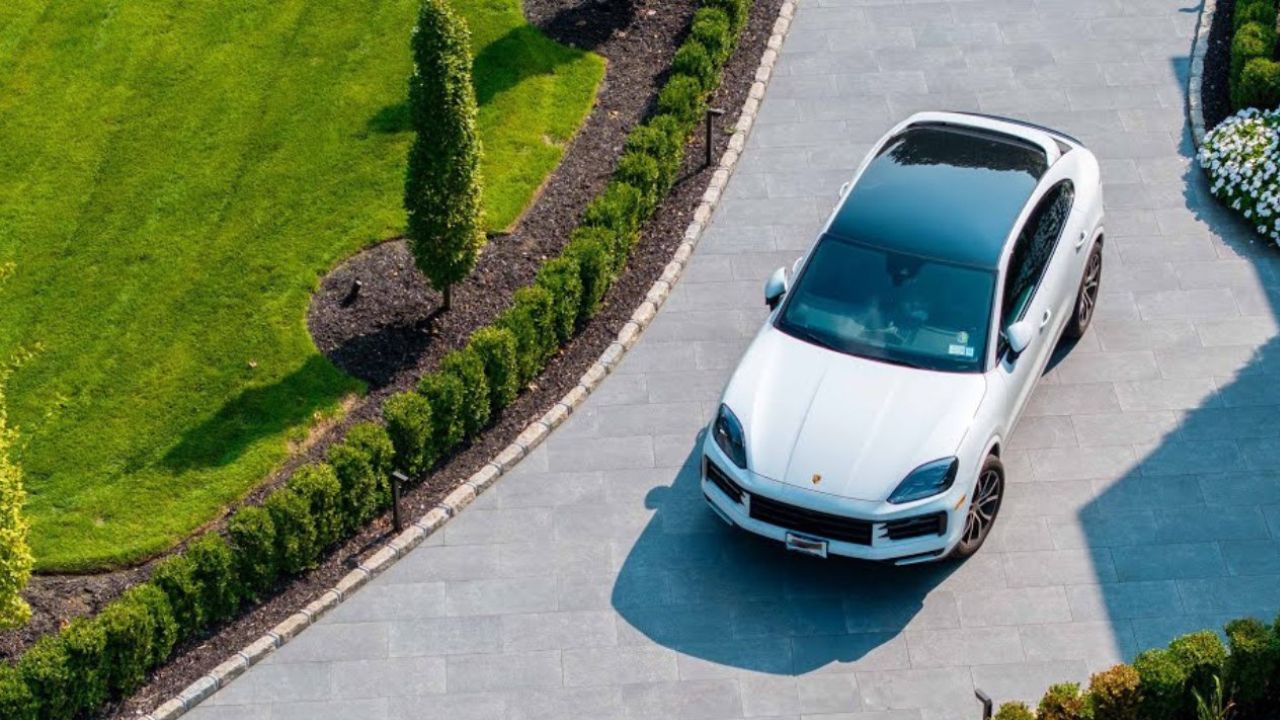
Concrete pavers are popular because of their affordable pricing. They are among the most widely used driveway pavers because of their structural performance, design versatility, and affordability. Modern interlocking systems distribute vehicle loads across multiple units, reducing stress on individual pavers. Unlike brick pavers, concrete pavers can withstand driveway loads efficiently, which is why they are best for patios and walkways too. Install them in unique patterns like herringbone for improved aesthetics.
Manufacturing improvements have also increased strength and color consistency compared to older products. These concrete driveway pavers are ideal for budget-conscious homeowners, large driveways, and traditional and contemporary designs.
Bluestone Pavers
Bluestone blends durability with distinctive blue-grey color variations that complement many architectural styles. Its naturally textured surface also provides efficient slip resistance. Bluestone driveway pavers are suitable for traditional homes, rustic landscapes, and homes requiring natural stone character.
Compared to flagstone, bluestone doesn’t shift when installed properly under heavy load and consistent use. Proper sealing helps preserve its appearance and limits moisture penetration.
Limestone Pavers
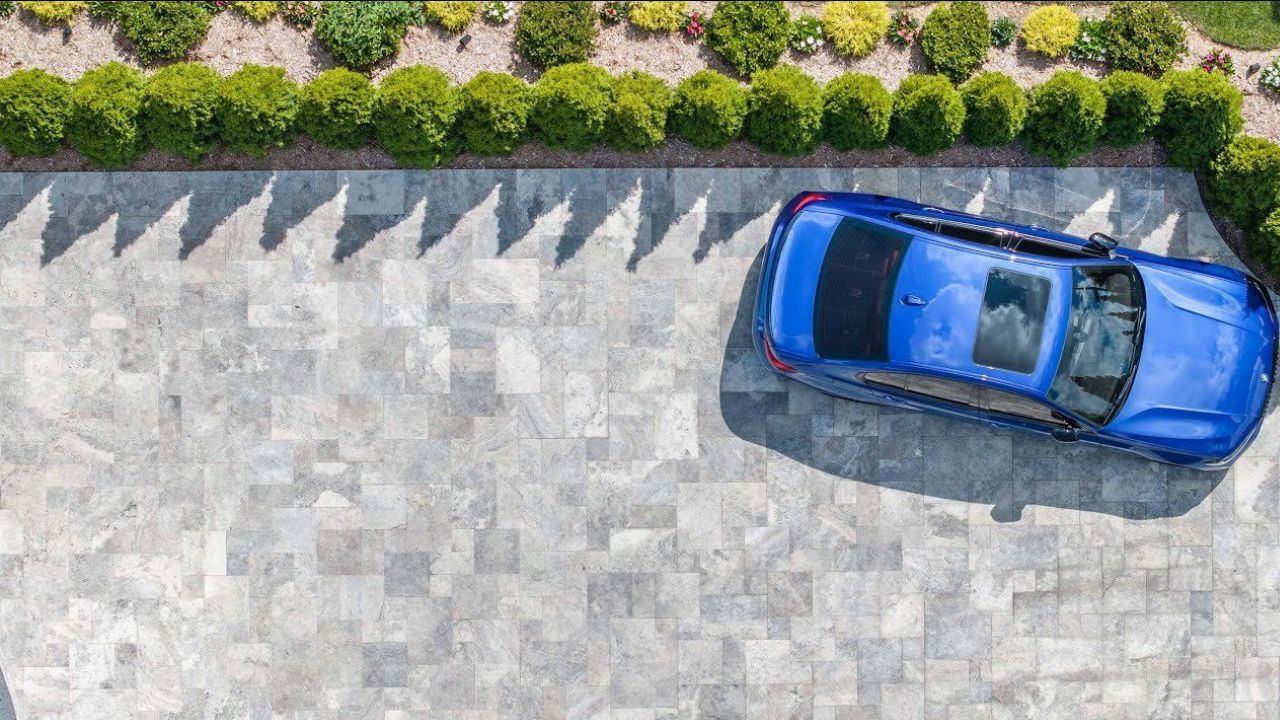
Dense limestone varieties work great in residential driveways when selected specifically for vehicle traffic and longevity. Limestone pavers are well suited for elegant residential designs, warm climates, and light-colored landscapes.
Their lighter colors reflect more sunlight than darker paving materials, helping the surface remain more comfortable during summer. Limestone is naturally porous; sealing plays an important role in long-term performance.
Travertine Pavers
Travertine is often seen around pool decks rather than driveways. However, using premium-grade travertine pavers works great for residential vehicle use when installed correctly. They are well suited for Mediterranean architecture, decorative driveways, and moderate residential traffic.
Its natural texture creates visual warmth that many homeowners appreciate. Travertine driveway pavers work better than cobblestone because they are smoother comparatively.
Pavers for High-Traffic Driveways: The Strength Comparison
Mohs hardness measures resistance to scratching, not structural strength. Professionals typically evaluate Mohs hardness (scratch resistance), compressive strength (load-bearing capacity), and water absorption (weather durability). These numbers combined show how well a material will withstand years of vehicle traffic and changing weather.
| Material | Mohs Hardness | Typical Compressive Strength | Water Absorption | Driveway Suitability |
| Granite | 6–7 | 180–250 MPa (26,000–36,000 psi) | <0.4% | Excellent |
| Outdoor Porcelain | 7–8 | 120–180 MPa (17,000–26,000 psi) | <0.5% | Excellent |
| Concrete Pavers (ASTM Grade) | N/A* | ≥55 MPa (8,000 psi) | 5–7% | Very Good |
| Bluestone | 6–7 | 100–180 MPa (14,500–26,000 psi) | 0.5–2% | Very Good |
| Limestone (Dense Grades) | 3–4 | 70–180 MPa (10,000–26,000 psi) | 1–7% | Good |
| Travertine | 3–4 | 80–120 MPa (11,500–17,500 psi) | 1–2% | Good |
The value you see is the typical range of the industry, but performance varies by quarry, manufacturer, stone grade, thickness, and installation method. This is particularly important when considering natural stone driveway options.
Style Comparison: Which Driveway Paver Matches Your Home?
A driveway should look like the part of your home. Though it shouldn’t be an exact match but complement the space as well while withstanding vehicle traffic. Some materials are a perfect match for modern homes with clean lines, while others create a more traditional or rustic appearance. Consider the material’s color range, texture, finish, and overall design versatility before making a choice.
| Material | Best Design Style | Typical Colors | Surface Texture | Available Finishes | Visual Character |
| Porcelain | Contemporary, Modern, Minimalist | White, Grey, Charcoal, Beige, Stone-look | Uniform | Matte, Structured, Textured | Clean, sleek, consistent appearance |
| Granite | Luxury, Contemporary, Estate Homes | Grey, Black, Silver, Pink | Fine to Medium Grain | Flamed, Bush-Hammered, Honed, Thermal | Premium, bold, natural elegance |
| Bluestone | Traditional, Farmhouse, Craftsman | Blue-Grey, Slate Blue, Earth Tones | Natural Cleft | Natural Cleft, Thermal, Honed | Rich natural variation with timeless appeal |
| Limestone | Mediterranean, Coastal, Classic | Cream, Buff, Beige, Light Grey | Smooth to Light Texture | Honed, Tumbled, Sandblasted | Soft, refined, understated elegance |
| Travertine | Mediterranean, Tuscan, Resort-Style | Ivory, Walnut, Silver, Noce | Naturally Textured | Tumbled, Honed, Brushed | Warm, rustic character with visible natural patterns |
| Concrete Pavers | Traditional, Modern, Transitional | Wide range of colors | Manufactured Texture | Smooth, Textured, Stone-face, Cobble | Highly versatile with many pattern options |
These material options also provide plenty of driveway ideas, whether you’re creating a modern entrance with porcelain or a timeless natural stone driveway.
Design Considerations Before Choosing
For a specific look, you cannot expect similar results for every driveway paver material, as pavers for driveways offer different looks and feel.
| If You Want | Best Material |
| A sleek, modern driveway with clean lines | Porcelain |
| A premium natural stone that makes a strong statement | Granite |
| Authentic natural variation and timeless appeal | Bluestone |
| A bright, elegant entrance that stays cooler in the sun | Limestone |
| A warm, Mediterranean-inspired look | Travertine |
| The widest choice of colors, shapes, and laying patterns | Concrete Pavers |
Pavers for High-Traffic Driveways: Cost Comparison
Material price should always be evaluated alongside expected lifespan.
| Material | Material Cost | Installation Cost (Total Installed $/sq ft) | Lifetime Value | Overall Cost Rating |
| Concrete | $ ($2–$8/sq ft material) | $10–$20/sq ft installed | Excellent (25–30 yrs) | 9.5/10 |
| Porcelain | $$$ ($5–$10/sq ft material) | $12–$25/sq ft installed | Excellent (25+ yrs, very low water absorption) | 9.2/10 |
| Limestone | $$ ($8–$14/sq ft material) | $20–$35/sq ft installed | Very Good (needs periodic sealing) | 8.8/10 |
| Travertine | $$ ($8–$14/sq ft material) | $20–$35/sq ft installed | Very Good (needs sealing, softer surface) | 8.6/10 |
| Bluestone | $$$ ($10–$20/sq ft material) | $25–$40/sq ft installed | Excellent (very durable, regional NE favorite) | 8.5/10 |
| Granite | $$$$ ($15–$25/sq ft material) | $30–$50+/sq ft installed | Outstanding (40+ yrs, hardest surface) | 8.4/10 |
- Concrete pavers become a better choice when it comes to cost-to-lifespan ratio. A paver stone driveway typically runs $10 to $30 per square foot overall, and concrete is a perfect choice for low-cost projects. This is why it consistently tops “best value” comparisons.
- Porcelain pavers has gained huge popularity for high-traffic driveways because it’s stronger, lighter, and easier to install than natural stone or concrete. It has a very low water absorption rate that resists cracking. It costs more upfront than concrete but competes with natural stone on durability at a lower price point.
- Natural stone pavers (limestone, travertine, bluestone, granite) costs premium because these materials run $15 to $30+ per square foot in materials alone. With high-end cuts or large-format pieces, the cost of a pallet of pavers can go even higher. The installation is more labor-intensive due to the precision cutting irregular stone requires.
Lower upfront cost does not always mean lower ownership cost. Materials with longer lifespans and lower maintenance often deliver better value over 30 to 50 years.
Remember that paver driveway cost varies depending on the material, installation complexity, and overall driveway size.
What Affects Paver Driveway Cost?
The total cost of a paver driveway is influenced by more than just the material itself. Homeowners should also consider excavation, paver base preparation, drainage, edge restraints, labor, and driveway size. Premium materials such as granite and porcelain typically cost more upfront, while concrete provides a more affordable entry point. Evaluating lifetime maintenance and durability alongside installation costs helps determine the best long-term value for your investment.
If you’re wondering how much does it cost to pave a driveway, comparing materials by both upfront price and long-term value is the best place to start.
Natural Stone vs Manufactured Pavers
This comparison will help homeowners understand where each material fits.
| Material | Type | Lifespan | Slip Resistance | Fade Resistance | Best Application |
| Granite | Natural Stone | 50+ years | Excellent | Excellent | Premium driveways |
| Bluestone | Natural Stone | 40–50 years | Very Good | Very Good | Residential driveways |
| Limestone | Natural Stone | 30–40 years | Good | Good | Elegant homes |
| Travertine | Natural Stone | 25–40 years | Good | Good | Decorative driveways |
| Porcelain | Manufactured | 40–60 years | Excellent | Excellent | Modern homes |
| Concrete | Manufactured | 25–40 years | Good | Good | Cost-effective driveways |
Best Pavers for High-Traffic Driveways FAQs
Let’s answer your questions about best pavers for high-traffic driveways.
What is the strongest paver for a driveway?
Granite is the strongest natural stone for a residential driveway due to its high density and exceptional resistance to cracking and wear.
Are porcelain pavers suitable for driveways?
Yes, choosing driveway materials carefully can lead to better long-term satisfaction. Thick load-rated porcelain pavers, when installed properly, can last longer than normal residential vehicle traffic.
Which driveway paver lasts the longest?
Granite typically offers the longest lifespan, often exceeding 50 years with proper installation and basic maintenance.
Are concrete pavers better than poured concrete?
Yes. In many cases, permeable pavers are better for drainage and sustainability. Concrete pavers come in individual units and distribute load efficiently, making them ideal for paver driveways. This is also good for replacing damaged units without removing the entire driveway.
Which driveway material needs the least maintenance?
Porcelain driveway pavers have the lowest maintenance with a resistant surface against stains, moisture, fading, and algae without frequent sealing.
Is natural stone worth the higher price?
Yes. For homeowners planning to stay in their home for longer, natural stone usually provides better durability, stronger curb appeal, and better property value.
Bottom Line
A high-traffic driveway requires materials that withstand years of vehicle loads, changing weather, and regular usage. So aesthetics are not the only merit here to choose the driveway pavers. Materials like granite, porcelain, bluestone, or limestone are a perfect choice for a driveway. However, natural stone pavers, while durable, require regular maintenance even when they are the toughest surfaces like granite or bluestone. This is an especially important consideration in a permeable driveway design. An asphalt driveway is another popular option for many homeowners, but it requires frequent replacement over time.
By balancing strength, style, maintenance, and lifetime cost instead of pricing only. This will help you invest in a driveway that performs well for decades while complementing your home’s design.