

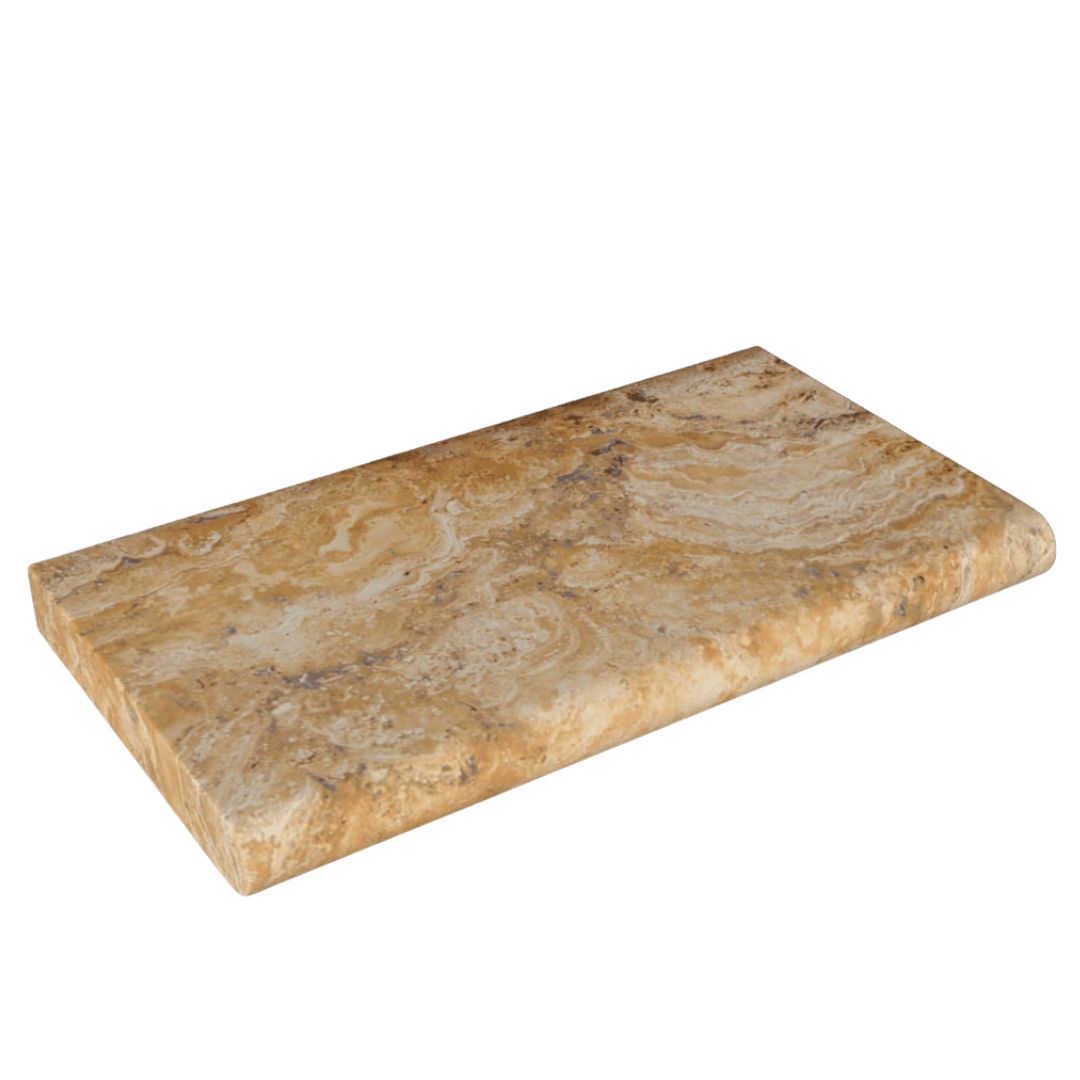


Limestone Pool Coping vs Travertine Pool Coping: Better Thermal Properties
One of the major differences between limestone coping and travertine coping is their thermal properties. This means how will these pool coping material will perform during the summer or in a hot climate.
Travertine features a porous surface which slows heat absorption. This gives travertine a clear advantage because the surface remains more comfortable and cool underfoot than many dense natural stones.
Limestone also performs well, especially in lighter shades. However, because of its density, it may absorb more heat when exposed to sunlight.
If children are using the pool frequently or your backyard is extensively exposed to sunlight, thermal performance deserves careful consideration. A travertine pool deck that stays relatively cool should be your first consideration.
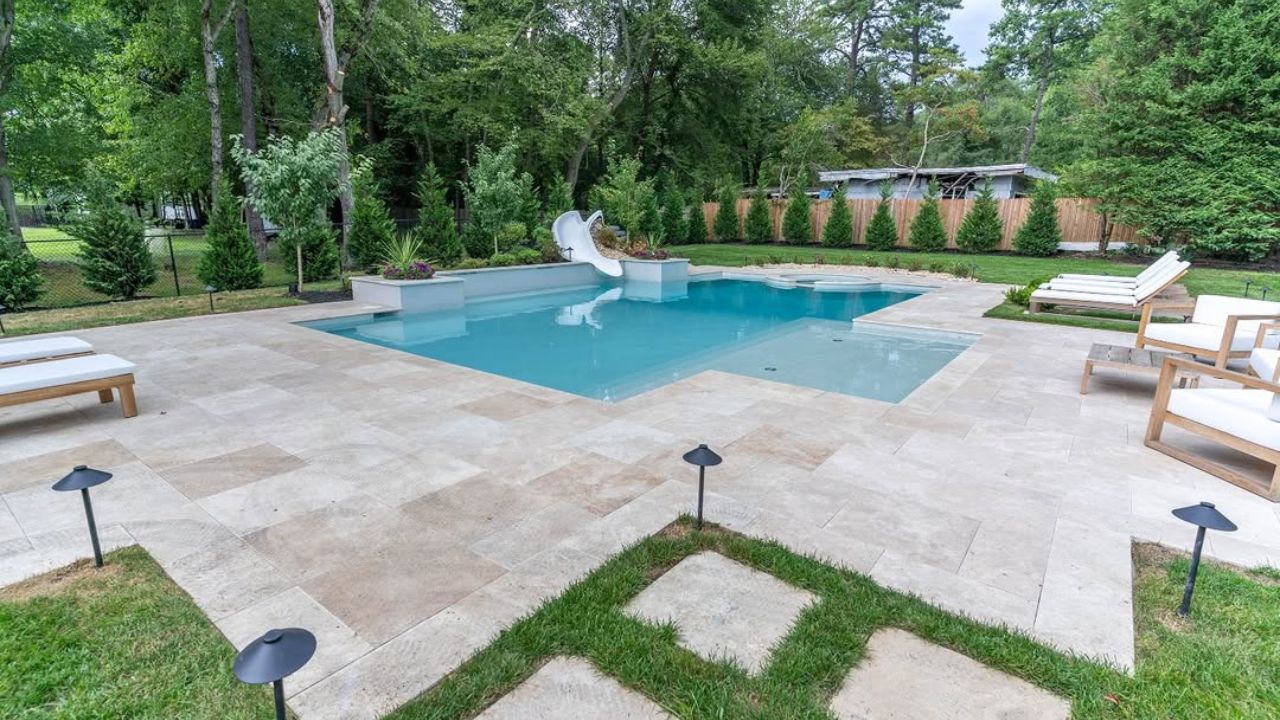
Limestone Pool Coping vs Travertine Pool Coping: Better Slip Resistance
Travertine has a naturally textured surface which offers better traction and slip resistance. This is why travertine is more popular among families with active outdoor entertaining areas.
Limestone can also provide reliable traction, but when finished with sandblasted, brushed, or honed surfaces. Highly polished finishes are generally avoided around swimming pools.
Pool areas are prone to wetness, and this makes them a slipping hazard. This is a serious issue for families with pets, elderlies and children. Travertine is a better choice in this regard. It still offers better slip resistance even when wet.
Limestone Pool Coping vs Travertine Pool Coping: Durability and Longevity
Both limestone and travertine pool coping have proven their durability in residential and commercial projects. When installed correctly over a stable base with proper drainage, both materials can last longer. They can then resist pool chemicals, UV exposure, daily foot traffic, and seasonal weather changes.
Their longevity and durability rely on the installation quality. They require proper joint expansion, effective drainage, pool coping repair, and professional installation to help prevent movement, cracking, and premature wear.
With regular maintenance, homeowners can expect either material to perform well for decades.
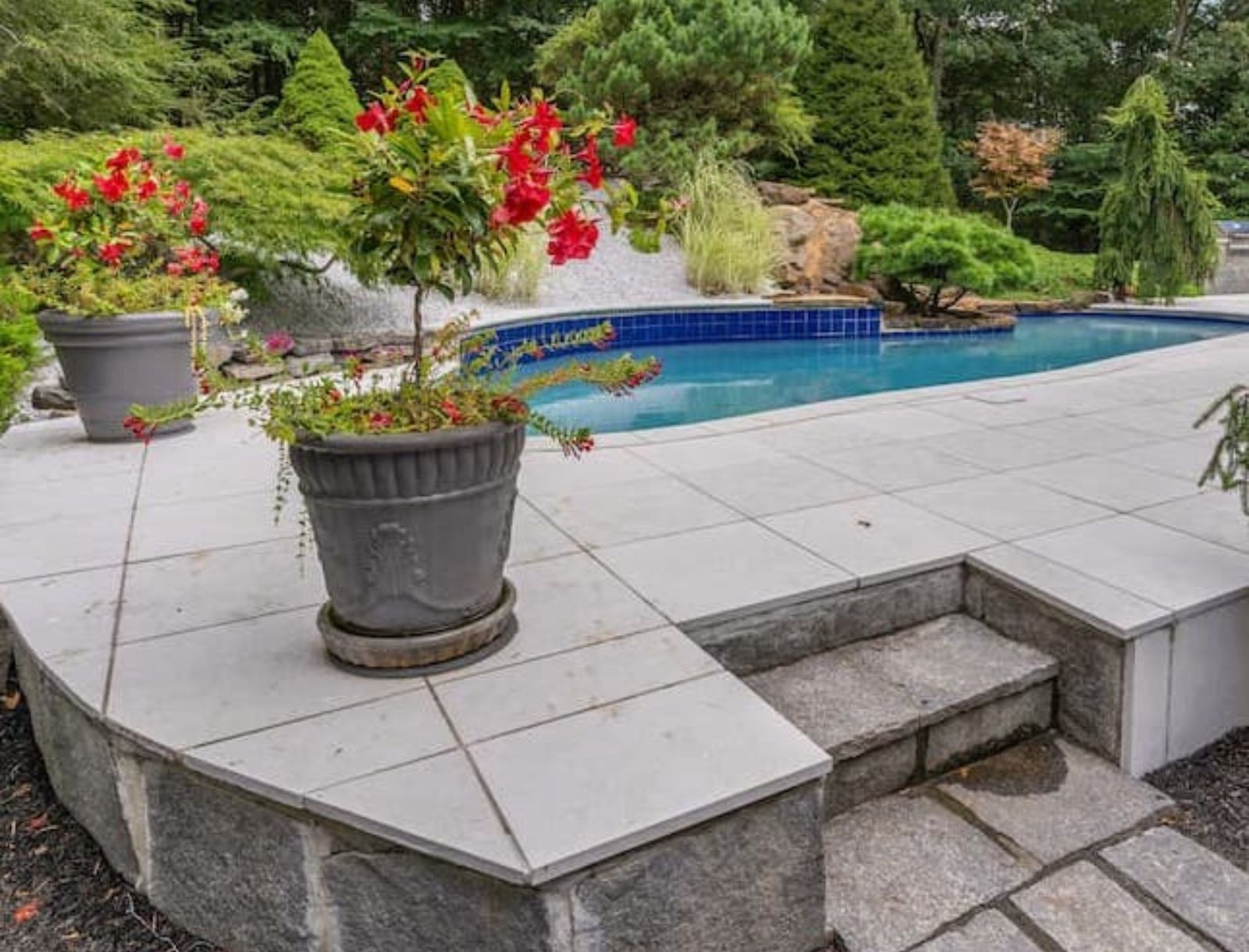
Limestone Pool Coping vs Travertine: Cost Comparison
While both of these are natural stone pool coping, they have distinct pricing even at the slightest point. Here is the price comparison of limestone and travertine pool coping.
| Comparison Factor | Limestone Pool Coping | Travertine Pool Coping |
| Material Cost | Usually moderate, depending on the stone’s origin, grade, and finish. | Often moderate to premium, with pricing influenced by color, cut, and quality. |
| Installation Cost | Similar to travertine when using standard coping profiles. | Comparable installation costs, though premium patterns or custom cuts may increase labor. |
| Maintenance Cost | Requires periodic sealing to help resist moisture and stains. | Also benefits from sealing but naturally hides minor wear because of its textured surface. |
| Repair Cost | Individual pieces can be replaced if damaged. Matching color may vary between stone batches. | Replacement is straightforward, although natural variation should be considered when sourcing new pieces. |
| Long-Term Value | Offers excellent value for homeowners seeking a refined, consistent appearance. | Delivers strong long-term value through durability, comfort underfoot, and timeless appeal. |
Limestone Pool Coping vs Travertine Pool Coping: The Right Application
While both are used around the pool surface, they still serve different types of pools.
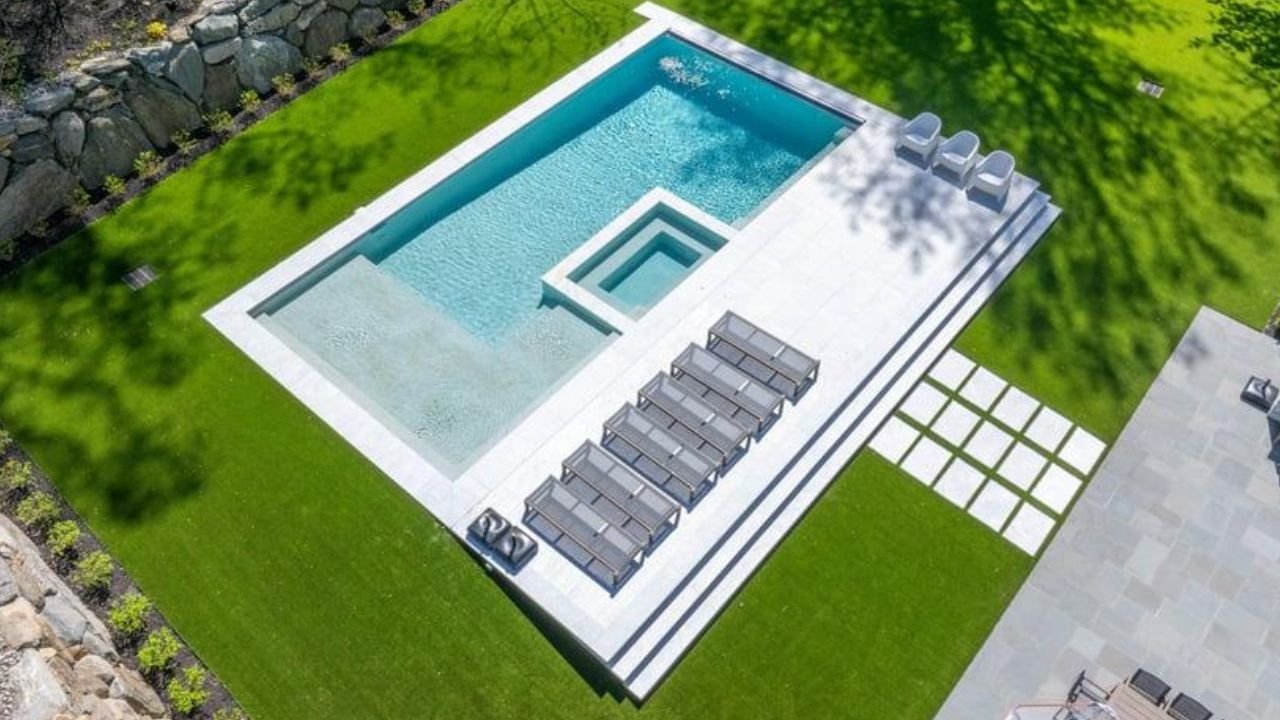
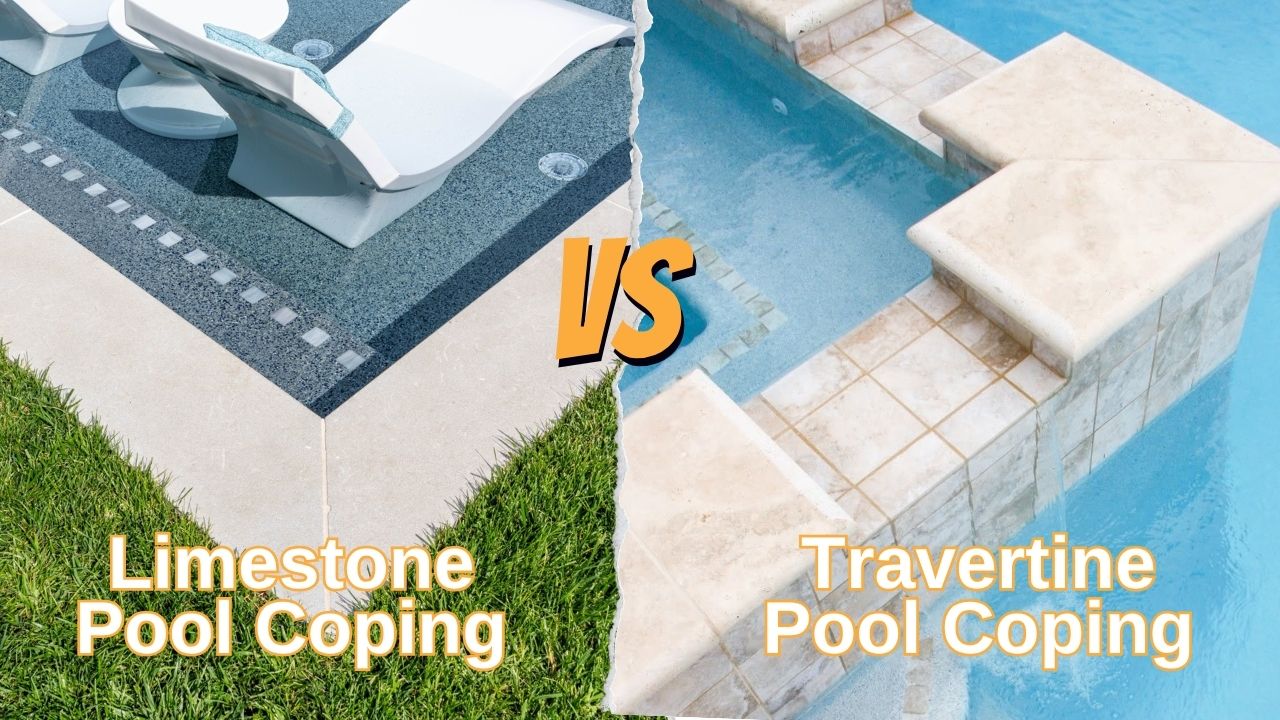
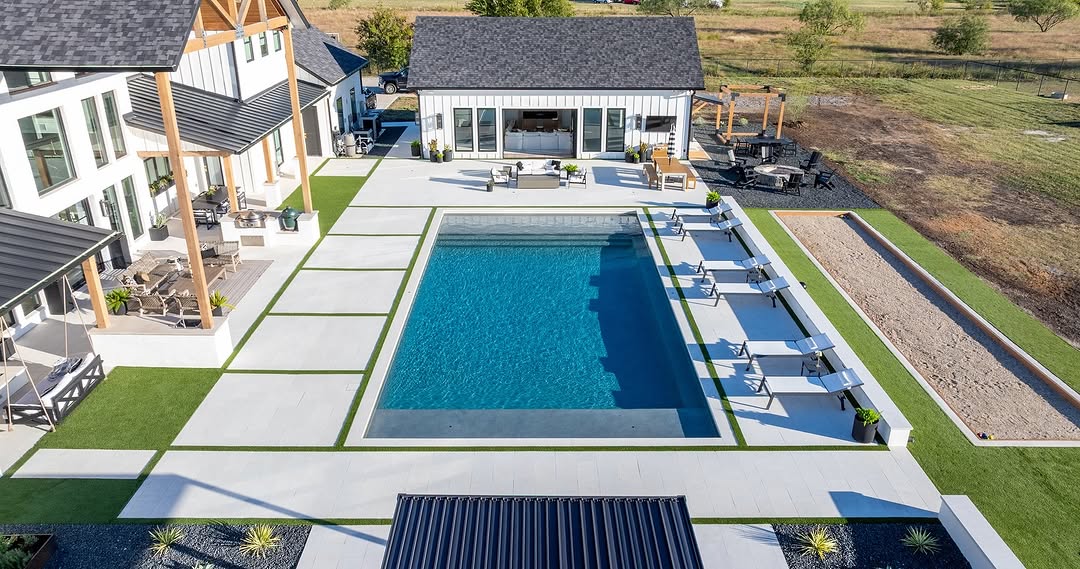
Limestone pool coping is well suited to modern landscaping, clean architectural lines, and uniform color. It is also well suited to contemporary outdoor living spaces.
Travertine is a perfect choice for a pool where natural texture and warm character are required. Also, it is well suited to Mediterranean or Tuscan architecture and projects where relaxed resort-style environments are preferred.
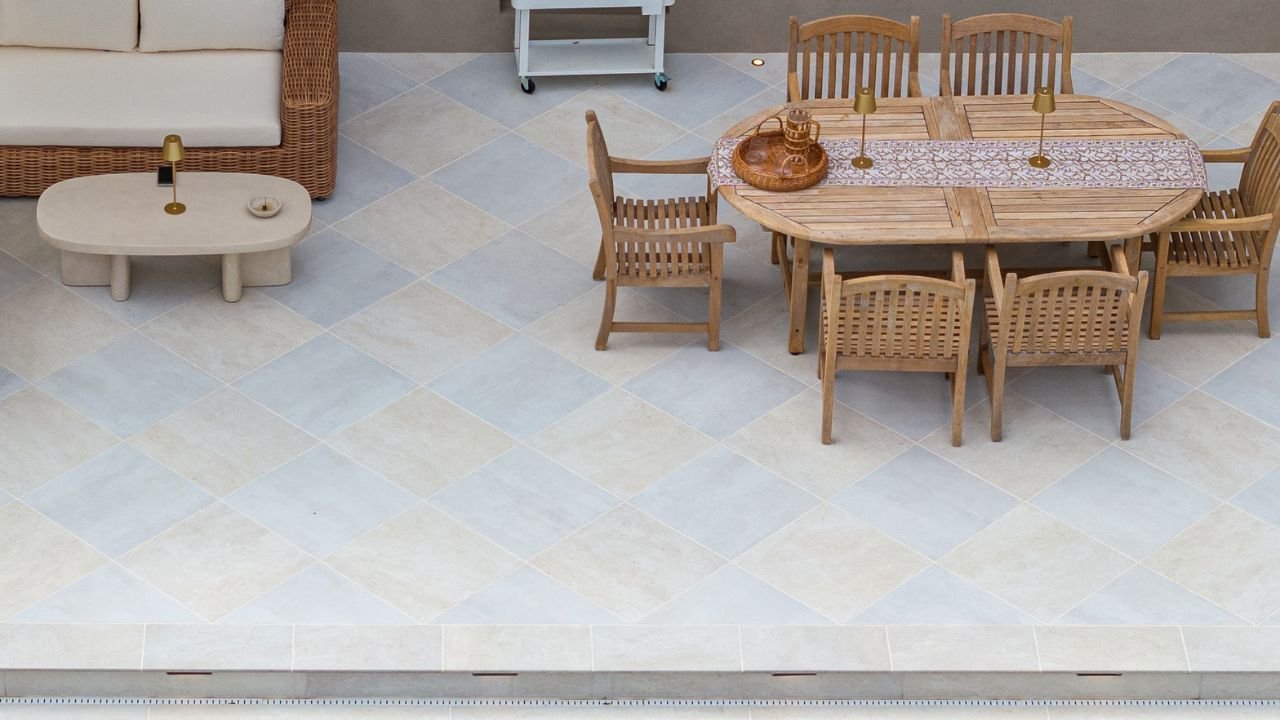
If you’re looking for more pool coping ideas, both stones pair well with porcelain pavers, natural stone patios, outdoor kitchens, and landscaped pool surrounds, giving you plenty of design options for creating a cohesive outdoor space.

Limestone Pool Coping vs Travertine Pool Coping: Better Long-Term Value
While the initial prices are somewhat similar, it is the long-term value that matters more than the purchase price. Homeowners should also consider:
- Expected lifespan
- Maintenance costs
- Comfort underfoot
- Safety
- Visual appeal
- Property value
Both pool coping are crafted with natural stone, and premium natural stone tends to attract more potential buyers. It shows how the homeowner preferred strong, durable material, which improved its curb appeal as well. As homeowners invest more in functional backyards through 2026 and beyond, high-quality pool coping remains a worthwhile improvement.
Your focus here should be on the reduced cost but also on which complements your home and lifestyle better.

Why Your Pool Coping Material Matters?
The discussion about Limestone Pool Coping vs Travertine Pool Coping is not just about the material cost and beauty only. Coping material matters a lot to determine how safe and comfortable your pool will be. It will create a comfortable transition to the surrounding deck. So a quality material will provide you with comfortable surface temperatures.
They offer better slip, water, and weather resistance. It will offer you long-term durability and create a design harmony with the surrounding landscape.
Natural stone coping is still popular in the market because it offers a balance of performance with lasting value. As pool coping design trends evolve through 2026 and beyond, homeowners increasingly choose premium materials that combine beauty with low-maintenance performance.
Limestone and Travertine Pool Coping FAQs
Let’s answer your questions about limestone pool coping vs travertine pool coping.
Is limestone or travertine better for pool coping?
No. Neither limestone nor travertine is better than the other. Limestone is well suited to contemporary design, while travertine offers cooler surfaces and greater natural slip resistance.
Does limestone pool coping become hot?
Yes. The stone gets warmer but not painfully hot like darker colored stones when exposed to sunlight. Lighter shades absorb less heat and remain more comfortable during summer.
Is travertine slippery around pools?
No. Travertine offers greater natural traction, which makes it one of the safest natural stone options for pool coping.
Can both stones be used around saltwater pools?
Yes. When properly installed and sealed, limestone and travertine both work great around saltwater and chlorinated pools.
Which coping material lasts longer?
Both travertine and limestone pool coping can last for decades with proper installation and maintenance routine.
Which pool coping adds more value to a home?
Both materials can increase the beauty and outdoor living value. Just make sure the coping material you selected complements the home’s architectural style.
Bottom Line
Limestone and travertine are two of the most popular and trusted natural stone choices for pool coping. These stones offer a perfect balance of beauty, durability, and long-term performance. Limestone delivers a clean and modern appearance with consistent color and simple maintenance. Travertine has a cool-to-walk surface in warmer climates; textured surfaces offer slip resistance and are well-suited to traditional and resort-inspired landscapes.
While no material is inherently good or bad, the final choice depends on the home’s design, local climate, and personal preferences. Just make sure to choose stone that matches and complements your home’s architecture. At NT Pavers, understanding the strengths of each material helps homeowners choose pool coping that balances lasting performance with timeless design.
At NT Pavers, we’ve installed both limestone and travertine pool coping across residential and commercial projects in New Jersey. We often recommend travertine pool coping for south-facing backyards because homeowners appreciate its cooler surface during summer.