
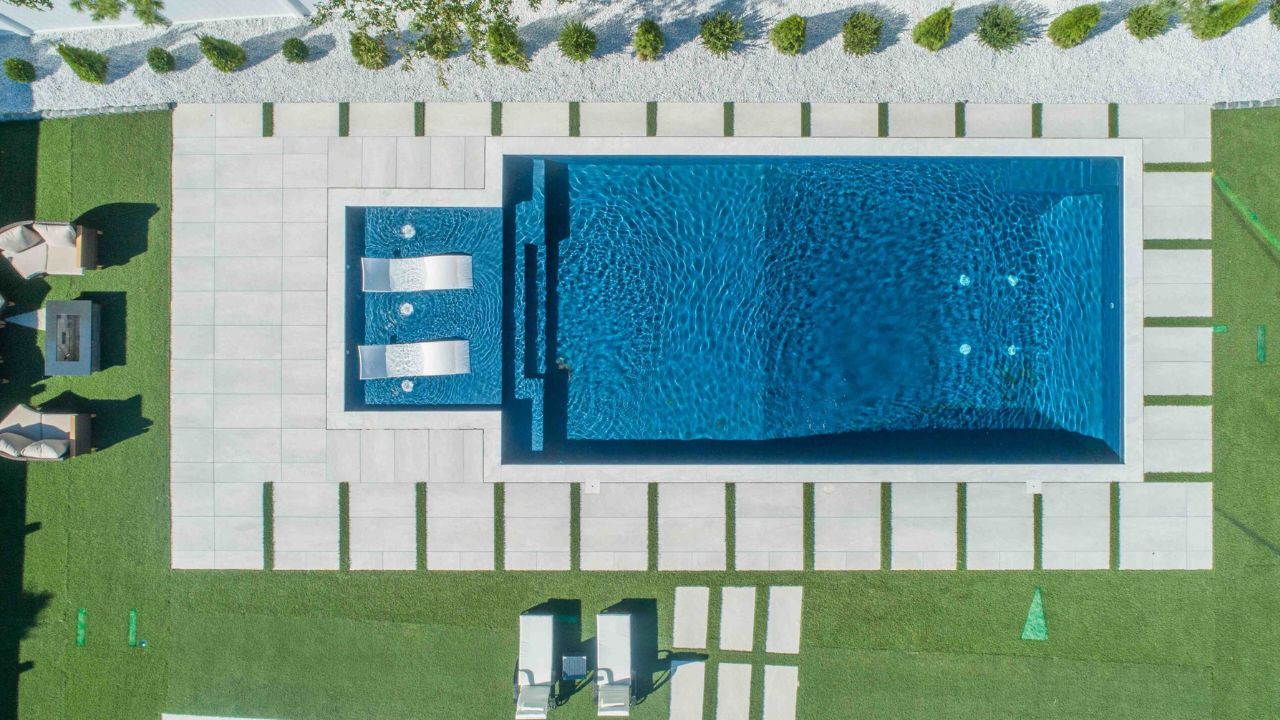
Pool copings are one of the most important parts of any pool. They protect the pool shell from water damage, preventing water from seeping in. It also offers a safe walking surface and creates the look of a pool. This is why choosing the right coping for the pool matters a lot. Opt for a modern pool coping that balances durability, design, and budget. In this guide, we will explain the best coping for pool options, their strengths, and what to consider before making a decision.
Best Types of Pool Coping Explained
Every pool needs a coping that secures the pool shell, manages water flow, and completes the design. If you’re exploring different Pool Coping Ideas, here are our picks for the best pool coping that will suit your swimming pool.
Travertine
Among the stones, travertine pool coping is the most popular material for a pool. Its porous structure will keep the surface cooler under direct sun exposure. This is why it is ideal for areas with harsh summer days.
Its natural texture surface not only offers slip resistance but also gives it a beautiful aged appearance. The natural slip resistance is ideal for families with pets, children, and elderly members. Though travertine requires sealing against stain protection, it is the best coping for a pool because of its never-aging beauty and comfort underfoot.

Granite
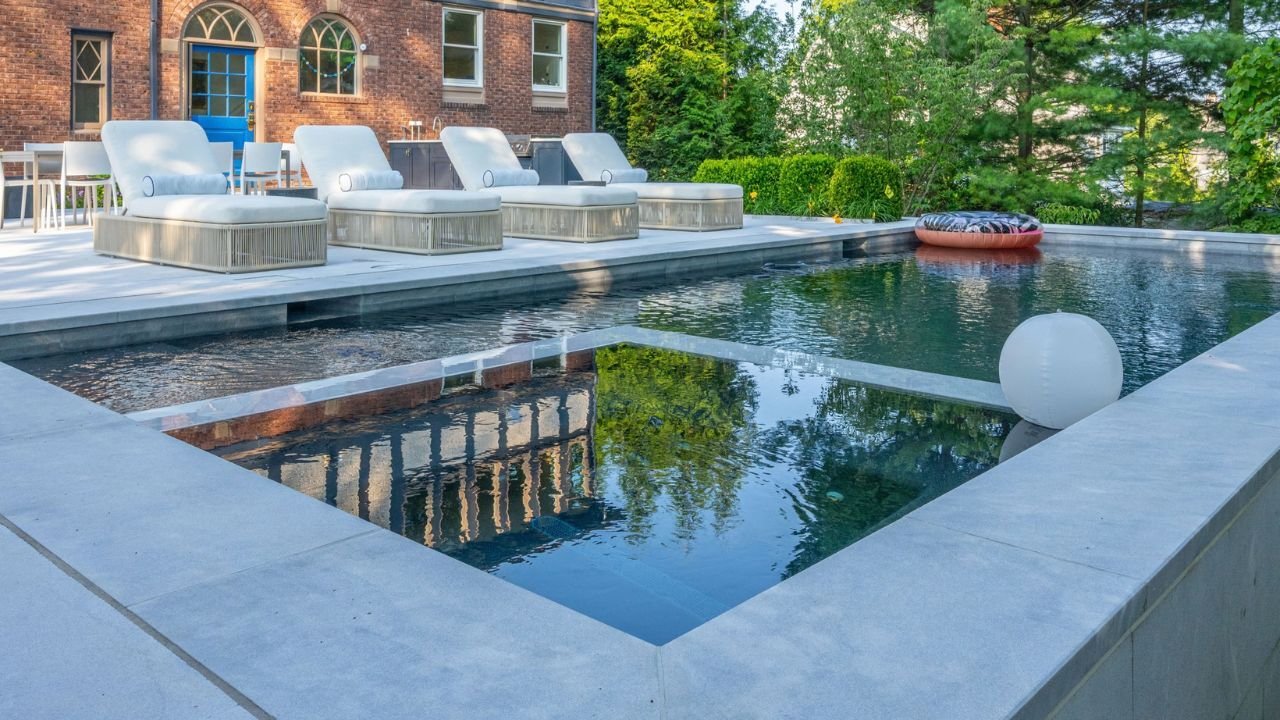
Granite is one of the most durable and toughest natural stones for pool coping. Due to its volcanic formation, it is perfect for rugged use like pool coping or a kitchen countertop. It resists scratches, chips, and weathering, even in busy family or community pools. The dense composition allows granite to withstand chlorine and saltwater exposure without much damage. It can retain its polished finish for years.
Its natural grain patterns add visual interest while maintaining a sophisticated look. For homeowners or project managers seeking long-term durability with a delicate appearance, granite is an ideal choice.
Marble
Marble is one of the best copings for a pool that is associated with luxury and elegance. It adds a lavish charm to any pool area. It has a smooth surface that gives an upscale look when used as coping for a pool. It pairs well with both modern and classical designs. However, proper marble sealing is required, or else it will etch, wear, or stain.
Marble pool coping requires more maintenance but rewards that who care with a luxurious look for years. Marble coping is often chosen for resort pools or high-end residences where style and sophistication are prioritized alongside functionality.

Porcelain
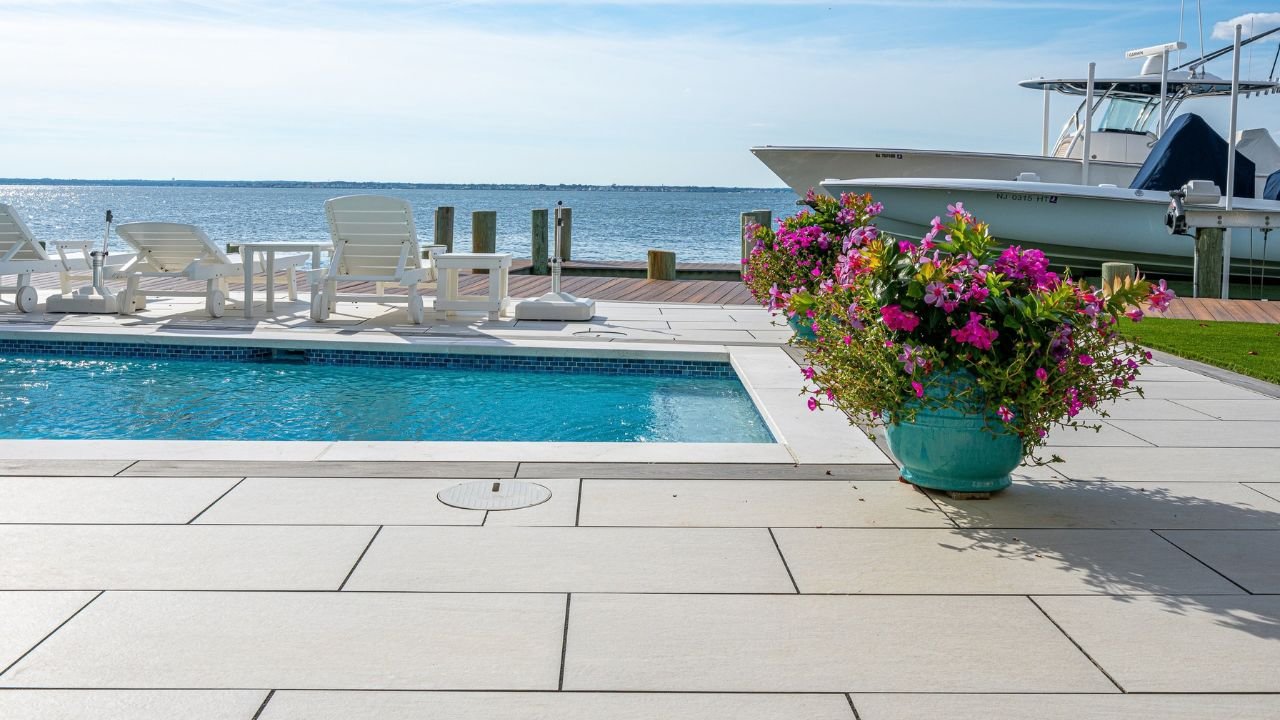
Porcelain is a great combination of beauty and performance. Porcelain coping is no different. They offer performance and design flexibility effortlessly. It resists pool chemicals, stains, and UV exposure.
Unlike most natural stones, porcelain usually does not require sealing. This makes it one of the best coping for the pool. You can find them in modern finishes and precise edges. It fits perfectly in geometric and contemporary pool designs.

Concrete
Concrete is still a versatile and budget-friendly coping material. It can be poured in place to accommodate custom pool shapes or precast in standard sizes. It is available in finishes like smooth, textured, or stamped surfaces. They even offer design flexibility thanks to the modern coloring techniques.
They can now mimic natural stone, too. While cost-effective, concrete requires professional installation and regular maintenance to maintain its appearance.
Pavers
Pavers are also one of the best copings for a pool. Whether it is precast concrete, natural stone, or porcelain, they offer uniformity and flexibility. They are easy to replace if one section is damaged and offer a range of finishes and colors.
Pavers cost more than poured concrete, but they deliver a more consistent look and slip-resistant surface. Many project managers choose pavers for their practicality and clean installation.

Brick
Bricks add a warm and traditional aesthetic to any pool. It can withstand chlorine and general wear. They are durable for long-term use.
Brick may require periodic sealing to protect against water absorption. Its rustic charm makes it a great choice for traditional homes or projects that lean toward a classic design.
Best Copings for Pool: Detailed Comparison
If you are wondering how each inground pool coping works or how they will perform in your setting, then refer to the table below. You can find the best information about each of them.
| Coping Type | Durability | Slip Resistance | Heat Retention | Maintenance Needs | Aesthetic Appeal | Cost Level | Best Fit |
| Travertine | High | Excellent – natural texture resists slips | Stays cool under the sun | Requires sealing every 2–3 years | Timeless, natural, aged look | Medium | Family pools, warm climates, luxury homes |
| Granite | Very High – resists scratches, chips, weathering | Good (textured finishes help) | Warmer underfoot than travertine | Minimal sealing, low upkeep | Polished, grain-rich, sophisticated | Higher | High-traffic residential, commercial pools, upscale designs |
| Marble | High but softer than granite | Fair – smoother surface may be slippery | Warmer under the sun | Requires frequent sealing, prone to etching | Elegant, luxury, classical | Higher | High-end residences, resort pools, showcase projects |
| Porcelain | Very High – resists chemicals, stains, fading | Excellent (R11+ slip ratings available) | Stays cooler than concrete or brick | No sealing required, very low upkeep | Contemporary, sleek, precise edges | Medium | Modern homes, geometric or commercial pools |
| Concrete | Medium–High | Good (with textured/stamped finish) | Moderate heat retention | Needs resealing, resurfacing over time | Versatile, customizable | Medium | Budget-friendly projects, custom pool shapes |
| Pavers (Stone, Concrete, or Porcelain) | High – easy to replace damaged units | Good to Excellent, depending on the material | Varies by material (stone stays cooler, concrete warmer) | Easy to maintain, replaceable pieces | Uniform, neat, practical | Medium to high | Residential and commercial pools need uniformity and flexibility |
| Brick | High | Good – textured surface aids traction | Warmer under the sun | Occasional sealing required | Rustic, warm, traditional | Lower | Traditional or heritage-style homes, rustic designs |
According to NT Pavers‘ decades of experience, we recommend porcelain coping as the best coping for a pool for its overall performance. It offers a great performance, low maintenance, without compromising on aesthetics. However, you can choose the pool copings according to your project requirements for the best experience.
Pool Coping Profiles and Safety
Pool coping profiles are crucial for both safety and style. The right edge detail ensures comfort, minimizes risk, and enhances pool aesthetics.
| Profile Type | Key Feature | Best For |
| Bullnose | Rounded edge, safest for reducing injury | Family pools, child-friendly designs |
| Cantilever | Overhang edge, sleek and modern look | Contemporary or minimalist pools |
| Flat-Mount / Mitered Edge | Flush or vertical drop, sharp lines | Formal, architectural, geometric pools |
How To Select The Best Pool Coping Material?
While there are some all-rounder options available for pool coping, choosing the right one is still important. You may have some other consideration or preference, so here is the breakdown of how you can select the best coping for the pool.
| Tip | Why It Matters | Best Choices |
| Prioritize Safety | Slip-resistant surfaces prevent accidents around wet pool edges. | Travertine, Porcelain (textured), Concrete with stamped/treated finish |
| Consider Heat Absorption | Hot coping can make barefoot use uncomfortable in sunny climates. | Travertine, Light-colored Limestone, Porcelain |
| Balance Aesthetics and Budget | Design appeal must align with project costs. | Natural Stone (elegance), Concrete/Precast (cost-saving) |
| Plan for Maintenance | Some materials need sealing or resurfacing; others are nearly maintenance-free. | Porcelain (low), Travertine & Marble (medium, sealing), Concrete (higher) |
| Evaluate Longevity | Coping durability impacts long-term value. | Granite & Porcelain (high-use/commercial), Travertine/Limestone (residential) |
| Check Compatibility with Decking | Seamless transitions improve pool design and safety. | Match tones/textures with Pavers, Natural Stone, or Porcelain collections |
FAQs on the Most Suitable Pool Coping
Let’s answer your most asked questions about pool coping.
What is the most durable coping for pools?
Granite and porcelain copings are among the most durable that resisting fading, water absorption, and heavy use.
Which coping stays the coolest underfoot?
Travertine and light-colored limestone, and porcelain stay cooler than concrete or brick.
How often should natural stone coping be sealed?
Most natural stones benefit from sealing every 2–3 years, depending on usage and exposure.
Is porcelain coping safe for commercial pools?
Yes. Modern porcelain copings often have anti-slip ratings (R11+) suitable for commercial and public pools. They resist chemicals, high traffic, and offer durability.
What is the most affordable coping option?
Precast coping and Concrete coping usually cost less than natural stone or porcelain.
Can different coping materials be combined in one project?
Yes. Designers sometimes combine porcelain coping with natural stone decking, or brick coping with concrete pavers.
How do I match the coping with the pool decking?
Select tones and textures that complement your deck, aligning coping and pavers for a unified design.
Bottom Line
The best pool coping depends on your project requirements. Natural stone offers organic elegance, beauty, and slip resistance. Concrete is a cost-effective, versatile material. Porcelain coping offers a wide range of design options with modern performance. To choose the right pool coping, make sure to understand your expectations and requirements. Whether it is a new pool or redesigning your outdoor space with an existing pool, investing in the right pool coping ensures a pool area that remains safe, stylish, and durable for years.