
Outdoor pavers don’t just have to face the harsh weather, but also other elements that damage the pavers as well. Many homeowners have seen this happening. Small weeds appear between joints, and ants build nests along the edges. Paver sinks enough to catch your foot. Sand keeps appearing while you spray weed and reset the stone, but the problem keeps returning.
Many homeowners believe that maintenance tips are the way to go, but they don’t treat the root cause. At NT Pavers, we know these seasons are enough to cause paver failure. This is why we present this guide that will help you deal with weeds, ants, and settling between pavers in the long term.
How to Stop Weeds Between Pavers?
Weed growing between and especially under the pavers is a serious problem for the outdoor surface. The weed will lift the pavers and create an uneven surface to walk on. This results in tripping hazards and paver breakage over time.
Where Do The Weeds Come From?
Most weeds do not grow up from under pavers. They grow down from above. As the seeds are blown on the surface, some may seep under the surface through loose joints. Dust and organic matter collect. Moisture stays trapped. A small root takes hold. If joints stay loose, weeds keep coming back.
What Prevents Weed Growth?
Tight and stable joints are essential to prevent weed growth better than any chemical treatment. The most effective methods include:
- Fully compacted base layers that do not shift
- Edge restraints that prevent lateral movement
- Polymeric sand that hardens inside joints
When joints stay locked, seeds cannot settle or root. This adds to the longevity of the pavers. However, some methods will not work in the long term, such as:
- Weed fabric is placed between pavers
- Vinegar, salt, or boiling water
- Repeated herbicide use
While these methods can eliminate visible growth, they will not eliminate the reason why weeds appear.
How to Stop Ant Nests Under and Between Pavers
Ants may seem a small matter on the surface, but they can cause some serious damage under and around the structure. They will easily get into the pavement with joints, cracks, or control joints. They will build a nest under the joints, especially near the areas where they will find the best materials to thrive.
Why Ants Choose Paver Patios?
Ants prefer environments that are:
- Dry
- Sandy
- Easy to tunnel
The loose bedding sand gives them a perfect habitat. Once they settled in, they started to borrow the material underneath, creating voids that settle the pavers.
Permanent Ant Prevention Tips:
You can eliminate the nest, but you should deal with the tunnel-friendly conditions too for the best results. Effective solutions include:
- Crushed stone base instead of sand
- Compaction in thin layers
- Polymeric sand that hardens joints
When the base is dense and the joints are hardened, ants will move elsewhere. Poison treats symptoms, but strong structure removes habitat.
How to Stop Pavers From Settling or Sinking?
Pavers, while providing a durable paving option, do start to sink and shift over time. This results in surface moving and eroding. The pavement or flooring will start to look uneven, and this will result in further issues like water pooling.
Why Does Paver Settling Happen?
Pavers settle when the layers beneath them move. This happens due to a paver’s installation mistake,
- Excavation depth is too shallow
- Base material is not compacted
- Water drains poorly
Even a small movement of the pavers opens the joints and starts a chain reaction. Proper excavation depth matters here. The standards here are:
- Walkways and patio pavers need 8–10 inches total depth
- Driveways need 10–14 inches
This includes base material, bedding layer, and pavers. Anything less risks movement.
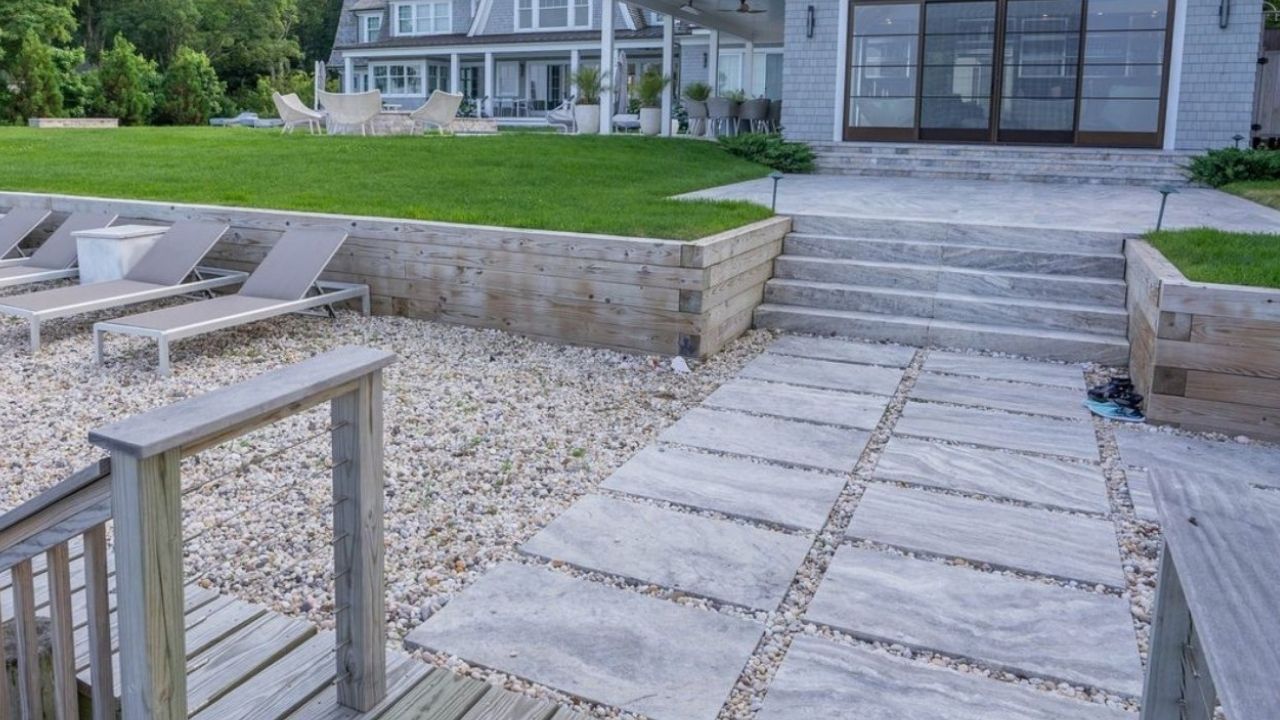
Use the Right Base Material:
Crushed stone with fines compacts tightly. Sand is not a recommended material here.
A stable base:
- Spreads load evenly
- Resists water erosion
- Supports long-term use
These are the key elements of paver installation and paver base that keep pavers level for decades.
Why Drainage Protects Pavers More Than Any Product?
One of the major elements causing paver failure is not the material, but the poor water drainage problems. Many homeowners blame material quality, which is often not the case, but it is the water drainage management. Water damage is greater than the weeds or insects combined. To deal with the drainage on pavers, start with:
Surface Drainage
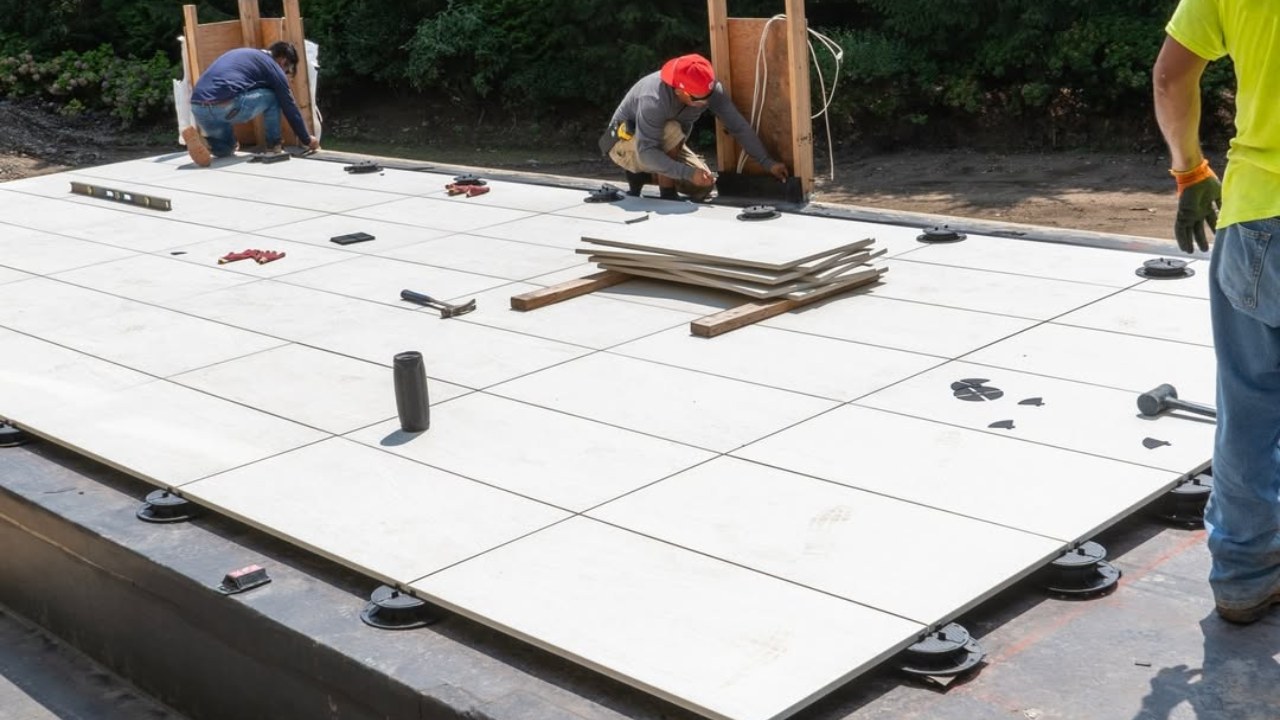
Make sure the pavers are sloped away from structures at about ¼ inch per foot, or use a pedestal system. This prevents the water from pooling and softening the bedding layer.
Subsurface Drainage
Water should not accumulate on the base. Trapped moisture weakens soil and causes movement. Good drainage keeps everything else working as intended.
What Do Edge Restraints Do in Long-Term Stability
Edge restraints keep the whole system together. Without the edge restraints, the pavers will spread outward over time, joints will widen, sand loosens, and weed grows. Effective restraint options include:
- Heavy-duty plastic edging
- Aluminum restraints for straight runs
- Concrete edge bands for driveways
Edges do not just define shape. They preserve joint integrity.
Regular Sand vs Polymeric Sand for Paver Joints
Filling the space between pavers is crucial. This keeps the paver fixed in its space. However, choosing between regular sand and polymeric sand matters here. One fills the space while one creates structure. The difference explains why one invites weeds and ants, while the other prevents them.
| Feature / Consideration | Regular Joint Sand | Polymeric Sand |
| Primary Purpose | Fills joints temporarily | Stabilizes and locks joints |
| Joint Stability | Loose; shifts over time | Firm; resists movement |
| Weed Resistance | Low; allows seed growth | High blocks seed penetration |
| Ant Prevention | Poor; easy to tunnel | Strong; hardens joints |
| Washout Resistance | Washes out with rain or cleaning | Resists erosion when activated correctly |
| Moisture Sensitivity During Install | Low | High; joints must be dry |
| Installation Complexity | Simple | Moderate; requires proper steps |
| Longevity | Short-term | Long-term, when installed correctly |
| Maintenance Frequency | Frequent re-sanding required | Minimal maintenance |
| Best Use Case | Temporary or low-priority areas | Permanent patios, walkways, driveways |
Why Weeds, Ants, and Settling Happen Between Pavers?
As time passes, you will start to notice problems like weed growth, ant nests, and settling. All of these issues share the same root cause: the loss of joint stability.
- Weeds grow when joints collect debris and stay open
- Ants nest where the sand stays loose and dry
- Settling starts when the base shifts or erodes
Once joints are loosened, everything else starts to happen. This is no surface remedy, and the product will offer a permanent fix.
FAQs About Paver Problems
Let’s answer your questions about paver problems.
Do weeds grow under pavers or between them?
Weeds almost grow between pavers as seeds land in joints not under the base. Stable joints prevent growth.
Does polymeric sand stop ants?
Yes. When installed correctly, it hardens joints and removes tunneling space that ants need.
How long should pavers last without settling?
25-30 years or more with minimal maintenance when installed properly.
Is weed fabric necessary under pavers?
Fabric helps separate soil from base material, but it does not stop weeds in joints, and it also does not replace proper installation.
Can I fix settling pavers without removing them?
Minor issues may be adjusted. Ongoing settling requires lifting pavers and rebuilding the base.
Bottom Line
Outdoor pavers have to go through a lot of pressure from harsh weather, sunlight, and indoor factors like weed growth, ants, and paver shifting. To stop these issues, a level ground for paver fixing is not enough. It is not about finding spray for weeds or ants, but building and maintaining a complete system. A system that will resist movement, control water, and keep joints tight.
When excavation depth, base compaction, drainage, edge restraints, and joint materials work together, pavers stay stable. When they do not, problems return.
For homeowners, the most informed decision is simple: trust NT Pavers and invest in structure first. Everything else depends on it.