
What Makes Porcelain Pavers Slippery When Wet?
When the paving surface gets wet, it creates a thin layer between the footwear and the paving. A polished or smooth surface has little room to escape. Your bare feet can then move more easily throughout the surface. Porcelain itself does not determine slip resistance, but the finish surface does.
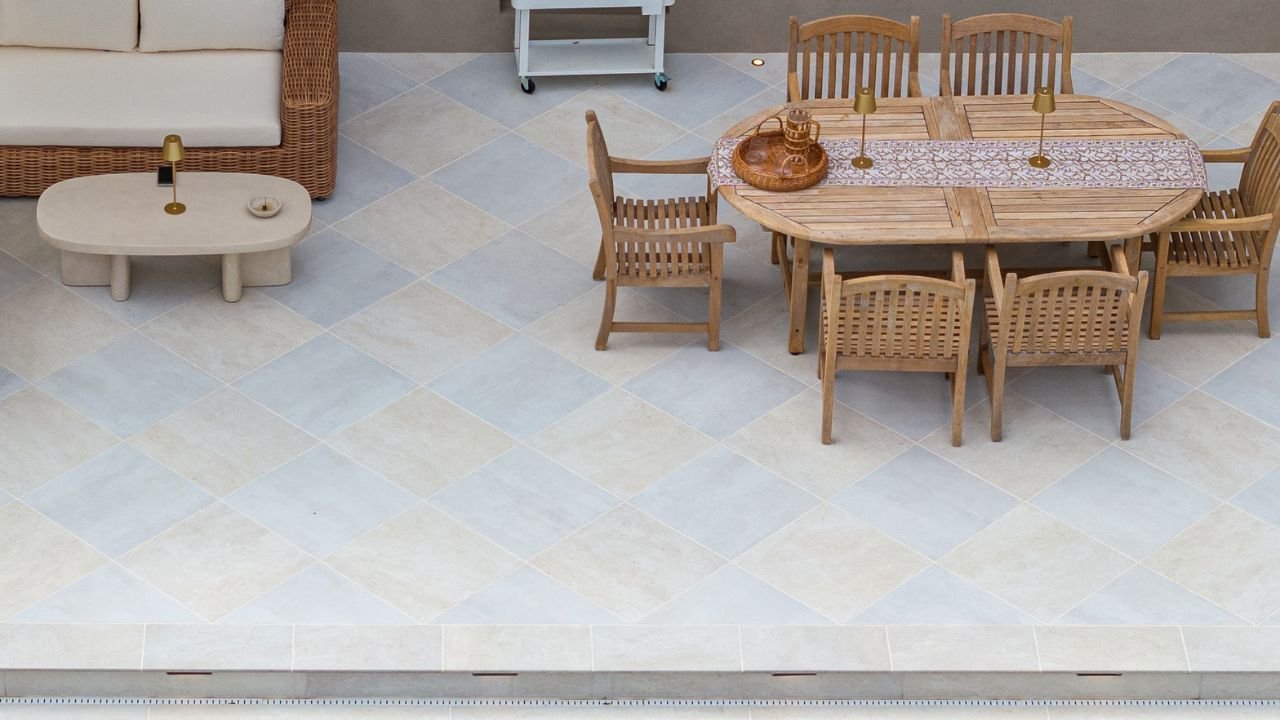
Manufacturers can produce outdoor porcelain pavers with different textures. Some mimic natural stone with a lightly textured face. Others have structured surfaces that increase traction. Some have smooth finishes designed more for appearance than wet-area performance.
Several factors affect the final result:
- Surface texture can increase traction, but the actual performance depends on the product and its tested slip resistance.
- Textured and structured finishes are generally better suited to wet outdoor areas than highly polished surfaces.
- Standing water can increase the risk of slips.
- Elements like algae, moss, grease, soil, and other deposits can reduce grip.
- Bare feet, wet shoes, and different sole materials behave differently.
- A poorly installed surface can collect water even when the paver itself has good slip resistance.
This is why homeowners should evaluate the complete paving system, not just the material name, for safety in outdoor spaces.
Are Porcelain Pavers Safe Around Swimming Pools?
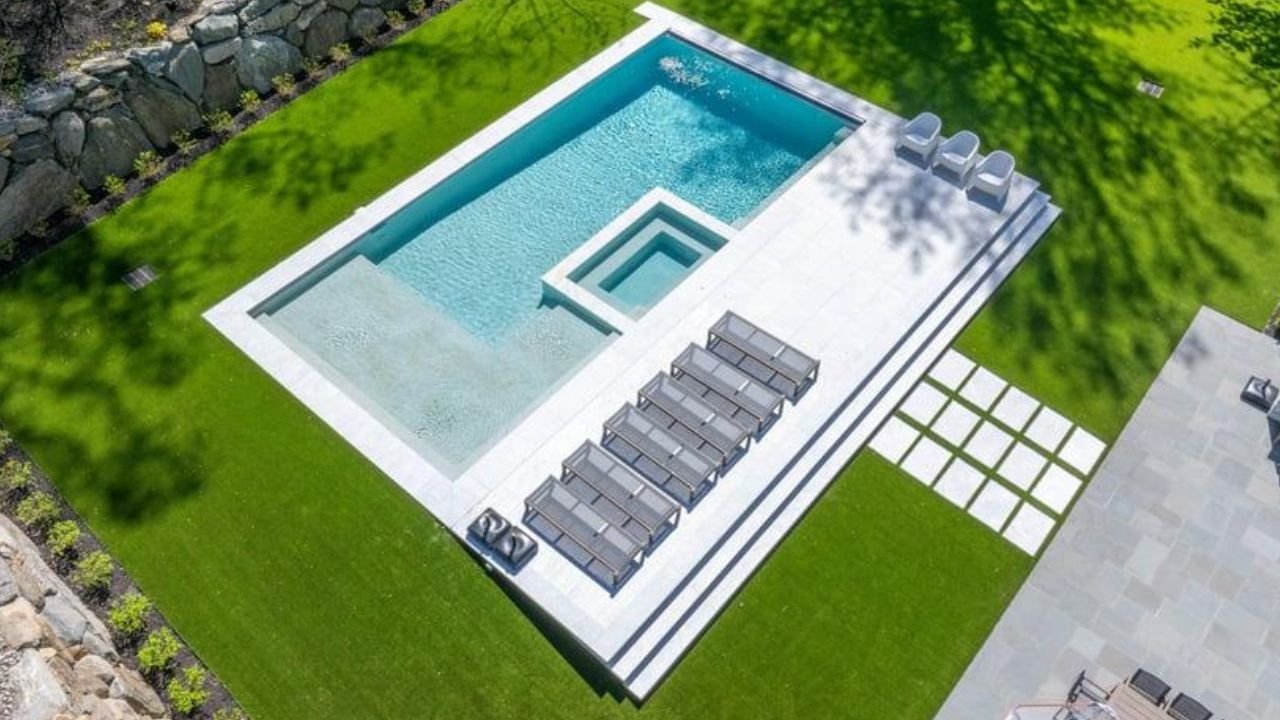
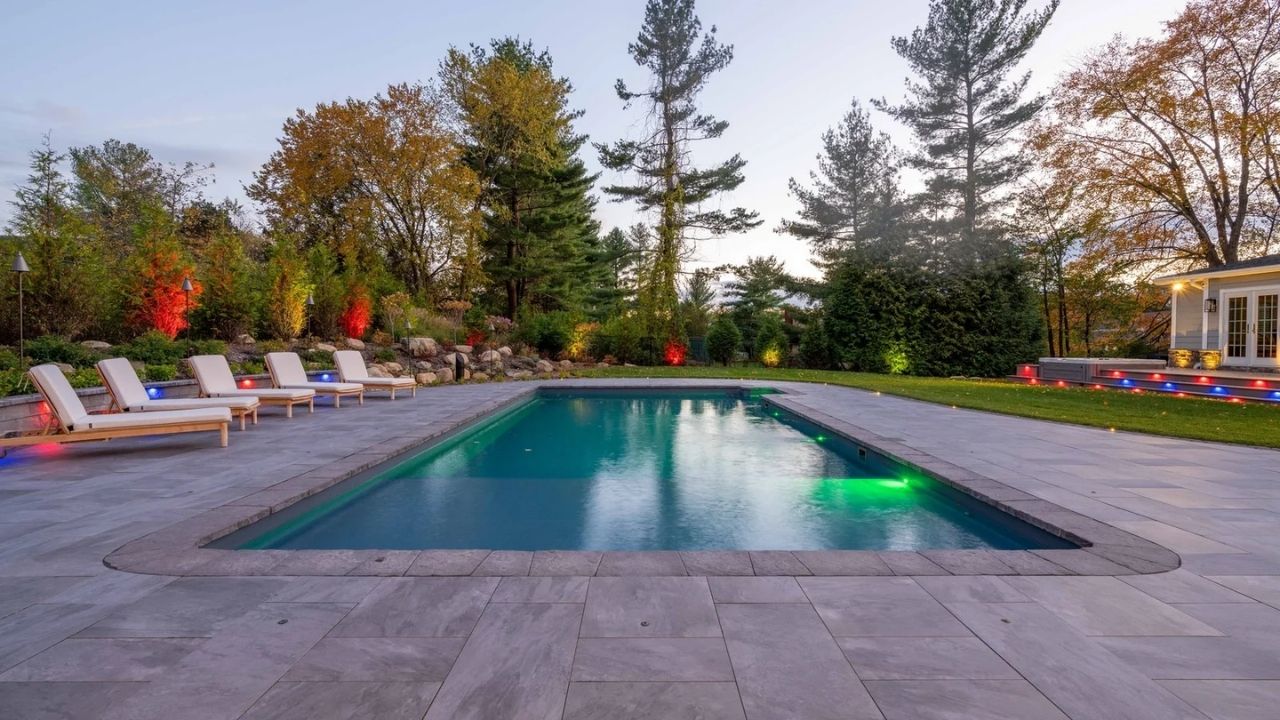
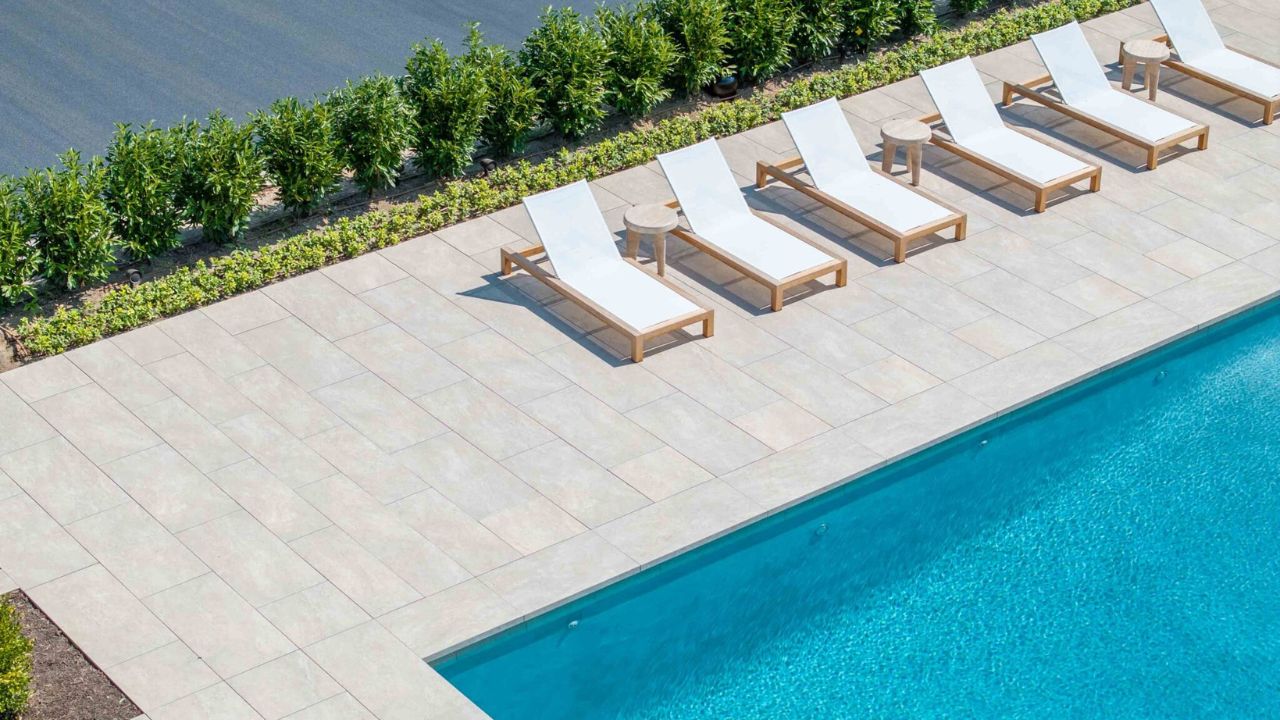
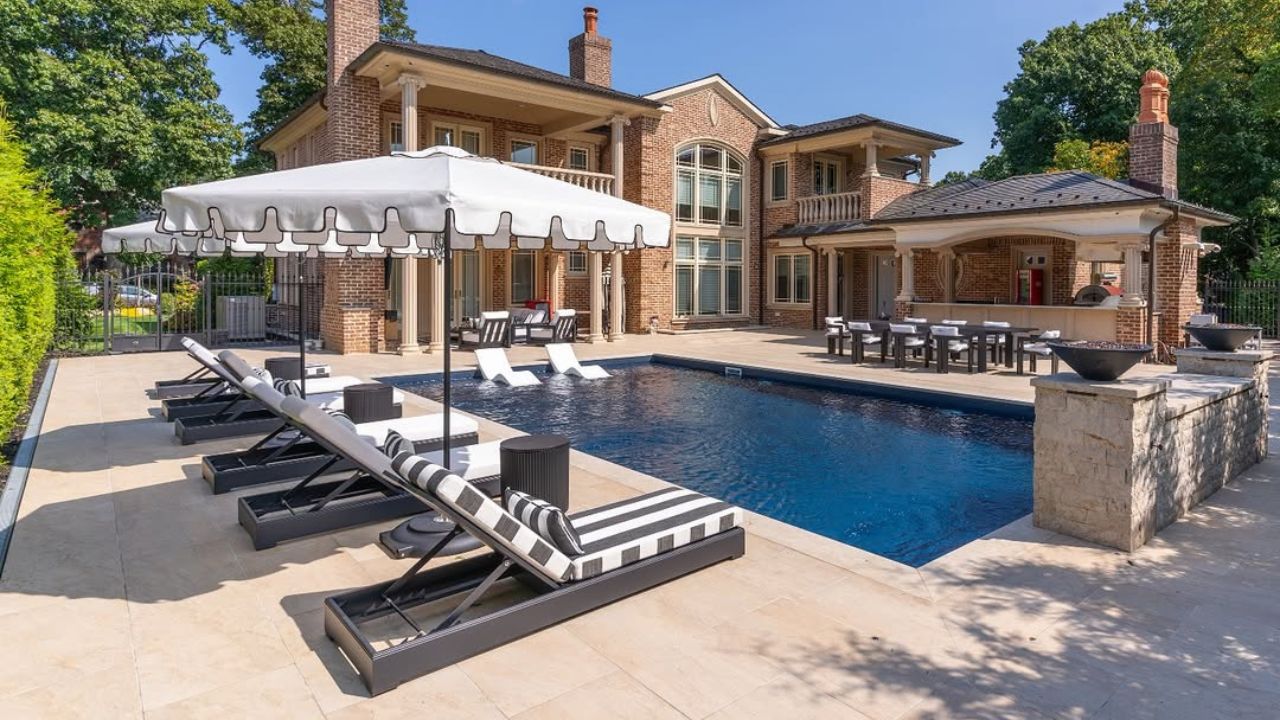
Yes, porcelain pavers can work well around swimming pools when the selected product is designed for exterior use and provides suitable slip resistance. Swimming pool areas in most residential projects are the most used areas. Because of the wet conditions, it is important to consider the slip resistance. Porcelain pool decks deserve extra attention because they combine water, bare feet, splashing, sunscreen, and frequent cleaning. These conditions can expose weaknesses in a smooth paving surface.
For pool areas, choose porcelain pavers recommended for exterior or wet-area use, with a surface texture and documented slip-resistance performance suited to the intended use.
Pavers with proven slip-resistance test results are also a good choice, along with a finish designed for outdoor applications. Choose porcelain pavers with suitable water/weather resistance and an anti-slip surface that remains convenient to clean.
Do not assume that every porcelain outdoor tile has the same traction. A porcelain product designed for an interior living room should not automatically become a pool-deck material. The same principle applies to outdoor steps. A textured porcelain paving can provide more confidence under wet conditions in outdoor areas. However, a smooth surface deserves closer scrutiny, as it can become slippery when the surface is wet.
Are Porcelain Pavers Slippery in the Rain?
Porcelain pavers are generally suitable for rain when they have an appropriate textured finish and slip-resistance rating. However, standing water, dirt, algae, and leaves can reduce traction. Proper drainage and regular cleaning help keep the surface safer when wet.
How Porcelain Compares With Other Paving Materials For Slip Resistance?
Homeowners often compare porcelain with natural stone when planning a patio, pool deck, pool coping, or walkway pavers. Comparing the porcelain pavers pros and cons with other paving materials can help determine which option is best for a specific outdoor application.
| Paving Material | Surface Factors That Affect Wet Traction | Common Outdoor Finishes |
| Porcelain Pavers | Texture and tested slip resistance | Matte, textured, structured |
| Travertine Pavers | Texture and surface treatment | Tumbled, brushed, textured |
| Limestone Pavers | Finish and surface texture | Brushed, flamed, textured |
| Sandstone Pavers | Natural texture and surface finish | Natural cleft, textured |
| Granite Pavers | Finish; polished surfaces may reduce traction | Flamed, thermal, textured |
| Marble Pavers | Finish; polished surfaces can be slick when wet | Honed, brushed, textured |
| Concrete Pavers | Texture and surface treatment | Molded, textured, shot-blasted |
Not every material has one universal slip-resistance level. For example, honed limestone may behave differently from polished limestone. Brushed travertine can provide a different walking surface from polished travertine. Likewise, a textured porcelain paver can perform differently from a smooth porcelain tile.
Does Porcelain Become More Slippery as It Ages?
Porcelain pavers do not automatically become more slippery simply because they have been installed for several years. However, outdoor conditions can affect the traction of the walking surface. Leaves, soil, algae, moss, grease, and other contaminants can create a slippery layer over the paver.
Regular maintenance helps keep the surface clean and preserves the traction provided by the original finish.
- Sweep the surface regularly.
- Remove leaves and organic debris.
- Clean spills before they spread.
- Inspect shaded areas for algae or moss.
- Follow the manufacturer’s cleaning recommendations.
- Keep drains and channels clear.
A paver with good factory slip resistance still needs proper maintenance.
How to Choose Slip-Resistant Porcelain Pavers
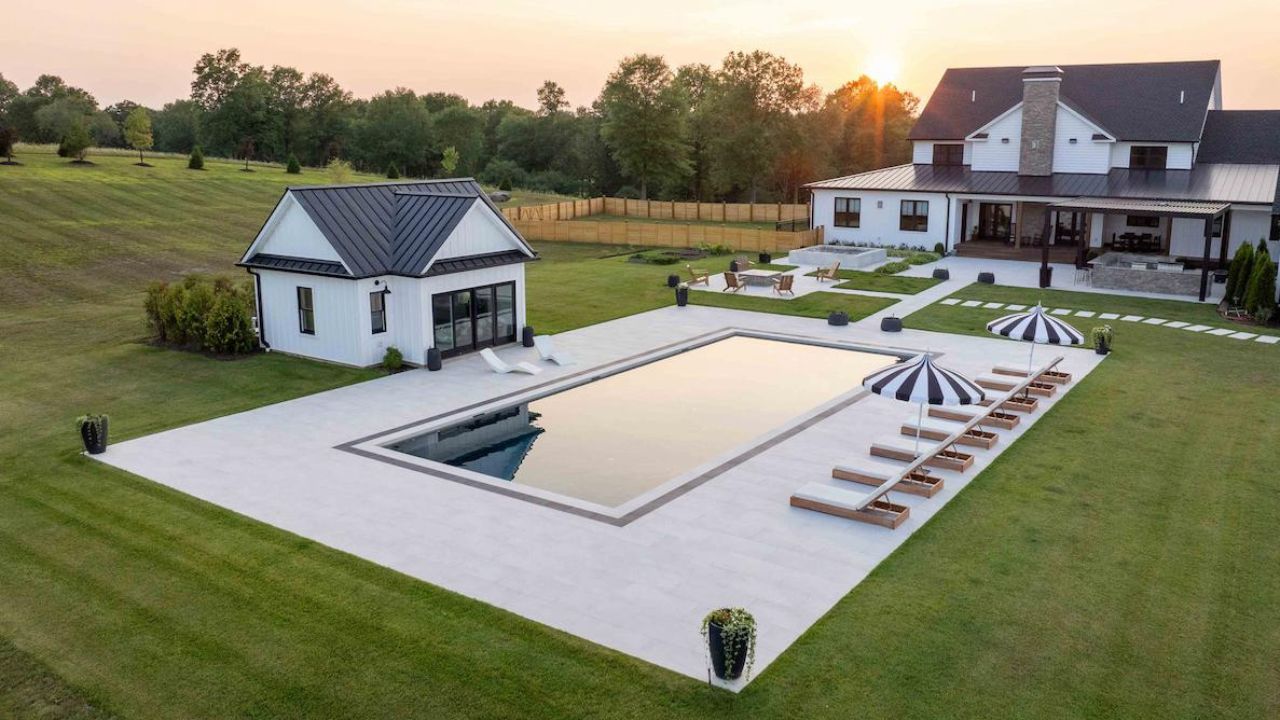
Homeowners should ask for actual product information rather than relying on labels such as “non-slip.” Ask the porcelain pavers supplier or manufacturer:
- Is the product rated for outdoor use?
- What slip-resistance testing has been performed?
- Is the finish recommended for wet areas?
- Is it suitable for pool surrounds?
- What installation method does the manufacturer recommend?
- Does the product require a specific joint or drainage system?
Testing standards are different by market application. You may encounter measurements such as R rating, DCOF, or other slip resistance classifications.
These measurements come from different testing methods, so an R rating should not be directly compared with a DCOF value as if they were the same scale. When comparing products, look at the testing method used and confirm that the product is appropriate for the specific application.
For a project supplied by NT Trading, homeowners should review the technical specifications for the exact NT Pavers porcelain rather than assuming every product has identical traction.
Porcelain Pavers and Slip Resistance FAQs
Let’s answer your questions about porcelain pavers and slip resistance.
Are porcelain pavers slippery around a pool?
Depending on the finish, porcelain can be slippery around the pool. Honed, matte, or textured surfaces are not slippery, but polished surfaces tend to be slippery when wet.
Are matte porcelain pavers less slippery when wet?
Generally, matte and textured porcelain surfaces can provide more traction than highly polished surfaces. However, the actual slip resistance depends on the product’s surface texture, testing, and intended application, so check the manufacturer’s specifications rather than relying on the word “matte” alone.
What is the best porcelain finish for a wet patio?
A textured or grip-oriented exterior finish is generally a better choice than a smooth or polished surface.
Can porcelain pavers be used for pool coping?
Yes, some porcelain products are designed for pool coping applications. However, the specific product and coping system must be compatible with the pool edge and installation method. Check the manufacturer’s specifications before using a standard porcelain paver as coping.
Are porcelain pavers more slippery than travertine?
Neither material is always more slippery. The finish, texture, water conditions, and contamination have a greater effect on traction.
How do you make porcelain pavers less slippery?
Start with a properly rated textured product. Then maintain good drainage and keep the surface free from algae, moss, grease, and other contaminants.
Bottom Line
Porcelain pavers are not inherently slippery when wet. Their traction depends on the surface finish, texture, tested slip resistance, installation, drainage, and maintenance.
For areas exposed to water, such as pool decks, patios, steps, and walkways, choose an exterior porcelain paver with documented slip-resistance performance and a finish appropriate for wet conditions. Keep the surface clean and maintain proper drainage to help reduce slip hazards over time.