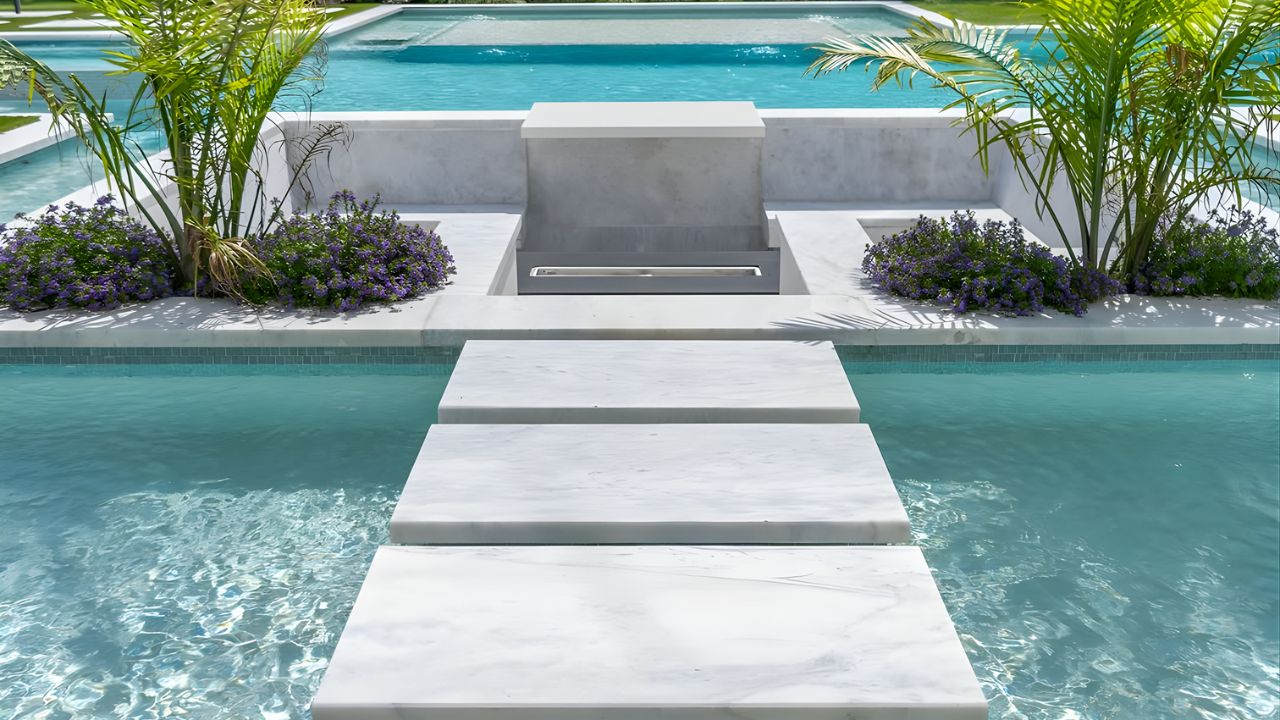
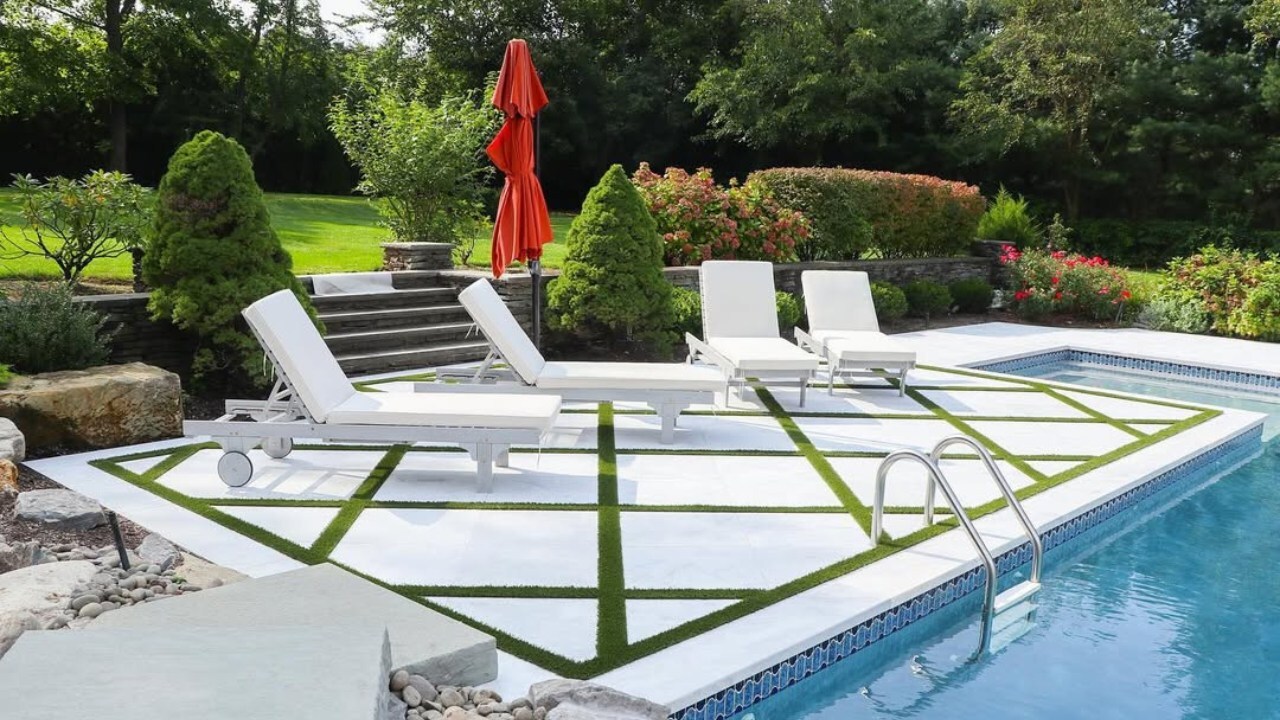
An outdoor landscape may feel simple to use and easy to maintain. However, outdoor areas like driveways, patios, or pool decks should be durable as they will have to face harsh weather, weight, and daily use without having to be repaired too often. Choosing the wrong pavers in landscape design will result in a cracked surface, water accumulation, and a layout that feels dull within a few years.
Most of these problems are related to a few common outdoor design mistakes. So in this guide, we will explain the common design process mistakes to avoid and how the right pavers can fix them easily. Continue reading the following for more information.
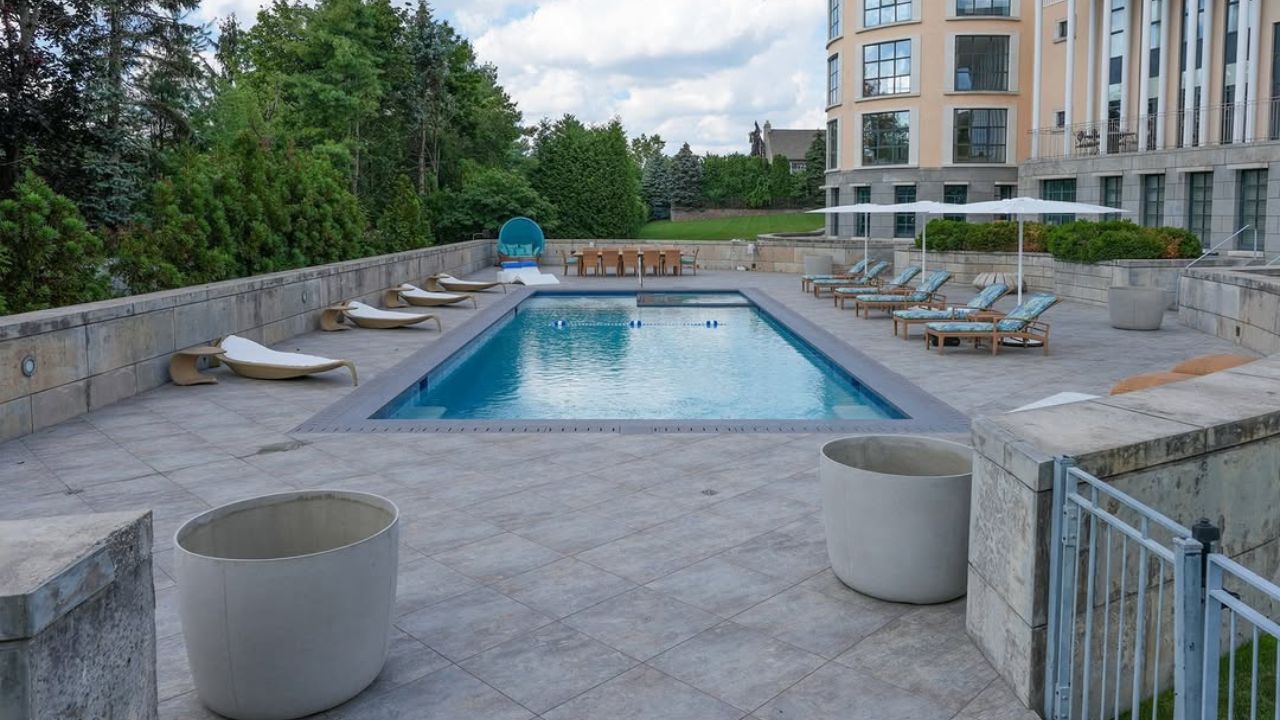
Outdoor Paver Design Mistakes: An Overview
These are the most common outdoor paver design mistakes that often occur when design focus is mostly on aesthetics but not on form and functionality. Here is an overview of the things to avoid when designing with outdoor pavers, according to most landscape designers.
| Common Mistakes For Outdoors | What Happens | Best Paver Solution | Key Benefit |
| Ignore climate | Cracks, fading | Porcelain / Granite | Weather resistance |
| Poor drainage | Water pooling | Permeable pavers | Water control |
| Slippery pool area | Safety risk | Travertine | Slip resistance |
| Weak base | Shifting | Interlocking concrete | Stability |
| Wrong driveway material | Cracking | Thick concrete | Load strength |
| Too many styles | Visual clutter | Large-format porcelain | Clean look |
| Heat retention | Hot surface | Limestone | Cooler surface |
| No sealing | Stains | Sealed stone | Protection |
| Poor layout | Wasted space in garden design | Modular pavers | Better use |
| Bad joints | Weed growth | Polymeric sand | Durability |
1. Ignoring Climate Conditions
This is one of the most common outdoor design mistakes where homeowners choose pavers without considering the environment. The selection is usually based on color or texture, not climate. The climate condition is a major consideration when choosing pavers as heat expands surfaces and cold contracts them. Rain can seep into the porous surface, and this cycle can cause cracks, fading, and surface wear much sooner.
Best Pavers For Harsh Climate:
Porcelain pavers or granite pavers. Both of these options perform well as porcelain has low water absorption, and granite is a thicker stone. Both of these outdoor pavers can resist temperature change and stress, along with UV exposure. However, you will need to match the material to your environment first, more than style.
2. Poor Drainage Planning
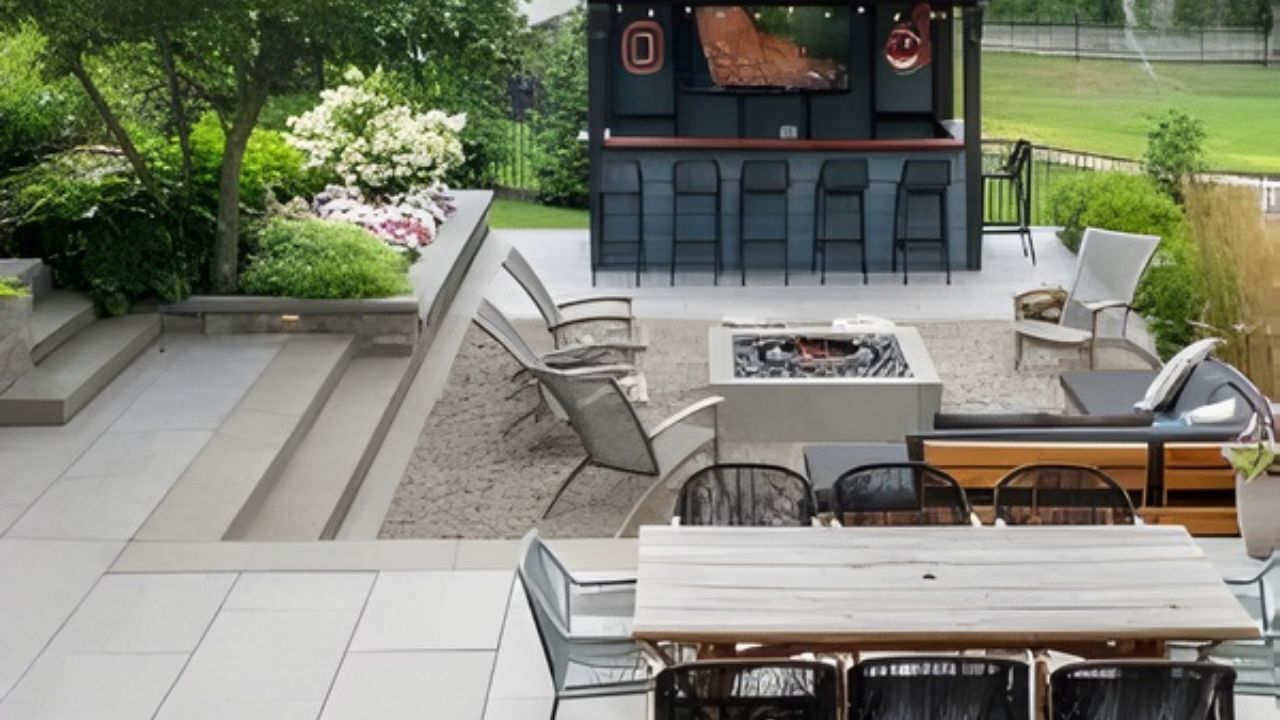
Another common outdoor design mistake is poor planning or ignoring the drainage while installing pavers. This usually happens when homeowners install a flat surface without any slope or drainage system. This causes the water accumulation on the surface, which stains the pavers and weakens the base. This is a serious mistake that results in a slip hazard.
Best Pavers For Effective Drainage:
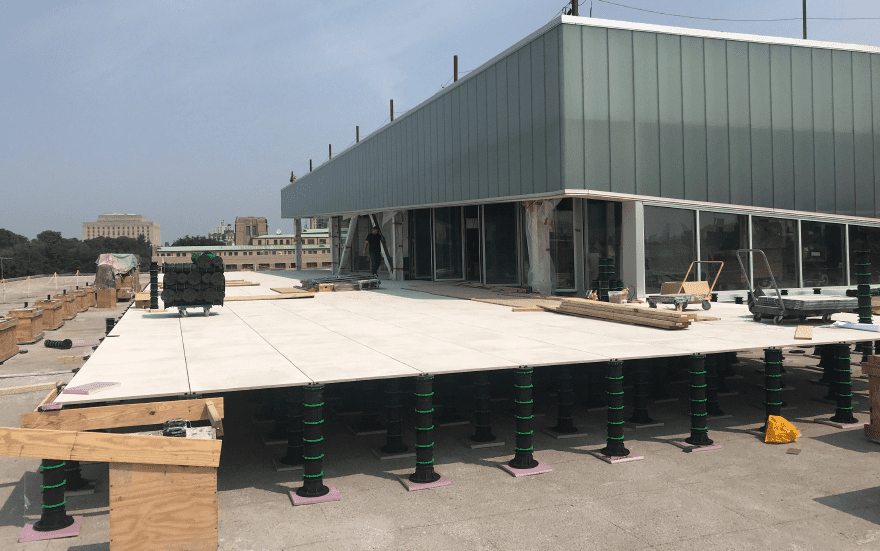
Permeable pavers are the best option for this solution. Systems like the paver pedestal system offer better water drainage as water passes through joints into the base layers. This reduces runoff and prevents pooling. Just make sure the water will move away from your surface and not stay on it.
3. Choosing the Wrong Pavers for Pool Areas
One of the most common outdoor design mistakes is choosing the wrong pavers for pool areas. Homeowners may opt for smooth or polished materials in areas prone to wet. A shiny or polished surface becomes slipperier, which increases the risk of falls.
Best Pavers For Pool Areas:
Choose the travertine pavers or textured porcelain pavers for better traction and slip resistance. Travertine pavers stay cool around pool areas that are exposed to direct sunlight. Textured porcelain adds slip resistance without compromising on durability. Just make sure to select the textured or honed pavers because pool areas require grip instead of shine.

4. Weak Base Preparation
Skipping the proper digging or compaction is another common outdoor design mistake. This causes a shift on the surface underneath the pavers, which causes pavers to sink in, and the edges appear uneven. The surface is a serious tripping hazard and is uncomfortable to walk on.
Best Pavers System For Outdoor
Interlocking concrete pavers are well-suited for many outdoor designs, as they are easy to work with. They adjust to the small ground movement without cracking. However, they still require a strong base rather than just a surface layer.
5. Using the Wrong Pavers for Driveways
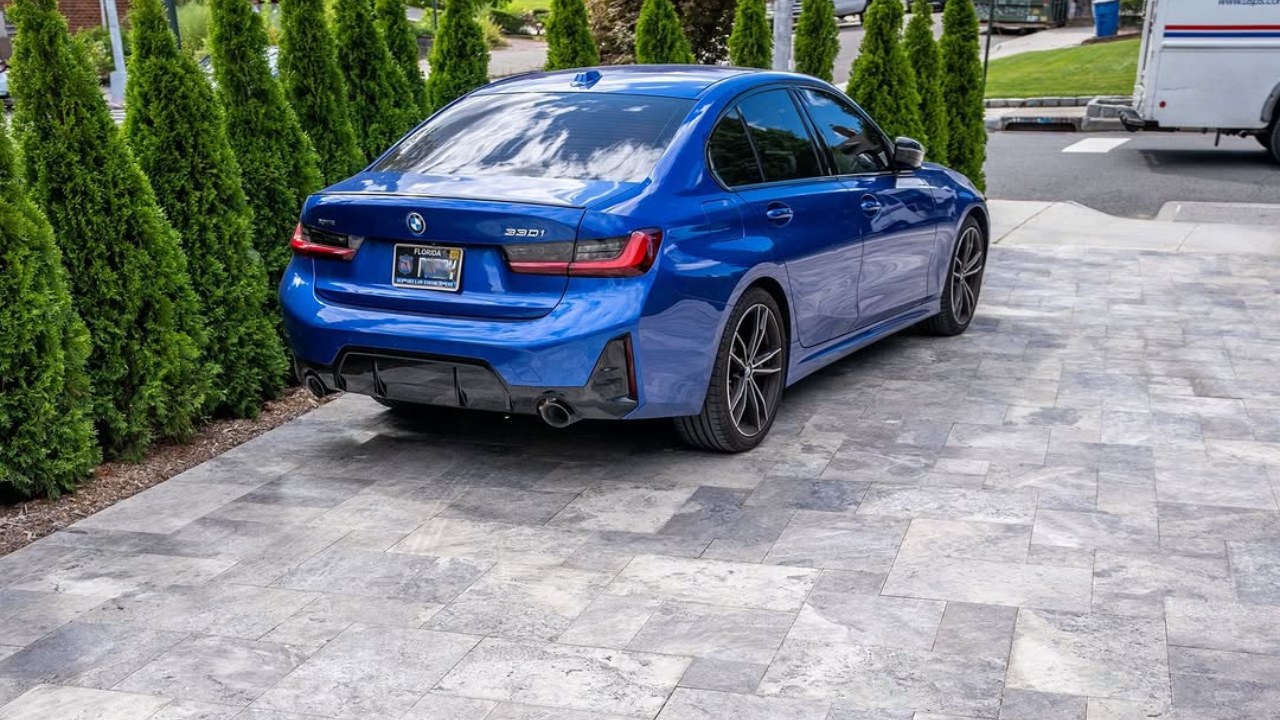
Driveway pavers are one of the most intense areas of any household. They have to face constant heavy vehicle loads and foot traffic. However, homeowners often make mistakes in choosing the wrong driveway pavers, like patio-grade materials in such high-load areas. The pavers can easily get cracked under vehicle weight.
The Best Paver Choice For Driveways:
Driveways are not just about aesthetics but strength, too. Thick concrete pavers or granite pavers work great in such spaces due to their pressure-resistant manufacturing and wear-resistant surface.
6. Mixing Too Many Design Elements
This is one of the most common outdoor design mistakes by many homeowners when they want to integrate a lot of elements while designing outdoors. While getting away with some elements is possible, too many elements, like colors, shapes, and textures. This makes the space feel cluttered and lacks visual flow.
The paver that fixes it
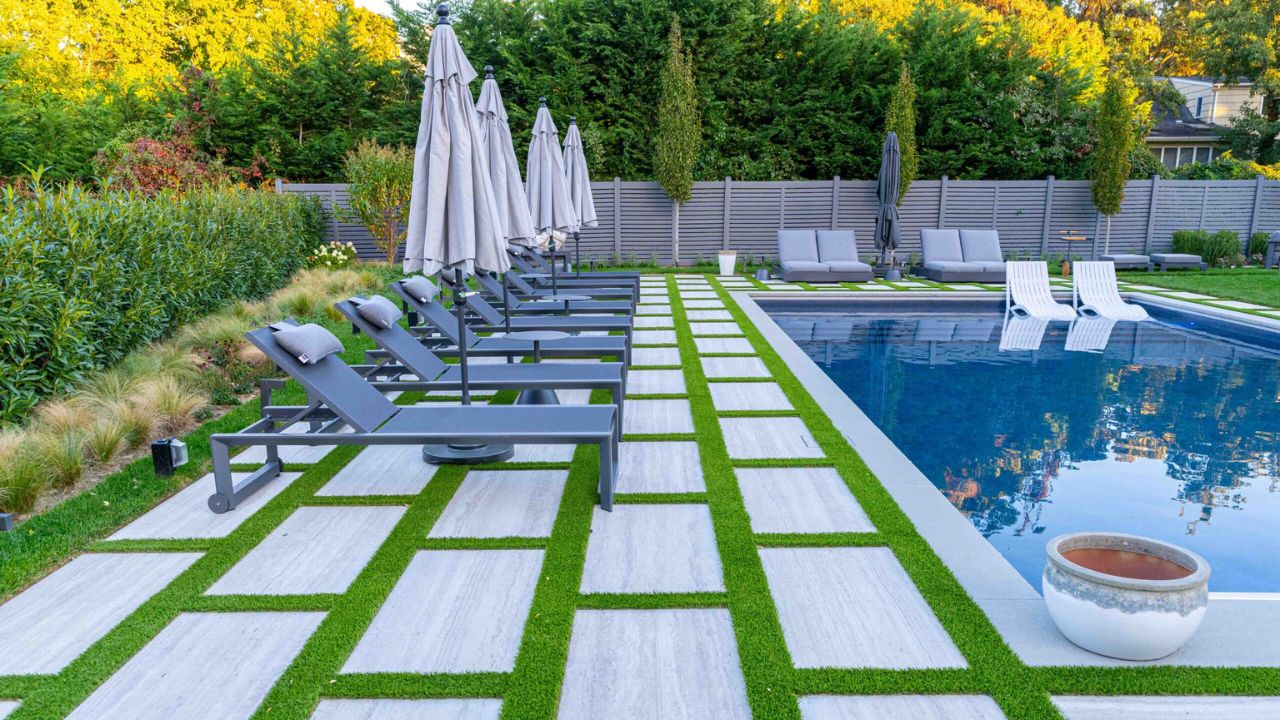
Large-format pavers are the perfect choice to create modern designs. They reduce the joints and create a clean and unified look. Just make sure to keep the palette simple and let the material speak.
7. Ignoring Heat Retention
Heat retention is a serious concern in outdoor design mistakes. Because comfort for outdoors is as important as durability. However, when choosing dark materials, they absorb more light, and constant exposure will make the pavers an unwalkable surface during daylight. The surface can easily get warm due to its dark color, and even at night, the warmth will still be there.
Best Pavers For Heat Retention
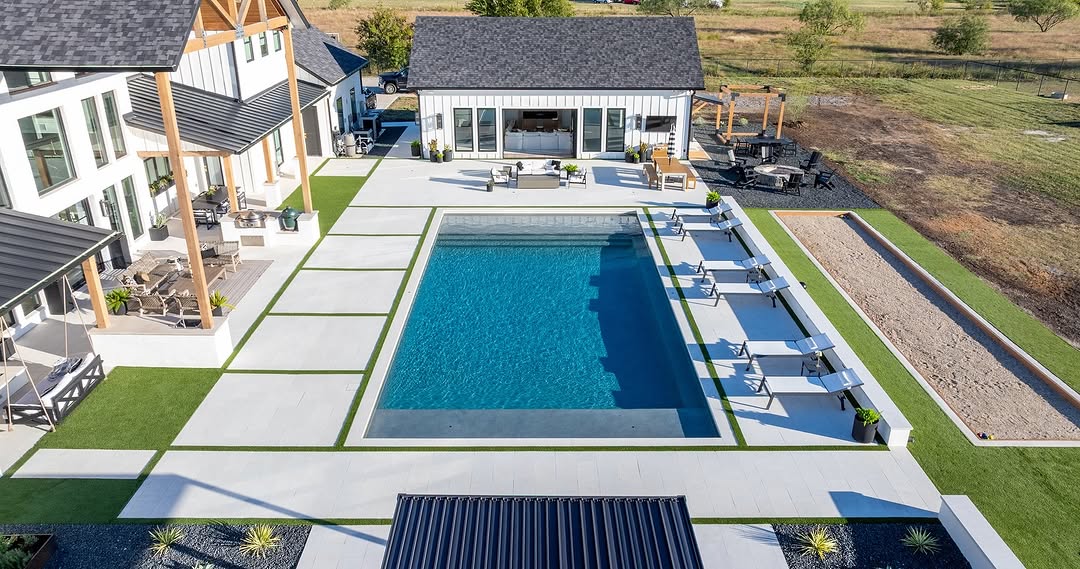
Limestone pavers or travertine pavers are the best choice for outdoor designs in warm climates. These materials reflect heat and stay cooler underfoot. Some light colored porcelain can also perform well, but concrete is not a good choice.
8. Skipping Sealing for Porous Materials
Most natural stone pavers, including travertine, marble, and even granite, have a porous surface. And one of the most common outdoor design mistakes is caused by neglecting to seal the natural stone. The surface absorbs water and stains, which causes mold and staining over time.
How To Fix Porous Material
Sealed natural stone pavers, such as sandstone or travertine, are the best solution. Sealing natural stone can block most porous areas to prevent stains, which adds longevity to the material. Make sure to protect the design. Protection is part of the design, not an afterthought.
9. Poor Space Planning
Designing the outdoor space without a clear layout is another common outdoor design mistake. This usually happens when designing gardens, choosing planting size, and not caring about pruning the foliage or shrubs. The resulting space seems unintentional and awkward. Also, most surfaces seem unused most of the time.
The paver that fixes it:
Modular paver systems are helpful in fixing the issue. They help define areas for outdoors, from dining, seating, to pathways. They improve flow. Your goal should be focusing on how you live, not just how it looks.

10. Using the Wrong Jointing Material
You use basic sand between pavers while installing. This is a serious paver installation mistake without use proper paver base, as the regular sand is soft and tends to settle over time. This causes weeds to grow and pavers to shift under heavy use.
The paver solution:
Polymeric sand with compatible pavers can fix the issue perfectly. It gets hard when water contacts it, which helps lock the pavers in place and prevents weed growth. This may seem like a small detail, but it has a long-term performance effect.
Outdoor Design Mistakes FAQs
Let’s answer your questions about the mistakes and how to avoid.
What are the most common outdoor design mistakes homeowners make?
Ignoring drainage, weak base prep, and wrong material selection. Most homeowners focus on looks instead of performance, which results in early damage.
Which pavers last the longest outdoors?
Porcelain pavers and granite pavers are the most long-lasting outdoor pavers. They are moisture, wear, weather, and drought-tolerant, lasting for 50 years.
Are permeable pavers worth it?
Yes. Permeable pavers offer improved drainage and reduce water waste by sending water back to the ground effectively.
What is the best paver for hot climates?
Travertine and limestone are the best choices for hot climates. They reflect heat and stay cooler under the direct exposure of sunlight.
Do all pavers need sealing?
No. Porcelain doesn’t require sealing. All natural stone and concrete pavers often require sealing to prevent stains and moisture damage.
How to prevent weeds between pavers?
Use polymeric sand to prevent weed growth between pavers and keep them stable.
Bottom Line
Outdoor designs are not just about installing random pavers, walkways, or patios for some leisure days. They require thoughtful planning and intentional design for not only aesthetics but performance as well. These common outdoor design mistakes are mostly preventable if you focus more on the functionality of the space and not just trends.
At NT Pavers, Select pavers according to the climate, consider slip resistance, and don’t skip the sealing after completing the installation. This will result in a surface that not only looks beautiful but also stays functional for years to come.