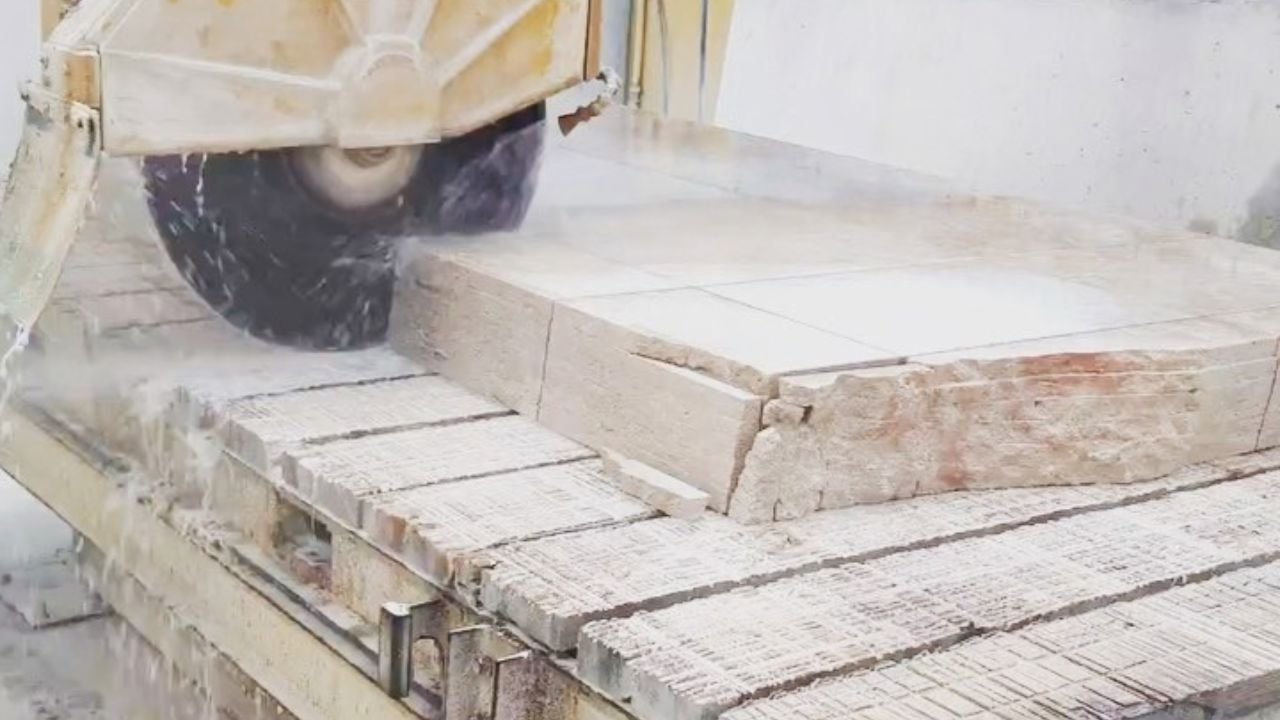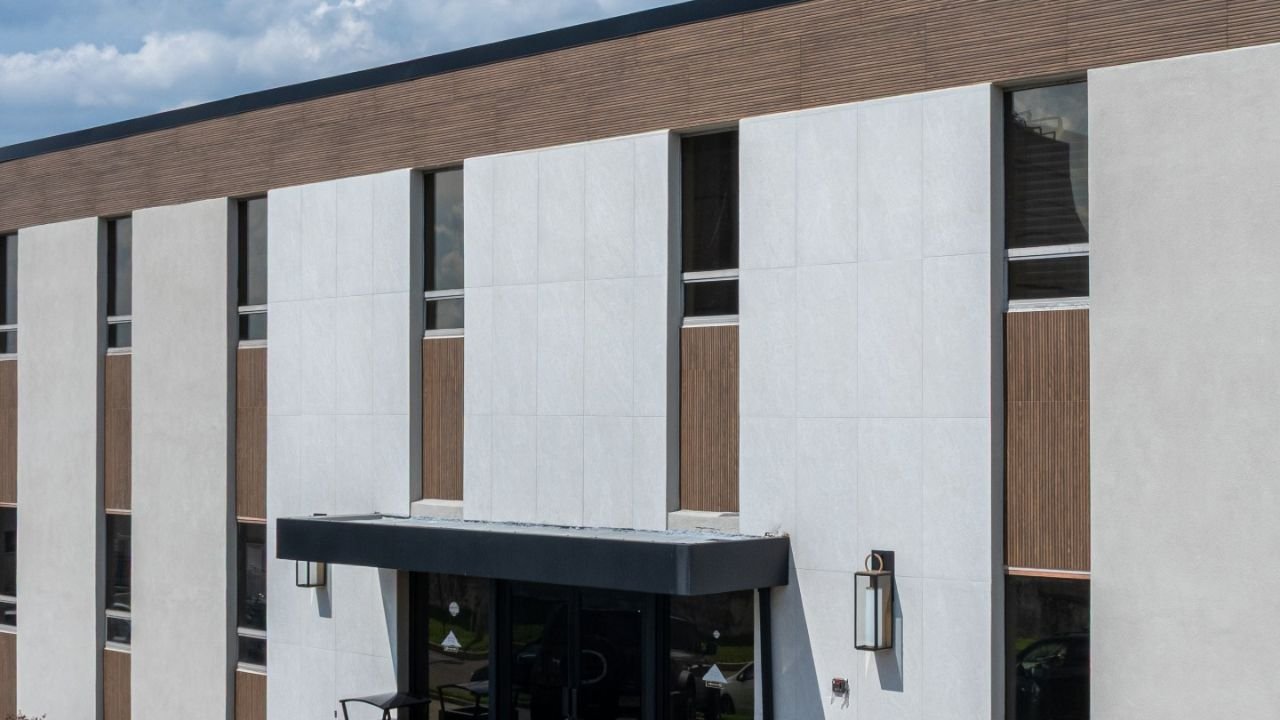


Heat retention in outdoor pavers is a major problem for homeowners in summer. Outdoor pavers are consistently exposed to strong sun, and in areas like Arizona or Florida, the surface absorbs heat during the day and releases heat long after sunset. This results in an uncomfortable surface for most homeowners on pool decks, walkways, and patios. Instead of focusing solely on appearance, homeowners should invest in heat performance for everyday use.
While summer will always be hotter in many regions, learning about heat retention prevention using the right outdoor pavers material can help you a lot. Check the surface behavior and landscape design for effective results.
Cool Outdoor Pavers for Hot Climates
Choosing the right material is the key to reducing heat retention in outdoor areas. For outdoors during high temperatures, durability is not the only factor; surface temperature control under direct sun matters here. Here is the list of the best paving options used in modern outdoor design.
Porcelain Pavers
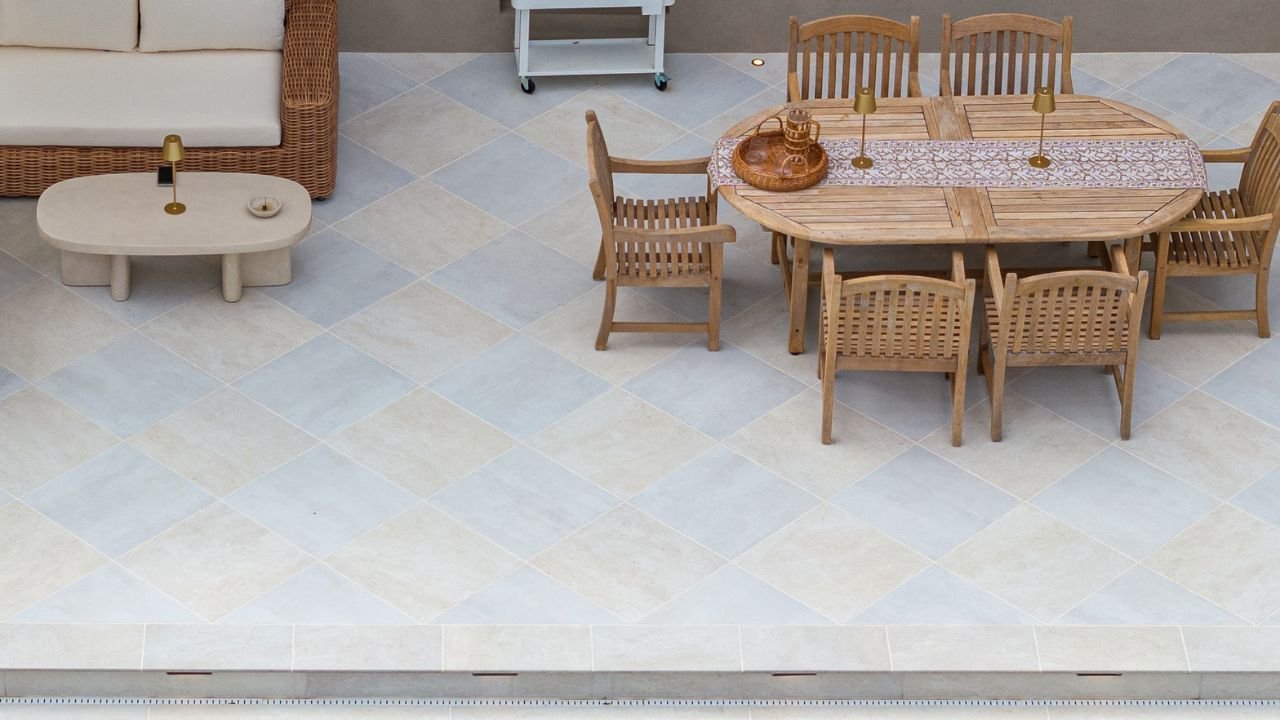
Porcelain pavers are well-suited to hot climates because of their density and non-porous structure. The surface can withstand water absorption or heat, so the temperature usually stays on the surface. It releases heat faster after sunset. Opting for a matte finish will give you a sunlight reflective surface, which reduces heat buildup. They stay stable under long sun exposure, making them ideal for rooftops, pool decks, and open terraces.
Travertine Pavers
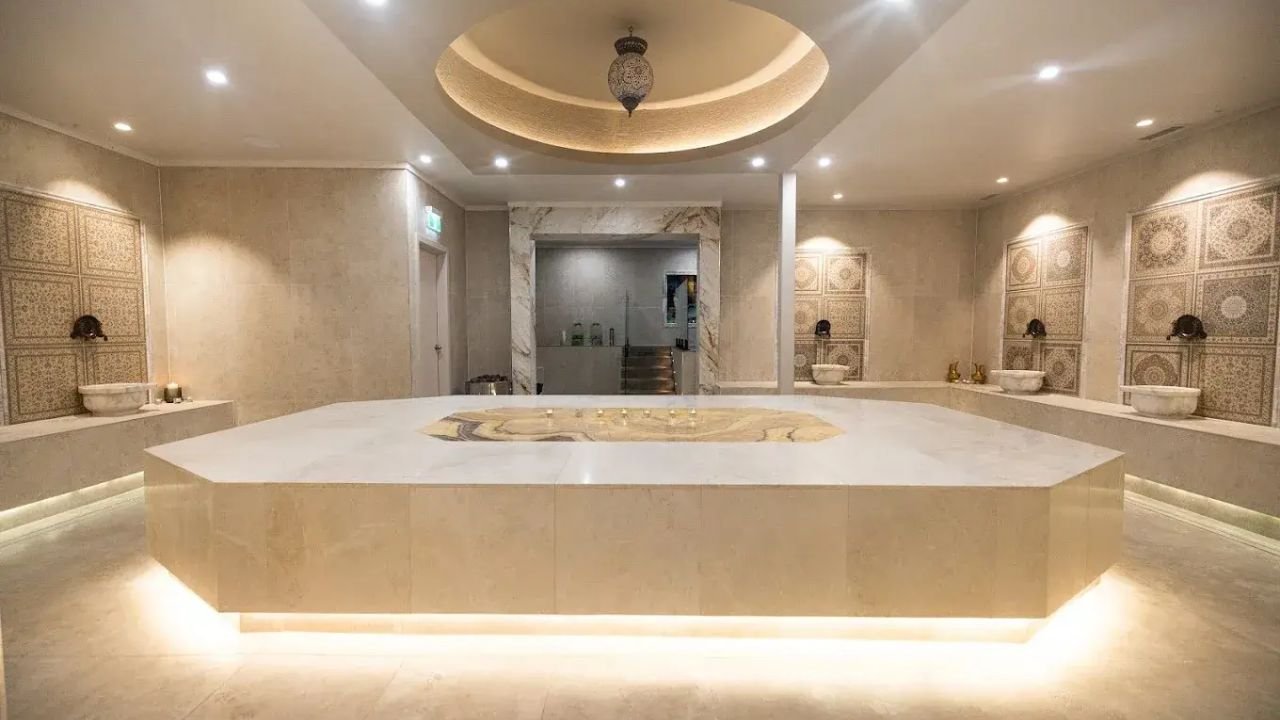
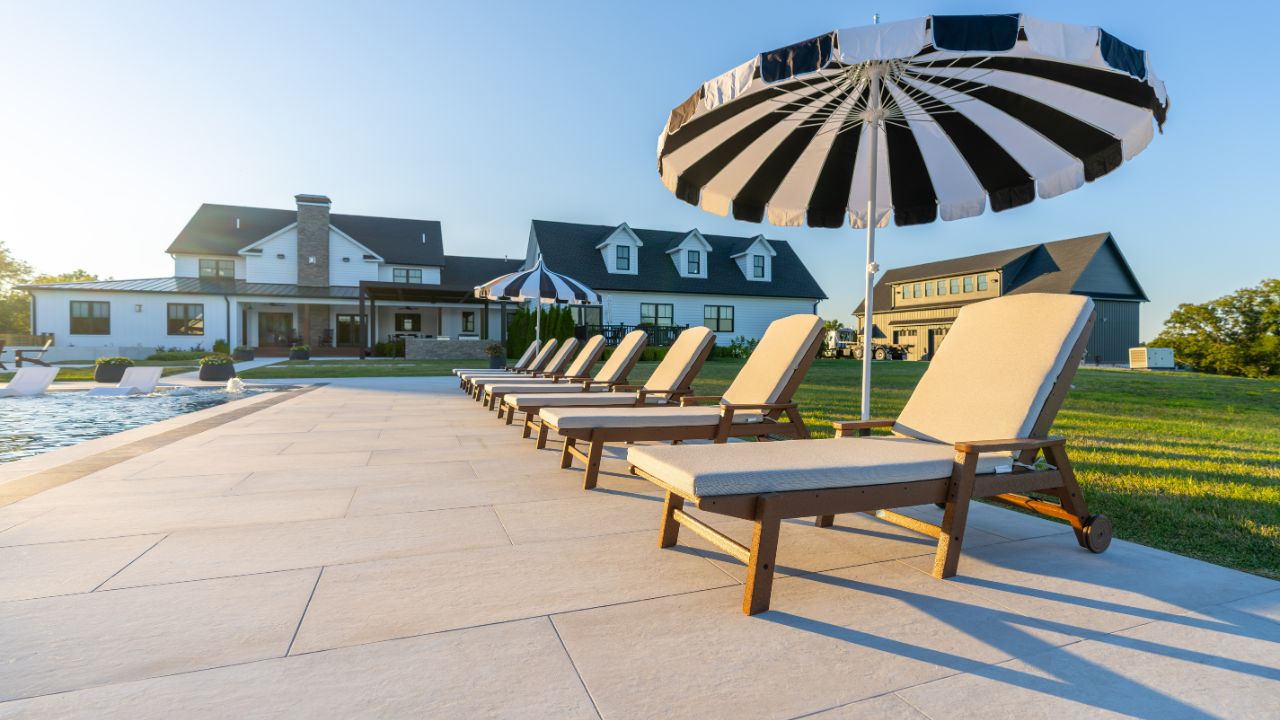
Outdoor Travertine pavers performs great in hot climates because of its porous structure. This helps in limiting airflow and decreasing heat retention. The surface gets heated slowly compared to dense stones such as granite and feels cooler underfoot. Light beige or ivory tones reflect sunlight and help in evaporative cooling. This makes travertine well suited for patios, garden paths, and poolside areas where comfort matters.
Light-Colored Marble
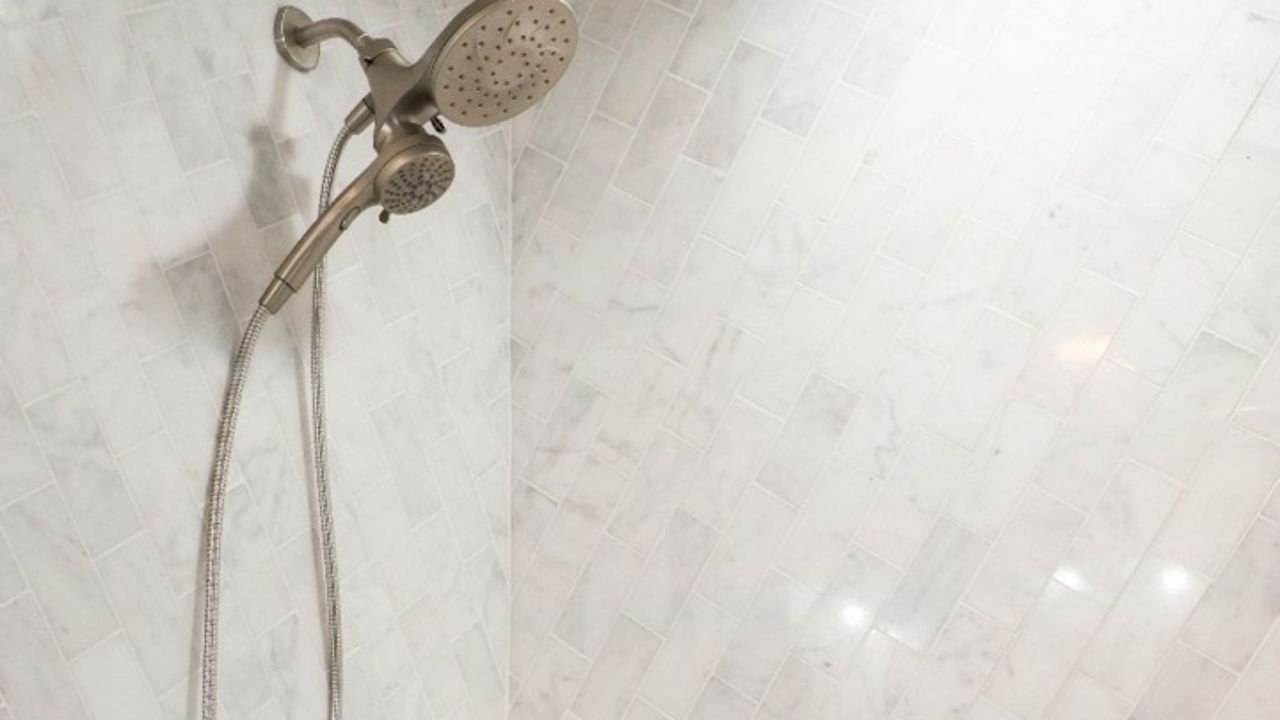
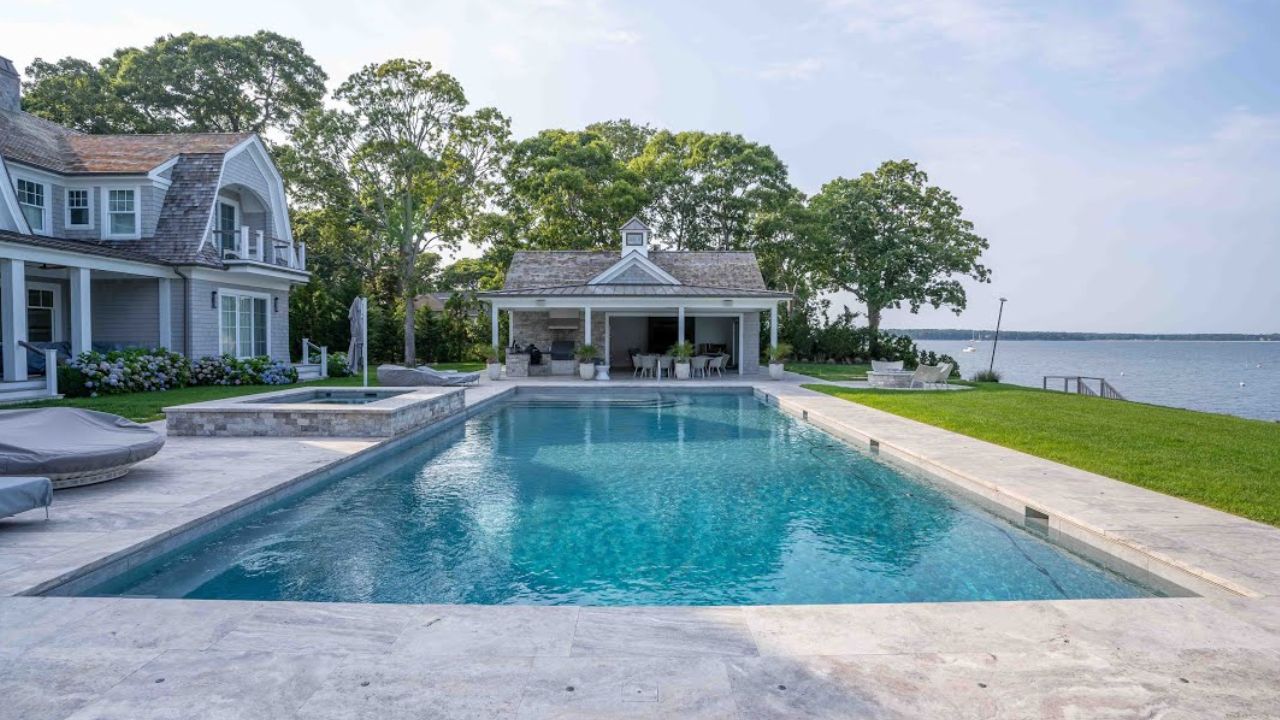
Light-colored marble decreases the heat gain through its reflective surface, especially in cream, white, or beige tones. The best finishes are honed or matte rather than polished ones in direct sun. While marble retains moderate heat because of its density, lighter shades help control surface temperature. Marble pavers are the perfect choice for shaded courtyards and decorative outdoor zones with partial sun exposure.
Light-Colored Concrete Pavers
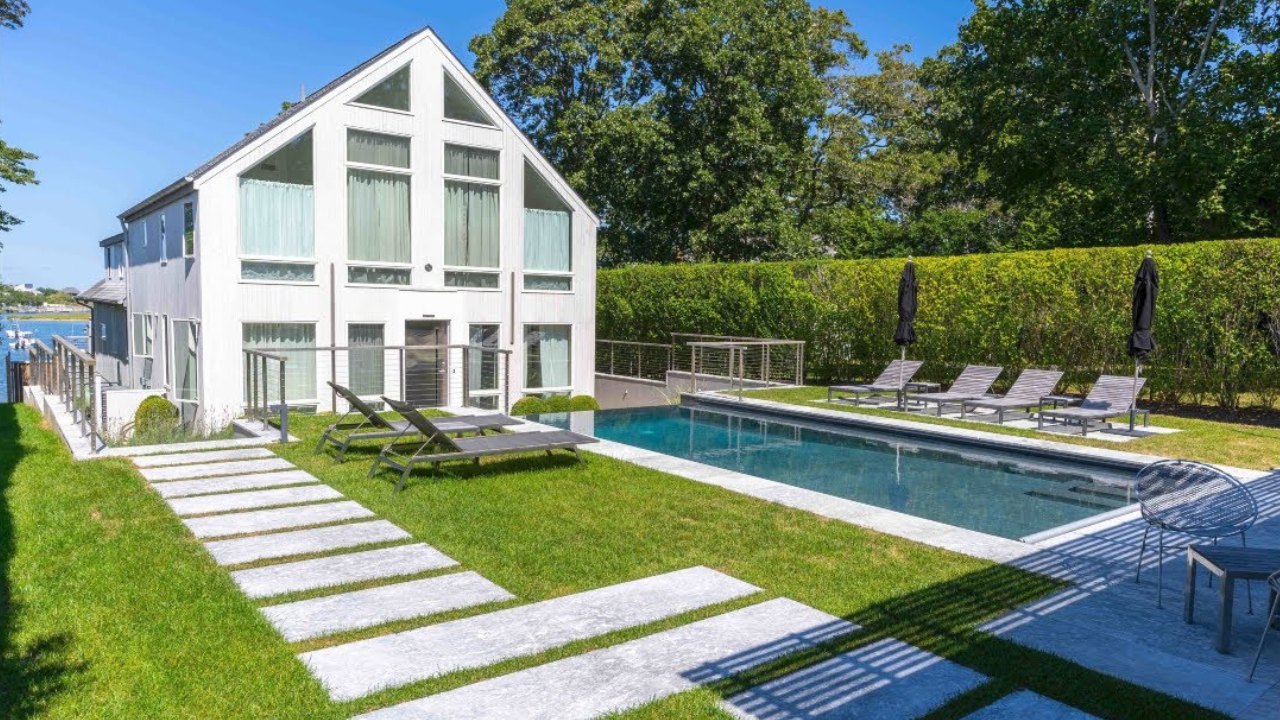
Light colored concrete pavers perform better in hot climates when made with reflective aggregates and pale cement mixes. They reduce heat absorption compared to dark concrete. Concrete paving with a textured surface reduce the surface heating. Though they still retain some level of thermal mass, they offer a balanced option for courtyards, driveways, and high-traffic outdoors.
Light-Colored Pavers For Hot Climate
Paver color controls the reflectance, and reflectance determines what the heat load would be. Outdoor Pavers with lighter tones reflect more sunlight and dark tones absorb it. This difference directly affects surface temperature. The most suitable color tones for pavers are:
- Ivory limestone shades
- Soft beige sand tones
- Light grey natural stone
- Cream porcelain finishes
Light colors reduce the heat absorption during peak summer and get cooler faster at night. Material examples are limestone pavers, light porcelain pavers, sandstone in pale grades, and concrete pavers with reflective aggregates. In practical terms, lighter surfaces reduce heat stress in sourtyards and terraces without changing structure.
Porcelain Pavers For Controlled Heat Behavior
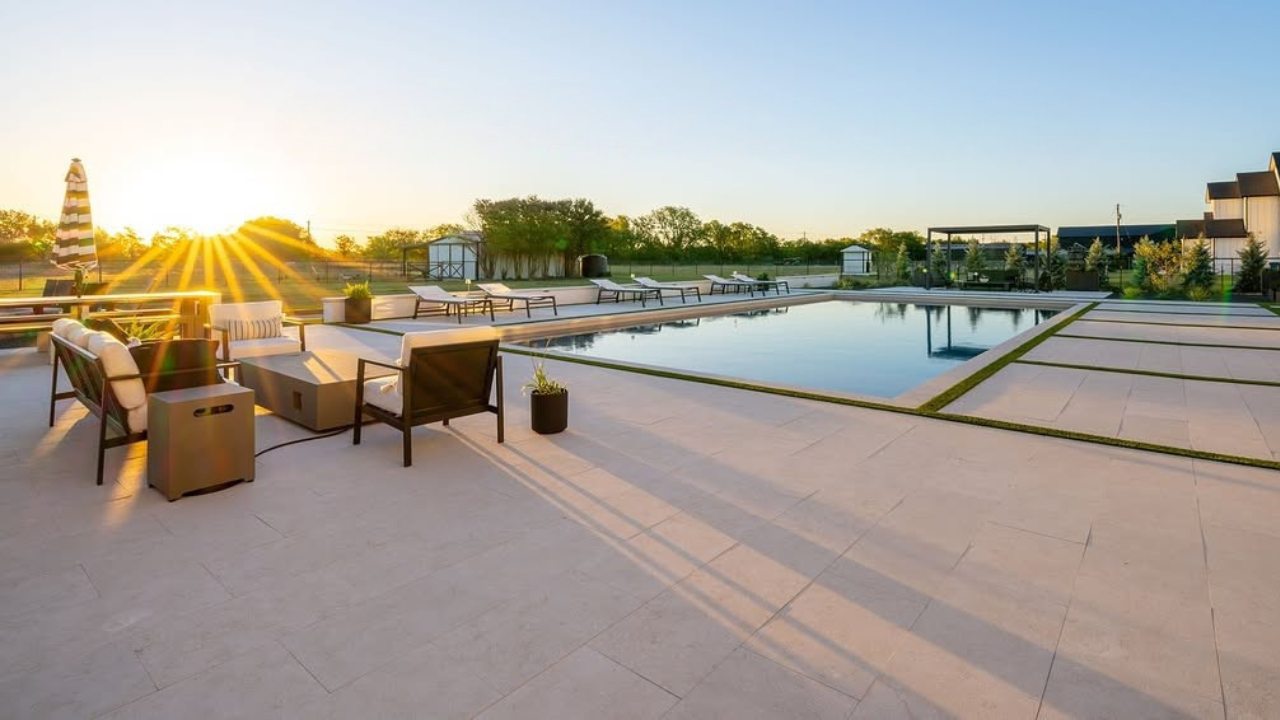
Porcelain acts differently from natural stone and concrete. Its structure limits the water absorption and reduces the internal heat storage. Key thermal advantages start with the low porosity that reduces heat penetration. The density is stable, which prevents deep heat retention in outdoor pavers. Matte porcelain reflects more sunlight, and the engineered surface keeps the temperature stable. Porcelain works well for:
- Rooftop terraces
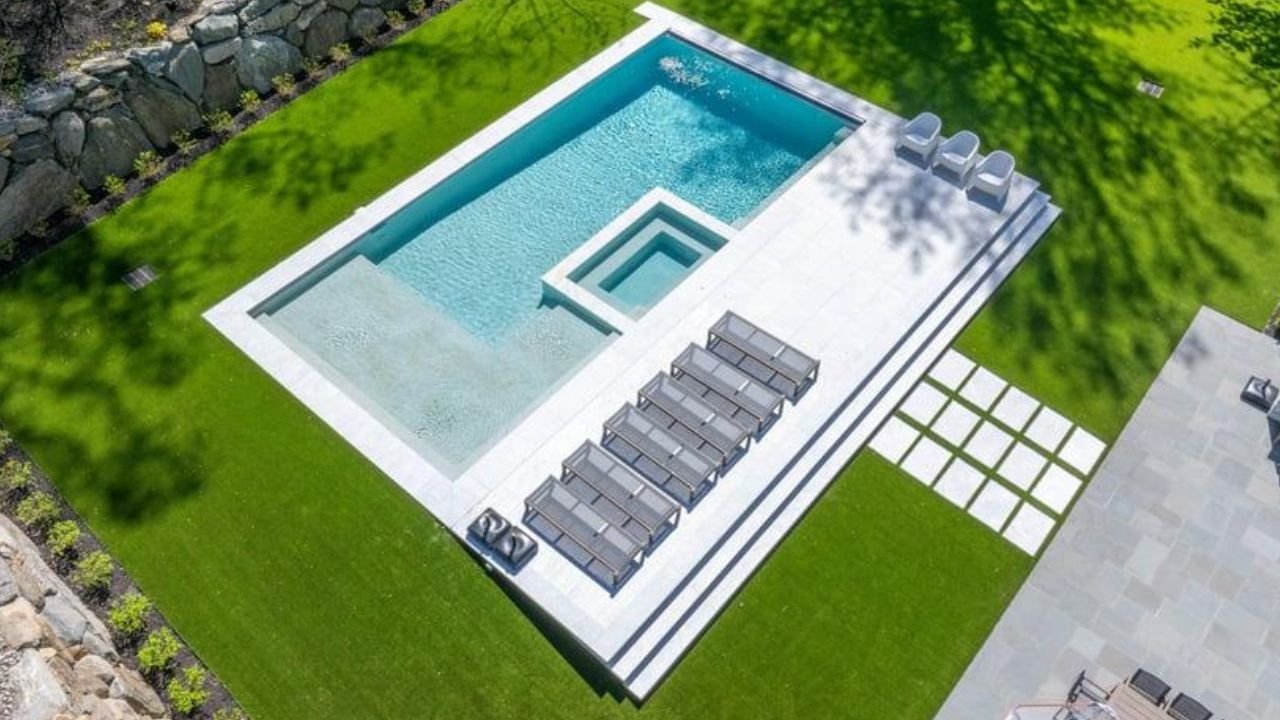
- Pool decks
- Courtyard walkways
- Modern patios
Porcelain often shows lower surface temperature variation compared to dense granite or dark concrete during peak sun hours. This makes porcelain a strong choice for high-exposure zones.
Natural Stone That Works in Heat
While natural stones for outdoors are generally a good choice, not every stone works great under sun exposure. Due to the mineral composition and density, the performance is changed significantly. The best choices include limestone for moderate density and stable heat response. Travertine is another good option with a naturally porous structure and the best thermal properties—light sandstone for balanced thermal behavior.
What Natural Stone Are Poor Choices in Extreme Heat?
Some natural stones are straightforwardly bad for extreme heat climates, such as:
- Black granite retains high heat and gets extremely hot.
- Basalt is dense, which is why it cools down slowly.
- Dark marble absorbs a high level of heat.
Limestone is a balanced choice in natural stone for hot climates. It combines durability with a manageable surface temperature. That is why many outdoor systems from NT Pavers include limestone-based solutions for residential projects.
What Surface Finish Control Heats the Best?
Finish determines how light will interact with the surface. Smooth, glossy finishes reflect heat downward and trap it on the surface layer. Rough or matte finishes spread the light, which reduces the direct heat concentration. Best finishes include honed marble , sandblasted texture, matte porcelain, and lightly tumbled surfaces.
Finishes To Avoid In Hot Climate
Just like the finishes that reflect light, some types of surface finishes are not a good choice. For example, polished marble or granite, high-gloss sealed concrete, and resin-heavy coatings. Just keep in mind a simple rule that the less mirror effect a surface has, the cooler it remains under direct sun.
Shade Design For Effective Temperature Control
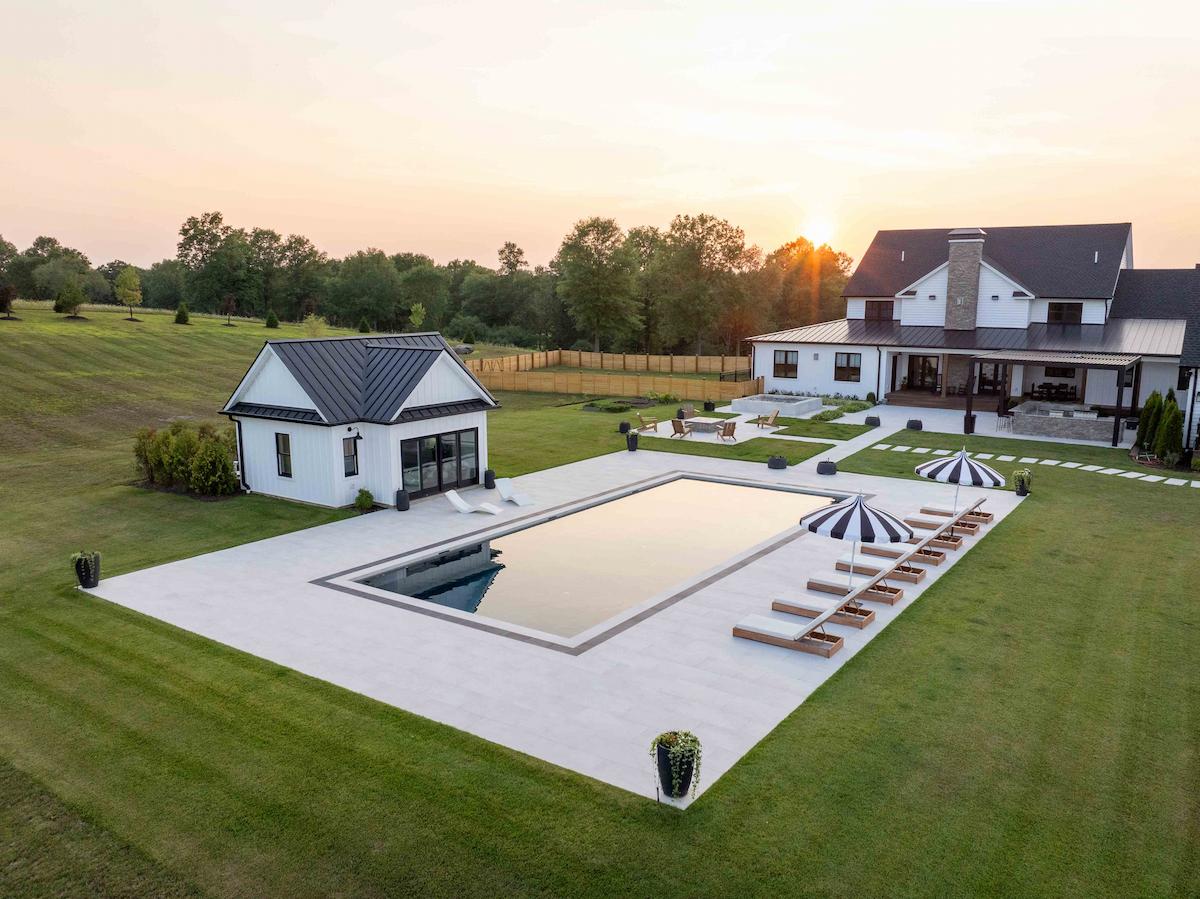
Your outdoor space design matters a lot when it comes to reducing heat retention. Shades naturally offer security against direct heat exposure. A shaded patio, walkway, or backyard does not receive full solar radiation. This directly reduces the surface temperature.
Effective Shading Methods for Temperature Control:
- Pergolas with slatted tops
- Shade sails over patios
- Mature trees with a wide canopy
- Courtyard arcades
A shade involving heavy trees performs exceptionally well because it also cools down the surrounding air through evapotranspiration. In our daily life, shaded pavers will remain 10–20°C cooler than fully exposed ones during hot summer afternoons.
Joint Design and Airflow Cooling
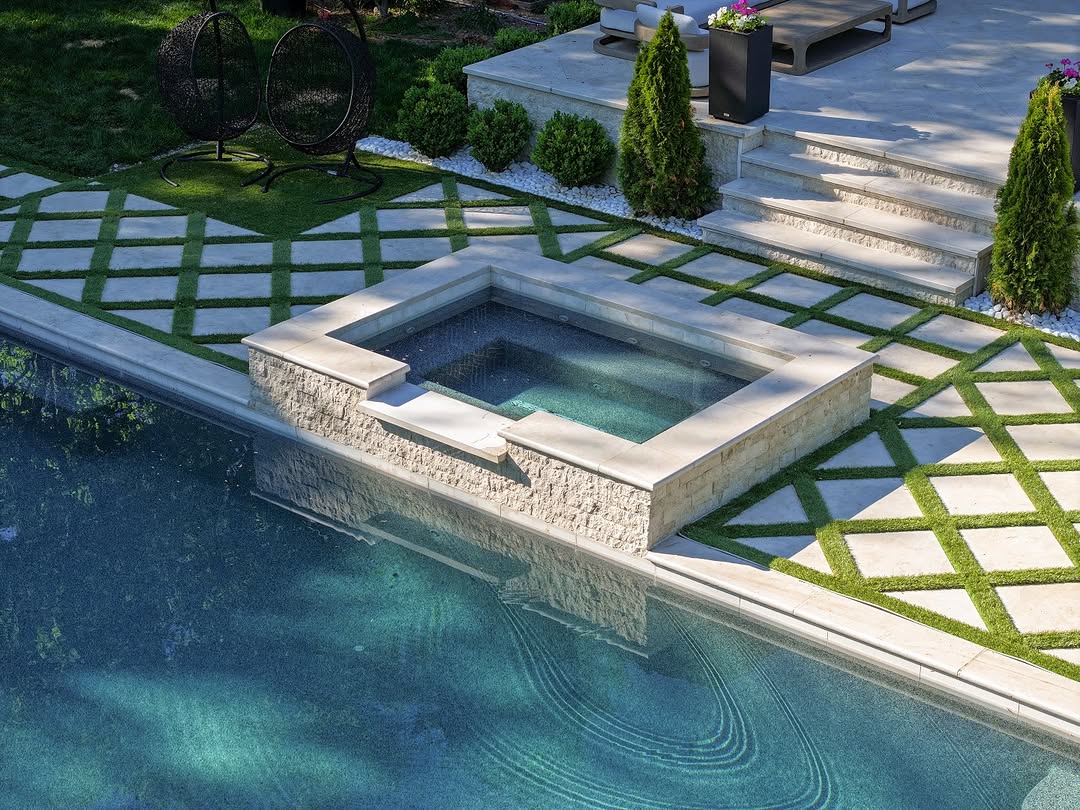
Most homeowners overlook the joint spacing. It is a crucial part of preventing heat retention. Tight joints create a continuous heat surface, while the wider joints break the continuity and offer better movement for air. Cooling-friendly options include a wider joint spacing in stone paving, gravel, or sand-filled joints, and grass-joint permeable paving. Drainage-based layouts also perform well here.
Airflow between joints reduces heat accumulation at the surface level. It doesn’t trap moisture, which further lowers heat retention.
Best Sealers and Coatings To Prevent Heat Retention
Sealants secure pavers, but some increase heat retention. Dark sealers and glossy coatings trap heat energy. They also reduce the reflectivity of the surface, which increases surface temperature. Best sealers include UV-stable breathable sealers, matte finish protective coatings, and light-reflective sealers for stone.
Opting for the correct sealer will protect without affecting the thermal performance. This is especially important for high-exposure patio and pool decks.
Sub-Base Design and Thermal Stability
Heat retention is not limited to the outdoor pavers surface, but it moves into the base layers. A dense concrete base or paver base stores heat and slowly releases it back into the pavers. The best alternatives include:
- Gravel sub-bases for airflow
- Proper drainage layers
- Compacted but non-solid bedding systems
Keep in mind that a good sub-base design will reduce long-term heat buildup. It also improves cooling speed after sunset.
Integrated Cooling Design Strategy (What Works Best)
Single solutions also help, but combined systems perform even better. A high-performance cool paving setup includes:
- Light limestone or porcelain pavers
- Matte surface finish
- Partial shade (pergola or trees)
- Wide joints or permeable layout
- Green borders for airflow cooling
- Breathable sealers
Each layer decreases heat in a small way. Combine them, and you will find how they change the behavior of the space under sun exposure.
Outdoor Pavers Heat Retention FAQs
Let’s answer your questions about how to prevent heat retention in outdoor pavers.
What type of pavers stay coolest in hot weather?
Light colored porcelain and limestone pavers perform well in hot weather. They remain cool when exposed to sunlight directly and don’t store heat.
Do dark pavers always make outdoor spaces hotter?
Yes. Dark pavers absorb more heat and retain it longer than light surfaces.
Is porcelain better than natural stone for heat reduction?
Yes. In most cases, porcelain absorbs less heat and cools faster than dense natural stone.
Does sealing pavers increase heat?
No. It mostly depends on the type of sealers used to seal pavers. A more glossy surface will absorb more light and heat. Matte, breathable sealers perform better.
How much does shade reduce paver temperature?
Shade can reduce surface temperature significantly, which is around 10–20°C during peak sun exposure.
Bottom Line
Paver colors, density, finish, exposure, and base design cause heat retention in outdoor pavers. Focusing on these factors together, surface temperature drops measurably. Using light materials is the most consistent approach to reducing heat in pavers. Use light materials, prefer porous or engineered surfaces like porcelain or limestone, shade design, and allow airflow through joints and landscaping. The goal is simple: create outdoor spaces that stay usable during peak heat and not only during mild seasons.