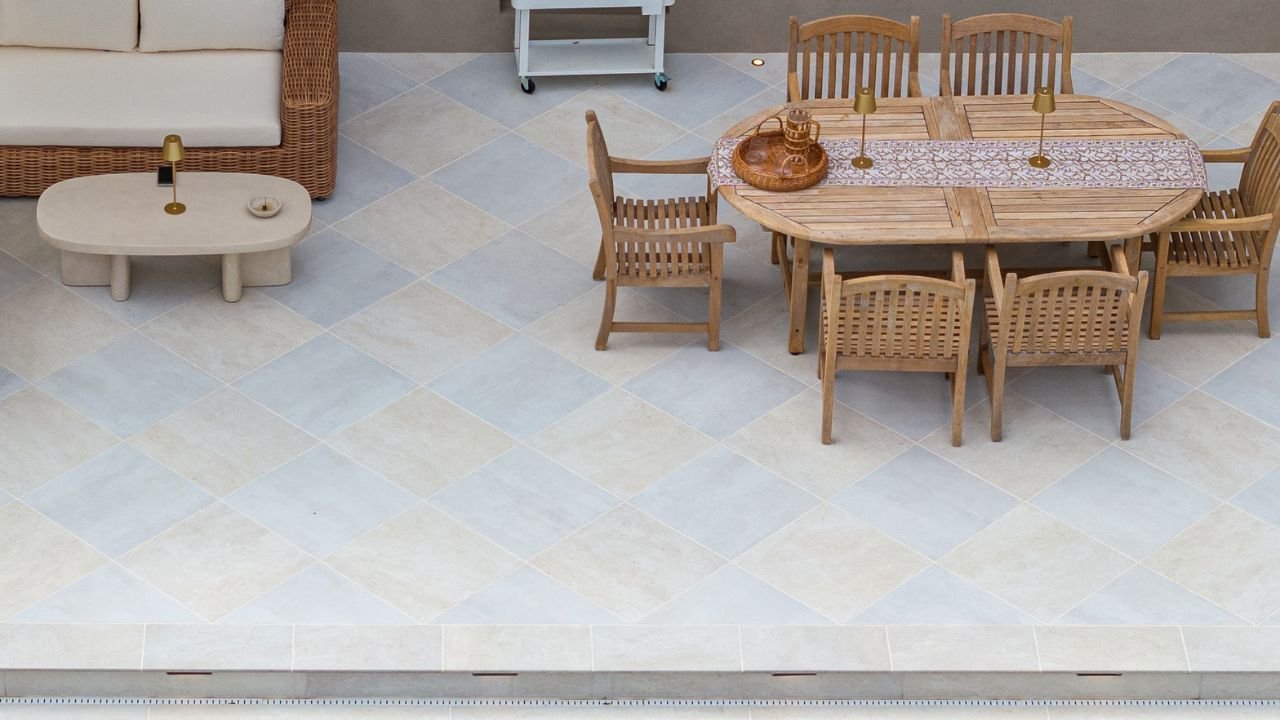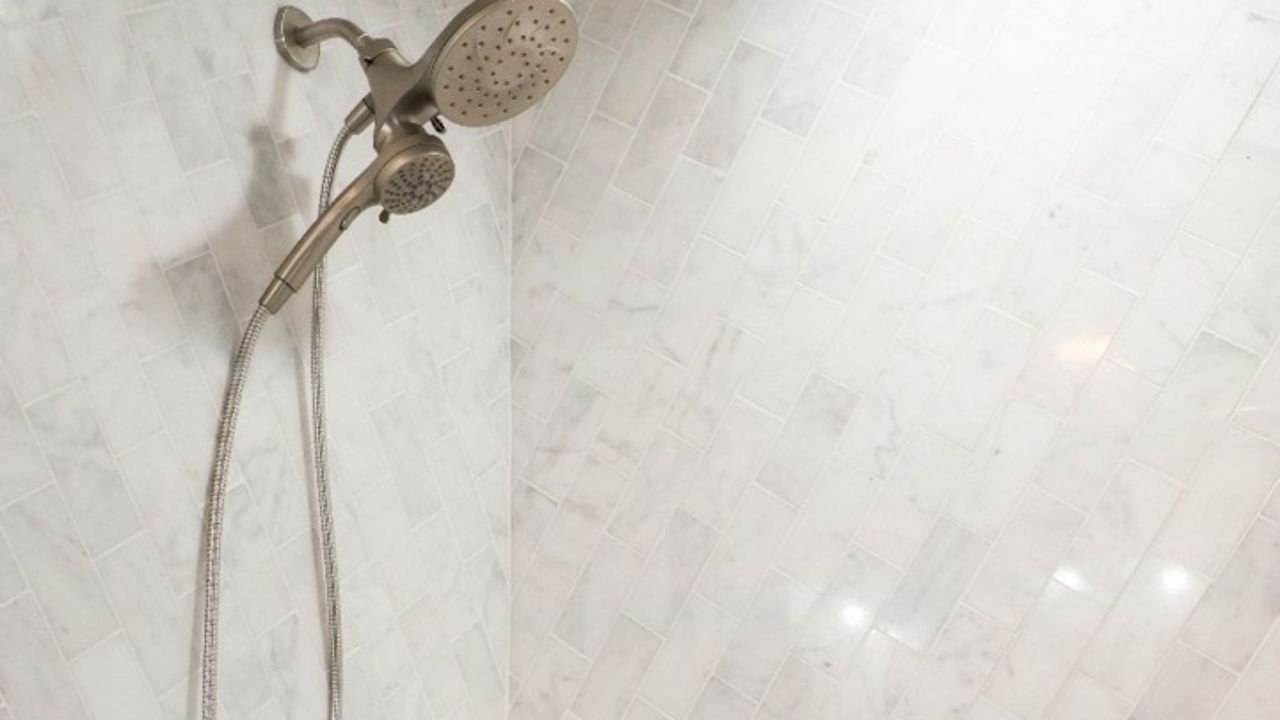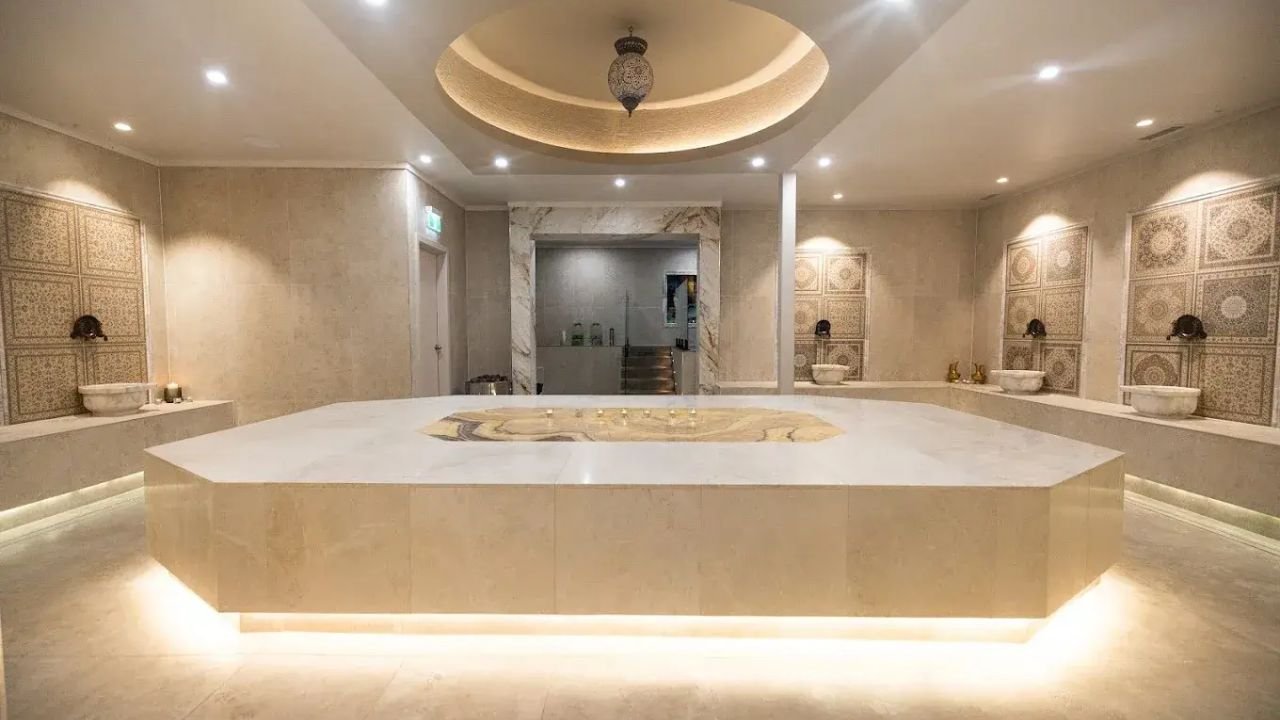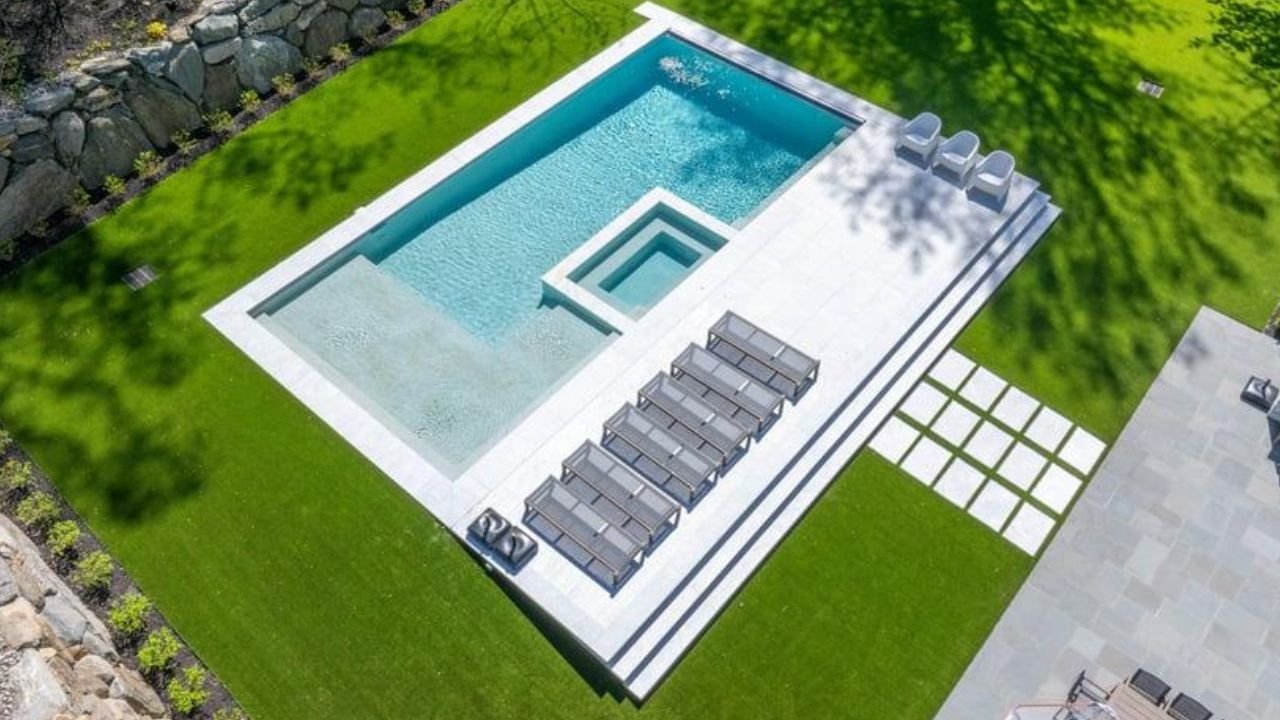

Marble paver installation mistakes can make the paver installation go in the wrong direction. What many homeowners don’t understand is that it is the paver installation mistakes that often result in damaged outdoors. It is not the material but the installation that matters a lot in material longevity. Wrong paver installation methods or mistakes while installing marble pavers will reduce the paver life. Marble behaves differently from concrete or porcelain, and small installation mistakes can lead to staining, shifting, cracking, or drainage problems. Continue reading the following to learn about the common marble paver installation mistake that should be avoided.
Most Common Marble Paver Installation Mistakes to Avoid
Before discussing each issue, here is a clear list of the mistakes contractors and homeowners commonly encounter during marble paver installation:
- Poor base preparation
- Incorrect drainage planning
- Installing pavers without proper joint spacing
- Using the wrong mortar or adhesive
- Skipping stone sealing before installation
- Uneven leveling during marble paver installation
- Ignoring expansion and movement joints
- Choosing the wrong surface finish for outdoor use
- Improper cutting and edge handling
- Poor maintenance planning after installation
Every mistake mentioned can reduce the lifespan and performance of a marble paver patio.
1. Poor Base Preparation
One of the most common mistakes in marble paver installation is poor base prep. The base layer determines how stable the marble pavers will remain over time. Many installation failures start with an unstable foundation. When installers place marble directly on poorly compacted soil, the ground shifts, which is why compaction is crucial. The movement causes pavers to settle unevenly or may crack under regular use over time.
Professional marble paver installations typically include excavation of the patio area. Then compacting the crushed stone base and adding a bedding layer such as sand or mortar
Benefits of a Stable Paver Base
This structure distributes weight and prevents movement. Outdoor marble patios often use a compacted gravel base with a thickness between 4 and 6 inches. In colder regions with freeze–thaw cycles, installers may increase base depth to prevent heaving. Also, the paver shifting can be prevented with edge restraints around the paver’s base.
Without a paver base, even strong marble varieties like Afyon ice, rain cloud, and pietra grey cannot maintain alignment.
2. Incorrect Drainage Planning
Another common marble pavement installation mistake is the incorrect drainage planning. Water causes the most problems in the stone patios. When installers fail to plan proper drainage, rainwater will accumulate under or between the pavers. This trapped moisture may result in efflorescence, staining, freeze damage, and structural movement.
A well-built patio always contains a drainage slope away from buildings. Most contractors follow a minimum slope of about 1/8 to 1/4 inch per foot. Drainage systems may also include:
- Permeable base layers
- Edge drains
- Proper grading of the surrounding soil
Marble stone has a porous surface naturally and absorbs a small amount of water. This is why proper drainage protects the stone and base system.

3. Installing Marble Without Proper Joint Spacing
Some installers don’t consider placing marble pavers tightly together to create a unified appearance. However, this approach usually results in long-term problems. Stone expands and contracts due to temperature variations. When there aren’t any small joints between pavers, the stone pushes against neighbouring pieces. Over time, this pressure may cause cracking or lifting.
Most outdoor marble patios require joint spacing between 3 mm and 6 mm, depending on the marble paver installation method. These joints offer better movement, drainage, and proper joint filling. They also help maintain alignment across large patio surfaces.
4. Using the Wrong Mortar or Adhesive
Not all installation materials perform equally with natural stone. Standard tile adhesives may fail in outdoor projects. Standard tile adhesives may fail outdoors because they cannot withstand changes in temperature or moisture exposure. Contractors usually choose polymer-modified thin-set mortar or Type S mortar depending on the installation method. For dry-laid systems, the exterior-grade stone adhesives and sand-set installations are picked.
These materials create strong bonds while helping to limit movement. Using the wrong mortar often results in loose pavers or adhesive breakdown after several seasons.
5. Skipping Stone Sealing Before Installation
Marble remains a porous natural stone pavers. Unlike manufactured surfaces like porcelain, marble is a naturally porous surface. It will absorb moisture, dirt, and organic stains. Patio environments increase the risk because leaves, soil, and rainwater stay in contact with the stone.
Many professionals apply a penetrating sealer before marble paver installation. This treatment helps reduce the water absorption, staining, and efflorescence buildup. Contractors apply another protective coat to seal the joint and exposed surfaces, and this is especially beneficial for high-traffic patios.
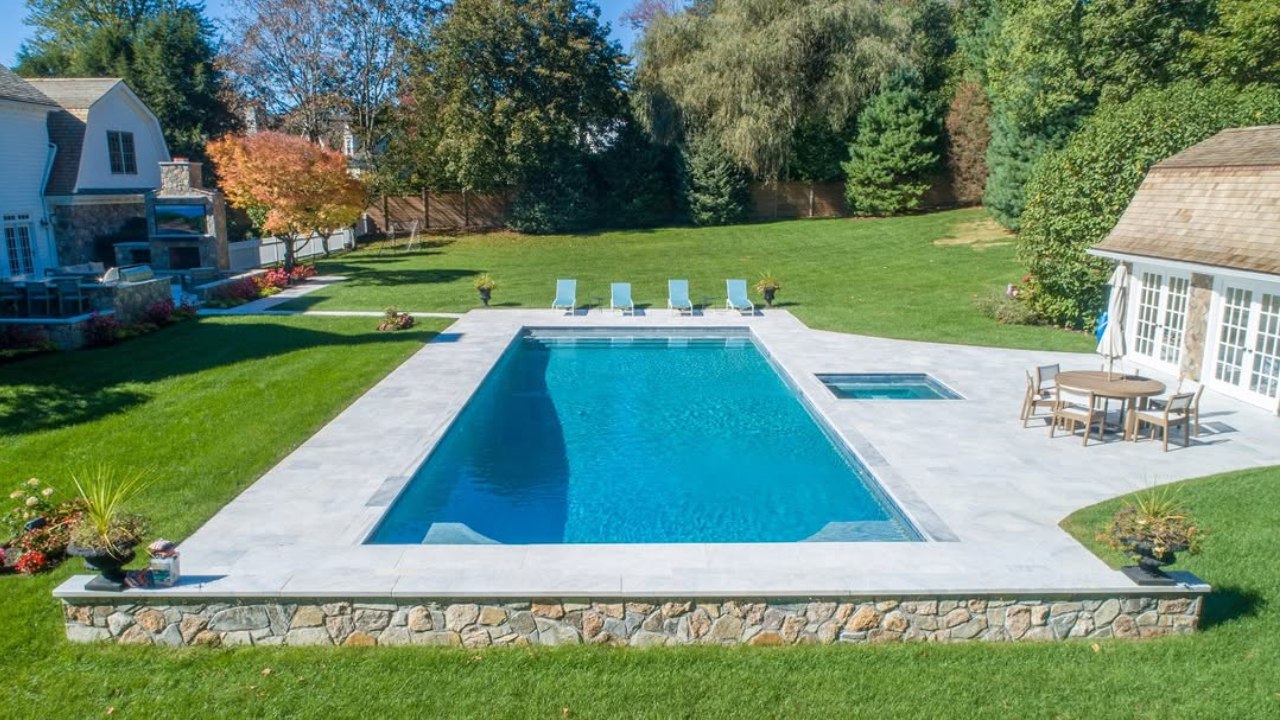
6. Uneven Leveling Creates Trip Hazards
A leveled surface is critical to create a secure area. Uneven leveling is a common marble paver installation mistake that starts during pavement. If installers fail to check height alignment while placing each paver, small height differences accumulate throughout the patio design. This problem results in:
- Uneven walking surfaces
- Pooling water
- Safety hazards
Professionals use leveling systems, string lines, and long straightedges to maintain consistent height across the patio. Correct leveling also ensures that the drainage slope remains accurate.
7. Ignoring Expansion and Movement Joints
Outdoor marble paver installations often require joint expansion. Temperature changes can cause materials to expand and contract. Without movement joints, pressure builds across the patio surface. This pressure may result in cracking, buckling, and separation from adjacent structures.
Expansion joints typically appear along edges near walls or foundations. At intervals throughout the large patios and around structural elements. Flexible joint fillers absorb this movement and protect the stone installation.
8. Choosing the Wrong Surface Finish for Outdoor Patios
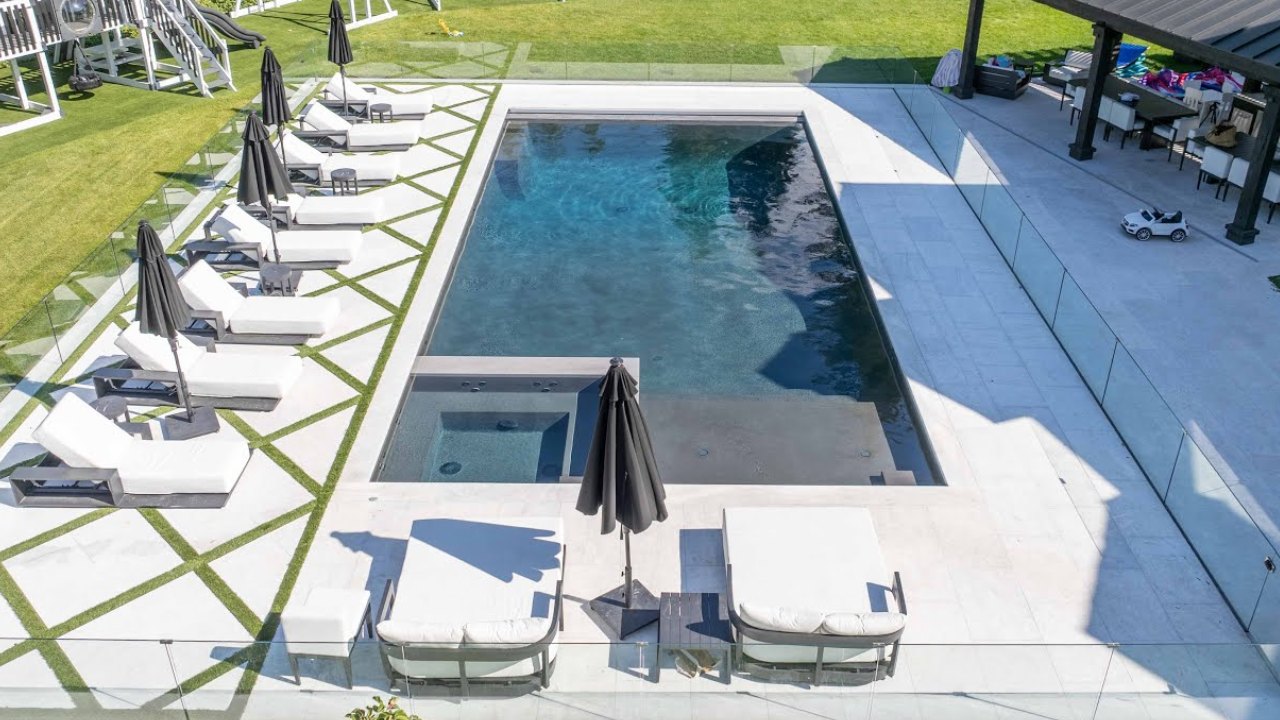
Outdoor surfaces need to be safe and durable. Often, the wrong finish causes serious problems in patio functionality. Polished marble may look beautiful indoors, but outdoors they create slippery surface when wet. This is why selecting the best marble for patio use is important. Durable options like textured or tumbled finishes are preferred for outdoor environments.
Common outdoor marble finishes for outdoor include, tumebeld, sandblasted marble, brushed marble, honed marble. These finishes offer better traction and improve safety around pools or patios. For example, many patio designs use textured versions of Crema Marfil Marble because the finish provides both elegance and slip resistance.

9. Improper Cutting and Edge Handling
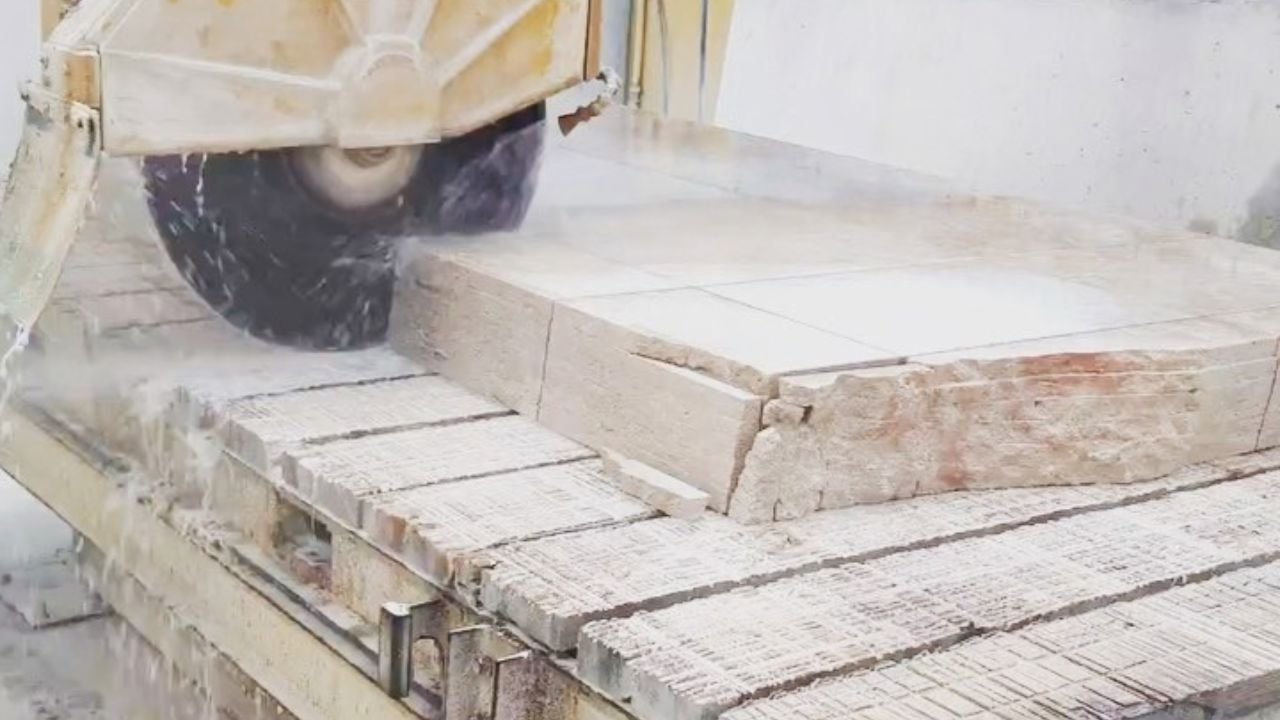
Marble remains strong, but it can chip if installers cut it incorrectly. Using low-quality cutting tools or applying excessive pressure often damages edges. This issue becomes visible after installation.
Professionals rely on
- Diamond blade wet saws
- Proper stone support during cutting
- Edge finishing techniques
These tools create clean cuts and maintain the natural beauty of the stone. Precise cutting also ensures consistent joint spacing and proper pattern alignment.
10. Poor Maintenance Planning After Installation
Maintenance is the key factor in the longevity of marble pavers. Not maintaining the paver after installation in the patio often results in damaged or cracked pavers. Many homeowners assume marble behaves like concrete or porcelain. In reality, natural stone benefits from periodic care.
Knowing how to clean marble surfaces properly is essential. Always use pH-neutral cleaners instead of acidic products, which can damage the stone surface.
Basic maintenance includes regular paver cleaning with pH-neutral cleaners, resealing every few years, and removing organic debris such as leaves. When installers also teach homeowners about these steps, marble patios remain attractive for decades.
Some manufacturers and suppliers, including NT Pavers, provide maintenance guidance with their stone products to help homeowners protect long-term performance.
Marble Paver Installation Mistakes Faqs
Let’s answer your questions about Marble Paver Installation Mistakes.
Do marble pavers need to be sealed?
Yes. Marble has a naturally porous surface, which is why sealing is crucial. It protects the stone from stains, water absorption, and weather exposure.
How thick should marble pavers be for patios?
Most outdoor marble pavers range from 1¼ to 2 inches thick, depending on the dry-laid or mortar-set.
Are marble pavers slippery when wet?
Yes. If used polished finished in an area like a patio where they will get wet, it will cause slipperiness. Tumbles or sandblasted finishes improve traction.
How long do marble patios last?
With proper installation and maintenance, marble paver patios can last 30 years or longer.
Can marble pavers crack outdoors?
Yes. Marble pavers may crack outdoors if installed over a weak base or without expansion joints. Proper installation can prevent most cracking issues.
Bottom Line
Marble patios offer the best combination of natural beauty with long-term durability, but installation quality determines their performance. Common marble paver installation mistakes like poor base preparation, drainage problems, incorrect joint spacing, improper adhesives, lack of sealing, and uneven leveling cause long-term damage. When installers follow proper practices while installing marble pavers in patios, they create a lasting surface.
For homeowners, understanding these mistakes helps guide better project planning and ensures that a marble patio remains strong, safe, and visually refined for decades.