
Pool coping is more than just a decorative border around the pool. From protecting the pool shell, managing water runoff, to creating a safe walking space, it offers multiple benefits for pool areas. However, many homeowners select the coping material based on appearance. This often results in cracked edges, slippery surfaces, heat discomfort, or early replacement. A well-chosen coping material supports both performance and design. It has to face constant moisture, temperature changes, and foot traffic while maintaining the pool visually to the surrounding hardscape. So, choosing the right materials matters a lot. Here are 7 expert tips to consider before selecting pool coping material and making an informed decision.
Tip 1: Prioritize Slip Resistance Above All Else
The first expert tip for selecting pool coping material is slip resistance. Pool edges stay wet, and smooth surfaces increase the slip and fall risk. This matters the most for families with elderly family members, kids, and pets. Slip resistance depends on the surface texture, not just material type. Polished marble stone and glossy tiles reduce traction. Textured finishes improve grip, and the best slip-resistant options include:
- Tumbled or honed natural stone
- Textured porcelain coping rated for outdoor pools
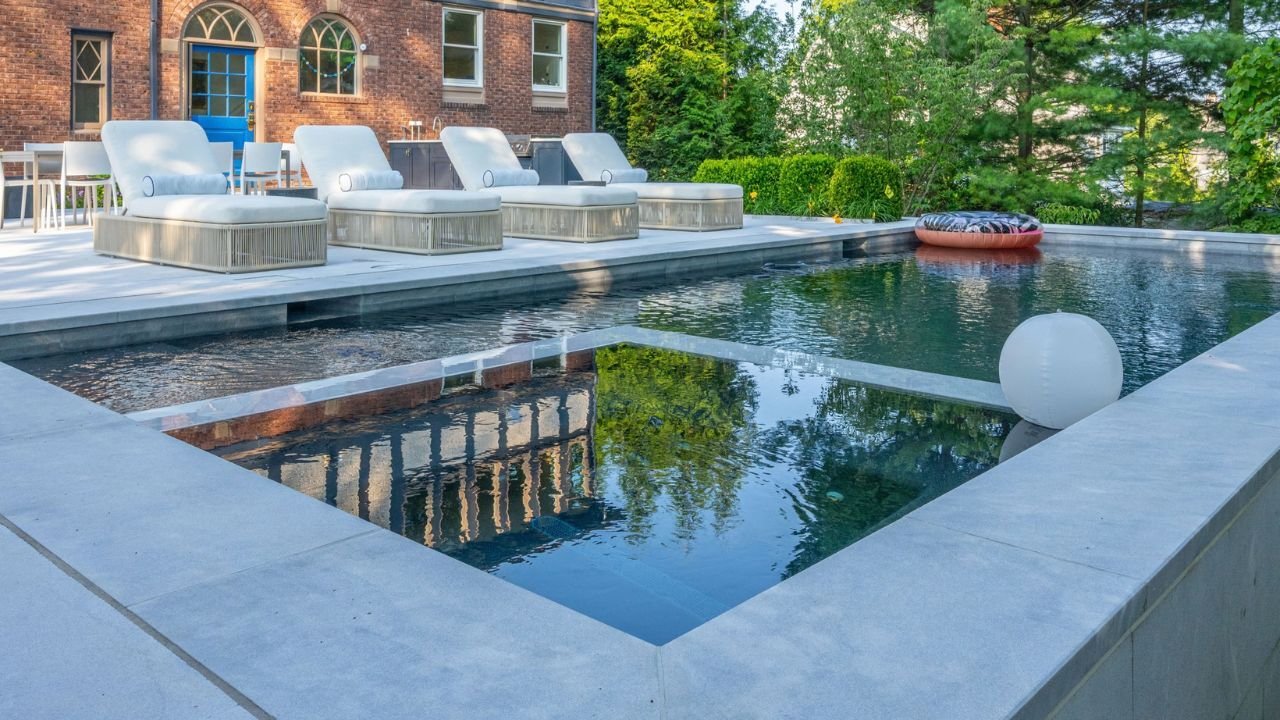
- Thermal-finished granite or bluestone
Porcelain pool coping is a perfect choice for pool use that often meets modern slip-resistance standards. They offer uniform texture throughout the surface. Natural stone pavers offer organic grip when finished correctly. Do not use indoor tile or polished marble near pool edges. Indoor materials often lack friction when wet and pose general risks to safety.
Tip 2: Choose Materials That Stay Comfortable Underfoot
The second expert tip for selecting pool coping material is heat retention. How effective is your selected material when walked on bare feet? Not every material performs the same when exposed to direct sunlight. Poor material choice creates an unwalkable surface on a summer afternoon. Heat retention depends on density, finish, and color. Dark, dense stones absorb more solar energy. Light-colored materials reflect heat. Cooler coping materials include:
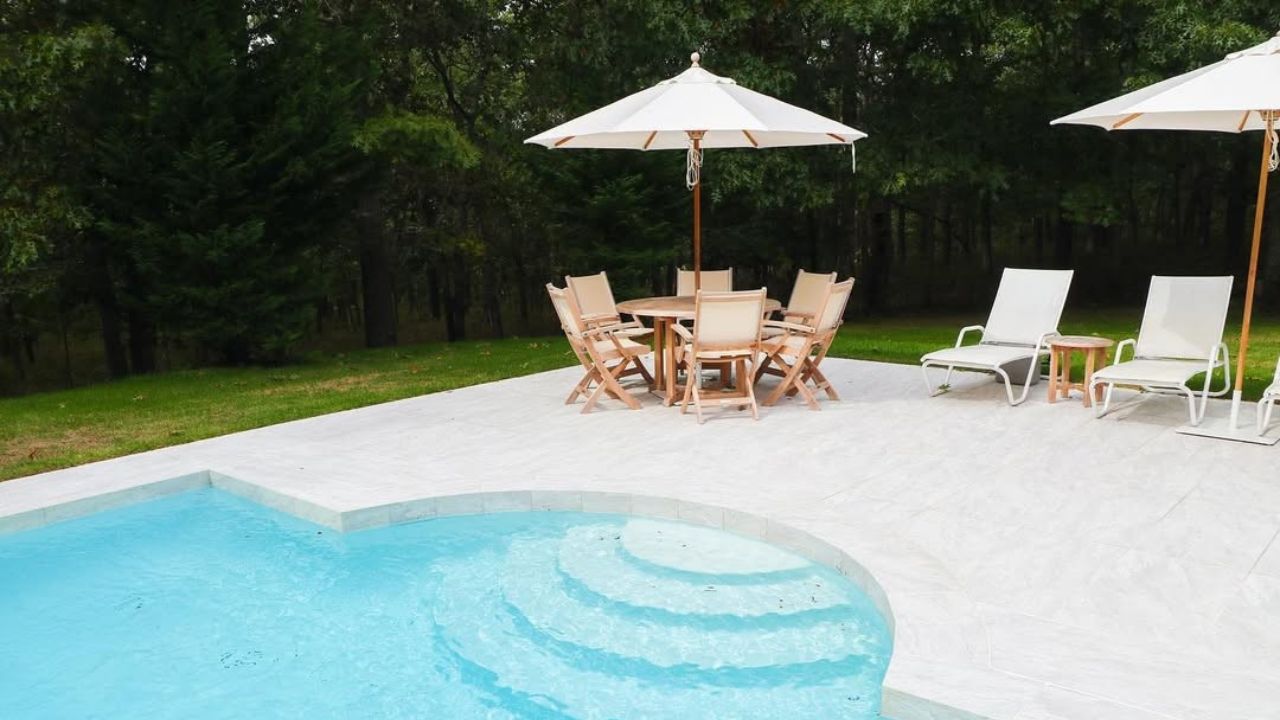
- Light travertine
- Limestone
- Light-toned porcelain coping
- Select concrete blends with reflective aggregates
Natural stone coping, like travertine pool coping, is the best choice for pool coping due to its heat resistance. They stay cool during summer days, providing a comfortable surface to walk on. Porcelain manufacturer now offering outdoor pavers with limited heat absorption without compromising strength.
This makes porcelain coping a strong choice for pools exposed to direct sunlight. Heat comfort increases usability, improves pool time, and reduces water cooling or shade structures.
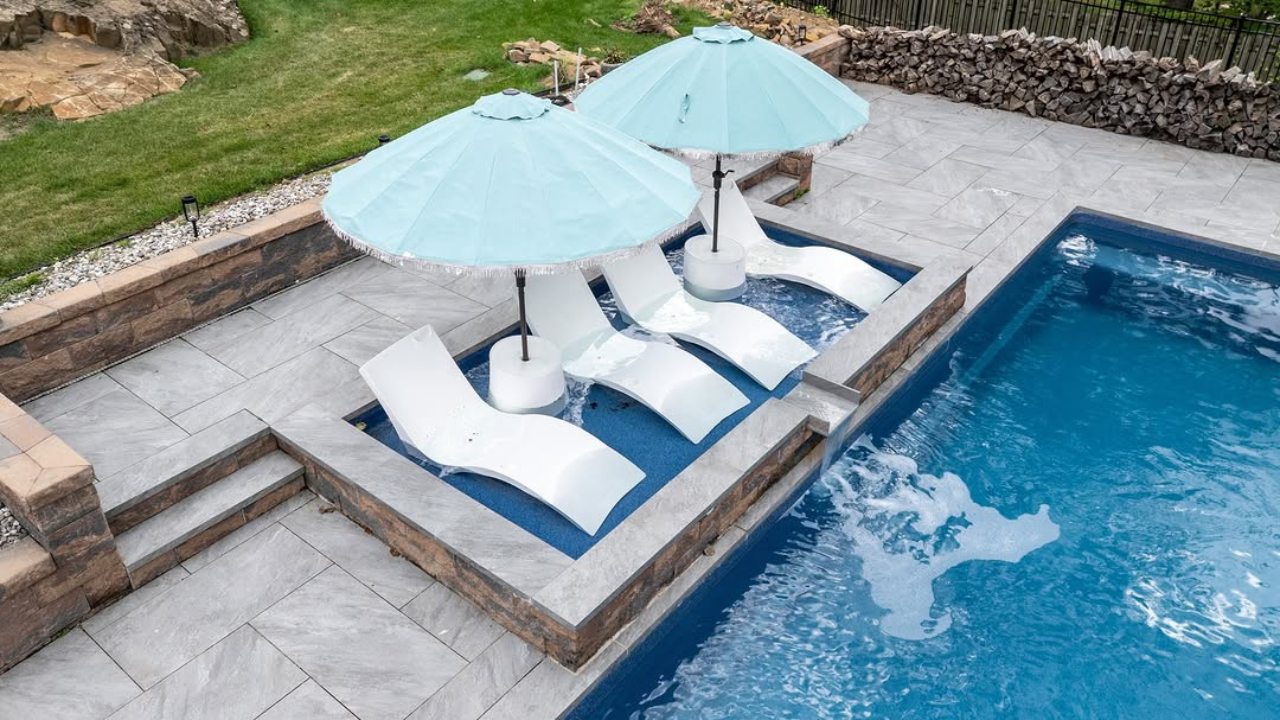
Tip 3: Match the Coping Material to Your Climate
The third expert tip for selecting pool coping material is climate consideration. Climate plays an important role when choosing pool coping material. Climate shapes performance. Materials that withstand in one region may fail in another region. In freeze-thaw climates, water absorption results in cracking. Moisture enters the pores, and freezing expands trapped water. Repeated cycles break stone from within. Low-absorption materials perform best in cold regions:
- Porcelain coping (near-zero absorption)
- Granite
- Dense bluestone
Travertine and limestone pool coping can perform exceptionally well when sourced correctly and sealed properly. Different materials have different porosity according to the quarry, not just the stone type. In hot or humid climates, salt exposure and thermal expansion matter more. Pool coping should withstand the chemical erosion from chlorine and saltwater systems. Porcelain pool copings are the all-around choice due to their durable and resistant surface against chemicals and saltwater.

Tip 4: Select Proper Thickness for Structural Integrity
The fourth expert tip for selecting pool coping material is structural integrity. Pool coping is not just the decorative tile. It acts as a structural can around the pool bond beam. Thin materials will crack under load, will not withstand overloads, and will expose expansion joints. Expert guidelines for coping with thickness:
- Natural stone coping: typically 1¼” to 2″ thick
- Porcelain coping: engineered thickness with reinforced strength
- Bullnose Pool Coping or Copings profiles should support foot traffic
Coping should overhang the pool wall slightly. It directs water away from the sheel and hides construction joints. Many thin tiles fail to sustain when homeowners use thin tile where they are supposed to use coping. Thick coping material secures the structure’s integrity effectively.
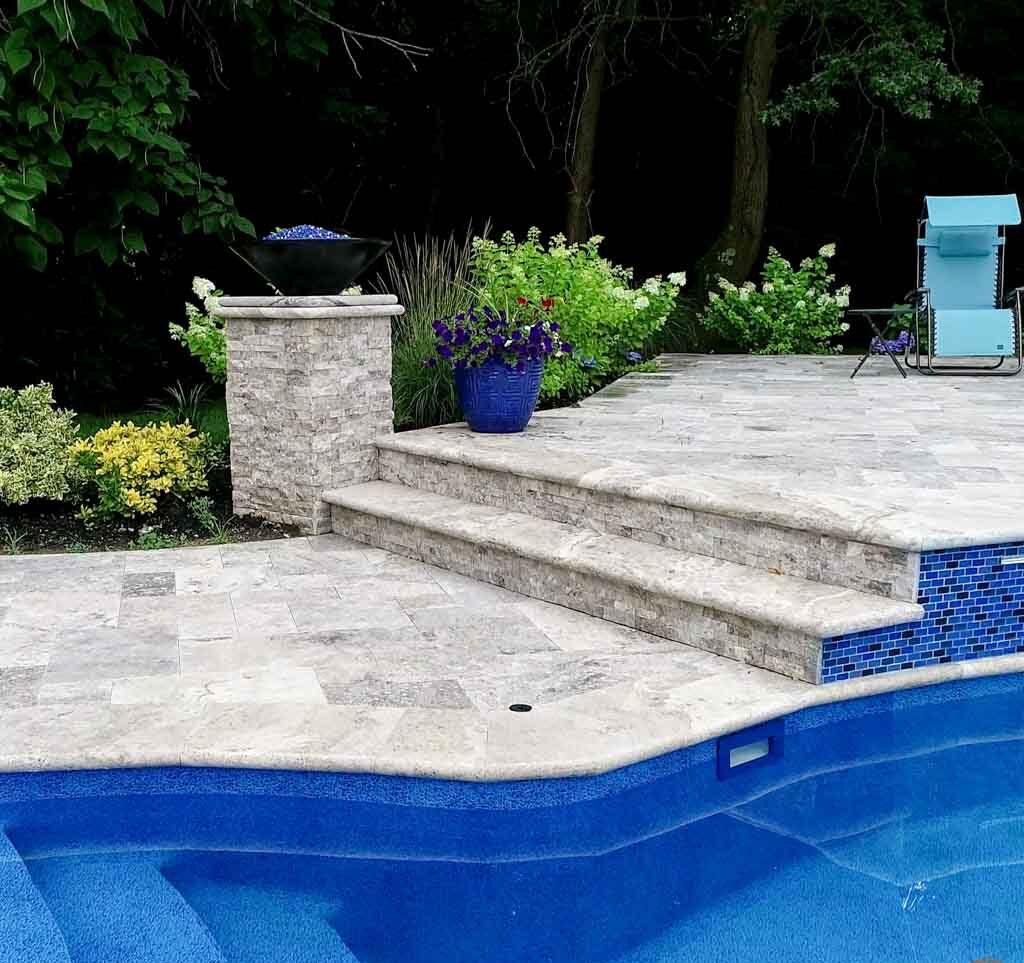
Tip 5: Coordinate Coping With Surrounding Hardscape
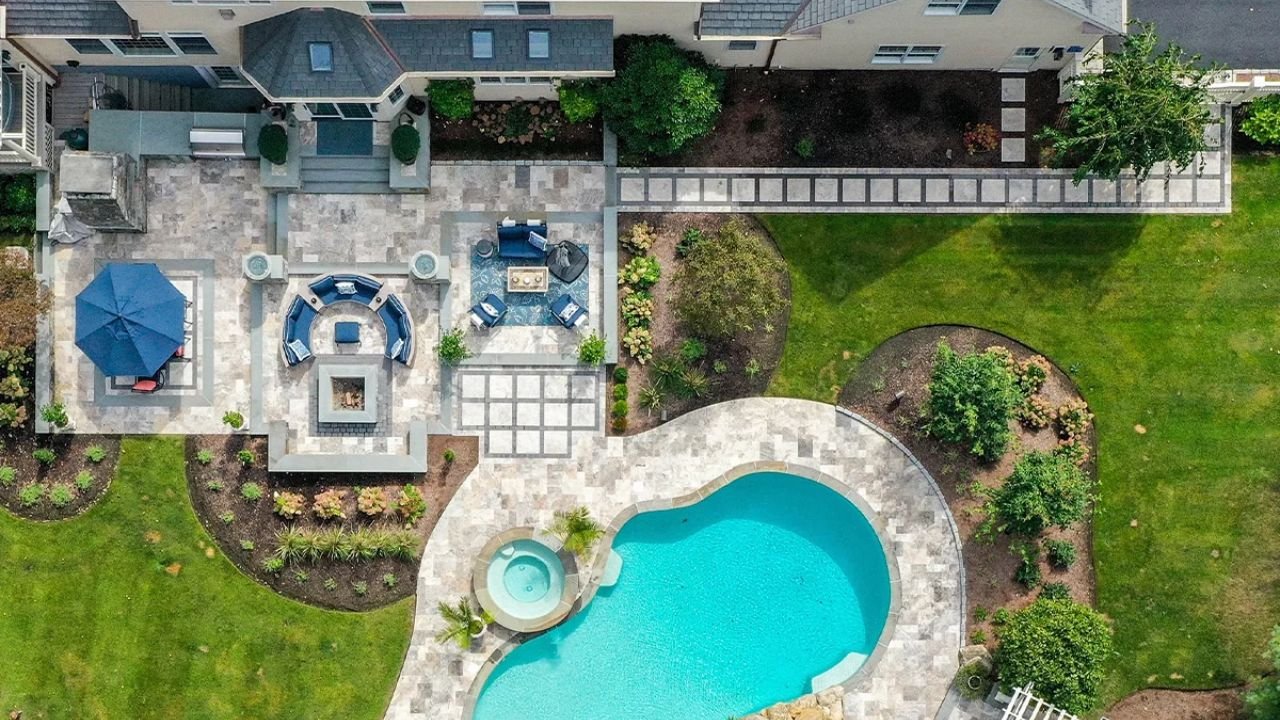
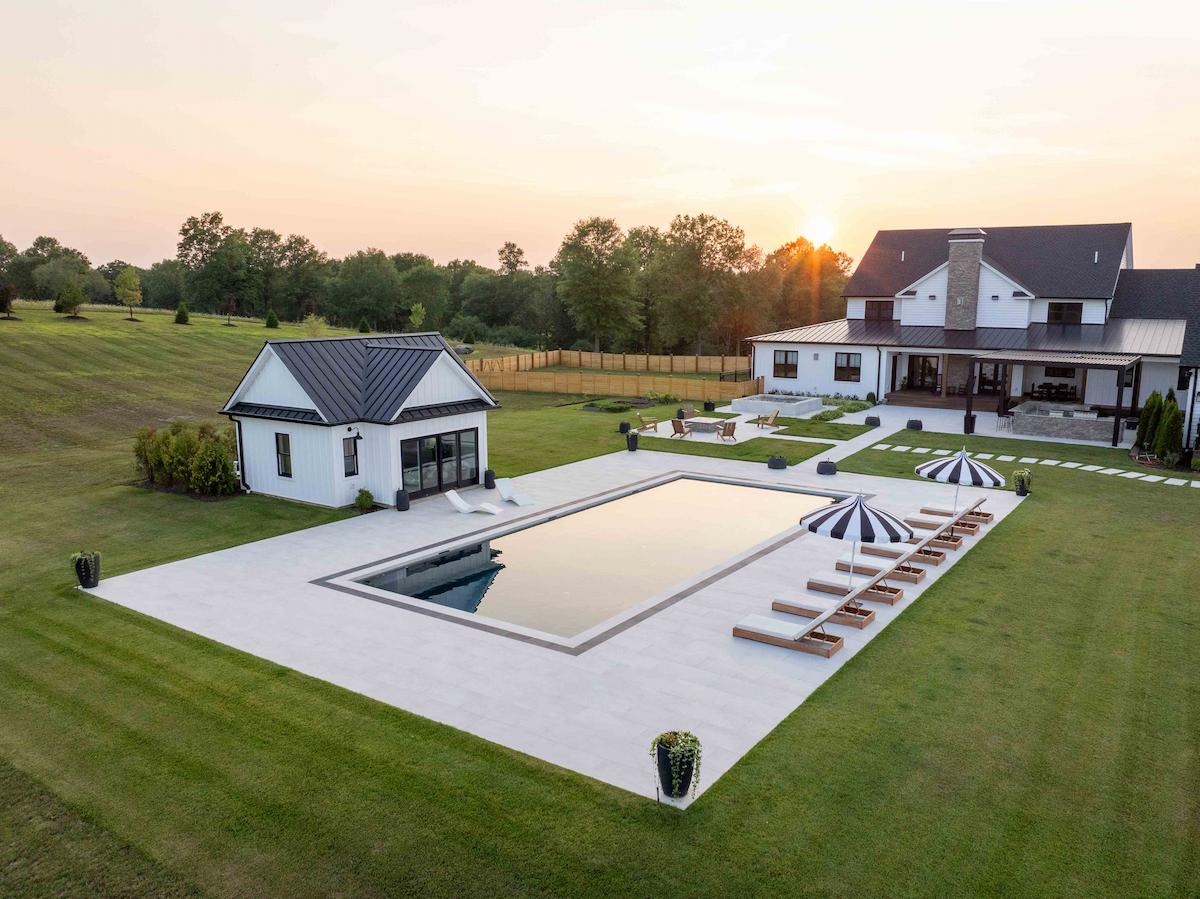
The fifth expert tip for selecting pool coping material is to complement the hardscape around it. Coping connects the pool to its environment. If the coping seems disconnected from the existing environment, then it will create an unfinished look. Good design aligns with:
This does not require exact matching. It requires material harmony.
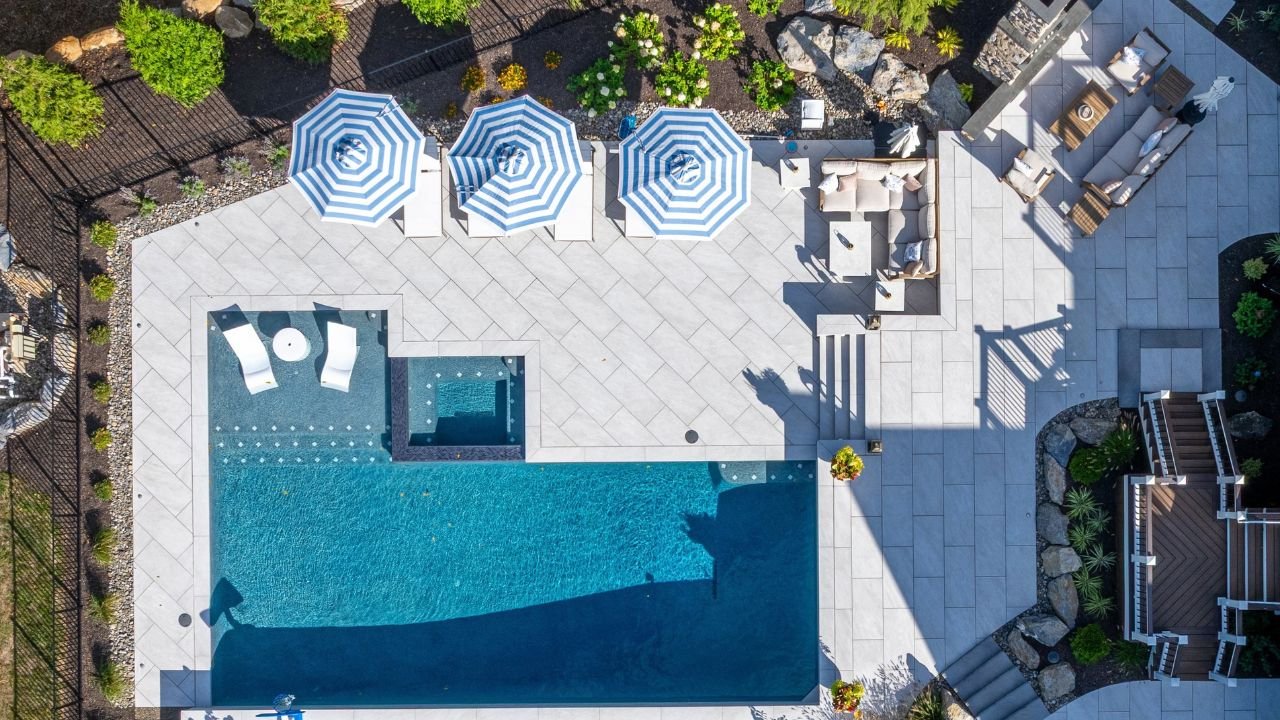
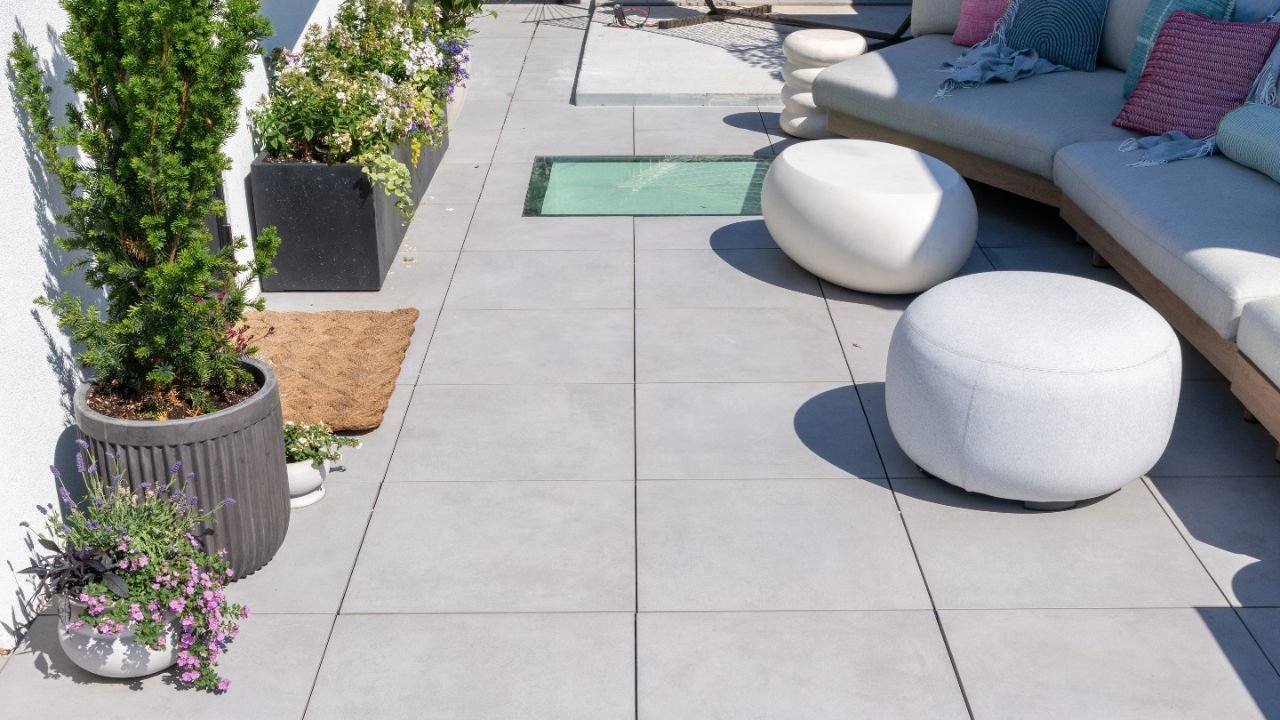
Porcelain coping is easy to pair with porcelain pavers used for patios. Natural stone pool coping works best when complementing the deck material or steps.
Brands like NT Pavers offer coping and paver collections that align in color, texture, and scale. They make the selection much easier while maintaining architectural consistency. Materials with unified appearances improve resale value and create intentional outdoor spaces rather than segmented zones.
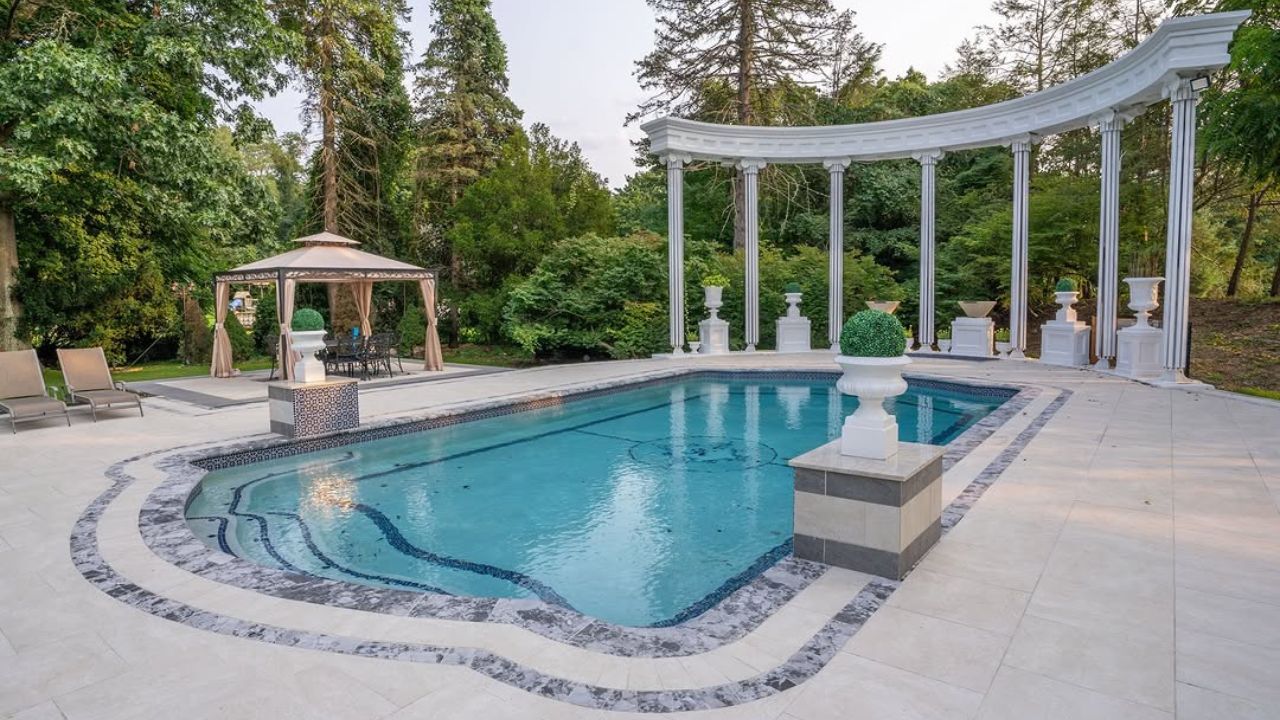
Tip 6: Evaluate Maintenance Requirements Honestly
The sixth expert tip for selecting pool coping material is maintenance requirements. Each material ages, but maintenance requirements determine how well it ages. Some coping materials require more maintenance than others. Some may require a sealer to resist staining and water absorption. Maintenance frequency depends on stone density and finish. Porcelain coping is again the best choice with minimal maintenance. It resists stains, salt, chlorine, and UV exposure. It does not require sealing. When selecting pool coping materials, ask yourself:
- Will you reseal the stone periodically?
- Do you want a uniform color long-term?
- Will the pool see heavy use?
Low-maintenance paver materials reduce long-term cost and effort. High-character materials reward owners who accept care as part of ownership. We are not calling any material choice wrong, but the problem arises when you ignore the maintenance requirements.
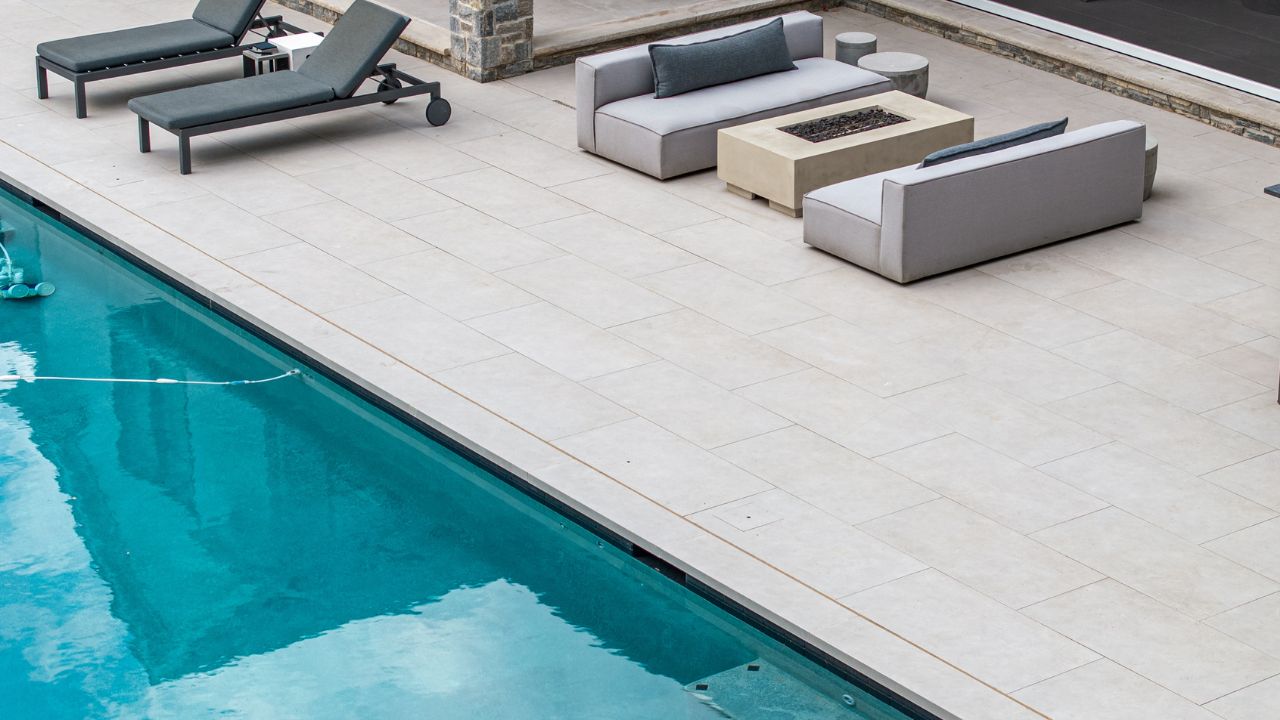
Tip 7: Installation Quality Determines Long-Term Performance
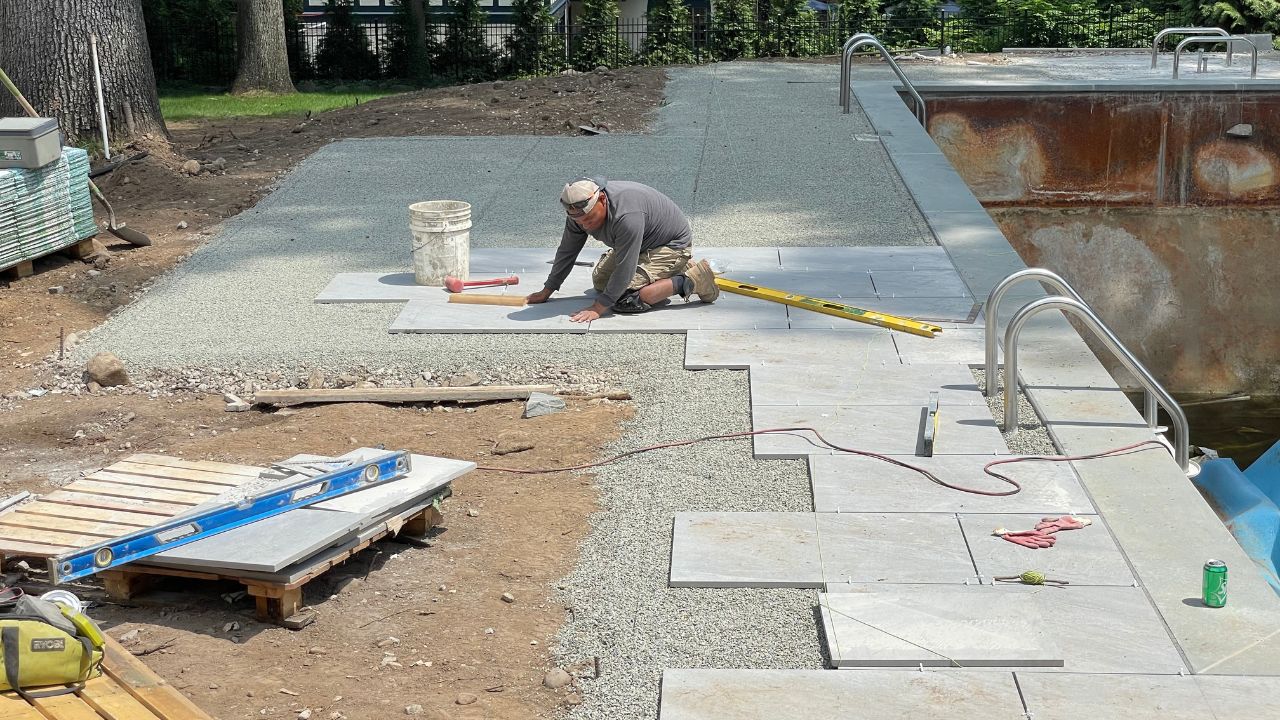
The seventh expert tip for selecting pool coping material is long-term performance. Even the best coping material will not do well when installed incorrectly. Proper installation requires:
- A Correct slope away from the pool
- Joint expansion for movement
- Pool-rated mortar and setting materials
- Skilled cutting for corners and curves
Selected coping material should provide better water flow. It should also withstand the thermal movement and should anchor securely without stressing the pool shell. Poor installation results in cracked edges, water seeping in, and loose stones. Even if the material quality is on point, it cannot compensate for the improper installation. This is why you should work with experienced installers who understand pool construction, not just paving.
Different Pool Coping Materials Compared
Many homeowners feel overwhelmed due to the wide range of materials available for pool coping. Check the following table for a complete comparison of coping materials.
| Feature | Porcelain Coping | Natural Stone Coping | Concrete Coping |
| Slip Resistance | High (textured, outdoor-rated surfaces) | High when tumbled, honed, or thermally finished | Moderate (depends on finish) |
| Water Absorption | Very low (near non-porous) | Variable by stone type and quarry | Moderate |
| Maintenance Needs | Minimal; no sealing required | Requires periodic sealing | Low to moderate |
| Heat Retention | Low to moderate | Low to moderate (varies by stone color) | Higher heat retention |
| Appearance Consistency | Uniform color and texture | Natural variation and organic character | Uniform but limited texture |
| Design Style Fit | Modern and contemporary pools | Classic, natural, and timeless designs | Traditional or budget-driven designs |
| Durability | Excellent; freeze–thaw resistant | Excellent when properly selected | Moderate |
| Long-Term Performance | Very stable over time | Strong with proper care | May fade or wear faster |
Pool Coping FAQs
Let’s answer your questions about pool coping.
What is the best material for pool coping?
Travertine is the best pool coping material that offers better slip resistance, heat resistance, and low maintenance after sealing. Porcelain coping is great, but the polished surface is slippery.
Is porcelain coping better than natural stone?
Yes. Porcelain coping requires low maintenance, consistent performance, and almost zero water absorption. Natural stone provides organic character and texture but may require sealing.
Does pool coping need to be sealed?
Most natural stone coping benefits from sealing to reduce water absorption and staining. Porcelain coping does not require sealing due to its non-porous structure.
How thick should pool coping be?
Natural stone coping often ranges from 1¼” to 2″. Porcelain coping uses a manufactured thickness designed for load and overhang support.
Can pool coping match patio pavers?
Yes. Matching or coordinating coping with patio pavers creates visual continuity.
Bottom Line
Choosing the right pool coping material requires more than just aesthetic preference. You will need to focus on slip resistance, climate performance, outdoor comfort, structure, and maintenance. Considering these factors will help you get the pool coping that will not only be aesthetically pleasing but also perform well.
With these seven expert tips, you can obtain the best pool coping material beyond guesswork. Whether selecting porcelain coping for durability or natural stone for character, NT Pavers helps ensure your choices are informed, creating pools that feel complete and safe.