
Pool areas are one of the most functional areas in most residential areas. From relaxing to gathering in the summer, pool areas have to face heavy foot traffic, consistent salt water exposure, and chlorine. Also, they possess a unique safety challenge. The surface stays wet, and people walk and run on it. This is why non-slip pavers are crucial for the area. This is even essential for the homeowners who have families with kids and elderly members.
Non-slip patio and pool pavers reduce risk through surface grip and water control. This is why selecting pavers with slip resistance matters a lot for outdoor spaces. This guide explains which materials work best and why they perform reliably around pools like travertine pavers, and more.
Textured Porcelain Pavers
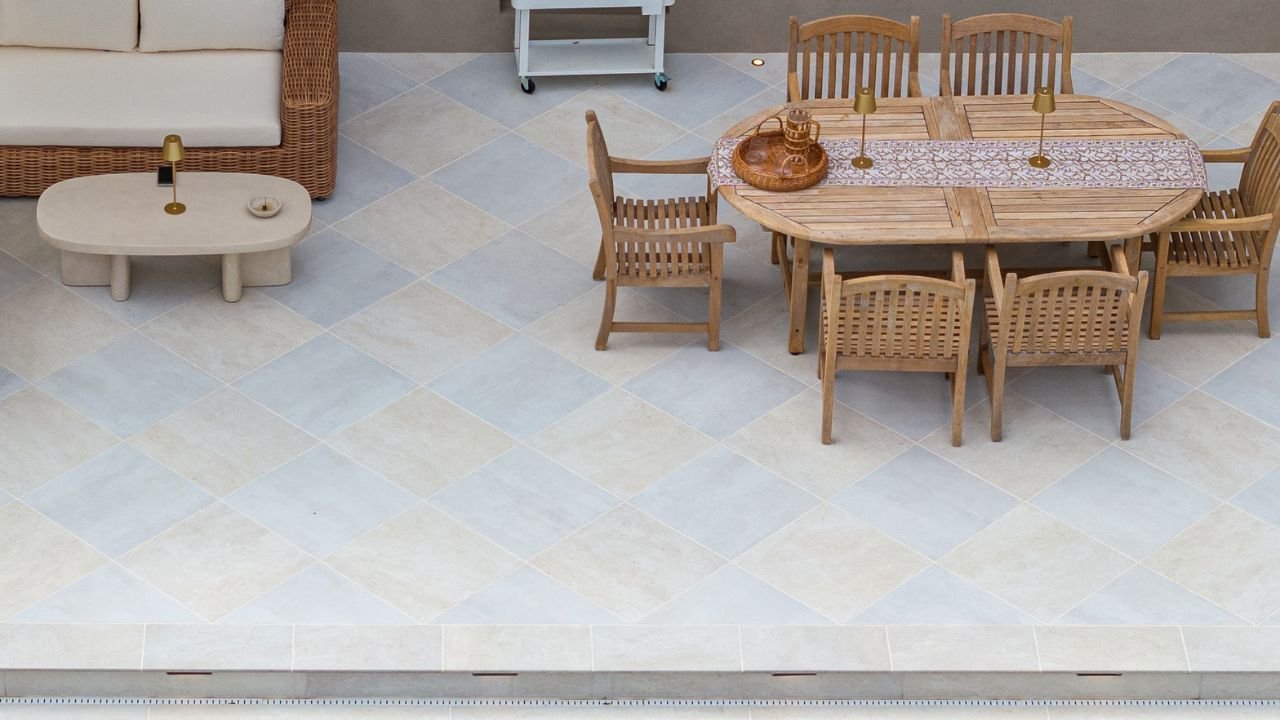
Porcelain pavers with a textured finish are one of the best non-slip pavers for pool areas. These pavers feature the highest outdoor rating with a structured and slip-resistant surface. They work best around the pool because the textured surface increases grip without feeling sharp. You can get porcelain pool deck pavers in a wide range of colors. They can perform well in different weather conditions. Also, the non-porous surface prevents slick film buildup. Also, porcelain surfaces can withstand chlorine, salt, and UV exposure. It doesn’t require sealing, and cleaning is rather simple.
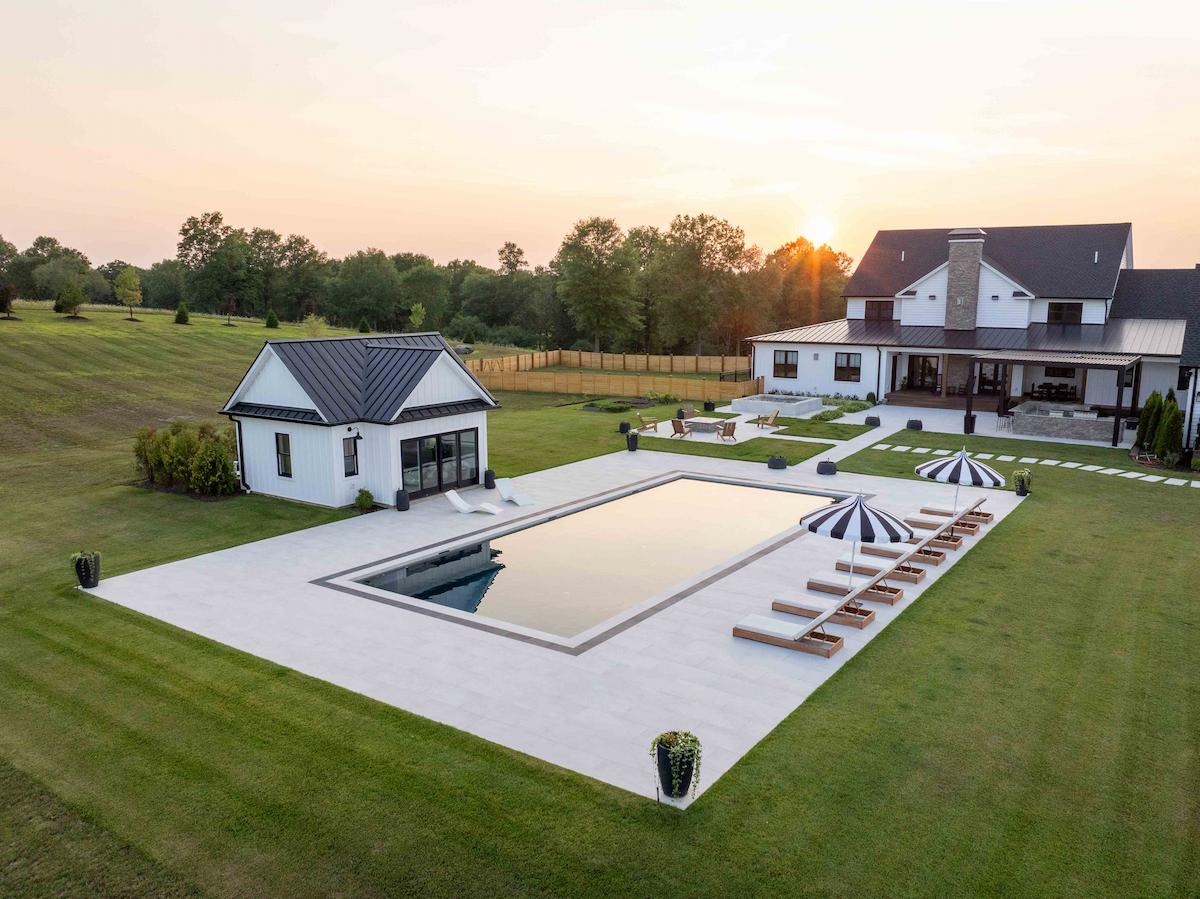
Porcelain pavers stay cool compared to dense stone, depending on color. Many homeowners prefer lighter tones for comfort.
Brushed or Textured Concrete Pavers
Concrete pavers are a practical choice for pool areas. Manufacturers add texture during production or through surface treatments. The textured surface enhances traction without compromising uniformity. Concrete pavers offer better and consistent spacing, which is ideal for drainage. Concrete pavers need sealing around the pool area, as it reduces surface wear and staining. Replacement remains easy because individual pavers can be lifted and reset. Concrete pavers are the perfect choice for homeowners who want predictable performance at a controlled cost.
Travertine Pavers (Tumbled or Brushed)
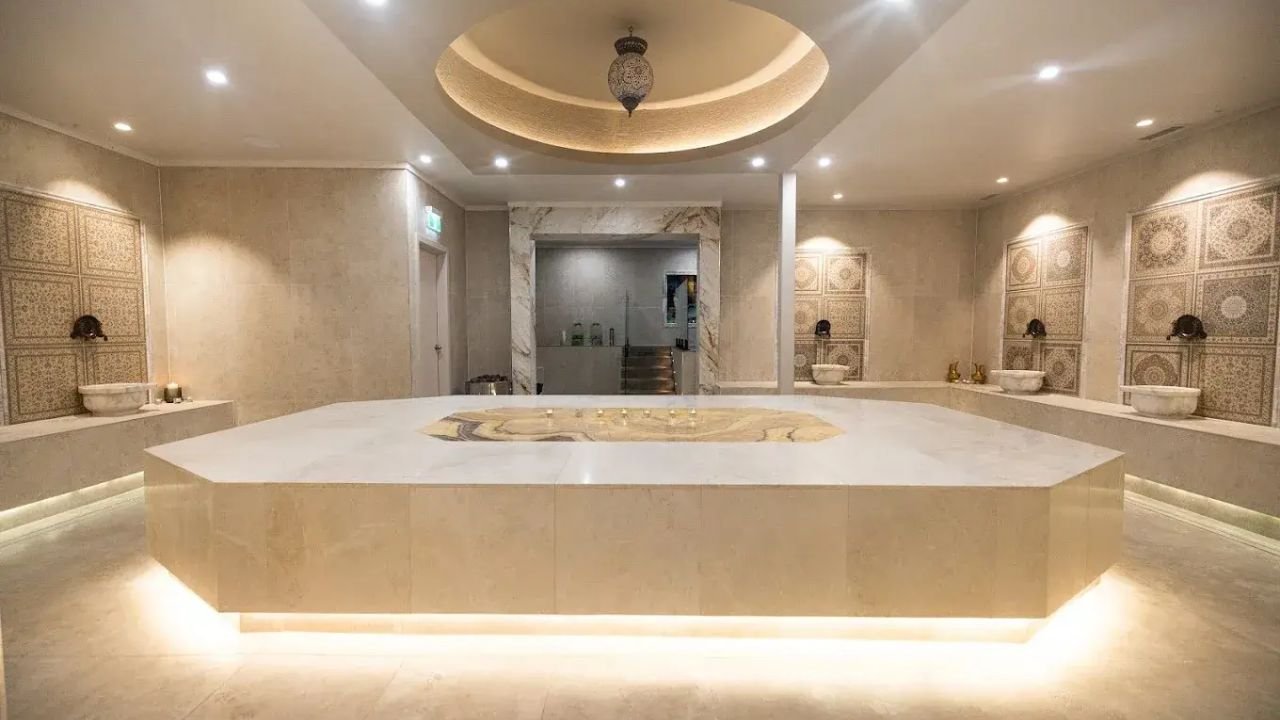
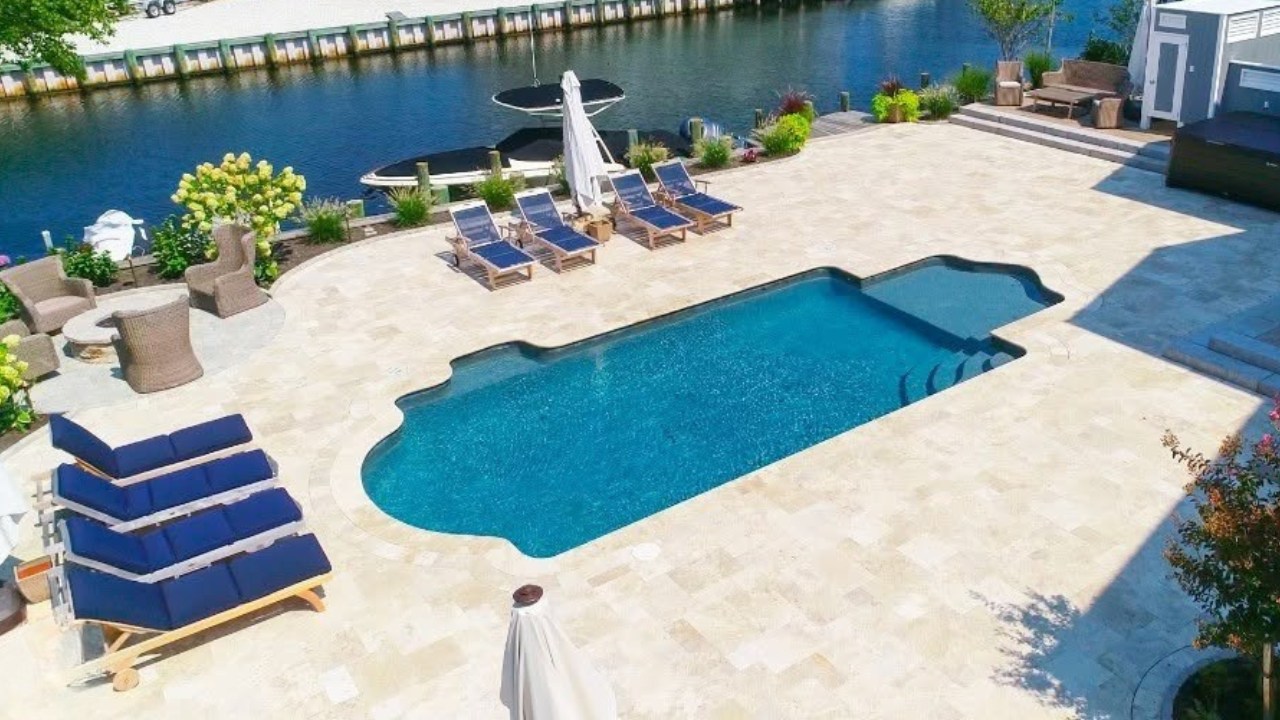
Travertine paver is another most common pavers for poolside. These natural stone pavers feature a porous surface that drains water rather than pooling around. Around the pool areas, their tumbled or brushed finishes improve grip and soften edges. Travertine stays cool under direct sunlight exposure, which improves comfort for bare feet. It is perfect for homeowners who prefer a natural look without aggressive texture.
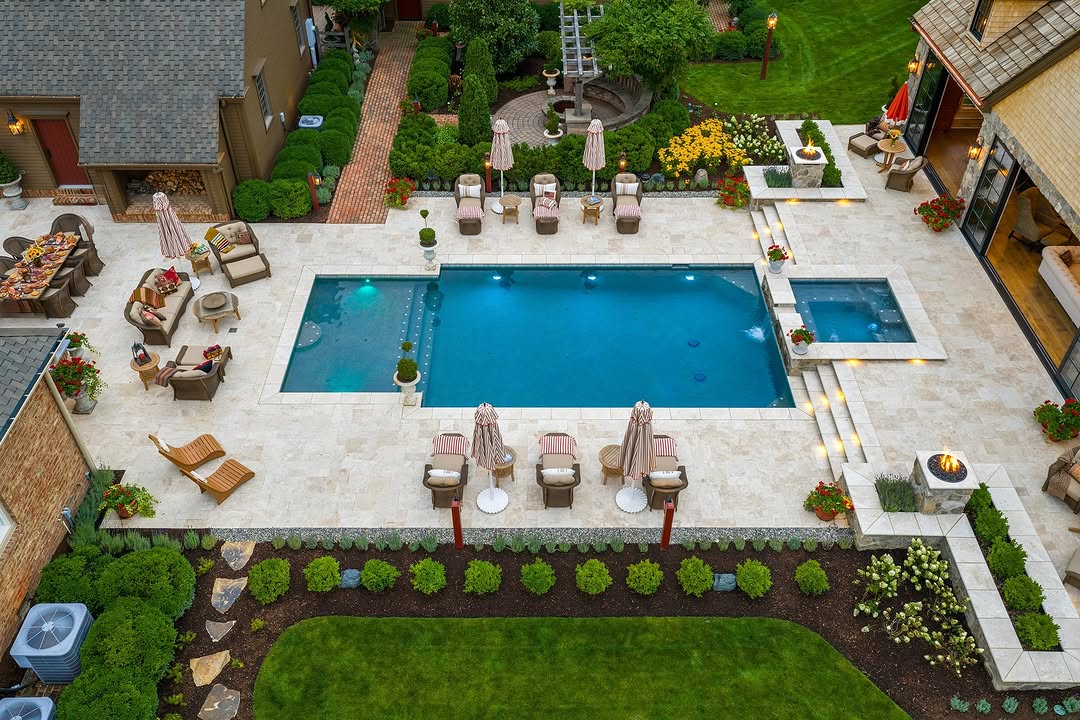
Concrete Pool Coping with Textured Edges
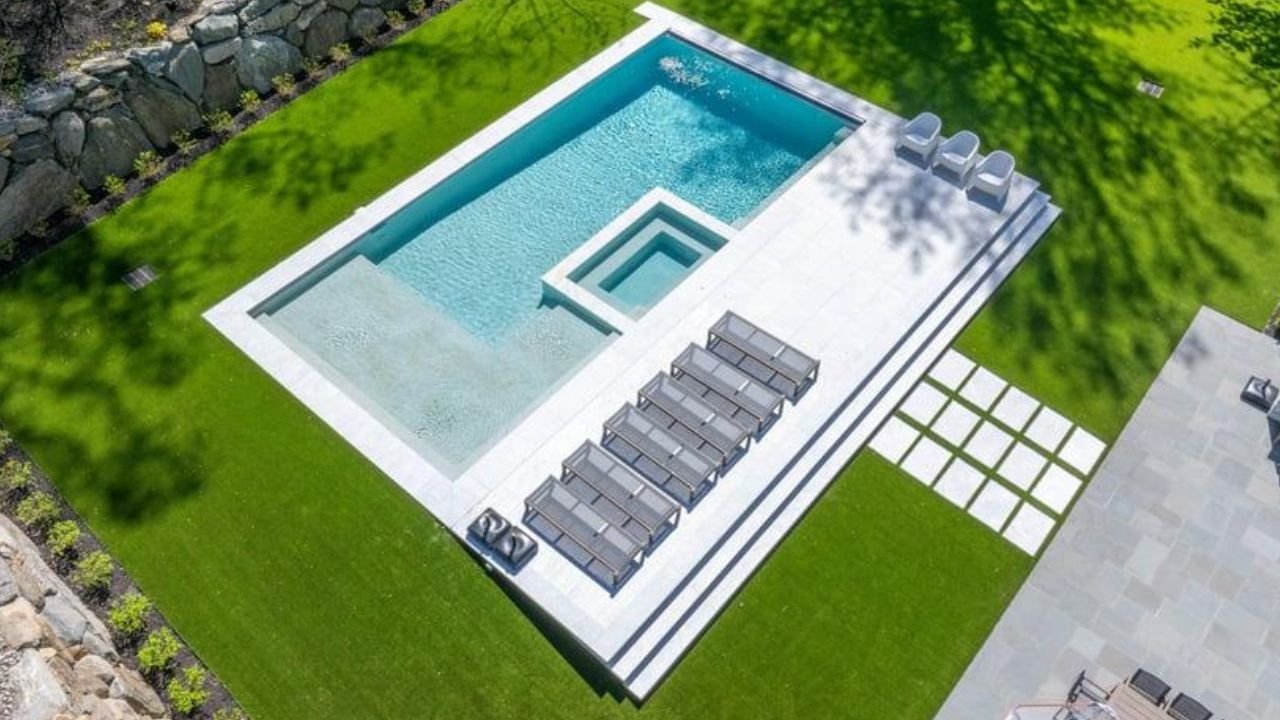
Pool coping matters as much as the deck surface. Textured or bullnose concrete coping offers improved grip around the pool edges. Proper overhang reduces water runoff over the deck surface. Opting for a consistent coping height enhances safety during entry and exit.
Matching the coping with the deck material creates visual flow while maintaining function. Coping choice influences how water behaves across the entire pool area.
Bluestone with Thermal or Natural Cleft Finish
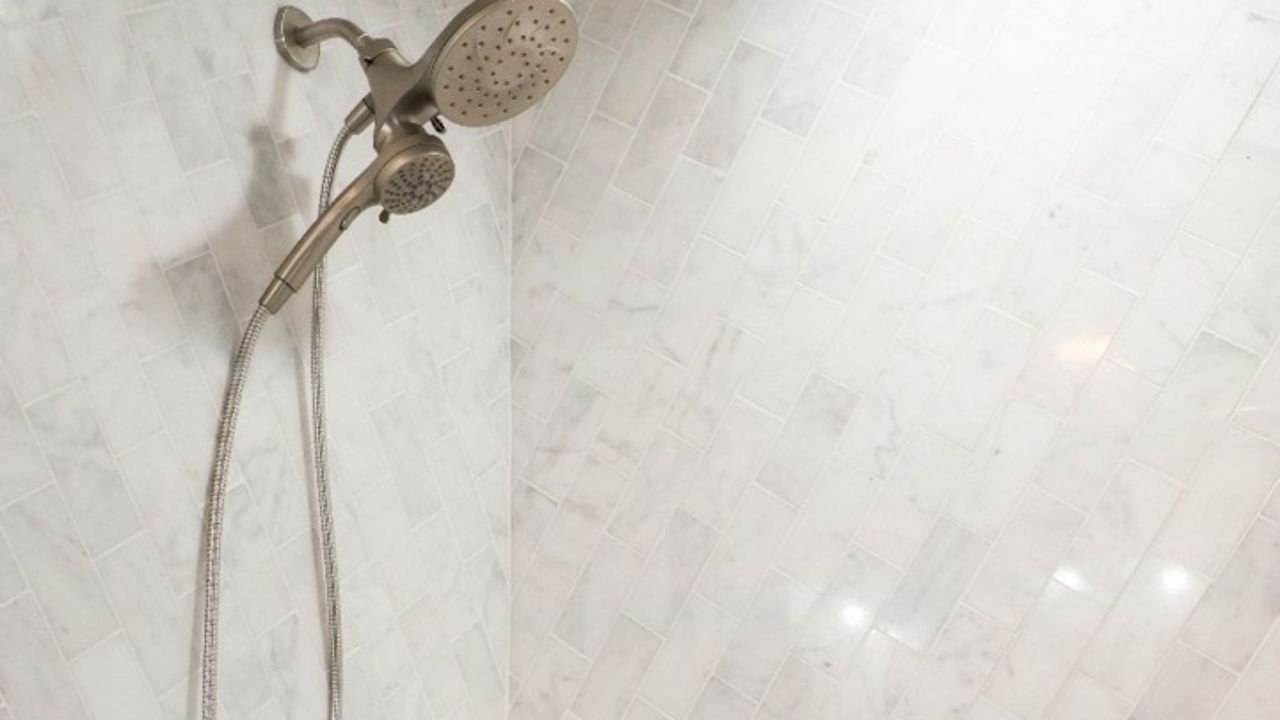
Bluestone offers strength with traction. These natural stone pavers offer a look and feel of elegance. Thermal or clef finish of these pavers creates an uneven surface around pools. This improves the grip when wet. Bluestone is a durable stone that handles freeze-thaw cycles well when installed correctly. Its density supports long-term durability. In a similar way, textured marble options such as a sandblasted marble pool deck can also provide improved slip resistance while maintaining a refined natural appearance for outdoor pool areas.
Bluestone absorbs some moisture, so sealing helps reduce staining and surface darkening. In shaded pool areas, this step matters. Bluestone pavers are well-suited for homeowners who want a classic look with dependable performance.
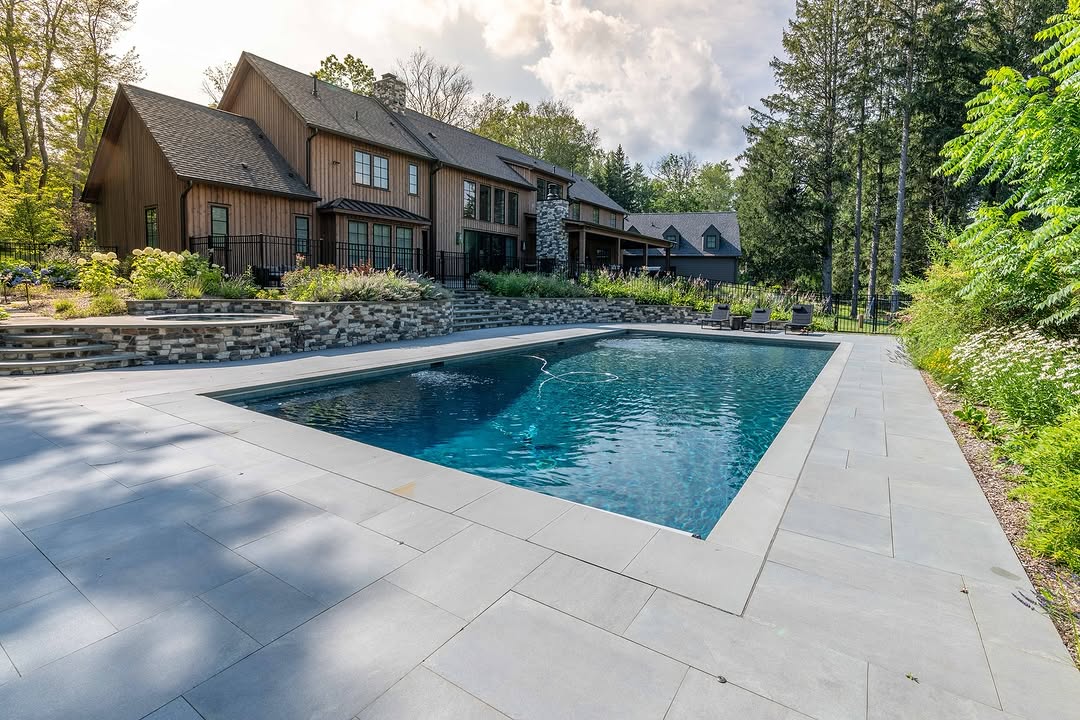
Granite with Flamed or Bush-Hammered Finish
Granite pavers offer extreme durability and long-term stability around pool areas. The textured granite offers better traction and resistance against slip when wet. Avoid using polished granite pavers around pools. Flamed or bush-hammered granite creates a rough surface that improves grip. Granite pavers resist chemical exposure and temperature swings with minimal maintenance. Sealing remains optional but helpful near food or lounge areas. When properly finished, granite works well for steps, coping, and transition zones.
Limestone with Honed or Brushed Finish
Limestone pavers, though, have a relatively soft surface; the brushed or honed finish offers traction. Limestone appears soft and generally has a reflective look. It reflects heat, which improves comfort. Its lighter tones reduce glare. Limestone has a water-absorbent surface more than denser stone, which is why sealing is essential. Limestone performs well with proper installation and care in low- to moderate-traffic pool areas.
Limestone is ideal for homeowners who value comfort and beauty with little maintenance.

Permeable Paver Systems for Surrounding Zones
Permeable paver systems offer direct safety indirectly. These systems offer better drainage around pool decks. Water moves through joints rather than sitting on the surface. This reduces slick zones near seating or walkways.
Permeable pavers work best in surrounding areas, not primary pool decks. When combined with non-slip surfaces, they improve overall safety.
How to Choose the Right Non-Slip Paver for Your Pool Area?
To create a safe and non-slip area around the pool, your paver selection should start by focusing on performance. Material preference matches real usage, wet feet, heat exposure, and foot traffic. The space will be comfortable and dependable.
| Decision Factor | What to Evaluate | Why It Matters | Best-Fit Paver Options |
|---|---|---|---|
| Wet Grip | Surface traction when wet | Pool decks stay wet and increase slip risk | Textured porcelain, tumbled travertine, flamed granite |
| Surface Texture | Brushed, tumbled, or structured finish | Texture creates friction under bare feet | Porcelain anti-slip finishes, bluestone cleft |
| Water Drainage | Slope and joint spacing | Standing water increases slick surfaces | Porcelain with proper pitch, permeable systems nearby |
| Heat Retention | Light color and porosity | Hot surfaces reduce comfort in summer | Travertine, limestone, light porcelain |
| Maintenance Tolerance | Need for sealing or upkeep | Ongoing care affects long-term satisfaction | Porcelain (no sealing), sealed natural stone |
| Chemical Resistance | Reaction to chlorine and salt | Pool chemicals degrade weak surfaces | Porcelain, granite, dense concrete |
| Aging Behavior | Appearance over time | Predictable aging avoids future regret | Natural stone patina, color-stable porcelain |
| Real Usage Match | Foot traffic and activity level | Performance must match daily use | Porcelain for heavy use, stone for relaxed zones |
FAQs About Non-Slip Pavers
Let’s answer your question about non-slip pacers.
What is the safest paver for pool decks?
Textures porcelain pavers. The textured finish offers the best combination of slip resistance, durability, and low maintenance.
Are natural stone pavers slippery when wet?
Yes. But some finishes are less slippery than polished. Tumbled, brushed, or cleft finishes provide better grip than polished stone.
Do pool pavers need sealing?
Yes. But some pool pavers, like porcelain, may not require it. However, natural stone pavers benefit from sealing.
Which pool pavers stay cool in the sun?
Travertine pavers and light colored limestone stay cooler than dense, dark materials.
Can concrete pavers be used around pools?
Yes. Textured concrete pavers perform well when sealed and installed correctly.
Bottom Line
A pool area should offer relaxation, not caution. Non-slip pavers create the pool areas that aren’t just beautiful but safe to walk on as well. Choosing the right pavers around pool areas matters here. Contacting a brand like NT Pavers, with the reputation of a quality natural stone supplier, will also help you a lot. You can learn about different materials and even ask for a recommendation according to your space. They should offer barefoot comfort and long-term durability. The wrong one creates constant concern. Homeowners who select the materials based on performance build a pool space that works season after season. When safety leads the decision, everything else falls into place.