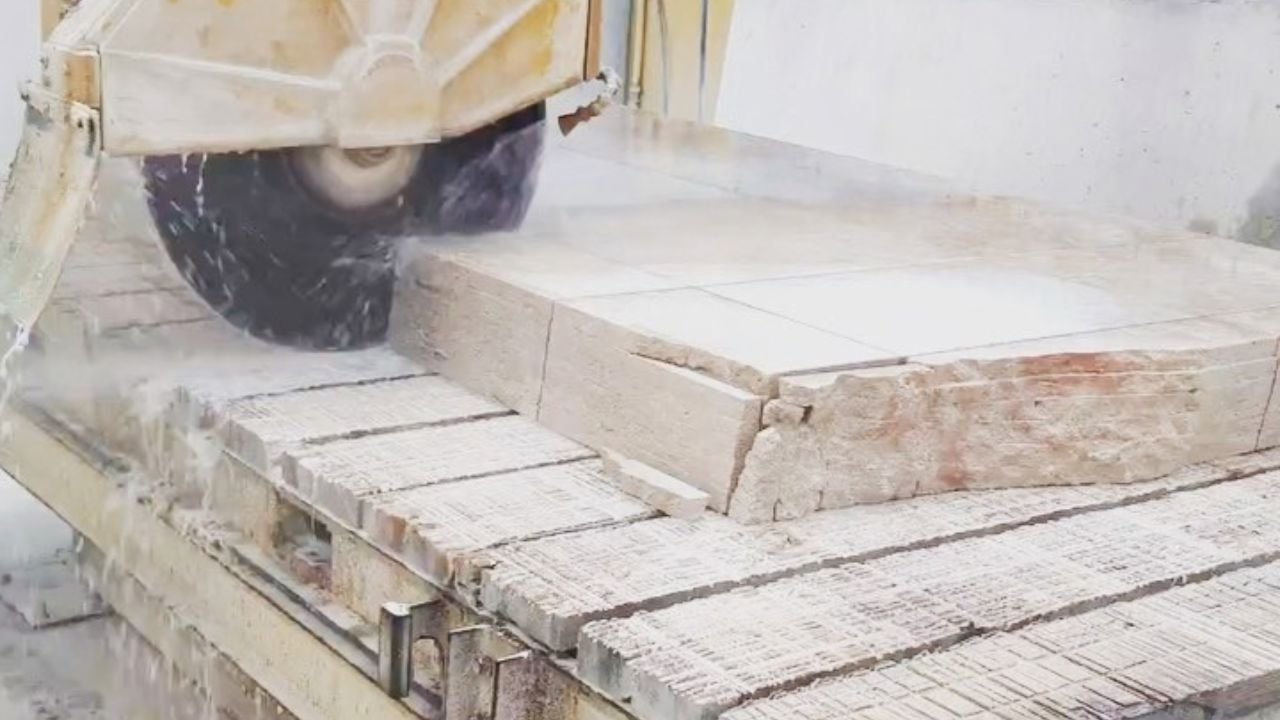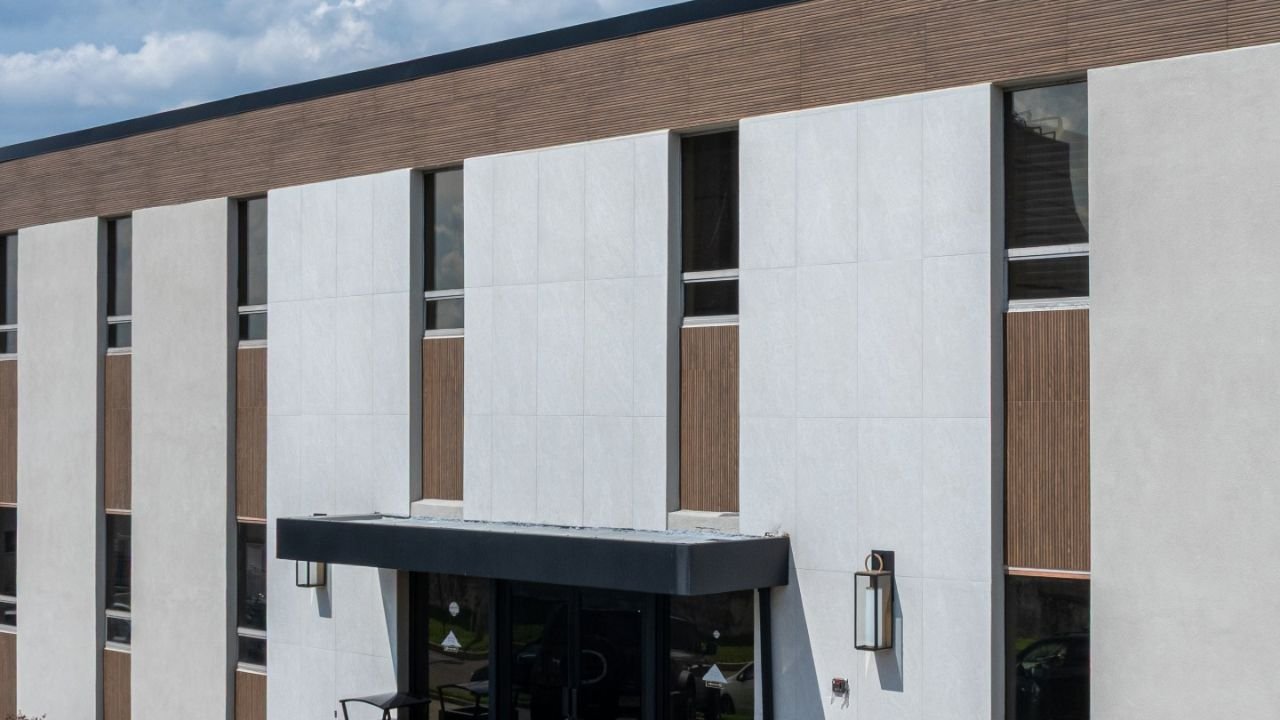

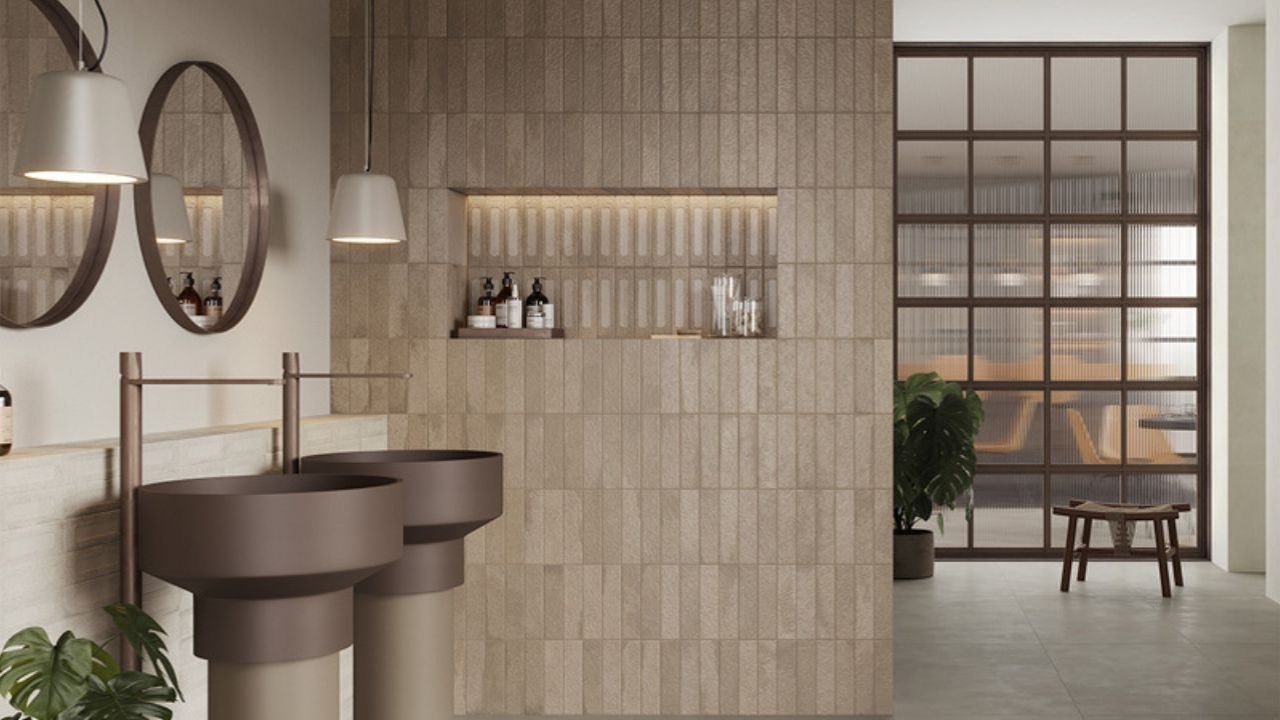
Bathroom wall tiles protect the wall from moisture and shape the look of the room. This makes material choice more important than simply picking a color you like. A tile that looks good on a dry vanity wall may not work inside a shower. Size, surface finish, water exposure, grout, installation method, and maintenance all affect the result. Porcelain is one of the best choices for most homeowners for all the right reasons.
Ceramic can offer excellent value, while natural stone brings variation and character that manufactured material cannot replicate. The right choice depends on where the tile will go and how you want the bathroom to perform over time. Below, we compare the best bathroom wall tile materials based on durability, moisture exposure, maintenance, appearance, installation, and cost.
Best Bathroom Wall Tiles at a Glance
This comparison shows the best uses, water resistance, maintenance, and typical material cost per square foot for popular bathroom wall tile options.
| Tile | Best For | Water Resistance | Maintenance | Typical Cost / Sq. Ft. |
| Porcelain | Best overall | Excellent | Low | $3–$15+ |
| Ceramic | Best budget | Very good | Low | $2–$8+ |
| Glass | Accents & niches | Excellent | Low–Moderate | $7–$30+ |
| Marble | Luxury look | Good with care | High | $8–$25+ |
| Travertine | Natural/spa look | Moderate | Moderate–High | $5–$15+ |
| Limestone | Natural look | Varies | Moderate–High | $5–$20+ |
| Slate | Rustic bathrooms | Varies | Moderate | Varies by product |
| Granite | Durable natural stone | Good | Low–Moderate | Varies by product |
| Quartzite | Premium natural stone | Good | Moderate | Varies by product |
Note: Prices are typical material-only ranges per square foot from the article and can vary by product, size, finish, manufacturer, and supplier. Installation and other materials are not included.
Porcelain Bathroom Tile
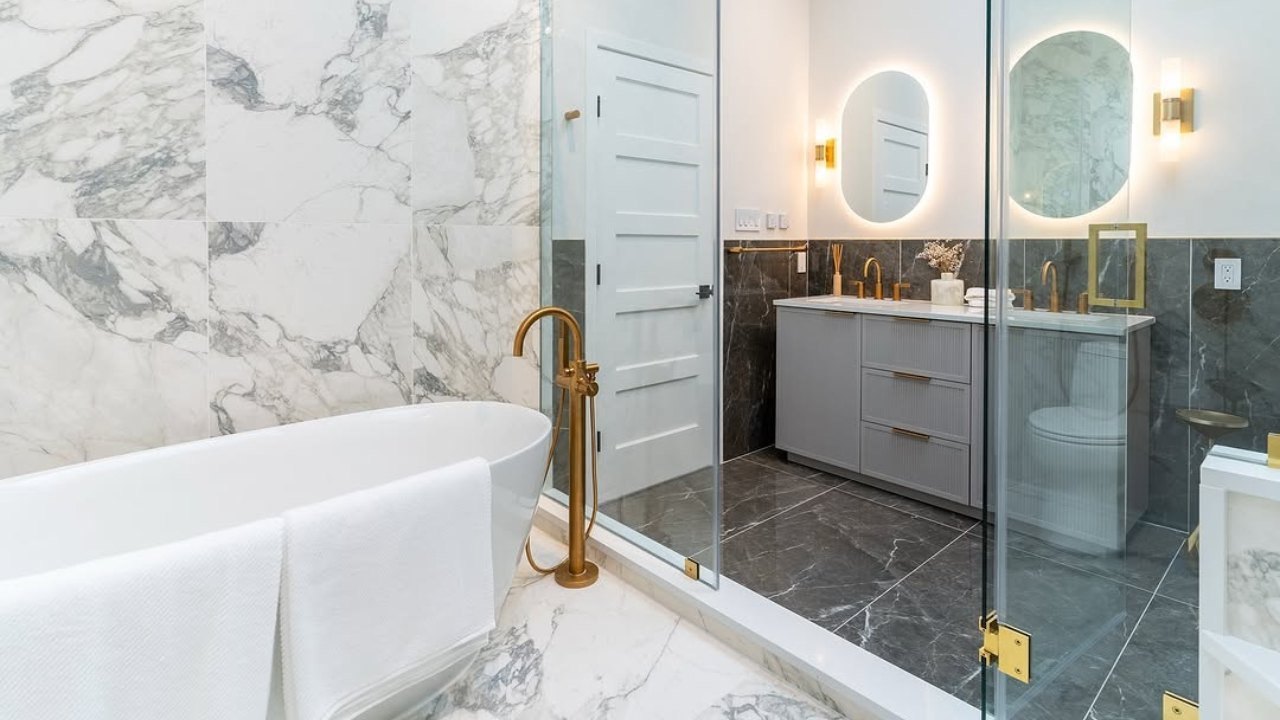
Porcelain tiles are usually considered the all-rounder choice for most bathroom walls. Porcelain tile absorbs 0.5% or less water under the applicable tile standard, making it a strong choice for moisture-prone bathroom applications. High-quality porcelain can even replicate the look of marble, limestone, concrete, wood, and other materials almost authentically.
Best Use of Porcelain Bathroom Wall Tile:
Porcelain tiles for bathroom walls are perfect for shower walls, bathroom feature walls, modern bathrooms, and homeowners who want low-maintenance surfaces. It is also a strong choice when you want a marble, limestone, concrete, or stone appearance without the maintenance associated with many natural stones. Porcelain also makes sense inside shower walls when the complete tile assembly is designed and installed for wet-area use.
Sizes & thickness for Porcelain Bathroom Tiles:
Common wall formats include 12×24, 24×48, and other large-format porcelain sizes. Smaller mosaics are also available. Thickness often falls around 8–10 mm, but large-format and slab products vary. A 12×24-inch tile, for instance, creates fewer grout joints than a small-format tile. Fewer joints can give the wall a cleaner appearance and reduce the amount of grout that needs routine cleaning.
Installation overview:
Porcelain installation includes a suitable, flat substrate using mortar appropriate for the tile and wet-area application. Large format pieces require proper substrate preparation, as uneven walls can create lippage or bonding problems.
Climate suitability:
For interior bathroom walls, indoor climate has less impact than proper installation and ventilation.
Maintenance and cleaning:
Routine cleaning with a suitable neutral cleaner is usually enough. Understanding how to clean bathroom tiles properly can help remove soap residue and everyday buildup while protecting the tile and grout. Glazed porcelain is particularly easy to wipe clean.
Cost per sq. ft.:
A typical material range is about $3–$15+ per sq. ft., depending on size, finish, design, and manufacturer. Installation adds to the total.
For homeowners seeking one dependable answer, porcelain is usually the safest starting point.
Ceramic Tile
Ceramic tile is still a strong choice for bathroom walls. It is popular for being flexible when it comes to the fabrication process. Ceramic bathroom wall tiles are made from clay and other minerals and fired in a kiln. The main practical difference is that porcelain is denser and has lower water absorption, while standard ceramic tile is generally easier to cut and often more affordable. Both can be excellent choices for interior bathroom walls when the selected product is appropriate for the application. It also comes in a wide range of colors, patterns, shapes, and finishes.
Best use cases of Ceramic Tile:
Ceramic works particularly well on bathroom walls, backsplashes, tub surrounds, and areas that receive normal moisture. Subway tile remains popular because it offers a simple way to create a clean bathroom wall without a high material cost. It is the best choice for budget-conscious renovations, decorative walls, backsplashes, and traditional bathroom designs. A classic subway tile can work in a traditional bathroom, while a handmade-look ceramic tile can give a newer bathroom more texture and variation.
Sizes & Thickness of Ceramic Tile:
Popular sizes for ceramic wall tiles include 3×6, 4×12, 4×16, and larger rectangular tiles. Thickness commonly falls around 8–10 mm, although products vary.
Installation Overview Of Ceramic Tile:
Ceramic wall tiles are relatively easy for a qualified installer to cut and set. However, proper ceramic tile installation requires a sound, flat, and properly prepared wall, especially in wet zones.
Ceramic Tile Climate Suitability:
It is suitable for indoor bathrooms in most climates. In a constantly humid bathroom, good ventilation becomes important because moisture management affects the entire room.
Maintenance and cleaning Ceramic Tile:
Glazed ceramic has a cleanable surface and needs little maintenance. Keep an eye on the grout, since joints can collect soap residue and moisture.
Cost per sq. ft. of Ceramic Tile:
Expect roughly $2–$8+ per sq. ft. for many standard products.
Ceramic is a sensible choice when the goal is to create attractive bathroom wall tile without paying for properties you may not need on a vertical interior surface.
How to Choose Between Porcelain and Ceramic Bathroom Wall Tile?
Choose porcelain for maximum durability, low water absorption, large formats, and low-maintenance applications.
Choose ceramic when budget, easy cutting, and decorative design options are priorities.
For shower walls, select a product rated and installed for the intended wet-area application.
For decorative walls, either material can work depending on the desired appearance and budget.
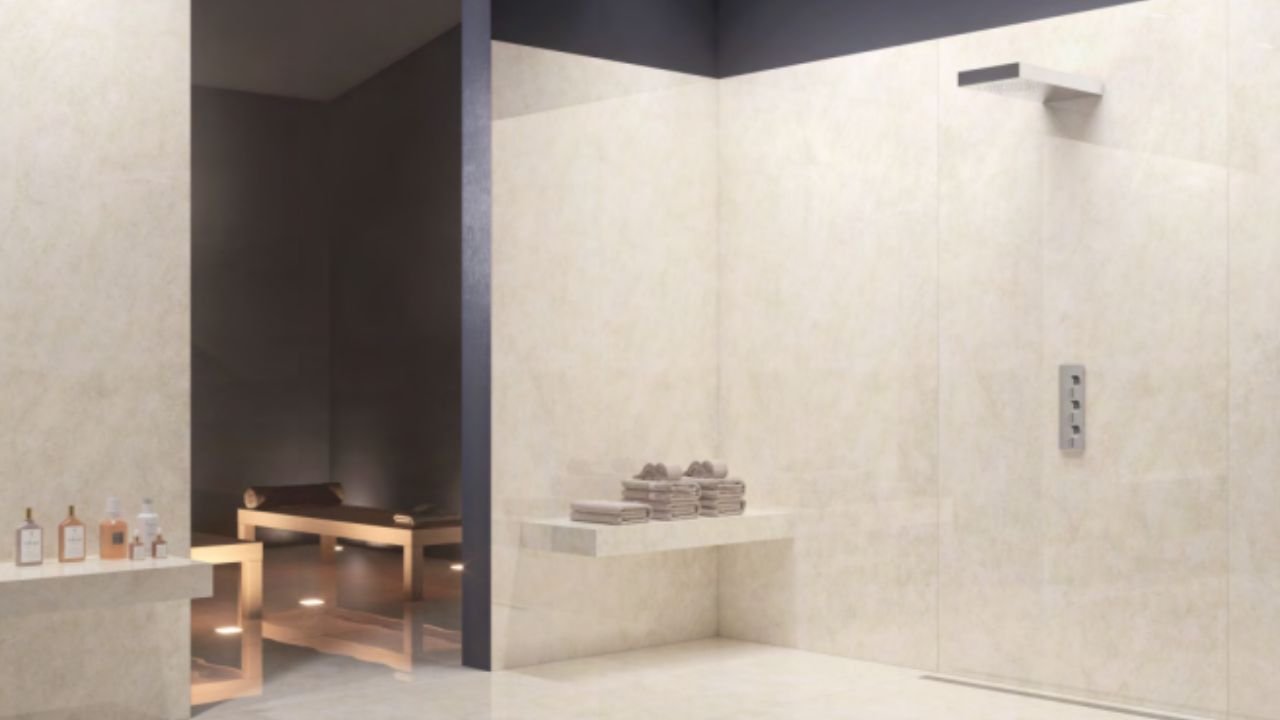
Glass Tile
Glass tile uses manufactured glass as the visible surface. It can be translucent, opaque, glossy, textured, or patterned. It can give your bathroom an instant facelift and the shower area an accent look without doing much.
Best Use Cases of Glass Tile:
Use glass for shower niches, accent walls, backsplash areas, borders, and smaller bathrooms where reflected light can help the space feel brighter.
Glass Tile Sizes & Thickness:
Glass comes in small mosaics, rectangles, squares, and specialty formats. Thickness varies by product and installation system.
Glass Tile Installation Overview:
Glass requires the right mortar and installation method because some products can show the substrate through the tile. Follow the manufacturer’s setting requirements.
Climate suitability for Glass Tile:
Glass performs well in indoor bathrooms across climates when installed correctly.
Glass Tile Maintenance and cleaning:
The surface is easy to wipe down, but grout joints between small mosaics require more attention.
Cost per sq. ft.:
Typical material pricing ranges from about $7–$30+ per sq. ft.
Glass works best when used with restraint. A full glass wall can become visually busy, while a carefully placed mosaic can create a strong focal point.
Natural Stone
Natural stone adds natural charm and a luxurious touch to the shower space. It can significantly change the conversation. Instead of receiving a repeated factory pattern, you get natural versatility in color, veining, texture, and mineral structure.
Popular stone tiles for bathroom walls include marble, travertine, limestone, slate, granite, and quartzite, which can be used in interior applications. However, they don’t perform in the same way. Stone varies in absorption, chemical composition, hardness, and care requirements. This is important to consider when choosing for bathroom walls.
For example, limestone, marble, and travertine are calcium-carbonate-based stones. Acidic cleaners can etch these surfaces, so homeowners should use proper, non-acidic stone cleaners. Stone tiles are the best choice for homeowners who value natural variation, custom design, and the character of genuine stone.
Marble
Marble is a metamorphic natural stone known for its veining and mineral variation. Marble tiles for bathroom walls can add a spa-like calm and luxurious feel effortlessly. Marble features a soft surface with different types of natural veining, which are distinct in nature. This can give your shower space a distinct look and feel. These marble bathroom wall ideas work well for homeowners seeking a distinctive and elegant bathroom design.
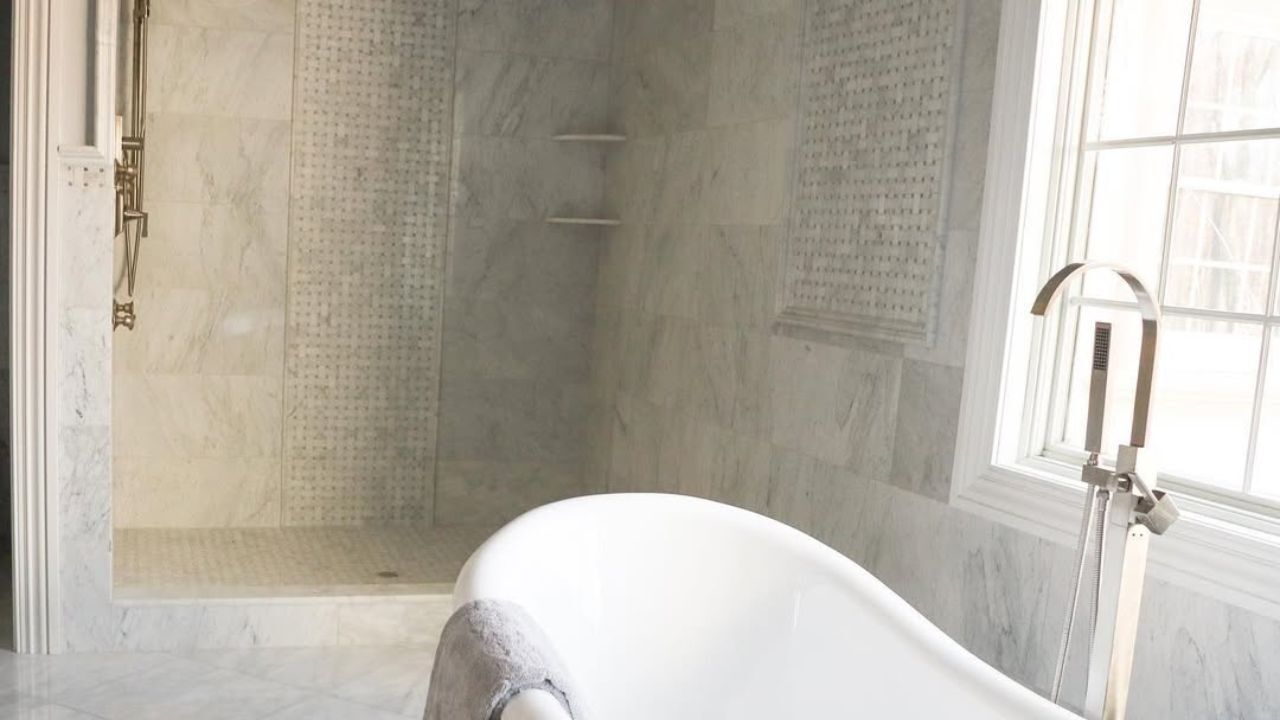
Best Use Cases For Marble Wall Tiles:
Marble works well on shower walls, vanity walls, feature walls, and full-height bathroom applications when maintenance for the tile is not an issue.
Marble Bathroom Wall Tile Sizes & Thickness:
Marble wall tile can commonly be obtained in mosaics to 12×24 formats, larger slabs, and other cut-to-size formats. Thickness varies, with many tiles around 10 mm or more.
Installation Overview Of Marble Wall Tile:
The installer should inspect the stone, plan the layout, use compatible setting materials, and follow the manufacturer’s recommendations. Porous marble may benefit from an appropriate impregnating treatment.
Marble Wall Tile Climate suitability:
For interior bathroom walls, climate is less important than moisture control and ventilation.
Maintenance and cleaning:
Use a pH-neutral stone cleaner. Avoid acidic household cleaners. Sealing can increase stain resistance, but it does not make marble stain-proof.
Cost per sq. ft.:
Approximately $8–$25+ per sq. ft. for many products.
Marble is best viewed as a material with character, not a maintenance-free surface.
Travertine
Travertine is a form of limestone formed by mineral deposits from hot springs. Its natural pores and earthy colors give it a distinct appearance. Travertine is popular for its aged look, which gets even more beautiful with regular usage. Its natural variation, warm tones, and textured finishes can create a distinctive look on bathroom walls and shower surrounds, although its porosity means it requires more care than many porcelain or ceramic tiles.
Best Use Cases For Travertine:
Travertine tiles are ideal for spa-inspired bathrooms, Mediterranean designs, traditional bathrooms, and feature walls.
Travertine Sizes & Thickness:
Common options include 6×6, 12×12, 12×24, mosaics, and larger formats. Thickness varies by product.
Travertine Installation Overview:
The installer must account for the stone’s porosity, finish, and surface condition. Open-filled and unfilled travertine require different visual and maintenance expectations.
Climate Suitability:
It is suitable for interior bathrooms in most climates.
Travertine Maintenance and Cleaning:
Use a stone-safe, non-acidic cleaner. Sealing may improve resistance to staining, but it does not eliminate maintenance.
Travertine Cost per sq. ft.:
Approximately $5–$15+ per sq. ft.
Limestone
Limestone is a sedimentary stone available in many colors and textures. Its absorption varies widely between varieties.
Best Use Cases Of Limestone:
Limestone tiles work well on decorative bathroom walls, feature areas, and carefully selected shower applications.
Limestone Sizes & thickness:
Common formats include 12×24 and smaller modular tiles. Thickness depends on the product.
Limestone Installation overview:
Select a limestone specifically suited to the intended wet-area application. The installer should follow the stone supplier’s recommendations for setting, sealing, and grout.
Limestone Climate suitability:
Suitable for indoor bathrooms across climates, provided the installation controls moisture.
Limestone Maintenance and cleaning:
Use non-acidic products. Some limestone varieties may need periodic impregnating treatment.
Limestone Cost per sq. ft.:
Approximately $5–$20+ per sq. ft.
Different Types Of Natural Stone Comparison for Bathroom Walls
Not every natural stone tile works for bathroom walls. Some stones absorb water easily, while some require intense care. Here is a detailed comparison of different types of natural stone.
| Natural Stone | Appearance | Moisture Consideration | Maintenance | Best Bathroom Use |
| Marble | Veined, refined, varied | Depends on stone selection and installation | Moderate to high; acid-sensitive | Feature walls, shower walls with proper care |
| Travertine | Warm, earthy, naturally porous | Absorption varies; filled varieties offer a different surface | Moderate; sealing may be appropriate | Spa-style walls, shower surrounds |
| Limestone | Soft, natural, understated | Absorption varies by variety | Moderate to high; acid-sensitive | Low-key feature walls and bathroom surrounds |
| Granite | Dense, granular, wide color range | Generally low absorption in wide varieties | Low to moderate | Durable accent and wall applications |
| Slate | Layered, textured, earthy | Depends on variety and finish | Moderate | Rustic or natural-style walls |
| Quartzite | Strong veining, stone-like appearance | Generally dense, but varies by stone | Moderate | High-end feature walls and surrounds |
Natural stone performance varies by specific stone, finish, fabrication, and installation. Always confirm the selected material’s technical characteristics with the supplier.
Bathroom Wall Tile Finishes
Bathroom wall tiles come in finishes such as glossy, matte, honed, polished, and textured, each offering a different appearance and maintenance level.
Glossy Tile
Glossy bathroom wall tile reflects light and wipes clean easily, making it useful for backsplashes, shower walls, and smaller bathrooms.
Matte Tile
Matte tile provides a softer, less reflective appearance and can create a more contemporary look.
Honed Tile
Honed natural stone has a smooth, low-sheen finish that works well for understated bathroom designs.
Textured Tile
Textured surfaces add depth and visual interest but may require more attention during cleaning because residue can collect in the surface profile.
Grout for Bathroom Wall Tiles
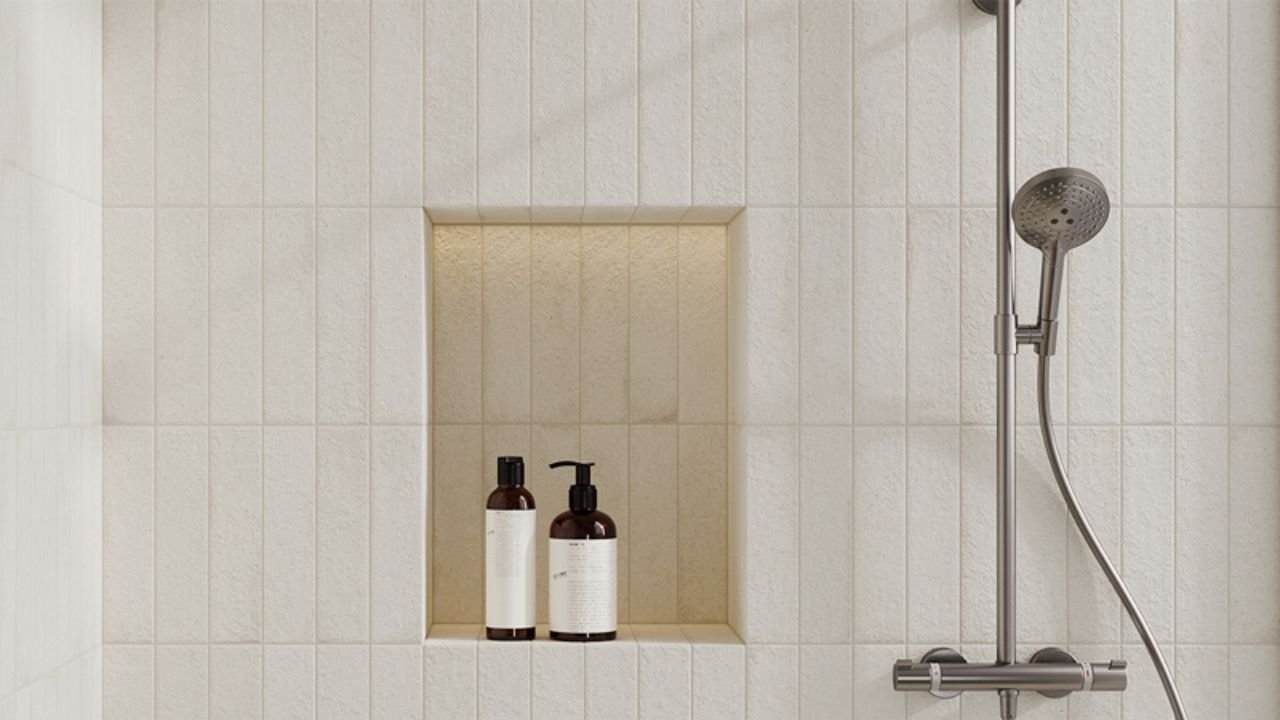
Grout fills the joints between bathroom wall tiles and helps create a finished surface. Choose grout based on the tile type, joint width, moisture exposure, and installation requirements. Cement-based, enhanced cement, and epoxy grouts can work for bathroom walls when selected according to the manufacturer’s recommendations.
Grout color also affects the overall look. Matching grout creates a seamless appearance, while contrasting grout highlights tile patterns such as subway tile.
These bathroom wall tile ideas show that the right choice depends on both the desired appearance and practical requirements.
How to Choose the Best Tile for Bathroom Walls
Choose bathroom wall tile based on moisture exposure, durability, maintenance, design, installation requirements, and budget.
Best Tile for Shower Walls
Porcelain is often a strong choice for shower walls because of its low water absorption, durability, and broad range of styles. However, the tile itself is only one part of a successful shower installation.
Best Tile for a Small Bathroom
Large format tiles can make a small bathroom feel more open by reducing the number of visible grout lines. Glossy surfaces can also reflect light and brighten the room.
Best Budget Bathroom Wall Tile
Ceramic tile is often the most budget-friendly choice for bathroom walls, offering a wide range of colors, patterns, and sizes without the higher material cost of many premium products.
Best Low-Maintenance Bathroom Wall Tile
Porcelain is usually the easiest choice for homeowners who prioritize low maintenance, especially glazed porcelain with a smooth surface.
Best Natural Stone Bathroom Wall Tile
Marble, travertine, limestone, slate, and other natural stones can create a distinctive bathroom, but each material has different absorption, cleaning, sealing, and maintenance requirements.
Our Recommendation
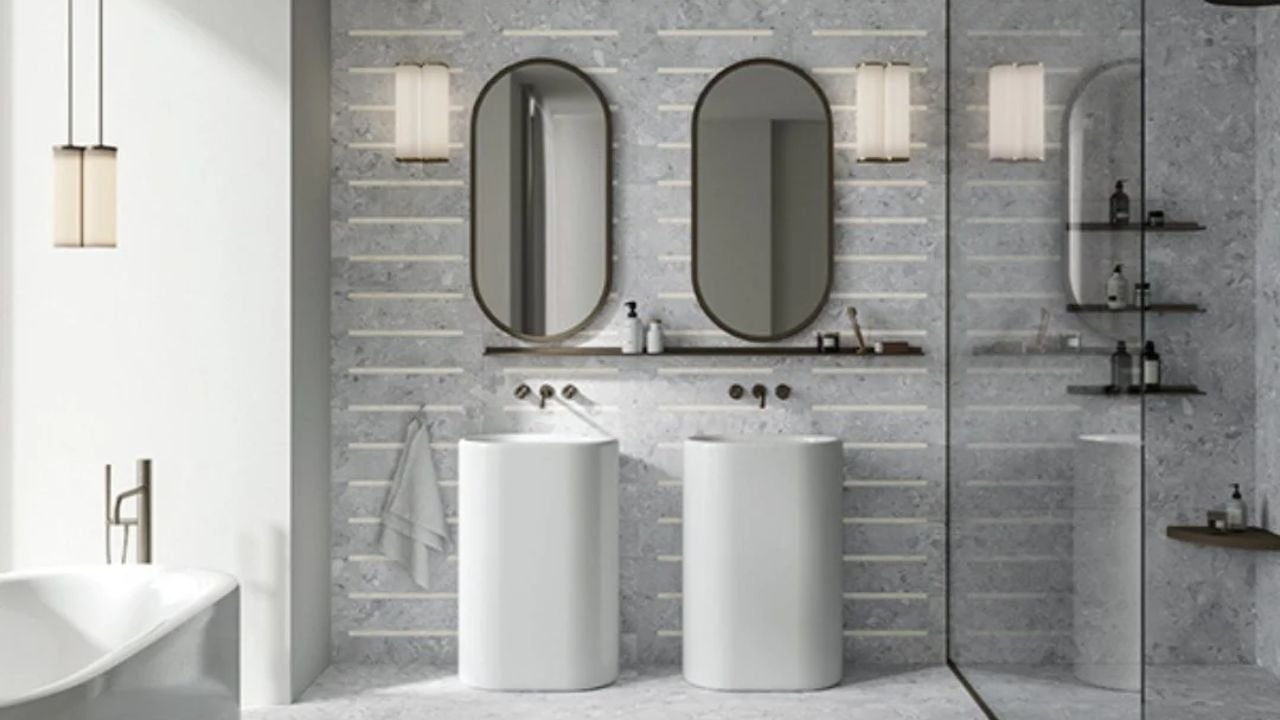
At NT Pavers, we recommend choosing bathroom wall tile based on the specific application rather than appearance alone. Porcelain is often a practical choice for homeowners seeking low maintenance and design flexibility, while natural stone works well when natural variation and character are the priority.
Bathroom Wall Tile FAQs
Let’s answer your questions about the best tiles for bathroom walls.
What is the best tile for bathroom walls?
Porcelain is the best general-purpose option for most homeowners due to its durability, low water absorption, design flexibility, and easy maintenance.
Is ceramic or porcelain better for bathroom walls?
Both work well. Porcelain has exceptional durability, little to no water absorption, and greater density. Ceramic bathroom wall tile usually costs less and provides plenty of suitable options for interior bathroom walls.
What size tile is best for bathroom walls?
There is no standard size for bathroom wall tiles. Large format tiles reduce grout lines, while smaller formats work well for niches, accents, curved surfaces, and detailed layouts.
Is marble good for bathroom walls?
Yes. Marble can be an excellent bathroom wall material, but it needs stone-safe cleaning and may require an appropriate impregnating treatment because some varieties are porous and acid-sensitive.
Are glossy or matte tiles better for bathroom walls?
Neither finish is universally better. Glossy tile reflects more light and is generally easy to wipe clean, while matte tile offers a softer appearance and can be a good choice when you prefer a less reflective surface. The best option depends on the bathroom’s design and maintenance preferences.
Do bathroom wall tiles need to be waterproof?
Yes. Tile itself should not be considered the waterproofing system. Bathroom and shower wet areas need a properly designed waterproofing assembly behind the tile, along with appropriate substrate preparation, setting materials, grout, and installation practices.
Bottom Line
Porcelain is the best overall bathroom wall tile for many homeowners because it combines low water absorption, durability, easy maintenance, and extensive design options. Ceramic offers a cost-effective alternative, while glass and natural stone provide distinctive design options. The best tile ultimately depends on the bathroom’s moisture exposure, desired appearance, maintenance needs, installation requirements, and budget. In wet areas, pair the selected tile with a properly designed and installed waterproofing system for long-term performance.