
How is Travertine Different From Other Pool Deck Materials?
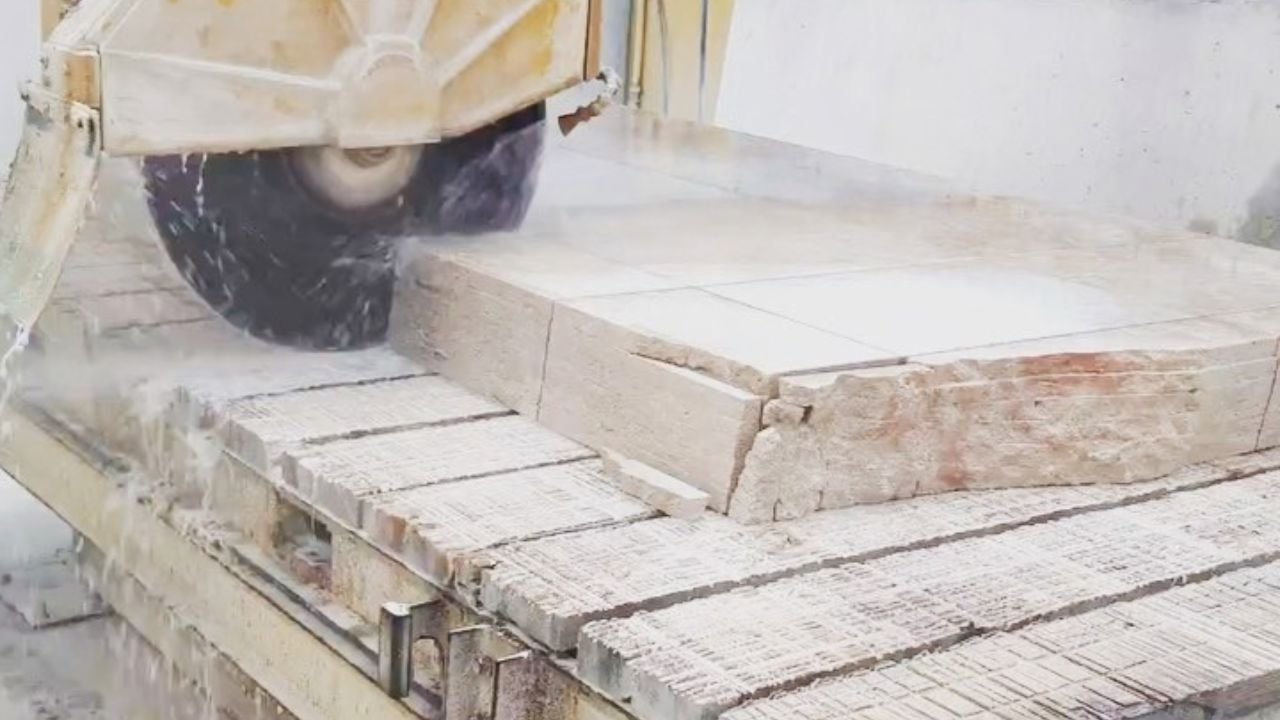
Travertine is formed from mineral deposits left by hot springs and limestone-rich water sources. Travertines feature small natural pores throughout their structure. These pores are the reason why travertine conveniently regulates temperature. It doesn’t trap and hold the heat; instead, it disperses the heat efficiently.
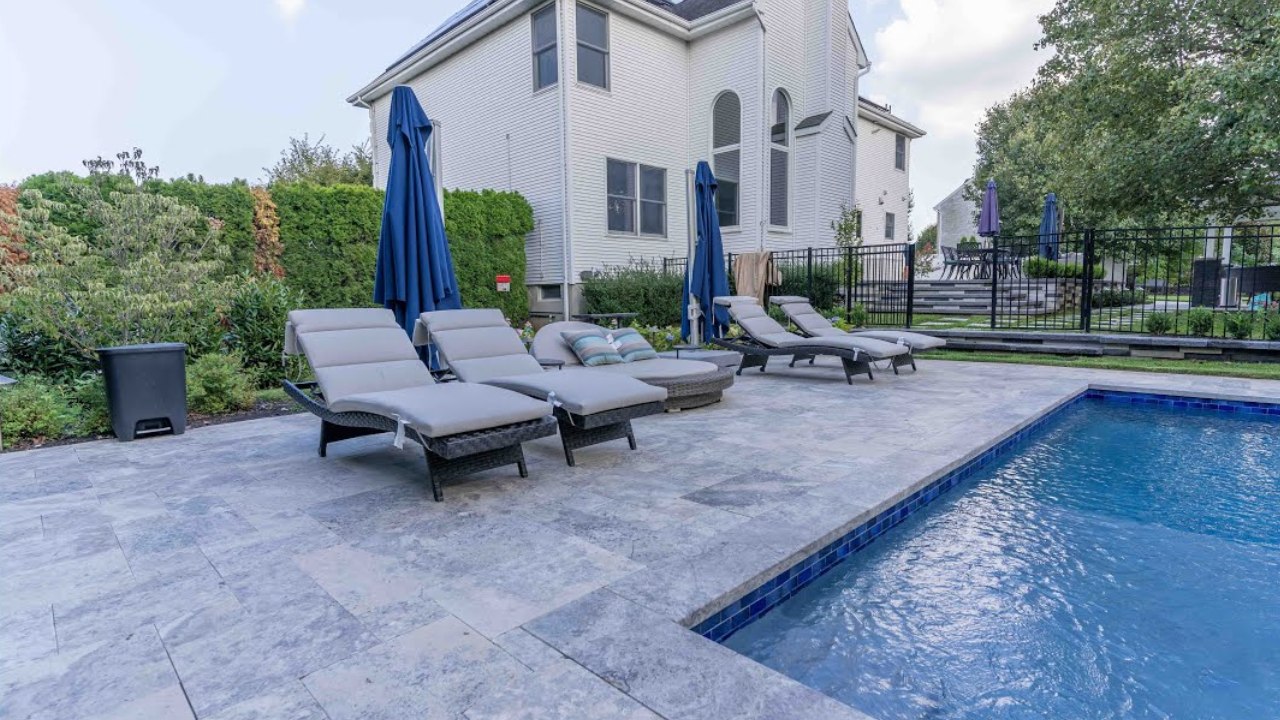
This feature helps explain why travertine pool pavers usually feel cooler than materials with solid and dense compositions. This natural advantage becomes valuable for pool environments during the hottest months of the year. Key characteristics of travertine around pools
- Naturally porous structure
- Comfortable under bare feet
- Good slip resistance when wet
- Durable in freeze-thaw climates when installed properly
- Available in light, heat-reflective colors
- Complements both traditional and modern landscapes
These qualities have made travertine a standard choice for residential and commercial pool projects throughout the warm-weather regions.
Does Travertine Stay Cooler Than Concrete?
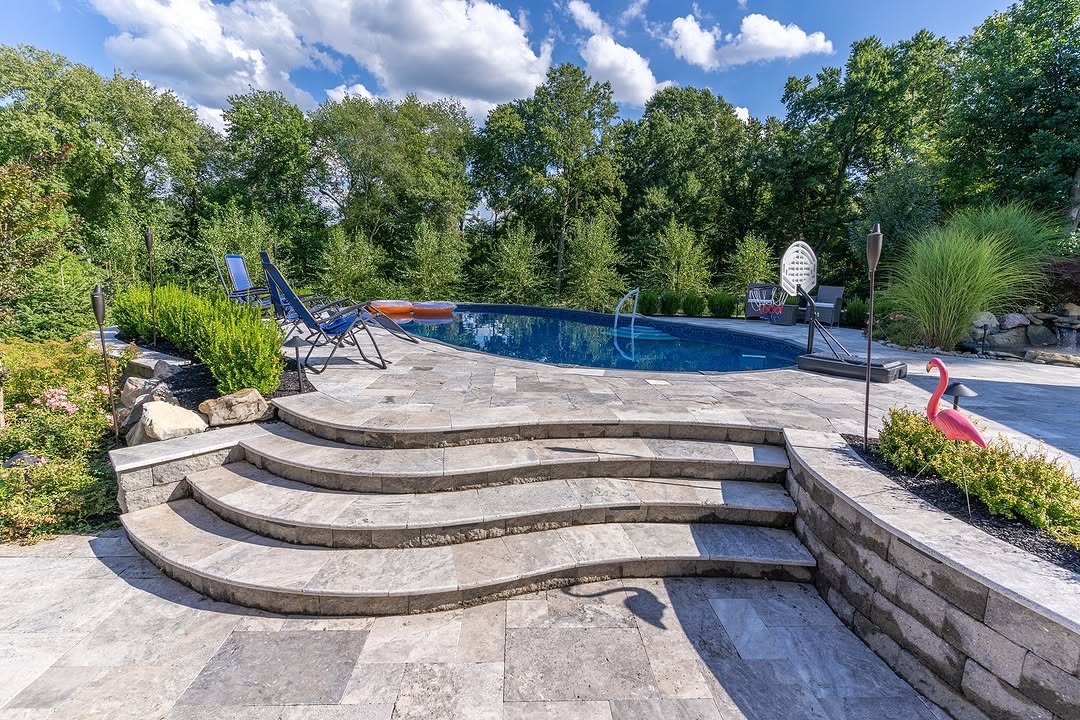
The direct answer is “yes” in most cases. A travertine deck stays cooler than concrete. Standard concrete absorbs and stores heat throughout the day. When the temperature is higher, the concrete surface will become painfully hot underfoot. Standard concrete absorbs and stores heat throughout the day. Once temperatures rise, concrete surfaces can become uncomfortable to walk on barefoot.
For homeowners wondering, is travertine porous, the answer is yes, and this natural characteristic helps regulate surface temperatures.
Travertine acts differently because of its porous structure, which reduces heat retention. Though the stone gets warm under direct sunlight, it usually doesn’t reach the same surface temperature as regular concrete. This difference becomes clearer during peak afternoon hours when the deck surface receives continuous sun exposure.
For homeowners comparing materials for pool decks or a patio, comfort often becomes one of the strongest reasons to choose travertine over poured concrete.
How Travertine Compares to Other Pool Deck Materials?
Here is how travertine is compared to the other popular pool decking materials, including concrete, brick pavers, granite, and porcelain pavers.
| Pool Deck Material | Heat Retention | Barefoot Comfort | Slip Resistance |
| Travertine | Low | Excellent | Excellent |
| Concrete | Medium to High | Moderate | Moderate |
| Brick Pavers | High | Fair | Good |
| Granite | High | Fair | Good |
| Limestone | Low to Medium | Very Good | Good |
| Porcelain Pavers (Light Colors) | Medium | Good | Excellent |
| Porcelain Pavers (Dark Colors) | Medium to High | Moderate | Excellent |
Travertine consistently ranks among the most comfortable natural stone surfaces for pool environments because it balances temperature control with durability, and even for future travertine restoration projects.
At NT Pavers, we have installed travertine pool deck throughout New Jersey and consistently find that homeowners prefer travertine because it remains noticeably cooler underfoot than concrete and many dense stone alternatives.
Why Color Matters More Than Many Homeowners Realize
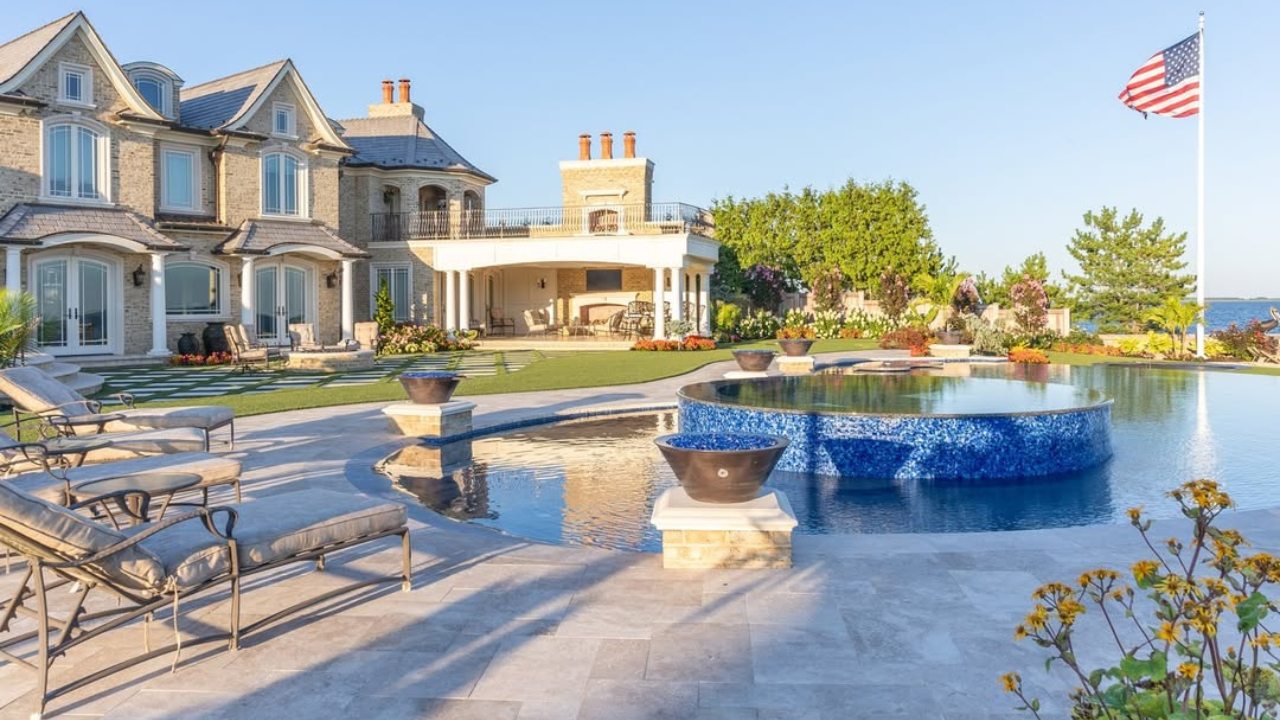
While travertine works great despite the direct exposure to the sunlight, not every variant performs equally. Color is the crucial element to determine how well travertine will perform in high temperatures. Lighter shades reflect more solar energy, while darker shades absorb more heat. This rule is similar for every paving material, especially natural stone.
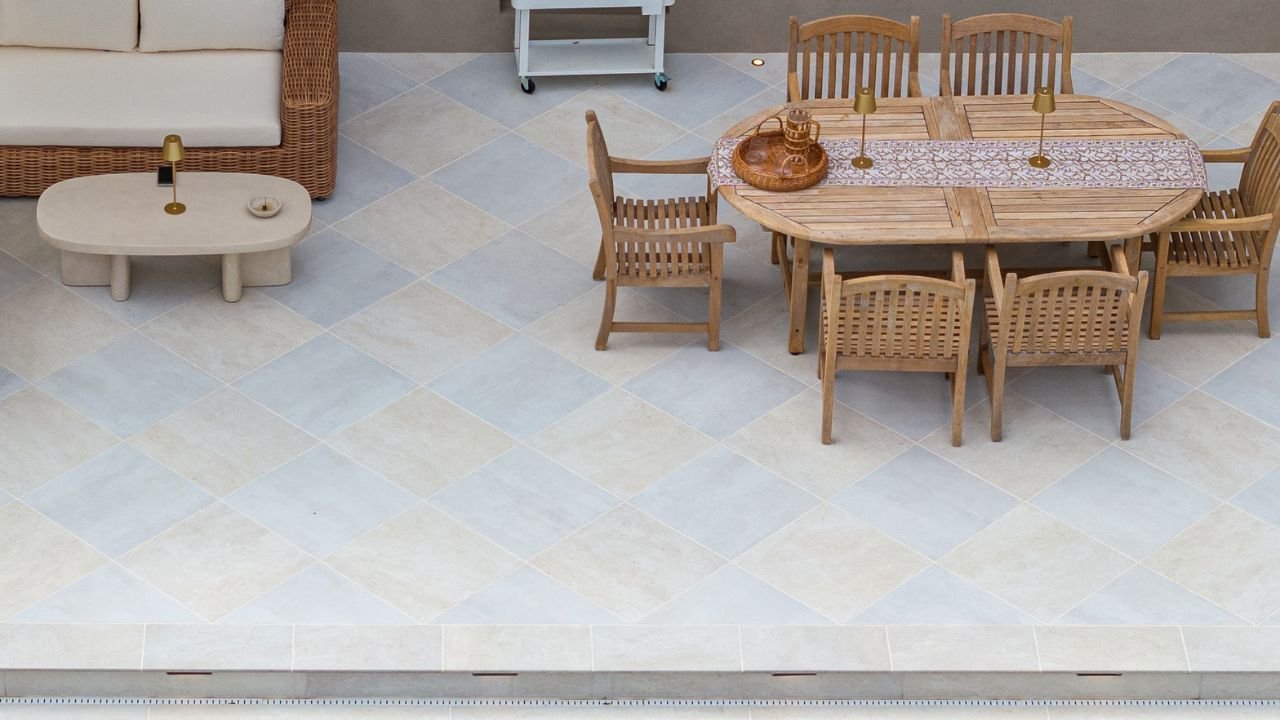
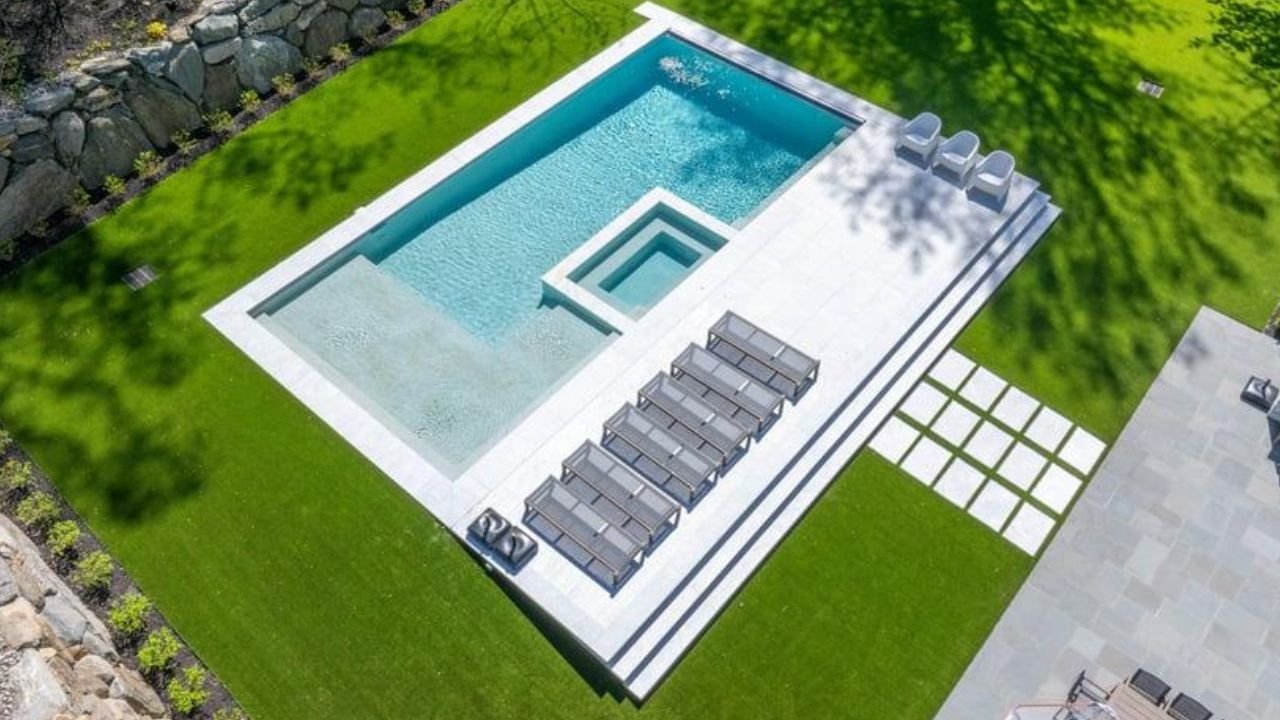
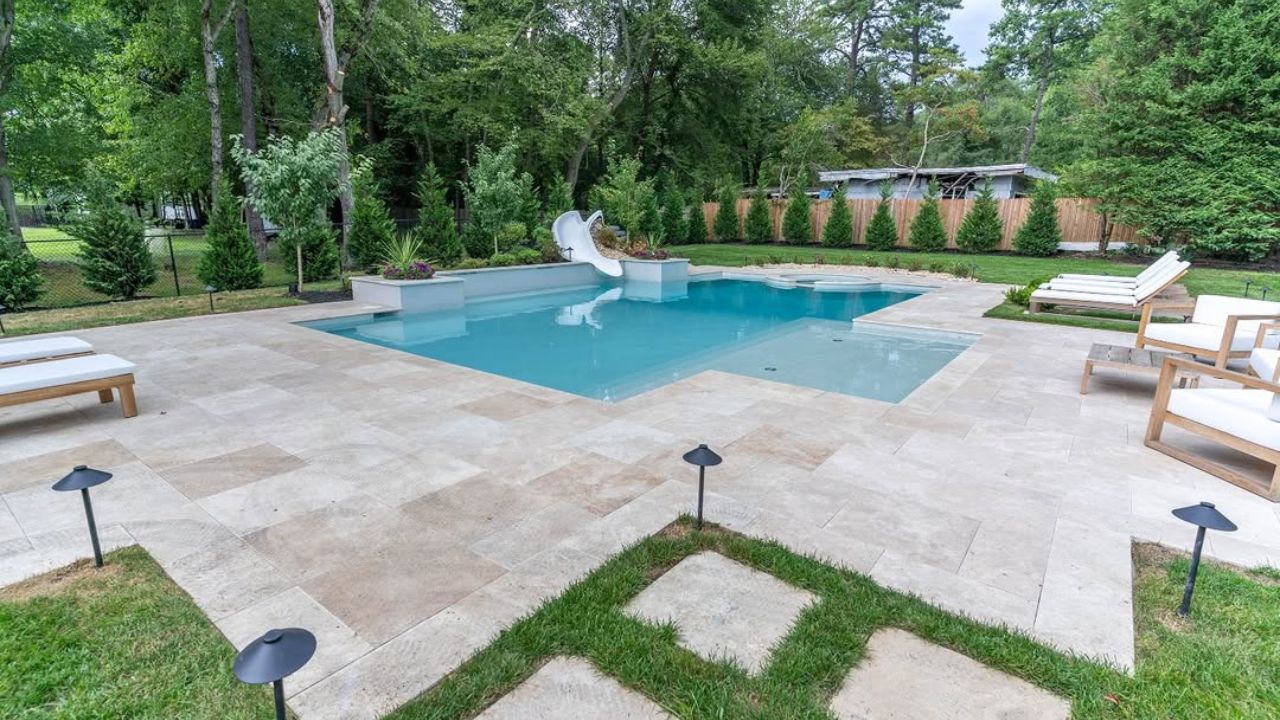
Travertine colors that tend to stay cooler are ivory, cream, light beige, and silver travertine. Travertine colors that may feel warmer are walnut, noce, and dark brown travertine blends. Many designers and hardscape professionals recommend using lighter colors for travertine pool coping and pool deck. Because they improve comfort in hot weather while maintaining the stone’s natural appearance.
What Happens During Extreme Summer Heat?
No paving material remains cool under every condition. When the outdoor temperature is more than 95°F (35°C), and the surface is exposed to direct sunlight for several hours, travertine will get warm. This is a commonality in regions with intense warm summers; homeowners should expect some level of heat buildup.
However, travertine generally remains more comfortable than many competing materials. Several factors affect the surface temperature:
Climate
Regions with a longer summer season produce more heat.
Sun Exposure
Areas consistently facing sunlight in the afternoon will absorb more heat.
Stone Color
Lighter surfaces reflect more light and don’t trap the heat.
Surrounding Landscaping
Trees, pergolas, and shade structures help reduce heat accumulation.
Airflow
Open outdoor spaces often cool more effectively than enclosed courtyards.
Knowing these factors can help homeowners to build a comfortable pool environment or outdoor living space regardless of the material they choose.
Design Strategies That Help Keep Pool Decks Cooler
Material selection is not the major factor, but good design can significantly improve outdoor comfort. Here is how smartly you can build a pool deck that stays cooler.
| Strategy | How It Helps Keep Travertine Cooler | Practical Application |
| Choose Light-Colored Travertine | Light-colored stones reflect more solar radiation and absorb less heat than darker shades. | Select Ivory, Cream, Silver, or Light Beige travertine for pool decks and walking areas. |
| Add Strategic Shade | Shade reduces direct sunlight exposure, helping surface temperatures stay lower throughout the day. | Install pergolas, shade sails, umbrellas, or covered outdoor structures near the pool. |
| Incorporate Landscaping | Trees and plants create natural shade and can lower surrounding ambient temperatures. | Plant shade trees, hedges, or layered landscaping around the pool perimeter. |
| Use Water Features | Water cools nearby surfaces through evaporation and can reduce the perceived temperature of the outdoor space. | Add fountains, waterfalls, deck jets, or spillover features near seating and walking areas. |
| Plan Seating Zones Carefully | Proper placement minimizes prolonged exposure to intense afternoon sun and improves overall comfort. | Position lounge chairs, dining areas, and gathering spaces where they receive partial shade during peak heat hours. |
Many professional hardscape designers use these strategies alongside travertine installations, modern pool waterline tile ideas, and complementary pool features to maximize comfort throughout the summer season.
Travertine Around Pools FAQs
Let’s answer your questions regarding whether travertine gets hot around pools.
Does travertine get too hot to walk on around a pool?
No. While travertine can become warm in direct sunlight, it is usually bearable compared to concrete and other dense natural stones.
Is travertine cooler than concrete around pools?
Yes. Travertine retains less heat and feels more comfortable under bare feet than standard concrete.
What color travertine stays coolest?
Ivory, cream, and other light-colored travertine options often stay cooler because they reflect more sunlight.
Is travertine slippery when wet?
Travertine features a natural traction and is generally considered one of the safer natural stone options for pool decks.
Does sealed travertine get hotter?
No. When using a quality sealer, it will not increase the surface temperature. Color and sun exposure have a much greater impact on heat buildup.
Bottom Line
For the question, does travertine get hot around pools, the simple answer is yes. Technically, it gets warmer just like any other material, but the warmth level is still lower than that of concrete, porcelain, or stones like granite. Using travertine around a pool is a smart idea because the heat level is walkable even after a full day under the direct sunlight. However, homeowners who want other materials should opt for a lighter color of travertine pool pavers so the heat absorption will be lower compared to a darker color.