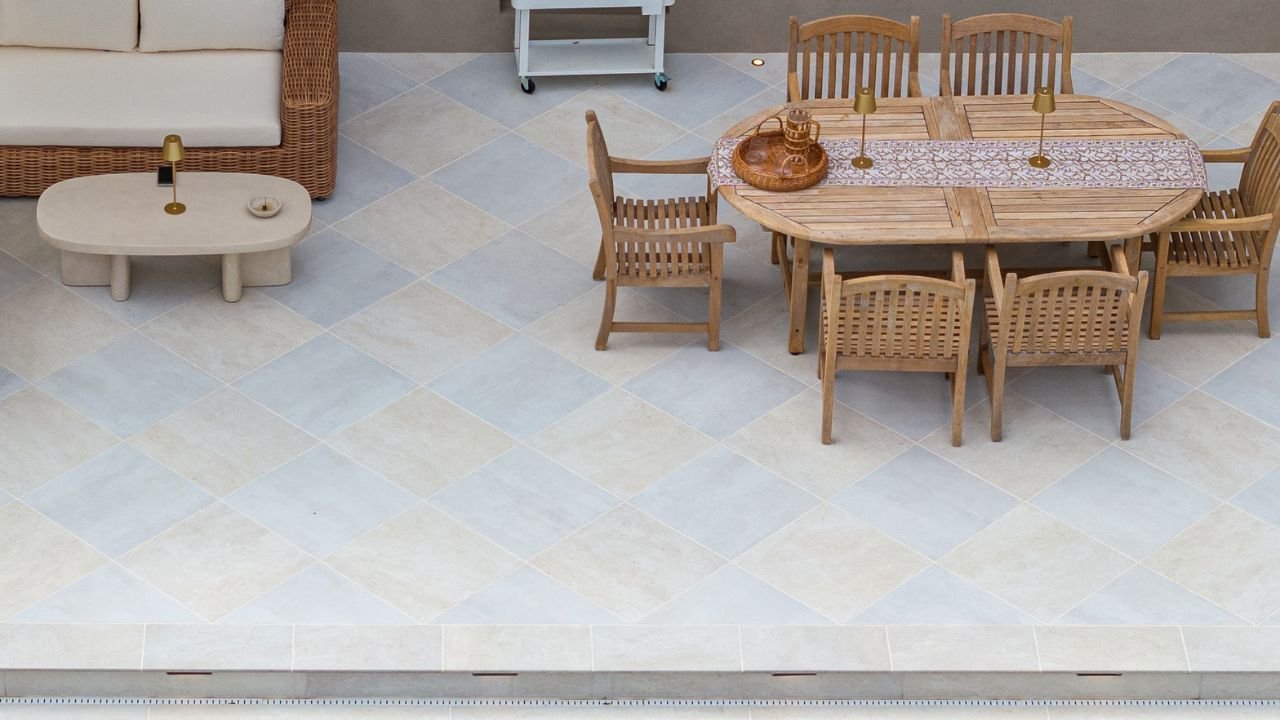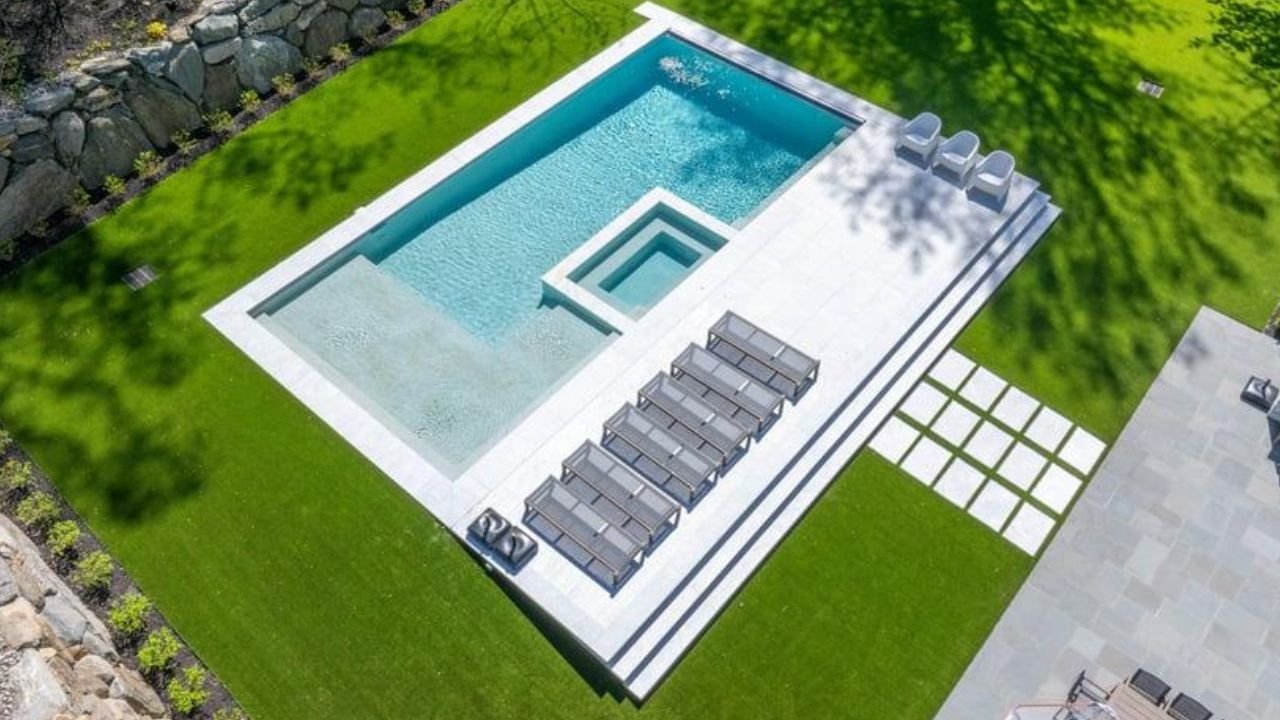

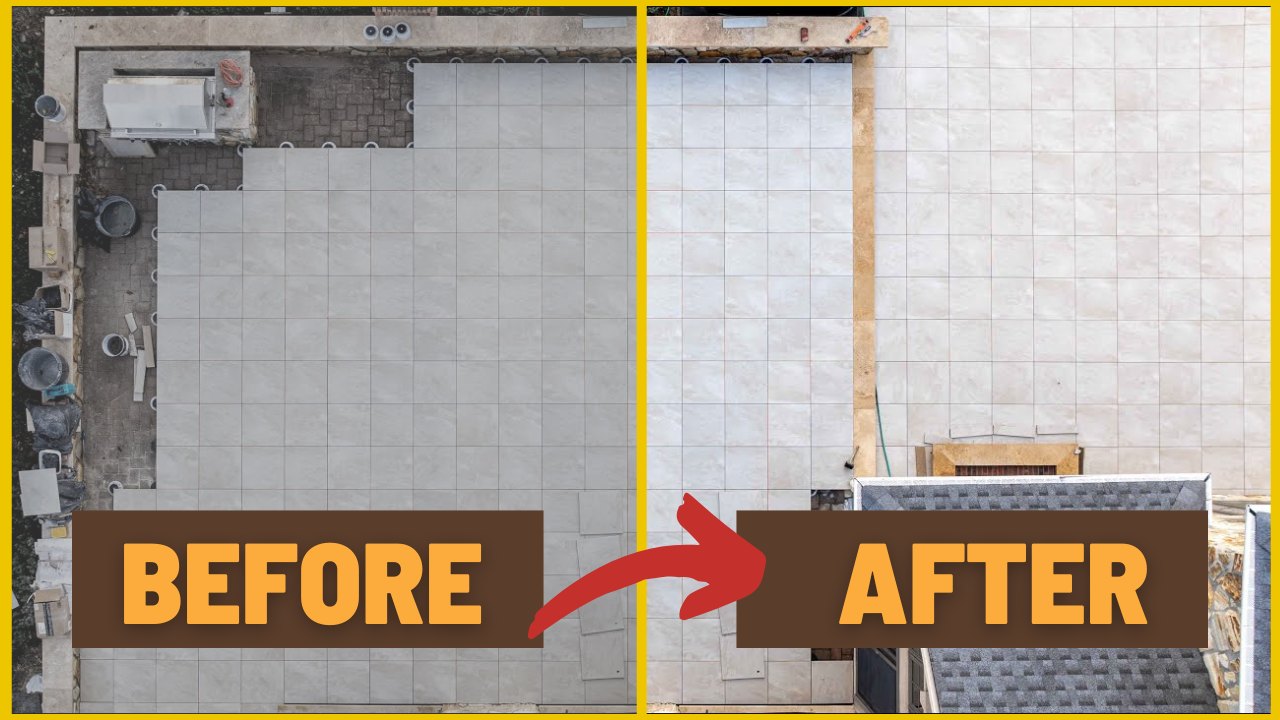
Patios are one of the most used spaces in any home. From family gatherings to leisure time, we all like to spend time there. This shouldn’t be surprising when they start to show the signs of wearing long before the house itself. Concrete patios crack and stains or become uneven. The stone surface is starting to wear out. What once felt clean and functional begins to feel tired.
Like many homeowners, you may want to demolish the space to install new pavers, but adjustable paver overlays have changed everything. Instead of spending extra on removing the existing surface, a paver overlay system will use pedestals and porcelain pavers. It will restore a patio without removing the existing slab.
The method places a new architectural surface above the old structure. The result feels like a completely new patio. Adjustable pedestal paver system is now gaining huge popularity these days due to its convenience, functionality, and benefits. Here is what you need to know about this.
What Is a Paver Overlay System?
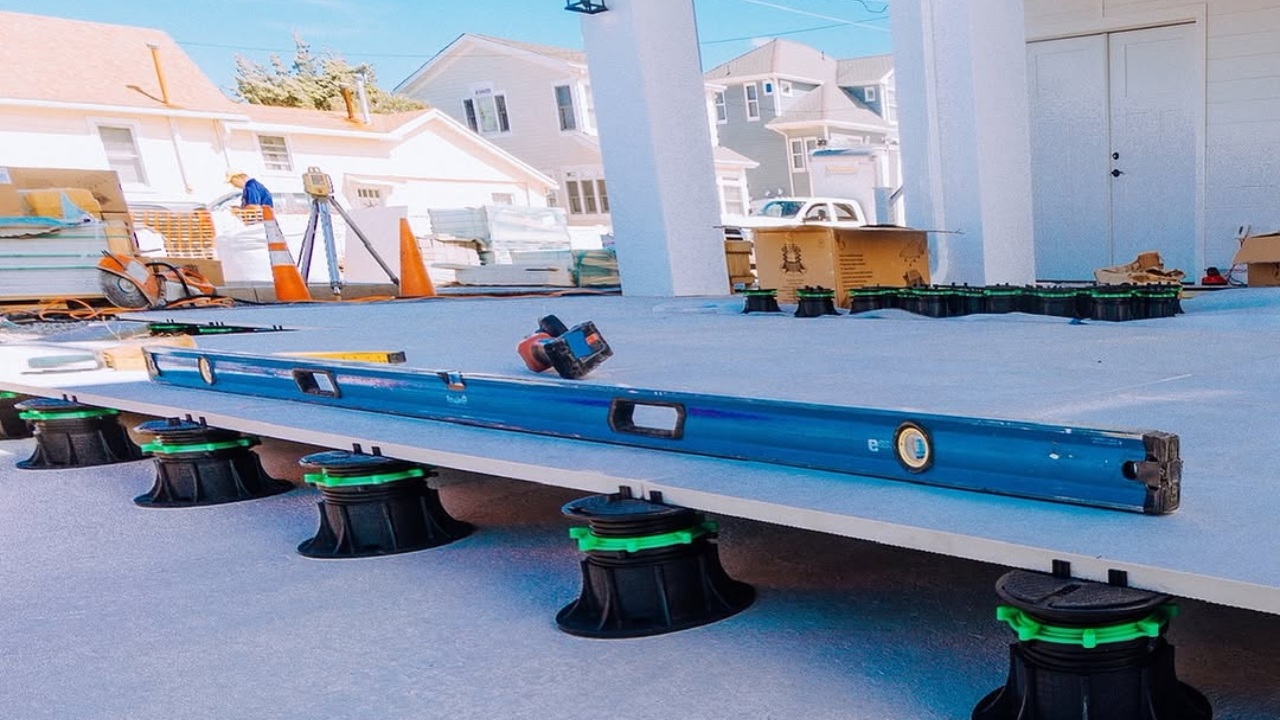
A paver overlay system is a method of installing porcelain or stone pavers over an existing concrete paving slab using adjustable pedestals. It creates a raised, level surface without removing the old patio.
How to Install a Porcelain Paver Overlay System (Step-by-Step)
While the pedestal paver installation is straightforward, it is still slightly varied according to the manufacturers. Most pedestal paver overlay projects follow a consistent process.
Step 1: Inspect the Existing Concrete Patio
Step 1 of the porcelain pavers overlay is inspecting the existing patio.
- The contractors first examine the concrete paving slabs.
- They will look for structural damage, severe settlement, or drainage issues. Minor cracks are often avoided as they are rarely a concern, and the overlay hides them.
- If the slab remains stable, it can support the new system.
Step 2: Clean and Prepare the Surface
Step 2 of porcelain pavers overlay is to clean and prepare the surface.
Installers will clean the slab to remove dirt, grease, or loose material. A clean base helps pedestals sit flat and stable.
In some cases, contractors add protective pads or membranes beneath pedestal points.
Step 3: Install Adjustable Pedestals
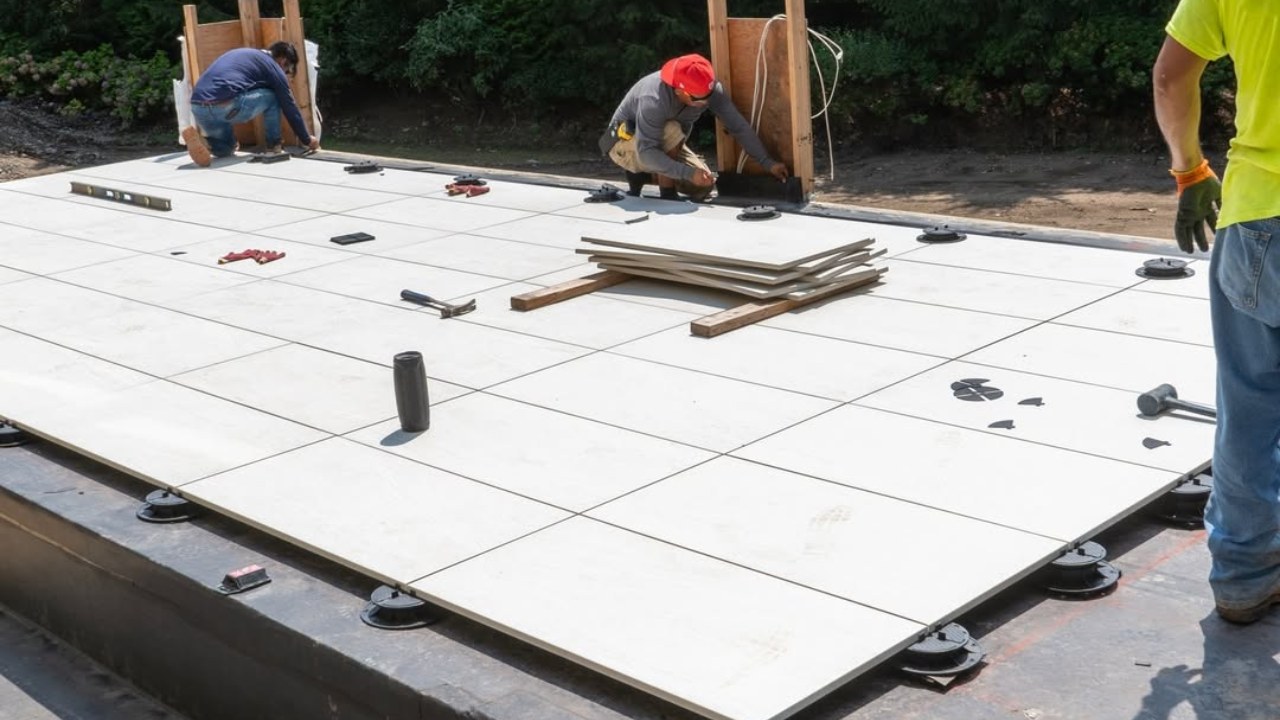
Step 3 of the porcelain pavers overlay is to place an adjustable pedestal onto the surface.
- Installers place pedestals in a grid paver pattern across the slab. Each pedestal includes a threaded adjustment mechanism.
- The installer rotates the pedestal head to raise or lower the support point. This adjustment ensures the finished patio surface remains level.
- Pedestal height can range from half an inch to several inches, depending on design requirements.
Step 4: Install Porcelain Pavers
Step 4 of the porcelain pavers overlay is to install the porcelain pavers.
- Start by placing the porcelain pavers directly on the pedestal heads.
- Small spacers built into the pedestal keep joint gaps consistent.
- These joints will help water drain beneath the surface.
- The pavers remain stable because each corner rests on a support point.
Step 5: Secure Edges and Perimeter
Step 5 of the porcelain pavers overlay is to stabilize the edges.
- The perimeter of the patio will require edge restraints or structural supports.
- This step will assure you that the outer pavers remain secure.
- Once complete, the system forms a rigid but flexible deck surface.
Why Use a Porcelain Pedestal System for Old Patios?
Traditional patio repair is more about patching or resurfacing concrete. While these can fix the short-term problems, they rarely solve the deeper issues like uneven slopes or drainage. Pedestal systems approach the problem differently. They don’t fix the slab itself; the system builds a new level surface above it. Several design advantages follow.
The System Corrects Uneven Surfaces
Older patios often face the problem of an uneven surface. It is often caused by soil movement and freeze-thaw cycles. Adjustable pedestals help installers to raise or lower each support point. The finished surface becomes level even if the slab beneath remains imperfect.
Water Drains Beneath the Patio
Water flows through the joints between pavers. It drains under the surface instead of pooling above it. This design improves durability and helps prevent standing water.
Hidden Space Forms Beneath the Surface
The space between the slab and paver surface creates a shallow cavity. Contractors can route lighting wires or drainage elements through this space. This feature often proves useful in modern outdoor design.
The Installation Avoids Heavy Demolition
Because the slab remains intact, the project avoids jackhammers, debris removal, and major disruption. For homeowners, this often means shorter timelines and lower renovation costs.

Why Porcelain Pavers Are Best for Overlay Systems?
While the pedestal paver system is a great paving solution, its success largely depends on the material used for the surface layer. These days, porcelain pavers have become the most trusted choice for elevated outdoor flooring.
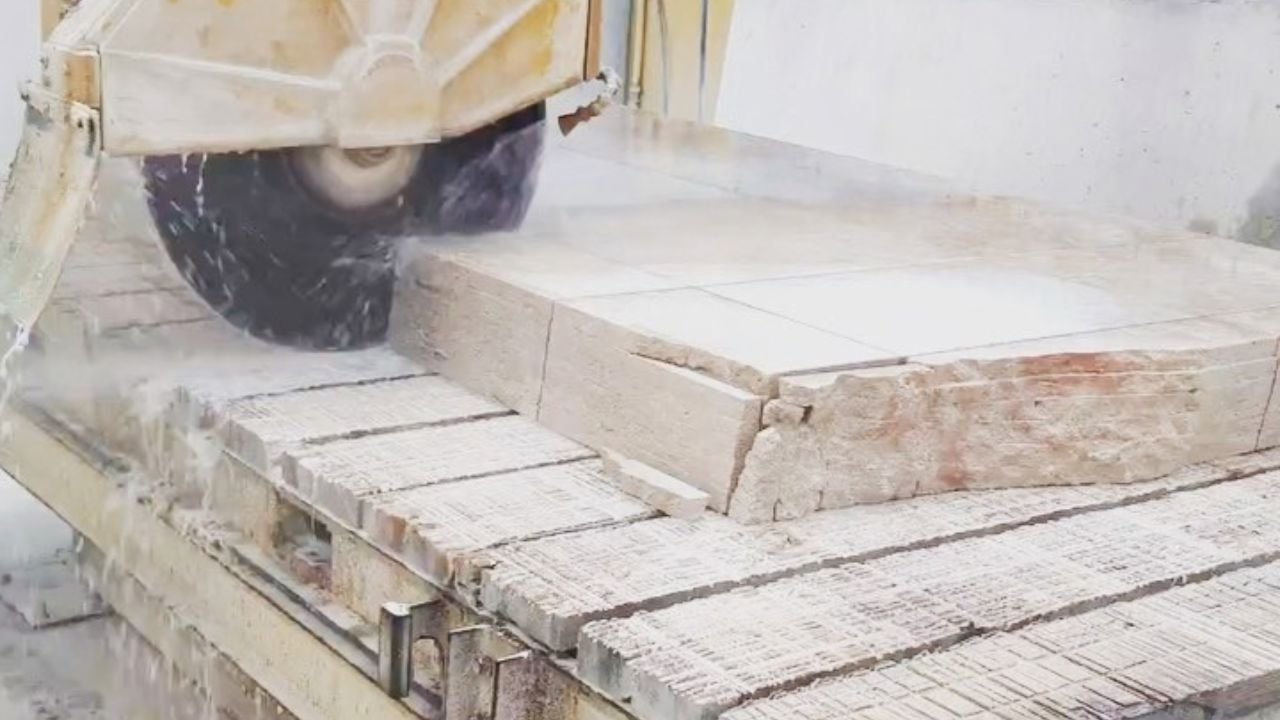
Porcelain pavers form through a high-pressure manufacturing process that compresses refined clay and minerals before firing them at extremely high temperatures. This process produces several performance advantages.
Extremely Low Water Absorption
Porcelain generally absorbs less water. Its water absorption is as low as 0.5 percent water. This feature protects the material during freeze cycles and heavy rain.
High Structural Strength
Many outdoor porcelain pavers exceed 2,000 pounds of breaking strength. This strength helps the pavers to perform well in patios, terraces, and even commercial plazas.
Surface Durability
Porcelain can resist stains, mold, and algae. Outdoor patios benefit from this property because maintenance remains simple.
Long-Term Color Stability
Instead of printing later, the color pigments bake into the material during firing. Sunlight does not fade the surface as easily as concrete.
For homeowners, these qualities translate into a patio that keeps its appearance for many years.
Problems a Paver Overlay System Can Solve
A pedestal paver overlay is not just about an aesthetic upgrade, but it can solve some serious structural frustrations that older patios often create.
Cracked Concrete Surfaces
Surface cracks on the existing surface remain hidden beneath the paver layer.
Drainage Problems
Water drains between pavers rather than sitting on the surface.
Uneven Patio Slopes
Adjustable pedestals help installers to correct small elevation differences.
Outdated Patio Designs
The overlay introduces modern materials and larger formats.
For many homeowners, these improvements transform how the patio performs and feels.
What Homeowners Should Check Before Choosing a Paver Overlay
Although pedestal overlays work well in many situations, a few conditions deserve attention before installation.
| Consideration | What to Check | Why It Matters for a Paver Overlay |
| Structural Stability | The existing concrete paving slab should remain structurally sound with no major structural damage. Minor surface cracks are usually acceptable. | A stable slab acts as the base for the pedestal system. Severe cracks or unstable soil may cause movement and should be repaired before installing porcelain pavers. |
| Doorway Clearance | Measure the height between the patio surface and door thresholds or nearby steps before installation. | A pedestal overlay slightly raises the patio surface. Proper clearance ensures doors open freely and transitions between spaces remain safe and comfortable. |
| Perimeter Support | The edges of the patio should provide solid support for the outer pavers. Contractors may install perimeter restraints or edge supports. | Edge stability prevents paver movement and keeps the pedestal system aligned, which protects the long-term integrity of the patio surface. |
Professional assessment ensures the system performs correctly over time.
Paver Overlay Guide FAQs
Let’s answer your questions about the paver overlay guide
Can you install porcelain pavers over an old concrete patio?
Yes. Instead of demolishing old concrete, contractors often place porcelain pavers above the existing slab. The system creates a new level surface without removing the concrete.
How thick are porcelain pavers used for pedestal systems?
Most pedestal installations use 20mm thick porcelain pavers because they offer the strength required for lifted outdoor flooring.
Do pedestal patios move or shift?
No. When a pedestal patio is installed correctly, the pedestal system remains stable. Each paver rests on multiple support points, which distribute weight evenly.
Does water drain through pedestal paver patios?
Yes. Water drains effectively through the small joints between pavers. It flows toward existing drainage paths.
Are porcelain pavers slippery when wet?
No. Outdoor-rated porcelain pavers feature textured finishes that offer slip resistance suitable for patios and pool areas.
Bottom Line
The paver overlay method is a great way to make your old patio look new. It can give your existing patios or outdoor areas a new life without creating a mess. Traditional overlay methods require demolition of existing concrete paving slabs, preparing a new base, and installation of new pavers, which takes a lot of time and money. Paver overlay is a straightforward method that doesn’t require much effort and labor. Using a pedestal with porcelain pavers is the most opted option that doesn’t take much time, and porcelain pavers are the best paver choice.
Just make sure to choose the right paver thickness and pedestal with the right load-bearing capacity. This paver overlay guide will surely be helpful for you in this regard. For further guidance, you can contact NT Pavers for the best information by professionals.