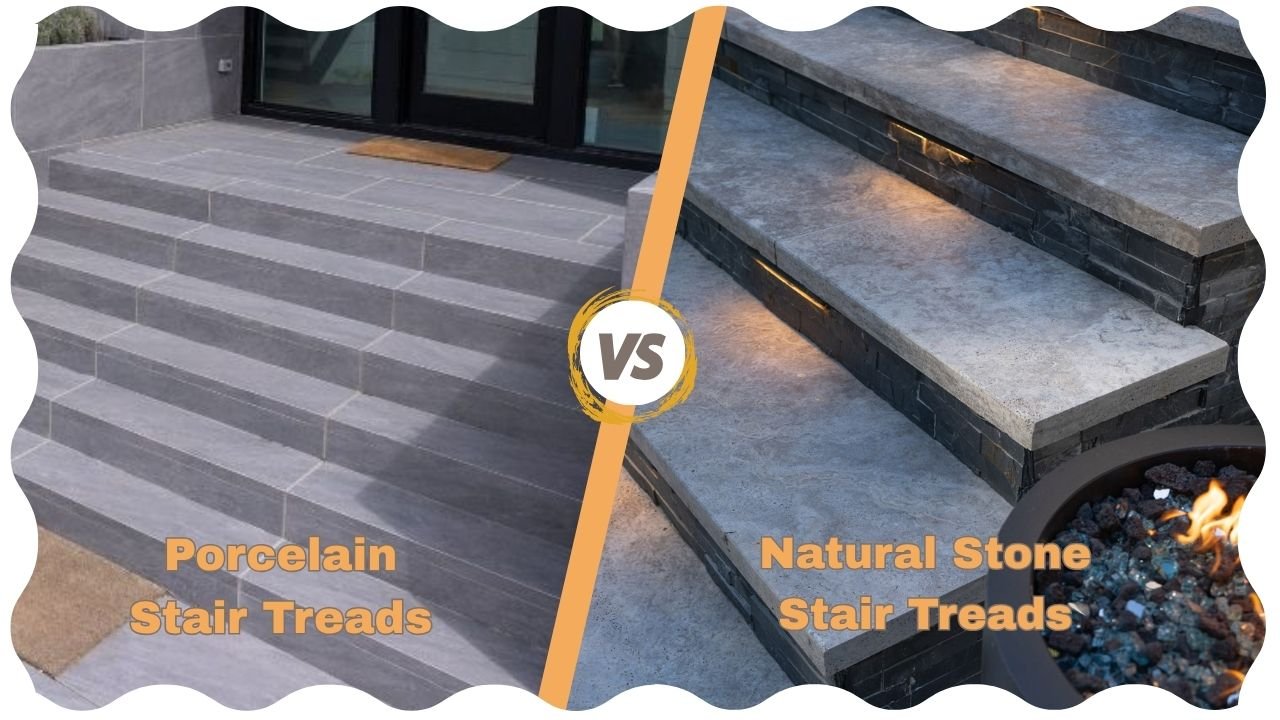


Natural stone is a highly sustainable construction material. The supply of natural stone on Earth is abundant and vast, dating back millions of years. However, the regeneration of stone isn’t as freely visible as the regeneration of trees. It’s a continuous development with natural stone tiles having an enduring lifespan.
Natural stone is precisely that, natural. There aren’t any alterations to these stones like other concrete products. As a natural product, stone products are eco-friendly and recyclable. Crush natural stone and use the aggregate as natural stone pavers.
Every piece of natural stone has a distinct blend of tones and colors, which customizes your driveway or garden walkway, where each piece matches and is reasonably characterless. Unlike concrete, natural stone has no pigment in its color, making it more striking. Natural stone veneers feature imperfections and tones from thousands of years ago.
Natural stone retains its appearance for a long time, unlike concrete, which is affected by exposure after a couple of years of heavy traffic.
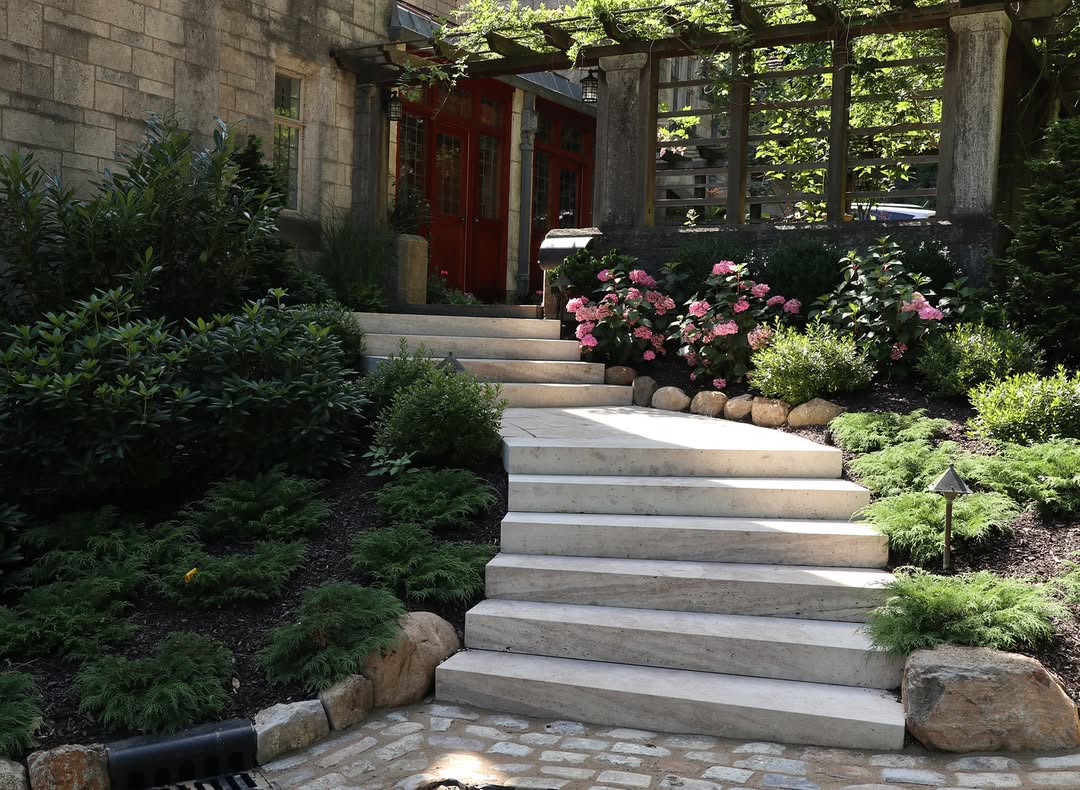
Natural stone paving is sturdy and frost-resistant. Natural stone doesn’t wear down, uncovering aggregates such as concrete. Excavated right from the Earth’s crust, each piece of natural stone is unique. The only treatment they require is shaping into different sizes, finishes, and forms.
Natural stone has plenty to love. There’s no doubt about that. Take some time to learn about the characteristics of natural stone. You’ll value it even more.
Natural stone is one of the most popular materials for driveways, patios, countertops, flooring, walls, and more. Marble, onyx, granite, slate, limestone, and other natural stones come in a wide range of designs and colors to suit any indoor or outdoor design project.
Usage for Natural Stone
Created by years of subterranean pressure and heat, natural stones possess tremendous strength and beauty. Natural stones are:
- Fire and heat resistant.
- Etch and stain-resistant, Scratch & chip resistant.
- Stain & etch resistant, Chip- and stretch-resistant.
- It lasts a lifetime with accurate care.
Because mining is a part of the natural stone process, each one is different, from bathroom vanities to kitchen countertops to natural stone flooring to wall stone tile. Natural stone turns any surface into a brilliant masterpiece.
Natural Stone pavers indicate numerous products excavated from the Earth. These stones are more than just rocks since they are for renovations and building materials. These products include travertine, granite, slate, limestone, marble, onyx, sandstone, adoquin, etc. Natural stones are hand-picked from the most consistent, top sources for beauty and resilience.
Natural stone products vary in color, texture, and composition, even with chunks from the same source. Having these stones is typically thought of as an advantage, lending itself to unique designs and different video applications.
Where to Use Natural Stone
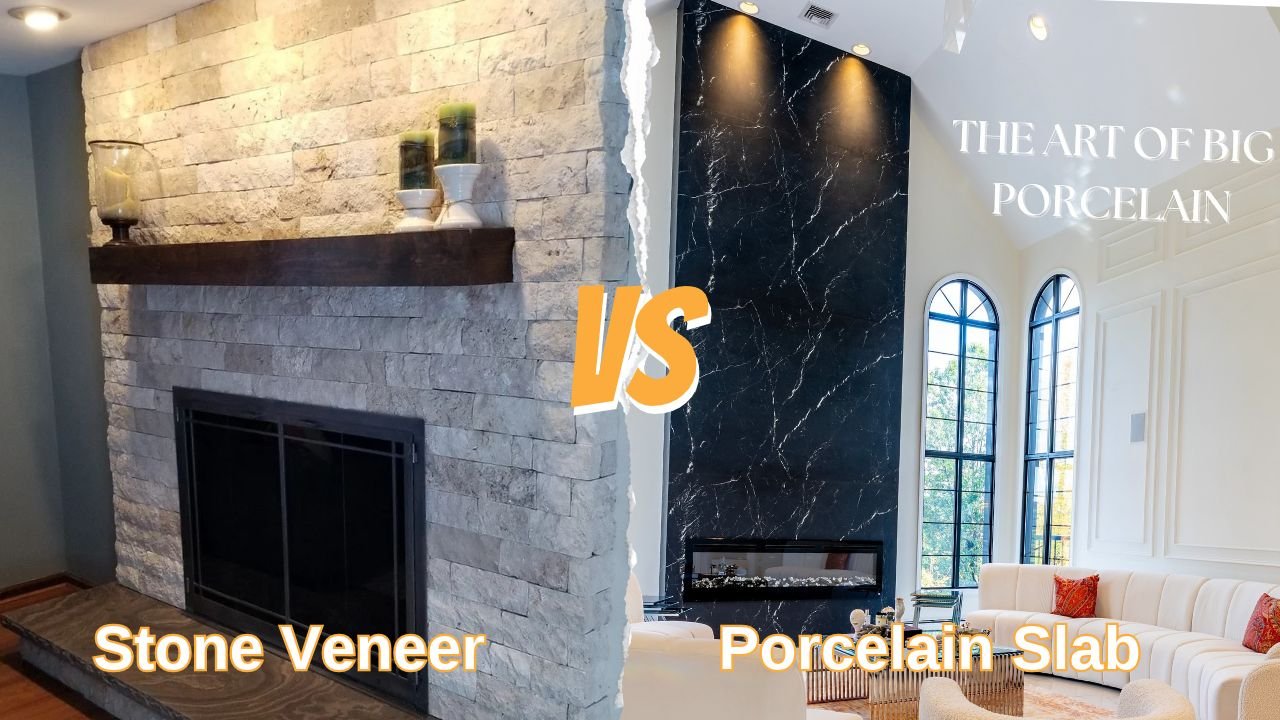
Natural stone is primarily used for large-scale building projects and informal applications such as government buildings and places of worship. Also, it is part of road construction and monument construction. For home construction, brick and wood have been the customary choice. There has been a recent increase in the use of natural stone for home construction and renovation projects. Common areas in the home for natural stone applications include fireplaces, countertops, entryways, atriums, bathrooms, floors, and other surfaces.
Natural stone tiles are vulnerable to staining and require sealing after installation. The reason is that natural stone is porous. A sealer masks those pores, making the stone less prone to stains and simpler to clean. While some sealers last forever, we recommend resealing every 12 to 24 months as part of your natural stone care schedule for an average sealer.
The Purpose of Using Natural Stone
Natural stone conveys peace, tranquility, and beauty. There are also several advantages to using natural stone in your residence. Natural stone products are sturdier than many artificial products and typically last for years with minimal maintenance. There are no concerns about exposure to harmful chemicals in the house or in the air during the disposal or production of natural stone. Why put money and time into an imitation? Natural stone is the real thing that fake products try to copy.
Different Kinds of Natural Stone
Natural stone paver products are available in several types, including granite, slate, marble, travertine, onyx, quartzite, sandstone, and limestone.
Granite
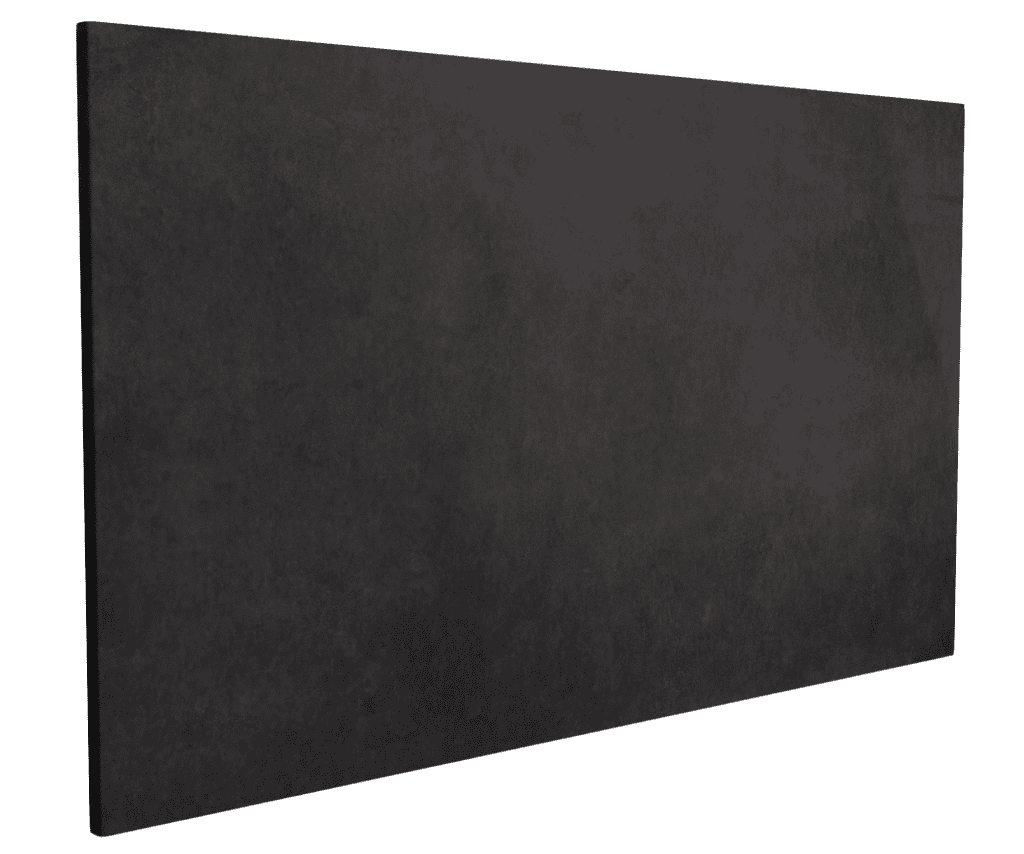
For maintenance-free sturdiness and sophistication, there’s nothing better than granite. Its incredible density and strength make granite the ideal choice for substantial structural projects, including supports, walls, and monuments. Even though it’s the toughest of structural stones, the fantastic assortment of natural patterns and mineral-rich colors also adds ornamental value. Granite is perfect for natural stone countertops, flooring, exterior decorations, and vanities.
You’ll find granite types used in bridges, monuments, buildings, paving, and numerous other exterior applications. Indoors, use granite tiles for stair treads, flooring, countertops, and several other ornamental and everyday projects. Granite is a popular choice because it’s a durable material used in projects to create an impression of resilience, elegance, and lasting quality.
Slate

Slate look pavers naturally break into gorgeous, textured layers because they formed under hundreds of years of compression and sedimentary deposition. The different shades of slate products like lavender, yellow, pink, brown, dark gray, and more could happen in the same stone piece. Stain-resistant and resilient, slate products are frequently used in cladding, flooring, and landscaping.
Marble
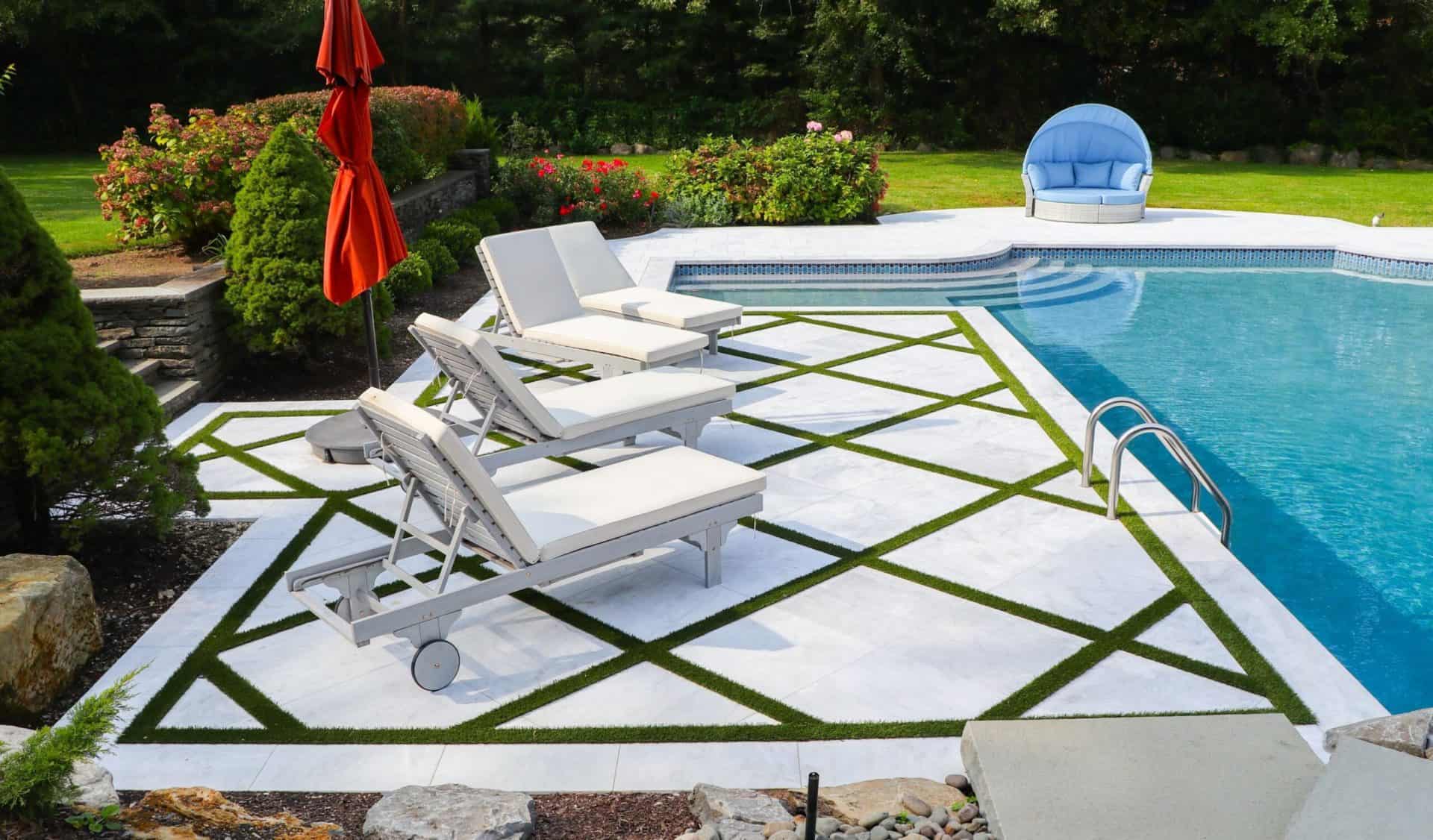
Famous for its endless texture, gloss, and texture, as well as a rich assortment of gorgeous colors, marble could go anywhere in a living space. Available in veined and solid varieties, sculpted or carved marble comes in several forms, making it a highly versatile stone. As a luxury symbol, current technology enables attractive marble products for homeowners on a budget.
Marble pavers, with their natural warmth, deliver a refined element to the installation or remodeling space. Its inherently random look, engineering features, and simplicity of care make it a top choice for wainscots, floors, vanity tops, wall claddings, and tabletops. Several types of marble are suitable for wet area installation, which encompasses this natural stone’s flexibility to include showers and tub decks.
Travertine
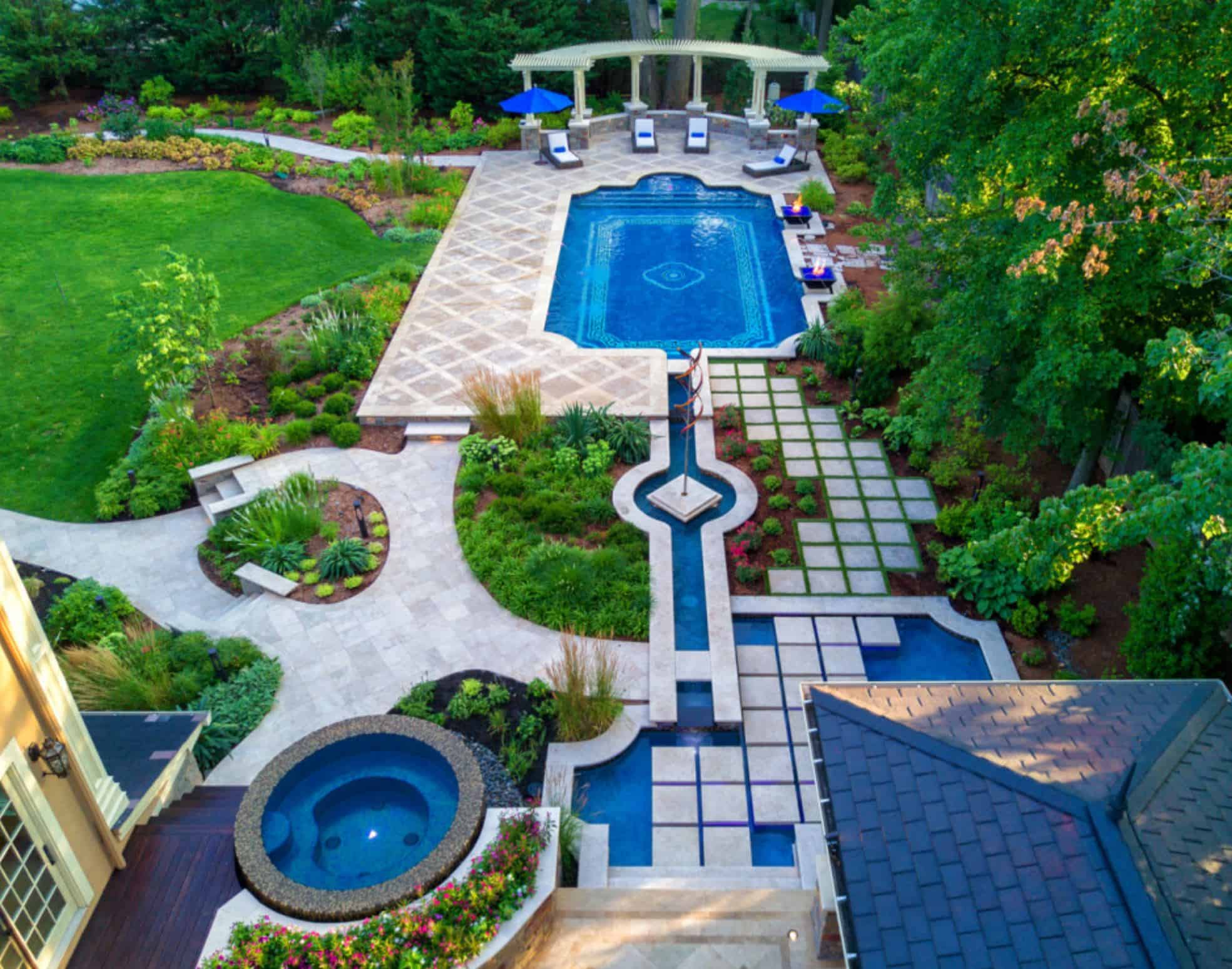
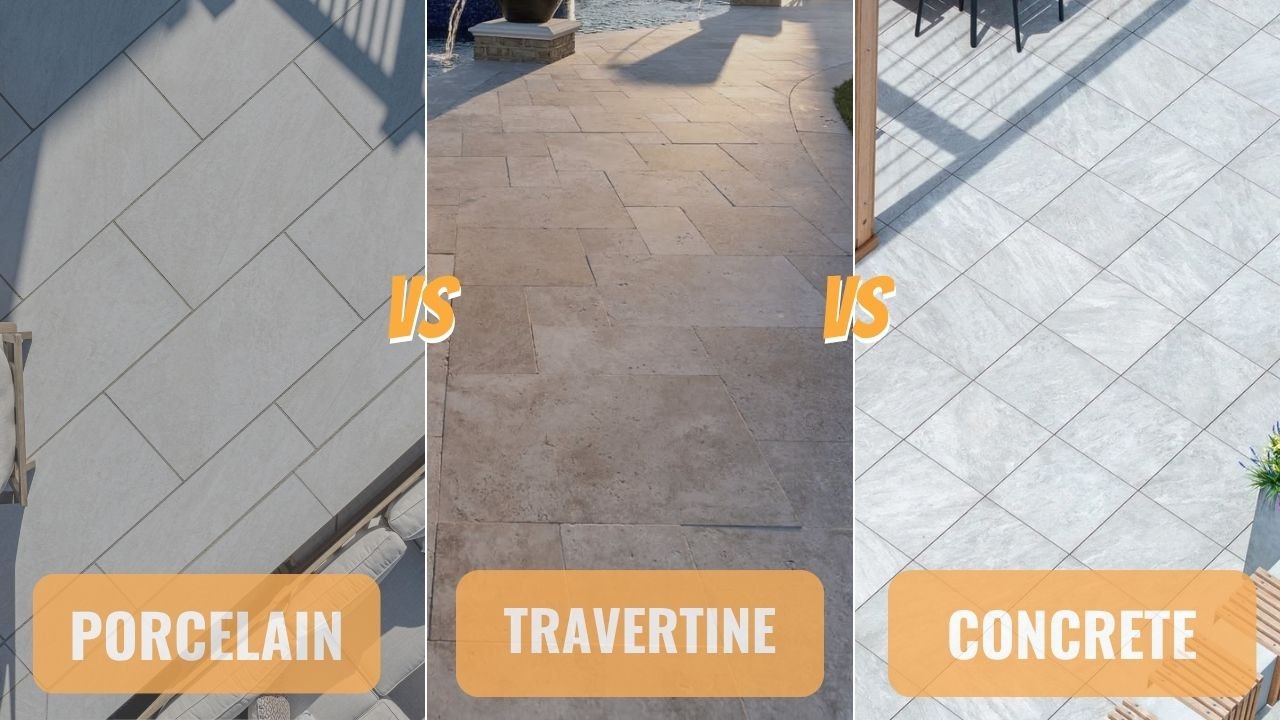
Travertine pavers bring a unique, rich character to a range of outdoor and indoor construction projects. Many property owners appreciate travertine for its distressed, banded, pitted look. Hot spring water formed the veins and designs, permeating through the underground limestone. For interior use, filling travertine with grout, cement, or resin is common. The final step is to seal the spot, creating a stain-resistant, smooth surface.
Quartz
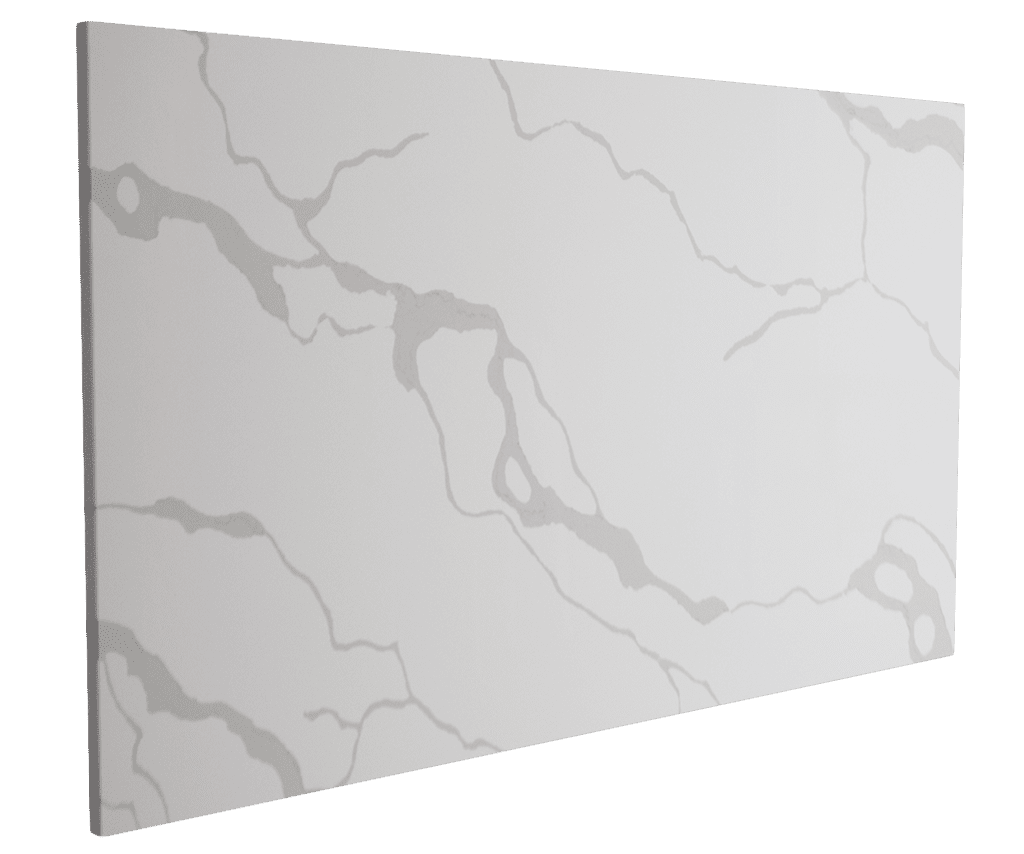
Glittering with small quartz crystals, quartz is a stone-like slate with tremendous strength and a moderately coarse-grained texture. Different mineral content produces numerous color variants, ranging from demure gray, beige, and white to more daring shades of pink or purple.
Use quartz countertops for stone wall tiles and natural stone veneers. The non-skid surface makes it an ideal choice for outdoor and indoor flooring, including areas exposed to the elements and heavy foot traffic.
Limestone

The soft, gentle tones of limestone pavers are ideal for today’s comfortable and casual lifestyles. Available in shades of tan and soft beige, either honed or polished, limestone is perfect for fireplaces, bathrooms, flooring, and countertops.
Ceramic Tiles vs. Natural Stone Tiles
The most vital difference between ceramic tile and natural stone tiles is that natural stone pavers are made by nature, and ceramics are human-made. Many human-made ones can’t compare in resilience to natural ones. While broken ceramic tiles typically need replacing, natural stone usually necessitates little restoration if scuffed or discolored. Other differences include:
Ceramic
- Uniform composition
- Acid-resistant
- Lightweight and thin, low absorbency, ridged backing
- Have only one basic finish and almost no edge finishes
- Ceramic tiles come in restricted sizes, and patterns are geometric and equal.
Natural Stone
- Distinct composition
- It varies from category to category.
- Acid sensitivity differs from stone to stone.
- Offer a complete range of finishes, including honed, leather, rugged, old-fashioned, tumbled, and more. Various edge types, such as bull-nosed, beveled, etc., are feasible.
- No restricted sizes. Available in big slabs as vast as 125′ X 75.’
Where to Use Natural Stone
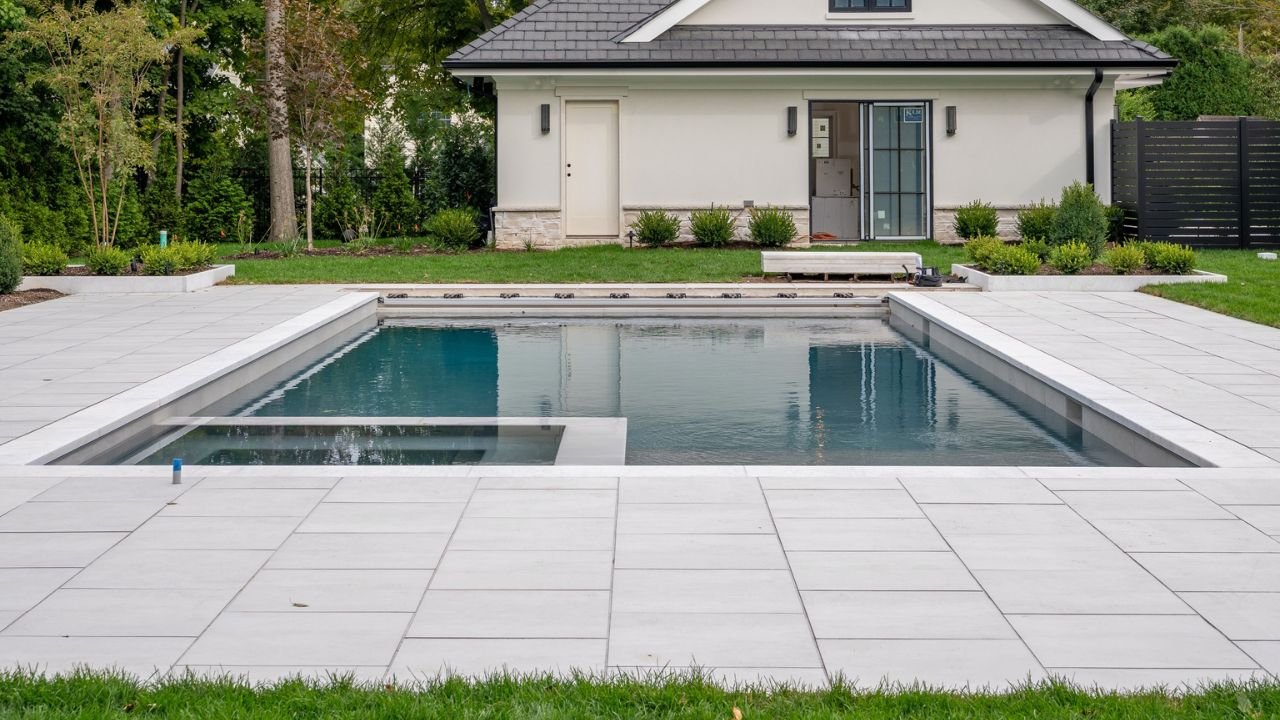
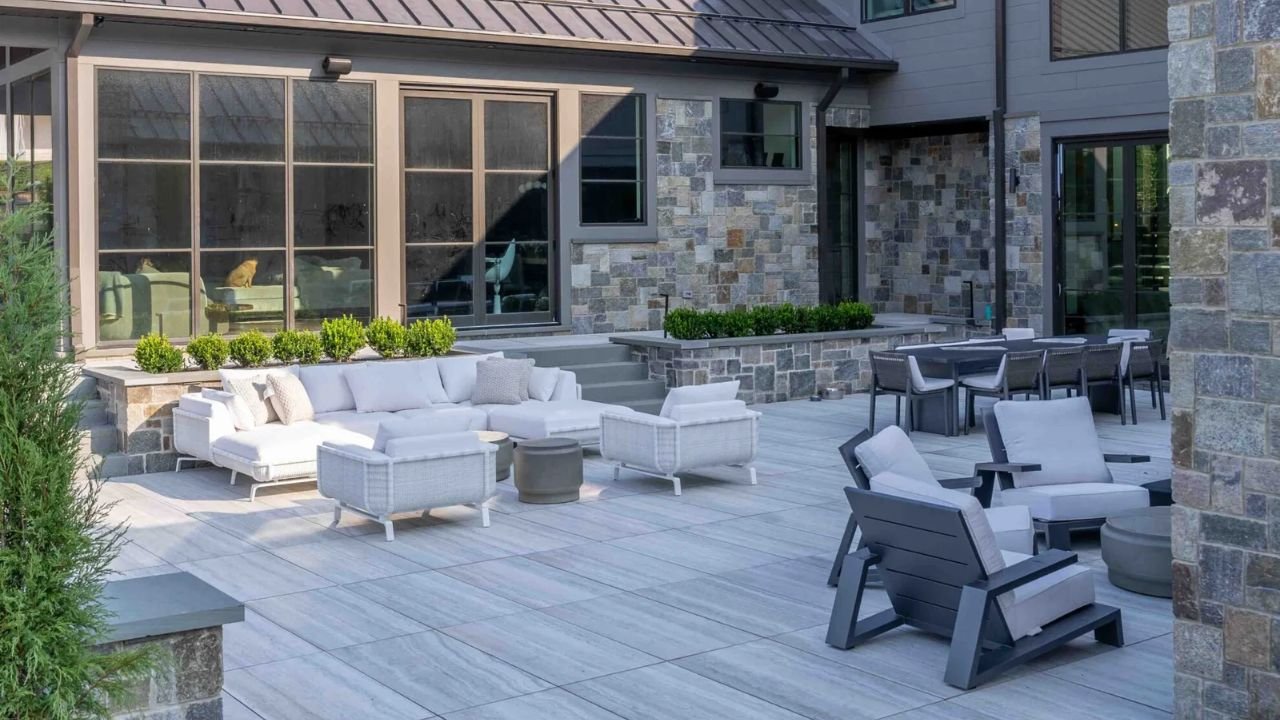
Property owners use natural stone on nearly every exterior and interior surface, including facades, garden walkways, patios, kitchen countertops, bathrooms, flooring, vanity tops, fireplaces, and wall cladding.
Natural stone lovers are allies of geologists and grateful to these scientists for their stylish natural stone fire pit, natural stone backsplash, and natural stone retaining wall. These individuals share a like zeal for a twinkle of garnet and the racy glitter of marble. The two disciplines have distinct ways of thinking about and organizing stone, which makes sense given humans’ diverse interests.
Geologists examine rocks to learn more about what happened on Earth’s surface in the past. Every day, folks value rocks since they’re beautiful, useful, and practical. Nonetheless, a little geology could shed light on why and where to use natural stone. Also, geology helps people appreciate that each stone slab offers a brief glimpse into hidden time and the spectacular forces that shape the planet.
Relationships Between Different Stone Types
In the geology world, all stones are related to one another. Over substantial periods, any rock could turn into a new rock if it becomes squeezed, melted, eroded, or uplifted. That’s what’s been occurring throughout Earth’s history. Understanding the relationships among various stones can make it easier to see why some share similar traits. Also, it helps people appreciate the events that led to the growth of all those beautiful slabs in the showrooms.
With flooring materials, none is more magnificent or refined than natural stone. The phrase “natural stone” suggests a range of naturally occurring minerals that differ from manufactured or synthetic stone materials.
Typical natural stone flooring types are marble, granite, slate, limestone, travertine, and sandstone. Each of them has slightly different characteristics. It’s vital to know the features of the stone flooring tile you’re buying so you can decide whether it’s right for a particular spot.
When shopping for natural stone tiles, there are several key factors to consider.
Indoor vs. Outdoor Rating
Some natural stone flooring materials are better suited to outdoor use than others. Many factors will decide if a material is right in an open-air environment.
Oxidation
Natural stone forms beneath the Earth over thousands of years and often contains a range of contrasting elements. Occasionally, iron appears in these materials, which could exhibit amber and bright red hues on the stone’s surface. In an outdoor setting, the iron pieces can oxidize, a process commonly known as rusting. This deterioration could cause the entire tile to fail over time.
Advantages of Using Natural Stone Flooring
There are several practical and aesthetic reasons why natural stone flooring could be an excellent choice:
- Each stone is a distinct creation of the Earth, making each flooring application unique. Each floor is entirely different.
- The stone’s mountain-born features could provide living spaces with an eternal, direct connection to the natural world, unlike any other building material.
- Stone tiles are non-polluting, eco-friendly, and natural. Buying local stone could reduce the environmental impact of transport.
When selecting natural stone flooring products, it’s vital to research the characteristics of the material you are purchasing. Ask whether it is right for your application and how much maintenance it will require.
Contact Natural Stone Suppliers in Stamford. With any questions, thoroughly research the natural stone before making a purchase.