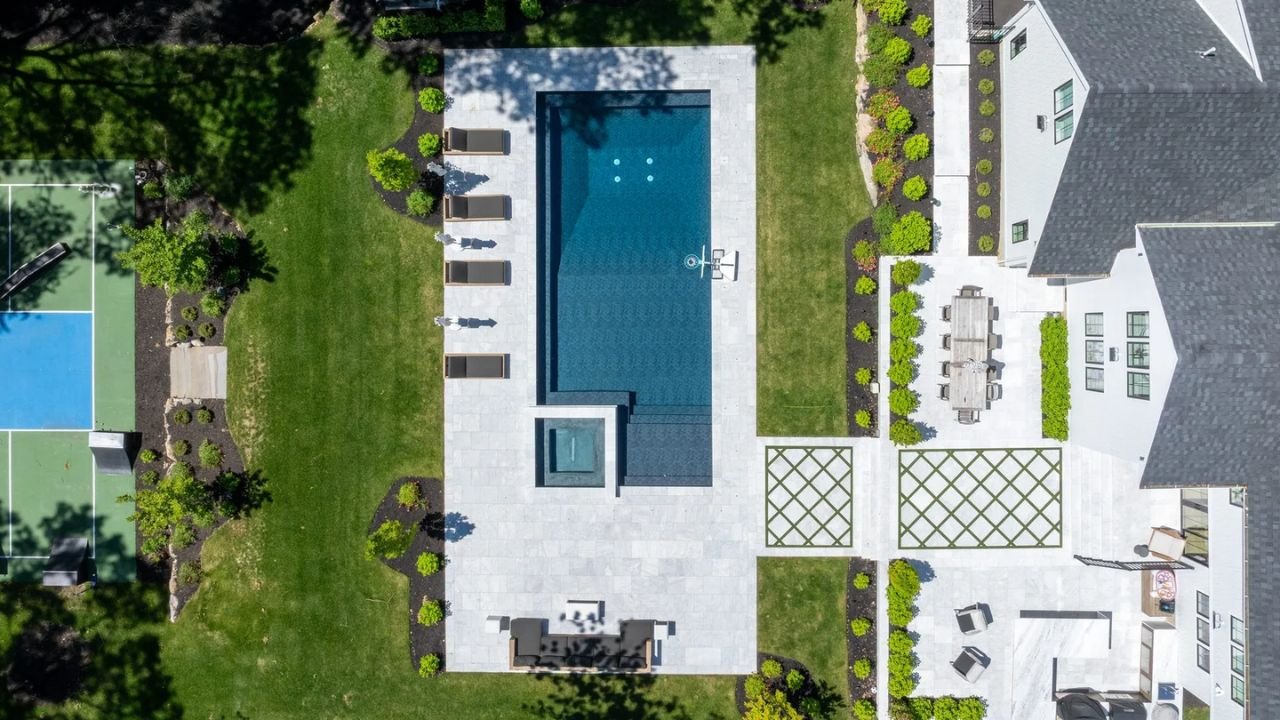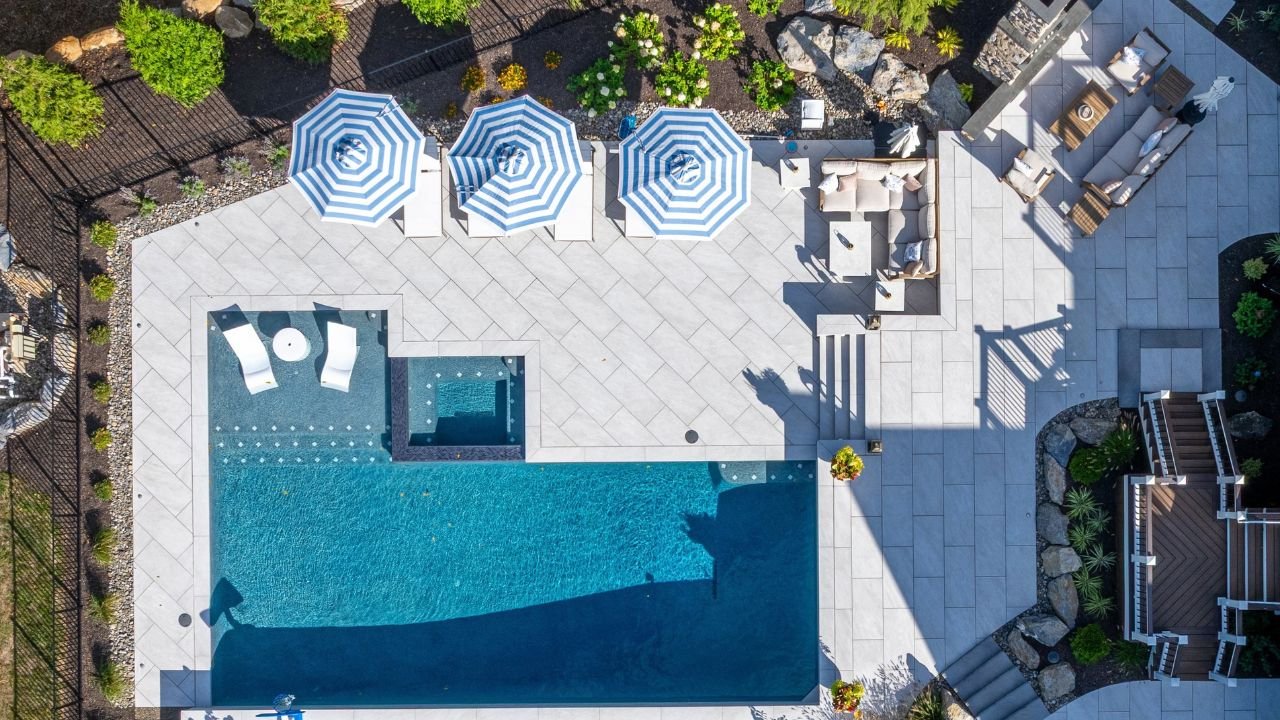


This is the time when homeowners are more aware of the importance of green materials. Even when they are renovating or designing their homes, they are considering eco-friendly materials. Travertine tile is one of the most considered materials for homeowners these days. It is popular among homeowners for all the right reasons. However, it also raises the question of whether this material is eco-friendly as well. Travertine is a natural stone paver with a long history of use in construction. It has its natural, timeless beauty. But what about its sustainability? Should you consider it as an eco-conscious homeowner?
In this blog post, we will discuss travertine and how it is an ideal choice for an eco-friendly construction. Continue reading the following.
What Is The Travertine Tile?
Before we talk further, let us take a closer look at what travertine tile is. It is a type of limestone paver formed over a thousand years ago by mineral deposits from natural hot springs and limestone caves. The unique formation gives travertine¹ a porous texture and a beautiful natural appearance. It has beautiful color pellets from cream, beige, silver and brown.

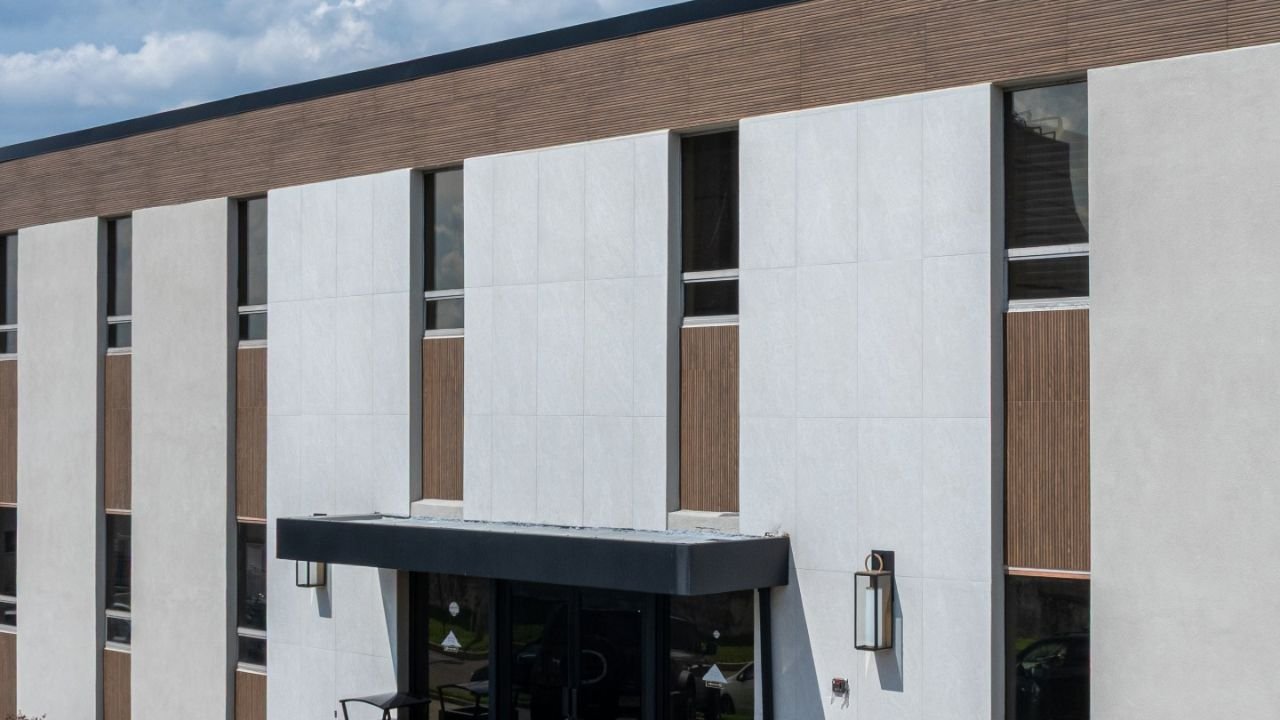
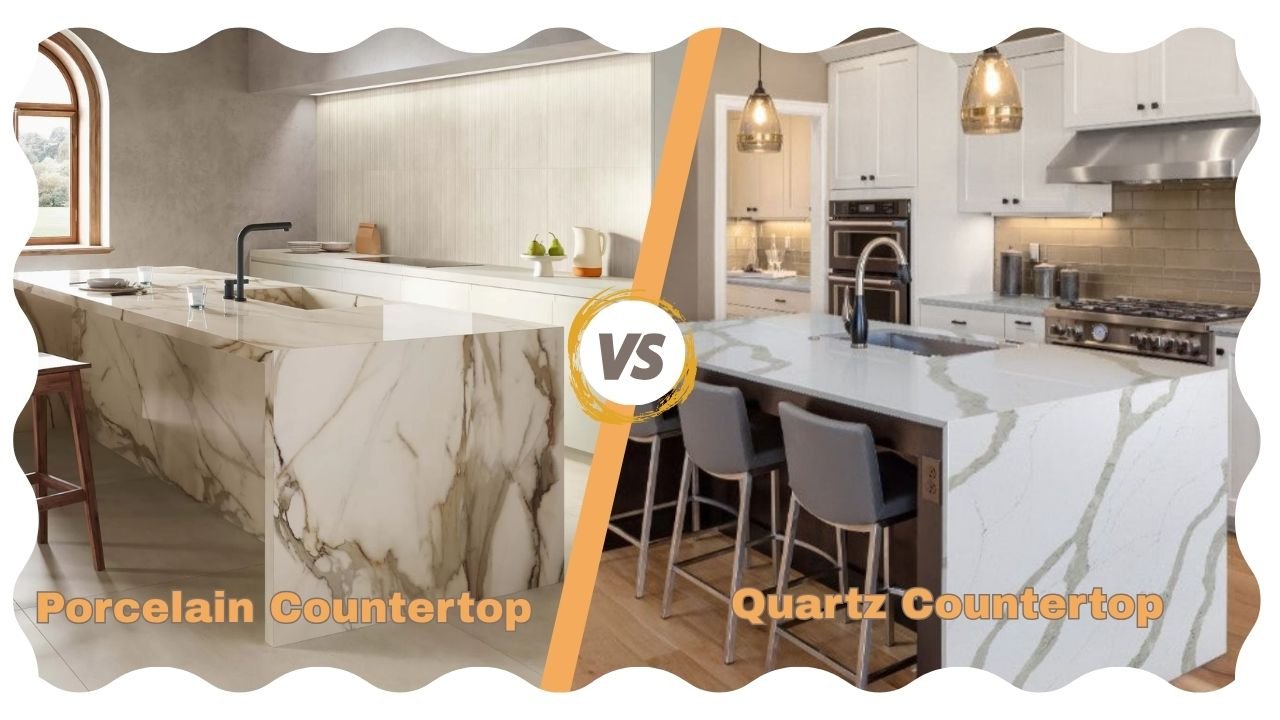
Travertine tile offers a timeless look and feel that makes it a great choice if used for travertine floor tile, kitchen backsplashes, and even pool areas. However, when it comes to eco-friendliness, it is a great choice. Here is how.
Travertine Tile as an Eco-Friendly Material
Here is how travertine is a great, eco-friendly material.
-
Travertine is a Natural Material
One of the key reasons travertine is the most eco-friendly material is that it is 100% natural. Synthetic materials cannot even remotely match travertine tile. Synthetic materials such as vinyl and certain ceramics are created with chemicals. Travertine contains no synthetic additives. Travertine is extracted from the quarries. More reputable brands, such as NT Pavers, offer options where they control the extraction of the material directly from the earth.
This makes it a pure natural material that doesn’t harm the environment when it is being created. You can reduce your reliance on synthetic, non-renewable resources by choosing natural materials like travertine.
-
Durability Equals Longevity
Travertine tile is also popular for its durability and resilience. If your travertine tile maintenance routine is on point, then it can last for decades. You may not know that the Roman Colosseum has travertine in its construction, and it has lasted for 2000 years.
Such durability means you will not have to opt for replacing it too often. This will result in waste reduction. Compare this to other materials, even the synthetic ones that can wear out quickly, such as carpeting or engineered wood. The longevity of travertine results in little to no environmental impact, whether in renovation or new builds.
By choosing long-lasting materials like travertine, you’re investing in a sustainable future. You will need fewer replacements after decades. It means lowering the demand for new materials and waste reduction that ends up in landfills.
-
Travertine Can Be Recycled and Repurposed
Repurposing and reuse of existing materials are the key factors of recycling and a sustainable environment. Travertine tile stands out with this. If you have leftover travertine from a previous project, then you can repurpose or reuse it hassle-free. Natural stone tile can be reused in versatile ways, from decorative features to landscaping. This makes them a flexible option for sustainable construction.
You will not only reduce waste by recycling travertine but will also reduce the demand for freshly mined materials. The cycle of lesser use of replacement leads to lesser demand for material and results in more mining. It helps in creating a more sustainable environment and fostering an eco-friendly building practice.
-
Low Energy Production Process
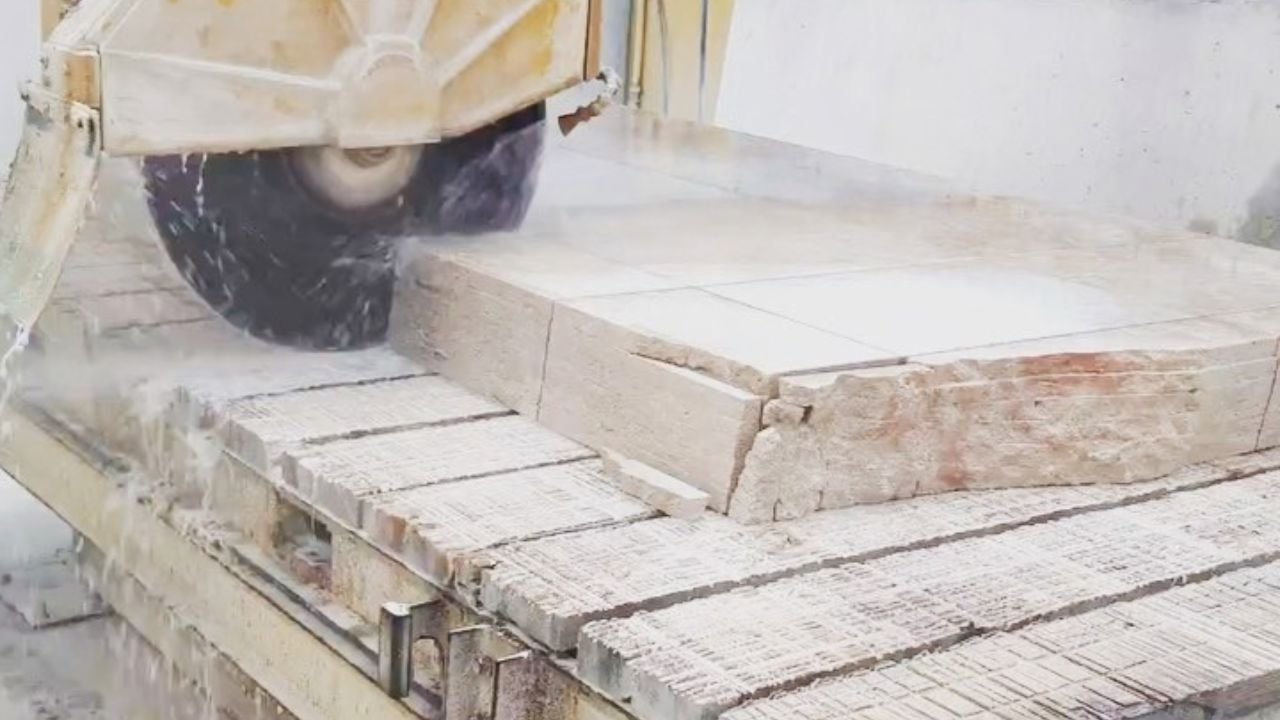
Creating travertine tile is relatively less intensive compared to synthetic materials. The travertine extraction process and finish also don’t consume too much energy. It is usually carried as larger slabs, then cut into required-sized tiles, as tile sizes vary by project. It requires fewer chemicals, and the overall energy consumption is lower. It makes the travertine tile an even more eco-friendly option compared to other natural stones such as marble pavers and granite.
Additionally, professional travertine suppliers in brooklyn such as NT Pavers, have begun utilizing modern quarrying techniques. The goal is to reduce the environmental footprint. This also includes water recycling implementation and responsible land management.

-
Sustainable Quarrying Practices
In recent years, there has been a growing trend toward sustainable quarrying practices². A huge number of travertine quarries are now focusing on ecological footprints by restoring the land after the quarrying is done. They are ensuring the land remains habitable and secure during the travertine extraction process. Some companies are now recycling the water that is used in cutting and shaping the stone. This further minimizes the environmental impact of quarrying.
When you are about to purchase travertine tile, ask about the source of the stone. Brands that are committed to sustainable practices will guide you through the process. Such eco-conscious suppliers should be supported to create a more sustainable supply chain.
-
Travertine’s Natural Insulation Properties
Another factor that makes it a great eco-friendly material is its natural insulation properties. Its natural thermal properties make it an ideal choice to build a more energy-efficient house. It can naturally regulate indoor temperatures. Your homes will be cooler in summer and warmer in winter. The natural insulation properties of travertine will help you reduce your reliance on artificial resources. It will also lessen the energy consumption of your home.
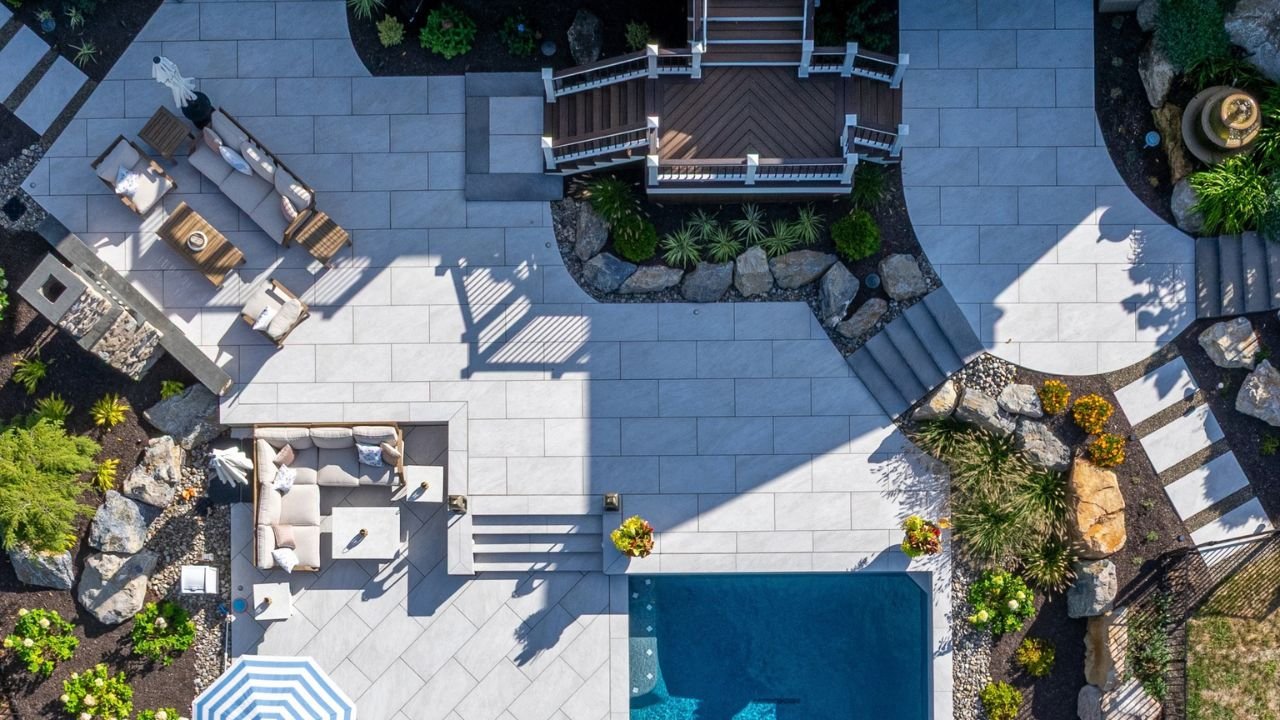
Travertine tile is also a great material for outdoor spaces, such as pool decks and patios. Even on summer days, it will stay cool under the foot. It can minimize the urban heat island effect in your garden or outdoor living space.
-
Travertine and VOC-Free Finishes
Several building materials contain VOCs, which are harmful to the indoor environment of any home. The VOCs, or volatile organic compounds, are used in their finish and adhesives that can damage the air quality and environment. Travertine has the edge of being VOC-free. It can help you maintain a natural and healthier environment if you opt for Natural Stone Sealers or finishes with the lowest amount of VOCs. Using eco-friendly grout and sealants to install travertine tile. They will not emit harmful chemicals, thus making the environment safe. This will further enhance the environmental benefits of choosing the best quality travertine tile for your project.
-
Minimal Transportation Impact
Although travertine has the lowest environmental impact, it varies depending on where it is sourced. Travertine is often sourced from Turkey, Italy, and the United States. However, opting for the locally sourced travertine will reduce the carbon footprint associated with transportation. Local queries will require less energy to ship the material to your project site. You can ask about the travertine’s origin when purchasing. Choosing local regions will result in supporting the local economy and reducing overall environmental impact.
-
A Timeless Aesthetic that Reduces Waste
Opting for travertine tile means you are going to get an evergreen material for your interior design. Natural stones have always been a great choice as an interior or exterior material, which means they are here to stay. Travertine tile has a better future value in terms of aesthetics. Often, the homeowners want to replace the tiles when they are not in trend. If you are going to invest in travertine tiles, you will get a timeless look that will remain fresh and stunning for decades, if not centuries. You will not want to replace the tile for years or even decades.
This results in reducing the overall waste that can be caused by rebuilding every year.
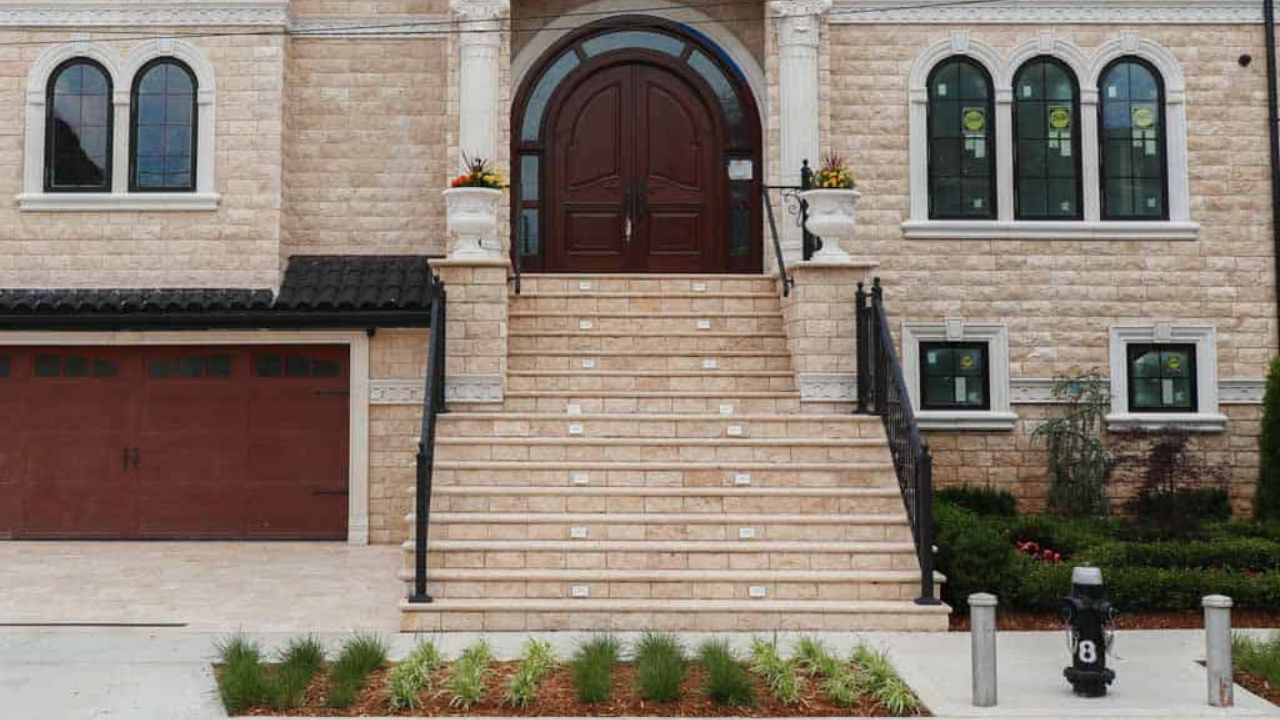
Final Words On Travertine Being Eco-Friendly
So, is travertine tile eco-friendly? Yes, it is one of the most eco-friendly materials to choose from. As an all-natural stone, it has minimal environmental impact. For homeowners looking for eco-friendly options for their house renovation or building, travertine tile is a great choice. Its composition, natural insulation properties, durability, recyclability, and low energy consumption make it a sustainable choice that reduces the carbon footprint.
Although no material is without an environmental impact travertine has the most compelling benefits, sourcing practices, and natural properties. This makes travertine tile a strong choice, even compared with other natural stone options such as marble tiles and granite slabs. If you are looking for beauty with functionality, then travertine is the best answer. It will make any space stunning and functional while maintaining sustainability.
References:
1. Travertine