
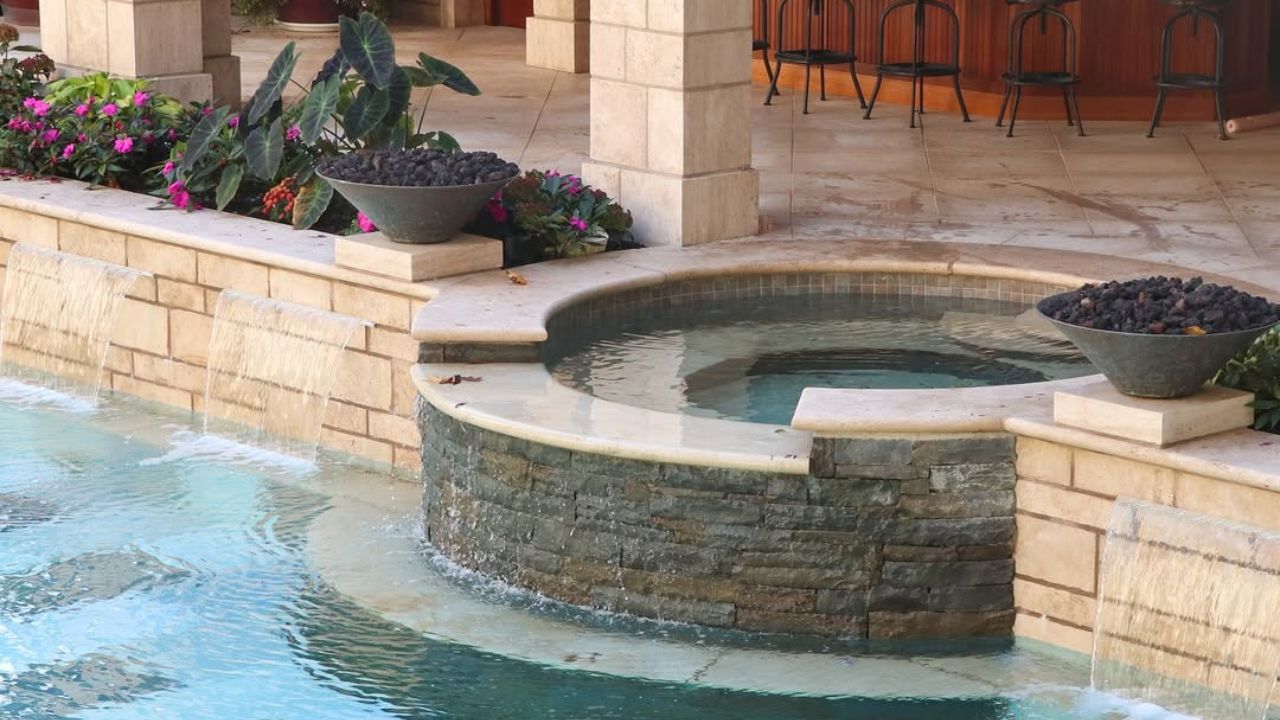
Pool copings are an essential part of any swimming pool. It helps secure the pool shell from water penetration and directs water away from the structure. It also creates a safe walking surface for swimmers. At the same time, it is common to see poured concrete or brick coping. However, those materials often faded and absorbed water over time. Modern pools use porcelain or stone coping more than ever because these materials offer reliable performance under stress. Homeowners often prefer coping that looks reliable, refined, stays cool, and lasts for decades. Keep reading to learn about why modern pools use porcelain or stone coping.
Porcelain Pool Coping vs Stone Coping
Both porcelain and pool coping stone offer distinct benefits, but they differ in key ways. Check this table to learn about both porcelain and stone coping.
| Feature | Porcelain Pool Coping | Natural Stone Coping |
| Water Absorption | Extremely low (<0.5%) | Low to moderate, depending on stone type |
| Heat Resistance | Stays warm but consistent | Stays cool under sunlight |
| Slip Resistance | Textured finishes available | Natural grip texture |
| Durability | Highly resistant to staining and fading | Strong but needs sealing |
| Maintenance | Minimal maintenance | Periodic sealing required |
| Color Stability | UV-resistant colors | Natural variation may fade slightly |
| Installation Precision | Uniform thickness allows precise alignment | Natural thickness variation requires skilled installation |
| Aesthetic Style | Modern, clean lines | Timeless, organic appearance |
| Cost Range (2026) | Moderate to high | Moderate to premium, depending on the stone |
| Longevity | 25–40 years | 30–50 years with maintenance |
This comparison explains why both materials dominate modern pool design.
Why Do Modern Pools Prefer Porcelain Coping?
Porcelain pool coping has gained huge popularity because of improved technologies in manufacturing.
What Makes Porcelain Resistant To Water?
Porcelain is manufactured with high-temperature firing. This process results in a dense structure that has little to no porous surface. Water cannot penetrate easily. This prevents cracking during freeze-thaw cycles. This is especially beneficial with seasonal temperature changes; porcelain coping performs better than traditional materials.
Why Designers Choose Porcelain For Modern Pools?
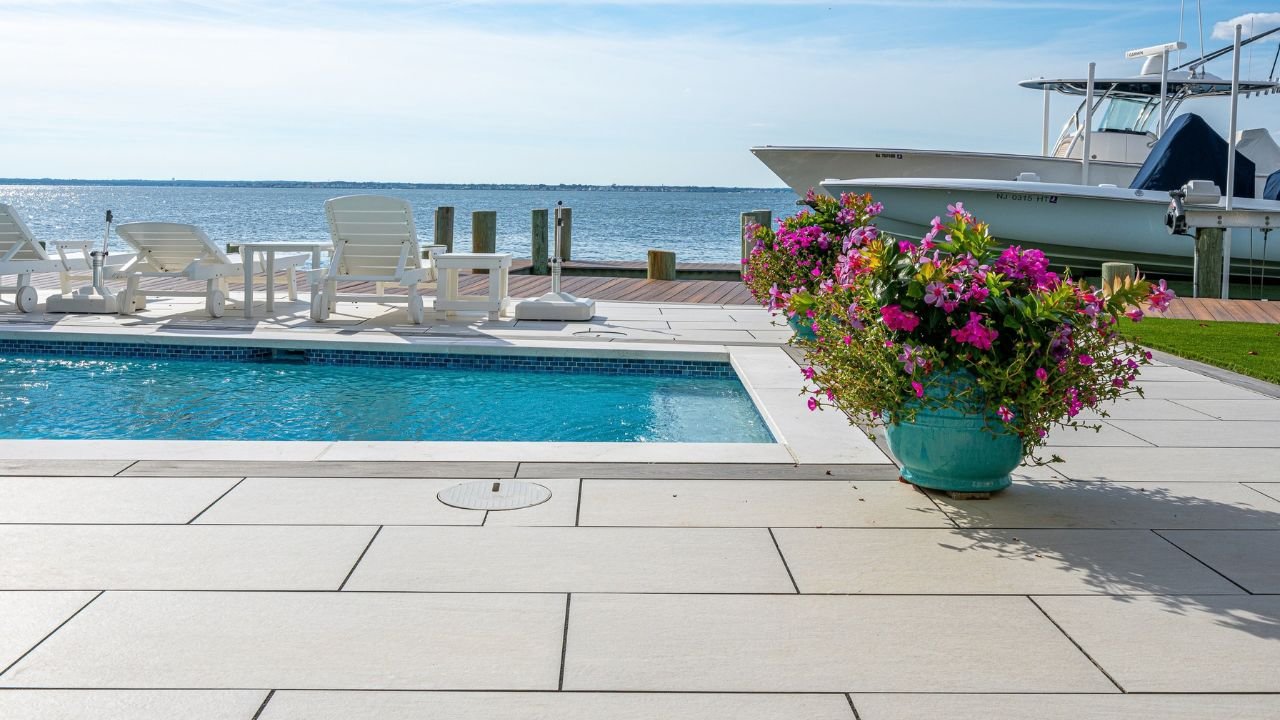
Clean lines are a major part of modern pool coping. Porcelain coping provides consistent thickness and sharp edges. This creates seamless transitions between the pool and the pool deck.

NT Pavers projects often use porcelain coping when homeowners want minimalist aesthetics.
Why Do Many Pools Still Use Natural Stone Coping?
Natural stone is another popular choice as pool coping due to its superior performance and visual appeal.
Why Stone Stays Cooler Under Sunlight?
Natural stone stays cooler even under direct sunlight because it reflects heat differently from porcelain. This is why stones such as travertine, limestone, and sandstone remain comfortable to walk on even in hot weather. This property makes stone coping ideal for sunny climates.
Why Stone Creates A Timeless Look?
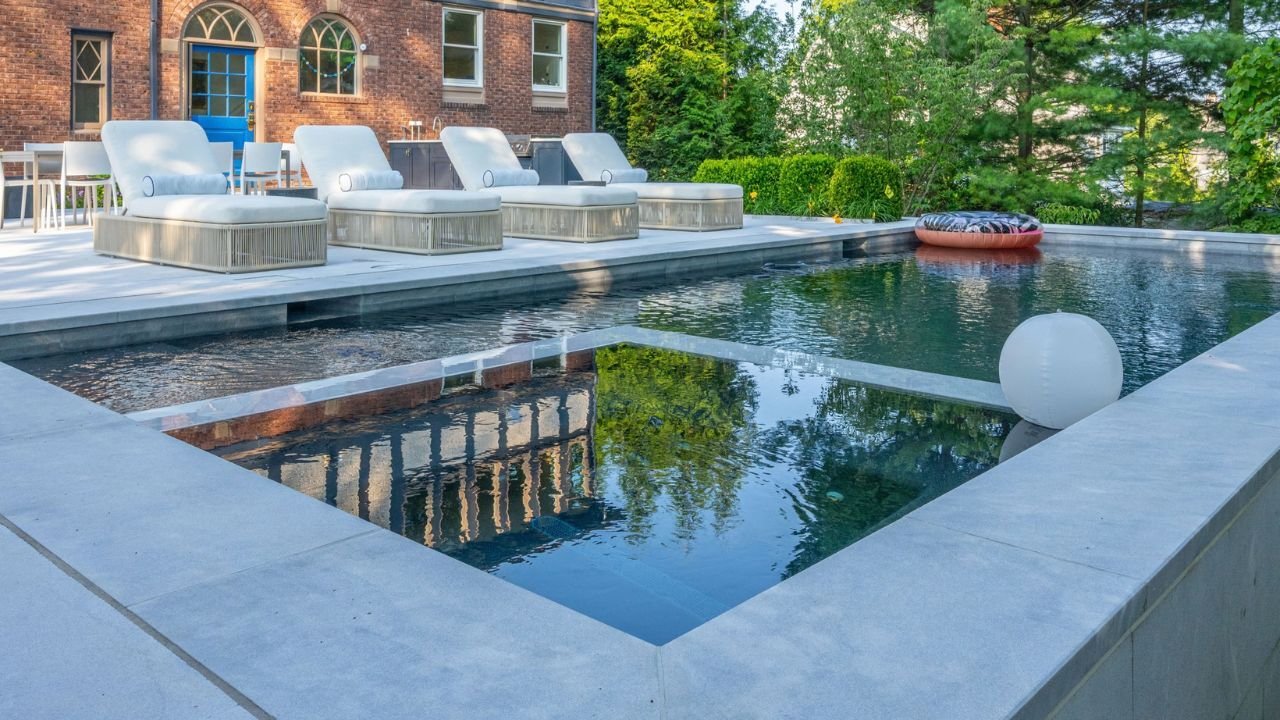
Each stone piece has a unique texture and veining. This natural variation offers a more refined appearance than manufactured materials. You get to experience a unique look with each coping because not two pieces will be exactly the same. Many homeowners choose natural stone pool coping to match natural stone pool decks.
Which Stone Types Work Best For Pool Coping?
While stone is a durable option, not all stone performs equally around water.
Most Common Stone Coping Materials
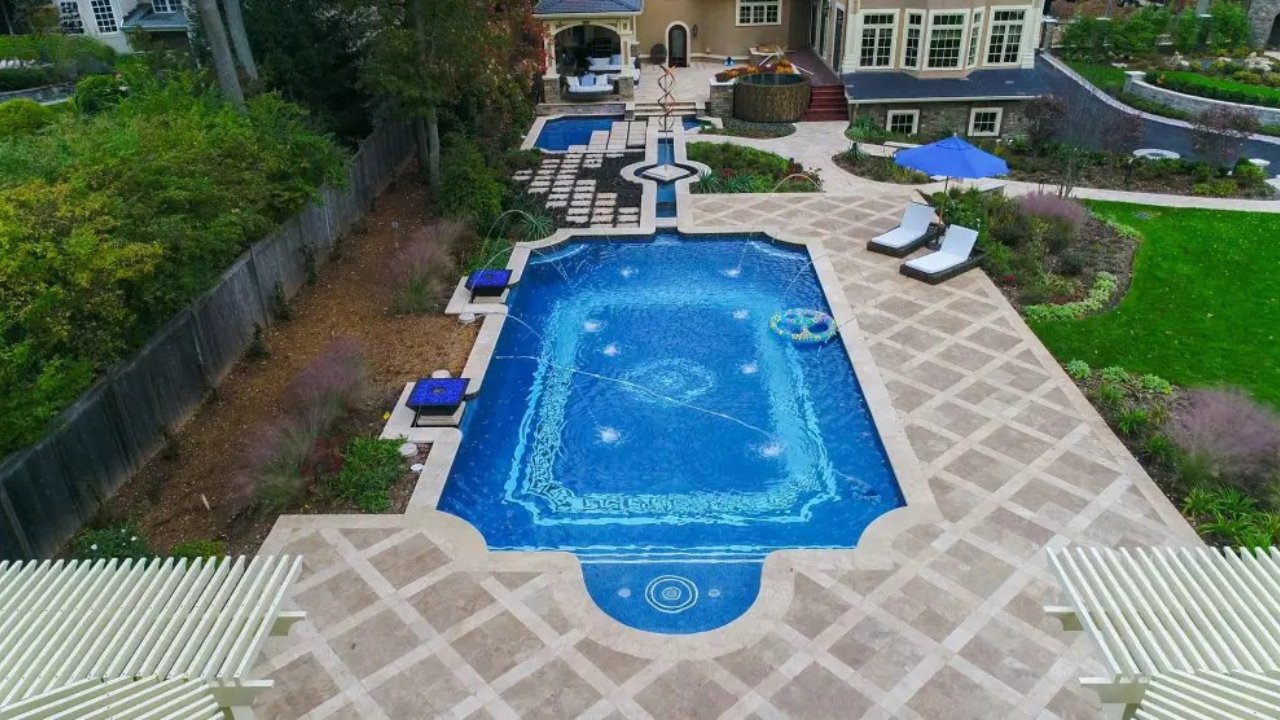
Travertine:
Travertine pool coping is one of the most popular choices for coping material. It offers:
- High slip resistance
- Low heat retention
- Excellent durability
Limestone:
Limestone pool coping has a similar surface to travertine. However, it has:
- Smooth texture
- Cool surface
- Elegant appearance

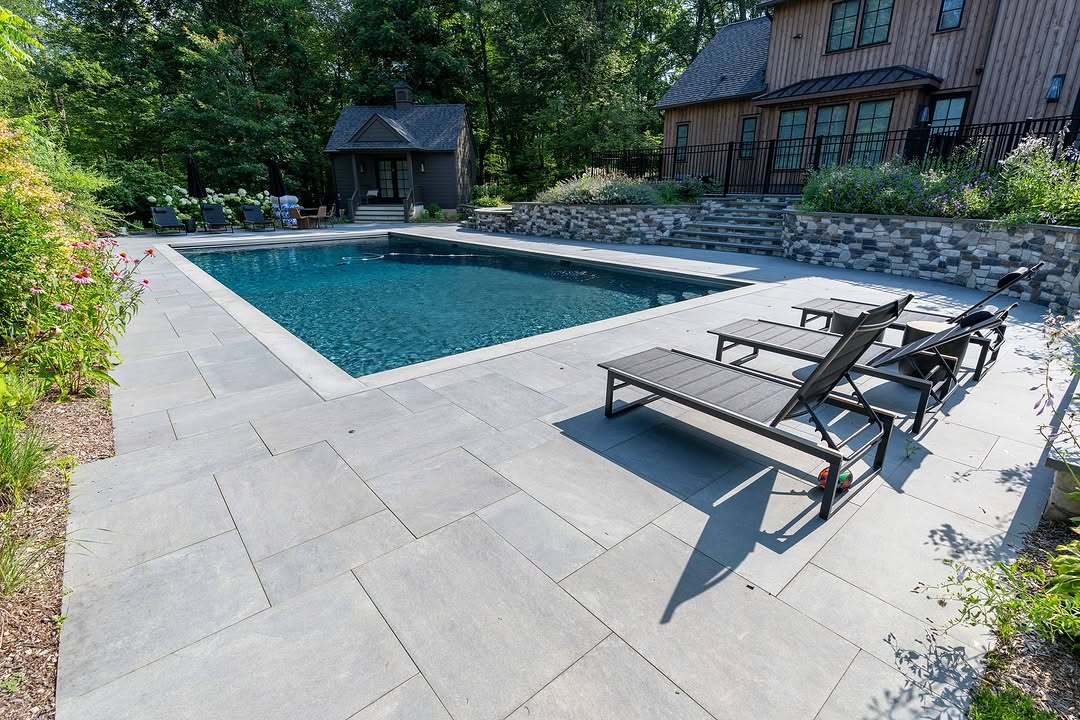
Bluestone:
Bluestone pool coping is one of the most durable natural stone coping options. It offers:
- Strong density
- Rich color tones
- Suitable for heavy traffic
NT Pavers often recommends these stones due to proven performance.
Low Water Absorption for Porcelain Or Stone Coping
Water absorption is crucial to determining the durability of the selected coping material.
Why Low Absorption Prevents Damage
When water seeps or penetrates the material, it expands when wet. During the freeze-thaw conditions, trapped water results in cracking. Porcelain coping takes the cake as it has the lowest absorption rate, which is around 0.5%. However, when sealed, most natural stone resists water.
Easy Maintenance Of Porcelain And Stone Coping
Maintenance requirements are different between materials, but they are still convenient.
Porcelain Coping Maintenance
Porcelain pool coping requires minimal care. Homeowners clean it with water and mild detergent. It resists stains and mold growth.
Stone Coping Maintenance
Pool coping stone requires periodic sealing. Sealing protects against moisture penetration and surface discoloration.
Despite this need, many homeowners accept stone maintenance due to its natural beauty.
How Pool Coping Prevents Structural Damage
Coping is not just about aesthetics, but they add structural integrity to the pool. Coping prevents structural damage by directing splashed water back to the pool. Without cooping, water will seep into the deck base. That moisture weakens soil and causes settling.
Proper coping also secures the protective waterproofing membranes. Modern porcelain and stone coping are more reliable for handling this than concrete coping.

Also, coping material determines the safety around the pool areas, too. Pool edges remain wet, so a smooth material becomes slippery. Porcelain coping with textured surfaces and natural stone coping with rough finishes provide traction, and both reduce slip risks.
How Should Homeowners Decide Between Porcelain And Stone Coping?
When choosing between porcelain or stone coping, you will need to consider your lifestyle and environment.
Choose Porcelain Coping When You Prefer:
- Low-maintenance pavers
- Clean modern appearance
- High stain resistance
Choose Stone Coping If You Prefer:
- Cooler walking surfaces
- Natural visual texture
- Classic outdoor aesthetics
How Does Installation Impact Coping Performance?
Installation quality affects coping longevity.
Why Professional Installation Matters
Improper installation results in:
- Uneven edges
- Water pooling
- Joint failure
Professional installers ensure proper slope and bonding. NT Pavers offers quality materials that perform well with precision leveling tools, proper base preparation, and proper installation.
Which Coping Material Adds More Property Value?
Both porcelain and stone coping improve property value.
Stone copings are appealing to buyers who prefer natural materials. Porcelain coping attracts buyers who like modern aesthetics and low maintenance.
Real estate professionals often note that well-installed coping signals quality construction.
Porcelain And Stone Coping FAQs
Let’s answer your question about stone and porcelain coping.
Which is better for pool coping: porcelain or stone?
Porcelain is due to its hard, resistant, and non-porous surface. Natural stone coping also performs well but requires regular sealing and maintenance.
Does porcelain coping get hot?
Yes. Porcelain coping can get hot but maintains a consistent temperature. Stone typically stays cooler.
How long does stone pool coping last?
30-50 years when sealed and installed correctly.
Is porcelain coping slippery when wet?
Yes. But the textured porcelain coping provides excellent slip resistance around pools.
Do all stone coping materials require sealing?
Most natural stones benefit from sealing to prevent moisture absorption and staining.
Bottom Line
Modern pool coping typically uses porcelain or stone because both materials offer durability, safety, and long-term performance. Porcelain coping is ideal for homeowners who want low maintenance and precise aesthetics. Natural stone coping suits those who value cooler surfaces and timeless beauty.
However, the right choice depends on climate, design goals, and maintenance preferences. With proper installation from an experienced provider,s both options protect pools and enhance outdoor spaces for decades.