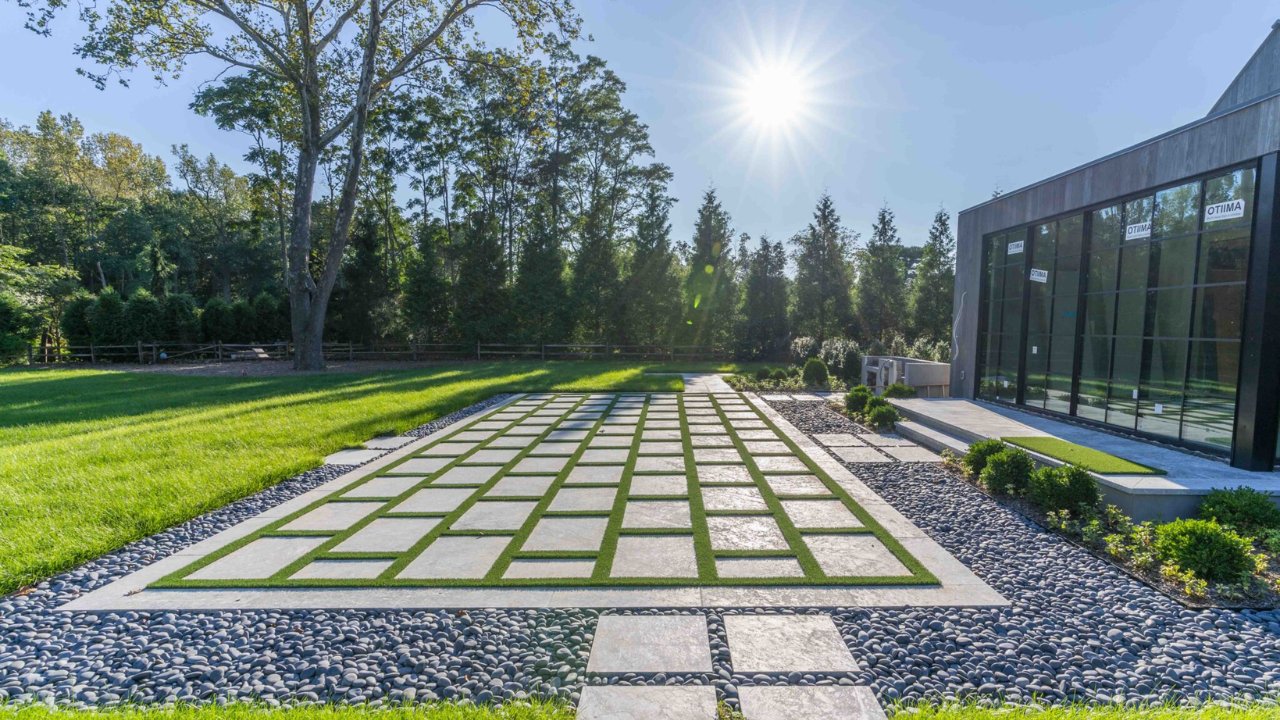
Marble is one of the most popular natural stones, favored by designers and homeowners due to its luxurious appearance. It has a long history of being used in ancient structures, from temples, palaces, to monuments. These days, marble is widely used in bathrooms, kitchens, patios, and entryways.
However, even with its huge popularity, marble selection can be overwhelming and even confusing for homeowners. Many homeowners choose marble based on color, but according to professionals, evaluating marble involves several factors:
- Color
- Grade
- Finish
- Pattern
Each factor has a huge impact on where the marble works best. A polished marble tile may work indoors, while a honed surface performs better near water. Some grades also contain more natural variation or fissures. Continue reading the following to learn about the main types of marble according to color, grade, finish, and pattern.
The Most Popular Types of Marble Colors
Color is the first consideration when selecting marble. It offers the first visual cue when selecting marble. Mineral deposits inside the stone create these colors. The red and brown hues reflect iron oxides, while graphite produces deep blacks. Marble with green tones indicates the presence of clay minerals. Below are the most recognized types of marble colors used in residential projects.
White Marble
White marble is one of the most recognized types of marble. This natural stone finish features a light background and soft veining that create a clean appearance. Well-known examples include Carrara Marble, Calacatta Marble, and Statuario Marble.
White marble is well-suited for:
- Bathroom tiles
- Kitchen countertops
- Fireplace surrounds
- Wall cladding
Designers suggest white marble types because it reflects light and give a spacious feel to the small spaces.
Black Marble
Black marble features a dramatic contrast. The black background creates a bold and stunning design for spacious rooms. The color is the result of bituminous material and graphite minerals trapped during formation. The most common marble types include Nero Marquina and black proto.
Black marble offers distinct design advantages, including strong contrast with light interiors and a clean appearance in modern kitchens. Using it on the wall will give you a bold feature wall. Black marble works well for countertops or interior tiles. Using it outdoors is not recommended, but if you want to, then consider sealing as dark types of marble absorb heat.
Green Marble
Green marble has a unique appearance that is opposite to the popular cold white surface. The green marble looks distinct due to serpentine minerals. The most common types of marble include Verde Alpi and Rainforest Green marble. The key design feature of green marble includes:
- Deep green base tones
- Irregular white veins
- Organic natural look
Green marble is widely used in decorative walls, statement countertops, and accent tiles.
Beige and Cream Marble
Beige marble is well-suited to homeowners who prefer neutral tones. This is one of the types of marble that feels warm and welcoming. This color is caused by the limonite and iron oxide. The most popular examples include Crema Winter Marble and Botticino marble.
The key advantages include design convenience as warm color blends with many interiors. It has less visual contrast than white marble and works well in floors and wall tiles. Designers usually recommend Candy Beige Marble flooring where a consistent color maintains visual balance.
Gray Marble
Gray marble is gaining popularity due to its beautiful and subtle look. The surface features a mix of white with a hint of black. The gray marble gets its color from carbon and minerals included in this marble variant. Gray marble is widely used in modern bathroom tiles, outdoor paving, and architectural cladding. Gray tones pair well with metal fixtures and minimalist interiors.
How Do Different Marble Types Compare?
Homeowners often struggle to compare marble categories when planning their projects. Check the following table that summarizes key characteristics across marble types.
| Marble Type Category | Key Characteristics | Best Applications | Durability Level | Maintenance Needs |
| White Marble | Bright background with gray veins | Countertops, tiles, decorative floors | High | Moderate sealing |
| Black Marble | Dark, dramatic tone with white veins | Feature walls, countertops | Medium | Requires sealing |
| Beige Marble | Warm neutral color palette | Floors, wall tiles | High | Low to moderate |
| Green Marble | Serpentine minerals create green tones | Accent tiles, decorative surfaces | Medium | Moderate sealing |
| Gray Marble | Modern neutral tone | Outdoor paving, interior tiles | High | Low maintenance |
| Polished Finish | Glossy reflective surface | Countertops, interior floors | Medium | Regular cleaning |
| Honed Finish | Matte smooth texture | Bathrooms, floors | High | Low maintenance |
| Tumbled Finish | Rustic textured edges | Outdoor pavers, patios | High | Low maintenance |
| Brushed Finish | Slight surface texture | Pool coping, walkways | High | Moderate sealing |
This comparison will help the homeowners to match visual style with practical use.
What are the Grades of Marble?
While marble looks luxurious, not all types of marble have the same quality. This is where marble grading comes into the picture. This grading shows quality, density, and structural integrity. The grading systems are different throughout quarries and distributors, but the industry generally offers three main grades. This is why knowing these grades helps homeowners predict durability.
Understanding these grades helps homeowners predict durability and maintenance needs.
1. Grade A Marble
Grade A marble is the highest quality type of marble that often has premium price points. The examples are Carrara, Afghan White, and Ziarat White. The characteristics include:
- Minimal natural flaws
- Dense mineral structure
- Consistent color distribution
Benefits Of A Grade Marble
- You get the strongest structural integrity with an A-grade marble
- A grade marble is perfect for countertops and high-visibility areas.
- It has a lower risk of cracks.
Premium marble varieties are usually included in this category.
2. Grade B Marble
B-grade marble is not as superior as A-grade but is far superior to C-grade. It contains slightly more natural variation. Some of the most popular types of B-grade marble include Verona Beige, Sahara Beige, and various Pakistani and Chinese marble types.
Features of B Grade marble include:
- Minor pits or fissures
- Visible veins or color shifts
- Moderate density
Many manufacturers strengthen Grade B marble with resin or fillers. This grade is well-suited for flooring, tiles, and decorative surfaces.
3. Grade C Marble
This is one of the most common types of marble. C-grade marble shows higher levels of natural imperfections. Most popular types of marble: Bianco Carrara C. Typical traits of C-grade marble are:
- Larger veins
- More pores or micro-fractures
- Greater color variation
Contractors usually suggest grade C marble in rustic design or outdoor paving. The natural variation contributes to visual personality. Proper sealing is essential for this.
What are the different types of marble finishes?
A marble finish is the exterior surface of the stone that determines how the paver, tiles, or slab will feel when used. The finish affects the texture, slip resistance, light reflection, and maintenance. This is why choosing the correct finish matters a lot for projects like pavers, pool coping, and outdoor installations. Here are the most common types of marble finishes to choose from.
Polished Marble Finish
Polishing creates a smooth, reflective surface.
Characteristics:
- High gloss appearance
- Strong color depth
- Smooth texture
Common applications:
- Kitchen countertops
- Interior wall tiles
- Decorative floors
However, polished marble can become slippery in wet areas.
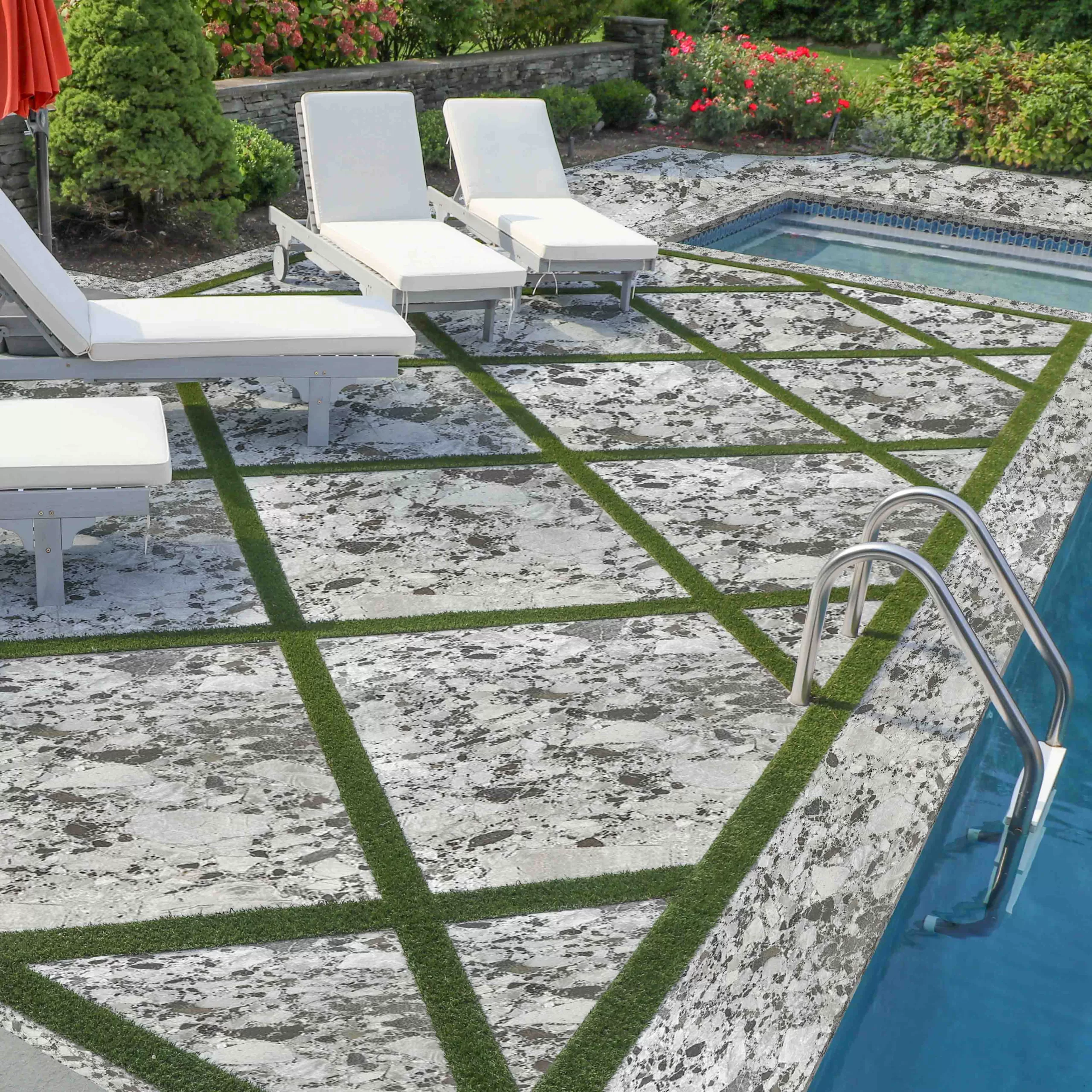
Honed Marble Finish
Honing removes the gloss and leaves a matte surface.
Benefits include:
- Soft, smooth texture
- Reduced glare
- Better slip resistance
Designers often recommend honed marble for:
- Bathroom floors
- Interior tiles
- Shower walls

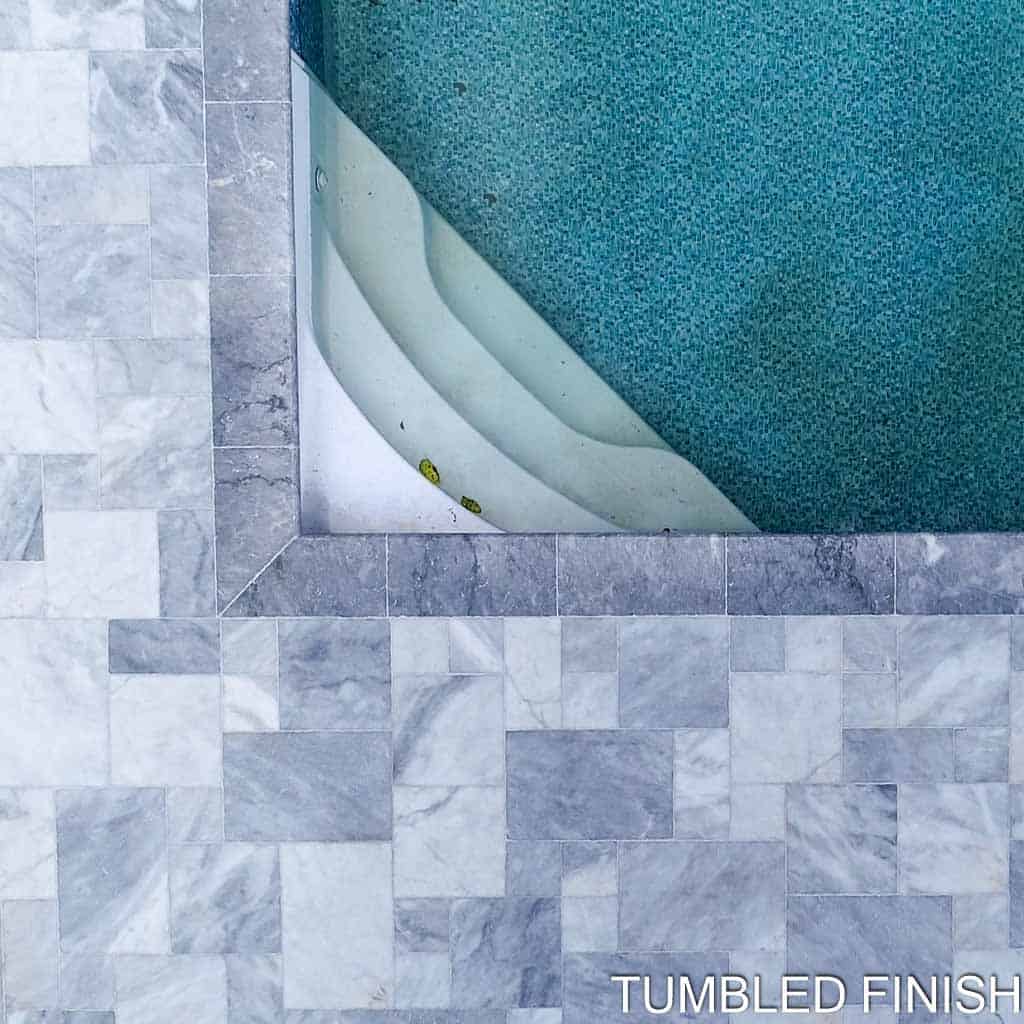
Tumbled Marble Finish
Tumbling places stone pieces inside rotating drums with sand and water.
This process creates:
- Rounded edges
- Slight surface texture
- Weathered appearance
Tumbled marble stone works well in outdoor pavers and rustic patios.
Brushed Marble Finish
Brushing uses abrasive brushes to create a lightly textured surface.
Characteristics:
- Slightly rough feel
- Enhanced grip
- Natural stone appearance
This finish works great with outdoor tiles, pool decks, and walkway pavers.
Types of Marble Pattern
The marble pattern refers to the mineral deposits that appear on the stone surface. Marble features some of the most striking and beautiful patterns.
Veined Marble
Veined marble stone comes with long mineral streaks on its entire surface, like this Statuario Marble. These types of marble are widely used in:
- Luxury countertops
- Feature walls
- Statement tiles
Uniform Marble
Uniform marble has a consistent color with minimal variation. This type of marble is a perfect choice for homeowners who prefer a consistent look. They make the space appear clean and widely match between slabs. Common uses include:
- Large floor tiles
- Modern interiors
Brecciated Marble
Brecciated marble contains fragmented patterns created by geological pressure. They create a bold visual texture and offer high artistic value. Applications include:
- Decorative tiles
- Accent walls
- Architectural features
Linear Marble
Linear marble contains straight veins that move in parallel directions. Designers often choose it for:
- Modern flooring
- Contemporary countertops
The directional pattern adds visual movement to a space.
Types of Marble FAQs
Let’s answer your questions about types of marble.
What are the most common types of marble?
Carrara, Calacatta, Crema Marfil, Nero Marquina, and Verde Alpi are the most common types of marble.
What color marble is most popular for countertops?
White marble with gray or gold veining is the most popular countertop option due to its light-reflecting surface.
Is marble good for outdoor pavers?
Yes. Make sure to pick a tumbled or brushed finish for better slip resistance and weather durability.
What is the difference between polished and honed marble?
Polished marble has a glossy reflective surface. Honed marble has a matte finish that reduces glare and hides scratches.
Does marble require sealing?
Yes. Marble has a naturally porous surface that absorbs moisture, which results in stains, moisture absorption, and surface damage.
Which marble grade is best for home use?
A grade marble is the best for residential use due to its quality and durability.
Bottom Line
Marble Paver is one of the most popular and versatile natural stones that is used in modern homes. It features a naturally beautiful surface with unique colors, patterns, and textures. However, not every marble is the same. Understanding types of marble can help homeowners select the right material for pavers, tile, coping, and countertops.
Marble grading also helps you understand the marble types from premium to the most common one. The four classification systems include color, grade, finish, and pattern. Marble finish also helps you select the most functional types of marble. Polished white marble countertop is well-suited to a modern kitchen, and brushed beige marble pavers are suitable for a patio. These distinctions matter.
They gain clarity when they evaluate marble by considering these factors. Installing marble correctly is also easier when homeowners consider these factors. Natural stone is a product of careful planning. Marble can be durable, functional, and visually stunning for many years with the right selection.