A patio is not just a separate outdoor paver area of a home these days. They now act as the functional extension of the house that connects your home to your outdoor space. Choosing the right pavers means you know the outcome and resulting patio look and feel. You will have the freedom to adjust pattern, texture, and layout with precision.
Instead of focusing on colors only, working with patterns and layout while designing patios can be largely helpful. Material and finish offer better durability, and when these elements align, the resulting patio design feels thoughtful and intentional.
Continue reading the following to learn about outdoor paver design ideas for patios.
Outdoor Pavers Design Ideas for Patios
Below are proven outdoor paver design ideas used across residential and commercial projects. Each serves a different purpose.
1. Modern Grid Layout For Structured Simplicity
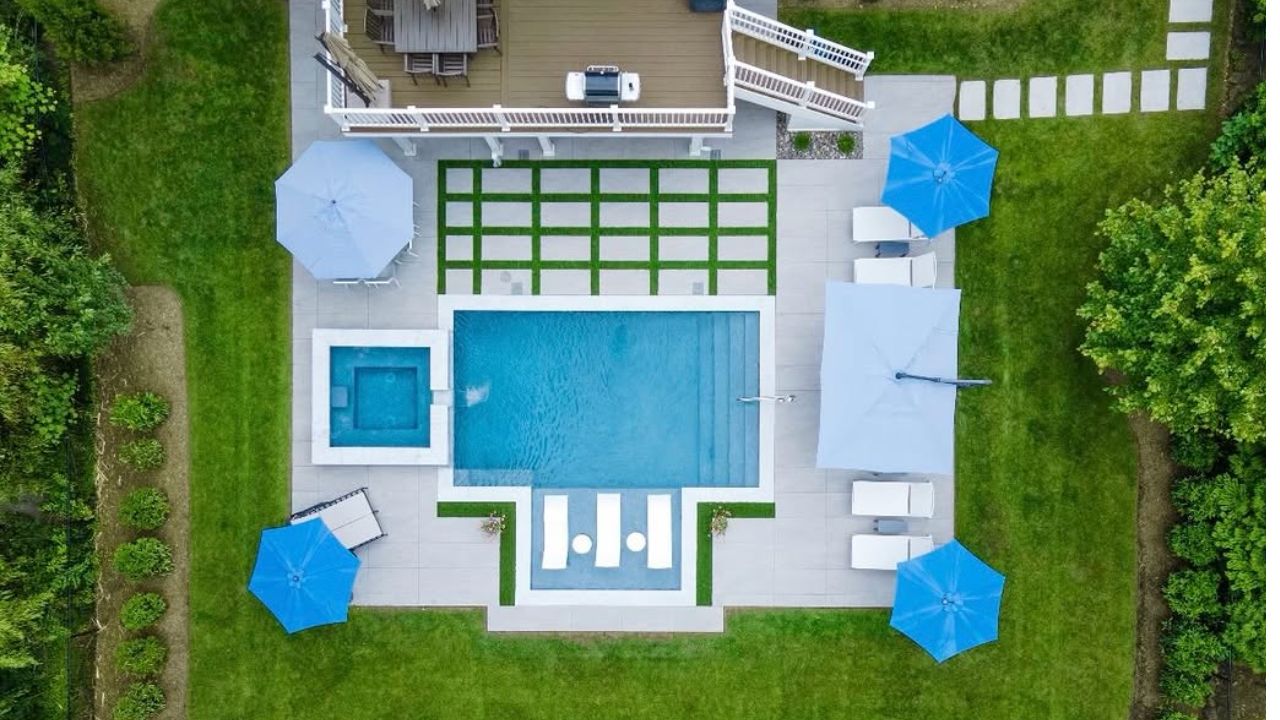
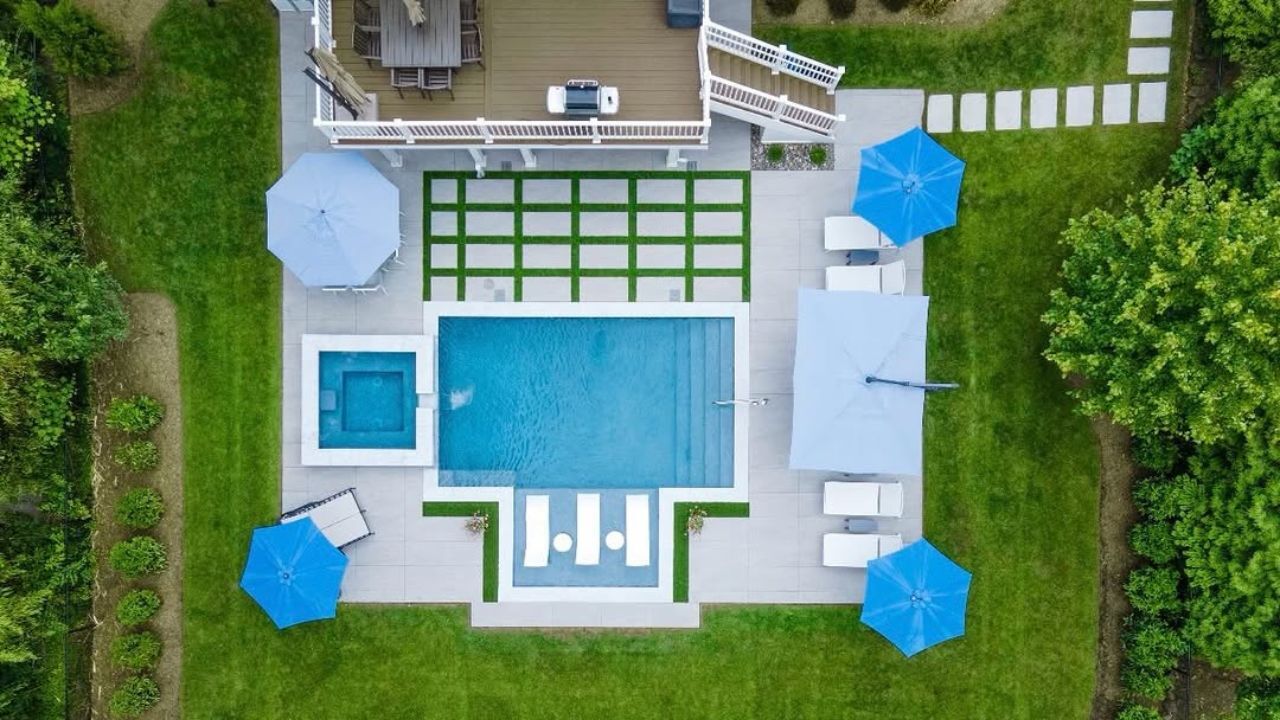
It is one of the most creative paver patio design ideas in a grid layout. It features large square or rectangular pavers with consistent spacing. This design offers visual clarity. This layout is well-suited for most modern homes as they feature clean lines. This creates a calm and organized look outdoors.
Designers usually fill the joints with gravel or grass to soften the surface. This paver design idea works great for small patios that need to feel larger and contemporary architecture. You can also pair material like porcelain slabs with smooth concrete pavers for a cohesive feel.
2. Herringbone Pattern For Strength And Movement
If you like your paver patio design to feel moving while adding strength, then the herringbone pattern is the best choice for you. This pattern uses pavers at 45° or 90° angles in a zigzag form. The resulting design is dynamic but controlled. The most prominent benefit of this design is forming a stable structure.
The interlocking layout bears the load evenly, which makes it ideal for patios where heavy furniture is regularly used. Also, a patio with heavy foot traffic can take advantage of this as well.
3. Running Bond Pattern For A Clean and Familiar Look
If you prefer a clean and traditional paver placement for a patio, then the running bond pattern is what you need. This pattern offsets each row by half a paver length. The pattern is simple, easy to install, and budget-friendly. It can even create a subtle design flow. For the best modern liner look, opt for long rectangular pavers.
4. Modular Multi-Size Layout For Natural Variation
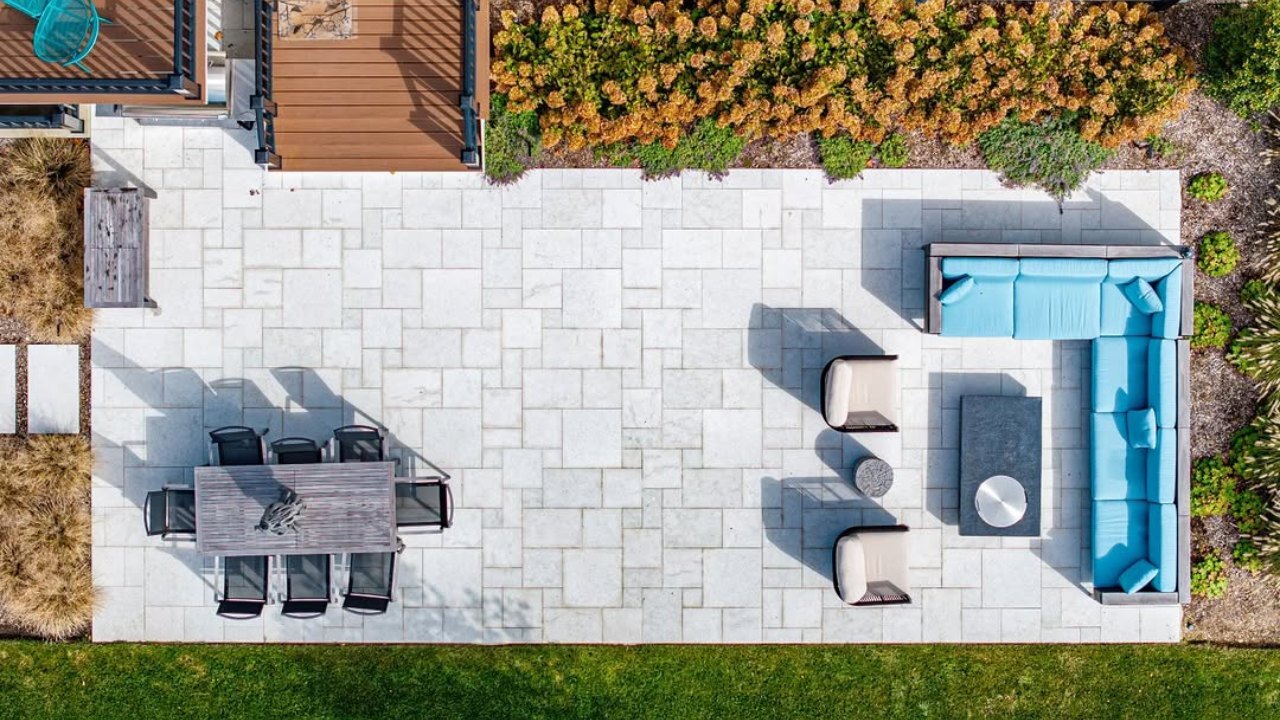
If your preferred outdoor pavers design ideas for the patio involve an organic look and feel, then this layout suits you well. It mixes the pavers of different sizes in a repeating sequence. The key benefits of this design are the natural look and feel.
It mimics the natural stone paver installation with reduced repetition, especially in large patios. The best material to work with includes:
5. Circular or Radial Design For Focal Layout
This patio over design idea creates a center point within the patio. It gives a strong focal area, draws attention to a fire pit, water feature, or dining table.
This design idea is well-suited for entertainment patios and patios with different water and structural design elements.
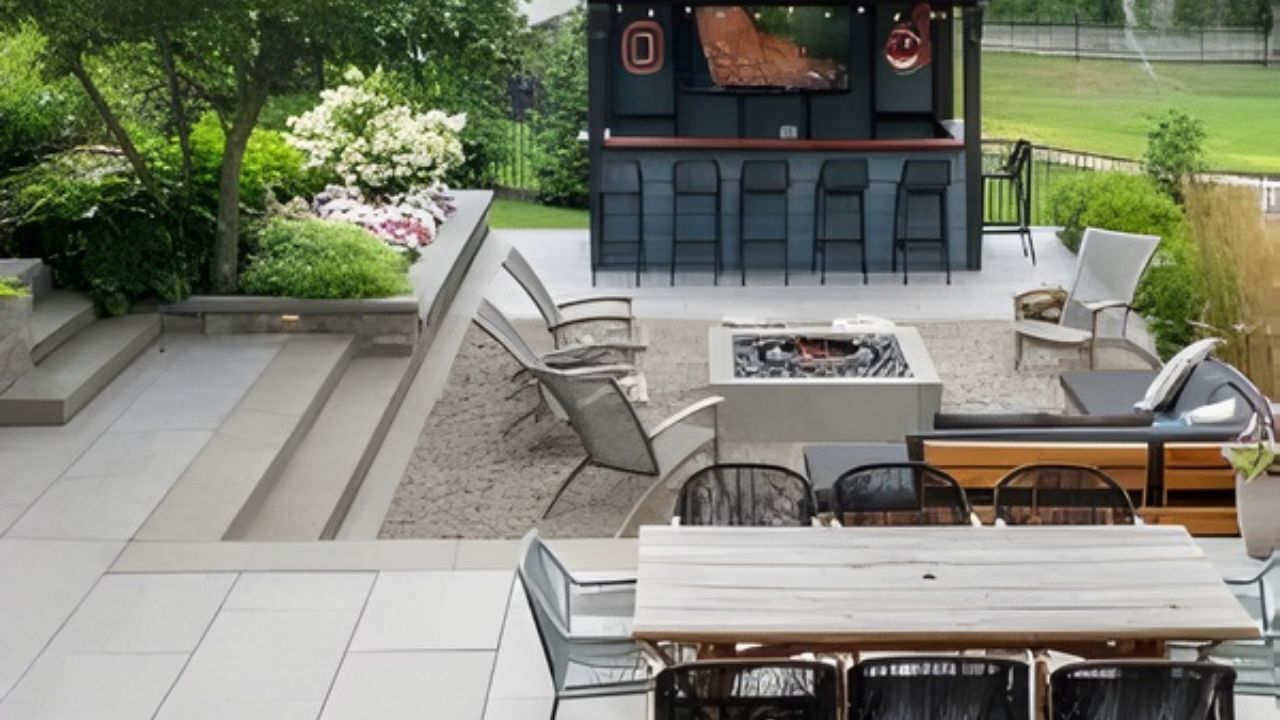
6. Large Format Slabs For Minimalist Luxurious Look
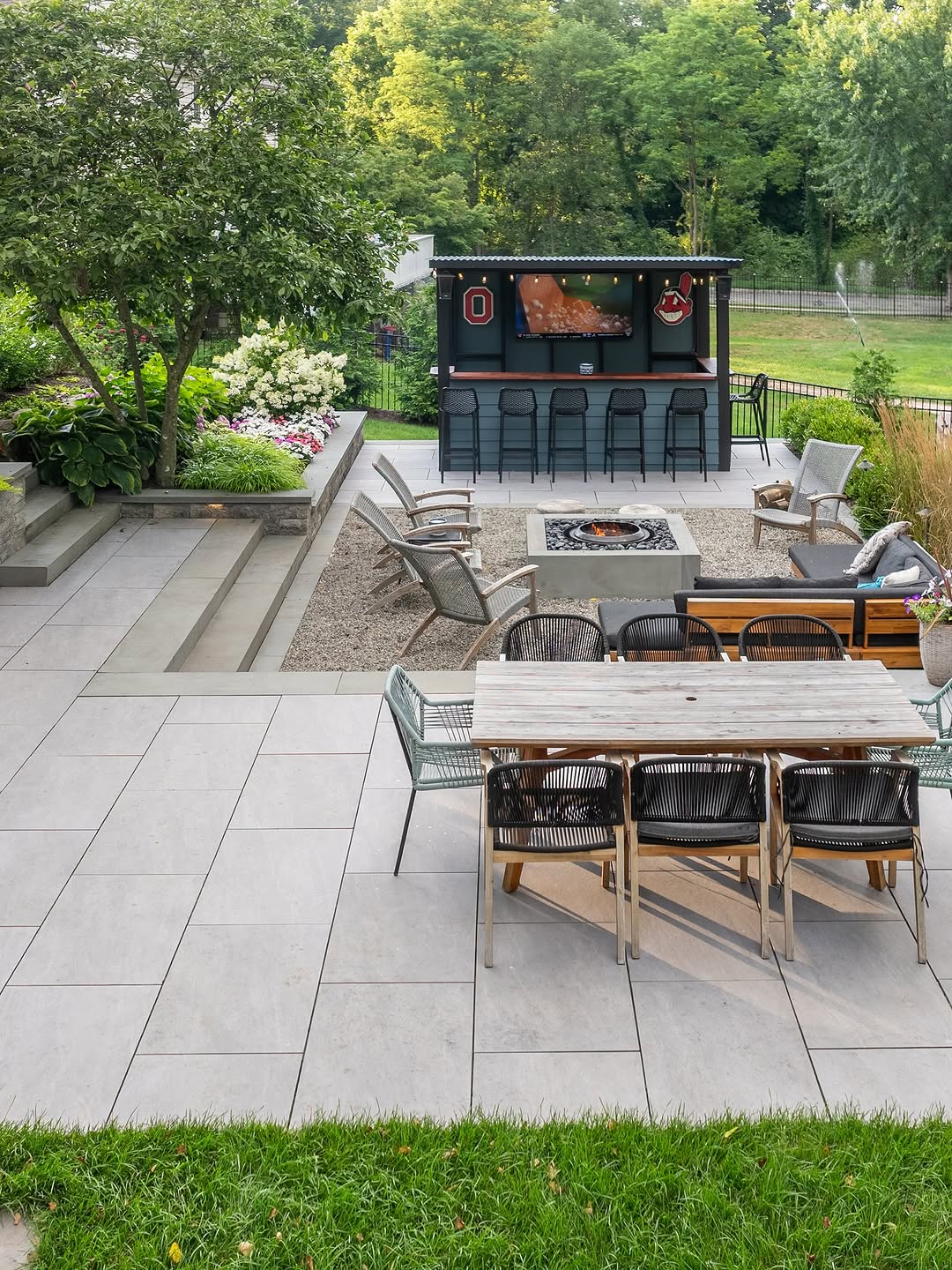
Modern designs focus on minimal joints and lines. Large slabs reduce joint lines, which results in an ultra-modern surface. The major benefit of this design is that it creates a seamless look. It is still in trend for outdoor paver design.
The most suitable material is the porcelain slabs because of their uniform design, durability, and low maintenance.
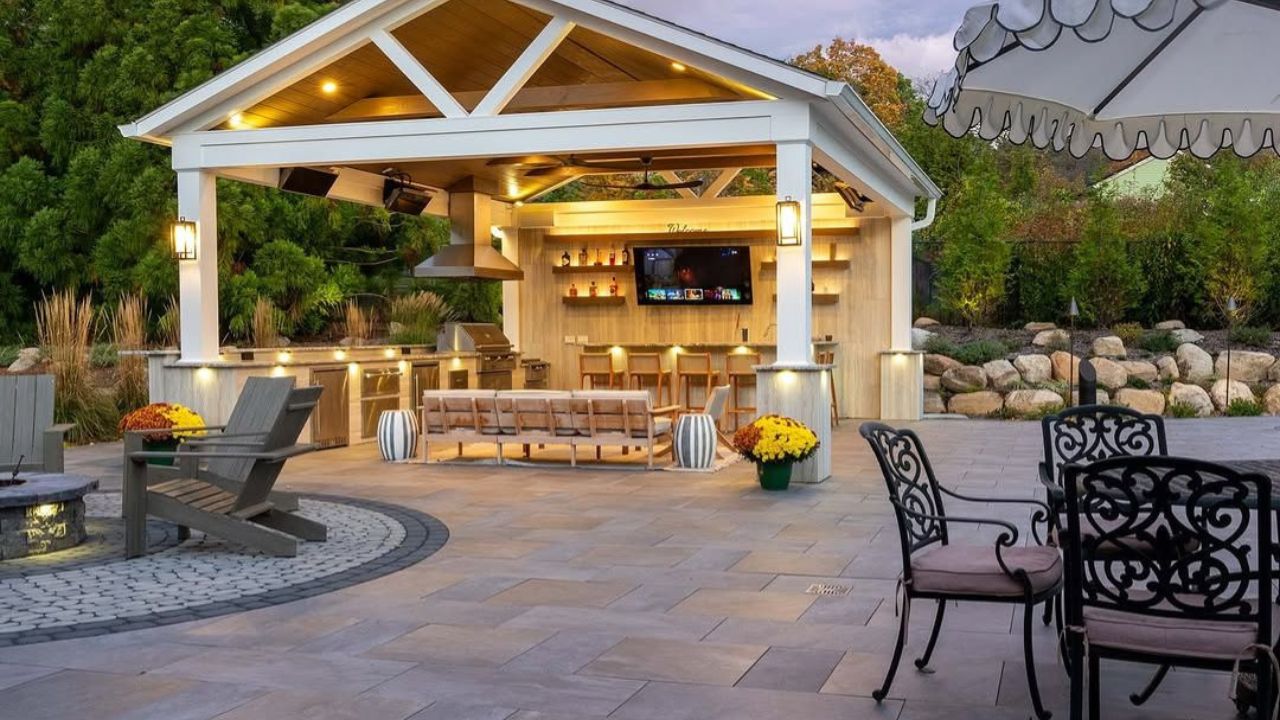
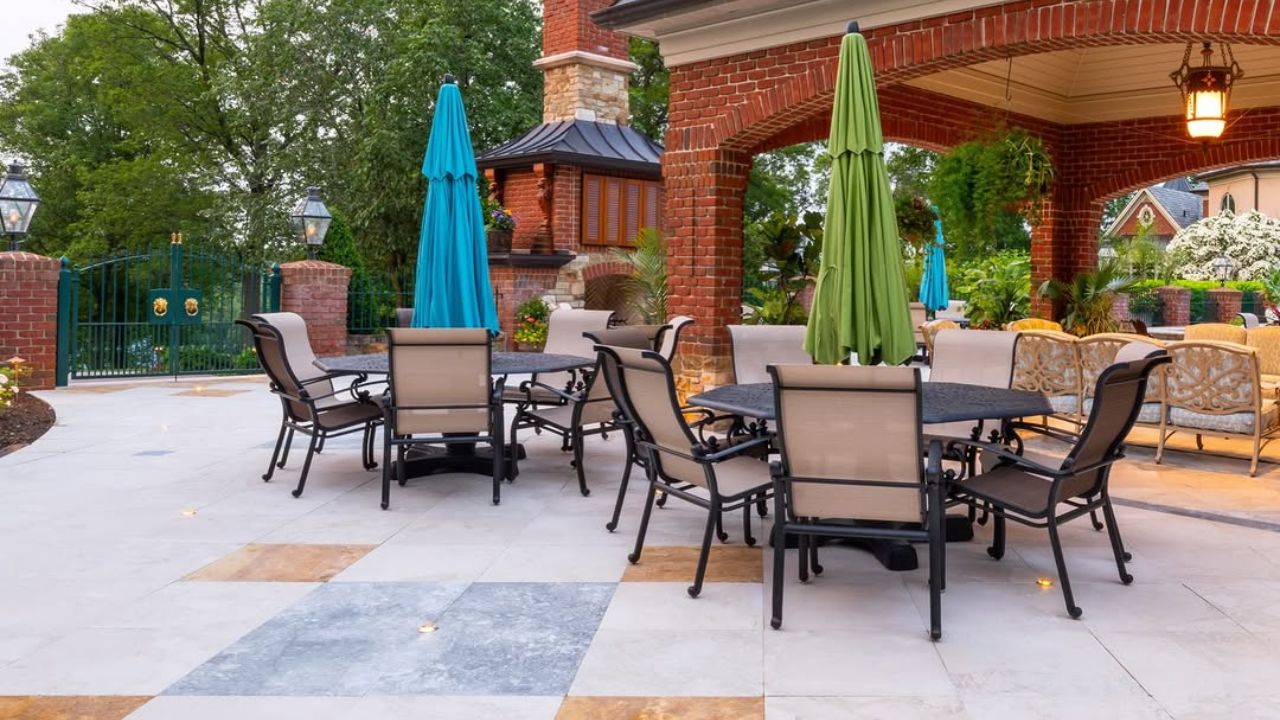
7. Mixed Material Contrast For Layered Design
You can break the material uniformity by opting for mixed materials while designing your patio. This approach combines colors and materials of different types. For example, go for a concrete base with a stone border or light pavers with dark edging.
Key benefits include creating visual depth in the area and defining the zones without wall building.
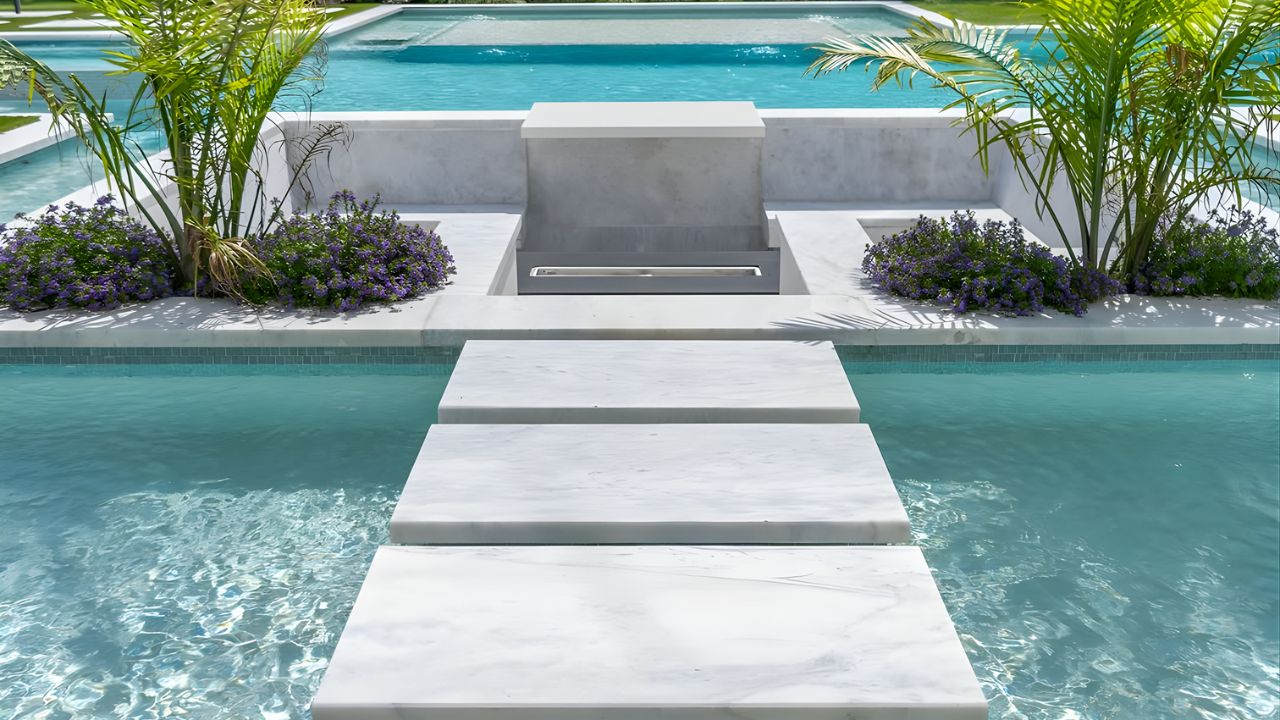
8. Stepping Stone Integration For Soft Hardscape
If you don’t like full coverage, then you can use specific areas to install pavers for patios. Using step stone can create a balance between landscape and structure. The grass or gravel filling the gaps can create a soft hardscape look.
They are well-suited for garden patios and transitional outdoor spaces.
9. Border and Inlay Designs For Detail Control
You can frame your patio with a border and inlays within the field. This is one of those outdoor paver design ideas for patios that create a customized look without costing you extra. Also, using dark-colored pavers as a border creates a rug effect under seating areas.
10. Permeable Paver Systems For Climate-Responsive Design
If you don’t like a traditional paving system, a permeable paver can work for you. Permeable pavers offer better water drainage by letting the water go through the joints.
The best thing about this paver design idea is its suitability for the climate. Better draining means no water puddling on the surface and reduced water runoff. The water can go underground without damaging the surface.
Sustainable design is no longer optional. Many regions now require permeable solutions for new builds.
How to Choose the Right Outdoor Pavers Design?
Consider these factors when choosing the right outdoor paver design for a patio.
| Factors to Consider | Impact on Paver Design | Expert Recommendation |
| Function of the Patio | Determines pattern stability and layout type | Use flat, stable patterns like the Running Bond Pattern or a grid for dining; use decorative layouts for lounge areas |
| Pattern vs Space Size | Affects visual balance and spacing | Use simple layouts (grid, running bond) for small patios; use modular or radial patterns for large areas |
| Climate and Drainage | Impacts color choice, texture, and slope planning | Use light-colored pavers to reduce heat; maintain a 1–2% slope; avoid rough textures in dusty regions like Faisalabad |
| Material Selection | Controls durability, maintenance, and appearance | Concrete for flexibility; natural stone for a premium look; porcelain for low maintenance; brick for classic style |
| Color Strategy | Influences spatial perception and contrast | Use light tones to expand space; dark tones to create contrast; limit palette to 2–3 colors |
| Edges and Transitions | Affects long-term stability and finish quality | Use edge restraints, border pavers, and proper base compaction; ensure smooth transitions to surrounding areas |
Outdoor Pavers Design Ideas FAQs
Let’s answer your questions about Outdoor Pavers Design Ideas for patios.
What is the best paver pattern for patios?
The herringbone pattern is the best paver pattern for strength and high-traffic areas. Grid layouts for modern patios and running bond work great for simple and budget-friendly designs.
How do I choose the right paver size?
Matching the size to space, as large pavers look good in big patios and small pavers fit compact areas.
Are porcelain pavers better than concrete?
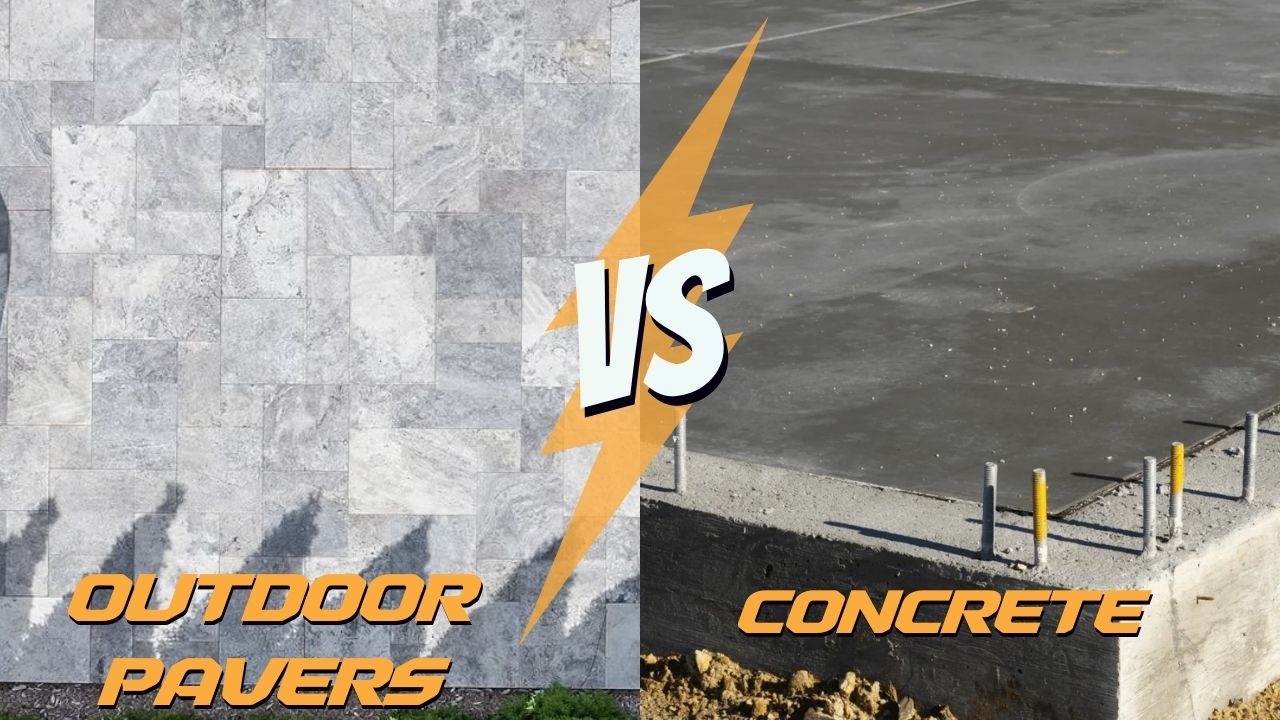
Yes. Porcelain pavers are resistant to stains, scratches, freeze-thaw cycles, and require little maintenance. Concrete pavers are budget-friendly but not durable in the long run.
What is the most durable patio paver design?
An interlocking pattern, such as herringbone, offers the best durability. They reduce shifting and distribute weight evenly.
Do I need drainage for a paver patio?
Yes. A proper drainage slope of 1-2% away from the structure is crucial to eliminate water pooling and structural longevity.
How long do paver patios last?
20-30 years or more when installed on a well-prepared base and maintained properly.
Can I mix different paver styles?
Yes. But consider the combination and mix it in a limit. Use contrast for borders or zones, not around the entire surface.
Conclusion
Creating a beautiful patio with outdoor pavers can be a rewarding experience for most homeowners. Keep in mind that it doesn’t rely on one decision, but it consists of a system. From pattern, material, layout, to planning and working together, every element matters. Consider the functioning of the area first and then choose a pattern that aligns with the intended usage.
Match the material according to color and climate suitability as well. Keep the layout simple where needed and only add details where they add value. When you know about your patio design requirements, the result will look more natural. NT Pavers will support your everyday usage just like every functional design should do.