

Pavers are one of the most common parts of outdoor spaces like patios. When it comes to patio pavers, most homeowners think about the color and shape, but they miss out on the big picture.
Each paver acts differently under the heat, moisture, and foot traffic. Each installation method determines the longevity of the paver patio, and every design decision influences maintenance costs and comfort.
These days, outdoor living and backyards have made the patios more than a hard surface. Now modern patios are the functional expansion of indoor living without a roof. This is why it should be capable of handling climate stress, providing safe traction, and resisting stains. They should maintain a stable structure as well while being versatile. But, is that all? Here is everything you need to know about patio pavers, from types, costs, to design ideas.
What Are Patio Pavers?
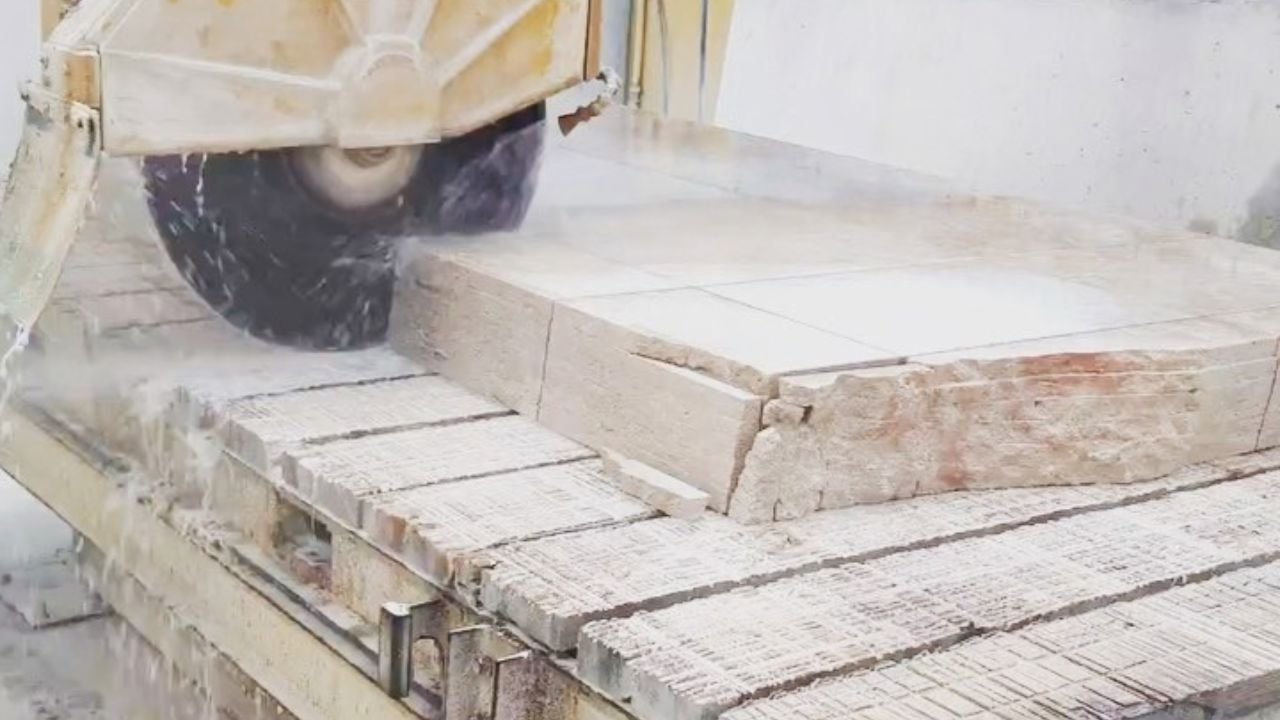
Patio pavers are individual hardscape units that contractors install to create durable outdoor surfaces. Manufacture them from materials like concrete, porcelain, natural stone, and clay brick. They sit over a prepared gravel, sand, or structural base, unlike poured concrete.
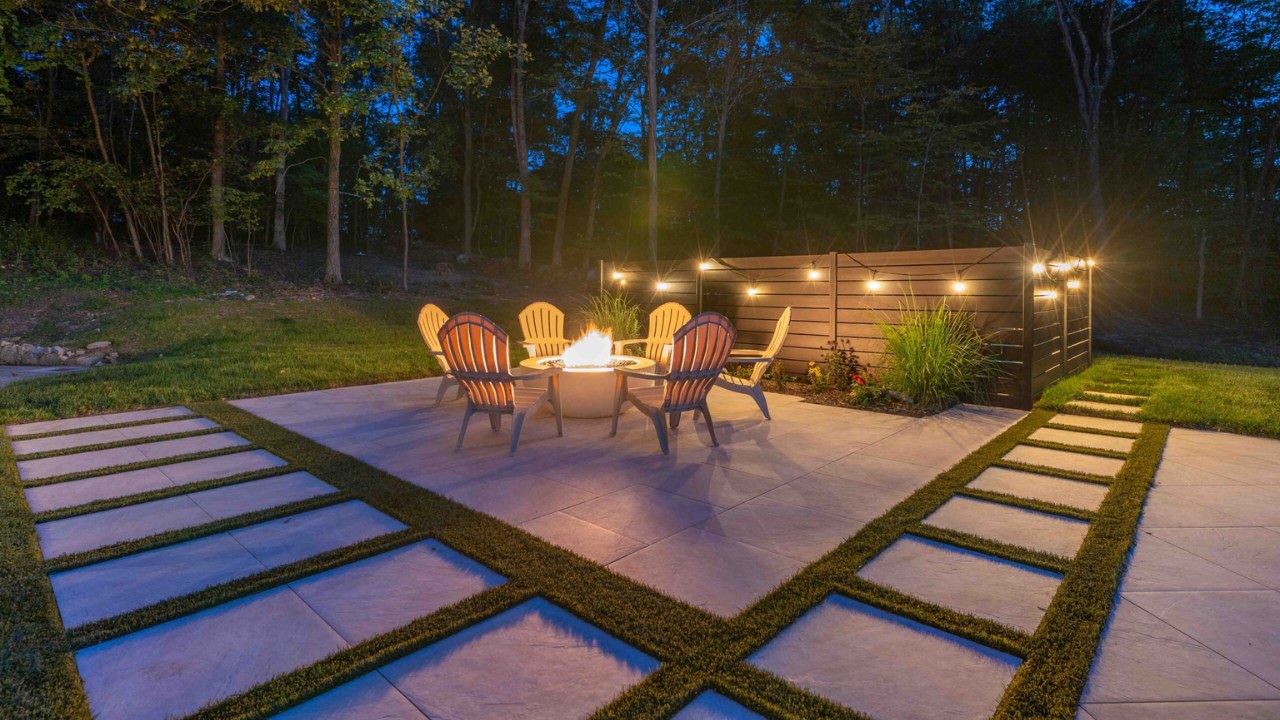
This modular installation offers better drainage, easier repairs, and greater flexibility under ground movement. Because each piece works independently, patio pavers resist cracking and maintain long-term structural stability.
What Sizes and Thicknesses Do Patio Pavers Come In?
Patio pavers come in various sizes and thicknesses. The thickness directly impacts the strength, installation methods, and design style.
Standard Patio Paver Sizes
Most residential patios use modular sizes that allow flexible layout patterns:
- 12″ × 12″ is a common size for small patios and walkways
- 16″ × 16″ is a balanced size and widely used for traditional layouts
- 24″ × 24″ is popular for modern patios
- 24″ × 48″ is a large-format slab for contemporary designs
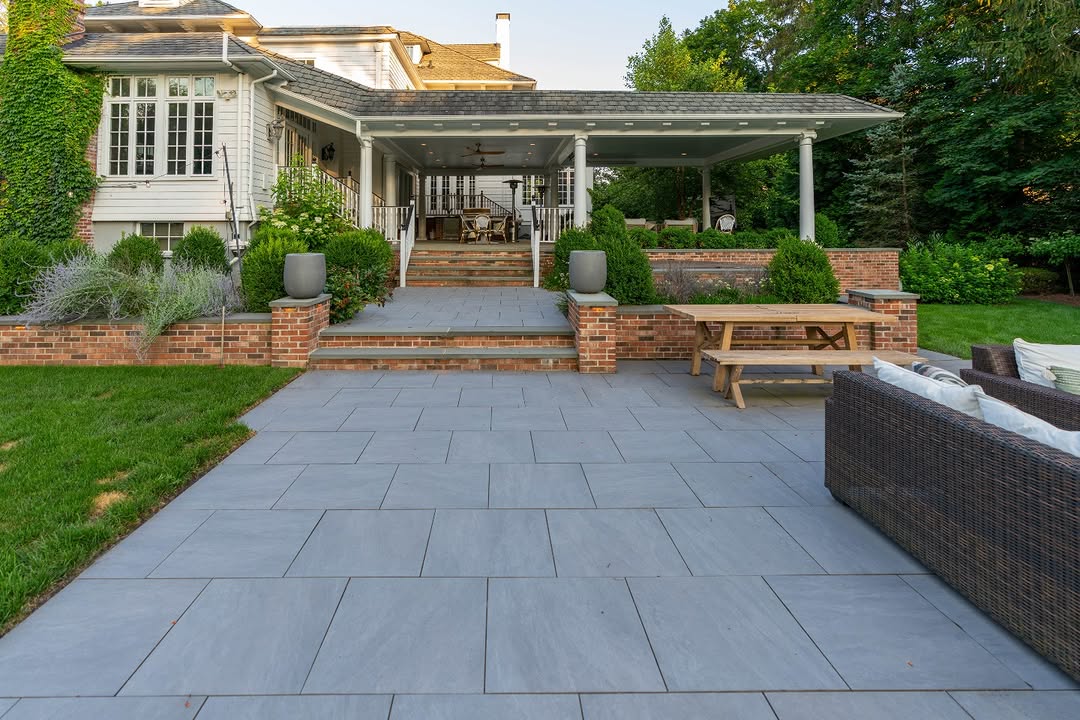
Larger pavers reduce joint lines and create a cleaner visual surface, while smaller units allow curved layouts and intricate patterns.
Typical Thickness by Material
Thickness determines load capacity and installation requirements.
| Paver Material | Typical Thickness Range | Performance Characteristics | Best Use Cases |
| Concrete Pavers | 2″ – 3.5″ | High strength and strong load-bearing capacity. Thicker units resist shifting and handle frequent foot traffic well. | Residential patios, walkways, outdoor seating areas, and moderate-use hardscapes |
| Natural Stone Pavers | 1.5″ – 3″ | Dense stones like granite require less thickness, while softer stones need more depth for stability. Offers excellent durability and thermal performance. | Premium patios, garden spaces, luxury outdoor living areas |
| Porcelain Pavers | ¾” – 1¼” (standard) Up to 2″ (heavy-duty outdoor) | Extremely dense and non-porous. Thinner profiles work for pedestal systems, while thicker slabs support heavier loads. | Modern patios, rooftop decks, pedestal installations, and contemporary layouts |
| Brick Pavers | 2″ – 2.5″ | Reliable structural strength with slight flexibility under load. Performs well in traditional installations. | Classic patios, pathways, courtyards, residential outdoor spaces |
Types of Patio Pavers
There are different types of patio pavers. Each paver has a distinct look and feel, which is crucial to understand before making an informed decision. Before exploring design ideas and installation details, let’s compare the main patio paver types.
| Factor | Concrete Pavers | Natural Stone Pavers | Porcelain Pavers | Brick Pavers |
| Typical Cost Installed | $8–$18 per sq ft | $18–$35 per sq ft | $15–$30 per sq ft | $10–$20 per sq ft |
| Lifespan | 25–40 years | 50+ years | 30–50 years | 40+ years |
| Heat Resistance | Moderate | Excellent | Excellent | Moderate |
| Slip Resistance | Good | Very Good | High (textured) | Good |
| Maintenance Level | Medium | Low–Medium | Very Low | Medium |
| Installation Complexity | Moderate | High | Moderate–High | Moderate |
| Weight Load Capacity | High | High | Very High | High |
| Stain Resistance | Moderate | Depends on sealing | Excellent | Moderate |
| Color Fading Risk | Moderate | Very Low | None | Low |
| Climate Suitability | Most climates | All climates | Freeze-thaw resistant | Mild climates best |
| Drainage Performance | Good | Excellent | Permeable options available | Good |
| Eco Impact | Moderate | Natural material | Low water usage | Moderate |
| Design Flexibility | High | Natural variation | Very High | Classic patterns |
| Repair Ease | Easy | Moderate | Easy | Easy |
What Are The Most Popular Types of Patio Pavers Among Homeowners?
When talking about patio pavers, these are the most popular paver types homeowners prefer.
Concrete Pavers:
Concrete pavers are the most popular paver type for patio installations. Manufacturers can mold them into uniform shapes. That precision simplifies installation. Modern concrete pavers include protective coatings that improve UV resistance and reduce surface wear.
However, concrete pavers need joint maintenance every 3-5 years. If proper polymeric sand is not used, weed growth and shifting occur.
Natural Stone Pavers:
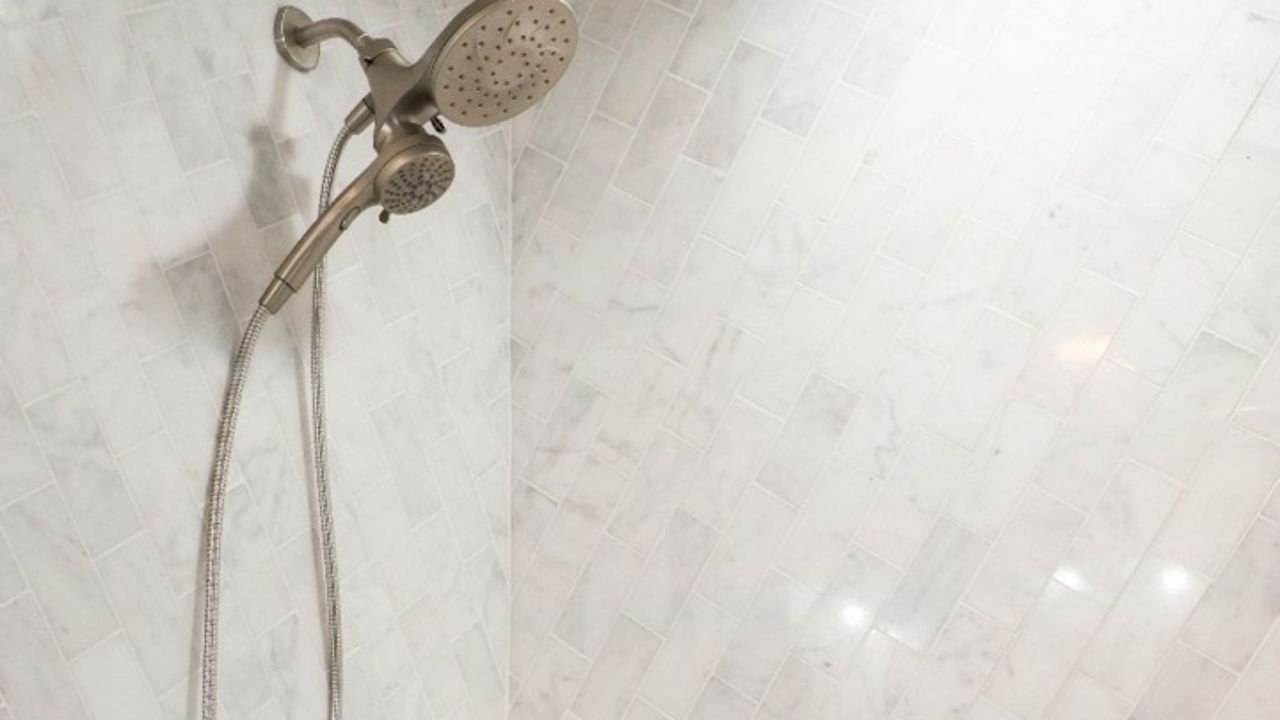
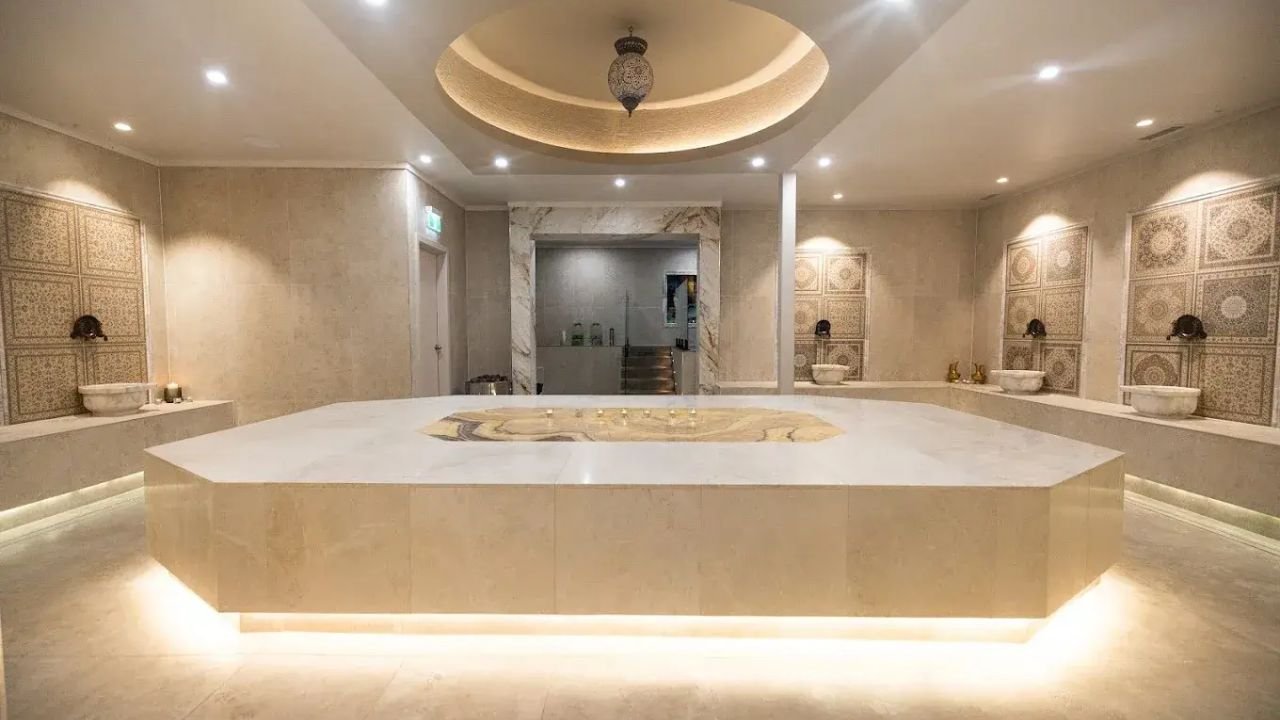
Natural stone pavers are typically associated with high-end projects or with homeowners who prefer a natural aesthetic. They feature stunning natural colors from sleek ivory to vibrant reds and earthy tones. Paving stones such as travertine, limestone, and granite offer unmatched durability. Many homeowners also choose travertine flooring for patios and outdoor spaces, as it combines elegance with long-lasting performance. Stone pavers have better thermal properties because of their internal structure. They can regulate the temperature. These patio blocks remain cooler than concrete under sunlight. One of the unique things about stone pavers is how they age. Stone patio pavers gain strength over time through mineral crystallization.

Many premium projects by brands like NT Pavers use stone because it ages gracefully without losing structural integrity.
Porcelain Pavers:
Porcelain pavers are one of the strongest, most durable, and resistant paver types. Porcelain patio pavers are crafted through firing porcelain at extremely high temperatures. This process produces a dense, non-porous surface. The major advantages of porcelain patio pavers include resistance against mold, stains, and freeze-thaw damage. It is more effective than most materials.

Porcelain also allows ultra-thin installations on pedestal systems, which enable elevated patios with integrated drainage.
Brick Pavers:
Brick pavers offer traditional aesthetics and durability, too. They are crafted using clay, which stays flexible under load. That flexibility reduces cracking risk.
However, brick absorbs more moisture than porcelain or stone. It requires periodic sealing in humid climates.
What Do Patio Pavers Cost?
Many homeowners want to know the patio pavers cost per square foot, but they often miss the total project costs. Material price is only a part of the investment.
Average Installed Cost Ranges
- Concrete: $8–$18 per sq ft
- Brick: $10–$20 per sq ft
- Porcelain: $15–$30 per sq ft
- Natural stone: $18–$35 per sq ft
For example, when estimating how much does a 20×20 paver patio cost, homeowners typically multiply these per-square-foot rates by the total area, along with labor and site preparation factors.
This cost calculation includes labor, base preparation, and joint materials.
Hidden Factors That Affect The Overall Material Cost
When estimating the patio paver cost, consider the hidden factors that affect the overall material cost.
Site Preparation
Site preparation is an integral part of installing the pavers. Uneven soil can increase the excavation cost, while clay soil requires deeper bases.
Drainage Systems
Modern patios require a strong drainage system to prevent pooling. Drainage layers and slope adjustments also add to project costs.
Edge Restraints
Proper edging prevents long-term shifting. If installers skip this step, it will result in expensive repairs later.
Patio Paver Installation Methods Comparison
Patio paver longevity and performance highly depend on how patio pavers are installed. Even the strongest pavers fail if not installed properly. Installation quality determines patio lifespan. Take a look at this table to learn about different paver installation methods.
| Factor | Dry-Laid Installation | Mortar-Set Installation | Pedestal Installation (Raised System) |
| Basic Method | Pavers sit on a compacted gravel base and bedding sand | Pavers adhere to a concrete slab using mortar or thin-set | Pavers rest on adjustable plastic pedestals above a structural base |
| Structural Support | Flexible system that absorbs ground movement | Rigid system with high structural stability | Elevated but stable; load distributes through the pedestal grid |
| Drainage Performance | Excellent natural drainage through base layers | Limited drainage; requires slope planning | Outstanding drainage; water flows beneath pavers |
| Installation Complexity | Moderate; widely used by residential contractors | High; requires skilled masonry work | Moderate-high; requires precise leveling and layout planning |
| Typical Installation Cost (2026) | $8–$15 per sq ft | $18–$30 per sq ft | $20–$35 per sq ft |
| Best Material Compatibility | Concrete, natural stone, brick | Natural stone and porcelain | Primarily porcelain and large-format pavers |
| Lifespan Potential | 25–40 years with maintenance | 40–60 years if the slab remains stable | 30–50 years, depending on pedestal quality |
| Repair Accessibility | Very easy; individual pavers lift out | Difficult; repairs require breaking the mortar | Very easy; pavers lift without damage |
| Climate Suitability | Works well in most climates | Best for freeze-thaw regions and heavy rain zones | Ideal for wet climates and rooftop installations |
| Load-Bearing Capacity | High for residential patios | Very high; supports heavy loads | High; depends on pedestal spacing and substrate strength |
| Maintenance Requirements | Joint sand replacement is needed periodically | Minimal surface maintenance, but structural cracks are possible | Very low maintenance; no joint erosion |
| Drainage Risk Factors | Poor base prep may cause shifting | Trapped moisture can damage the slab over time | Minimal risk due to open drainage design |
| Installation Speed | Fastest method | Slowest method | Moderate speed |
| Design Flexibility | Supports curves and varied layouts | Limited flexibility after installation | Supports modern large-format layouts |
| Long-Term Stability | Slight movement expected over decades | Very stable but prone to cracking if the slab shifts | Stable with adjustable leveling capability |
| Ideal Applications | Residential patios, walkways, and garden spaces | Driveways, commercial patios, high-traffic zones | Rooftop patios, luxury decks, modern outdoor spaces |
| Hidden Advantages | Cost-effective repairs and good permeability | Maximum structural strength and longevity | Allows hidden utilities, lighting, and drainage access |
| Hidden Limitations | Weed growth occurs if joints are not maintained | Expensive repairs and potential slab failure | Higher upfront cost and specialized design requirements |
Among these methods, mortar-set installation relies heavily on the strength of the bonding material. Using type S mortar helps improve durability in high-load and ground-contact areas.
Patio Pavers Design Ideas For a Premium Look
Modern patio paver design focuses on cohesion rather than just being decorative. The goal is to create a visual flow between indoor and outdoor spaces for a subtle transition.
Large Format Layouts
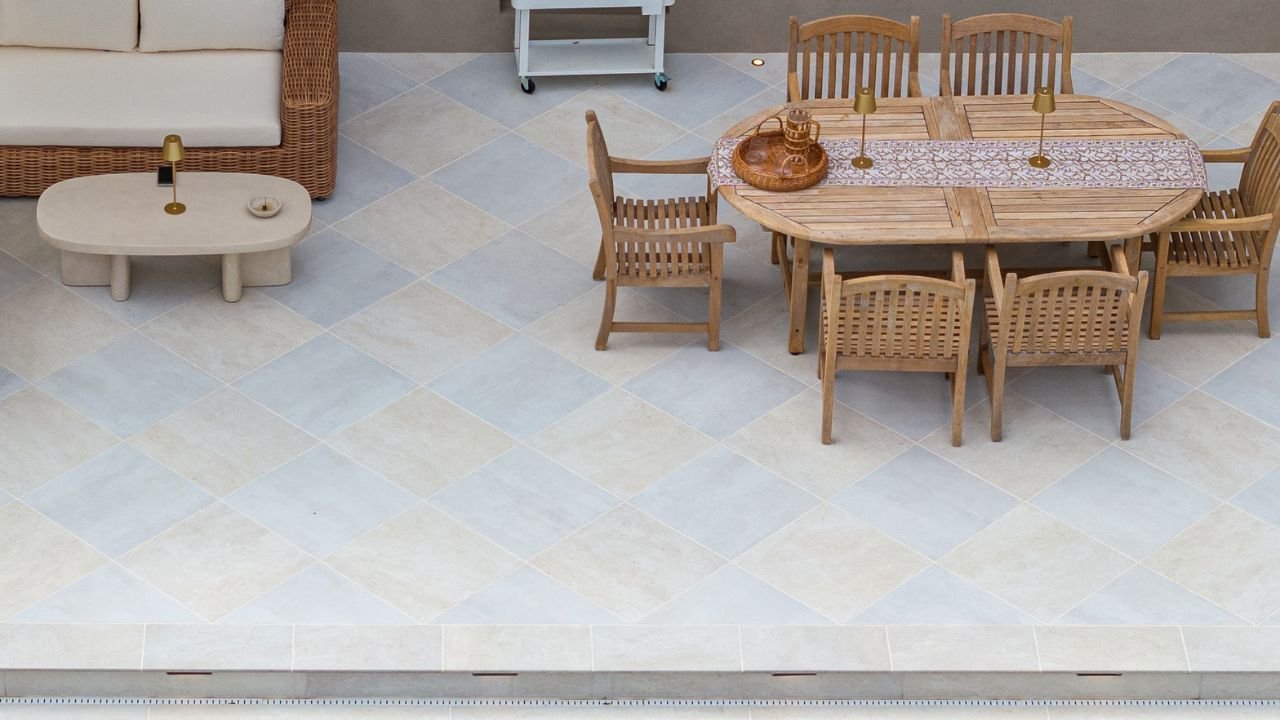
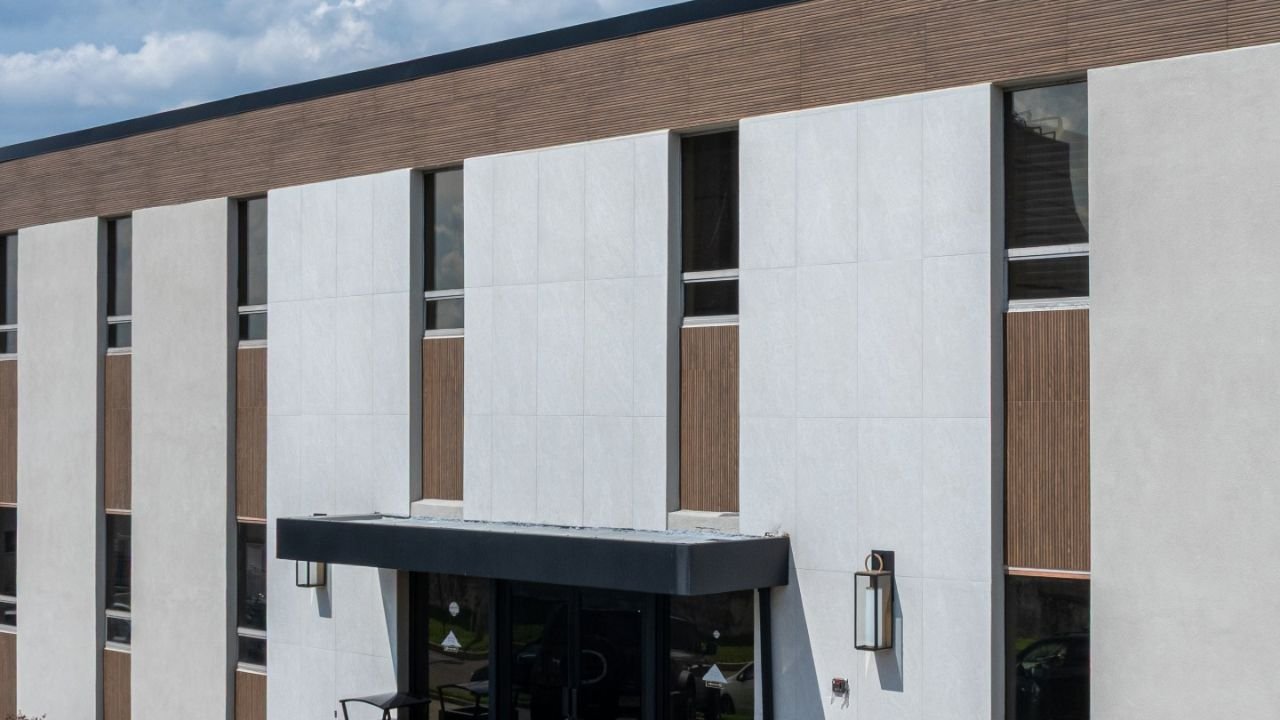
Large-format patio pavers reduce joint lines. They create a unified look that looks clean, bold, and extremely modern. Also, using large-format layouts makes maintenance much easier. The most common large-format slab type is porcelain. Large-sized porcelain slabs offer design consistency, allowing you to be creative and create unique-looking patios.
Mixed Material Zones
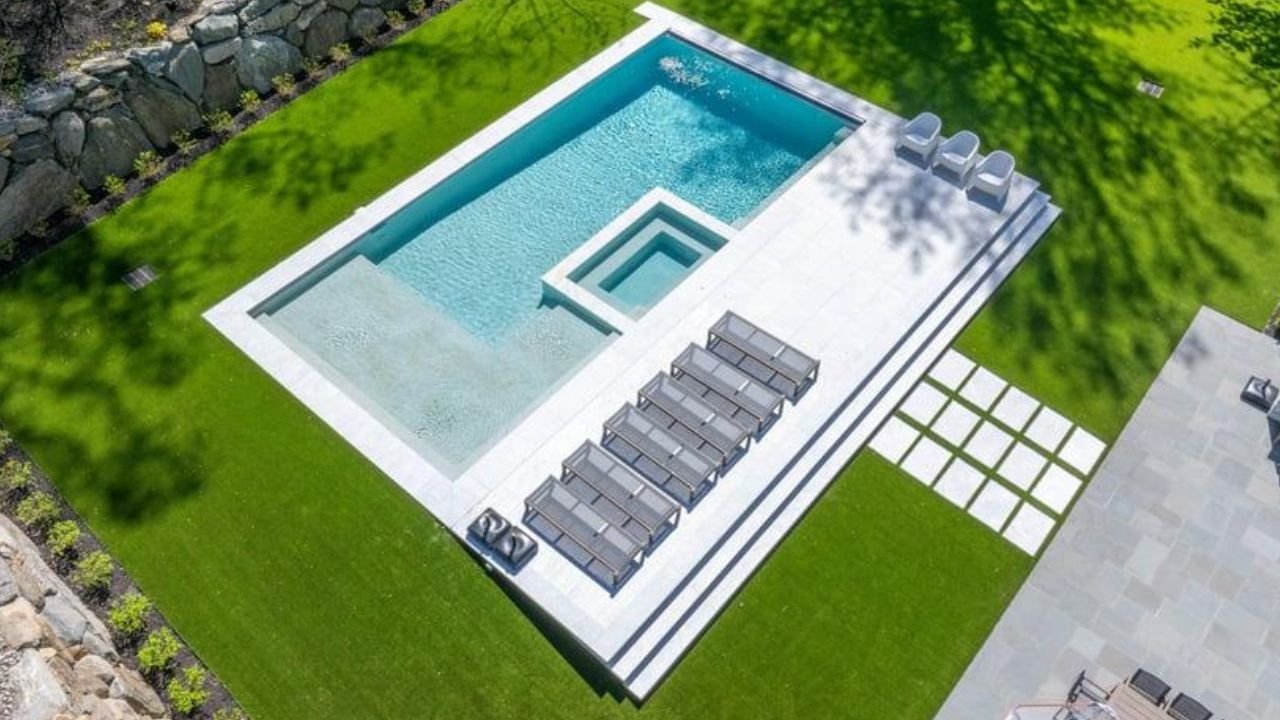
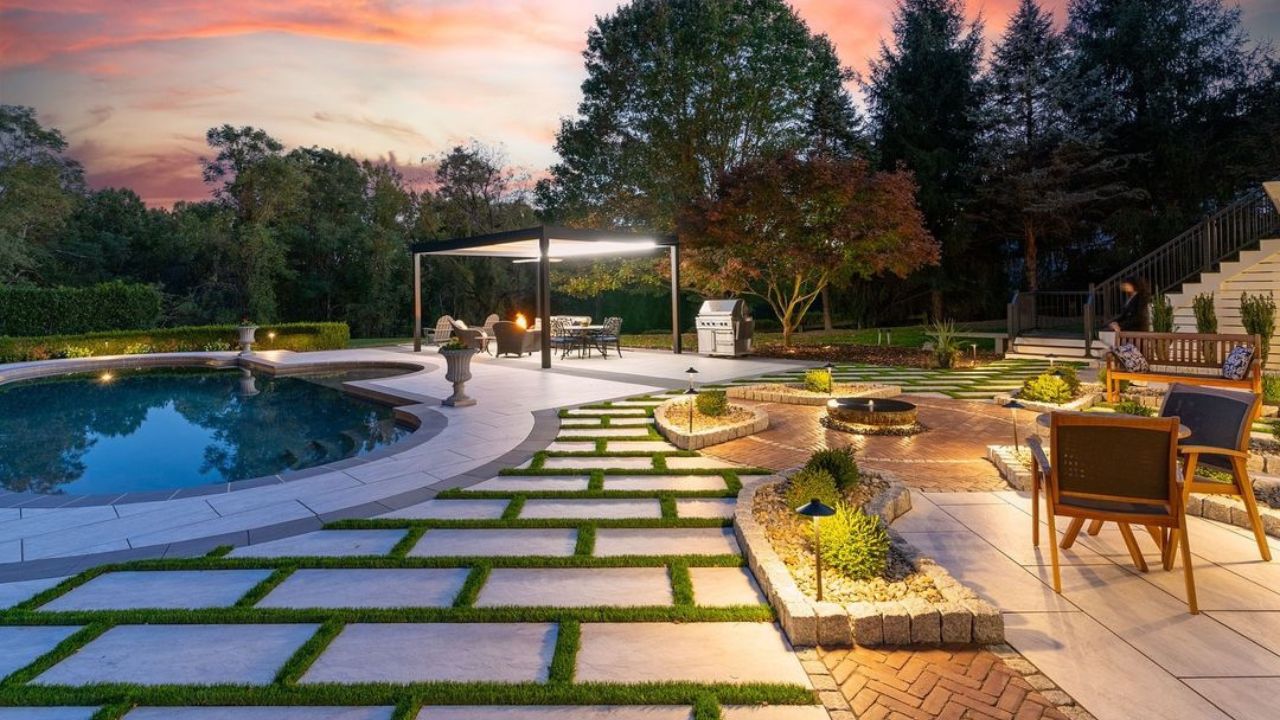
Mixed materials that complement or contrast creatively can create a stunning premium look for patios. Designers can even combine stone with grass strips or gravel borders. This design approach adds texture contrast and improves drainage.
Neutral Color Palettes
A neutral paver color palette is trending these days. They blend perfectly with landscaping and resist visual aging.
Seamless Indoor-Outdoor Transitions
Matching interior flooring with exterior pavers creates continuity. Porcelain pavers often enable this effect because they mimic indoor tiles. Homeowners often explore new paver ideas to ensure smooth transitions between indoor and outdoor areas.
When Should Homeowners Choose Natural Stone Over Concrete?
Natural stone patio pavers are one of the most popular materials for outdoors and can be a long-term investment. However, they don’t always perform well in every scenario.
Homeowners who want to stay in a property for decades can enjoy the most from its durability. Stone pavers are also well-suited to climates with extreme temperature changes. Concrete remains practical for short-term budgets.
Where Do Patio Pavers Work Well?
Patio pavers’ performance depends on how you are going to use the patio. Such as:
- High-traffic entertaining areas take advantage of durable patio pavers.
- Intimate private patios prioritize comfort and aesthetics.
- Property resale value also improves when high-quality pavers enhance curb appeal.
Which Maintenance Mistakes Shorten Patio Lifespan?
Pavers don’t easily fail to perform, but when it happens, it is rarely a matter of itself but neglect.
- Skipping Joint Sand Replacement
Skipping joining sand results in joint erosion, paver movements, and weed growth.
- Ignoring Drainage Issues
Drainage causes the major failure in the paver performance. Water pooling on the surface or absorbing underneath will weaken base layers.
- Using Harsh Cleaners
This is especially important for a natural stone surface. Harsh acidic cleaners react badly with the natural stone surfaces.
Patio Pavers FAQs
Let’s answer your questions about Patio Pavers types, cost, and everything you have in mind.
What is the best material for patio pavers?
Porcelain and natural stone pavers are the most durable options. Porcelain offers a mix of beauty and resistant performance. Stone patio pavers offer longevity and organic beauty.
How long do patio pavers last?
25-50 years when installed and maintained properly. Natural stone usually lasts even longer than 50 years.
Are patio pavers cheaper than concrete slabs?
No. Pavers generally cost more initially but offer long-term performance with reduced repair costs and easy maintenance.
Do patio pavers require sealing?
Yes. Most patio pavers, especially natural stone and brick, usually require sealing to prevent staining and moisture resistance. Porcelain usually does not require sealing.
What size pavers work best for patios?
Large-format pavers create modern aesthetics and reduce joint maintenance.
Bottom Line
Patio pavers are much different from what most homeowners understand. They come in a variety of material types, from stone to brick, porcelain, and concrete pavers. Each type offers unique strengths in durability, maintenance cost, and visual appeal.
Understanding factors like installation methods, drainage requirements, and longevity helps homeowners avoid expensive mistakes. Learn about different paver materials to create a patio that is not just beautiful but durable and functional for longer, too. Concrete is an affordable option, whereas natural stone and porcelain pavers can be costlier at the start. However, their low maintenance and strength reduce the repair and replacement expenses for longer.
When homeowners evaluate patio pavers for sale through a long-term lens, they make smarter decisions that improve comfort, durability, and property value.